Cottagecore crochet works best when the projects feel soft, useful, and a little storybook-like. Think berries, blooms, pumpkins, woodland mushrooms, market bags, and cozy table pieces that look right at home beside wood shelves, linen curtains, and fresh flowers. Moogly describes cottagecore as simple, handmade, nature-inspired, and nostalgic, which fits crochet beautifully. I picked eight free tutorials that lean into that mood while still being practical enough to actually make and use. Each one comes from a different site, so you get a nice mix of styles, photo references, and skill levels.
Crochet Cottagecore Strawberry Crochet
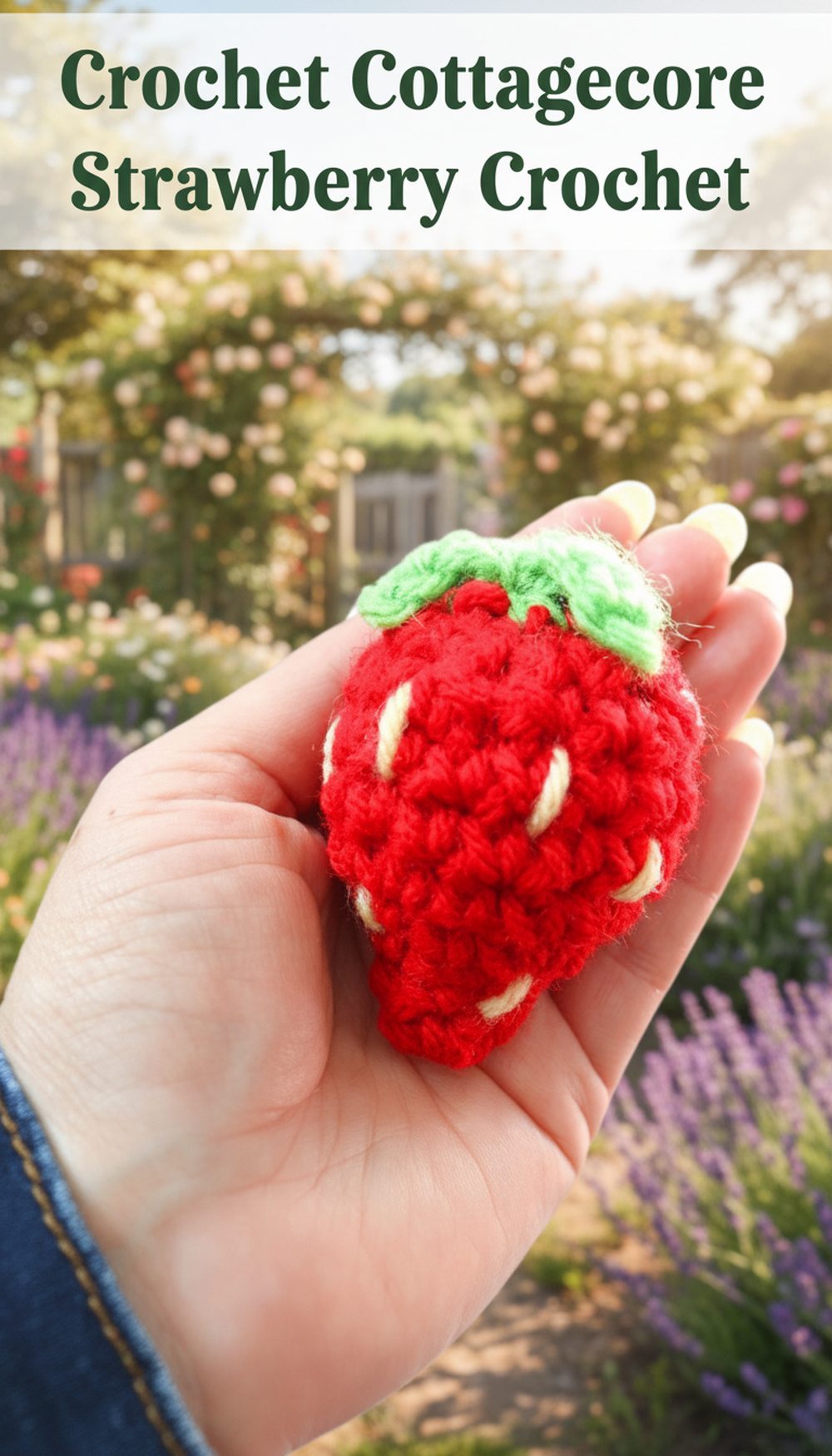
This sweet little strawberry is a quick way to add cottagecore charm to baskets, garlands, tiered trays, or gift toppers. Repeat Crafter Me says it stitches up in minutes, and the materials are simple: cherry red, lemon yellow, and spring green yarn with a size H hook, stuffing, and a tapestry needle. Make several at once and use a slightly tighter tension so the shape stays plump and tidy. It is especially good for scrap yarn and beginner amigurumi practice, and it looks adorable in small bowls or sewn onto seasonal decor. Try the Tutorial at the end.
Hashtags: #crochetstrawberry #cottagecorecrochet #amigurumicrochet #crochetdecor
Supplies:
- Worsted acrylic yarn in cherry red, lemon yellow, and spring green
- 5.0 mm / H crochet hook
- Poly-fil stuffing
- Tapestry needle
Why it’s great: A tiny crochet strawberry gives instant cottagecore style without a big time commitment.
Crochet Cottagecore Daisy Flower Crochet
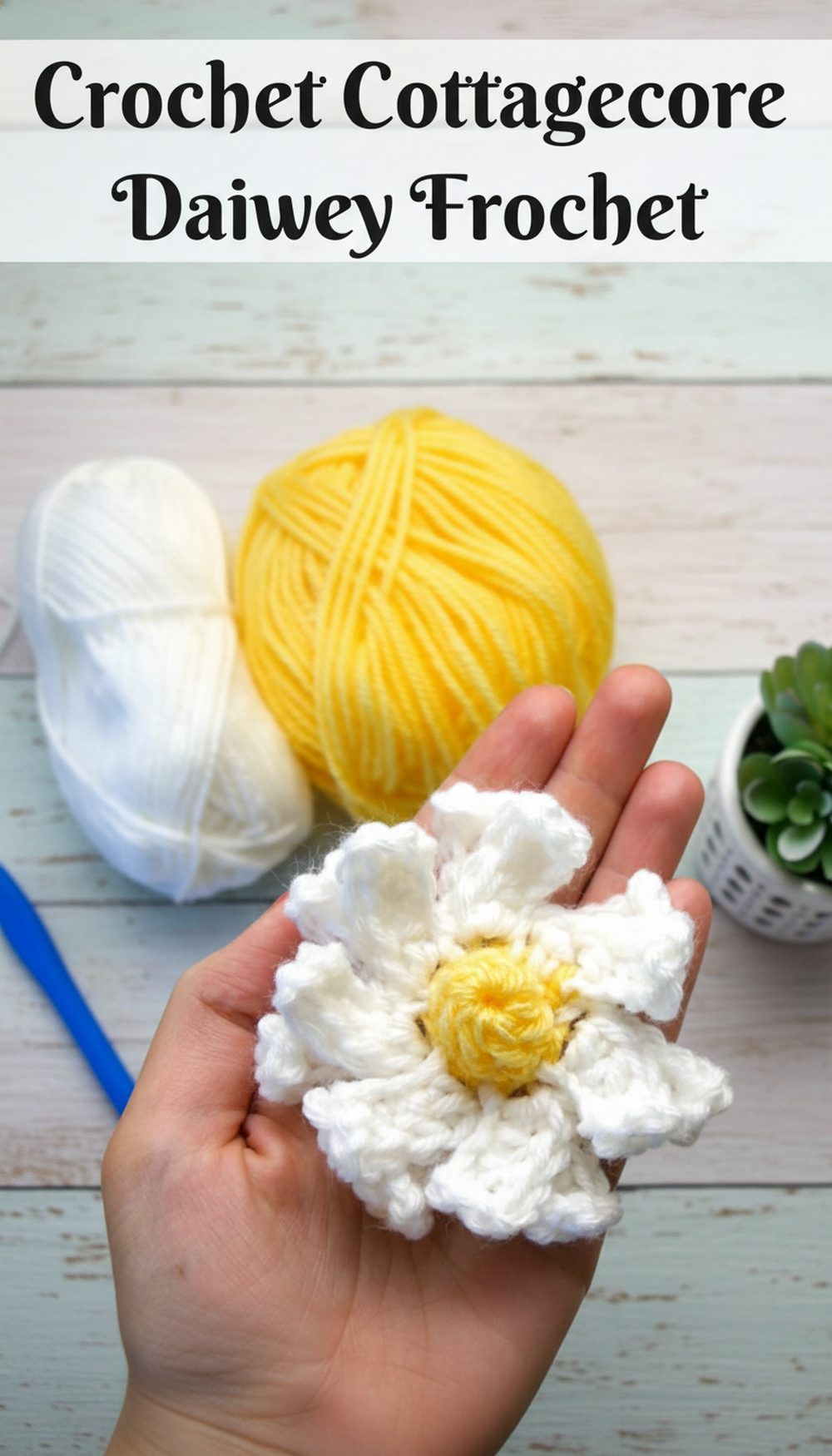
A crochet daisy is one of the easiest ways to bring a meadow feel into your home projects. Sewrella notes that you can make a whole bouquet in an afternoon, using simple worsted yarn in white and yellow. These work beautifully on hair clips, napkin rings, tote bags, wreaths, or wall hoops. For the neatest petals, block the finished flower lightly before attaching it to anything else. This is the kind of small project that gives you a quick win and a lot of styling options, especially if you make a few in matching shades for a cohesive cottagecore look. Tutorial.
Hashtags: #crochetdaisy #crochetflower #cottagecorestyle #crochetideas
Supplies:
- Worsted weight yarn in white and yellow
- Crochet hook to suit yarn
- Yarn needle
- Scissors
Why it’s great: One simple crochet daisy can dress up everything from bags to wreaths to table decor.
Crochet Cottagecore Pumpkin Crochet
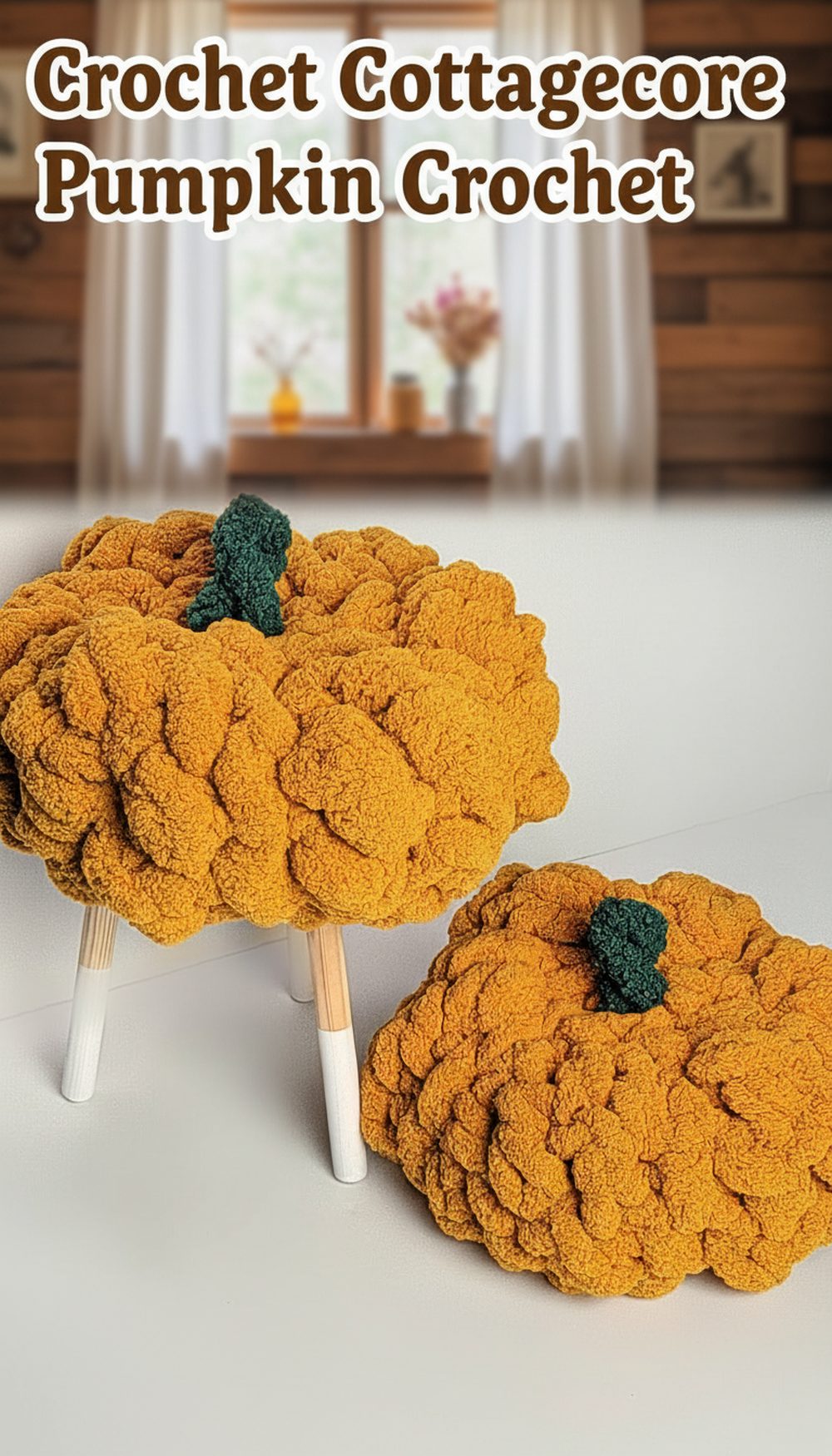
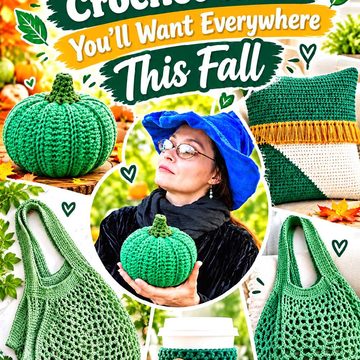
Nothing says cottagecore quite like a soft pumpkin tucked onto a shelf or table. Moogly’s chunky pumpkin tutorial is worked in the round with simple stitches, uses super-bulky Bernat Blanket Big yarn, and works up fast without stuffing. That makes it especially handy for seasonal decorating when you want impact without a long project timeline. A nice tip here is to make two or three in slightly different sizes or yarn thicknesses so they look collected rather than identical. Pair them with wood trays, dried flowers, or candles for a cozy autumn corner that still feels handmade and gentle. Tutorial.
Hashtags: #crochetpumpkin #fallcrochet #cottagecoredecor #cozycrochet
Supplies:
- Super bulky Bernat Blanket Big yarn
- 25 mm crochet hook
- Yarn needle
- Scissors
Why it’s great: This pumpkin gives you big cozy cottagecore impact very quickly and does not require stuffing.
Crochet Cottagecore Lily Bouquet Crochet
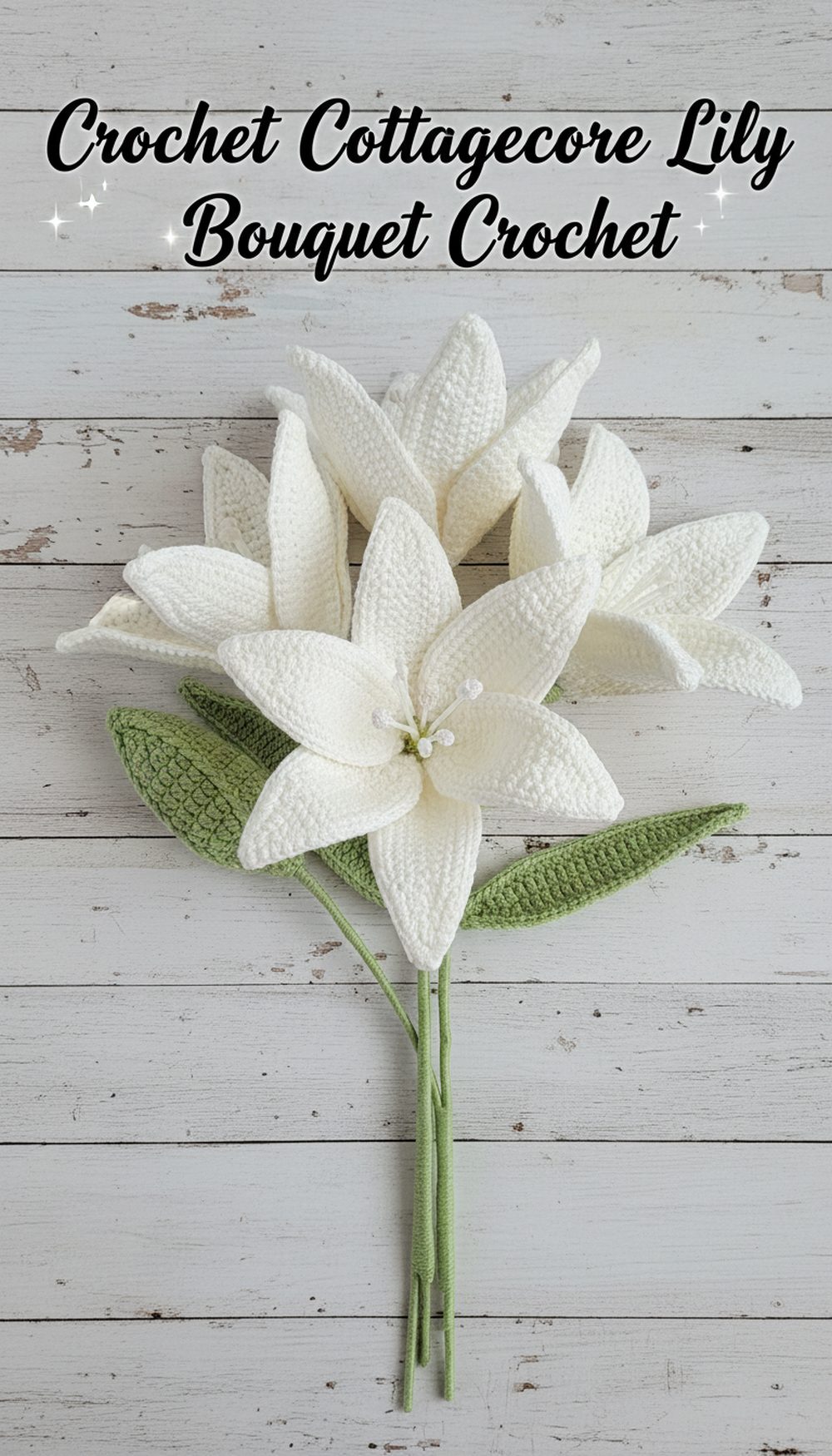
Lilies bring a delicate, garden-picked feeling that fits cottagecore beautifully. Hookok’s lily pattern is meant for bouquets, appliqués, and decor, using white, yellow, and green yarn with a small 2 to 2.5 mm hook, wire, floral rod, and a little polyfill. It is marked advanced intermediate, but the step-by-step structure makes it a satisfying challenge if you want something more polished and lifelike. For the prettiest finish, wrap stems neatly and make three stems together so the bouquet looks full in a small pitcher or jar. This is a lovely forever-flower project for spring decorating. Tutorial.
Hashtags: #crochetlily #crochetflowers #cottagecorehome #handmadebouquet
Supplies:
- Yarn in white, yellow, and green
- 2.0–2.5 mm crochet hook
- Flower rod and thin wire
- Stitch marker and darning needle
- Polyfill and scissors
- Hot glue or adhesive
Why it’s great: Crochet lilies give you a lasting bouquet that looks elegant in jars, vases, and spring displays.
Crochet Cottagecore Mushroom Appliqué Crochet
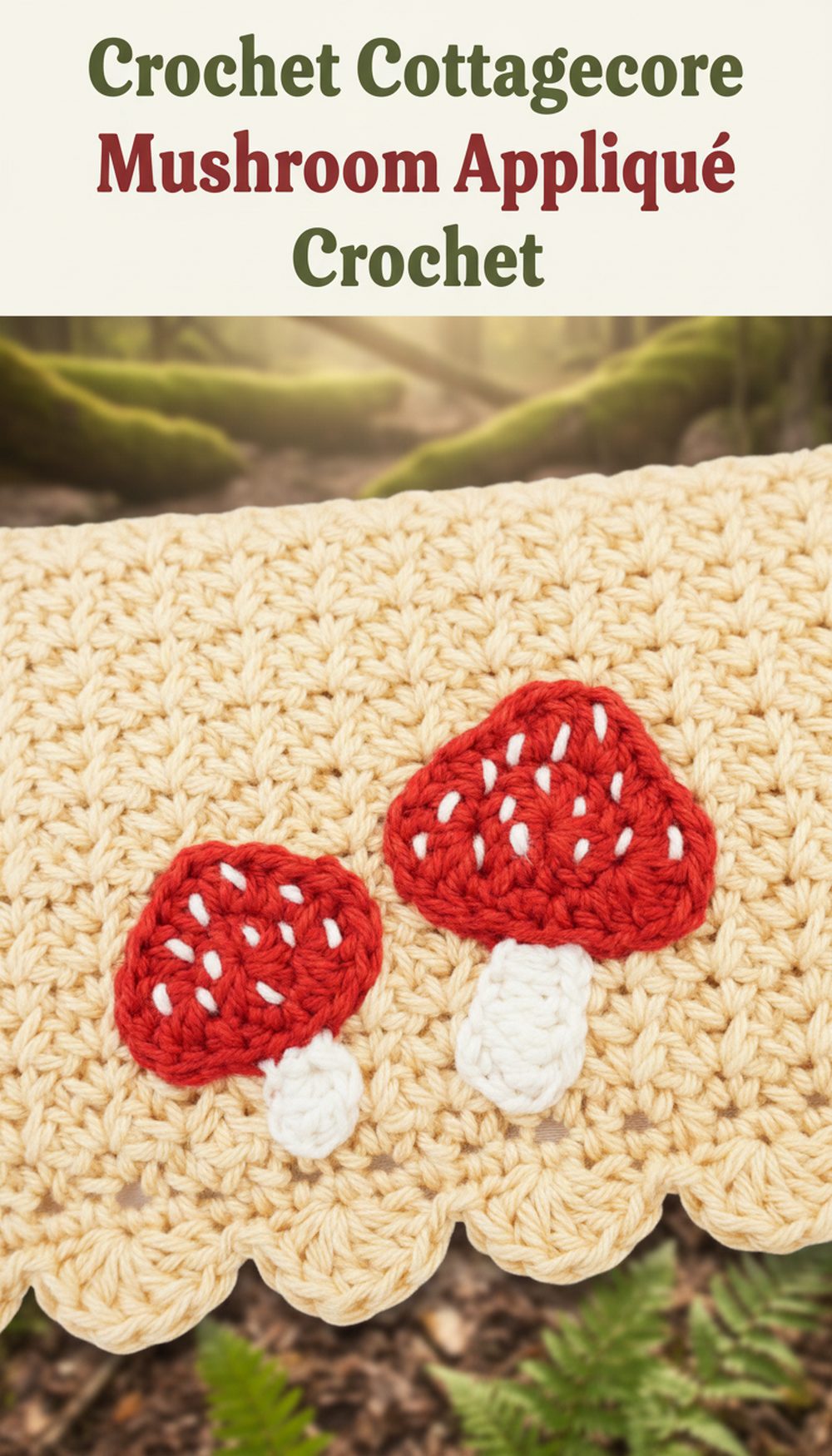
Woodland mushrooms are almost made for cottagecore styling, and this Raffamusa pattern keeps them quick and flexible. The tutorial offers both large and small sizes, and with DK cotton plus a 3.0 mm hook, the mushrooms come out at about 1.6 by 2 inches or 1.3 by 1.5 inches. That makes them perfect for patchwork cardigans, hoop art, baskets, bunting, bookmarks, and seasonal table accents. A practical tip is to crochet several caps in a small set of coordinated shades so your final project looks intentional. They are tiny, charming, and easy to tuck into bigger handmade pieces. Tutorial.
Hashtags: #crochetmushroom #woodlandcrochet #cottagecorecrafts #crochetapplique
Supplies:
- DK cotton yarn
- 3.0 mm crochet hook
- Yarn needle
- Scissors
Why it’s great: These little mushrooms are fast to make and instantly give any project a woodland cottagecore touch.
Crochet Cottagecore Market Tote Crochet
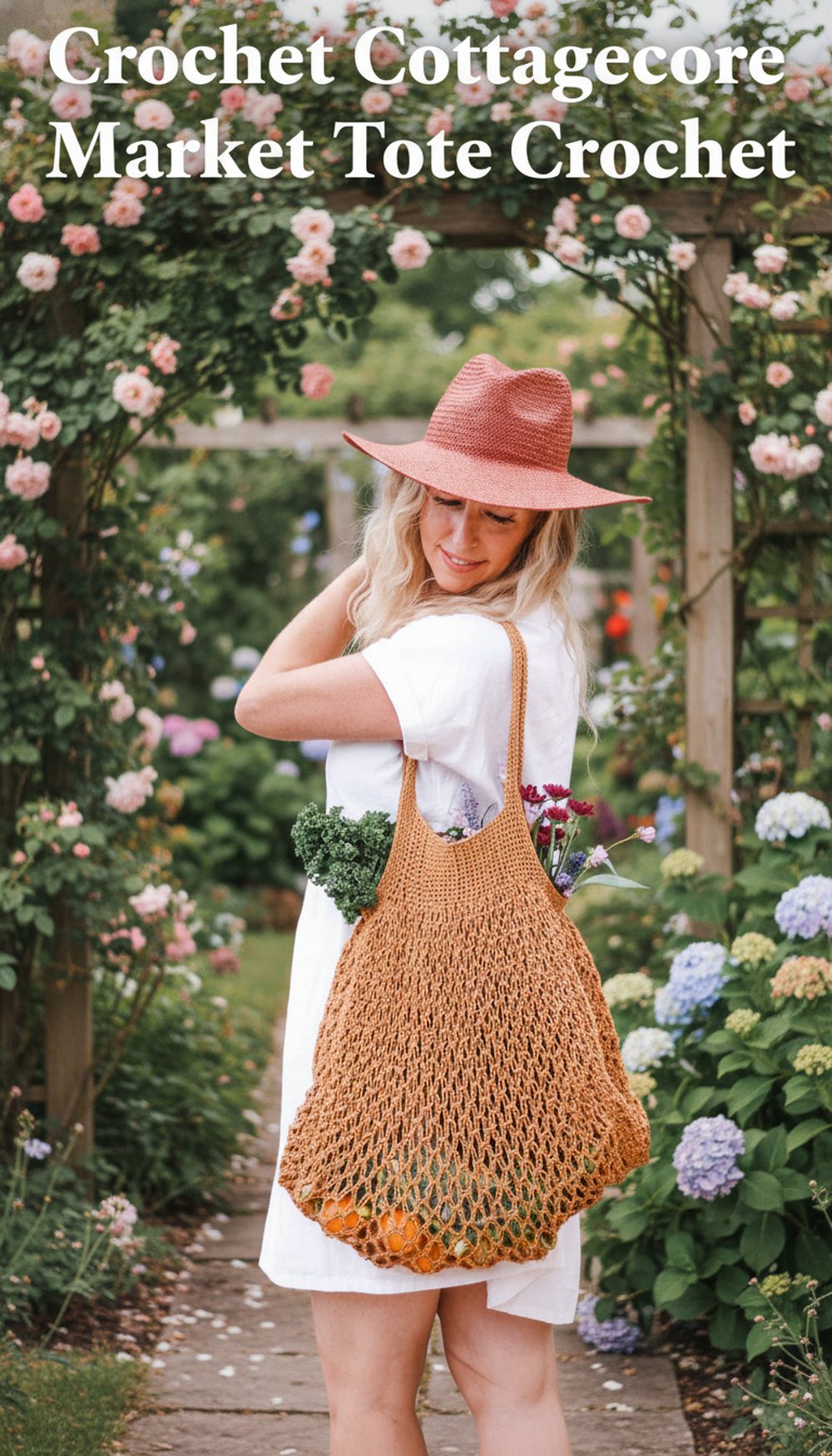
A market tote belongs in almost every cottagecore project list because it is both pretty and genuinely useful. Make & Do Crew’s tote uses Lion Brand 24/7 Cotton in a camel shade, a 5.0 mm hook, and a mesh section that measures about 33 inches wide by 15 inches deep when laid flat. The sturdy handles and expanding pouch make it practical for produce, bread, flowers, or library books. My best tip is to use mercerized cotton or another firm cotton so the bag keeps its shape better over time. It looks especially charming hanging by the door with a few stems tucked inside. Tutorial.
Hashtags: #crochetmarketbag #cottagestyle #crochettote #slowlivingcrafts
Supplies:
- Lion Brand 24/7 Cotton, weight 4 medium
- 5.0 mm / H crochet hook
- Tapestry needle
- 3 skeins in camel or a similar neutral cotton
Why it’s great: This tote turns cottagecore style into something you can actually carry to the market, garden, or library.
Crochet Cottagecore Sunrise Coaster Crochet

These scalloped coasters are a lovely little cottagecore detail for tea cups, jam jars, or bedside water glasses. TL Yarn Crafts recommends cotton for home items like coasters, washcloths, and dish towels because it is absorbent, inexpensive, and easy to find, and this pattern uses Lion Brand 24/7 Cotton with a 4.5 mm hook. Each coaster finishes at about 5.25 inches across and one skein makes several, so it is a smart small-gift project too. A useful tip is to block the scalloped edges lightly so each coaster sits flat and looks extra crisp on the table. Tutorial.
Hashtags: #crochetcoaster #teatimecrochet #cottagecoredecor #crochethome
Supplies:
- Mercerized cotton yarn such as Lion Brand 24/7 Cotton
- 4.5 mm crochet hook
- Tapestry needle
- Scissors
- Blocking supplies
Why it’s great: These coasters are quick, practical, and pretty enough to make everyday tea time feel special.
Crochet Cottagecore Scarecrow Crochet
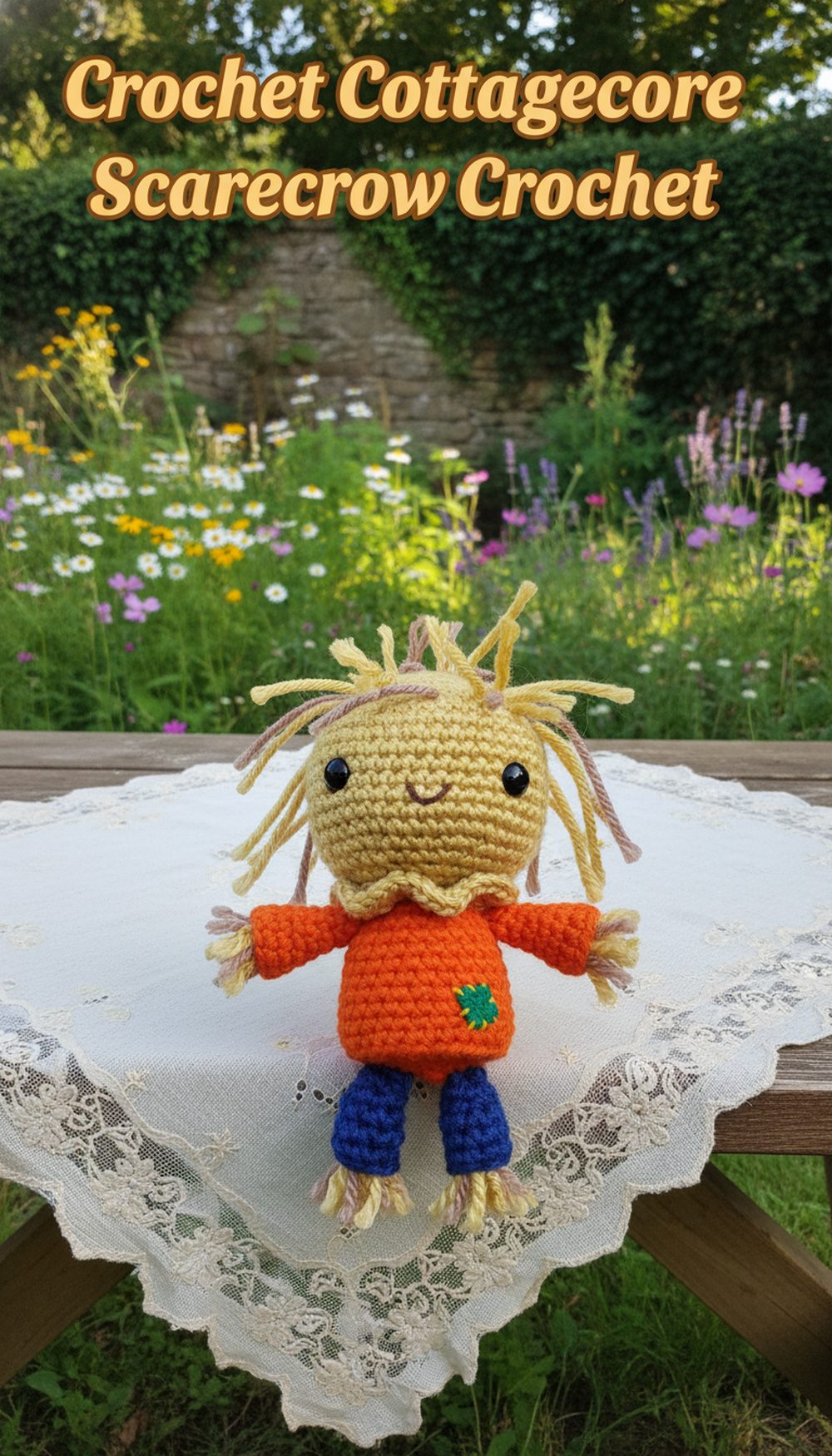
This scarecrow has the sweetest old-garden charm and feels perfect for cottagecore autumn decorating. All About Ami’s tutorial walks through the build with step photos, showing a gold head and hair, orange sweater, blue pant legs, and a green hat finished with a daisy. One especially useful detail is the circular cardboard base inside the sweater to help it hold its shape after stuffing. Display it on an entry table, bookshelf, or harvest mantel, or make it as a thoughtful seasonal gift. It has a gentle handmade personality that looks whimsical instead of spooky, which fits the cottagecore mood beautifully. Tutorial.
Hashtags: #crochetscarecrow #autumncrochet #cottagecorefall #amigurumicrochet
Supplies:
- Worsted yarn in gold, tan, orange, blue, green, and yellow
- Crochet hook to suit yarn
- Stuffing
- Needle and scissors
- Small piece of cardboard for the base
- Optional felt details
Why it’s great: This scarecrow adds handmade storybook charm to fall decor without feeling heavy or Halloween-only.
Conclusion
You do not need to make all eight to capture the cottagecore feeling. Pick one easy win like the strawberry, daisy, or coaster first, then build toward the tote, lilies, or scarecrow when you want a bigger project. Soft colors, natural fibers, and a few floral or woodland details go a long way. Save your favorites and come back when you want the next cozy make.
FAQs
1. What yarn works best for cottagecore home crochet projects?
Cotton is especially useful for coasters, washcloths, and similar home pieces because it is absorbent, affordable, and easy to find in many colors. Mercerized cotton can also give bags and table items a cleaner, more polished finish.
2. Should I machine wash or hand wash these items?
Cotton coasters, simple appliqués, and sturdy bags usually handle regular use better than delicate wired flowers or shaped amigurumi. Structured pieces like lilies with wire or scarecrows with shaped parts are safer with gentle spot cleaning or careful hand washing and air drying so they keep their form. This is an inference based on the materials and structure shown in the tutorials.
3. How do I scale a pattern up or down?
Changing yarn weight and hook size will change the finished size, and some tutorials explicitly note this. For certain items, you can also add or reduce repeats or foundation stitches, like the market tote, to change depth or overall dimensions.
4. What fibers are safest for kitchen and bath items?
Cotton is the safest all-around choice for coasters, washcloth-style items, and everyday table use because it is absorbent and practical. Plush or fuzzy synthetic yarns may look cute, but they are better for decor than for items that need to absorb moisture or handle frequent washing. The first point is directly supported; the second is a practical inference.
5. How can I make my crochet home items more durable?
Use firmer yarns for functional pieces, block smaller items so they sit neatly, and add structure where needed. The tutorials show good examples of this: mercerized cotton for the tote, blocking for the coaster, and even a cardboard insert to help the scarecrow body keep its shape.
6. How much time and yarn do projects like these usually take?
Small motifs like daisies, strawberries, and mushroom appliqués are quick scrap-yarn makes. Coasters are also fast, with one skein making several. Larger decor like pumpkins, totes, lilies, and shaped dolls need more yarn and more finishing time, especially when stems, shaping, or assembly are involved.
7. How do I stop curling, stretching, or wavy edges?
Blocking helps flatter small pieces like coasters and flowers. For bags, choosing a sturdier cotton and following the stitch structure closely helps reduce unwanted stretching, while for shaped decor, using the recommended yarn thickness and hook size helps the item hold the intended form.
8. How can I photograph my finished projects so they suit the cottagecore look?
Use soft daylight, keep the background simple, and add a few natural props like flowers, books, linen, wood, or a teacup. That matches the strongest visual cues on these tutorials, which lean into clean close-ups, cozy home styling, and garden or market-inspired scenes. This is an inference from the tutorial imagery and photo descriptions.