Plum noir is an especially useful fall crochet palette because it can move from soft and romantic to dramatic without relying on bright seasonal orange. Think blackberry, mulberry, wine, aubergine, black cherry, dark fig, smoky plum, and true black used in different proportions.
The projects below are not all originally demonstrated in plum or black. Instead, they were chosen because their shapes, textures, and construction styles translate particularly well into a Plum Noir color story. That distinction matters: the tutorial remains the source for construction, while the darker palette is an adaptation you can plan around your own yarn choice.
Dark yarn also changes what you notice. Heavy ribbing can look architectural in blackberry yarn, lace becomes more dramatic in aubergine, and a simple accessory can feel much more polished when worked in one saturated shade. On the other hand, very dark yarn can hide subtle stitch definition, so texture and fiber choice deserve as much attention as color.
Quick List
- Crochet Oversized Plum Pocket Cardigan
- Crochet Ribbed Noir Turtleneck Sweater
- Crochet Boxy Plum Sweater Vest
- Crochet Blackberry Lace Shrug
- Crochet Aubergine Fall Shawl Wrap
- Crochet Chunky Wine Scarf
- Crochet Plum Hooded Cowl
- Crochet Noir Ribbed Beanie
- Crochet Plum French Beret
- Crochet Blackberry Twisted Ear Warmer
- Crochet Wine Fingerless Gloves
- Crochet Plum Leg Warmers
- Crochet Openwork Aubergine Tote
- Crochet Chunky Noir Shoulder Bag
- Crochet Deep Plum Hobo Bag
- Crochet Plum And Black Granny Basket
- Crochet Blackberry Diamond Weave Throw
- Crochet Deep Plum Classic Pumpkin
- Crochet Plum Coffee Cup Cozy
How to Build a Plum Noir Palette Without Losing the Crochet Texture
A dark palette works better when there is enough contrast between the yarn and the stitch pattern. Black can make shallow texture difficult to see, particularly in photographs or low indoor light. Deep plum, blackberry, wine, and aubergine often give a similar moody effect while allowing ridges, cables, lace openings, and post stitches to remain visible.
You do not need five colors in every project. A large garment can look strong in one saturated plum, while a basket or blanket can handle black combined with two or three neighboring purple-red shades. For smaller accessories, even a single dark wine yarn can create the entire effect.
If you do combine shades, decide whether the contrast should reveal construction or disappear into it. Black ribbing around a plum vest will emphasize the edges, for example, while blackberry ribbing on an aubergine body creates a quieter transition.
Match the Yarn Behavior to the Project, Not Just the Color
Color is the easiest thing to notice in a skein, but drape, stretch, density, and surface texture determine whether the finished project behaves properly.
A soft yarn that makes an appealing shawl may not give a bag enough structure. A thick yarn that creates a substantial basket may make a sweater heavier than intended. And fuzzy black yarn can produce a beautiful dark surface while making individual stitches difficult to see during construction.
When adapting one of these tutorials, begin with the yarn weight and fabric behavior used by the creator. If you substitute, make a swatch and check both appearance and movement before buying enough yarn for a large wearable.
What to Check Before Recoloring a Tutorial
Darkening the palette does not change the underlying fit or construction. For garments, compare the tutorial’s sizing information with your own measurements and consider what you will wear underneath. For bags, pay attention to strap stretch, opening style, lining, and base structure. For home projects, think about whether you need a soft drape or enough firmness to hold a shape.
Most importantly, do not assume two yarns behave alike simply because both come in a perfect blackberry shade. Fiber, weight, twist, and gauge can all change the finished result.
1. Crochet Oversized Plum Pocket Cardigan
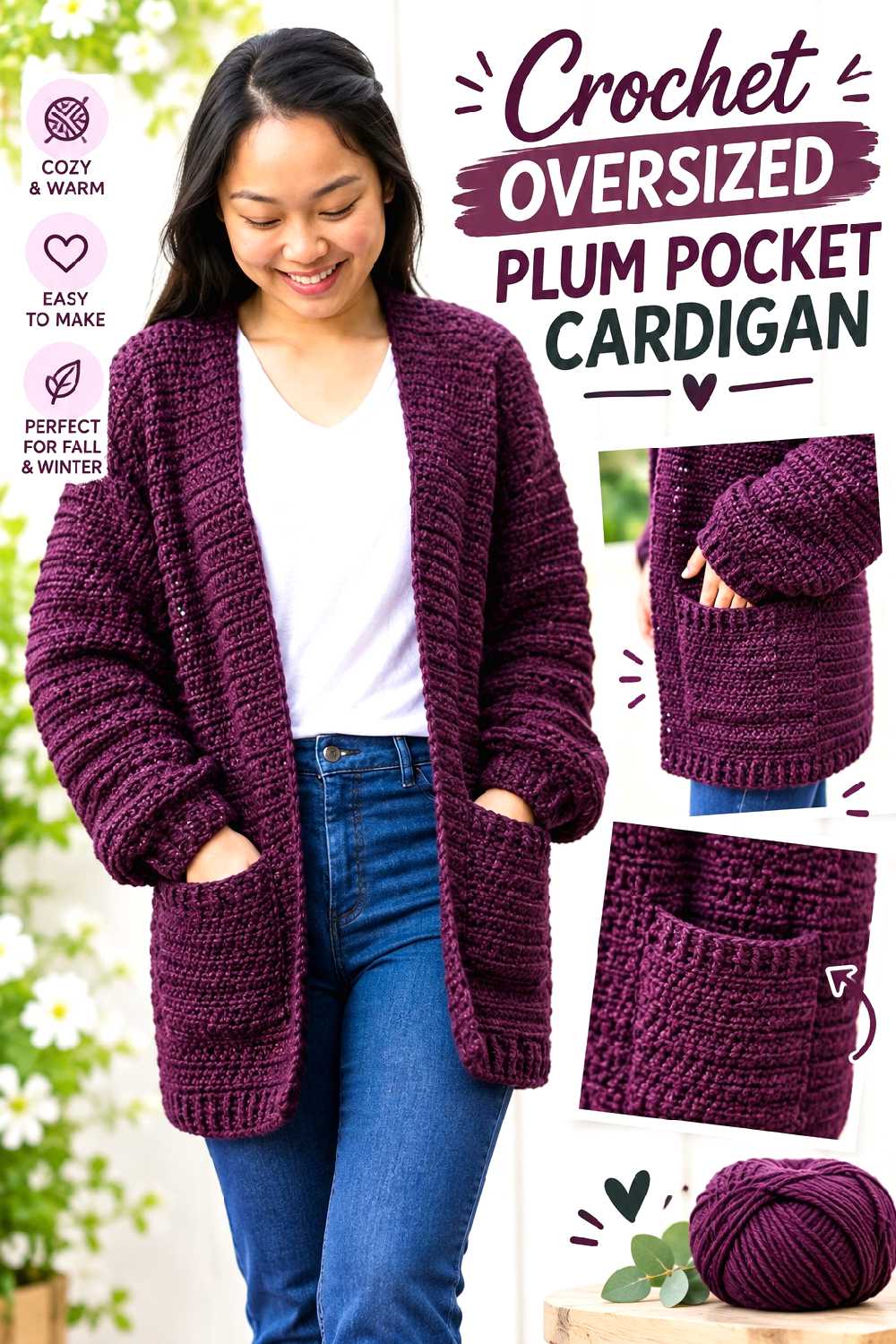
An oversized pocket cardigan is one of the strongest ways to use the Plum Noir palette because the large uninterrupted sections give a deep color room to work. The supporting cardigan has a long, slouchy silhouette, loose sleeves, ribbed finishing, and substantial patch pockets, making it especially suited to fall layering.
Worked in a dark plum or black-cherry shade, the cardigan can look much richer than a multicolor version while still letting the ribbing and oversized proportions provide visual interest.
Let the Pockets Break Up a Large Dark Surface
Large expanses of one dark color can look visually flat if the fabric itself is simple. Patch pockets solve part of that problem because their edges create extra lines on the front.
If you want even more definition, consider using a neighboring shade rather than a high-contrast color. A blackberry pocket on an aubergine cardigan can show the shape without turning the pocket into a separate graphic block.
Oversized Fit Still Needs Shoulder and Armhole Attention
Extra body width does not automatically guarantee comfortable layering. Check the shoulder position, armhole depth, and sleeve room against the clothing you expect to wear underneath.
Dark oversized garments already have substantial visual weight, so adding unnecessary extra width can change the look from relaxed to bulky. Follow the creator’s sizing information instead of automatically moving up a size.
Creator Credit: forthefrills
2. Crochet Ribbed Noir Turtleneck Sweater
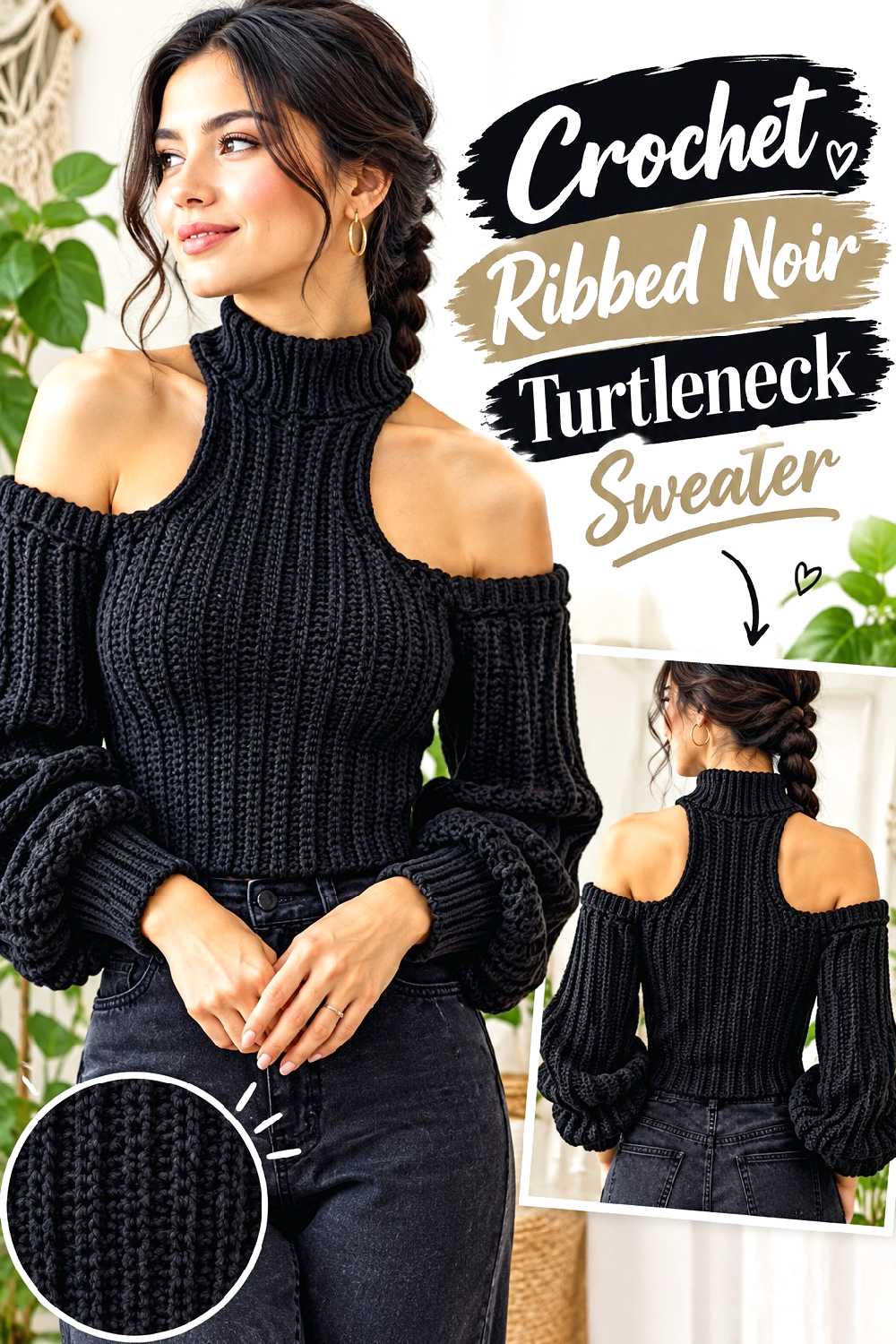
A crochet turtleneck is almost made for this palette. The high neckline creates a continuous dark frame around the face, while the sweater construction provides enough surface area for a rich plum or near-black yarn to become the main design element. TCDDIY’s tutorial demonstrates a long-sleeved turtleneck-style sweater with a defined neck section and paneled garment construction.
This is a stronger choice than a cardigan if you want the Plum Noir color to read as one uninterrupted statement rather than a layer over another outfit.
Choose the Collar Color Deliberately
The neckline sits close to the face, so a true black and a red-based plum can create noticeably different effects. Black gives the strongest contrast, while wine, mulberry, or black cherry usually feel softer.
If you want a two-color version, the collar and cuffs are logical places to introduce the darker shade because the contrast follows existing garment edges rather than interrupting the body randomly.
Dark Ribbing Needs Enough Stitch Definition
If texture is an important part of the finished sweater, avoid choosing yarn solely because the color looks luxurious in the skein. A very fuzzy dark fiber can soften the ridges until much of the surface detail disappears.
Crochet a sample in ordinary indoor lighting. If the texture is almost invisible before the sweater is assembled, it will probably remain subtle in the finished garment.
Creator Credit: TCDDIY
3. Crochet Boxy Plum Sweater Vest
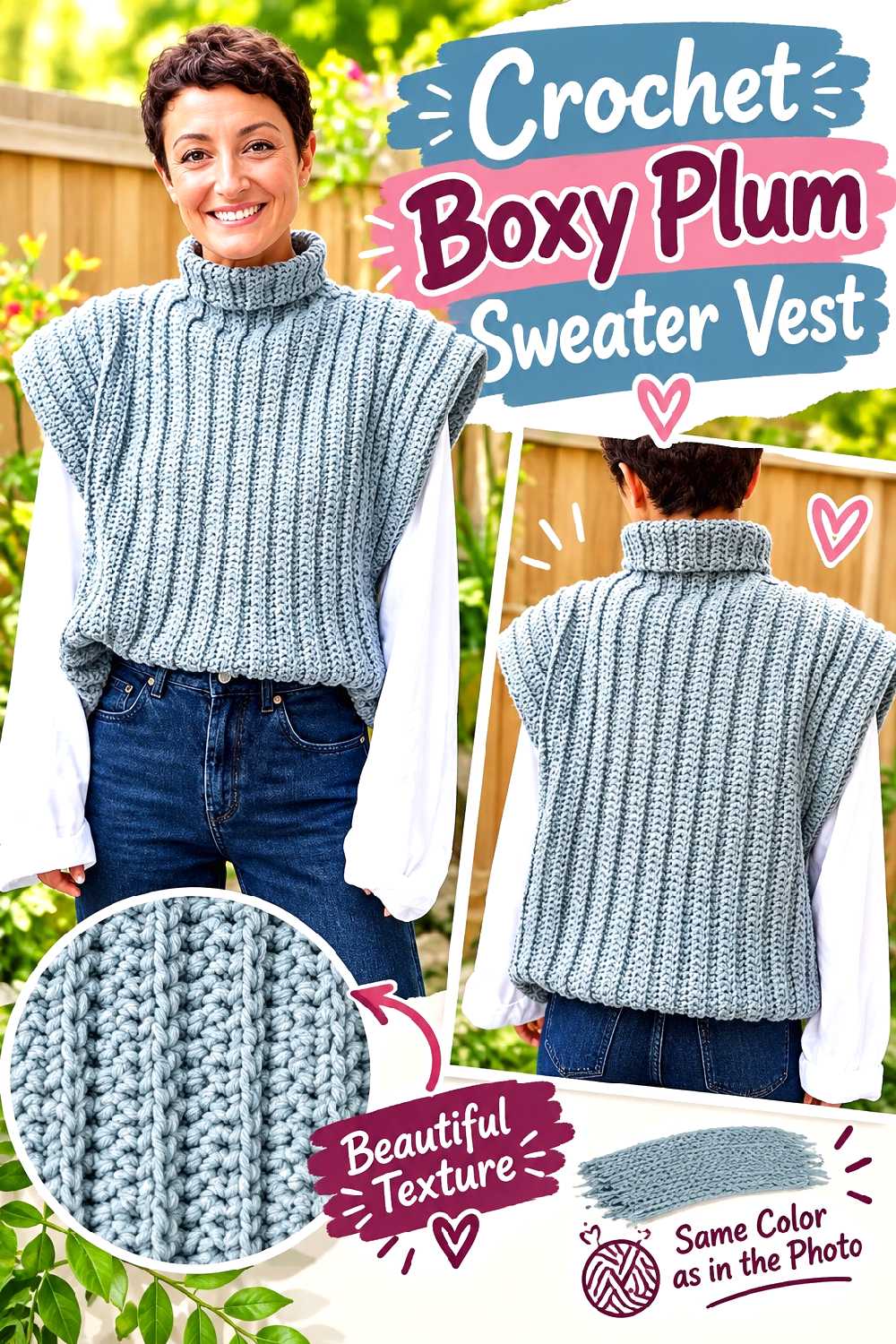
A boxy sweater vest gives Plum Noir a preppy direction without making the palette feel overly formal. JeggoCrochet’s tutorial creates a simple sweater-vest silhouette that can be layered over shirts, tees, or fitted long sleeves.
Try a dense blackberry body for a nearly neutral vest, or use dark plum with black around the neckline and armholes when you want the construction to look sharper.
Plan the Vest Around the Layer Underneath
A vest that fits well over a thin tee may feel restrictive over a button-down shirt or heavier fall top. Shoulder coverage and armhole depth matter just as much as body width.
Try to decide how you will actually wear the vest before choosing the finished fit. That makes the tutorial’s sizing guidance far more useful than simply picking your usual store-bought size.
Contrast Trim Can Define the Shape
Black edging around a plum vest creates a clear boundary at the neck and arms, which can be useful when the main yarn is very dark.
If you prefer a softer effect, choose two closely related shades—perhaps black cherry and aubergine—so the trim emphasizes the silhouette without becoming the first thing you see.
Creator Credit: JeggoCrochet
4. Crochet Blackberry Lace Shrug
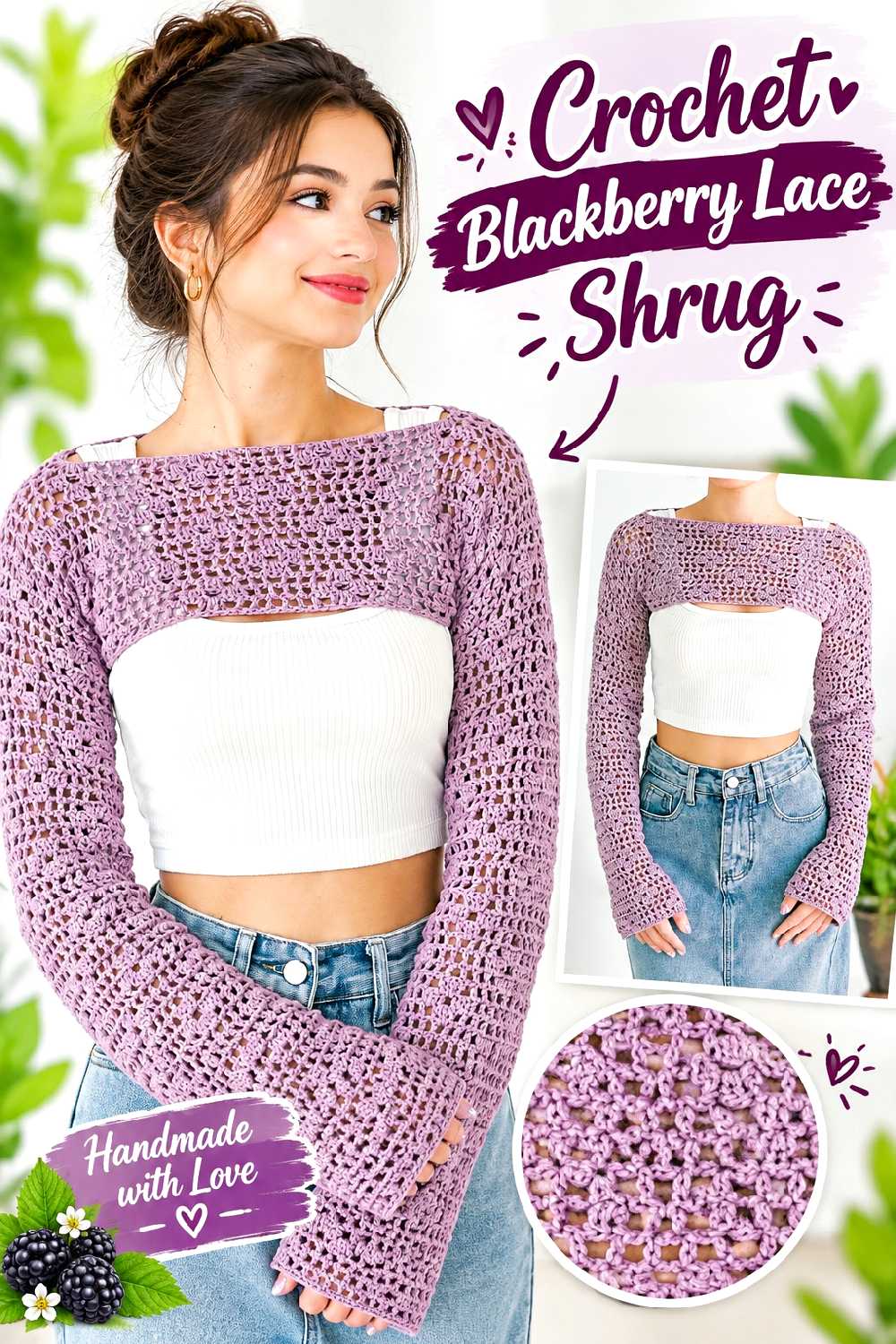
The lace shrug takes this collection in a lighter direction. Chenda DIY’s tutorial demonstrates an openwork shrug with long sleeves, giving you shoulder and arm coverage without creating the solid fabric of a full sweater.
In blackberry or dark aubergine, open crochet looks especially effective because skin or the base layer shows through the darker fabric.
The Underlayer Becomes Part of the Design
Unlike a solid cardigan, lace does not hide what is underneath. A black cami under a plum shrug produces a low-contrast look, while cream, gray, or muted rose will reveal the open pattern more strongly.
Decide on that relationship before choosing yarn. A lace pattern can disappear visually when both the crochet and base layer are equally dark.
Watch Drape When Changing Yarn
The attraction of a lace shrug comes partly from its openness. A thicker or much firmer substitute can turn delicate-looking fabric into something more structured.
If you substitute yarn, compare the swatch not only for size but also for how easily it bends and folds. The goal is to preserve the behavior of the finished shrug, not simply reproduce its dimensions.
Creator Credit: Chenda DIY
5. Crochet Aubergine Fall Shawl Wrap
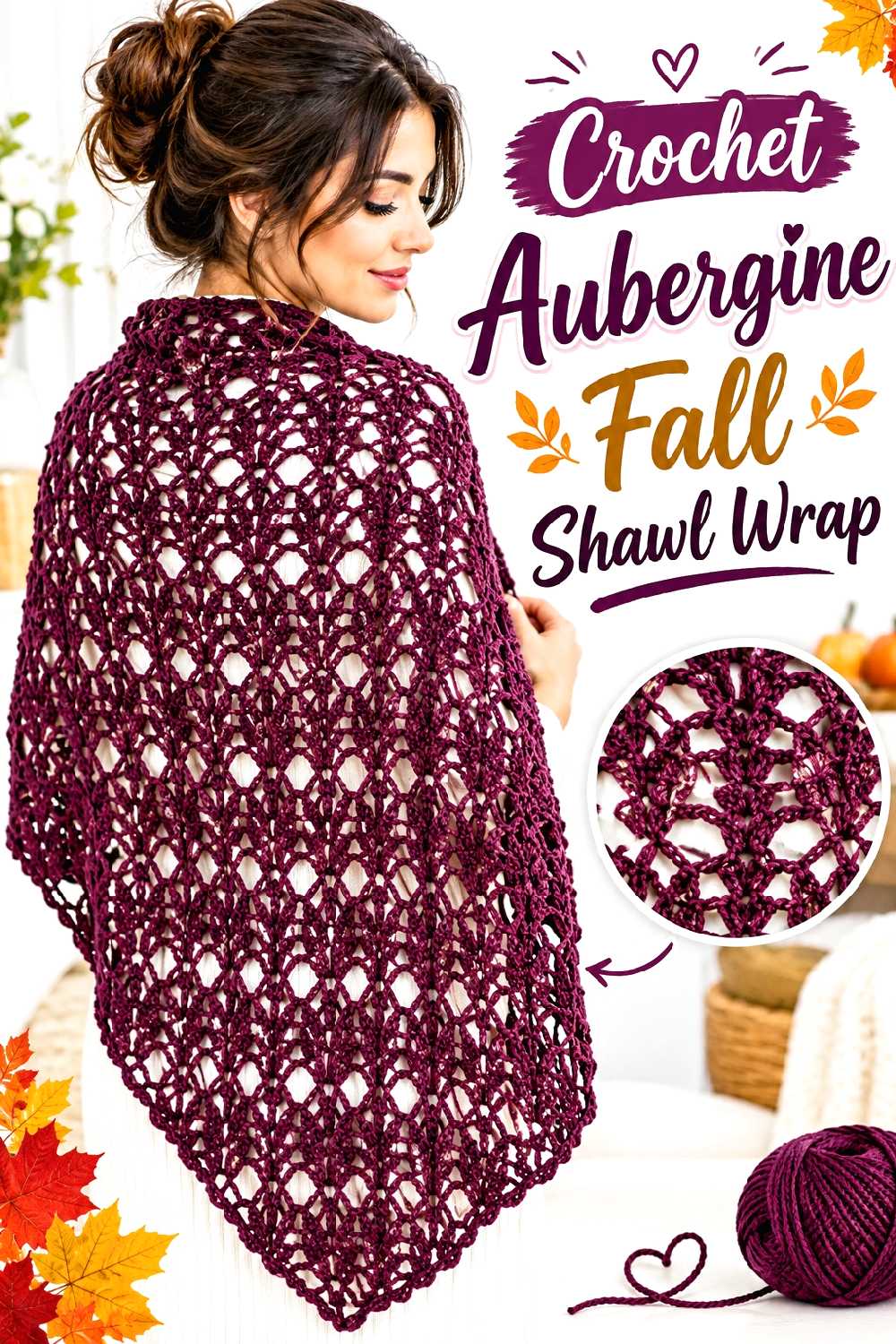
A long wrap is one of the safest projects for experimenting with a saturated dark color because there are fewer fit decisions than in a sweater. Lenysea’s fall shawl tutorial creates a wrap that can also be styled more narrowly as a scarf.
Aubergine gives this type of piece enough color to separate it from a black coat while still remaining within the Plum Noir mood.
Decide Whether You Want Contrast With Your Coat
If most of your fall outerwear is black, a true black wrap may disappear against it. Wine, plum, or blackberry will give the shawl more visible separation.
If your coats are camel, cream, gray, or olive, an almost-black plum can create a much stronger contrast.
Long Wraps Magnify Yarn Drape
A small swatch may feel perfectly acceptable while a long finished wrap behaves quite differently under its own weight.
If the yarn stretches significantly, keep that in mind before deciding the final length. Use the creator’s construction as the reference and allow the fabric to relax before making major adaptation decisions.
Creator Credit: Lenysea
6. Crochet Chunky Wine Scarf
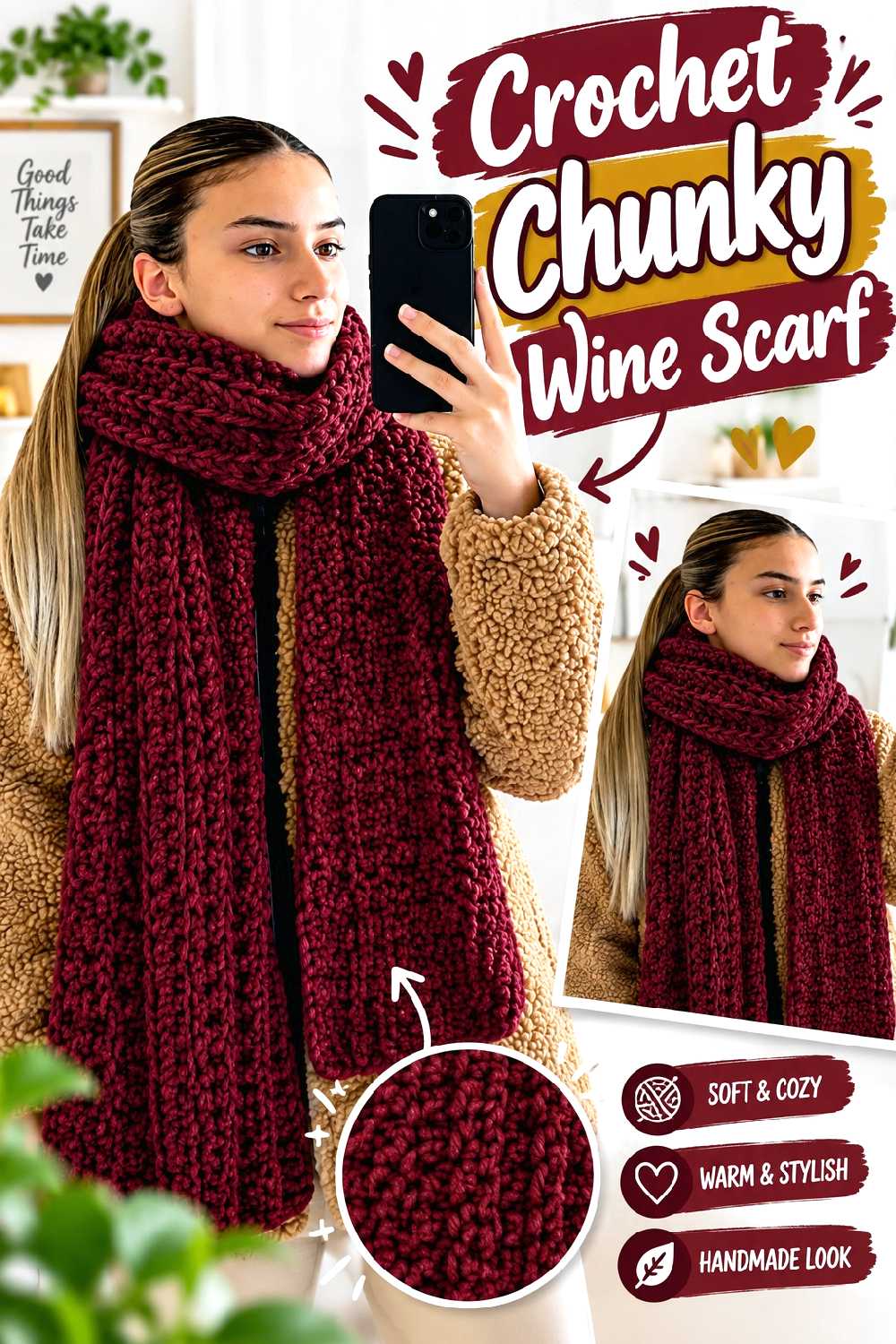
A chunky scarf gives a wine or black-cherry yarn plenty of presence without the time and fitting commitment of a garment. Crochet daniela’s tutorial demonstrates a substantial cold-weather scarf using a larger-scale fabric.
This is an especially good option when you want one dramatic fall accessory rather than an entire dark outfit.
Thickness Changes More Than Warmth
A thick scarf occupies considerable space around the neck and upper body. If you make it very wide as well as thick, it can overwhelm a smaller coat collar or compete with a hood.
Think about the outerwear you intend to pair it with and compare the scarf’s proportions before extending either width or length.
Wine Shows Texture Better Than Pure Black
If the scarf depends on visible ridges or chunky stitch structure, wine, merlot, and blackberry generally reveal that surface more clearly than true black.
Black can still work well when silhouette matters more than stitch definition, but examine the yarn in normal lighting before committing to a large piece.
Creator Credit: crochet daniela
7. Crochet Plum Hooded Cowl
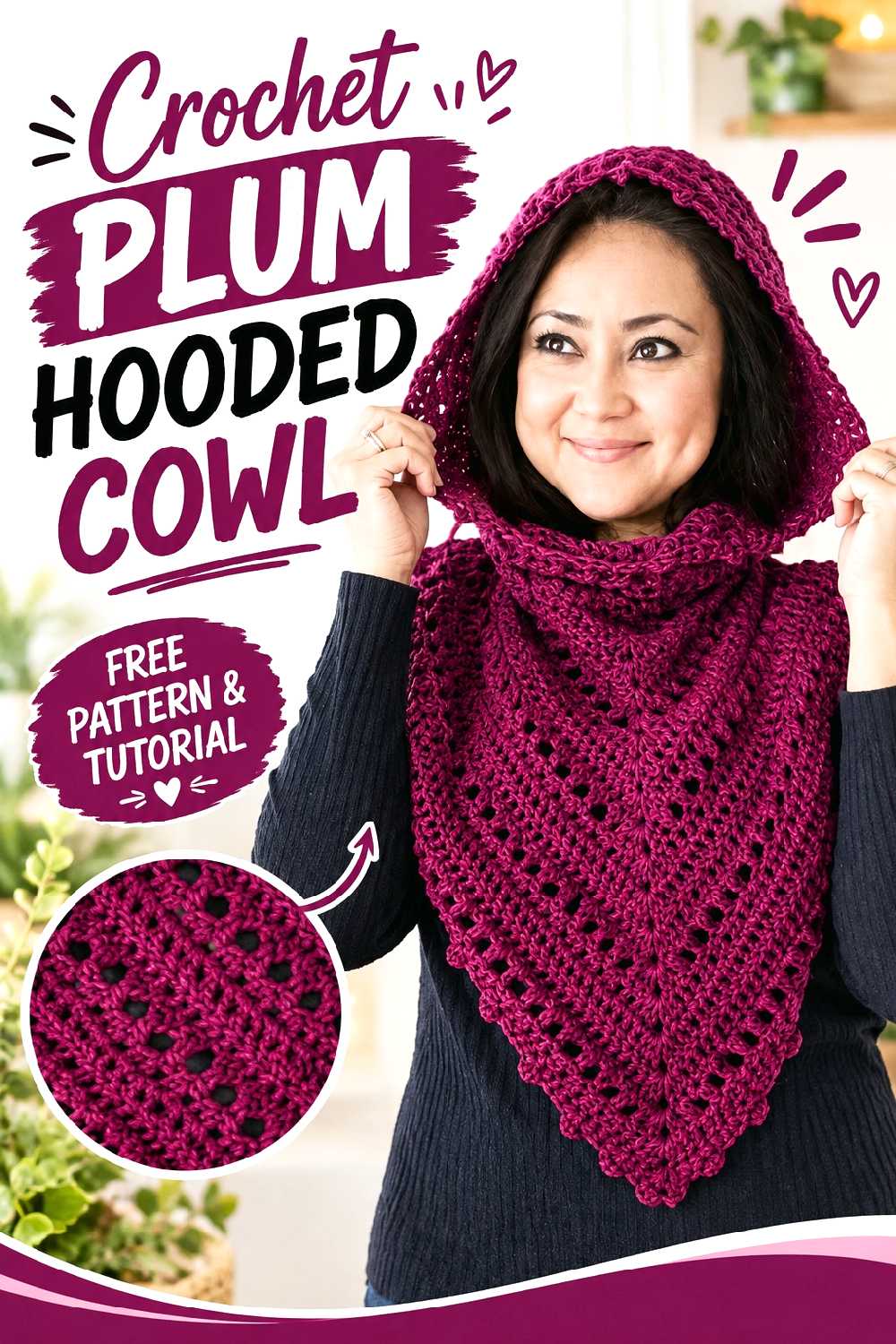
The hooded cowl brings the strongest dark-romantic feel to the collection. The Knotty Lace’s project combines a hood, neck coverage, textured stitches, and an adjustable approach to the finished shape.
In deep plum, black cherry, or blackberry, the silhouette can feel dramatic without needing additional embellishment.
Hood Depth Matters More Than It Does on a Scarf
A hood that is too shallow can pull backward, while one that is excessively large may collapse around the face. The supporting tutorial includes measurement-based adjustment, which is particularly useful here.
Check the hood while it is developing rather than judging it only when laid flat. How it frames the face is the important checkpoint.
Texture Prevents One Dark Color From Looking Flat
Puff-like or raised texture is useful in a monochrome piece because shadows create variation without adding another yarn color.
If you choose nearly black yarn, use good lighting while working. Dark textured fabric can be harder to read while crocheting even when it looks striking once finished.
Creator Credit: The Knotty Lace
8. Crochet Noir Ribbed Beanie
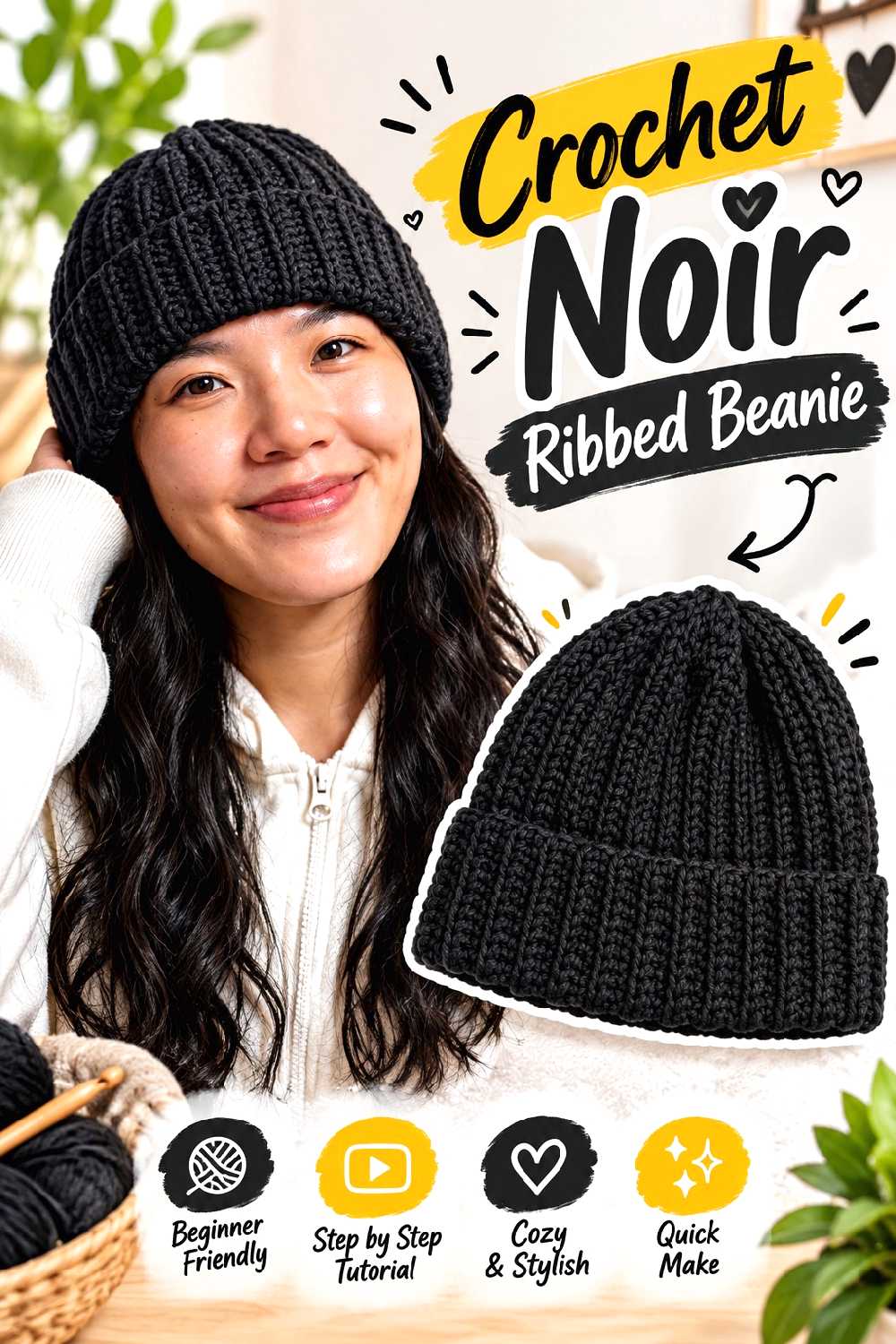
A ribbed beanie is the simplest way to take Plum Noir into everyday wear. VivCrochets’ tutorial produces a knit-look ribbed hat and includes adjustment guidance for fit.
Black is particularly effective here because the silhouette is familiar enough that the project does not depend on color contrast for visual interest.
Ribbing Needs to Stretch Without Becoming Loose
For a beanie, a beautiful fabric is not enough; the lower edge also needs to sit comfortably around the head.
When substituting yarn, compare stretch and recovery as well as gauge. A yarn that stretches but does not spring back can change the fit after repeated wear.
Blackberry Is a Good Alternative to Solid Black
If you love the noir effect but still want the ribbing to show in photos and indoor lighting, choose a plum shade dark enough to read almost black.
You keep the moody styling while making the surface texture easier to see.
Creator Credit: VivCrochets
9. Crochet Plum French Beret
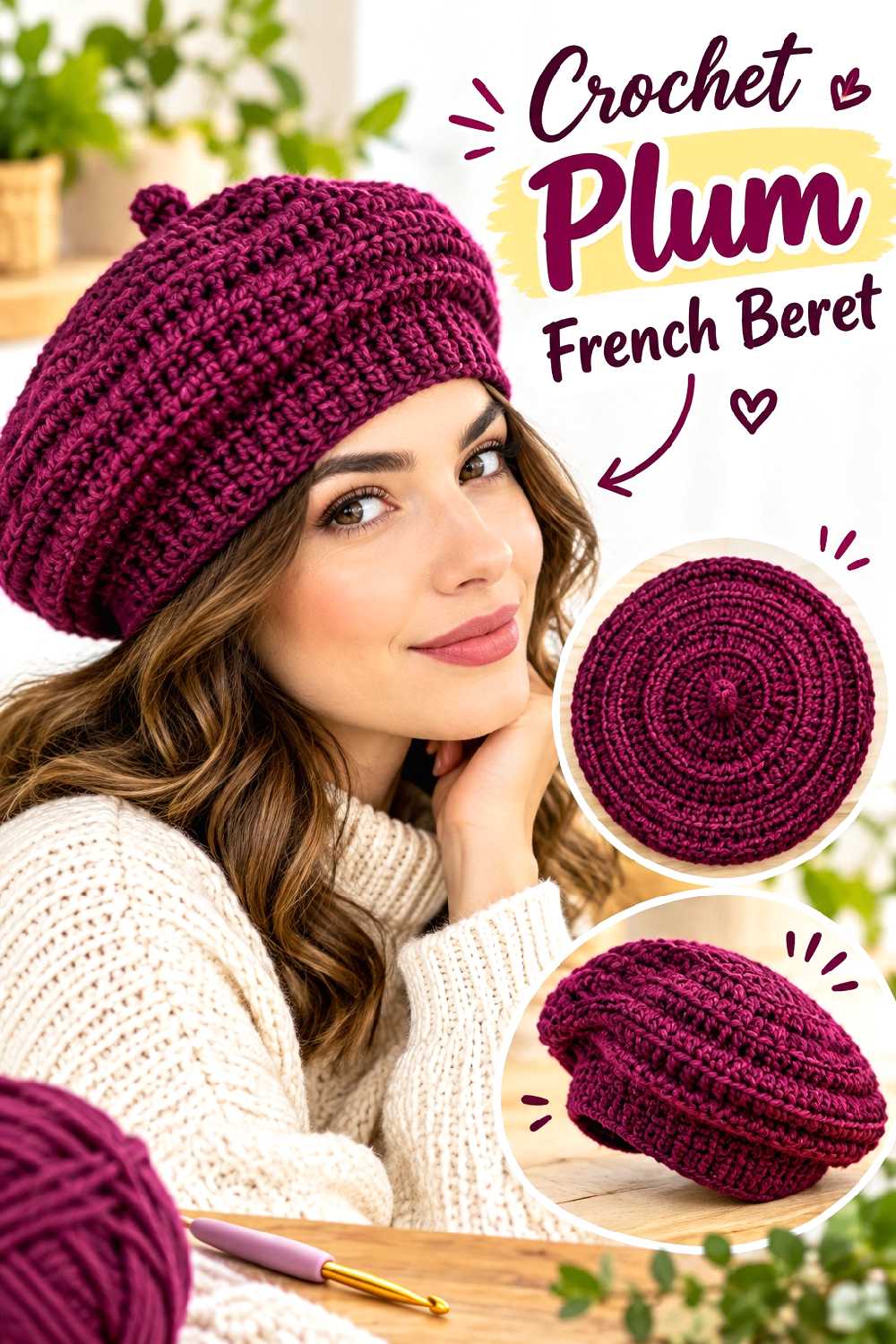
The beret gives the palette a cleaner, more tailored silhouette than the slouchier cold-weather pieces. Sirin’s Crochet demonstrates a classic crocheted beret shape in a complete video tutorial.
Deep wine or aubergine works especially well because the color is noticeable near the face without becoming as stark as pure black.
Crown Shape Is the Feature to Protect
When changing yarn, preserve the relationship between softness and structure that allows the beret to spread without becoming floppy.
An excessively stiff yarn can make the crown look rigid, while a very limp fabric may lose the characteristic beret outline.
Keep Embellishment Secondary
A Plum Noir beret already makes a strong color statement. If you add a brooch, bow, flower, or other decoration independently, keep its scale in proportion to the crown.
The silhouette is what separates this project from an ordinary beanie, so avoid hiding it under too many added details.
Creator Credit: Sirin’s Crochet
10. Crochet Blackberry Twisted Ear Warmer
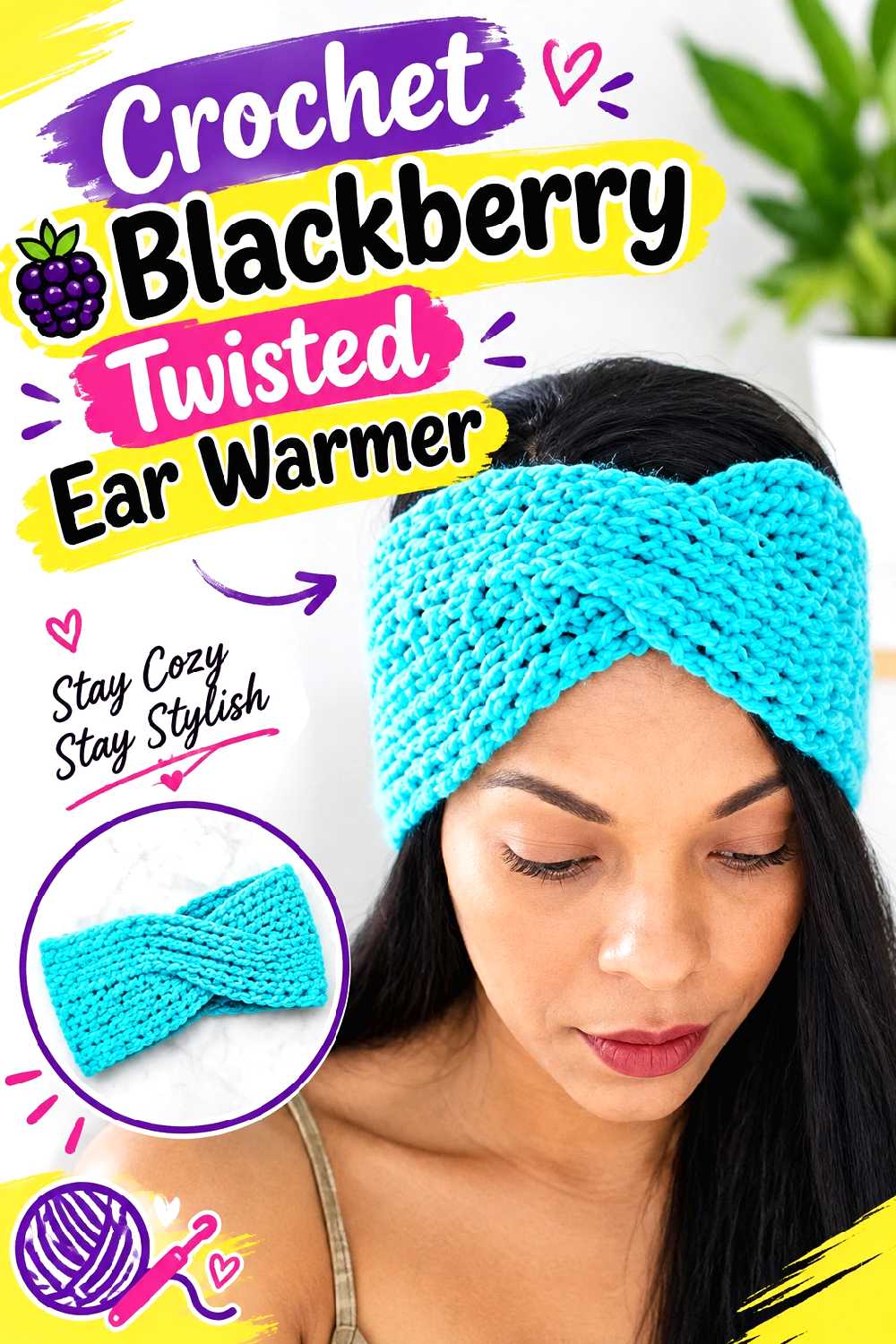
A twisted ear warmer works well when you want a small project with a strong center detail. Littlejohn’s Yarn demonstrates a headband-style ear warmer whose twist becomes the focal point.
Blackberry yarn is a particularly useful choice because the twist remains visible while the color still feels nearly neutral.
The Twist Should Stay Easy to Read
Busy variegated yarn can compete with the central construction detail. A solid dark plum or subtle tonal yarn usually makes the fold or twist easier to see.
This is one project where letting the construction create the decoration can be more effective than introducing several colors.
Measure for the Way You Wear Your Hair
Headbands interact with hairstyles differently than full hats. A close fit over loose hair may feel different when worn over thicker curls, braids, or underneath a ponytail.
Use the tutorial’s sizing method and evaluate comfort rather than assuming a generic head measurement will give the exact feel you want.
Creator Credit: Littlejohn’s Yarn
11. Crochet Wine Fingerless Gloves
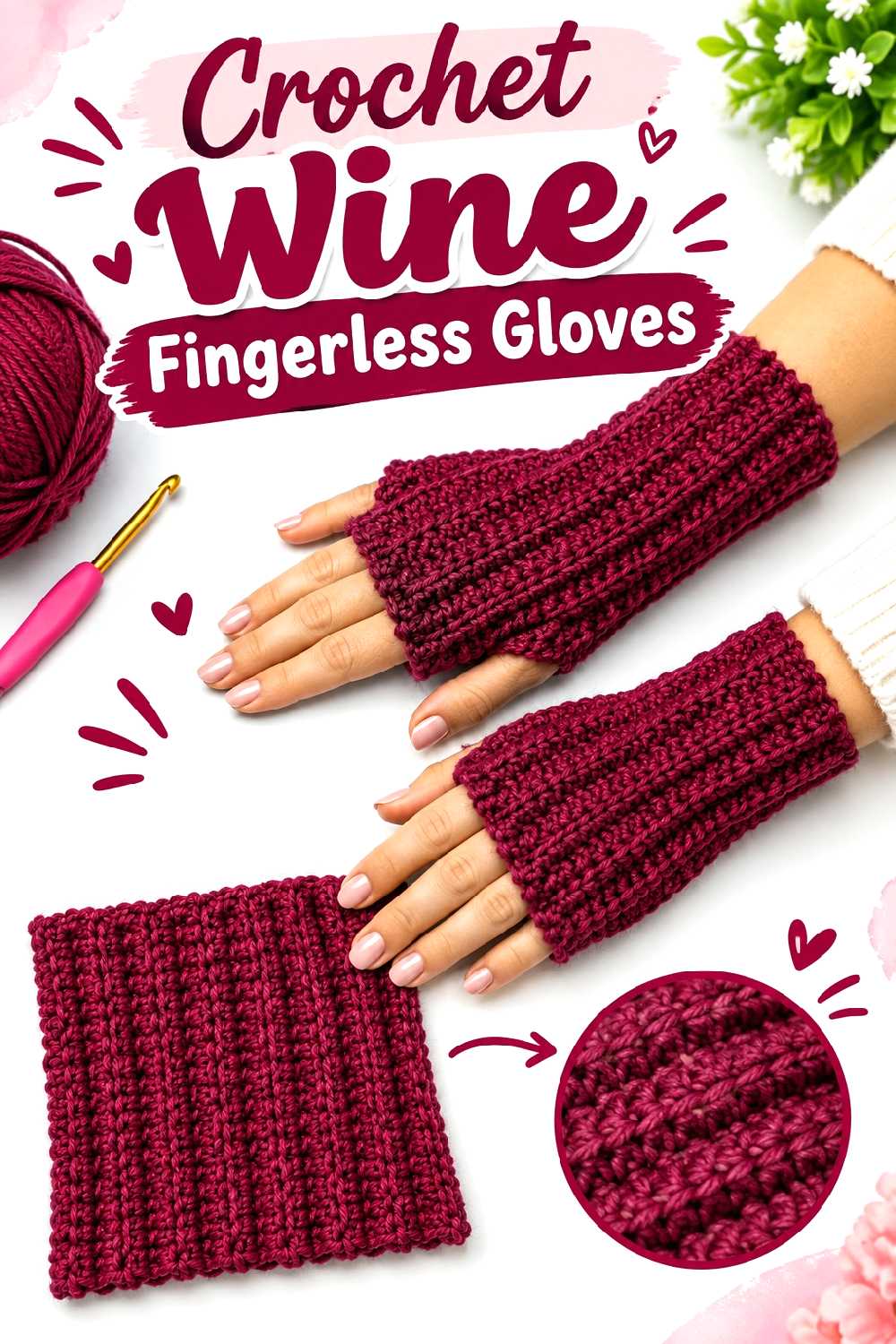
Fingerless gloves let a rich color show against coats and sleeves while keeping the project relatively compact. Diving Ducks Crochet’s tutorial uses a simple one-piece approach rather than complicated finger shaping.
Wine, berry, and black cherry are especially practical choices because the gloves can coordinate with either black or neutral outerwear.
Wrist Fit Determines Whether They Feel Polished
The visual difference between a neat wrist warmer and an awkward one often comes down to circumference and stretch.
Before finishing the second glove, wear the first long enough to check whether it slides, pinches, or loosens. Matching the pair is easier when you catch a fit problem early.
Keep the Thumb Opening Comfortable
A small opening may look tidy when the glove is flat but become restrictive once worn.
Use the creator’s construction as the starting point and check the finished opening against your own hand rather than relying on appearance alone.
Creator Credit: Diving Ducks Crochet
12. Crochet Plum Leg Warmers
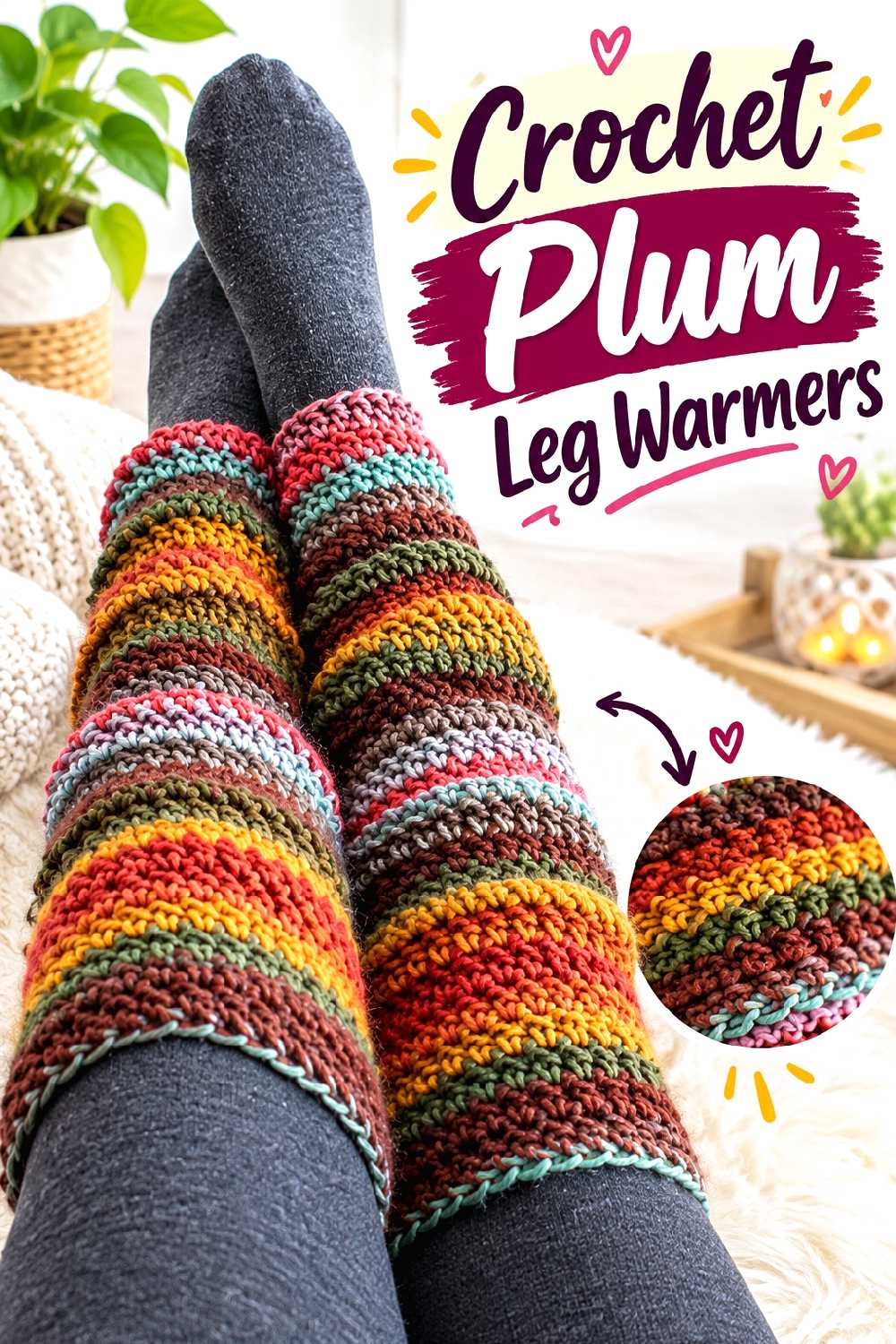
Leg warmers introduce a different kind of proportion to the Plum Noir look. B.Hooked Crochet’s tutorial demonstrates a straightforward pair intended as a simple wearable project.
A deep plum version can add color beneath black boots without looking costume-like, while black leg warmers can create a continuous line with dark leggings.
Decide Between Smooth and Slouchy Before Adjusting Length
A close-fitting leg warmer and a stacked, slouchy one may start from similar shapes but need different proportions.
Think about where you want excess fabric to sit before simply adding length. More length does not automatically create attractive slouch if the circumference is too tight.
Boots Change What Part of the Project Is Visible
Tall boots can hide most of the lower section, while ankle boots expose almost the entire leg warmer.
Choose color changes, decorative edging, or texture placement based on how you actually plan to wear the finished pair.
Creator Credit: B.Hooked Crochet
13. Crochet Openwork Aubergine Tote
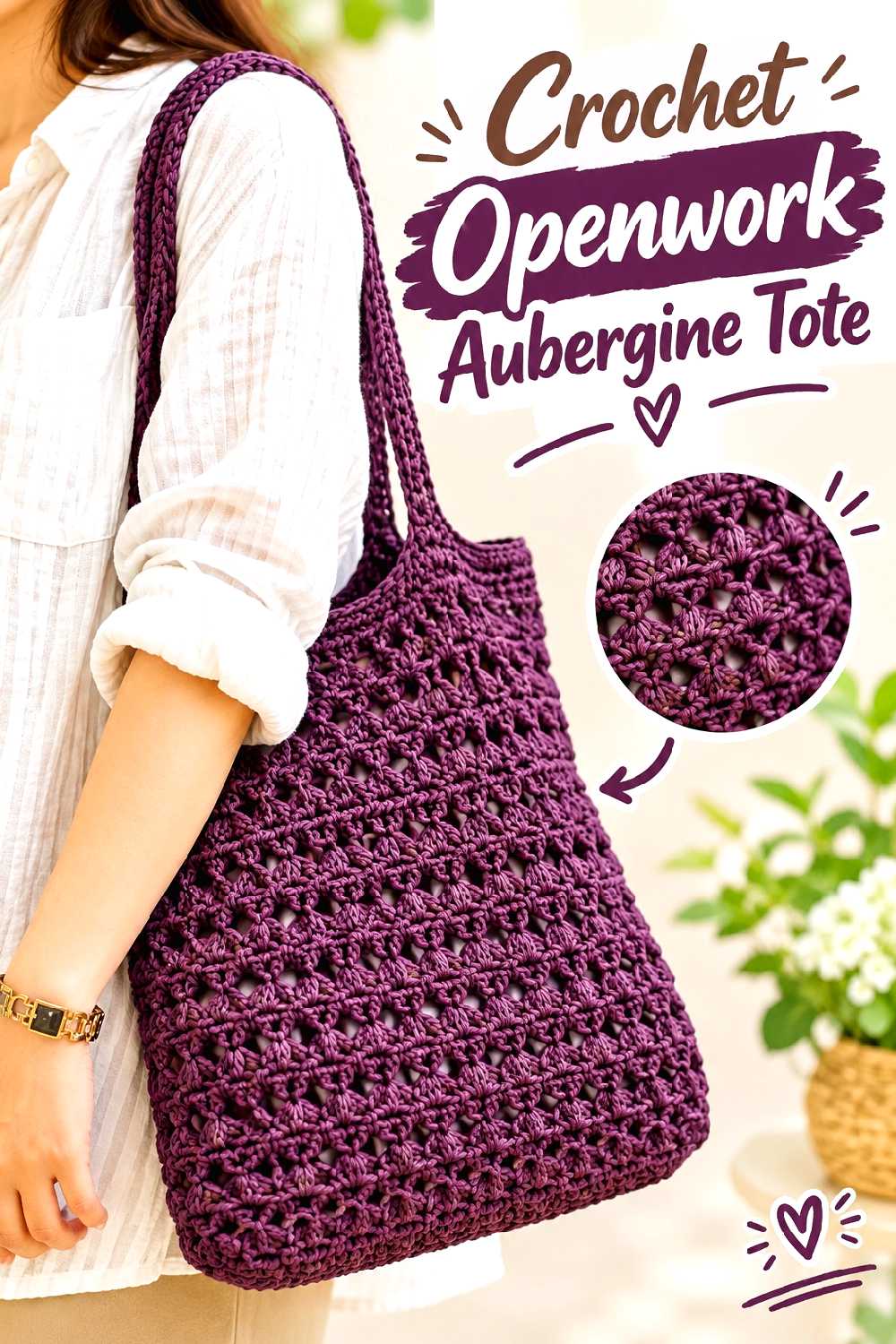
Kiriko Crochet’s tote uses an openwork fabric, a wide base, and a practical shoulder-bag shape. The creator presents it in autumn colors, making the construction a natural candidate for an aubergine or blackberry adaptation.
This gives Plum Noir a lighter visual texture than a dense solid bag.
Openwork Changes What You Can Carry
An open fabric may stretch and can expose small items through the holes. If you need more privacy or containment, check whether you want to add an independent lining rather than expecting the crochet fabric to behave like a closed tote.
Also consider the objects you normally carry. Keys, pens, and other narrow items behave differently in an open bag than in a dense one.
Dark Yarn Makes the Negative Space More Dramatic
Aubergine or near-black yarn emphasizes the openings because the spaces contrast strongly with whatever sits behind them.
That can look excellent over a light coat or outfit, but remember that anything inside the bag may also become more visible through the openwork.
Creator Credit: Kiriko Crochet
14. Crochet Chunky Noir Shoulder Bag
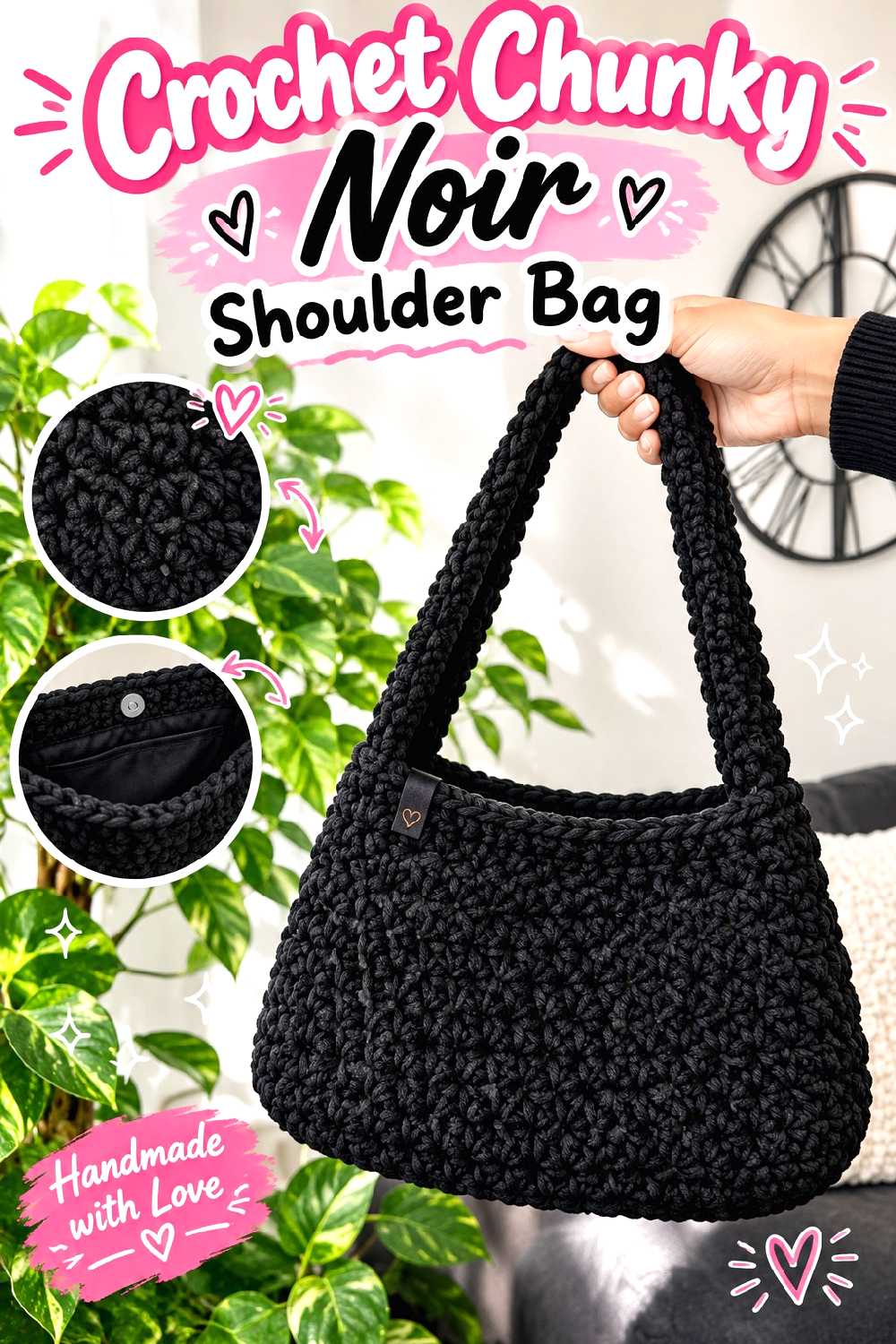
The chunky shoulder bag from Artisan Gift Collection uses a compact silhouette and thick yarn, producing a very different result from the open tote.
In black, blackberry, or dark fig, the chunky surface makes the bag feel more like a soft sculptural accessory than a traditional flat crochet purse.
Thick Yarn Creates Volume Quickly
Chunky yarn makes every part of a small bag visually substantial, including seams, edges, and the strap.
That means proportion matters. If you enlarge the bag body independently, reassess the strap and opening rather than assuming they will still look balanced.
A Soft Bag May Need Different Expectations
A plush or bulky crochet bag will not necessarily hold a crisp geometric shape like a tightly worked cord bag.
Choose this project when you like the rounded, tactile effect. If you need a firm bag for structured contents, compare it with the hobo or basket options before deciding.
Creator Credit: Artisan Gift Collection
15. Crochet Deep Plum Hobo Bag
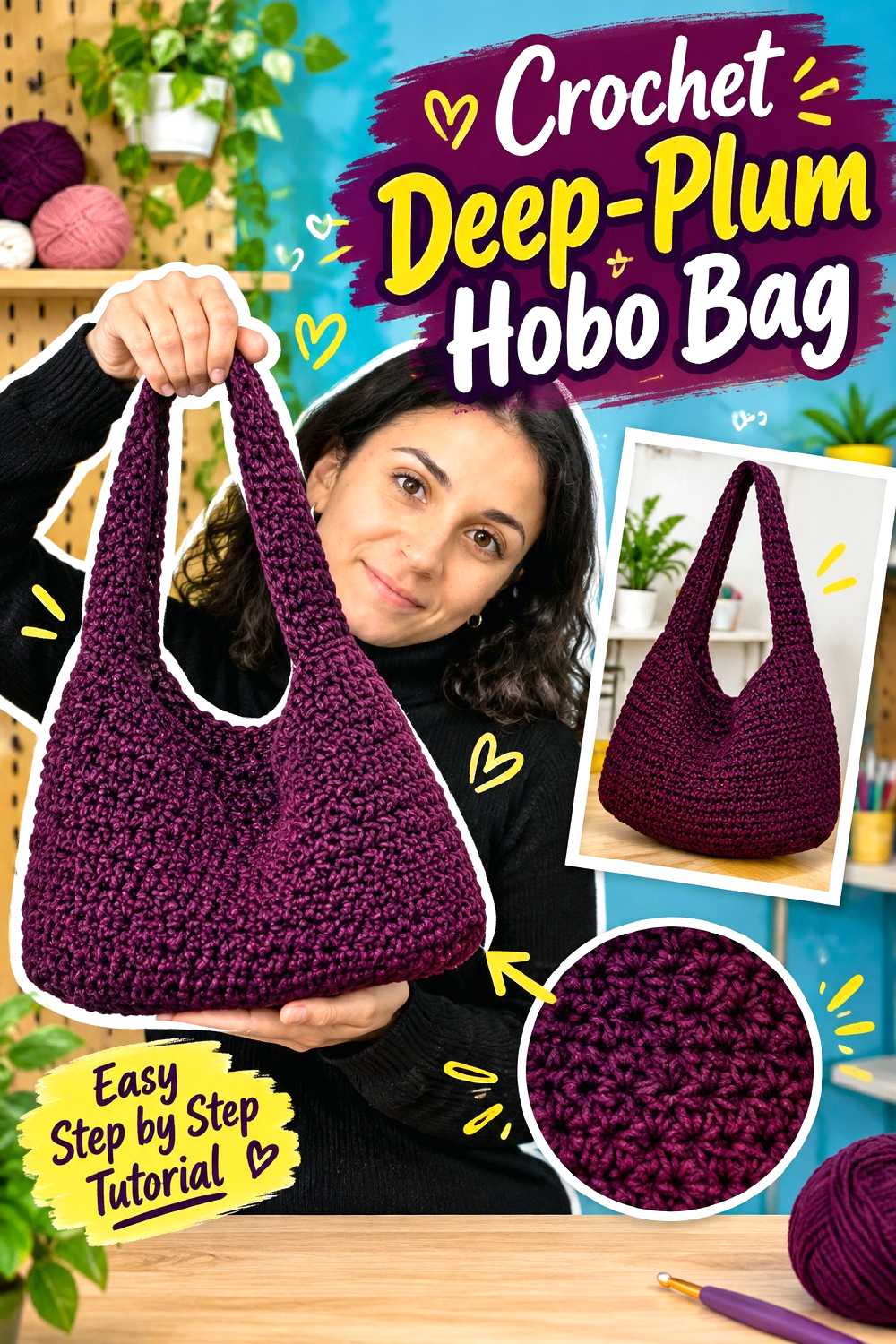
Vivi e cuci’s hobo bag takes a more structured route, using cord and a rectangular base before shaping the sides and handle.
Deep plum gives this silhouette enough color to feel seasonal while preserving the clean, everyday character of the bag.
Base Shape Controls the Finished Profile
A defined rectangular base changes how a bag stands and how its contents settle. That makes this project a better option than the chunky soft bag if you prefer a more deliberate bottom shape.
If changing materials, pay attention to whether the replacement yarn can support the same structure.
Short Handles Put More Stress on the Upper Bag
With a compact shoulder or hand-carry design, the handle and its joining points become important structural areas.
Avoid judging a yarn only by the body fabric. Make sure you are comfortable with how much the handle stretches before committing to a substitute.
Creator Credit: vivi e cuci
16. Crochet Plum And Black Granny Basket
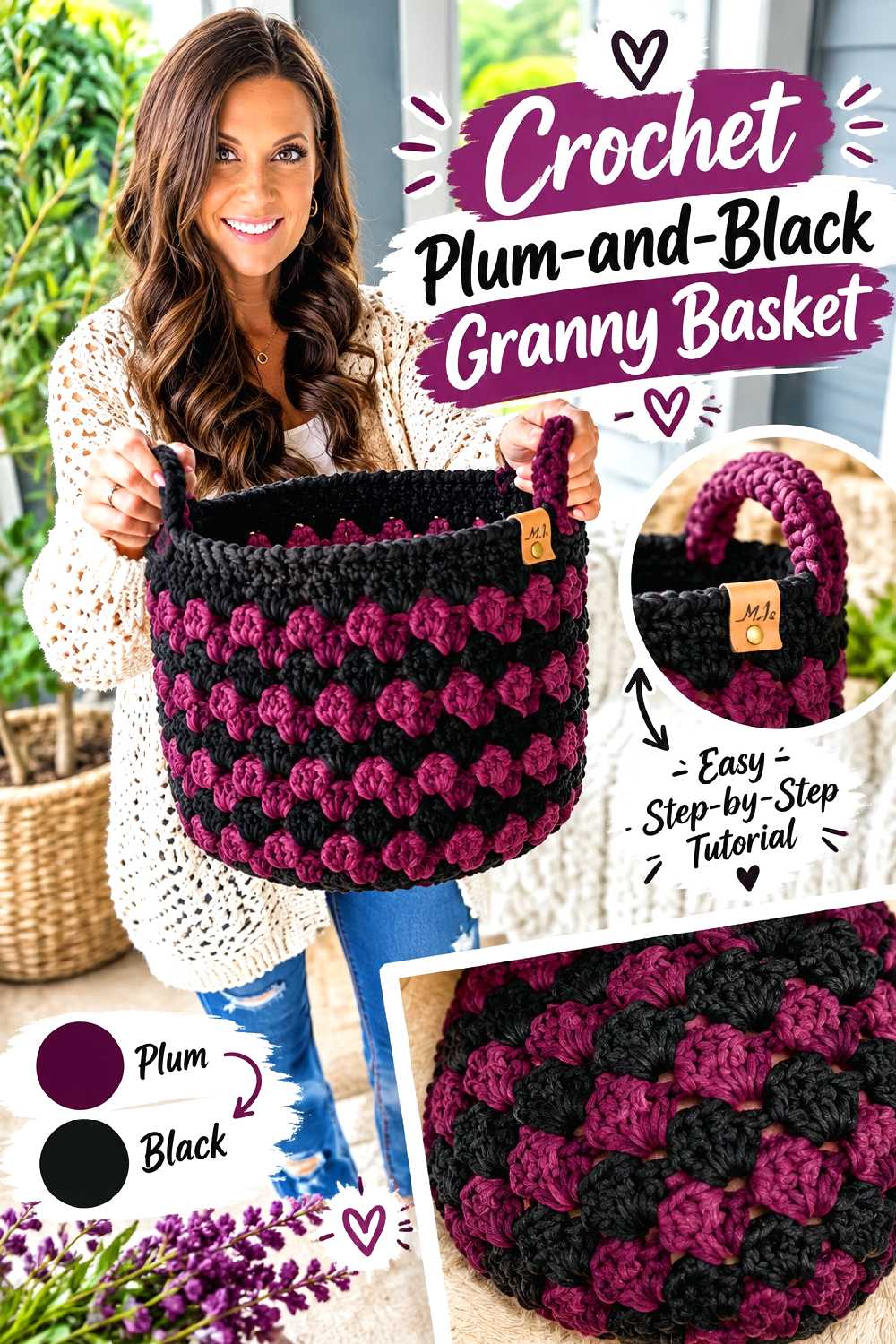
MJ’s Off The Hook Designs demonstrates a fall basket using granny-style clusters, color changes, built-in handle openings, and a defined upper edge.
That combination makes it one of the easiest projects here for using several Plum Noir shades together rather than committing to one solid color.
Use Color Changes to Reveal the Cluster Pattern
Try aubergine, black, and blackberry in repeating sections, or use black only for the upper edge and handles.
Very similar dark shades will produce a subtle tonal basket, while stronger contrast will make each granny-style section more obvious.
Structure Matters if the Basket Will Hold Heavy Items
A decorative yarn basket and a container for denser household items do not have identical requirements.
Follow the tutorial’s material guidance for the intended structure and do not assume a softer wearable yarn will keep the same upright form simply because the color matches your room.
Creator Credit: MJ’s Off The Hook Designs
17. Crochet Blackberry Diamond Weave Throw
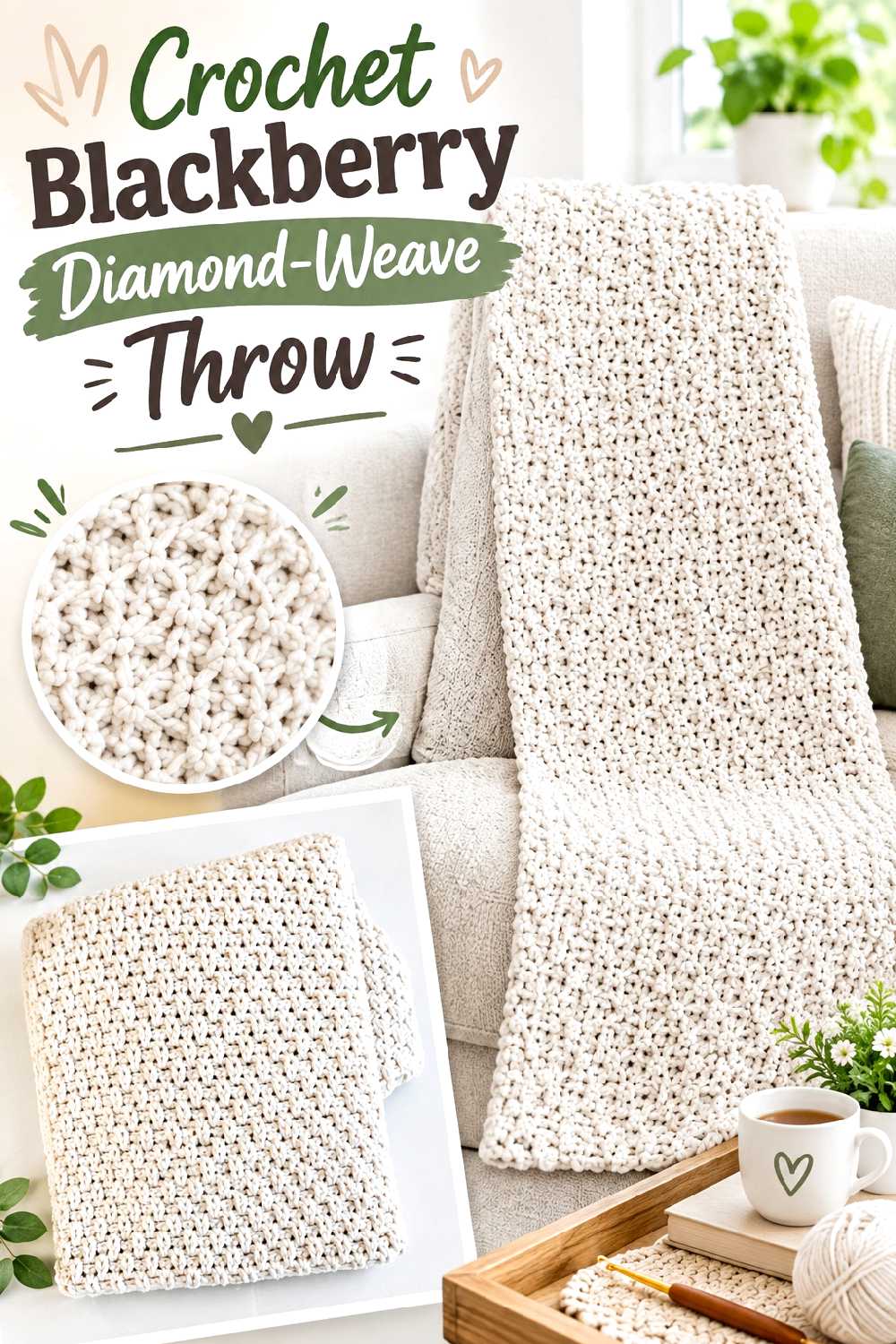
A throw gives you enough space to explore the full palette. Daisy Farm Crafts’ tutorial demonstrates a textured diamond-weave blanket surface rather than relying on decorative appliqués or motifs.
For Plum Noir, that means you can build interest through texture even if the blanket uses only one or two colors.
Do Not Let Black Swallow the Diamond Texture
If the raised or recessed pattern is the feature you love most, test it in black before committing to an entire throw.
Blackberry, dark grape, or smoky plum often creates almost the same mood while preserving more shadow detail across the surface.
A Tonal Gradient Can Replace High Contrast
Instead of black-and-white contrast, move through black cherry, merlot, blackberry, and deep plum.
Because the colors are related, the finished blanket stays cohesive while the changes help separate sections and prevent a large dark surface from feeling visually flat.
Creator Credit: Daisy Farm Crafts
18. Crochet Deep Plum Classic Pumpkin
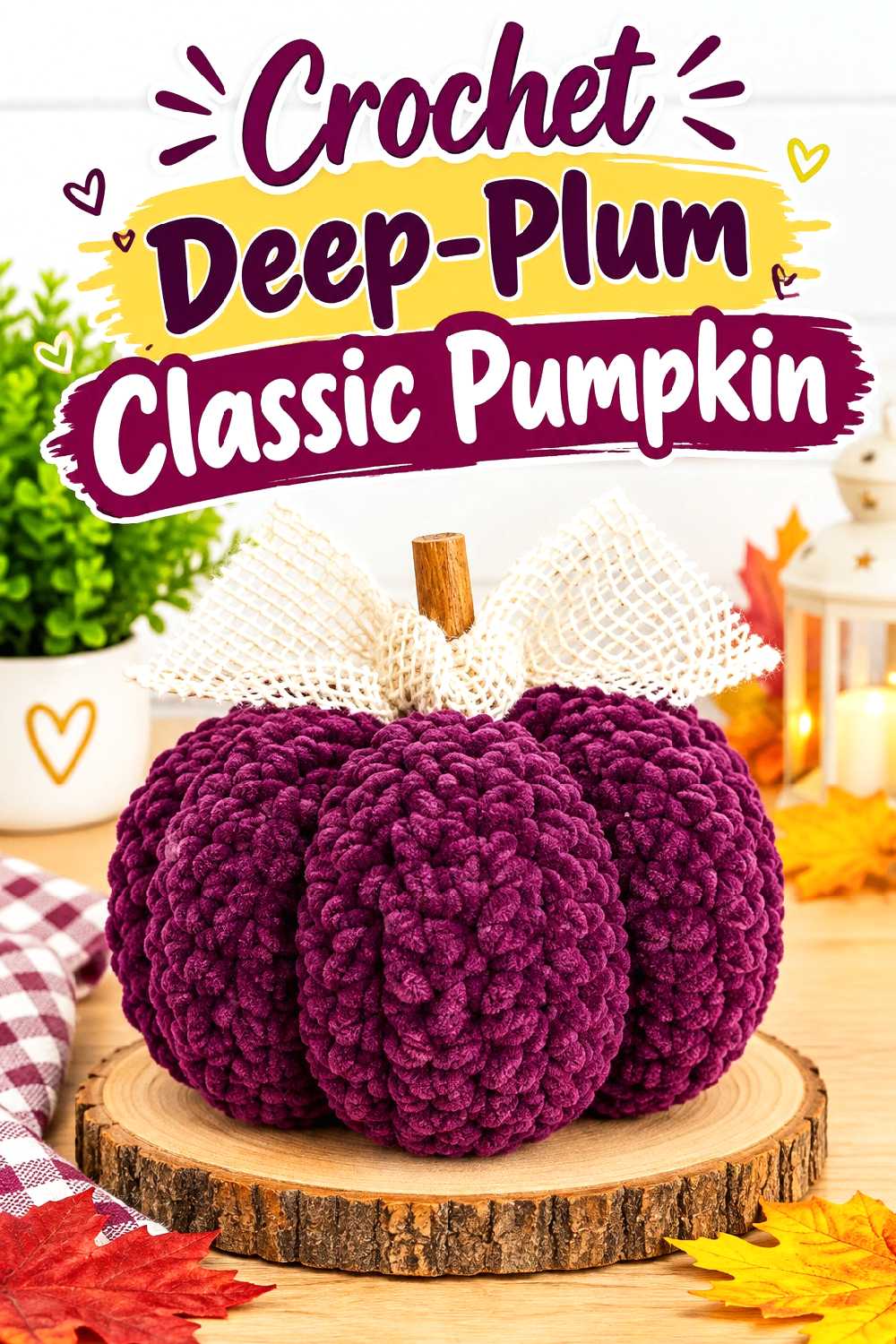
Fiber Flux’s classic pumpkin tutorial creates a stuffed seasonal pumpkin with a stem and optional finishing details.
Replacing the expected orange with plum, black cherry, or even matte black is an easy way to bring fall decor into the same palette as the wearables and home pieces.
Dark Purple Keeps the Shape Visible
A black pumpkin can look dramatic, but the ridges and shaping may disappear in dim rooms. Deep plum gives you the dark effect while preserving more contour.
For a grouped display, mix several neighboring shades rather than making every pumpkin identical.
Decorative Finishing Should Suit the Display
A bow, stem, or other added detail can push the pumpkin toward rustic, romantic, or Halloween styling.
Decide where it will be displayed before choosing extras. Also secure any added components appropriately if the decor will be accessible to small children or pets.
Creator Credit: Fiber Flux
19. Crochet Plum Coffee Cup Cozy
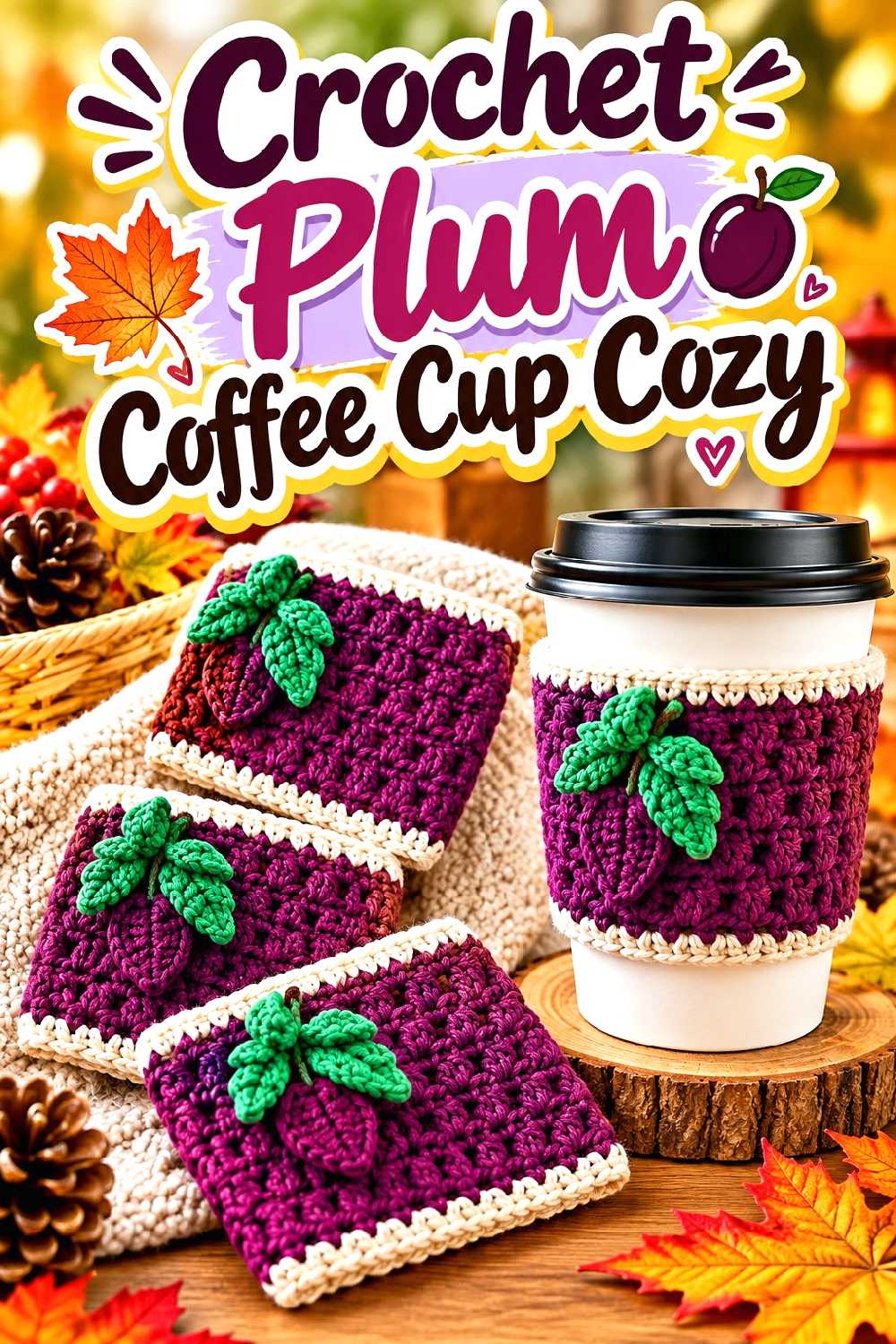
A coffee cup cozy is the lowest-commitment way to test the palette before buying yarn for a sweater or blanket. Teenie Crochets’ autumn-inspired tutorial creates a small cup cozy and is supported by a written project page as well as the video.
Plum, burgundy, and black cherry immediately make the piece feel seasonal without adding pumpkins or leaves.
Fit the Actual Cup You Use
Takeaway cups can differ in diameter and taper. Do not assume a one-size sample will sit identically on every container.
Use the tutorial as the construction reference and check your own cup before final finishing. The cozy should stay where intended without interfering with normal handling.
Treat Fiber Choice as a Functional Decision
A cup cozy sits close to a hot beverage container, so do not select yarn based on color alone or make unsupported heat-protection assumptions.
Check the yarn manufacturer’s care information and use the finished piece only in a way appropriate for its materials and the cup it is fitted to.
Creator Credit: Teenie Crochets
Which Plum Noir Crochet Project Should You Make First?
For a small test of the palette, start with the coffee cup cozy, twisted ear warmer, beanie, fingerless gloves, or beret. These projects let you see how a dark yarn handles texture without committing to a garment-sized quantity.
If you want an accessory that will noticeably change a fall outfit, compare the chunky scarf, hooded cowl, leg warmers, shawl, and three bag shapes. The biggest decision here is not difficulty but silhouette: the hooded cowl is dramatic, the shawl is fluid, the chunky shoulder bag is soft and compact, and the hobo bag has more defined structure.
For a larger Plum Noir statement, look at the cardigan, turtleneck, sweater vest, lace shrug, throw, or granny basket. Large projects make yarn behavior much more important, so swatching becomes more valuable before you buy the full amount required by the source tutorial.
The pumpkin sits in its own category. It is a simple way to connect a dark crochet wardrobe with your fall decor without turning every project into a matching set.
Conclusion
The Plum Noir look works because it is not really one color. You can move from wine and black cherry into aubergine, blackberry, smoky plum, and true black while keeping the collection visually connected.
For texture-heavy pieces such as the beanie, basket, throw, and turtleneck, use a shade that lets the stitches remain visible. For lace and openwork, think about what will show through the fabric. For garments, concentrate on fit and drape before color. For bags and baskets, structure matters more than whether two skeins appear identical on the shelf.
Use the original tutorials for their exact construction details, then treat the Plum Noir palette as your own styling layer. That approach gives you a fall collection that feels coordinated without forcing 19 projects into the same yarn, texture, or silhouette.
Frequently Asked Questions
What colors are included in a Plum Noir crochet palette?
There is no fixed formula. Useful shades include dark plum, mulberry, wine, merlot, aubergine, blackberry, black cherry, dark fig, smoky purple, and black. You can use one shade alone or combine several neighboring colors.
Can I simply replace the tutorial yarn with a plum or black yarn?
Only when the replacement also suits the project’s yarn weight, gauge, structure, and fabric behavior. Matching color does not mean two yarns are interchangeable. Swatch first, especially for garments, bags, fitted accessories, and textured patterns.
Why does black yarn sometimes hide crochet stitches?
Black reflects less visible light, so shadows between stitches can be harder to distinguish. Fuzzy fibers can reduce definition further. If visible texture matters, a very dark blackberry or aubergine may give a similar mood while making the crochet surface easier to see.
How can I stop a dark crochet outfit from feeling too heavy?
Vary the amount of coverage and texture. Pair a solid turtleneck with a smaller accessory rather than several oversized dark pieces at once, or choose openwork such as a lace shrug or tote. You can also use plum instead of pure black to keep the palette dark without creating one continuous block.
Which Plum Noir projects are easiest to customize with multiple colors?
The granny basket and throw offer the most natural opportunities for repeated color changes. The vest also works well with contrast edging. For the cardigan, beret, scarf, and hooded cowl, a single rich shade often lets the silhouette and texture do more of the work.
Should I use the same type of yarn for Plum Noir bags and wearables?
Not automatically. Wearables usually need appropriate comfort, stretch, and drape, while bags and baskets often benefit from more structure. Choose yarn according to the job of the finished object first, then find the plum, blackberry, or black shade within a suitable yarn category.