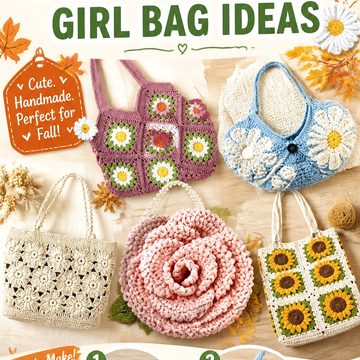
Arabian Spice is an especially natural color direction for crochet because texture gives a deep brown more dimension than a flat surface can. Pantone identifies Arabian Spice as PANTONE 19-1245 TCX, describing it as an earthy, warm brown in its Autumn/Winter 2026–27 New York Fashion Week palette.
For crochet, that does not mean you need yarn carrying an exact Pantone label. Think of the trend as a rich reddish or spice-toned brown that sits somewhere between chocolate, warm mahogany, and burnt earth. It can look sophisticated on its own or work beside ivory, camel, muted olive, black, soft beige, or another closely related brown.
The 17 tutorials below do not all use Arabian Spice yarn. Instead, they provide genuinely different projects that can be reinterpreted in this Fall 2026 color direction. The focus is on shape, texture, finishing, proportion, and construction—the details that make a handmade project look considered rather than simply brown.
Quick List
- Crochet Polished Button Cardigan
- Crochet Ribbed Fall Pullover
- Crochet Arabian Spice Granny Square Vest
- Crochet Floral Lace Wrap
- Crochet Sculpted Hooded Scarf
- Crochet Textured Everyday Beanie
- Crochet Structured Market Tote
- Crochet Compact Baguette Shoulder Bag
- Crochet Hardware-Detail Bucket Bag
- Crochet Woven-Texture Throw Blanket
- Crochet Tonal Bow Pillow Cover
- Crochet Ribbon Storage Basket
- Crochet Tassel-Edge Table Runner
- Crochet Sculpted Spice Pumpkin
- Crochet Autumn Leaf Garland
- Crochet Ribbed Floor Pouf
- Crochet Draped Fringe Poncho
What Makes Arabian Spice Crochet Look More Polished
Deep brown can make simple crochet look substantial, but it can also hide stitch definition. Before committing to a large project, crochet a meaningful swatch and look at it in ordinary daylight. If all the texture disappears into one dark surface, a smoother yarn, stronger stitch relief, or slightly lighter Arabian Spice interpretation may show the design more clearly.
Finishing matters just as much as color. Straight front bands, symmetrical straps, evenly shaped motifs, neat borders, controlled fringe, and properly positioned hardware make a larger difference than adding extra embellishment. A restrained project in one rich brown can often look more intentional than a complicated project with too many competing details.
Choose Yarn for the Project, Not Just the Color
An Arabian Spice yarn that works beautifully for a soft shawl may be a poor substitute for the yarn used in a structured bag. Fiber, thickness, elasticity, and fabric density affect the finished result even when the colors look almost identical.
For wearables, pay attention to drape and garment weight. For bags and baskets, watch stretch and shape retention. For pillows, pumpkins, and poufs, consider how well the fabric contains an insert or stuffing. If you substitute yarn in any tutorial, compare the resulting fabric with the creator’s sample rather than assuming a color match makes the yarn interchangeable.
Keep the Fall 2026 Palette Deliberate
Arabian Spice can handle a monochrome treatment, especially on cardigans, bags, and substantial home decor. If you want contrast, use it selectively. Ivory can clarify dark texture, black creates a sharper fashion look, and camel produces a quieter tonal combination.
For granny squares or patchwork, consider using Arabian Spice as the dominant shade rather than one equal color among many. That gives the project a clear color identity while still leaving room for cream, tobacco, muted gold, clay, or another neighboring tone.
1. Crochet Polished Button Cardigan
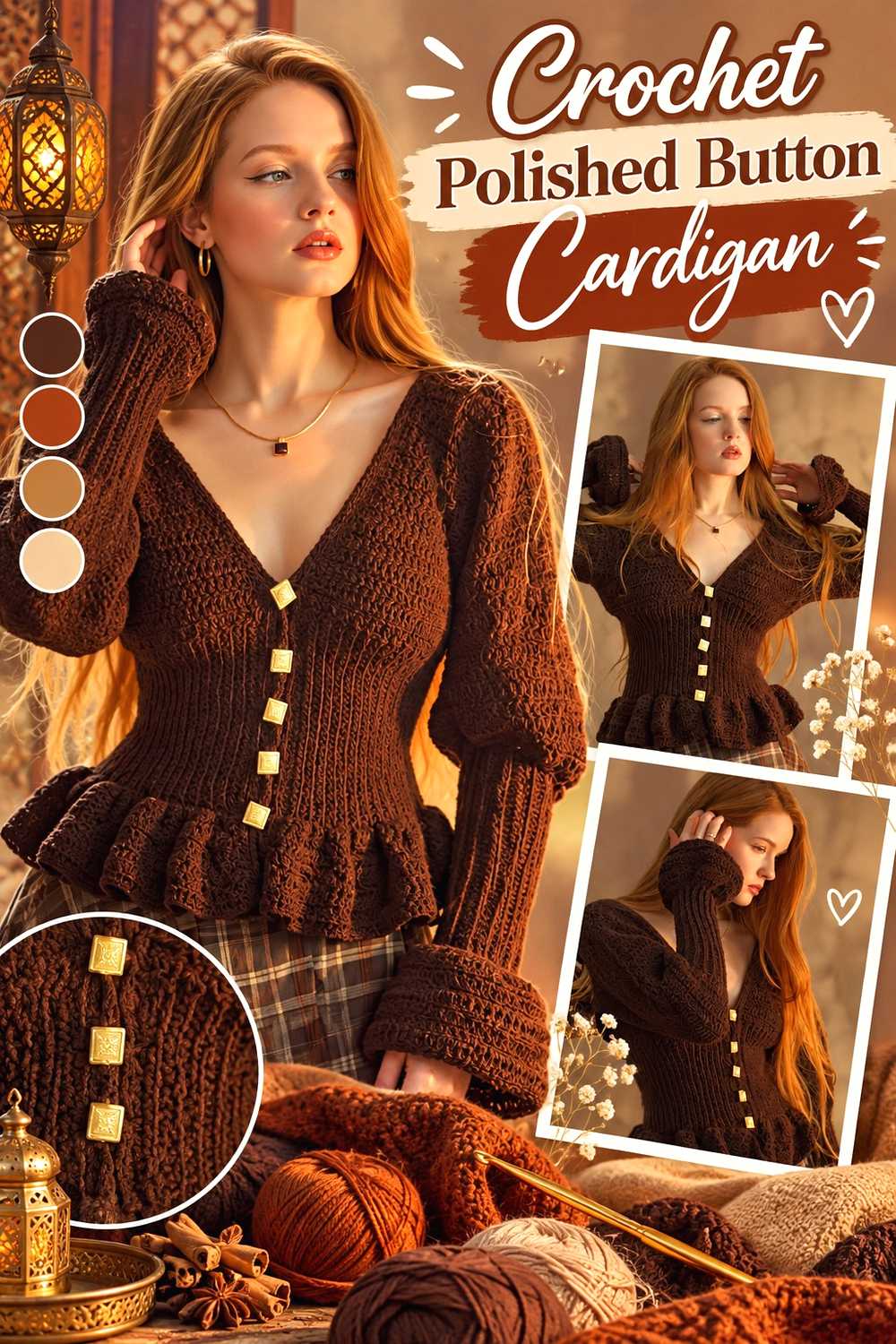
A button-front cardigan is one of the easiest ways to turn Arabian Spice into a major wardrobe color instead of a small seasonal accent. WONDER NETTING’s cardigan tutorial shows a clean cardigan silhouette with buttons and defined finishing, giving the rich brown somewhere substantial to work.
In a single spice-brown shade, this style can sit comfortably beside black trousers, faded denim, cream, or a tonal brown outfit. The relatively restrained construction is useful here because it keeps the focus on silhouette and surface rather than a busy motif.
Let the Front Edges Create the Tailored Effect
Dark yarn makes an uneven opening easier to notice once buttons are involved. Before final finishing, compare the two front edges and make sure corresponding sections hang consistently.
Buttons also introduce a second material into the design. Instead of automatically matching them to the yarn, consider whether dark horn-look, wood, matte black, or another restrained finish fits the effect you want. Follow the tutorial for the actual button construction and placement.
Check Drape Before Making the Whole Body
Arabian Spice tends to visually emphasize the overall silhouette because the color is deep and relatively solid. If a substituted yarn creates a much stiffer fabric than the tutorial sample, a relaxed cardigan can become boxier than expected.
Make enough fabric in your test swatch to judge movement, not merely stitch size. A cardigan needs to work when hanging vertically, not only when a small sample is flat on a table.
Creator Credit: WONDER NETTING
2. Crochet Ribbed Fall Pullover
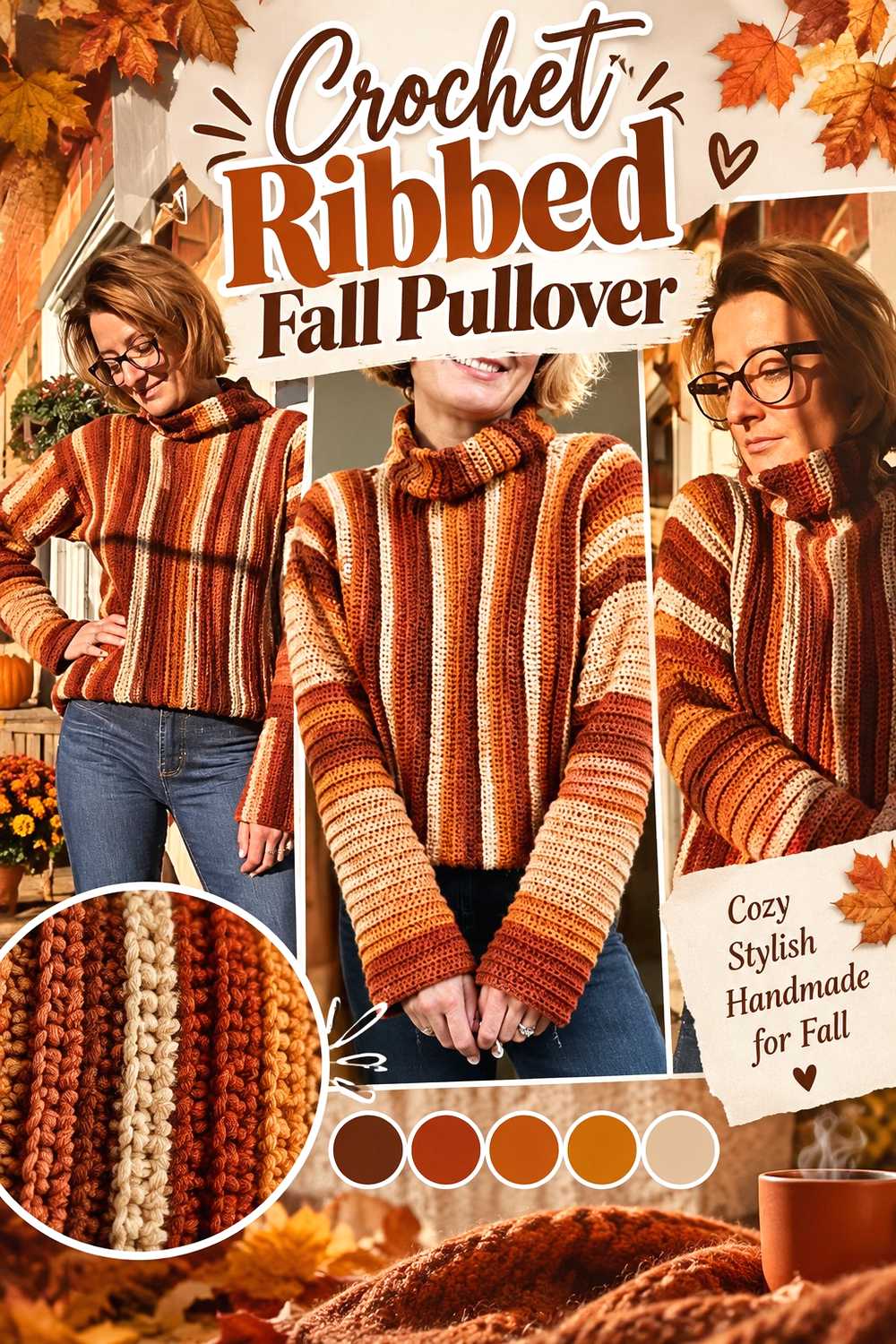
JeggoCrochet’s pullover tutorial uses a clearly textured sweater construction with separate garment sections and strong horizontal surface detail. The source project uses contrasting colors, but that same structure creates an interesting route for a solid Arabian Spice version when you want texture to replace stripes as the main visual feature.
A monochrome pullover is also an effective way to test how dark brown behaves at larger scale. It can function almost like a neutral while still giving a fall outfit much more warmth than gray or black.
A Single Color Makes Texture Work Harder
Removing stripes reduces visual interruption, which means the stitch surface becomes much more important. Examine an Arabian Spice swatch from several feet away. If the texture disappears completely, consider a yarn with clearer stitch definition rather than adding unnecessary extra colors.
A slight difference in sheen can also change the effect. A very fuzzy yarn softens ridges, while a smoother surface allows shadows between stitches to remain visible.
Preserve the Sweater’s Intended Proportions
Color changes are largely cosmetic; fit changes are structural. Do not assume a darker color needs a longer, wider, or more oversized sweater to look luxurious.
Use the creator’s sizing information and compare the planned body and sleeve proportions with a pullover you already enjoy wearing. If you customize length, remember that garment weight and the position of the hem can change at the same time.
Creator Credit: JeggoCrochet
3. Crochet Arabian Spice Granny Square Vest
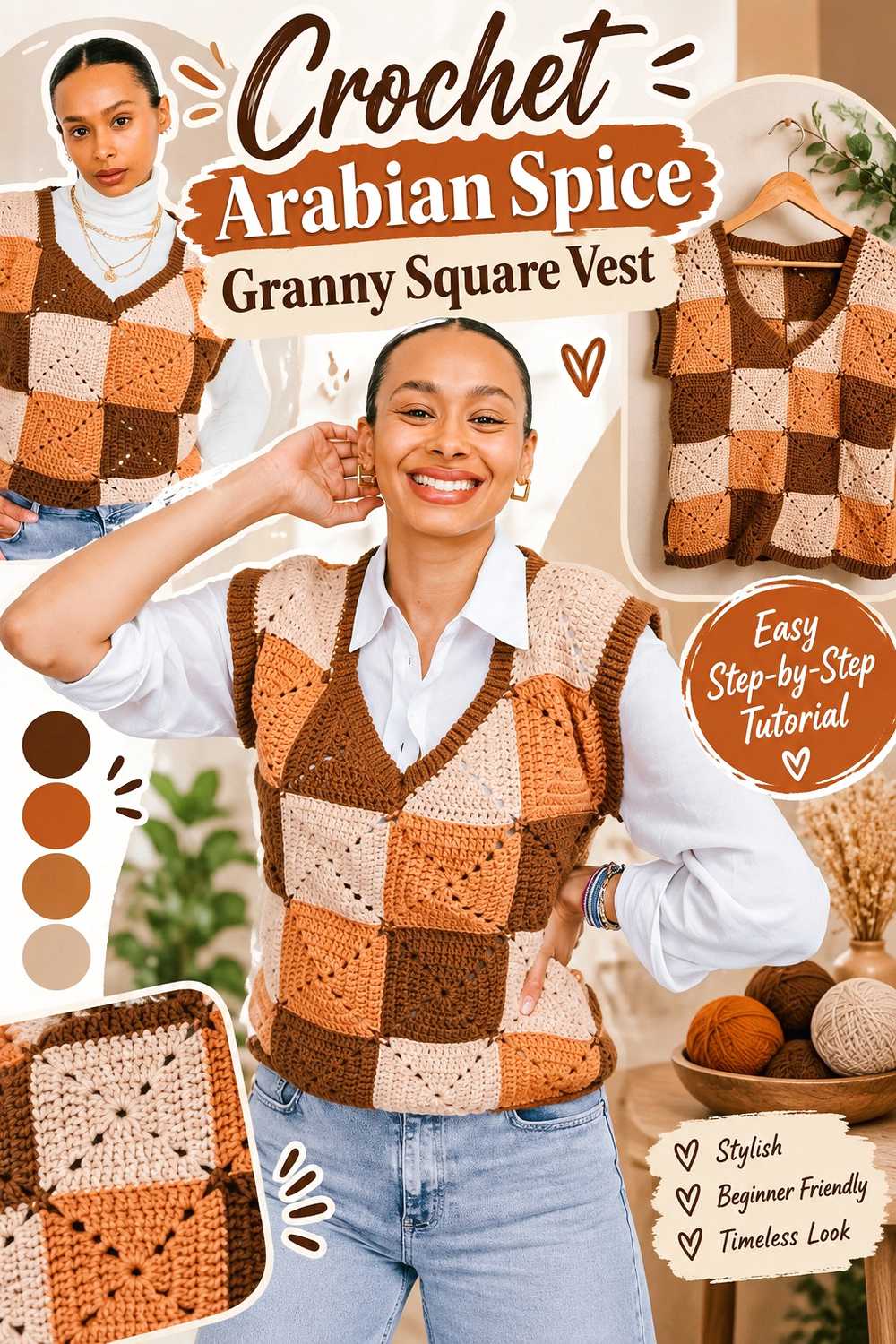
This vest from Crochet with Aisha is particularly compatible with the Arabian Spice direction because its source palette already demonstrates how brown can interact with beige and mustard. The garment is assembled from square and triangular motifs rather than one uninterrupted panel, so color placement becomes part of the construction.
For Fall 2026, you could push the concept toward a quieter tonal palette: Arabian Spice as the dominant brown, cream or camel as a light contrast, and a restrained muted-gold accent.
Blocked Motif Size Matters More Than the Palette
A beautifully arranged color scheme will not correct squares that finish at noticeably different dimensions. Before joining a full vest, compare completed motifs after they have settled into their finished shape.
If you replace one yarn with another simply because its brown is closer to Arabian Spice, make sure the replacement produces compatible fabric. Slight differences repeated across many motifs can affect the final garment more than expected.
Map the Darkest Squares Before Joining
Arabian Spice will probably become one of the visually heaviest colors in a mixed palette. Lay all motifs out in the approximate garment arrangement before joining them.
Check the front first, then examine the back and shoulder area separately. A balanced flat arrangement can look different once the vest wraps around the body, so decide deliberately whether the dark shade should form a regular rhythm or appear in larger concentrated areas.
Creator Credit: Crochet with Aisha
4. Crochet Floral Lace Wrap
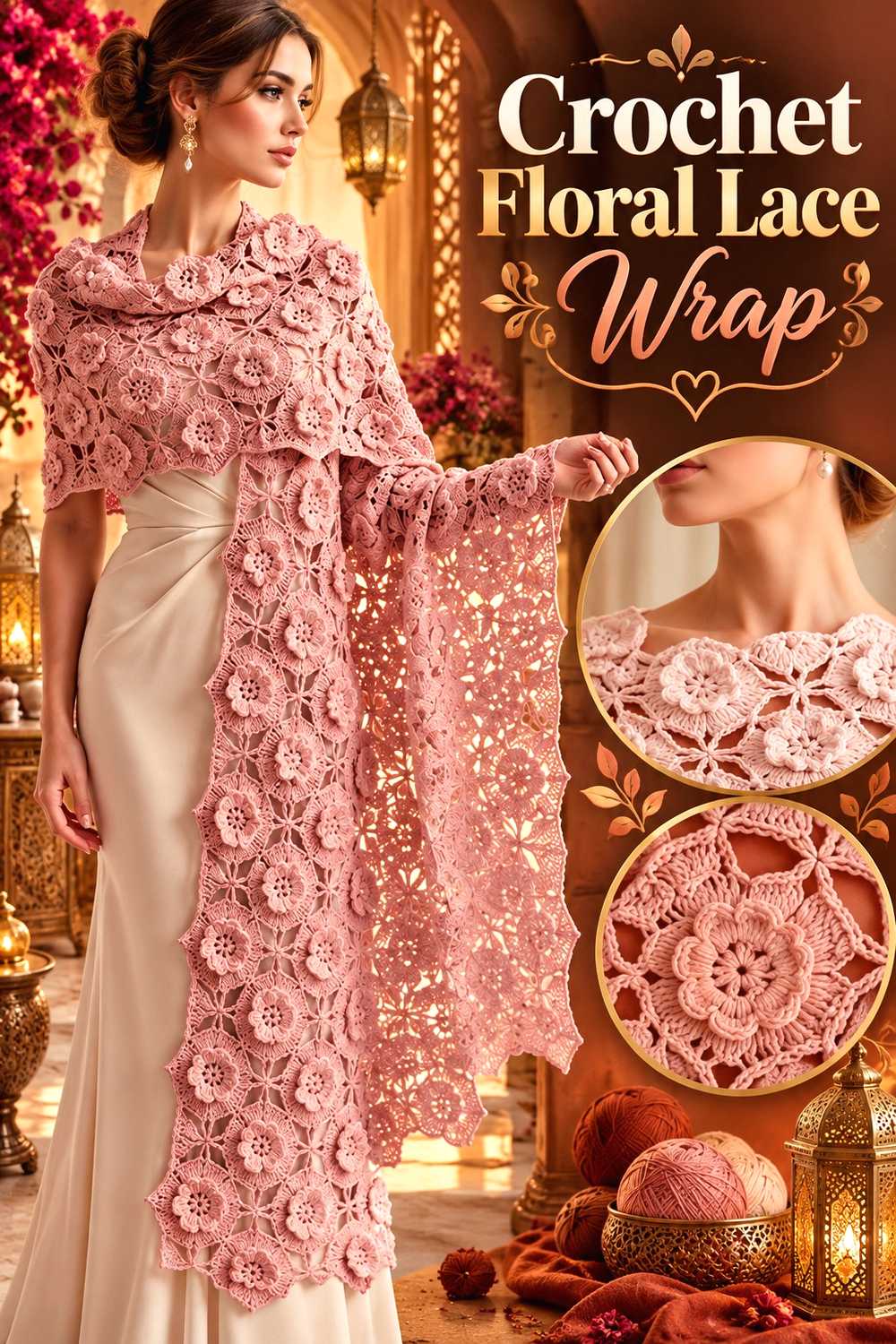
The tallermanualperu tutorial demonstrates an open floral crochet fabric that can be developed as a shawl, wrap, or related draped piece. That flexibility makes it a useful counterpoint to the heavier sweaters and cardigans in this collection.
Arabian Spice in lace produces a different effect from Arabian Spice in dense fabric. Instead of reading as a solid block of brown, the color alternates with open space, allowing the clothing underneath to influence the final look.
Openwork Makes the Base Layer Part of the Palette
Hold an Arabian Spice lace swatch over cream, black, denim, and another brown before committing to a large wrap. The negative spaces expose the color underneath, so the same shawl can appear warmer, darker, or more graphic depending on the outfit.
That is especially important if this will be an evening or occasion layer rather than an everyday scarf.
Drape Should Stay More Important Than Density
Trying to make lace feel more substantial by substituting a much heavier yarn can change the entire character of the project. If you want a richer appearance, a controlled solid color may be enough.
Compare how your swatch falls from the hand. A wrap that bends and folds naturally will usually display an open pattern more clearly than fabric that wants to hold a rigid shape.
Creator Credit: tallermanualperu
5. Crochet Sculpted Hooded Scarf
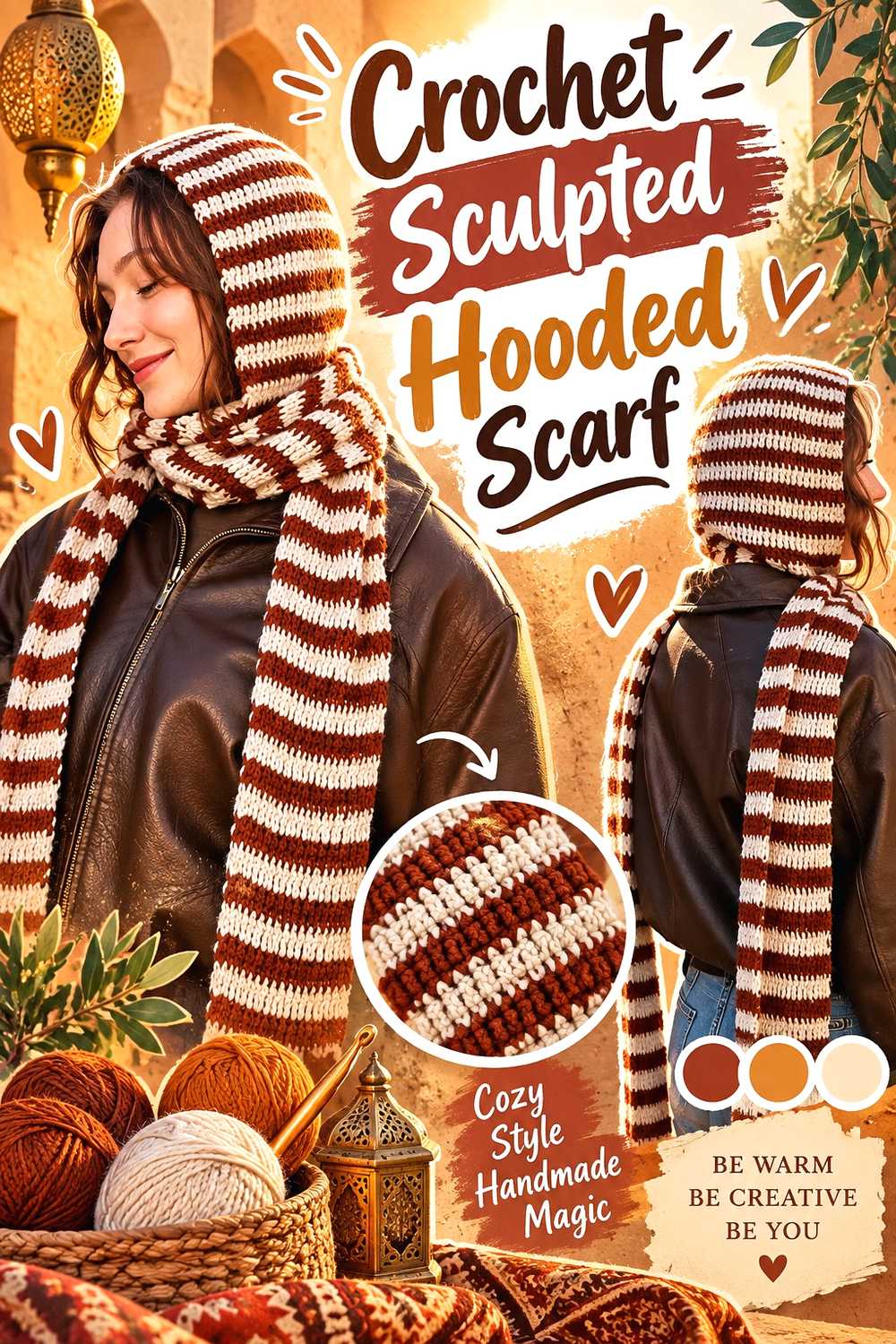
Anna Greene’s hooded scarf combines a practical fall accessory with enough fabric to make color a major feature. The tutorial sample uses more than one color, but a solid Arabian Spice interpretation would shift attention toward the hood shape and the long scarf lines instead.
It is a useful project when a full brown sweater feels like too much commitment. The color still sits close to the face and outerwear, but the accessory can be removed or restyled easily.
Judge the Hood While It Is Actually Being Worn
A hood can appear deep and generous when laid flat yet behave differently after the scarf sections begin pulling downward. Before adjusting the shape, look at the hood in its intended wearing position.
If you substitute yarn, pay particular attention to fabric weight. A substantially heavier yarn can cause the scarf ends to pull on the hood more than the original fabric does.
Monochrome Removes the Need to Align Stripes
A solid Arabian Spice version simplifies the color planning, but it also makes the overall outline more noticeable. That means edge consistency, the hood-to-scarf transition, and finishing deserve more attention.
If you still want contrast, consider a narrow border or controlled second shade rather than automatically reproducing wide stripes. The source tutorial should remain your guide for the construction itself.
Creator Credit: Anna Greene
6. Crochet Textured Everyday Beanie
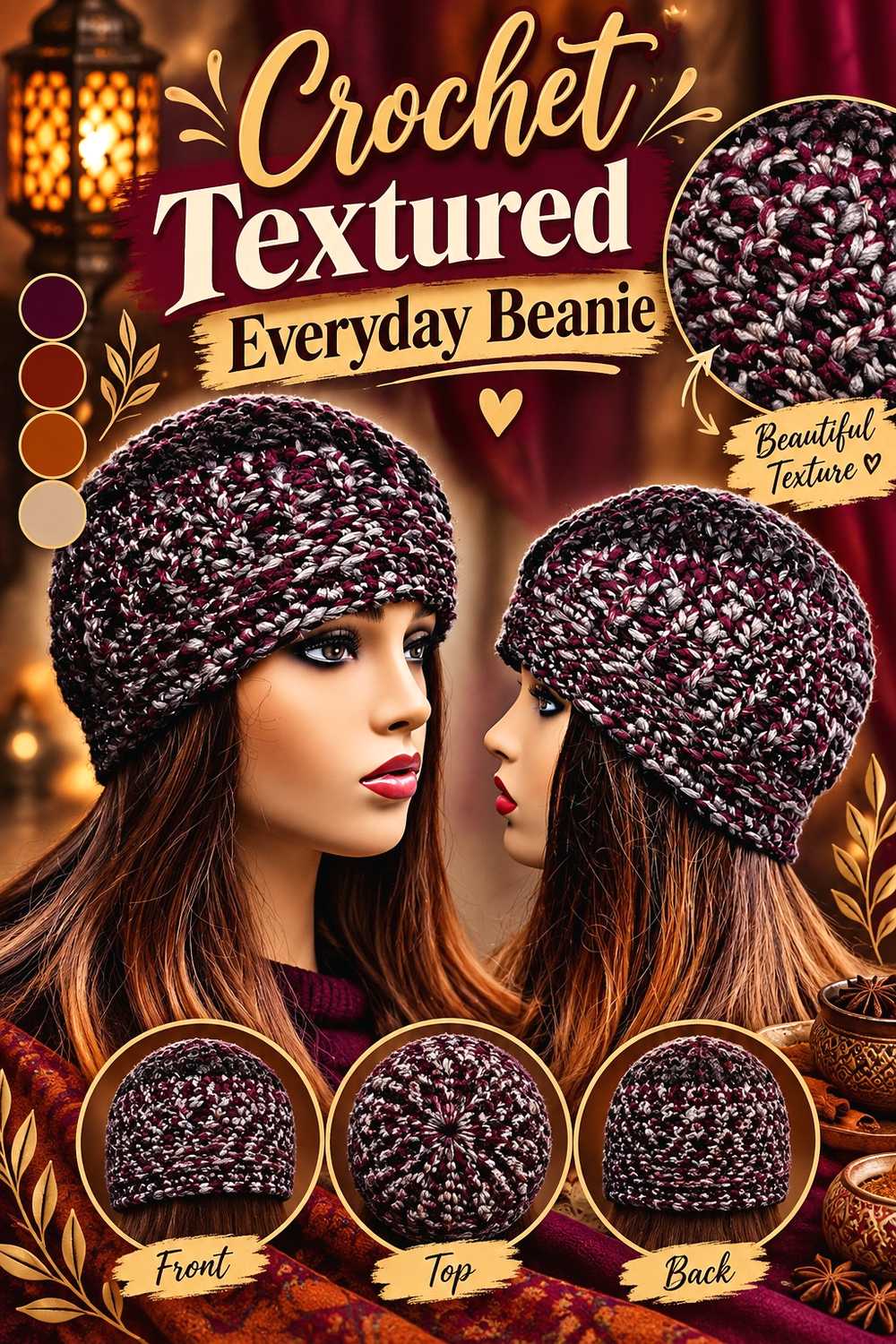
Bag-O-Day Crochet’s beanie tutorial provides a compact way to wear Arabian Spice without requiring a large yarn investment or committing to a full garment. The finished hat has enough surface texture to prevent the dark color from reading as completely flat.
A rich brown hat can also connect several fall neutrals in the same outfit. It works with a black coat, tan jacket, cream knit, denim, olive outerwear, or other warm browns without needing an exact match.
Dark Yarn Rewards Clear Stitch Definition
Very dark yarn can make a hat’s stitch pattern difficult to see indoors. Before deciding on the final yarn, photograph or examine the swatch in ordinary light as well as bright crafting light.
If the texture is a main reason you chose the design, select a brown that is deep without swallowing every shadow between stitches.
Check Stretch Before Calling the Fit Finished
A hat has different functional demands from a scarf or decorative pillow. The fabric needs to accommodate the head without becoming uncomfortably rigid or losing its shape immediately.
When substituting yarn, follow the tutorial’s sizing logic and test the actual fabric rather than relying on the yarn label alone. Fiber elasticity can matter as much as nominal yarn weight.
Creator Credit: Bag-O-Day Crochet
7. Crochet Structured Market Tote
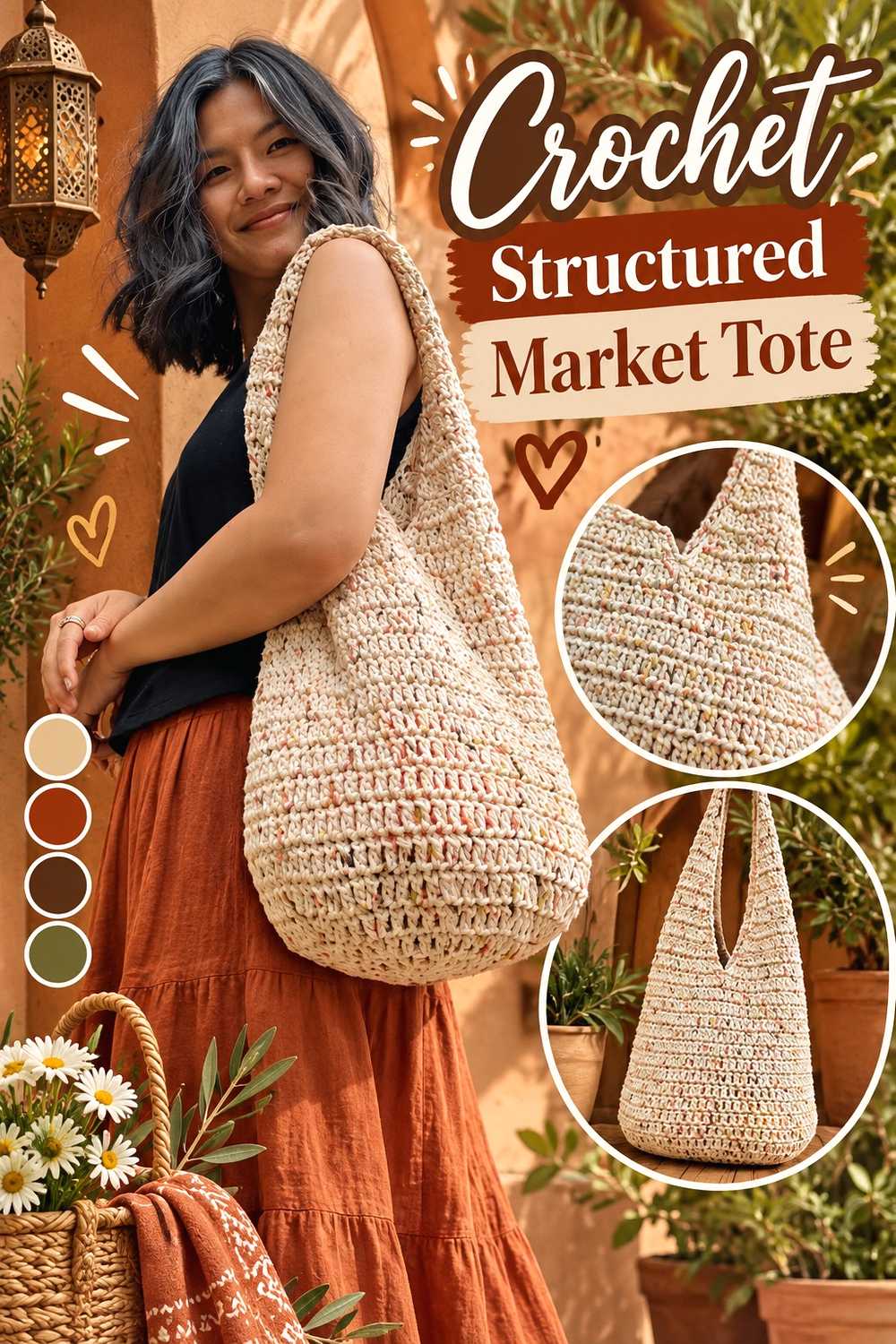
KnitcroAddict’s tote is built from the bottom upward and finishes with straps that meet to create a practical everyday bag. Its broad uninterrupted body makes it a strong candidate for a single Arabian Spice shade because the bag shape remains easy to read without color changes.
This is also where yarn behavior becomes more important than trend color. Bags carry weight, and the source itself notes that the finished crochet fabric can stretch with use.
Strap Behavior Can Change the Whole Silhouette
A strap that lengthens significantly after the bag is loaded may turn a neatly proportioned tote into a much lower-hanging shoulder bag.
If you change yarn, test a sample under gentle hanging weight and consider reinforcement or lining only if it suits your intended use. Do not assume a yarn is strong enough for heavy contents based on appearance alone.
A Quiet Color Lets the Bag Shape Do the Work
Arabian Spice can make a simple tote feel deliberate without extra tassels, appliqués, or multiple accent colors. Before adding decoration, look at the completed bag with its straps in place.
If the texture and silhouette already provide enough interest, restrained finishing may support the polished look better than additional ornament.
Creator Credit: KnitcroAddict
8. Crochet Compact Baguette Shoulder Bag
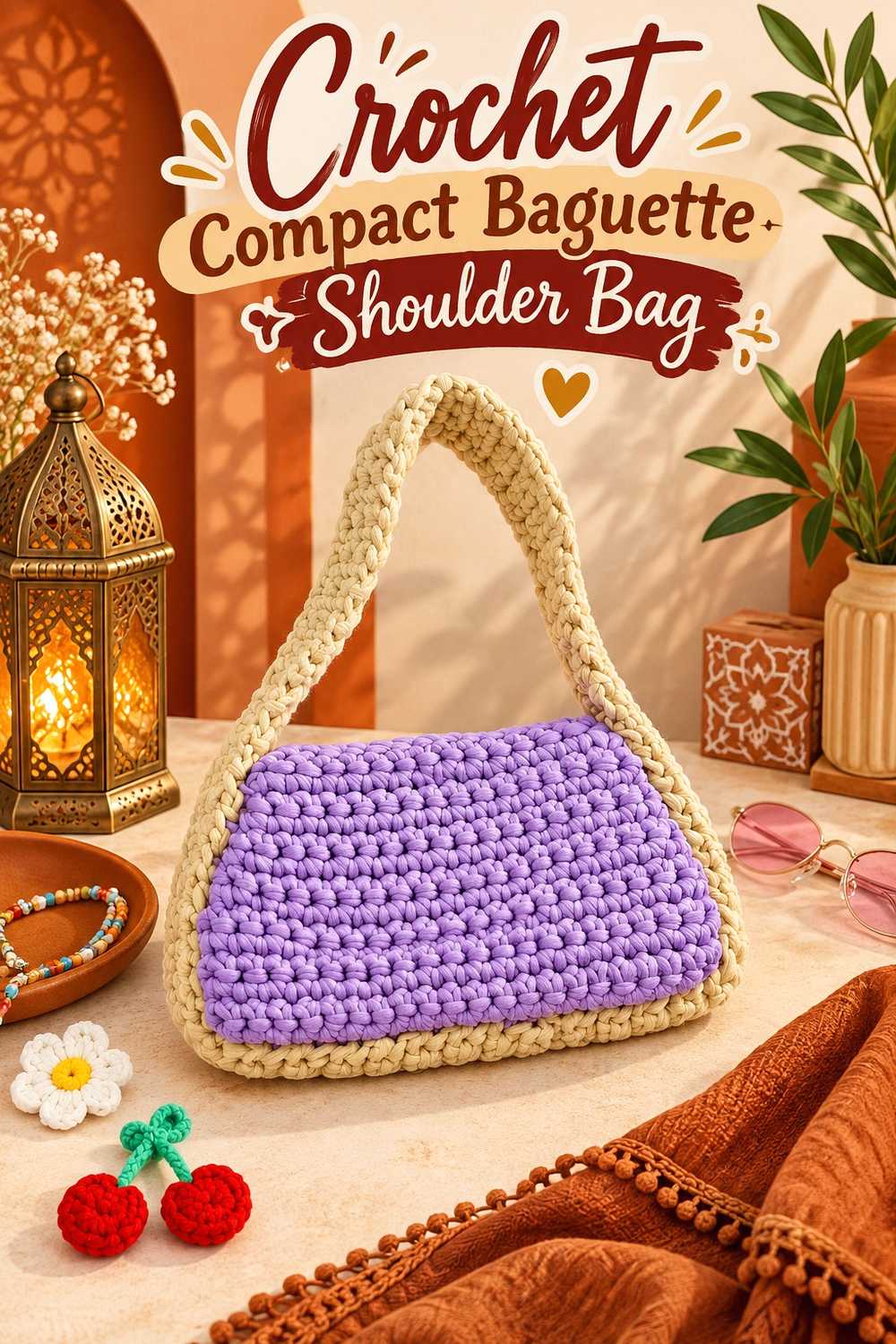
Chenda DIY’s shoulder bag uses a compact baguette-like silhouette, a short strap, and a magnetic closure. Compared with a roomy tote, it behaves much more like a fashion accessory, which makes the Arabian Spice color feel concentrated and intentional.
The source project uses T-shirt yarn, so the fabric has more visual substance than a delicate thread bag. That density pairs particularly well with the warm brown direction.
Closure Placement Changes the Front More Than It Seems
A magnetic closure is small, but it determines how neatly the top sits when the bag is closed. Follow the source placement rather than treating the hardware as an afterthought.
If you change the bag’s dimensions or fabric thickness, confirm that the two sides still meet naturally before permanently attaching any closure.
Keep the Strap in Scale With the Compact Body
A small shoulder bag has less visual room to absorb an oversized strap. If you customize length, evaluate both wearing position and proportion.
Arabian Spice already gives the bag a strong presence. A relatively clean strap treatment can preserve the elongated baguette outline instead of competing with it.
Creator Credit: Chenda DIY
9. Crochet Hardware Detail Bucket Bag
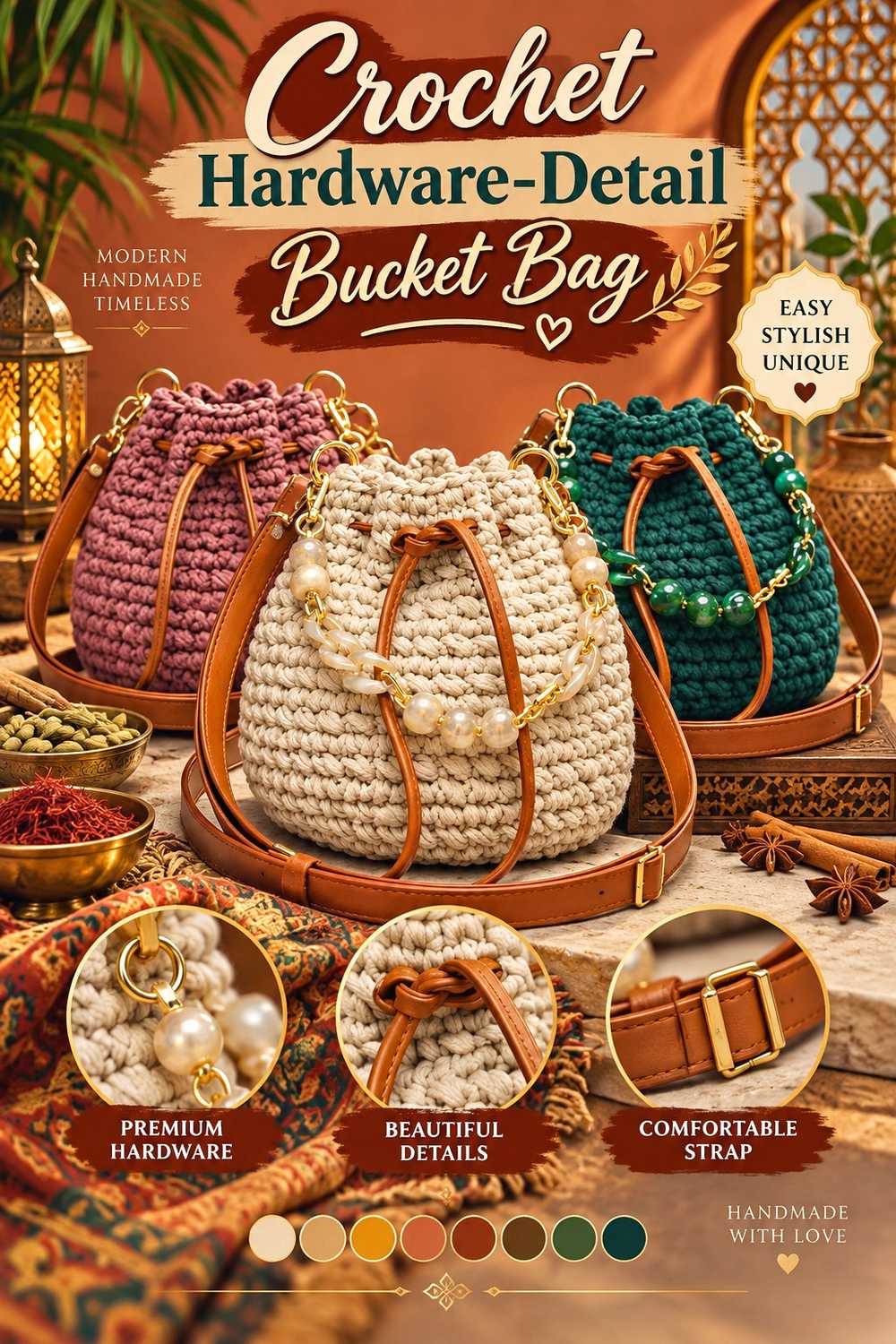
Jolanda’s bucket bag uses a rounded bucket silhouette with added hardware, giving it a noticeably different character from both the tote and compact baguette bag. The tutorial incorporates ribbon-style material and bag components rather than relying only on crochet fabric.
This is one of the strongest projects for an Arabian Spice interpretation if you want the result to feel closer to an accessory than a yarn craft. The warm brown can work almost like leather visually, while the hardware provides contrast.
Hardware Should Look Planned From the Beginning
Before choosing yarn, decide which hardware finish you expect to use. Warm metallic, dark, or tonal components can produce very different results next to reddish brown.
You do not need many decorative pieces. Consistent hardware and tidy attachment points generally create a more coherent look than mixing several unrelated finishes.
Structure Is Central to the Bucket Shape
A bucket bag depends on a readable base, upright sides, and a controlled opening. A replacement yarn that collapses dramatically may create a softer bag than the tutorial sample.
Crochet a reasonably large sample and stand it vertically. If it cannot support its own fabric at all, decide whether that softer result still matches the bag you want before proceeding.
Creator Credit: Jolanda
10. Crochet Woven Texture Throw Blanket
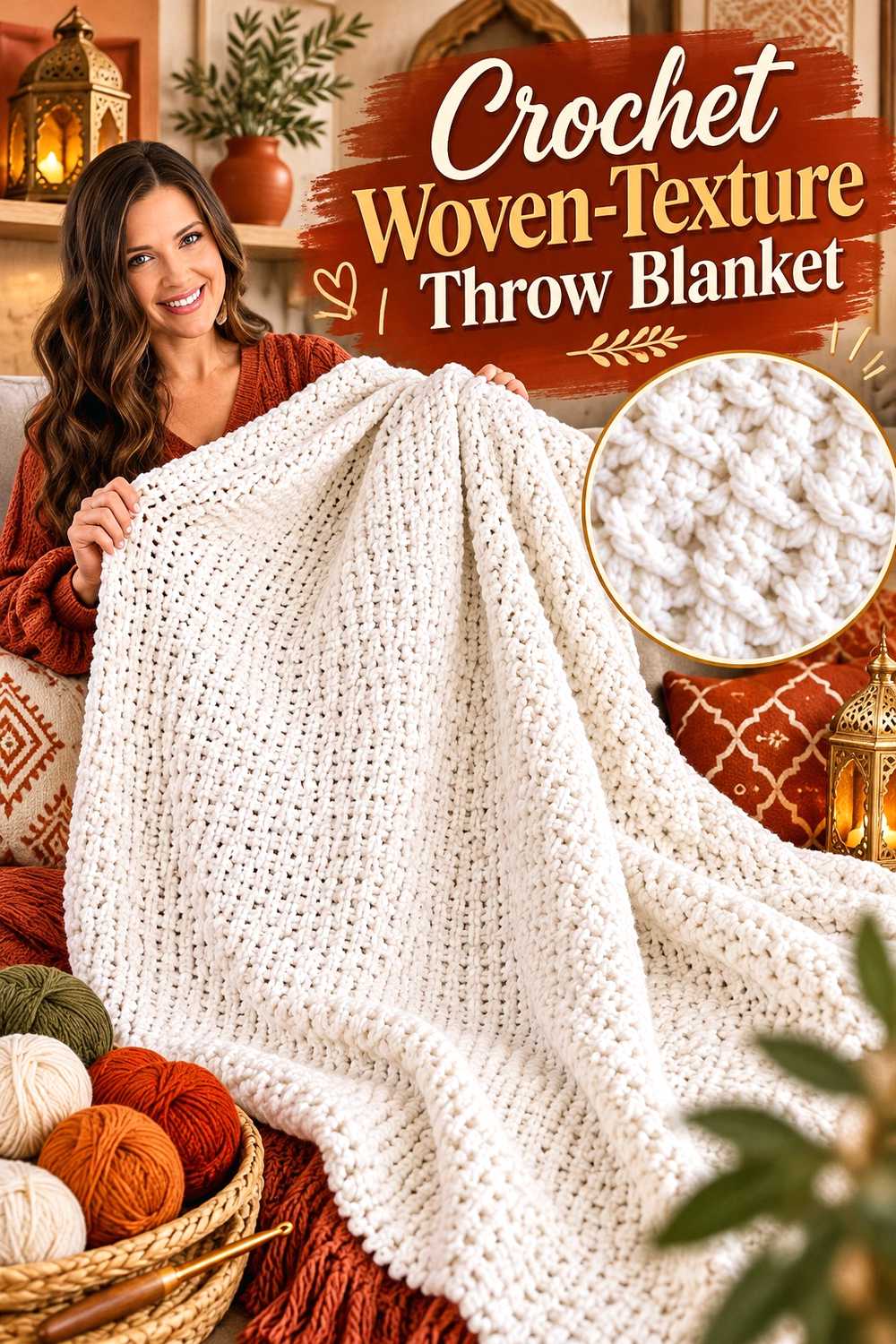
MJ’s Off The Hook Designs demonstrates a throw with an open woven effect and a defined ribbed border. Those two surfaces give a single-color Arabian Spice blanket enough variation that it does not need stripes or a large motif to create interest.
A deep spice-brown throw can also function as a grounding color in a light room, particularly beside cream upholstery, warm wood, pale bedding, or natural textures.
The Border Determines How Finished the Blanket Looks
A contrasting border is not automatically necessary. Using Arabian Spice throughout can create a quieter, more continuous effect while still allowing the change in stitch texture to frame the blanket.
Check the border tension as it develops. A beautiful center panel can still look distorted if the outer edge pulls inward or waves outward.
Dark Color Can Hide an Open Woven Pattern
The woven texture deserves to remain visible. If your chosen yarn is extremely fuzzy or nearly black-brown, test the pattern before purchasing the full quantity.
Place the sample on both a pale and dark surface. That simple check shows how much the open spaces contribute to the appearance in the room where the throw will actually be used.
Creator Credit: MJ’s Off The Hook Designs
11. Crochet Tonal Bow Pillow Cover
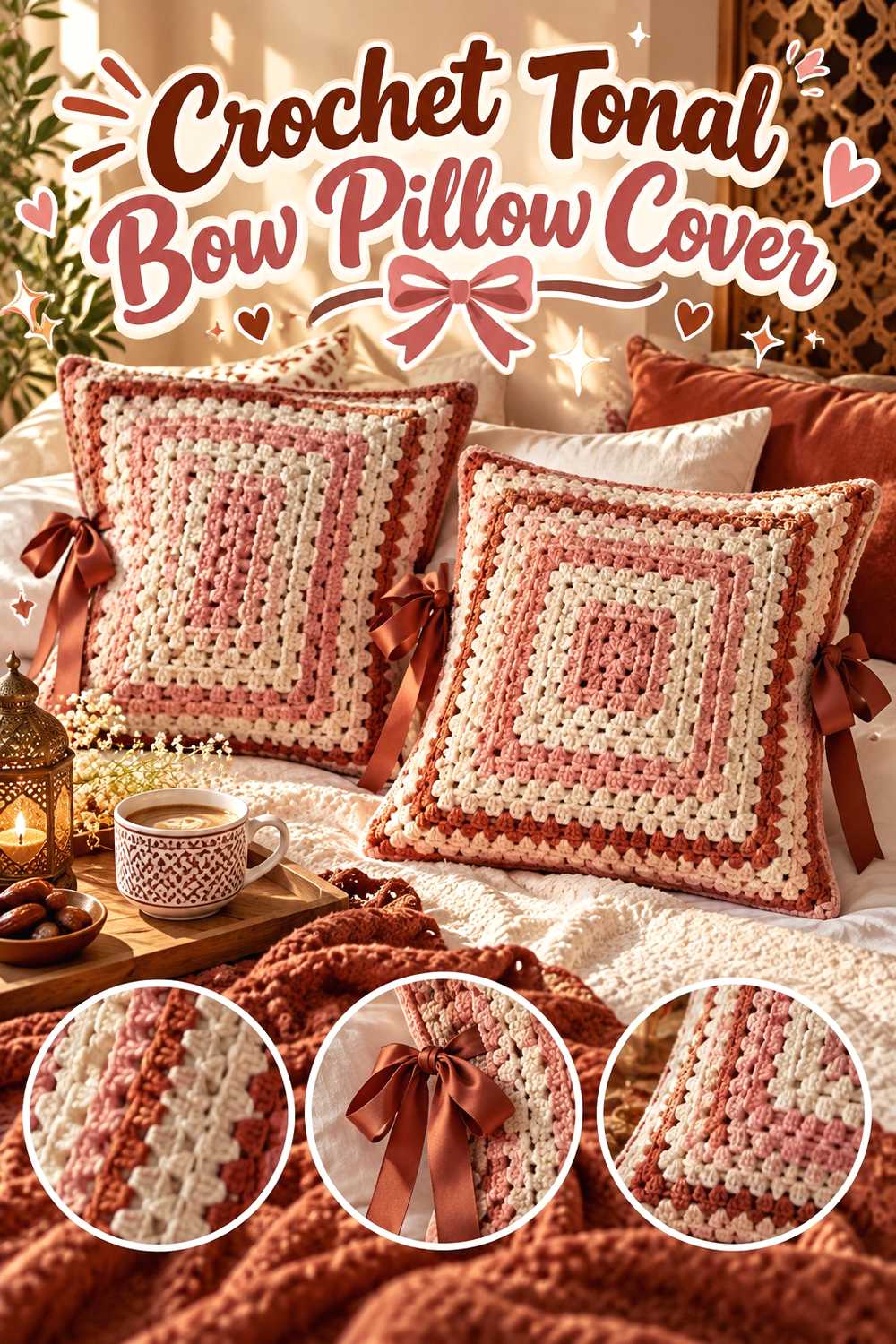
The pillow tutorial from crochet daniela uses a prominent bow detail on a crocheted cushion cover. Reworking that idea in Arabian Spice changes the mood considerably: the bow can move away from a sweet pastel look and become a sculptural tonal feature.
This is especially effective if the pillow body and bow stay within the same brown family. Texture, shadow, and shape then create the contrast rather than a bright color change.
Keep the Bow Proportional to the Cushion
A dimensional detail consumes visual space quickly. Before permanently positioning a bow, step back and look at the complete pillow rather than judging it close to your hands.
If the bow dominates every edge of the cushion, a narrower or softer treatment may create a more balanced accent while preserving the recognizable design.
Match the Cover to the Insert Before Finishing
Pillow fabric changes once it stretches over an insert. Corners become more defined, the front expands, and a decorative element can sit differently.
Check the cover on the intended insert before making final judgments about placement. If you substitute yarn, this checkpoint becomes even more useful because a stretchier fabric may expand farther than expected.
Creator Credit: crochet daniela
12. Crochet Ribbon Storage Basket
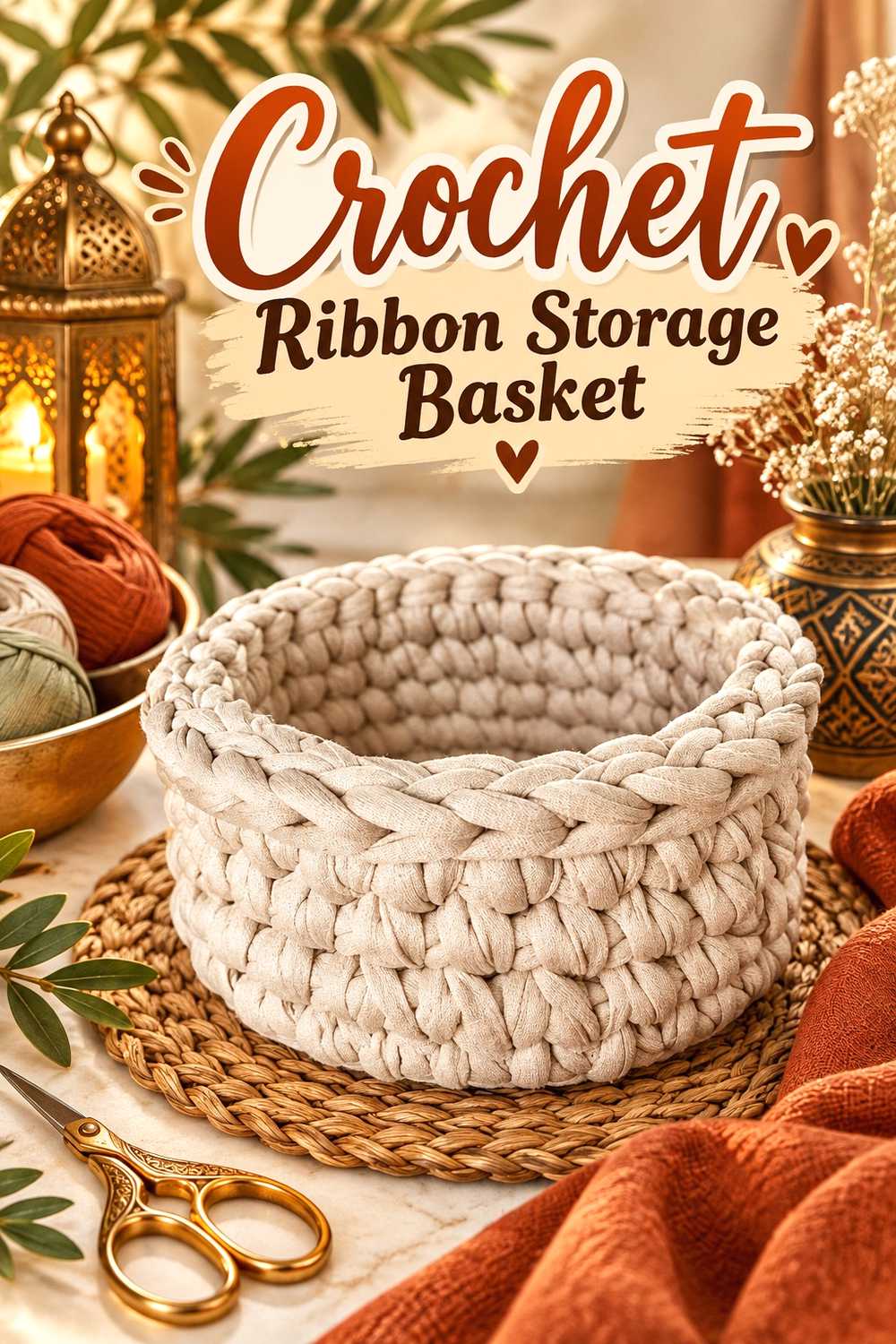
Lallaulab’s basket tutorial uses ribbon-style material and is presented as customizable, making it a practical project for bringing Arabian Spice into a room without committing to a large textile.
A deep reddish-brown basket can work particularly well against pale shelving, warm wood, linen, or cream walls. Because the shape is functional, the strongest design decision is usually structure rather than additional ornament.
A Flat Base Sets Up the Entire Basket
If the base cups upward or ripples noticeably, the problem can continue into the side walls. Check the base on a hard flat surface before building substantial height.
A color trend cannot compensate for unstable geometry. Taking time to correct shape early will contribute more to a polished finished object than adding decorative trim later.
Dense Fabric Needs Manageable Tension
Ribbon and similar materials can produce substantial structure, but excessively tight tension can make the work difficult and alter dimensions.
If you substitute a different material in Arabian Spice, make a small test piece first. You want enough firmness for the basket’s purpose without creating fabric so rigid that working the tutorial becomes uncomfortable.
Creator Credit: Lallaulab
13. Crochet Tassel Edge Table Runner
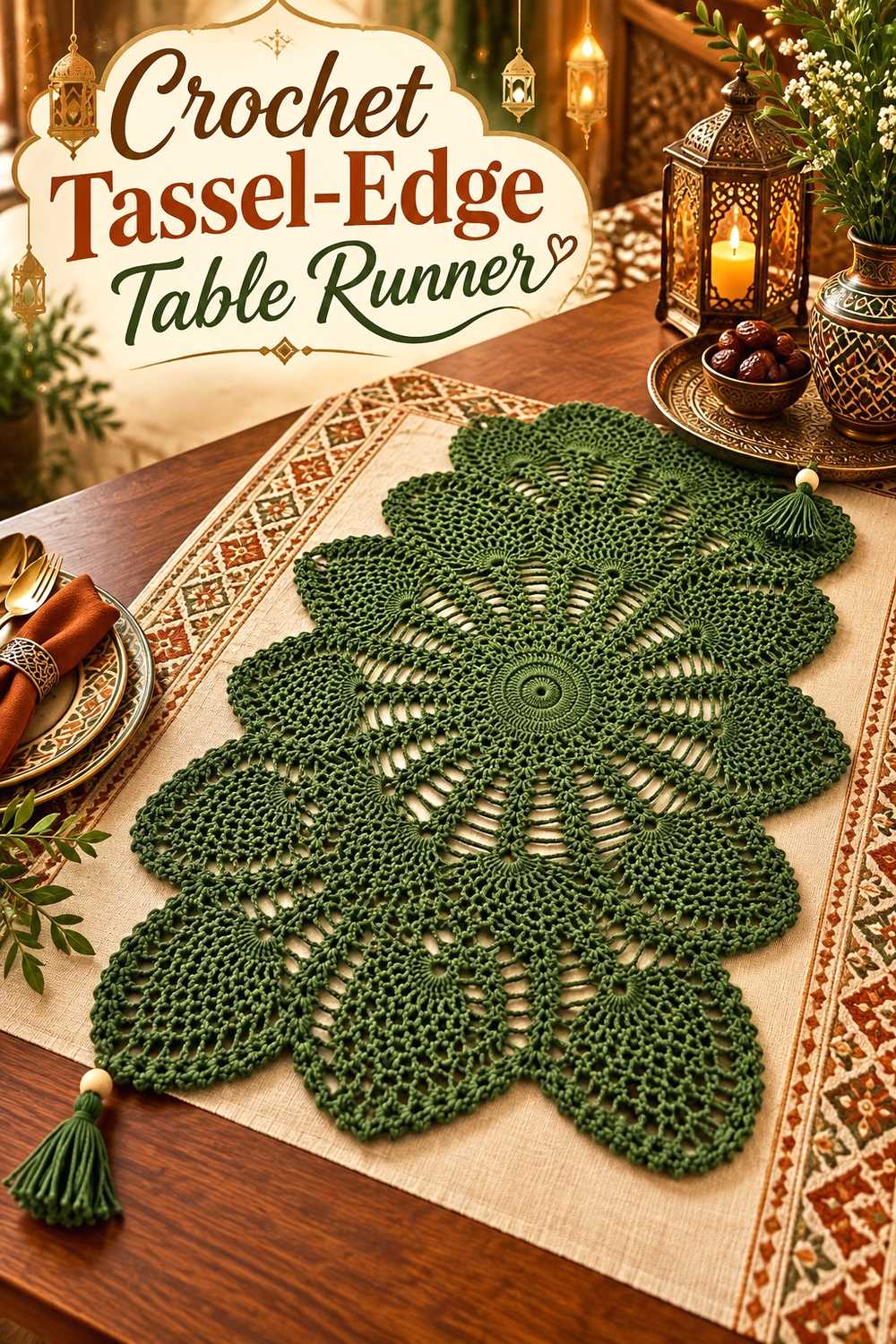
Crochet by Glau’s table-runner tutorial combines a decorative crocheted surface with tassel finishing, giving Arabian Spice a more formal home-decor application than a small coaster or placemat would provide.
A long brown runner can be striking on a pale wood, stone-look, cream, or black table. Because it occupies a relatively narrow strip, the dark shade adds depth without covering the entire tabletop.
Flatness Matters More Than Extra Decoration
A runner should sit comfortably beneath or around the objects displayed on it. If the long edges wave noticeably or motifs refuse to lie flat, address the fabric before adding more trim.
Blocking may help some fibers, but the correct care method depends on the yarn. Check the yarn manufacturer’s instructions rather than assuming every fiber should receive the same treatment.
Tassels Should Extend the Design, Not Rescue It
Finish the main runner and assess it without tassels first. The central fabric should already look intentional.
Then consider the tassels as a controlled extension of the long axis. In Arabian Spice, keeping them tonal creates movement without introducing another competing color at each end.
Creator Credit: Crochet by Glau
14. Crochet Sculpted Spice Pumpkin
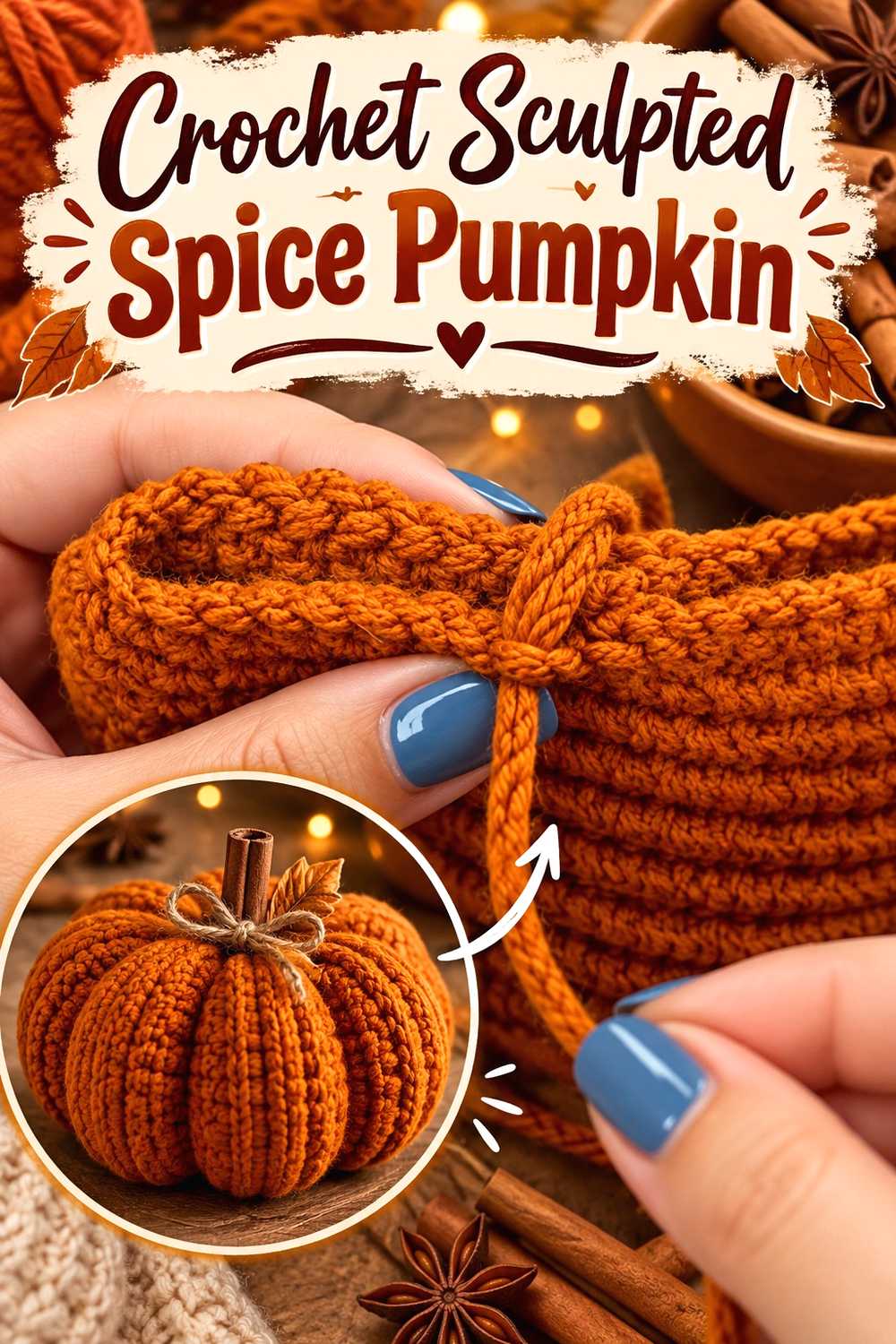
Sofasaurus Crochet’s pumpkin tutorial creates a dimensional fall decoration from crocheted fabric that is gathered and shaped, making it a natural fit for the Arabian Spice theme. The source also treats size as adjustable rather than limiting the concept to one fixed finished object.
Instead of the expected bright orange, a reddish-brown pumpkin can feel quieter and easier to combine with everyday interiors. Cream, muted olive, camel, or another brown could then appear in neighboring decor rather than on the pumpkin itself.
Shape the Pumpkin Before Adding More Detail
The dimensional grooves are what make the form immediately readable. Concentrate on even shaping before deciding the project needs leaves, bows, beads, or other additions.
A strong silhouette in one Arabian Spice shade can look more intentional than a crowded collection of seasonal embellishments.
Make a Coordinated Group Through Scale, Not Random Color
If you want several pumpkins, you do not have to make each one a completely different shade. A tonal group can gain variety from scale, yarn texture, or subtle neighboring browns.
Whenever you change yarn thickness or dimensions, return to the creator’s tutorial for the underlying construction rather than assuming all size adjustments behave identically.
Creator Credit: Sofasaurus Crochet
15. Crochet Autumn Leaf Garland
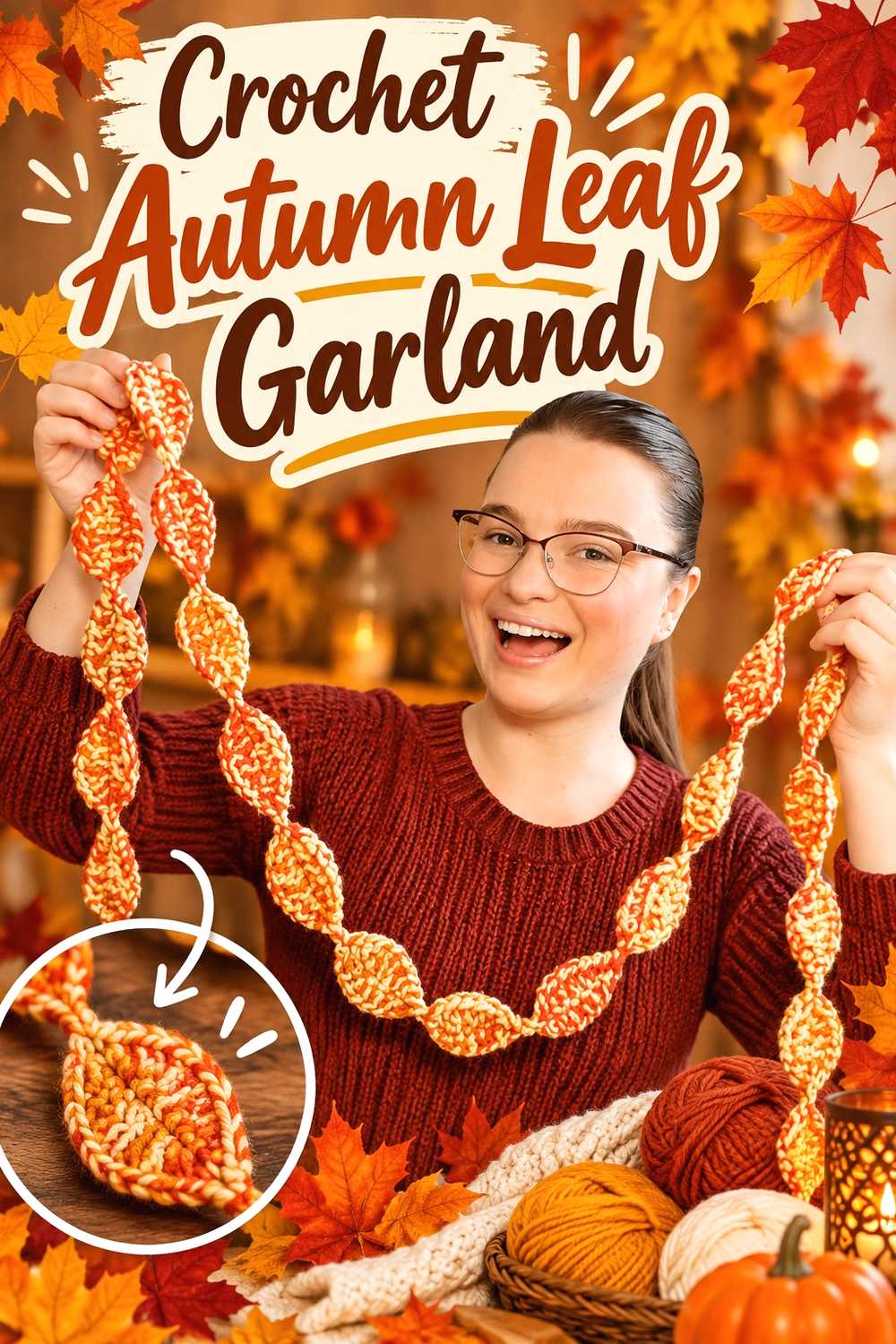
Art by Stephanya’s garland tutorial uses crocheted leaves and a Tunisian-style approach to create a seasonal strand. Compared with a stuffed pumpkin, this project introduces fall through a flat botanical silhouette rather than a three-dimensional object.
Arabian Spice can work as either the dominant leaf color or the grounding shade in a small autumn palette. Because each leaf occupies limited space, this is also a sensible place to combine neighboring colors without overwhelming a room.
Control the Color Rhythm Before Joining Everything
Lay the leaves in order before final assembly. If Arabian Spice is the darkest color, check whether it appears at regular intervals or in intentional clusters.
Random placement can work, but it should look random by choice rather than because the leaves were joined in the order they happened to be finished.
Match Garland Length to the Display Location
A mantel, narrow shelf, doorway, and table centerpiece all need different proportions. Decide where the garland will live before making repeated components indefinitely.
Also think about storage. Seasonal leaves that are crushed tightly may need reshaping later, so a flatter storage method can help preserve the intended silhouettes.
Creator Credit: art by Stephanya
16. Crochet Ribbed Floor Pouf
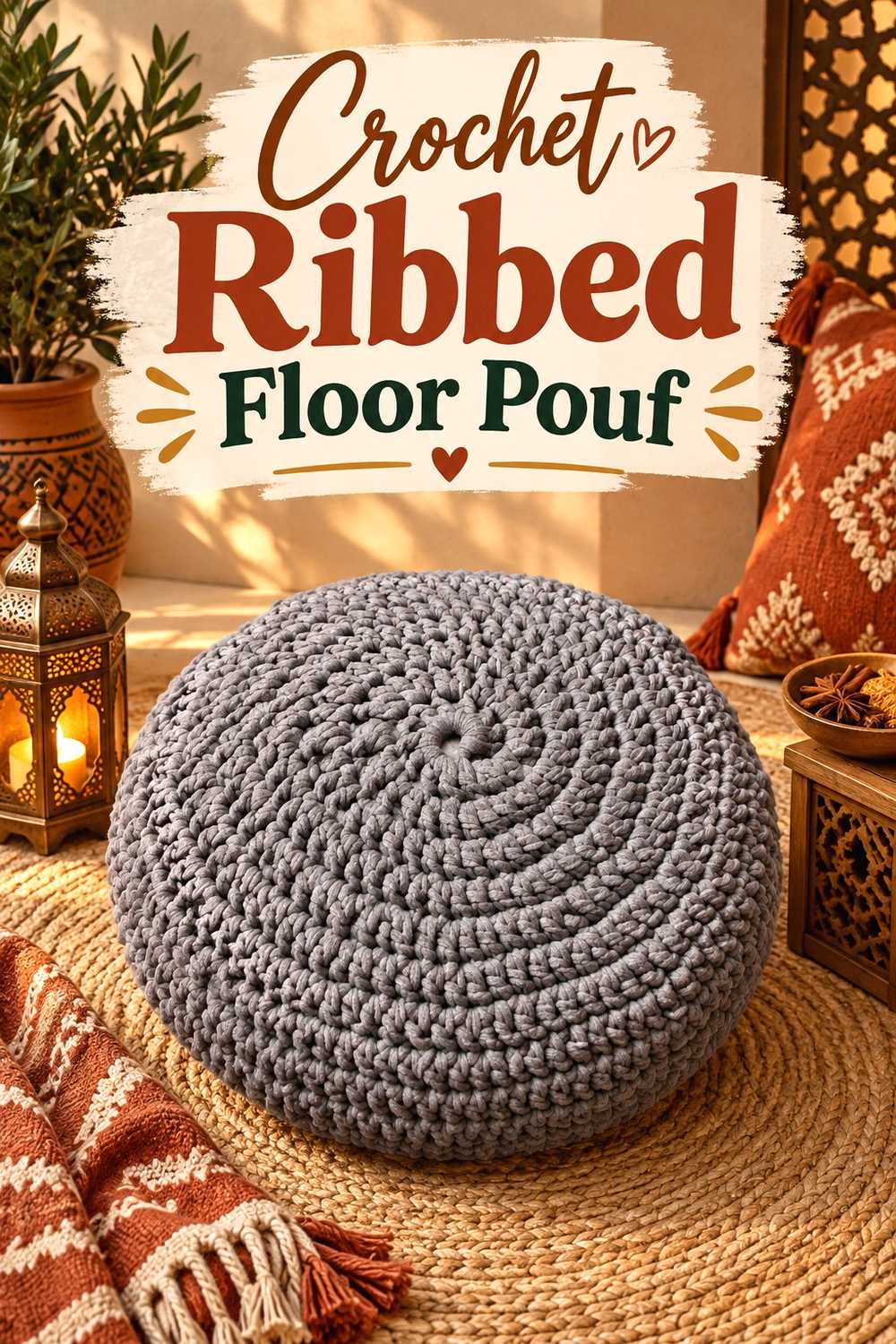
WoolyWondersCrochet’s floor pouf tutorial moves Arabian Spice into a much larger piece of home decor. A round ottoman-style form in deep reddish brown can sit alongside wood, cream upholstery, black accents, or natural-fiber rugs without depending on a traditional autumn motif.
This project also shows why scale matters. A shade that feels modest in a hat becomes a major block of color when placed at floor level.
Large Pieces Magnify Fabric Problems
On a pouf, irregular tension and uneven shaping repeat around a substantial surface. Check the form periodically rather than waiting until it is completely filled.
A firm, clearly textured outer fabric generally shows the rounded structure more clearly than one that stretches unpredictably under the pressure of the filling.
Plan the Interior as Carefully as the Outer Crochet
A pouf is not only a crocheted shell. The insert, filling, and closing method influence its final shape and whether the outer fabric is being stretched appropriately.
Follow the tutorial for the pouf’s construction and filling approach. If you make substitutions, ensure the materials are suitable for the intended use rather than assuming any stuffing method will behave the same way.
Creator Credit: WoolyWondersCrochet
17. Crochet Draped Fringe Poncho
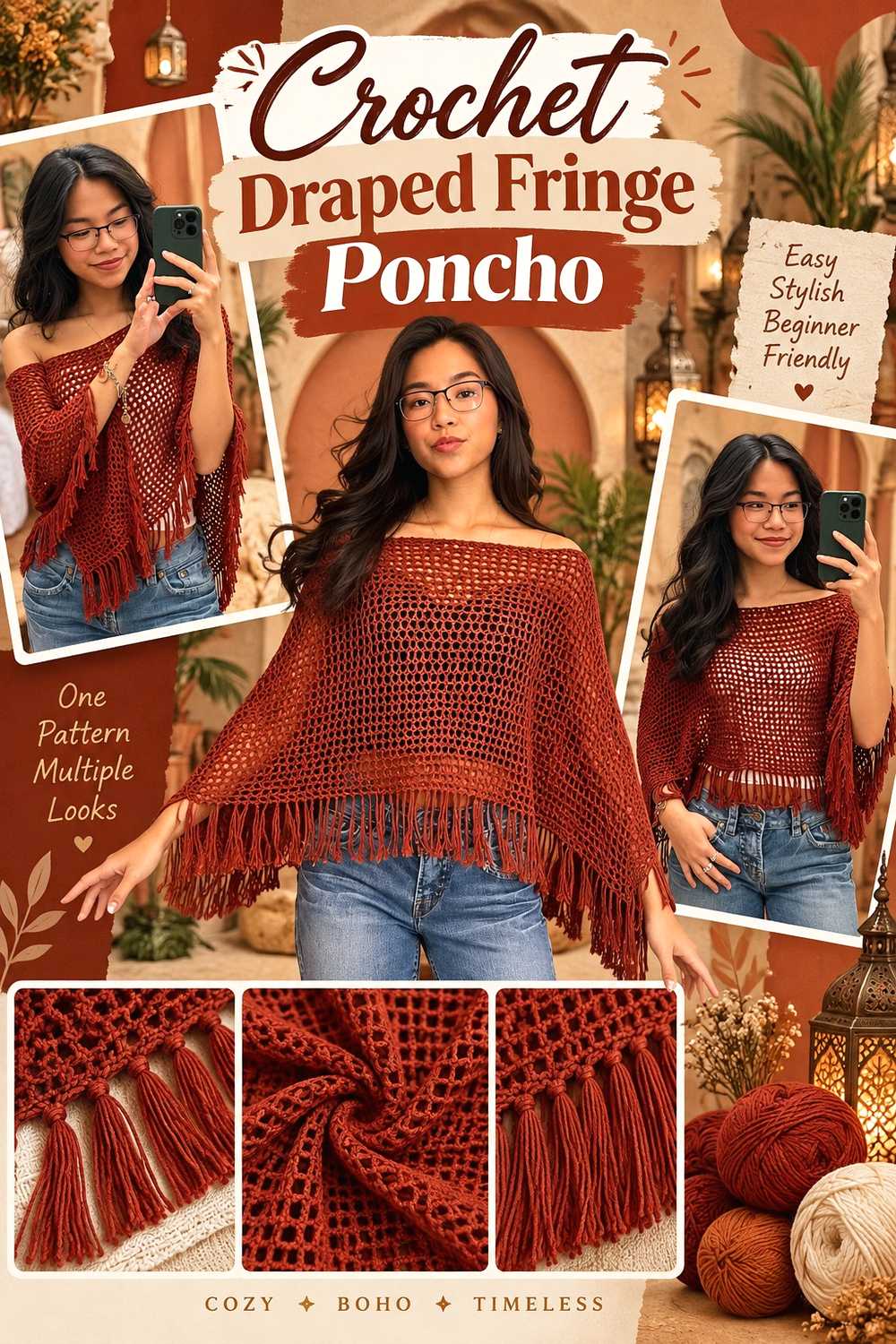
Danielle Villanueva’s poncho tutorial creates a completely different fall silhouette from the fitted vest, pullover, or button cardigan. The fabric spreads across the body as one larger layer and finishes with fringe, allowing Arabian Spice to read as a broad continuous statement color.
This is a useful option if you like rich brown outerwear but do not want to manage a conventional sleeve-and-body garment. The movement of the fabric and fringe also gives the color more variation as light hits it from different angles.
Drape Determines Whether the Poncho Feels Fluid or Heavy
Before committing to a yarn substitution, hold a reasonably large swatch from one corner. Watch whether it drops naturally or stays stiff.
The same Arabian Spice color can look soft and fluid in one fiber and dense or architectural in another. Neither is automatically wrong, but the result should match the silhouette you chose the poncho for.
Fringe Needs a Clean Final Length
Fringe creates a strong lower boundary around the project. Uneven strands are therefore more noticeable than they would be on a small accessory.
Allow the finished poncho and fringe to relax before deciding on final trimming. If the yarn tends to stretch, the hanging length can change after the piece has spent time on the body.
Creator Credit: Danielle Villanueva
Conclusion
Arabian Spice works especially well in crochet because the Fall 2026 brown direction can change character with the fabric around it. On the button cardigan, sweater, and poncho, it becomes a substantial wardrobe neutral. On the baguette and bucket bags, compact shapes and hardware make the same color feel more accessory-focused. The throw, basket, runner, pillow, and pouf show how it can ground a room without depending on obvious fall motifs.
For the most restrained interpretation, consider the cardigan, pullover, tote, blanket, or pouf in one uninterrupted shade. If you want more visible color play, the granny-square vest and leaf garland offer natural places for Arabian Spice to interact with cream, camel, gold, clay, olive, or neighboring browns.
Whichever project you choose, keep color substitution separate from structural substitution. Matching the Fall 2026 shade is only one decision; yarn thickness, drape, stretch, density, fit, closure, and finishing still need to suit the project. Use each original tutorial for its exact construction details and make your Arabian Spice changes around that foundation.
Frequently Asked Questions
What color is Arabian Spice for Fall 2026?
Pantone lists Arabian Spice as PANTONE 19-1245 TCX and describes it as a warm, earthy brown. In practical crochet terms, it reads as a deep spice-toned or reddish brown rather than a pale tan or bright orange rust.
Do I need yarn that exactly matches Pantone Arabian Spice?
No. Most yarn shoppers will be choosing by available yarn colors rather than an exact textile-standard match. Look for a deep warm brown with reddish, earthy, or slightly burnt undertones and compare skeins under normal daylight.
More importantly, make sure the yarn itself suits the project. The right color in a fabric that is too stiff, stretchy, fuzzy, or heavy can create a less successful result than a slightly different brown in an appropriate yarn.
How can I keep dark brown crochet from hiding the stitch pattern?
Start with a swatch. Smooth yarns tend to show stitch structure more clearly than very fuzzy ones, while pronounced ribs, cables, post stitches, openwork, and other dimensional textures can remain more visible in dark shades.
Also judge the fabric from normal viewing distance. A texture that looks obvious under a bright craft lamp may nearly disappear when the finished sweater or blanket is across the room.
What colors pair well with Arabian Spice crochet?
Ivory and cream create clear contrast, while camel and neighboring browns make a more tonal palette. Black gives the shade a sharper look, and subdued olive can reinforce its earthy character.
You do not need all of them in one project. For an expensive-looking result, one Arabian Spice main shade plus one controlled accent is often enough.
Which Arabian Spice projects are easiest to recolor without redesigning them?
Solid-color projects such as the cardigan, beanie, tote, basket, pouf, or poncho allow you to change the visual palette without inventing a new motif arrangement. The important limitation is the yarn itself: changing color within a similar yarn is much less structurally significant than switching to a completely different weight or fiber.
Motif projects such as the vest and leaf garland need more color-placement planning because the individual components create a visible repeated arrangement.
Should I use matte or shiny yarn for an expensive-looking brown crochet project?
There is no universal answer. A matte yarn can emphasize an earthy, understated interpretation of Arabian Spice, while a subtle sheen can make a smooth bag or accessory feel dressier.
The project should decide. Strong shine can distract from heavily textured crochet, while a very matte, fuzzy surface can obscure fine stitch definition. Compare swatches rather than choosing by skein appearance alone.