An 80s-inspired slouch sweater is less about copying one vintage garment and more about getting the proportions right: extra body room, dropped or extended shoulders, roomy sleeves, bold texture, wide necklines, strong color placement, or a deliberately loose tuck over the hips. Crochet can create each of those effects in very different ways.
The tutorials below are modern crochet sweater resources selected for shapes that can be styled toward that relaxed retro look. Some emphasize batwing volume, while others use boxy panels, wide necklines, chunky ribbing, patchwork, or dramatic color blocking. Rather than treating every oversized sweater as interchangeable, this guide explains where each construction gets its slouch, what may change the drape, and what to check before adapting a tutorial.
Quick List
- Crochet Batwing Reading Slouch Sweater
- Crochet Four-Rectangle Oversized Pullover
- Crochet Wide-Neck One-Shoulder Slouch Sweater
- Crochet Cropped Off-Shoulder Slouch Sweater
- Crochet Deep V-Neck Oversized Sweater
- Crochet Airy Brushed-Yarn Slouch Sweater
- Crochet Oversized Turtleneck Slouch Sweater
- Crochet Granny Square Slouch Sweater
- Crochet Color-Block Relaxed Sweater
- Crochet Alpine Texture Cropped Sweater
- Crochet Cozy Lounge Slouch Pullover
- Crochet Ribbed Knit-Look Oversized Sweater
- Crochet Bulky Four-Piece Slouch Sweater
- Crochet Trinity-Stitch Oversized Sweater
- Crochet Tunisian Patchwork Slouch Sweater
What Makes a Crochet Sweater Read as 80s Slouch
A retro slouch effect usually comes from proportions rather than one particular stitch. Look at the relationship between body width, shoulder placement, sleeve volume, neckline, and hem before choosing a tutorial. A sweater with a wide body and narrow cuffs creates a different silhouette from a straight oversized pullover, while a batwing construction concentrates much more volume around the upper body.
Necklines matter too. Wide crew, boat-style, V-neck, off-shoulder, and turtleneck openings can all work, but they change where the visual weight sits. If you want the sweater to fall casually from one shoulder, for example, simply making an ordinary crewneck sweater several sizes larger may not produce the same result as using a construction designed around a wider opening.
For a convincing slouch, choose the shape first and treat yarn color as the styling layer rather than the main design feature.
Plan the Fit by Finished Shape, Not the Size Label
“Extra large” and “slouchy” are not automatically the same thing. A sweater can have generous circumference yet still sit squarely on the shoulders, while another design may create an oversized impression through dropped shoulders or wide sleeves without adding the same amount of room everywhere.
Compare the tutorial’s intended silhouette with a sweater you already like wearing. Useful checkpoints include body width, shoulder position, neckline width, intended body length, sleeve volume, and where the cuff lands. When tutorials provide finished garment measurements, compare those measurements with your preferred garment rather than relying only on the labeled size.
If you adapt a cropped tutorial into a longer sweater, remember that added fabric also adds weight. That extra weight can pull the body downward and change the apparent neckline and sleeve position, particularly in stretchy crochet fabrics.
Yarn Choice Can Strengthen or Flatten the Slouch
Drape determines whether extra width hangs smoothly or stands away from the body. A dense, firm crochet fabric can turn an intentionally roomy sweater into a boxier garment, while a softer fabric may let oversized sleeves and shoulders collapse into more relaxed folds.
That does not make one approach better. A strong color-block or patchwork sweater can benefit from clearer structure because the graphic sections stay visually defined. Batwing, off-shoulder, and long oversized designs often rely more heavily on fabric movement.
Before committing to a large sweater, make and handle a useful swatch. Check how it bends, whether it feels heavy when held vertically, how clearly the texture appears, and how much the fabric changes after the blocking or care method appropriate for the chosen yarn.
1. Crochet Batwing Reading Slouch Sweater
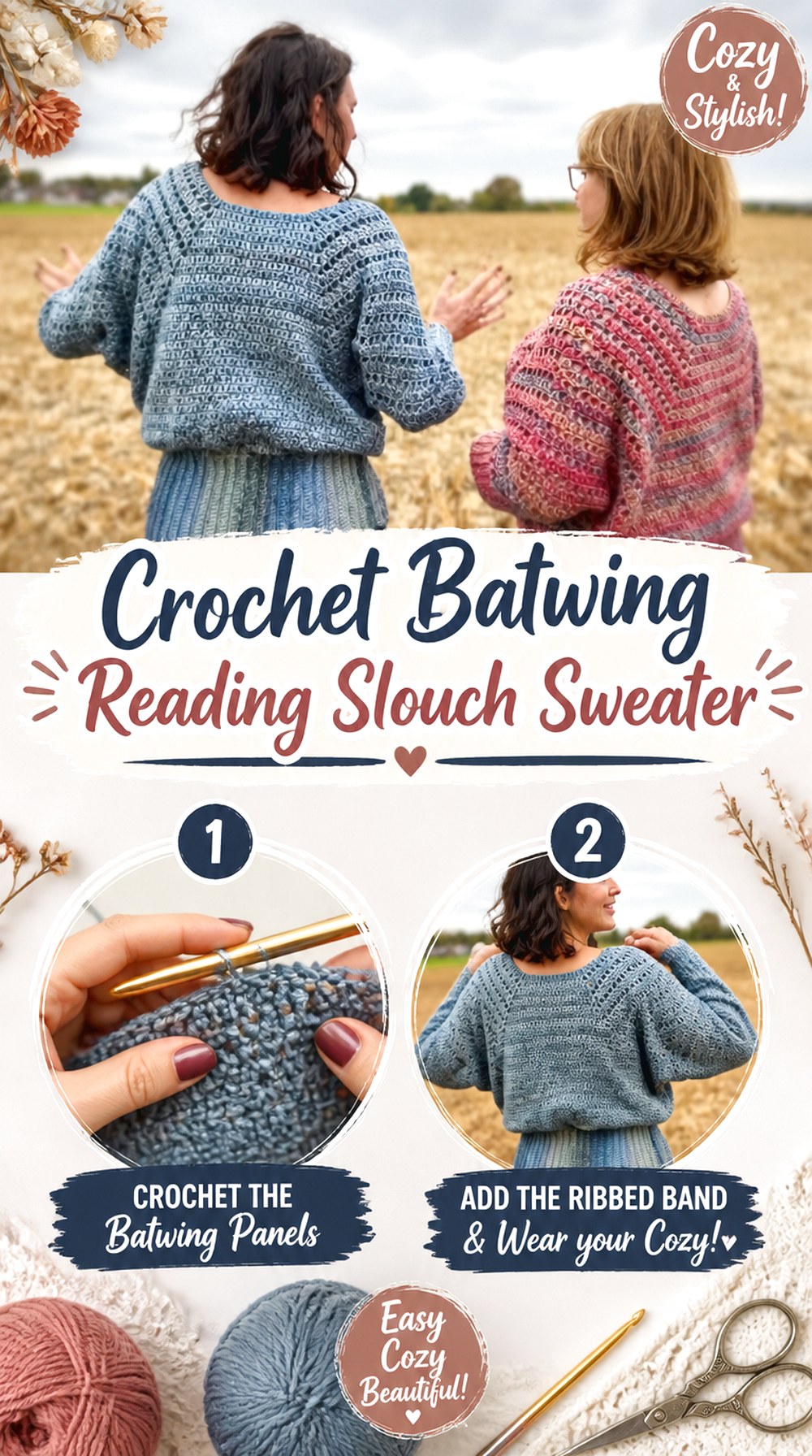
Few shapes capture oversized retro volume as clearly as a batwing sweater. Instead of putting all the extra room into a rectangular body, this silhouette lets the body and upper sleeves flow together, creating a broad sweep from the torso toward the arms. That makes it especially useful if your version of 80s slouch means dramatic upper-body volume rather than simply sizing up a conventional pullover.
Ophelia Talks Crochet demonstrates a top-down batwing reading sweater and describes the design as adjustable in body, sleeve, and fit length. That top-down format is useful when you want to evaluate the developing proportions rather than committing to fixed separate panels first.
Batwing Volume Needs Room to Fall
The key decision is how much fabric you actually want beneath the arms. More width can create a stronger retro outline, but it also produces more fabric to move, layer under outerwear, and carry on the body. If you intend to wear the sweater beneath a fitted coat, a less dramatic batwing may be more practical than the fullest version.
Narrower Cuffs Can Control the Upper-Body Width
A batwing does not have to look shapeless. Bringing the sleeve back toward the wrist visually contains the broad upper section and emphasizes the contrast between volume and cuff. Before changing cuff proportions, however, make sure the opening remains comfortable and that the altered cuff will work with the sleeve circumference produced by the tutorial.
Top-Down Construction Gives You a Useful Checkpoint
With a top-down sweater, periodically assess where the fabric begins to separate into body and sleeve areas. That point strongly affects the batwing impression. Try the developing piece against your body when the tutorial allows rather than judging the final silhouette only from flat measurements.
Original Tutorial and Creator Credit
Creator: Ophelia Talks Crochet
2. Crochet Four Rectangle Oversized Pullover
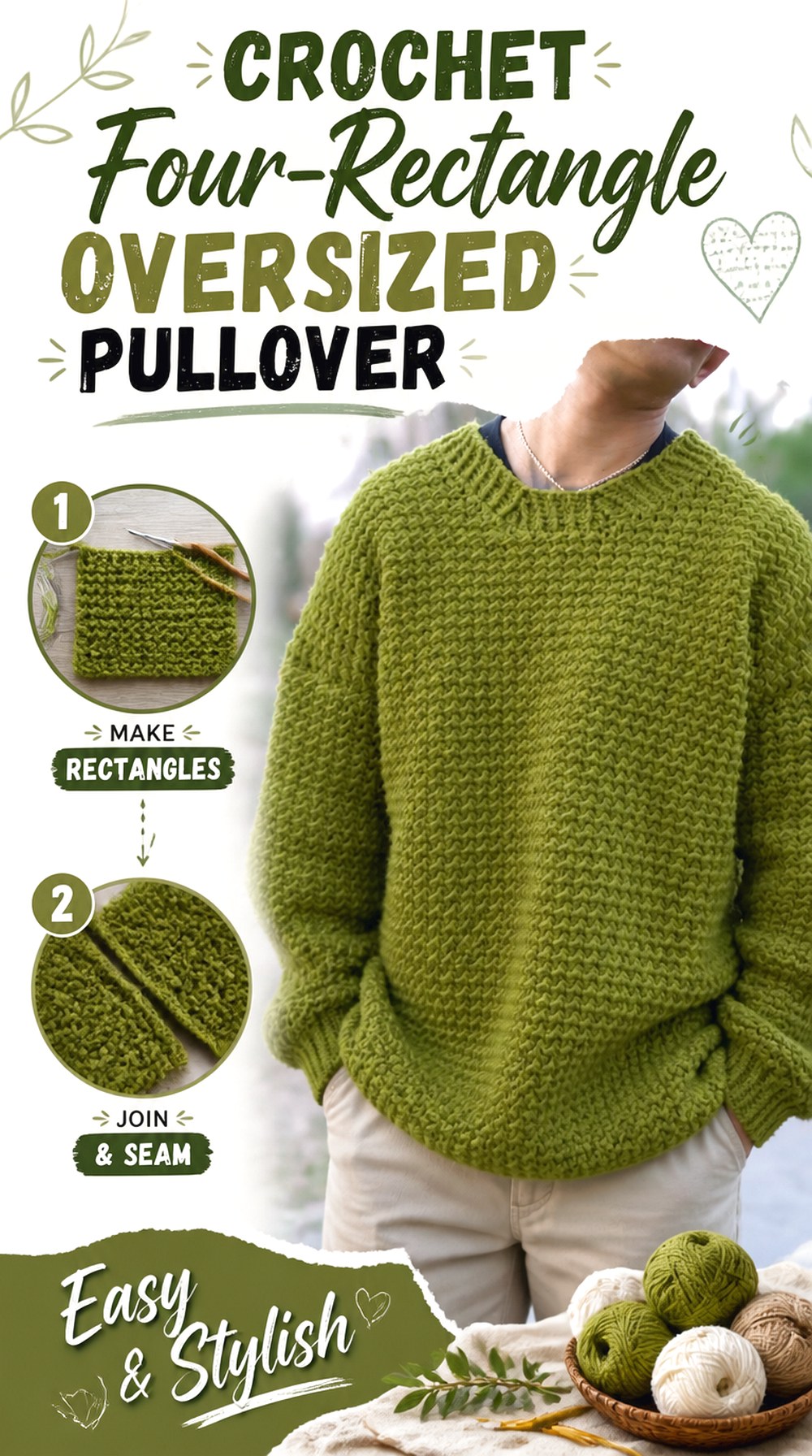
A simple panel-based pullover offers a different type of slouch: broad, uncomplicated volume rather than a sculpted batwing shape. The finished sweater can read like an intentionally oversized borrowed sweatshirt, especially when the body remains roomy and the sleeves are allowed to fall loosely from a lowered shoulder.
The tutorial from it’s erin b. builds an oversized pullover around four rectangular pieces and includes separate ribbed bands, cuffs, body sections, neckline work, sleeves, and seaming. The rectangular construction makes the overall proportions particularly easy to understand before assembly.
Shoulder Position Creates Much of the Relaxed Effect
On a rectangular sweater, added width often moves the sleeve attachment away from the natural shoulder. That dropped placement creates much of the slouch. Compare the planned panel width with a favorite oversized garment so you know whether you want a subtle drop or a noticeably low shoulder seam.
Straight Panels Make Length Changes Easy to Visualize
A boxy body gives you a clear choice between a long sweater that bunches slightly over the hips and a shorter shape that looks wider because it ends sooner. Before adding substantial length, consider the extra yarn weight and how it could pull the neckline and shoulder line downward.
Keep the Ribbing in Proportion to the Body
A very deep hem can visually gather an oversized body, while a shallower band leaves the silhouette more rectangular. Neither is automatically more “80s.” Decide whether you want a sweatshirt-like blouson effect or a straighter oversized finish before changing the hem.
Original Tutorial and Creator Credit
Creator: it’s erin b.
3. Crochet Wide Neck One Shoulder Slouch Sweater
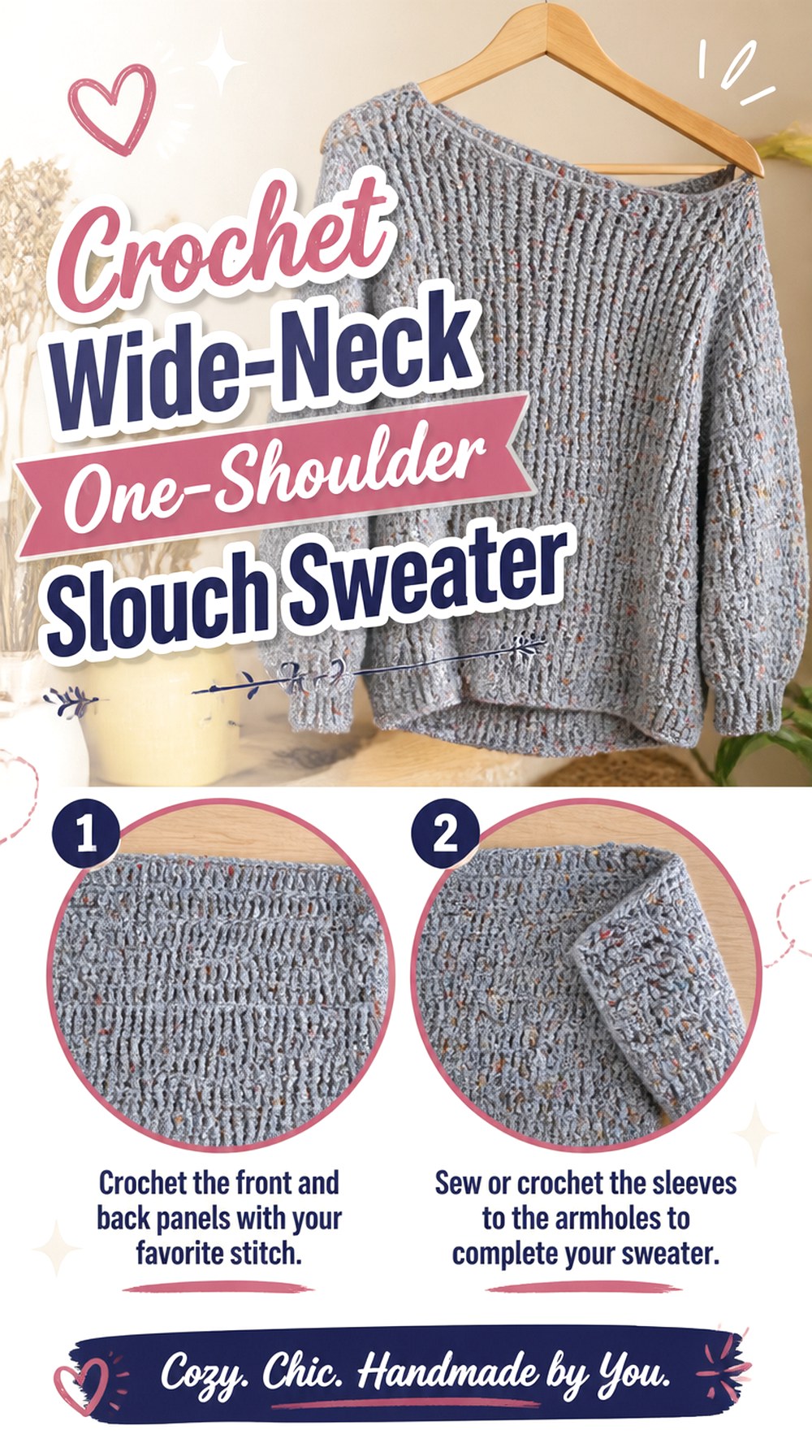
A wide neckline shifts the retro emphasis from pure volume to casual asymmetry. The sweater can sit across both shoulders or relax toward one side, creating the loose neckline associated with many oversized dancewear and casual sweater looks. That makes this approach useful if you want slouch without an extremely wide torso.
Cherilyn Q’s tutorial specifically demonstrates an off-the-shoulder or one-shoulder sweater and covers the main panel, shoulder seam, sleeves, and final seams. The neckline is therefore part of the design rather than an accidental consequence of making a standard sweater too large.
Neckline Stability Matters More Than Extra Body Width
If the opening is intended to sit low, check whether it stays where you want it during normal movement. A neckline that is too loose for your yarn and proportions can continue sliding rather than creating a controlled one-shoulder drape. Evaluate the opening before treating additional width as the solution.
Choose the Shoulder You Want to Emphasize
An asymmetric neckline becomes part of the outfit. If you regularly wear the sweater over tanks, dresses, or fitted base layers, consider how much of the underlayer you want visible. A more open neckline produces a stronger 80s effect but also changes bra-strap and layering considerations.
Sleeve Volume Should Support the Neckline
Wide-neck sweaters often look most balanced when the sleeves also carry some visual softness. Very narrow sleeves can make an oversized opening feel disconnected from the rest of the garment, while generous sleeves reinforce the deliberately relaxed silhouette.
Original Tutorial and Creator Credit
Creator: Cherilyn Q
4. Crochet Cropped Off Shoulder Slouch Sweater
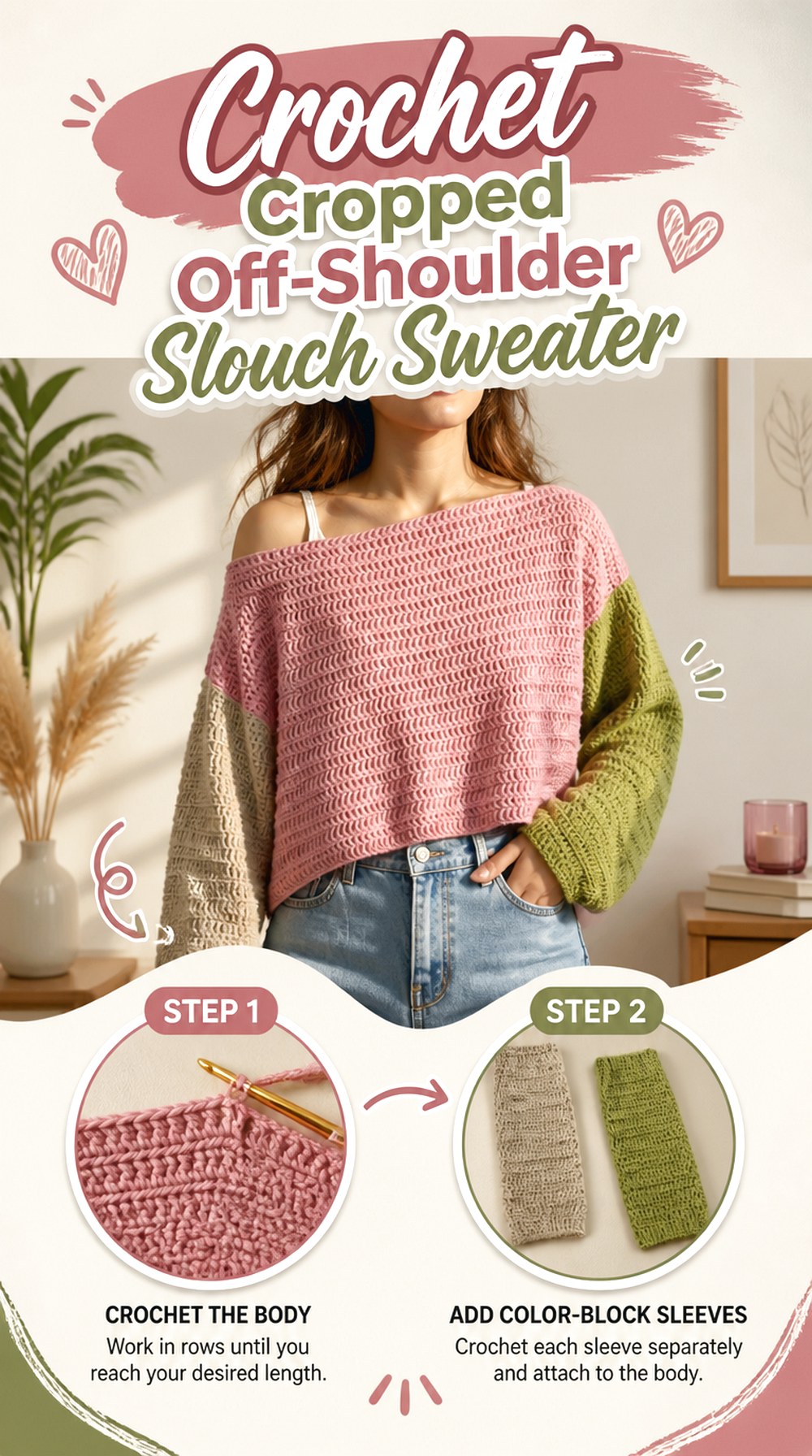
Cropped length changes the balance of an oversized sweater. Instead of letting extra fabric extend over the hips, the sweater concentrates width around the shoulders and upper torso. Paired with an off-shoulder neckline, that can create a strong retro proportion without turning the entire garment into a long tunic.
VivCrochets demonstrates a cropped off-shoulder sweater while noting that the design can also be worn on the shoulder or made longer. The tutorial separates the garment into sleeves, front and back sections, neckline work, assembly, and finishing.
Cropping Makes Width Look More Intentional
A wide body ending near the waist appears proportionally broader than the same body extended much farther down. If you want a strong slouch but do not enjoy excess fabric around the hips, this combination is worth comparing with the longer oversized designs in the list.
Decide on the Neckline Before Adjusting Length
Changing body length is relatively independent from deciding how the neckline sits. First determine whether you actually want off-shoulder wear, an ordinary shoulder position, or the ability to style it both ways. That choice affects the identity of the sweater more than adding a few inches of body length.
Check Sleeve Length With Your Final Styling
Long relaxed sleeves can amplify the retro silhouette, but a cropped body already creates a dramatic proportion. Try to assess both together. If sleeves extend far beyond your preferred wrist position, the combination can feel heavier than expected rather than casually oversized.
Original Tutorial and Creator Credit
Creator: VivCrochets
5. Crochet Deep V Neck Oversized Sweater
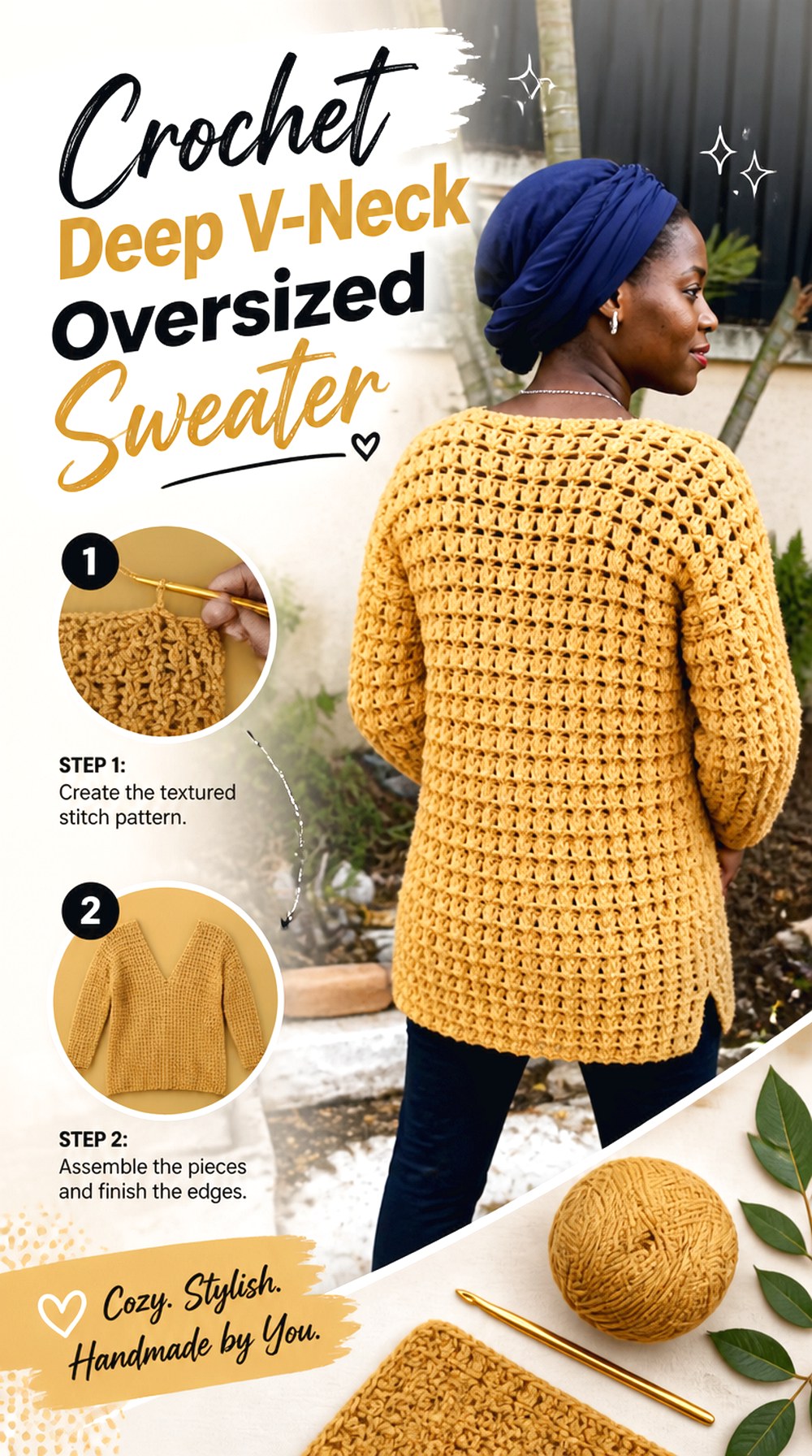
A roomy V-neck sweater gives the slouch a more vertical direction. Instead of emphasizing only width across the shoulders, the neckline draws the eye downward and leaves space for a shirt, camisole, turtleneck, necklace, or other visible layer. This can be a practical choice if you like oversized proportions but find very high or wide necklines visually heavy.
HOK Crochet Hub’s tutorial is specifically for an oversized V-neck sweater and notes that the length can be modified. That makes it a useful base for either a shorter retro pullover or a longer sweater that falls over the hips.
V-Neck Depth Changes the Layering Possibilities
Before extending or narrowing the neckline, decide what you expect to wear underneath. A deeper V creates more visual openness but may require a base layer for everyday wear, while a shallower V preserves more coverage and keeps the focus on the oversized body.
A Long Hem Produces a Different Kind of Slouch
Extending the sweater can create a tunic-like effect, especially if the body is already generous. A shorter hem feels more boxy. Compare the two outcomes before automatically adding length, because the same V-neck can look dramatically different depending on where the body ends.
Keep Both Sides of the V Visually Balanced
A V-neck makes asymmetry easy to notice. During construction and finishing, compare both sides before completing the garment. Small differences that would be less obvious on a wide crewneck can stand out around a pointed neckline.
Original Tutorial and Creator Credit
Creator: HOK Crochet Hub
6. Crochet Airy Brushed Yarn Slouch Sweater
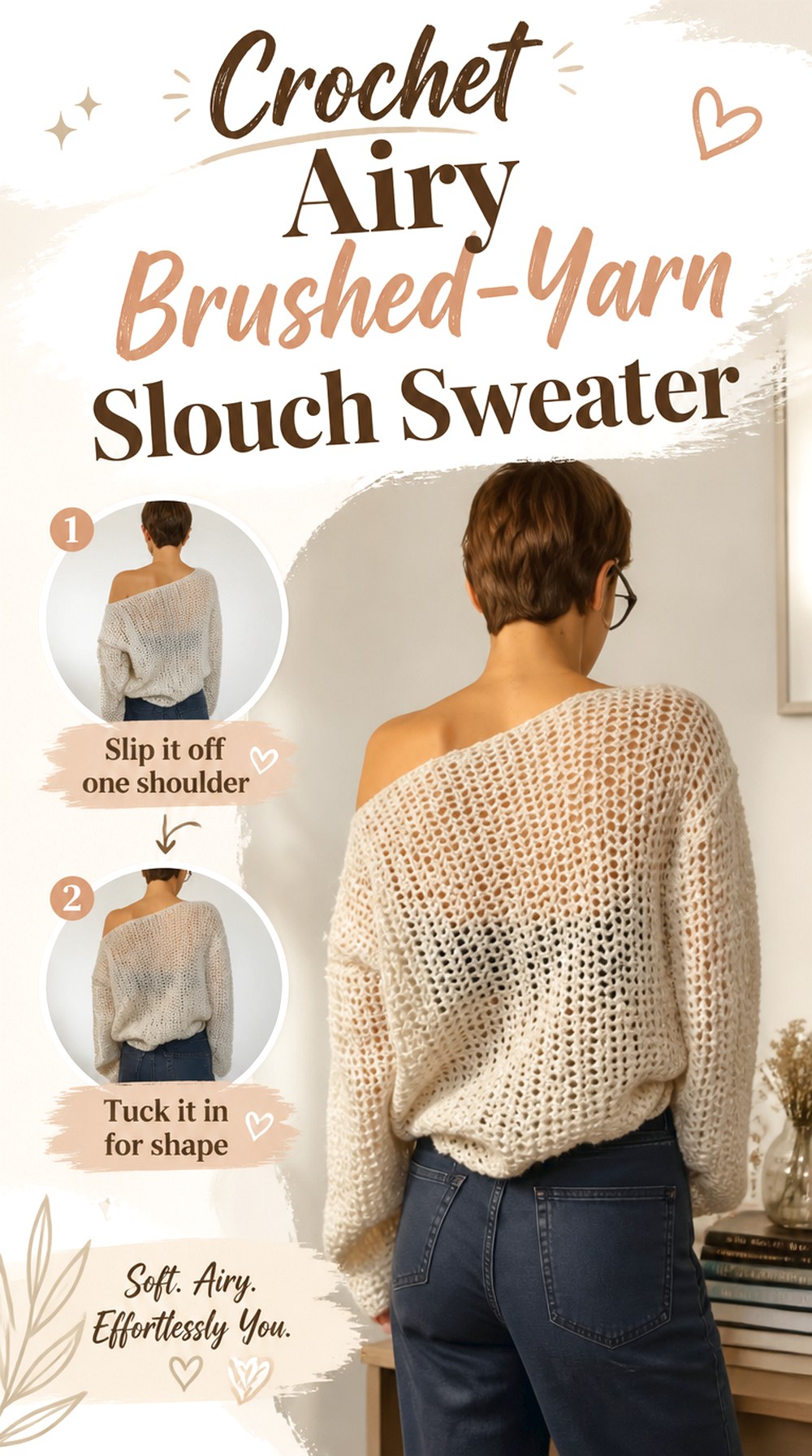
Not every 80s-style sweater needs dense, chunky fabric. A brushed, airy sweater can create a softer version of slouch because the fabric visually fills space without necessarily looking as solid as a heavy pullover. Combined with an off-shoulder shape, it produces a lighter, hazier interpretation of retro volume.
JeggoCrochet’s tutorial demonstrates an off-the-shoulder sweater made with a brushed alpaca-silk yarn and includes sizing and gauge discussion before the separate panels, sleeves, and assembly.
Large Stitches Change Transparency as Well as Drape
An airy fabric may reveal more of the layer underneath, particularly when stretched across the body. Before committing to the sweater, hold your swatch against the type of shirt or camisole you expect to wear with it. That gives a more realistic impression than judging the swatch on a table.
Brushed Fibers Can Soften Stitch Definition
If bold texture is central to your 80s reference, a very fuzzy yarn may hide some of it. The trade-off is a softer surface and less graphic stitch appearance. Choose the material according to whether you want texture to be crisp or the overall silhouette to look cloudlike.
Test Neckline Behavior With the Actual Yarn
A wide opening in a lighter fabric can behave differently from the same shape in a firm yarn. Check whether the neckline stretches, rebounds, or continues relaxing under its own weight before making major modifications to the opening.
Original Tutorial and Creator Credit
Creator: JeggoCrochet
7. Crochet Oversized Turtleneck Slouch Sweater
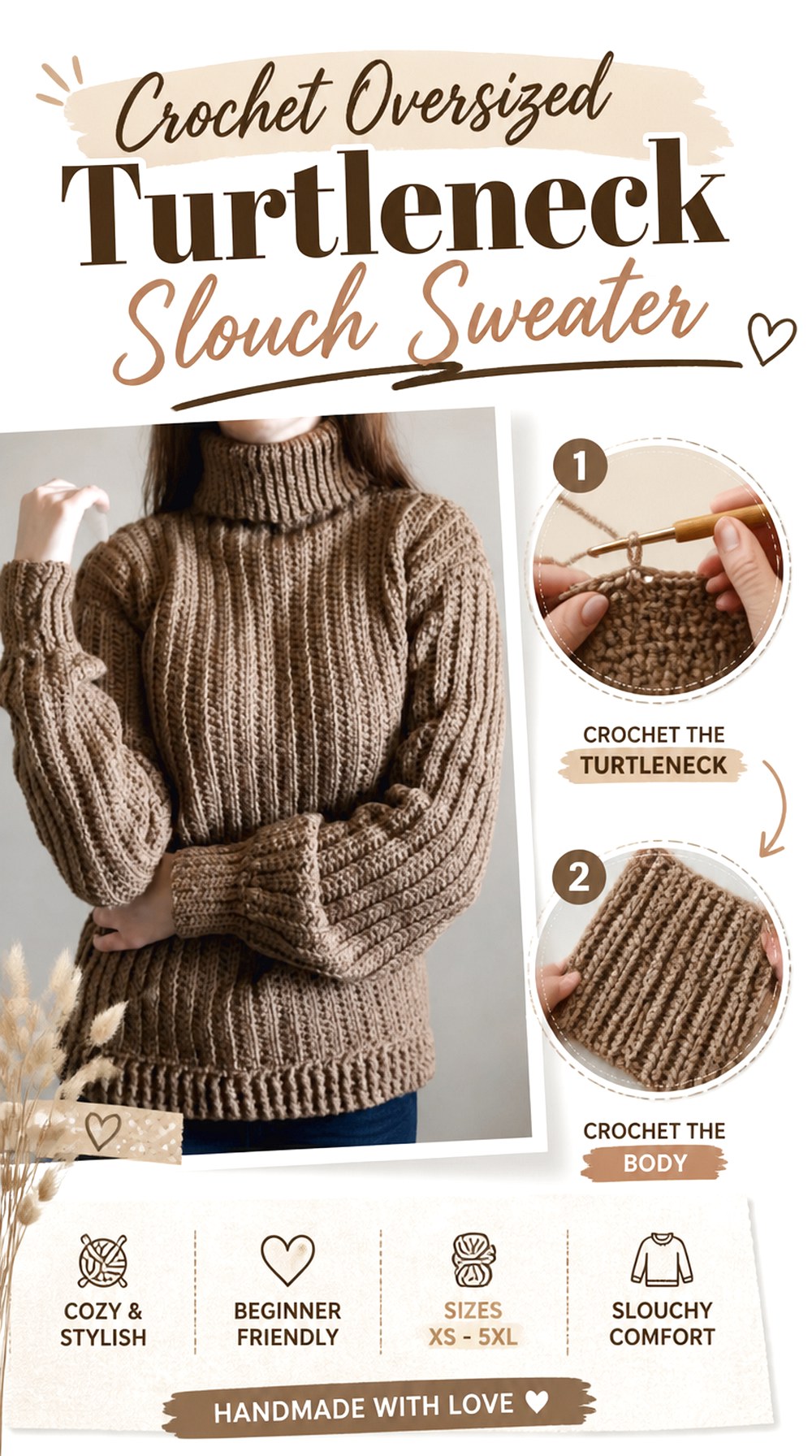
A high folded neckline gives oversized proportions a completely different focal point. Instead of exposing the shoulder line, the turtleneck adds volume around the neck and lets the body fall away beneath it. That can work especially well for a late-80s-inspired winter look when paired with a broad body and relaxed sleeves.
Yarn Cakes, LLC demonstrates an oversized turtleneck sweater with a separate bottom border, bodice, seaming, turtleneck, sleeves, and cuffs. The source also provides multiple-size information in its accompanying material.
Collar Weight Can Affect How the Sweater Hangs
A substantial crochet turtleneck adds fabric near the top of the garment. If you substitute a much heavier yarn, the collar can feel more dominant and may change how the neckline settles. Swatch the intended stitch fabric and consider the folded thickness before assuming a heavier yarn will improve coziness.
Balance a High Neck With Body Ease
A fitted body plus large turtleneck reads very differently from a roomy body plus large turtleneck. For the slouchiest interpretation, pay attention to the relationship between collar scale and torso width rather than enlarging only one feature.
Cuffs Keep the Sleeves From Competing With the Collar
A defined cuff can stop relaxed sleeves from adding uncontrolled width at the wrists. That visual taper is useful when the sweater already has a tall neckline and oversized torso. Compare cuff fit carefully before making it significantly tighter.
Original Tutorial and Creator Credit
Creator: Yarn Cakes, LLC
8. Crochet Granny Square Slouch Sweater
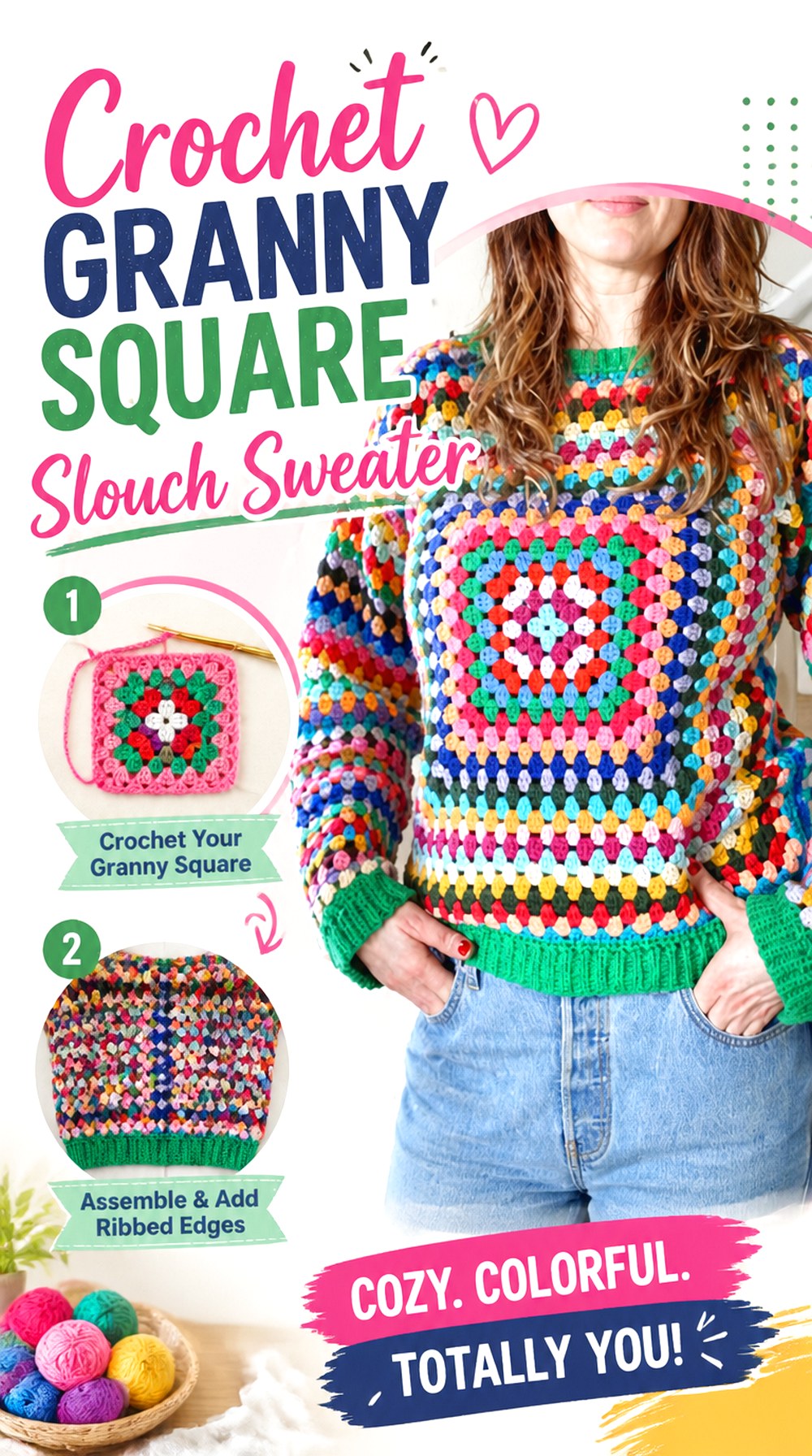
Granny squares bring pattern and construction into the silhouette at the same time. A roomy granny-square sweater can feel distinctly retro because the repeated blocks break a large garment into graphic sections rather than presenting one uninterrupted fabric surface. The effect can be subtle in a restrained palette or much louder when every motif changes color.
Zeens And Roger Crochet demonstrates a laid-back granny square sweater, including the central square concept, shoulder areas, sleeves, ribbing, assembly, and a schematic overview. The creator also discusses adjusting the design to the desired size.
Block Motif Size Before Planning the Overall Width
Small differences repeated across a garment can become large fit differences. If you modify yarn, hook, or motif design, measure the blocked square before determining how your sweater layout will relate to your body.
Color Placement Can Change the Apparent Proportions
High-contrast squares around the shoulders attract attention to the upper body, while darker or quieter blocks near the sides can visually reduce width. Plan the motif map on a flat surface before joining rather than choosing the next color only while crocheting.
Watch the Seams Where Several Sections Meet
Granny garments can concentrate bulk where motifs, shoulder additions, and sleeves intersect. Before final assembly, check those meeting points for stiffness. Consistent motif dimensions and even joining tension help the sweater hang rather than bunch.
Original Tutorial and Creator Credit
Creator: Zeens And Roger Crochet
9. Crochet Color Block Relaxed Sweater
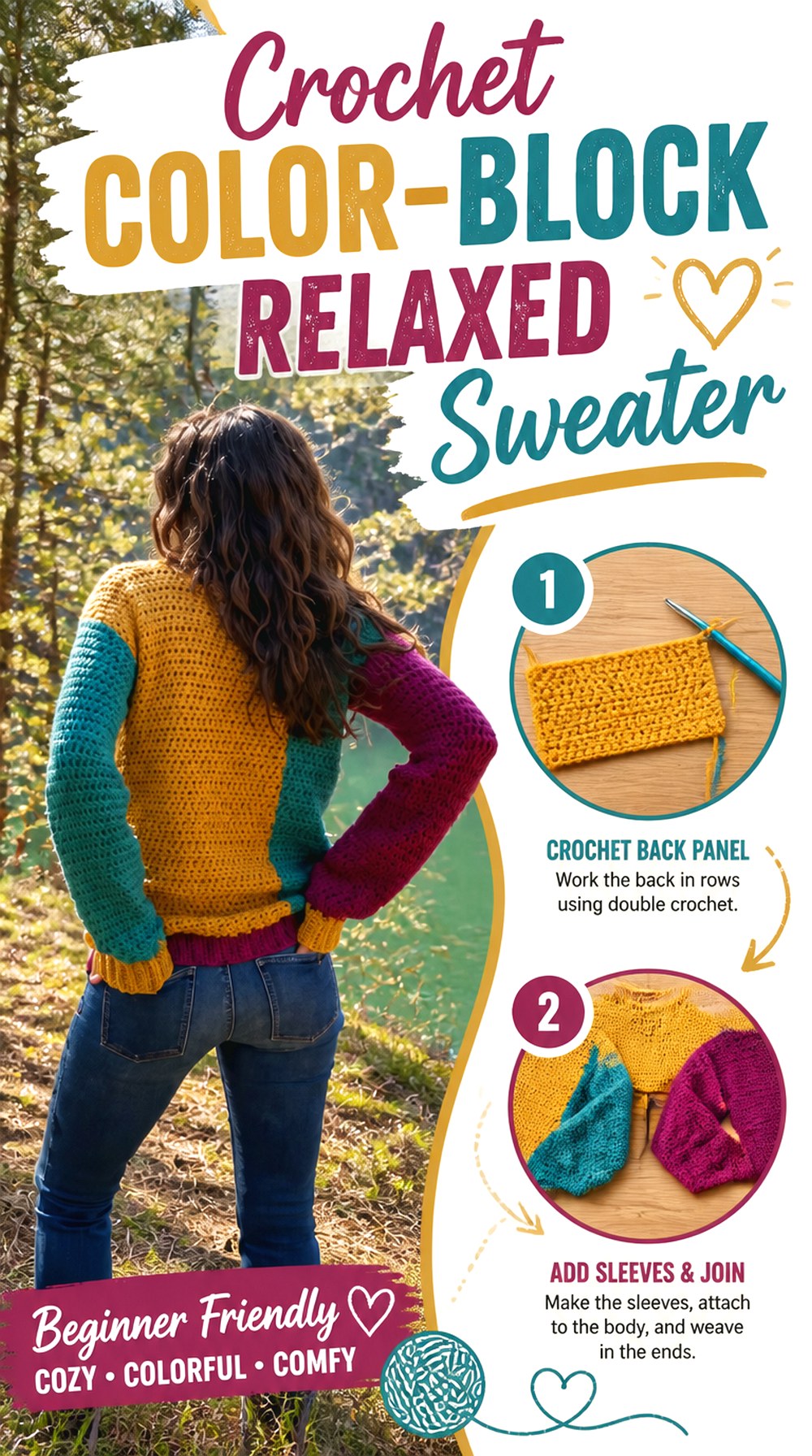
Bold color blocking can create an 80s reference even when the basic sweater shape is comparatively straightforward. Large blocks are much more graphic than narrow stripes, so they can emphasize the width of the body, divide the sleeves into strong sections, or make an oversized sweater feel deliberately designed rather than merely large.
Off the Beaten Hook demonstrates a color-block sweater and includes color changing, neckline shaping, shoulder seaming, ribbed hem and collar, sleeves, and the finished garment. The accompanying pattern is offered across several sizes.
Plan the Blocks Around the Finished Garment
A color change that looks balanced on a flat panel may land differently once the shoulder seam moves onto the body. Sketch where the major divisions should appear when worn and compare that plan with the tutorial’s construction direction before changing the color sequence.
Contrast Can Make a Wide Sweater Look Even Wider
Horizontal blocks emphasize width more strongly than low-contrast transitions. If you already plan substantial body ease, decide whether you want color to exaggerate that width or visually break it apart with strategically placed vertical or sleeve contrasts.
Carry the Palette Into the Ribbing Deliberately
Hem, cuffs, and neckline can either unify the color blocks with one repeated shade or become additional graphic sections. Decide before finishing so the ribbing looks intentional rather than like a leftover yarn decision.
Original Tutorial and Creator Credit
Creator: Off the Beaten Hook
10. Crochet Alpine Texture Cropped Sweater
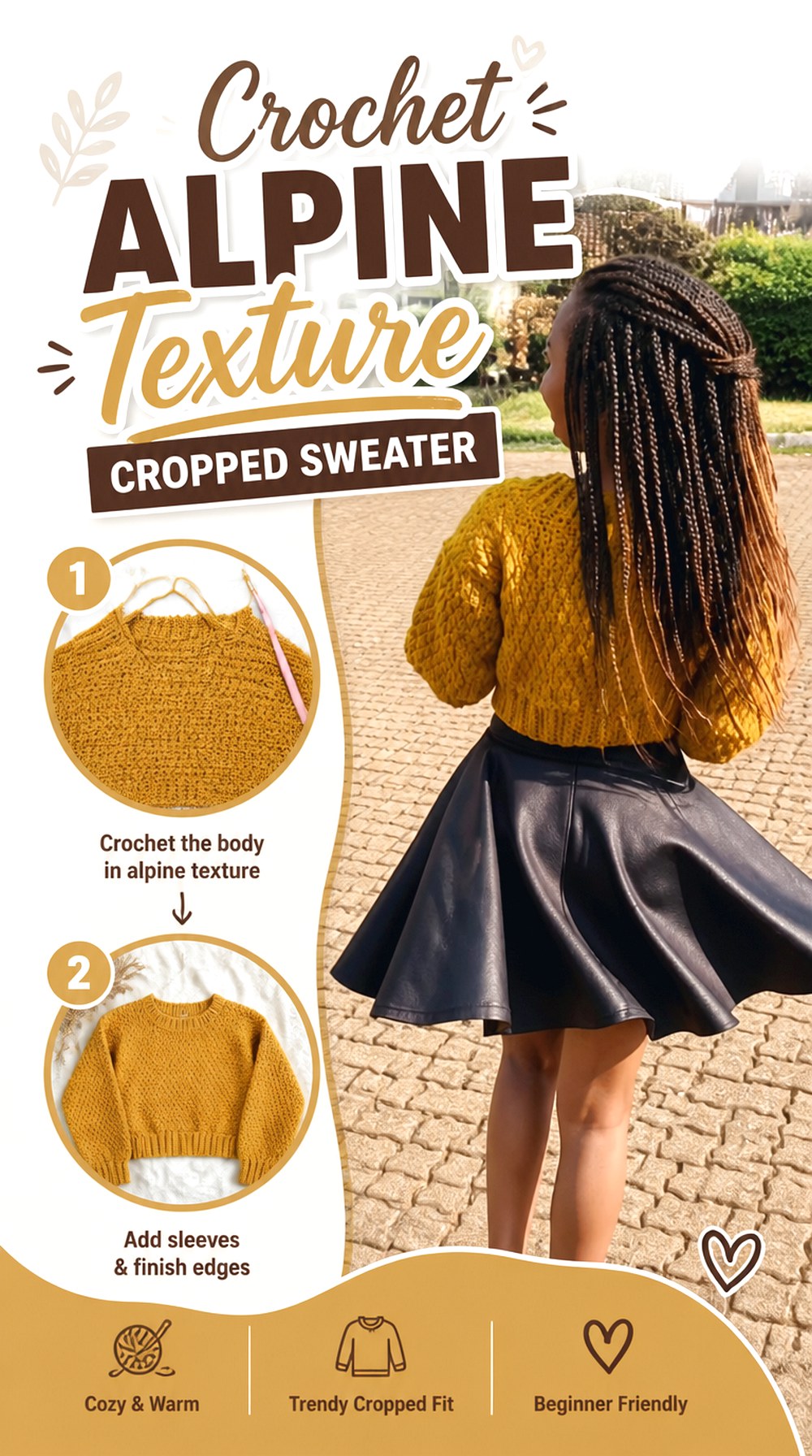
Raised texture can give a slouch sweater a more substantial surface, and the alpine stitch used in this design creates a clear contrast with the airier sweaters in the collection. The cropped length keeps that texture from visually overwhelming the entire outfit while still leaving room for a relaxed body and sleeves.
AC Crochets demonstrates a textured alpine-stitch crop sweater with ribbing and notes that the body can also be extended for a more conventional sweater length.
Texture Adds Thickness Before You Add Oversizing
When the fabric itself has pronounced relief, additional width can feel more substantial than it would in a flat stitch pattern. Handle a generous swatch vertically and decide whether you still want the same amount of intended slouch after feeling its weight and thickness.
Cropped and Full-Length Versions Need Different Balance
Extending a textured sweater changes more than coverage. Extra rows add mass below the waist and can make the upper body hang differently. If you lengthen the design, periodically check the garment rather than assuming the original cropped proportions will remain unchanged.
Ribbing Frames the Raised Stitch Pattern
The smooth directional lines of ribbing can give the eye a visual break from dense texture. Keeping the cuffs and hem neat becomes especially important when the main body has a strong three-dimensional surface.
Original Tutorial and Creator Credit
Creator: AC Crochets
11. Crochet Cozy Lounge Slouch Pullover
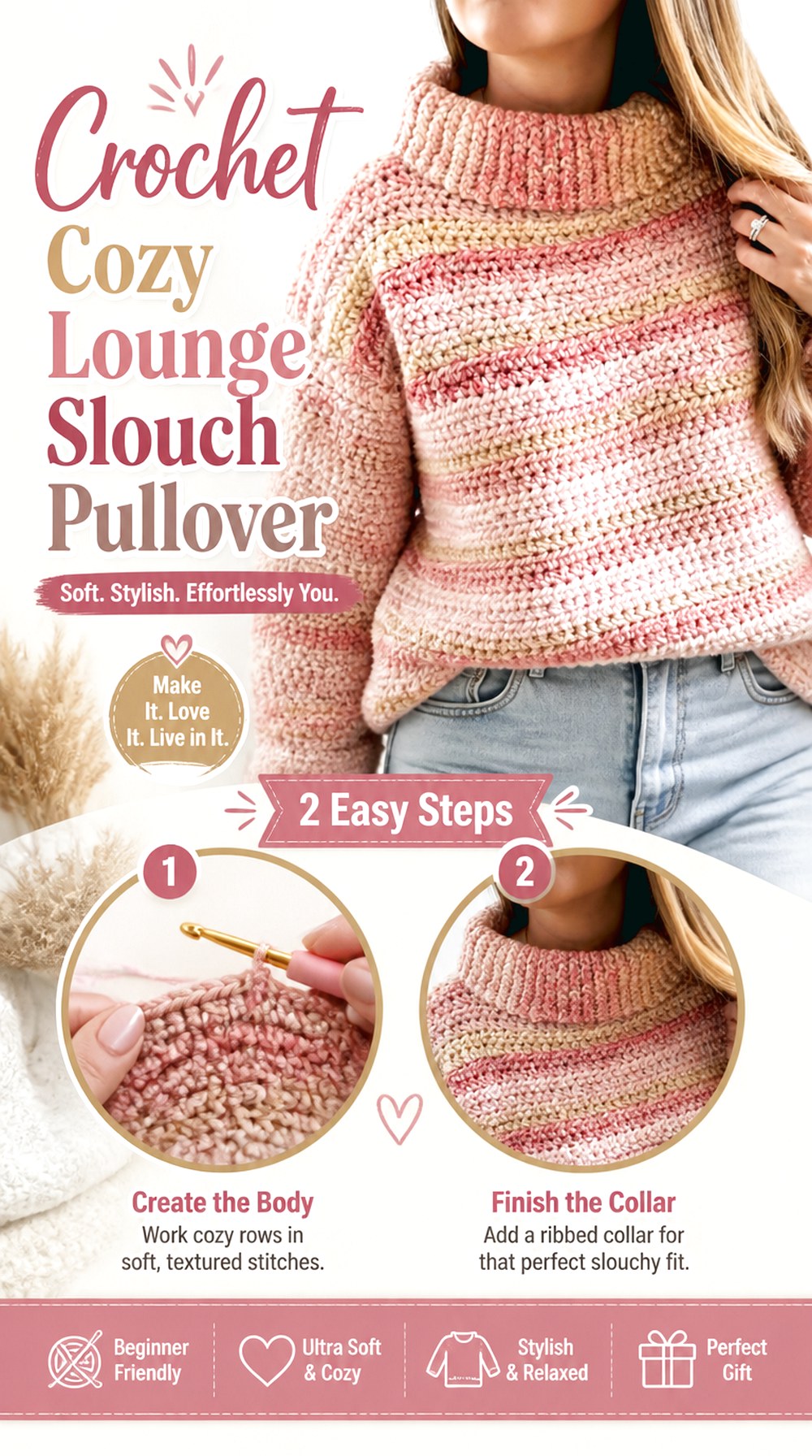
A lounge-style pullover works for a softer, less theatrical interpretation of the 80s slouch sweater. Instead of relying on an exposed shoulder or sharp color blocking, the appeal comes from an intentionally comfortable silhouette and fabric that looks appropriate for everyday layering.
B.Hooked Crochet’s Lounge sweater tutorial presents a complete pullover project and pairs the video with a written pattern resource.
Let the Fabric Determine How Much Ease Feels Comfortable
Highly textured or lofty yarn can fill the space between the garment and body more than a smooth drapey yarn. Before increasing dimensions for extra slouch, compare your fabric with the tutorial’s intended appearance so the sweater does not become much bulkier than expected.
Everyday Slouch Benefits From Practical Sleeve Length
Extremely long sleeves photograph well but may be inconvenient for typing, cooking, or frequent hand use. If this will be a true lounge sweater rather than a styling piece, check wrist placement before finishing the sleeves.
A Neutral Shape Leaves More Room for Retro Styling
Because the silhouette is less specialized, accessories and color choices can push the final garment toward or away from an 80s reference. Strong brights, marl yarns, leggings, high-waisted denim, or a wide belt can alter the styling without rebuilding the sweater itself.
Original Tutorial and Creator Credit
Creator: B.Hooked Crochet
12. Crochet Ribbed Knit Look Oversized Sweater
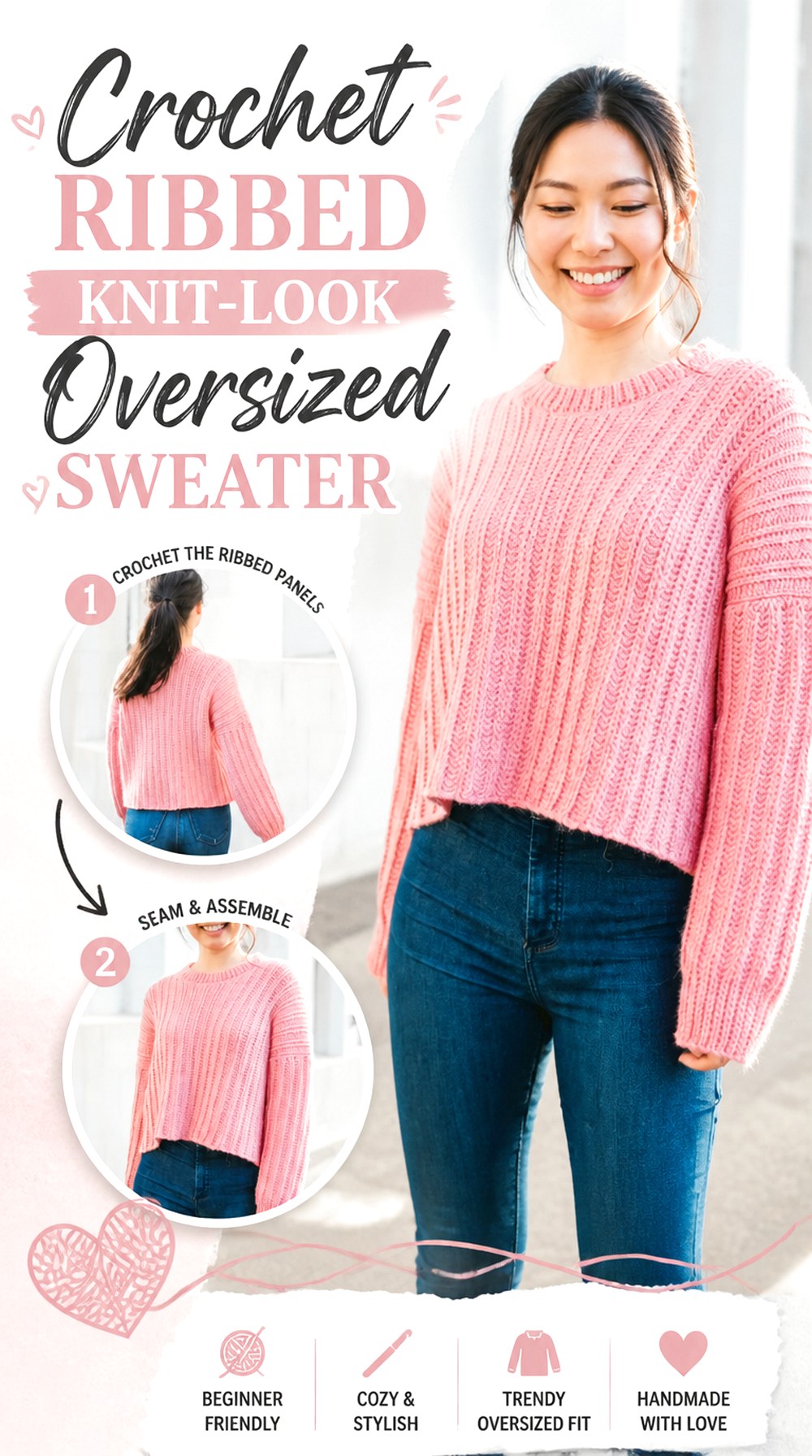
All-over ribbing gives an oversized crochet sweater strong vertical movement. That makes it an interesting counterpoint to horizontal color blocks and square motifs: the sweater can remain very roomy while the ribbed surface visually lengthens the body.
forthefrills demonstrates an oversized ribbed sweater with loosely cuffed sleeves, a roomy body, round neckline, and knit-look crochet ribbing. The tutorial covers separate panels, sleeves, assembly, neckline ribbing, and hem finishing.
Vertical Ribbing Can Visually Temper Extra Width
If you like oversized dimensions but do not want the garment to appear as broad as a blocky granny sweater, strong vertical lines can help. The effect depends on the fabric remaining relaxed enough to hang rather than standing rigidly away from the body.
Loose Stitch Tension Is Part of the Drape Decision
Ribbed crochet can become dense if worked tightly. When substituting yarn, do not judge only by stitch appearance; bend and hang the swatch as well. A beautiful rib that feels board-like may not create the relaxed folds expected from this silhouette.
Watch the Hem for Unwanted Flare or Constriction
A ribbed hem can pull the body inward or sit relatively straight depending on its tension. Compare the hem against the body before completing the entire finish, especially if you want the sweater to blouse slightly rather than grip the hips.
Original Tutorial and Creator Credit
Creator: forthefrills
13. Crochet Bulky Four Piece Slouch Sweater
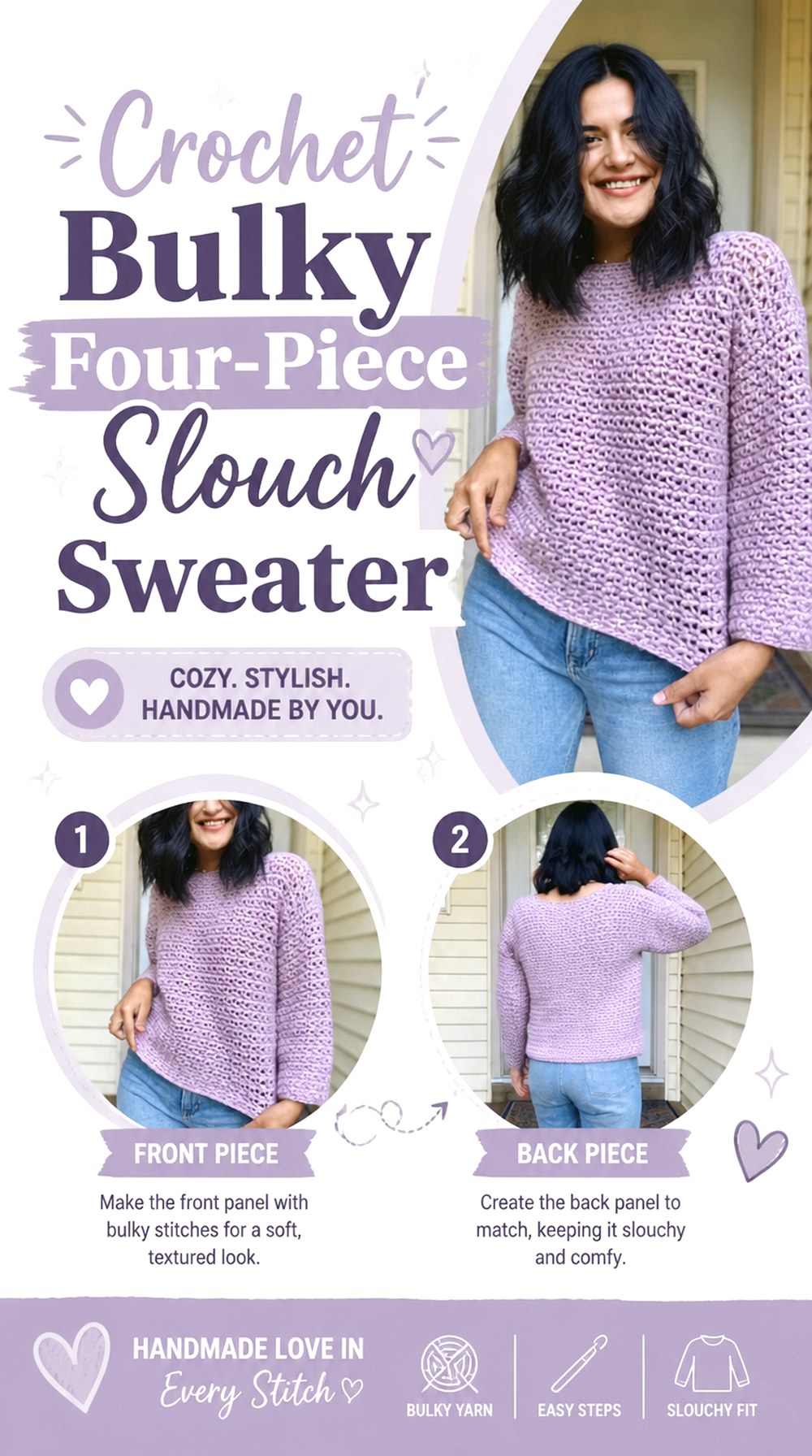
Bulky yarn can produce an unmistakably cozy oversized sweater without relying on elaborate shaping. This version is useful if you want the body to feel substantial and sweatshirt-like, with the construction kept visually understandable through separate front, back, and sleeve pieces.
KnitcroAddict’s tutorial works the sweater flat as four separate pieces before assembly and demonstrates a repeating fabric pattern, shoulders, sleeves, seams, and neckline finishing. The accompanying information includes multiple adult sizes.
Bulky Fabric Magnifies Every Fit Decision
An extra inch of ease in a thin fabric and the same extra inch in a thick bulky fabric do not necessarily feel identical when worn. Compare your swatch’s thickness with clothing you already own before deciding how oversized you want the finished sweater.
Flat Pieces Let You Compare Front and Back Early
Before joining, lay the completed body sections together and check width, shoulder alignment, and length. Correcting a mismatch at this stage is usually less disruptive than discovering it only after the sleeves have been attached.
Keep Neckline Finishing Flexible Enough to Wear
A thick sweater can become uncomfortable if the neck edging is much tighter than the opening beneath it. Check the finished edging against the intended head opening before securing all finishing work.
Original Tutorial and Creator Credit
Creator: KnitcroAddict
14. Crochet Trinity Stitch Oversized Sweater
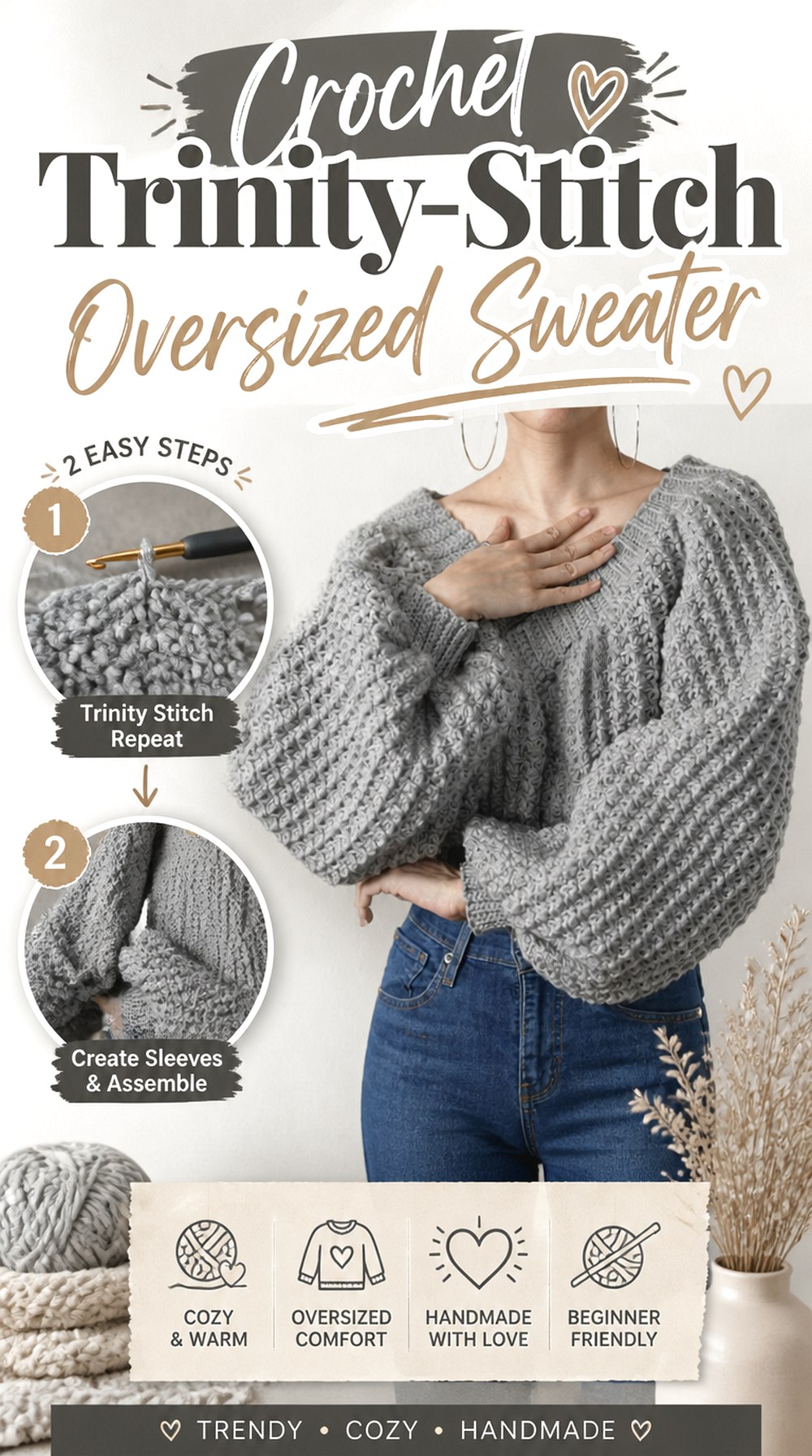
Texture can be subtle rather than heavily raised. TCDDIY’s oversized sweater uses a repeating trinity-stitch fabric within a roomy silhouette, creating surface interest while keeping the overall form recognizable as an oversized pullover.
The tutorial includes a shoulder band, front and back separation, neckline shaping, side and shoulder seams, sleeves, cuffs, and a bottom band. This construction offers a useful comparison with the simpler four-rectangle sweaters because more of the neckline and shoulder area is deliberately formed.
The Shoulder Band Makes the Top Edge a Design Feature
Because the construction starts with a distinct shoulder element, pay close attention to how that section sits before progressing too far into the body. Changes there can influence the apparent neckline width and where the sweater begins to fall from the shoulders.
Textured Repeats Need Consistent Width
A repeating texture can make accidental narrowing or widening easier to spot. Periodically compare the panel edges rather than waiting until the entire body is finished. This matters even more in an oversized garment, where long sections can magnify small tension changes.
Sleeve Shape Can Refine a Very Wide Body
The tutorial includes sleeve shaping rather than leaving the arm as a plain rectangle. That contrast can keep a roomy torso from looking uniformly wide from shoulder to wrist, which is useful if you want slouch without maximum bulk at the hands.
Original Tutorial and Creator Credit
15. Crochet Tunisian Patchwork Slouch Sweater
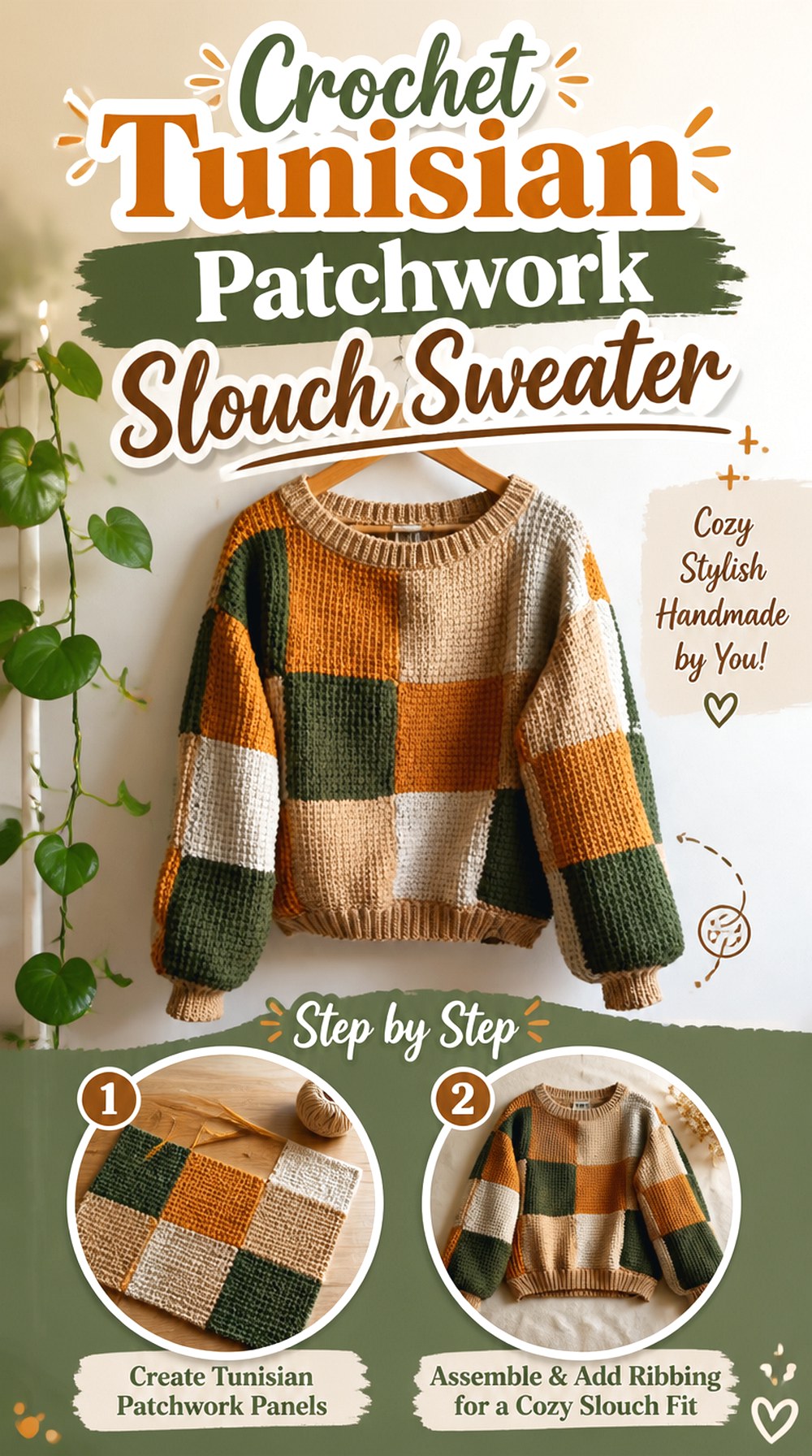
Patchwork is one of the strongest options when you want the sweater itself to supply the retro statement. Unlike a traditional granny-square garment, this design uses Tunisian crochet to create a block-based appearance, giving the surface a more solid graphic character.
Anncrochet demonstrates a Tunisian crochet patchwork sweater and explains taking body measurements, dividing the front and back areas, and making color changes directly rather than constructing the garment entirely from separately crocheted squares.
Patchwork Blocks Should Be Planned on the Body, Not Just the Table
Large blocks can visually widen or shorten different areas depending on where their boundaries land. Before finalizing colors, sketch the front and back separately and mark the shoulder and underarm areas so important transitions do not end up in visually awkward locations.
Tunisian Fabric Can Feel Different From Standard Crochet
If you have only made loose conventional crochet sweaters, swatch before deciding on the final amount of ease. Tunisian fabric can have its own density and drape characteristics depending on stitch, hook, yarn, and tension.
Color Repetition Can Tie a Busy Sweater Together
A patchwork sweater does not need every block to be unique. Repeating one or two colors across the body and sleeves can create a visual route through the design while still preserving a bold retro palette.
Original Tutorial and Creator Credit
Creator: Anncrochet
Which 80s Slouch Sweater Shape Should You Choose?
For the strongest sleeve drama, start with the Crochet Batwing Reading Slouch Sweater. If you mainly want straightforward oversized proportions, the Crochet Four-Rectangle Oversized Pullover, Crochet Bulky Four-Piece Slouch Sweater, and Crochet Trinity-Stitch Oversized Sweater keep the focus on body width and dropped shoulders.
Choose one of the wide-neck designs when exposed-shoulder styling matters more than maximum torso volume. The Crochet Oversized Turtleneck Slouch Sweater goes in the opposite direction and creates its visual weight at the neckline.
For graphic retro impact, the Crochet Color-Block Relaxed Sweater, Crochet Granny Square Slouch Sweater, and Crochet Tunisian Patchwork Slouch Sweater offer the clearest route. If fabric texture is your priority, compare the alpine, ribbed, trinity-stitch, and airy brushed-yarn versions before deciding.
Conclusion
The most useful way to choose among these 15 crochet 80s slouch sweater ideas is to decide where you want the extra visual volume. Batwing construction puts it beneath the arms, wide necklines shift attention toward the shoulders, turtlenecks build presence around the collar, and rectangular pullovers spread the ease more evenly through the body. Color blocks, granny squares, and Tunisian patchwork add the retro character through surface design rather than fit alone.
Yarn choice can then make the same general silhouette look structured, soft, fuzzy, crisp, or heavily textured. Once you have chosen the shape you actually want to wear, follow the original tutorial and creator resources for the exact construction, measurements, gauge, and finishing details.
Frequently Asked Questions
How oversized should a crochet 80s slouch sweater be?
There is no universal amount of ease that automatically creates an 80s slouch fit. Start with the finished shape you want: modest drop shoulder, wide boxy body, dramatic batwing, or deliberately long sleeves. Compare the tutorial’s finished measurements, when available, with a loose sweater you already enjoy wearing. Adding width everywhere without considering the neckline and shoulder position can produce an oversized garment without producing the particular slouch silhouette you wanted.
Can I make a normal crochet sweater tutorial look more 80s?
Often, yes, but some adaptations are easier than others. Color blocking, contrasting ribbing, strong stripes, longer cuffs, and bold palettes can change the styling without rebuilding the construction. Structural changes such as turning a fitted shoulder into a deep batwing or dramatically widening a neckline affect fit and should not be treated as simple decorative modifications. Choose a tutorial that already has the closest silhouette whenever possible.
Which yarn is better for a slouchy crochet sweater?
Choose according to the fabric behavior you need rather than fiber name alone. A softer, more fluid fabric generally lets oversized sections collapse into relaxed folds, while a firmer fabric emphasizes boxy structure and graphic shapes. Swatch the intended yarn and hang the swatch vertically so you can judge drape and weight. Also check the yarn manufacturer’s care information before planning how the finished sweater will be washed or blocked.
How can I stop an oversized crochet sweater from looking shapeless?
Create contrast between loose and controlled areas. A roomy body can be paired with defined cuffs, a tidy hem, structured neckline, cropped length, strong color placement, or sleeves that taper toward the wrist. These boundaries give the eye a clear garment shape. Simply removing all shaping can make the sweater larger without making the proportions more intentional.
Can I lengthen a cropped slouch sweater?
Often, but confirm how the tutorial constructs the body before changing it. Straight panels are usually easier to visualize as longer pieces than designs whose shaping changes near the hem. Added length also adds yarn weight, which can pull on the shoulders and alter drape. Check the developing garment as it grows rather than deciding the entire extension from the original cropped sample alone.
What should I check before substituting yarn in an oversized sweater tutorial?
Check gauge when the tutorial provides one, but also compare fabric thickness, stretch, stitch definition, and drape. A substitute that technically reaches similar dimensions can still create a much stiffer or heavier garment. This matters more in oversized sweaters because there is more fabric acting on the neckline and shoulders. Make a meaningful swatch, handle it vertically, and use the creator’s sizing and gauge information for the actual project calculations.