
Filet crochet charts are such a fun way to “draw” with yarn and still make practical things for your home. With just doubles and chains, you can turn simple grids into hearts, leaves, butterflies, roses, letters, and even full baby blankets. Below are twelve filet crochet chart projects that all come with clear graphs so you can practice reading symbols while making useful decor, gifts, and keepsakes. Start small with coasters or bookmarks, then move up to table toppers, wall hangings, and blankets as your confidence grows.
Filet Heart Coaster Crochet Chart
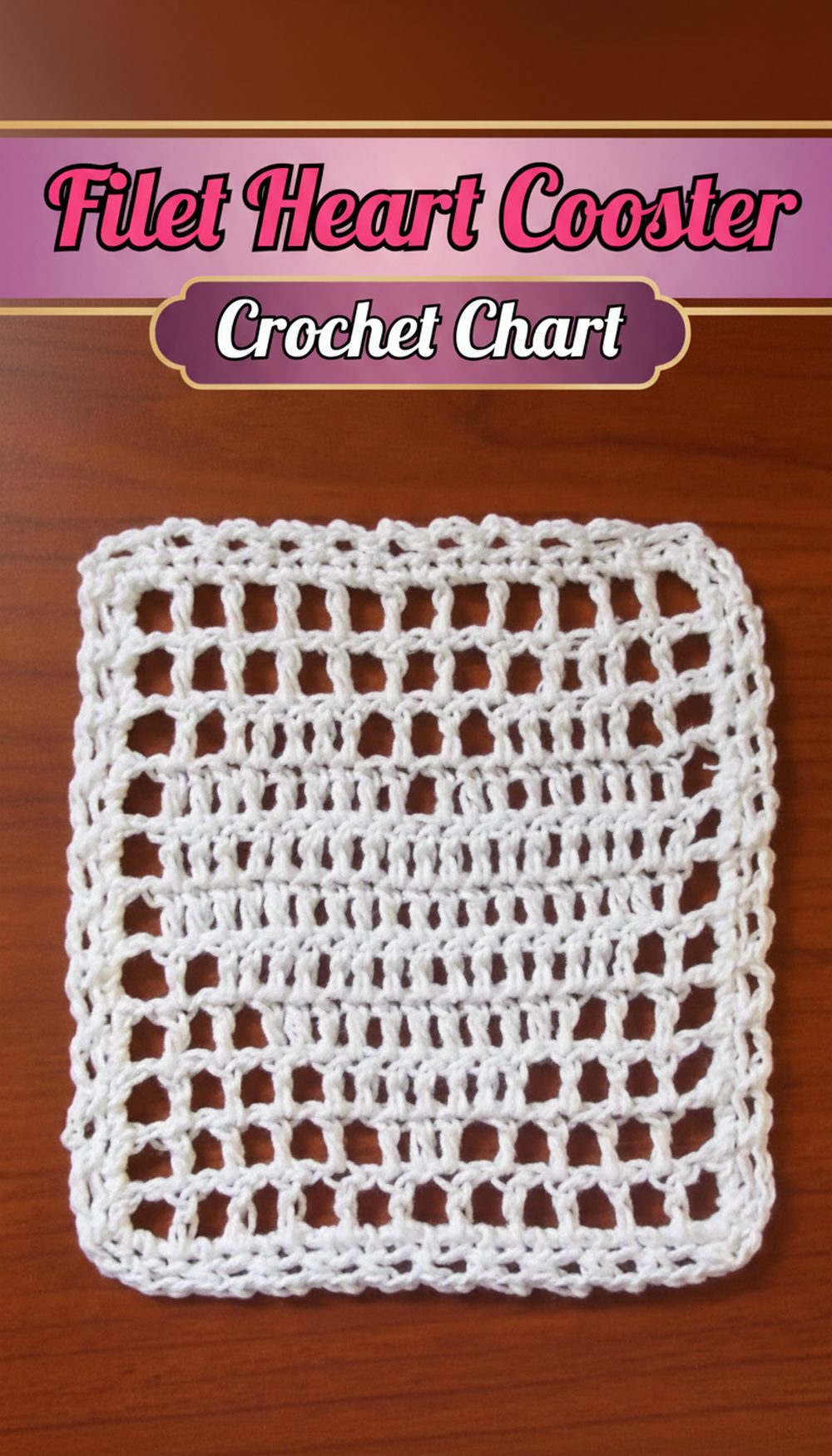
The Filet Heart Coaster Crochet Chart is a perfect little starter square for learning how open and filled blocks work together. Each coaster is a small filet square with a centered heart that works as a coaster, blanket square, or mini wall piece. Use classic white thread for a lacy look or switch to bright cotton for everyday table use. The chart is clear and easy to follow, so you can focus on counting and turning rows. Try one in an evening, then build a whole set from the tutorial. Tutorial Word at the end.
Supplies:
- Yarn: Size 10 cotton crochet thread
- Hook: 1.65 mm (US 7 steel) or to match your tension
- Notions: Tapestry needle, small scissors, blocking board and pins (optional)
Why it’s great:
A tiny, gift-ready square that teaches you all the basics of reading a filet crochet chart.
Valentine Heart Tablecloth Squares Crochet Chart
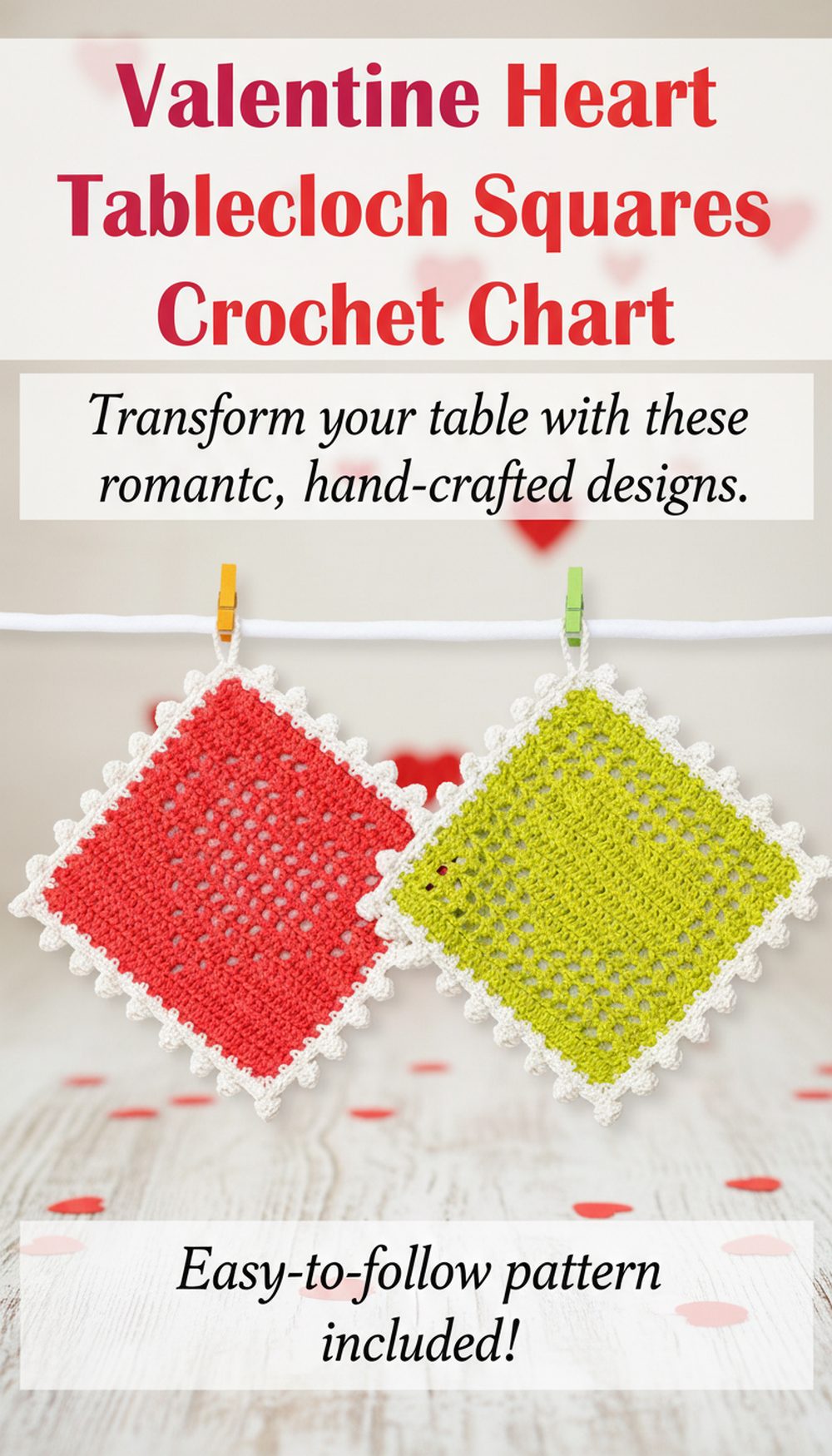
The Valentine Heart Tablecloth Squares Crochet Chart uses filet squares with positive and negative hearts to build adorable mini table mats or a larger runner. Each block is worked from a clear chart, and a simple pom-pom edging finishes the set. Fingering cotton keeps the fabric light, perfect under a vase or candle. Make just two for a sweetheart dinner, or join many squares into a romantic centerpiece. The charted hearts make it easy to stay on track while you work from the tutorial. Tutorial Word at the end.
Supplies:
- Yarn: Fingering-weight 100% cotton (like SMC Catania Originals)
- Hook: 2.5–2.75 mm
- Notions: Yarn needle, scissors, blocking board, stitch markers for joining
Why it’s great:
You get two reversible heart charts in one, ideal for mix-and-match Valentine decor.
Fall Leaf Coasters Filet Crochet Chart

The Fall Leaf Coasters Filet Crochet Chart turns a simple 10 x 10 cm square into a pretty autumn leaf outline using filet mesh. The pattern includes a full chart and a five-round border, so your edges stay neat and square. Worked in mercerized cotton thread, these little mats handle heat and moisture well under mugs or candles. Make a stack in violet and old gold, just like the designer, or use a mix of autumn scraps. Follow the charted design from the tutorial. Tutorial Word at the end.
Supplies:
- Yarn: Size 12 mercerized cotton thread (e.g., Anchor Freccia)
- Hook: 1.5 mm steel hook
- Notions: Tapestry needle, scissors, blocking board and pins
Why it’s great:
A small, fast filet project that shows how bold seasonal motifs pop on a simple grid.
Butterfly Square Filet Crochet Chart

The Butterfly Square Filet Crochet Chart from Stitches n Scraps gives you a lacy square with a butterfly hovering in the center. The pattern includes both a basic filet tutorial and a detailed butterfly chart, so you can learn as you go. Use thread for a delicate motif or light yarn for joinable blanket squares. The clear grid makes it straightforward to see where each wing and antenna land. Make a few for a spring wall hanging or baby blanket from the tutorial. Tutorial Word at the end.
Supplies:
- Yarn: Light cotton or size 10 thread
- Hook: 1.75–3.5 mm, depending on yarn choice
- Notions: Yarn needle, scissors, blocking pins
Why it’s great:
You get both basic filet instruction and a pretty butterfly motif in one pattern.
Filet Butterfly Chart Crochet Square

The Filet Butterfly Chart Crochet Square featured on LoveSewing is a light, airy motif ideal for blankets, pillows, or a framed piece. The project uses a single butterfly chart plus written guidance, making it friendly for confident beginners. Work it in soft cotton for a drapey square that blocks beautifully. Stitch a set of identical squares, or invert your colors for alternate panels. The straightforward grid is easy to enlarge into a runner if you repeat rows from the tutorial. Tutorial Word at the end.
Supplies:
- Yarn: Sport or DK cotton yarn
- Hook: 3.0–3.5 mm hook
- Notions: Tapestry needle, scissors, blocking mat and pins
Why it’s great:
One pretty butterfly chart can be reused for multiple home projects with different borders.
Lacy Squares Filet Crochet Baby Blanket
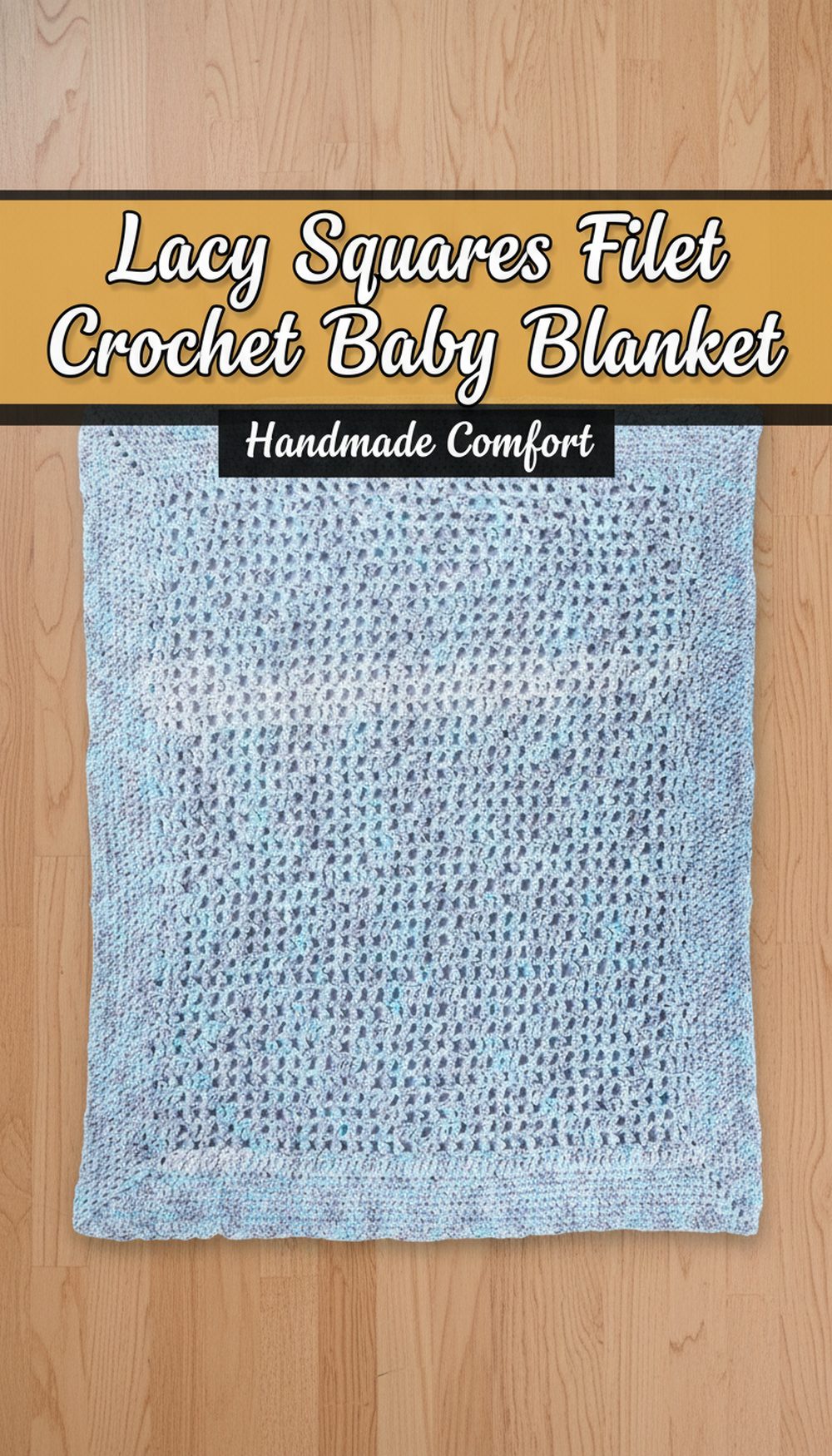
The Lacy Squares Filet Crochet Baby Blanket uses a repeating filet square motif made in super-bulky, ultra-soft yarn, so it works up quickly despite its size. The pattern from Yarnspirations includes full instructions and a downloadable charted design, with pastel self-striping yarn doing most of the color work for you. The mesh is open enough for drape but dense enough to stay cozy. This is a great step up after smaller filet projects and makes a beautiful heirloom gift. Follow the chart from the tutorial. Tutorial Word at the end.
Supplies:
- Yarn: Super-bulky acrylic baby yarn (e.g., Bernat Baby Blanket Frosting)
- Hook: 8.0 mm (L/11)
- Notions: Yarn needle, scissors, stitch markers for counting repeats
Why it’s great:
Chunky yarn plus filet squares give you fast progress and a very soft, graphic baby blanket.
Personalized Filet Crochet Name Runner

The Personalized Filet Crochet Name Runner pattern from Red Heart/Yarnspirations lets you spell out any name or phrase in filet mesh. The downloadable pattern includes letter charts, so you arrange blocks to create a wall hanging or table runner with your chosen text. Worked in crochet thread, it hangs flat and crisp. It’s perfect for wedding gifts, nursery signs, or family name decor. Once you understand the alphabet charts, re-use them for pillows and towels too. Full guidance is in the tutorial. Tutorial Word at the end.
Supplies:
- Yarn: Size 10 crochet cotton thread
- Hook: Steel hook around 1.5 mm
- Notions: Tapestry needle, blocking board and pins, thin dowel or rod for hanging
Why it’s great:
One alphabet chart unlocks endless personalized filet crochet gifts and home accents.
Filet Black Rose Small Crochet Doily
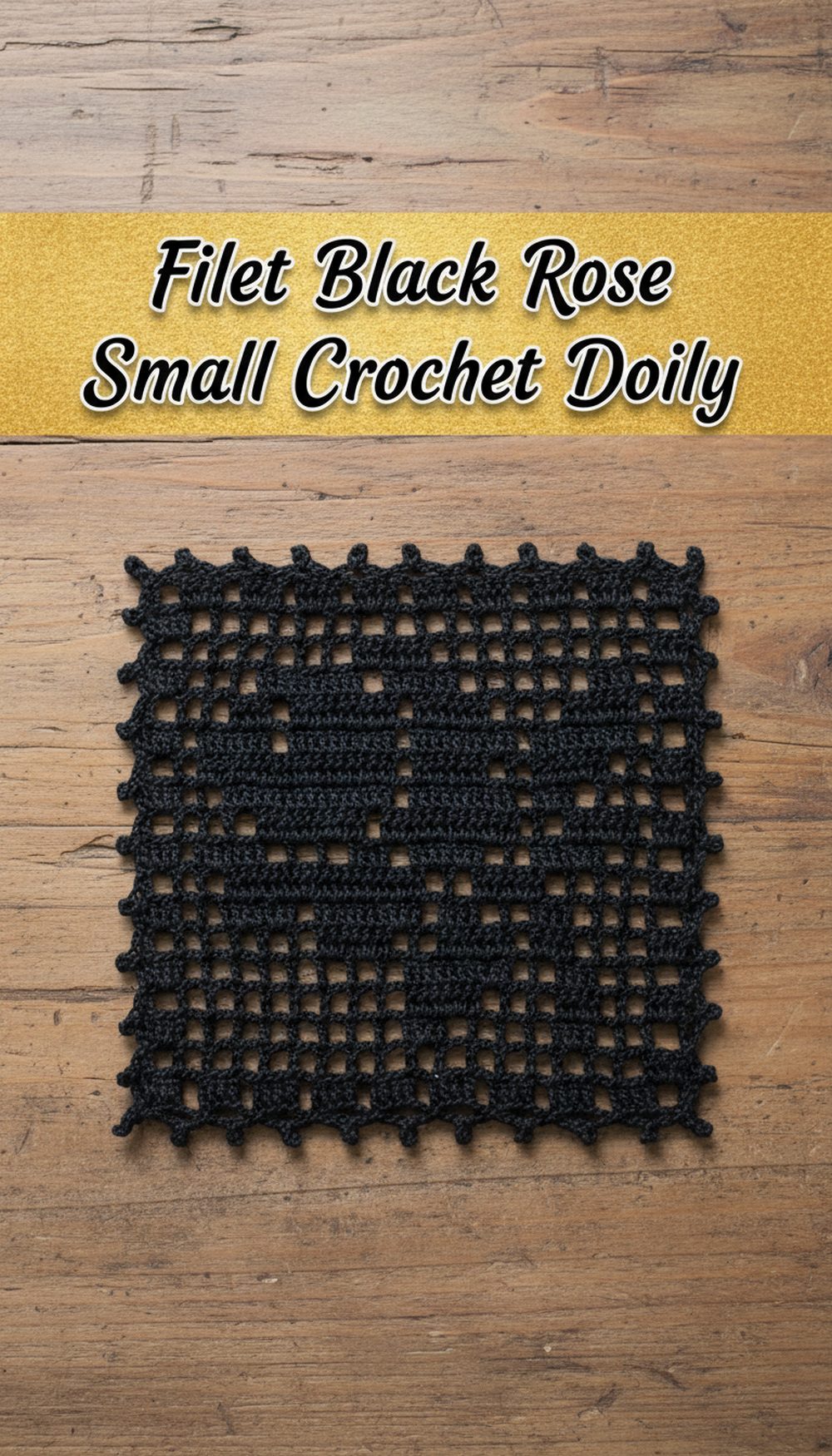
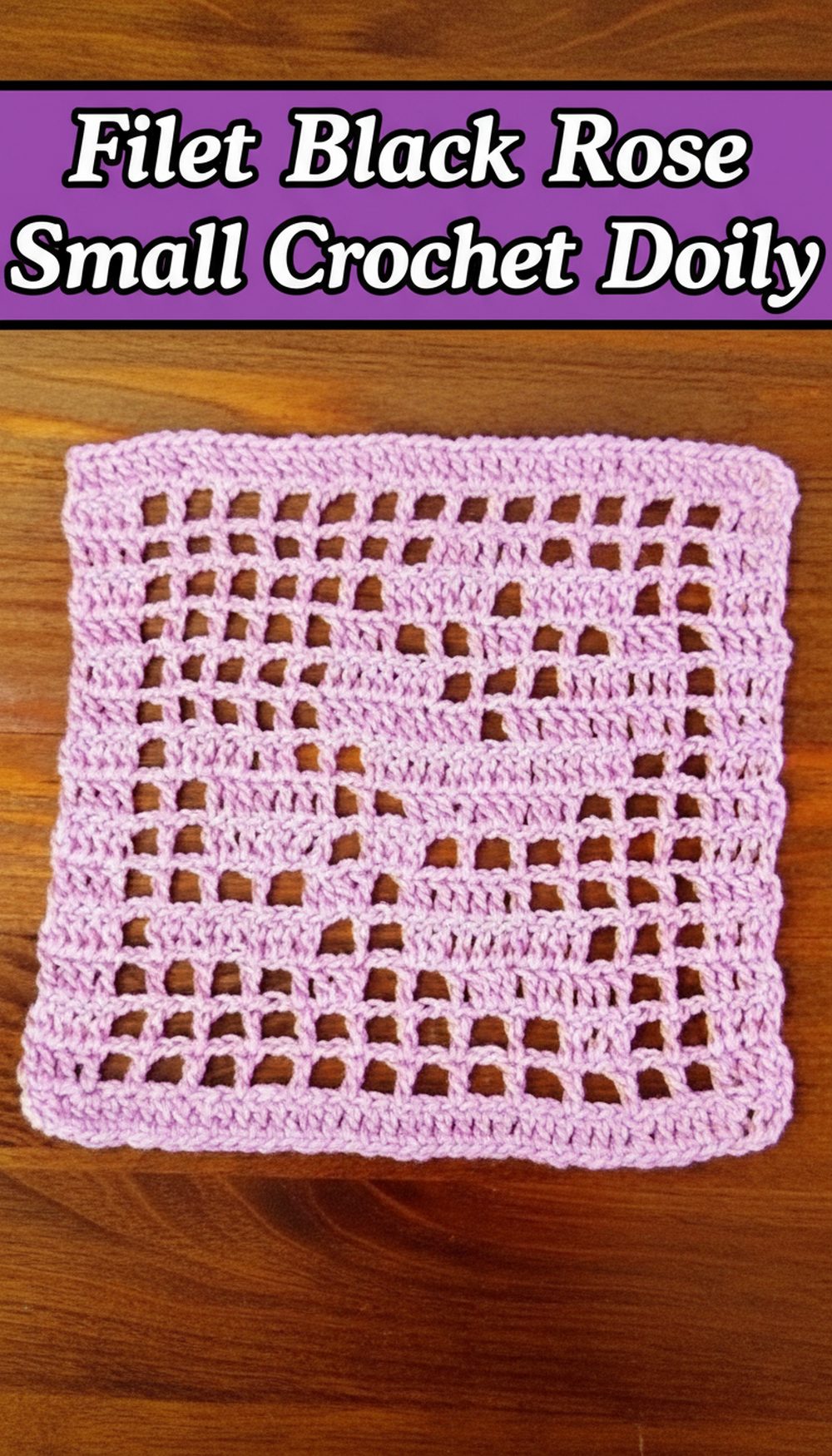
The Filet Black Rose Small Crochet Doily from JPCrochet proves filet lace doesn’t have to be white. This striking pattern uses a charted rose motif worked in dark thread, turning the doily into a bold accent on pale furniture. The blog post includes photos and directions so you can follow the grid row by row. Use it under candles, vases, or framed on the wall. It’s a nice intermediate step for practicing more complex curves on a square mesh. Full chart is in the tutorial. Tutorial Word at the end.
Supplies:
- Yarn: Size 10 black cotton crochet thread
- Hook: 1.5–1.75 mm steel hook
- Notions: Tapestry needle, scissors, blocking board and pins
Why it’s great:
A dramatic, modern take on filet crochet that still uses simple stitches and a clear chart.
Filet Rose Square Crochet Chart
The Filet Rose Square Crochet Chart from Crochet Kingdom walks you through making a rose motif framed in a filet square, complete with diagram and free PDF. The tutorial explains how empty and filled squares build the petals, and includes tips for shaping and decreasing within the grid. Use mercerized pink cotton for a classic look, and join multiple squares for cushions, runners, or throws. It’s a great next step once you’re comfortable with basic grids. Download the chart directly from the tutorial. Tutorial Word at the end.
Supplies:
- Yarn: Mercerized cotton, about 20 g of pink per square
- Hook: 1.9 mm steel hook
- Notions: Scissors, tapestry needle, blocking surface
Why it’s great:
You get both teaching notes and a printable rose chart that’s easy to reuse and resize.
Heart of Love Filet Crochet Bookmark
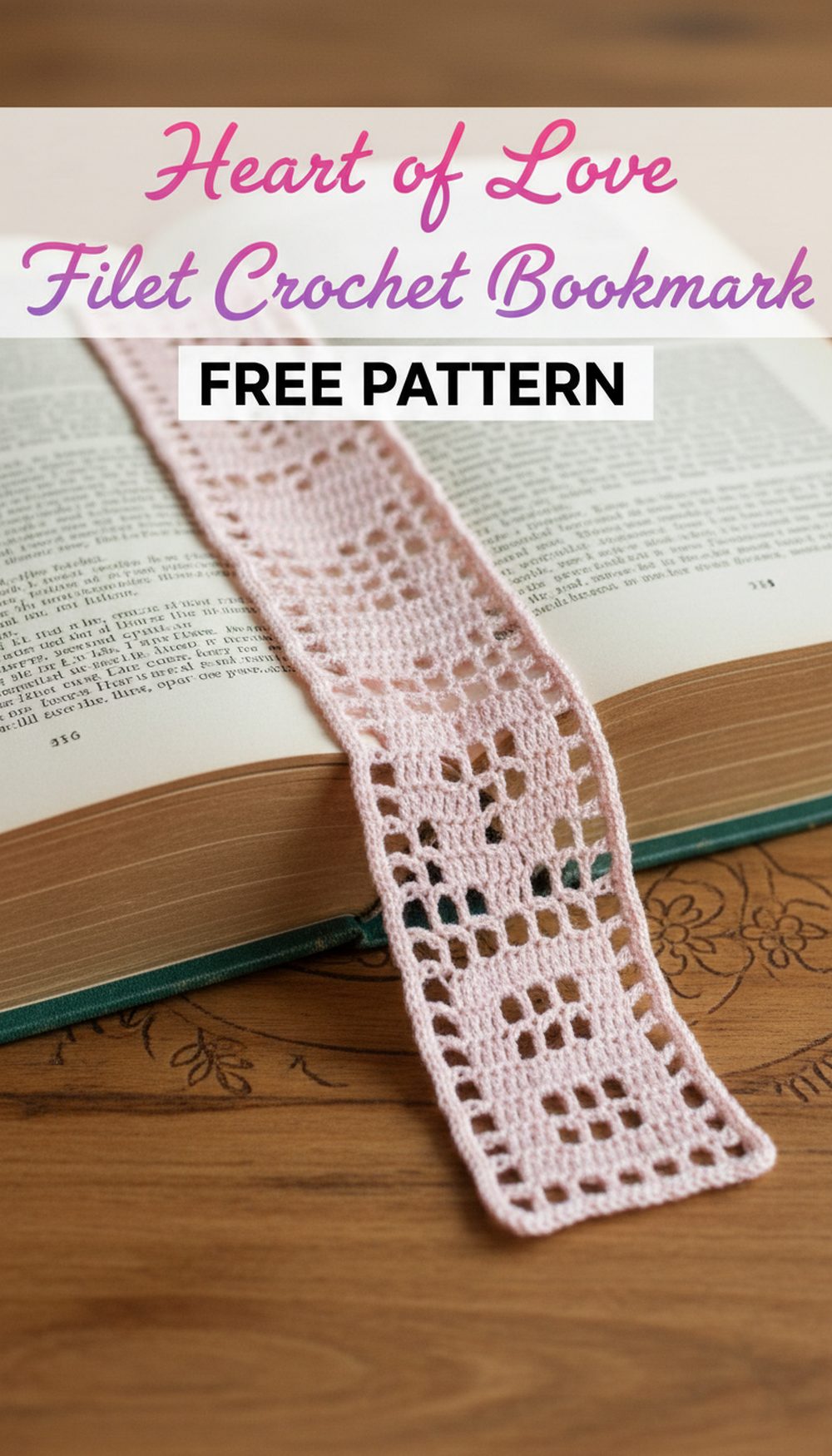
The Heart of Love Filet Crochet Bookmark is a slim, elegant strip worked entirely from a filet chart, perfect for using thread leftovers. Amy’s pattern includes a clear grid for the heart motif and step-by-step notes, so you can practice tension on a narrow piece. It’s a sweet gift tucked inside a book or journal. Because it’s long and thin, you’ll quickly see how chart rows translate into directional shaping. Stitch a few in different colors using the tutorial. Tutorial Word at the end.
Supplies:
- Yarn: Size 10 cotton crochet thread in your favorite color
- Hook: 1.5–1.65 mm steel hook
- Notions: Yarn needle, scissors, tassel maker (optional)
Why it’s great:
A fast project that turns a small filet heart chart into a practical, gift-ready bookmark.
Wedding Name Doily Filet Crochet Alphabet
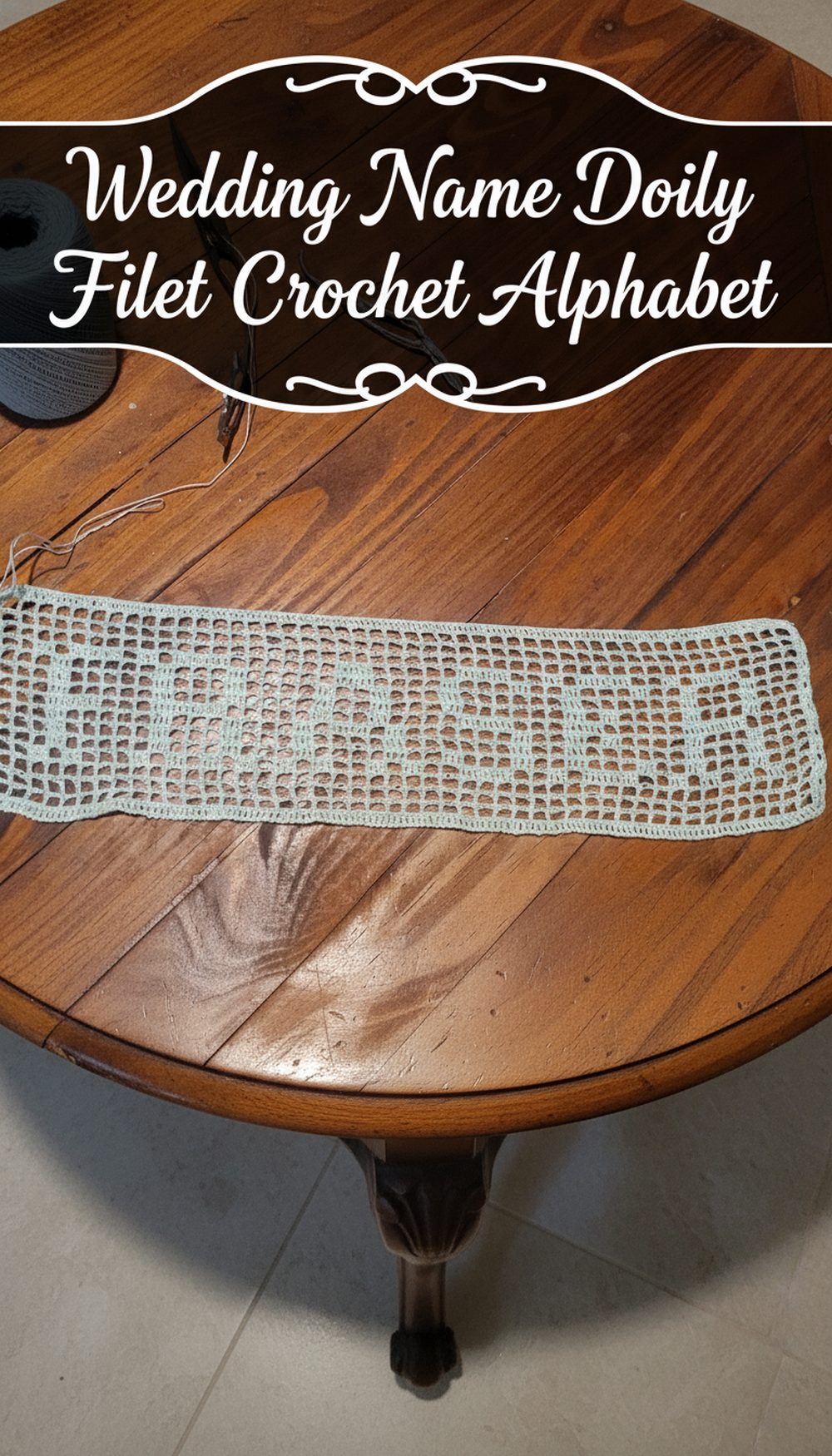
The Wedding Name Doily Filet Crochet Alphabet idea from FlamingoCrochet explains how to use filet alphabet charts to create personalized name doilies as wedding or anniversary gifts. The post walks through planning, plotting letters on a grid, and working your mesh to fit the name, with sample photos of finished pieces. Use fine white or ecru thread for an heirloom look. Once you understand the method, you can design any name, date, or short phrase following the tutorial’s guidance. Tutorial Word at the end.
Supplies:
- Yarn: Size 10 cotton crochet thread in white or ecru
- Hook: Steel 1.5–1.75 mm
- Notions: Printed alphabet charts, stitch markers, tapestry needle, blocking tools
Why it’s great:
A method, not just a single pattern, so you can design custom filet name doilies for any couple.
Conclusion
If filet crochet charts felt intimidating before, these twelve home-friendly ideas give you a gentle path from tiny coasters to keepsake blankets and name pieces. Pick one small chart today—a heart, leaf, or butterfly—and work through it slowly, row by row. Once the grid “clicks,” you’ll see how easily you can adapt charts, resize projects, and even design your own words and motifs. Bookmark this list so you can come back whenever you’re ready for your next filet adventure.
FAQs
1. What yarn works best for filet crochet home items?
Smooth, non-fluffy yarns show filet designs best. Size 10 cotton crochet thread is classic for doilies, runners, and coasters. For larger blankets and pillows, choose smooth cotton or cotton-blend yarns in sport, DK, or worsted weight so the mesh stays crisp and holes are clearly defined.
2. Can I machine-wash filet crochet, or should I hand-wash everything?
Most cotton threads and sturdier cotton yarns can be machine-washed on a gentle cycle in a mesh bag, then laid flat to dry. Very fine thread lace or pieces with heavy blocking (like doilies) last longer if you hand-wash in cool water, gently squeeze in a towel, and pin out to dry back to shape.
3. How do I resize a filet crochet chart for a bigger or smaller piece?
To make a design bigger without changing the chart, switch to thicker yarn and a larger hook. To customize dimensions more precisely, add extra empty mesh rows or columns around the motif, or repeat chart segments in the background to extend length and width while keeping the central picture intact.
4. What fibers are safest for kitchen and bath filet items?
For dishcloths, trivets, and bath mats, stick with 100% cotton or cotton-linen blends. These fibers absorb water, handle frequent washing, and tolerate warm surfaces better than acrylic. Avoid synthetic yarns for anything touching hot cookware, as they can melt or scorch under heat.
5. How can I make filet crochet seams and joins more durable for daily use?
Use sturdy joining methods like slip-stitch or single-crochet joins through both loops, and weave in ends in at least two directions through solid blocks. For blankets and runners, a simple round of single crochet around the entire edge helps strengthen and stabilize the mesh so it doesn’t stretch at the joins.
6. How much time and yarn do typical filet projects take?
Small coasters, bookmarks, and single squares often take under an evening and just a few grams of thread. Table mats and runners might use 50–150 g of thread and a few evenings’ work. Filet baby blankets in thicker yarn can take several skeins and a week or two of relaxed stitching, depending on your speed.
7. My filet crochet curls or waves at the edges—how can I fix it?
Wavy edges usually mean too many stitches or a hook that’s a bit large; curling in means too few stitches or a tight tension. Check your stitch counts against the chart, then block the piece: soak, gently squeeze, and pin to measurements, opening up the mesh. You can also add a simple border row to help straighten edges.
8. Any tips for photographing filet crochet so the charts show clearly?
Lay your crochet flat on a contrasting, solid background—dark behind light thread, or vice versa. Shoot in bright but indirect daylight to avoid harsh shadows. Take photos straight from above to keep the grid square, and use a slightly closer crop so the mesh and motif are readable, especially for sharing your filet charts online.