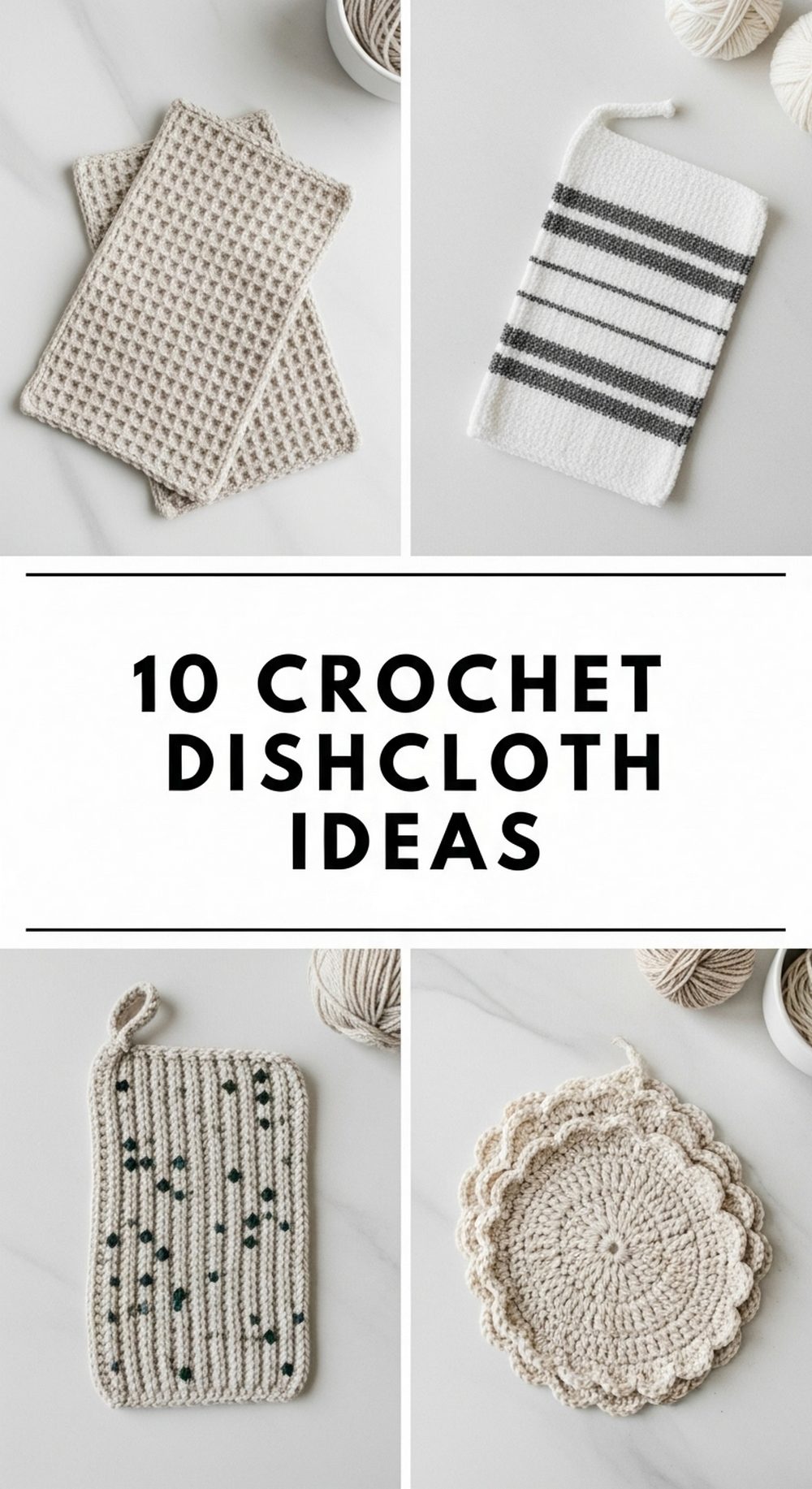
Crochet dishcloths are such a satisfying “use every day” project: small, quick, and perfect for trying new stitches without a huge yarn commitment. A stack of cotton cloths can cover everything from scrubbing pans to wiping counters or pairing with handmade soap as gifts. The ideas below mix beginner-friendly patterns with fun textures and different yarn weights so you can choose what fits your skill, stash, and sink. Pick one to batch-make, or try a new stitch each week and gradually refresh your whole kitchen drawer.
Cottage Comfort Textured Crochet Dishcloth
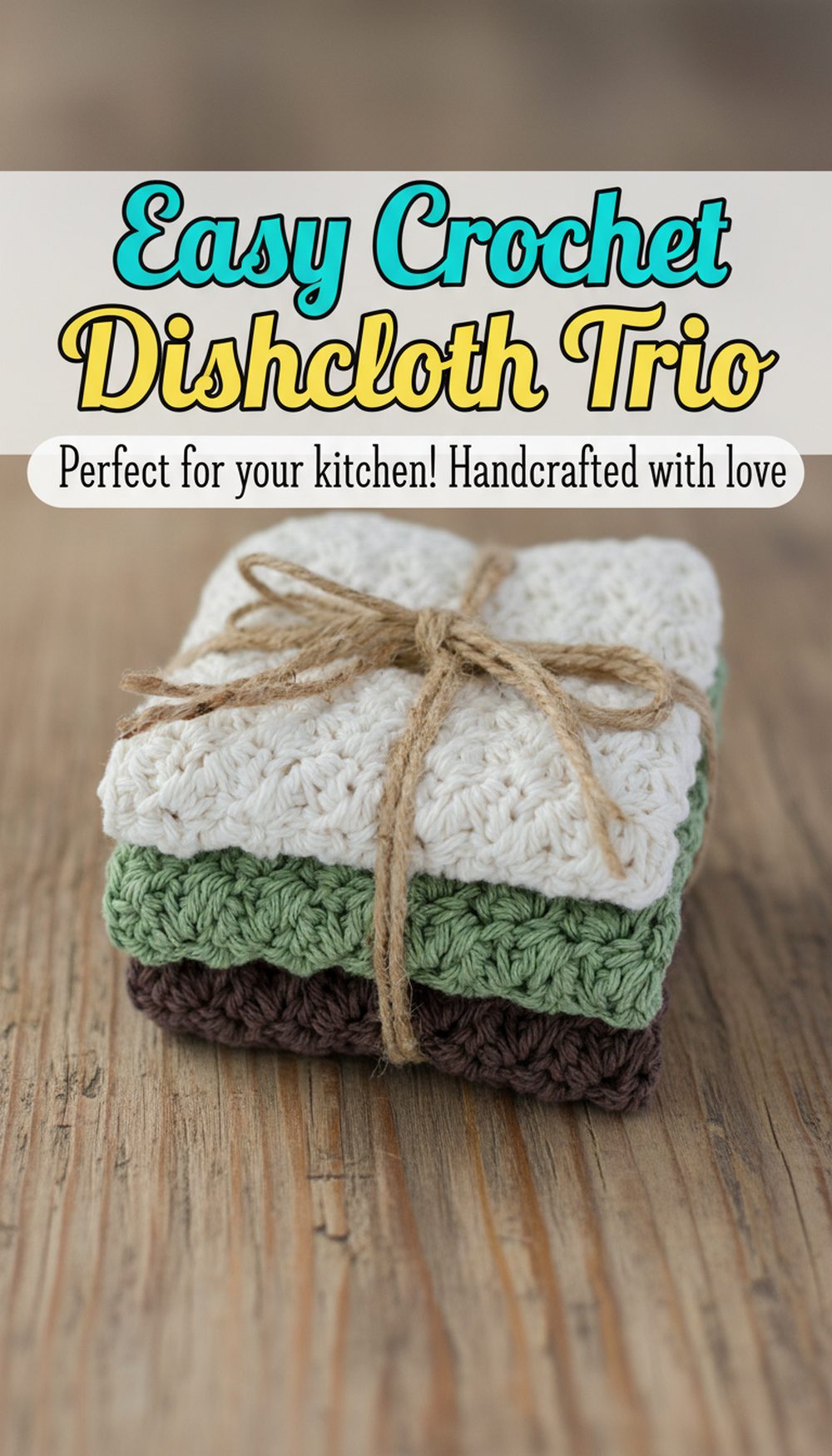
The Mama’s Easy Crochet Dishcloth is a classic textured square you can memorize fast and work on autopilot. It uses simple single crochet and a (sc, dc) combo to create a dense fabric that still drapes nicely. Cheryl shows it in ivory, green, and brown cotton, bundled with twine for gifting, but you can raid your Sugar ’n Cream stash for any palette you love. Make a neat stack for your own sink, then a matching set as a hostess gift from Crochet 365 Knit Too Tutorial
Supplies:
- Worsted weight cotton yarn (Lily Sugar ’n Cream or similar), ~1.75 oz per cloth
- 5.0 mm (US H/8) crochet hook
- Tapestry needle
- Scissors
Why it’s great: Easy, memorizable texture that looks fancier than the stitches actually are.
Cottage Comfort Textured Crochet Dishcloth
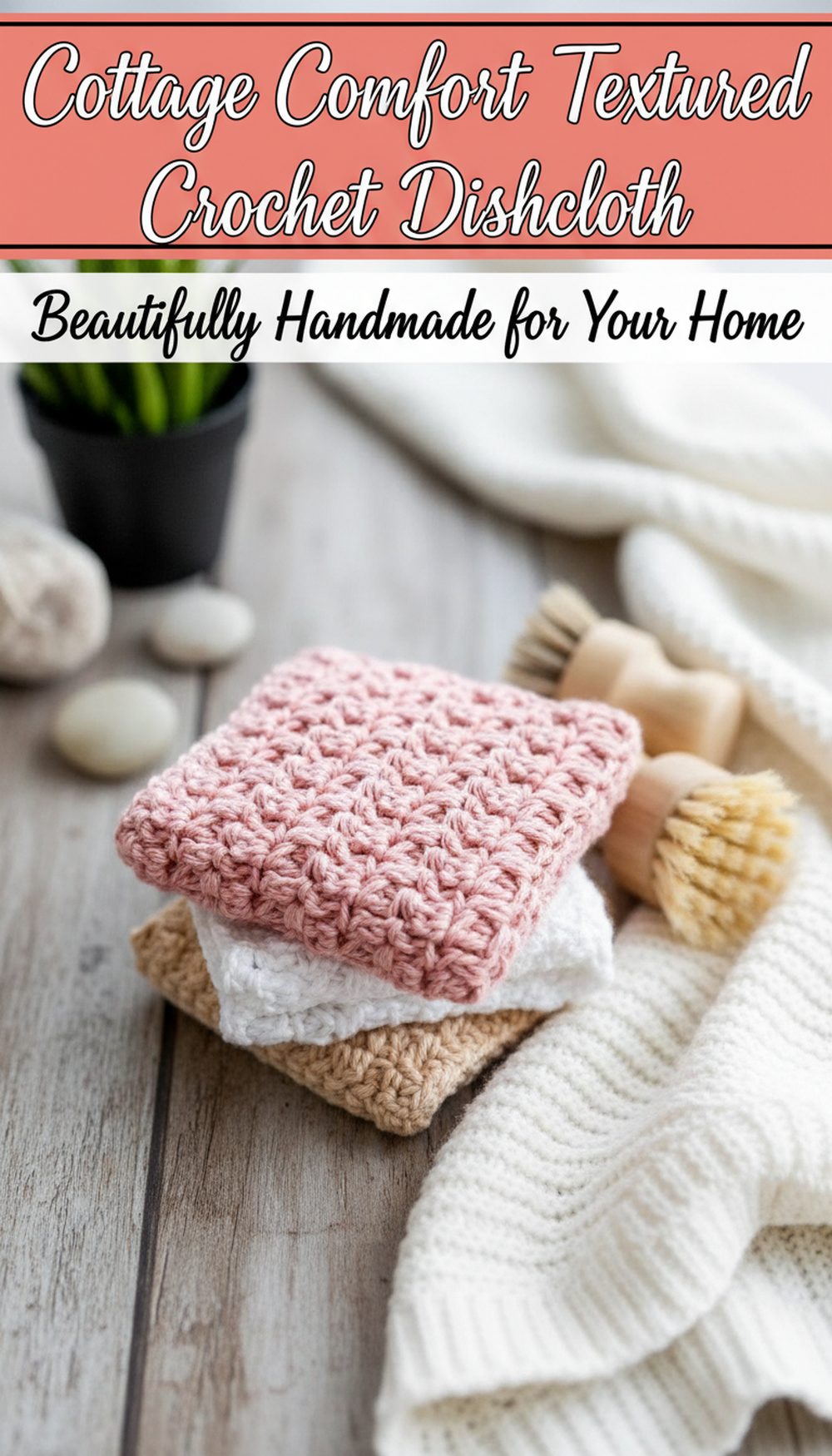
The Cottage Comfort Textured Crochet Dishcloth from Daisy Cottage Designs uses a cluster-and-double-crochet combo for a pretty, cottage-core grid. Worked in rows with front and back loop details, it has nice scrubby ridges without feeling too thick. Lauren’s samples in rosy pink, paper white, and light caramel cotton look beautiful stacked on a wood counter or draped over the sink. Chain any odd number to resize, then customize a set in your kitchen colors with the Cottage Comfort Textured Dishcloth pattern Tutorial
Supplies:
- Worsted weight cotton yarn (I Love This Cotton, Paintbox Cotton Aran, ~90 yds)
- 5.5 mm (I/9) crochet hook (go smaller if you crochet loosely)
- Tapestry needle
- Scissors
Why it’s great: Pretty, giftable texture that still holds up to everyday scrubbing.
Newbury Bulky Crochet Dishcloth
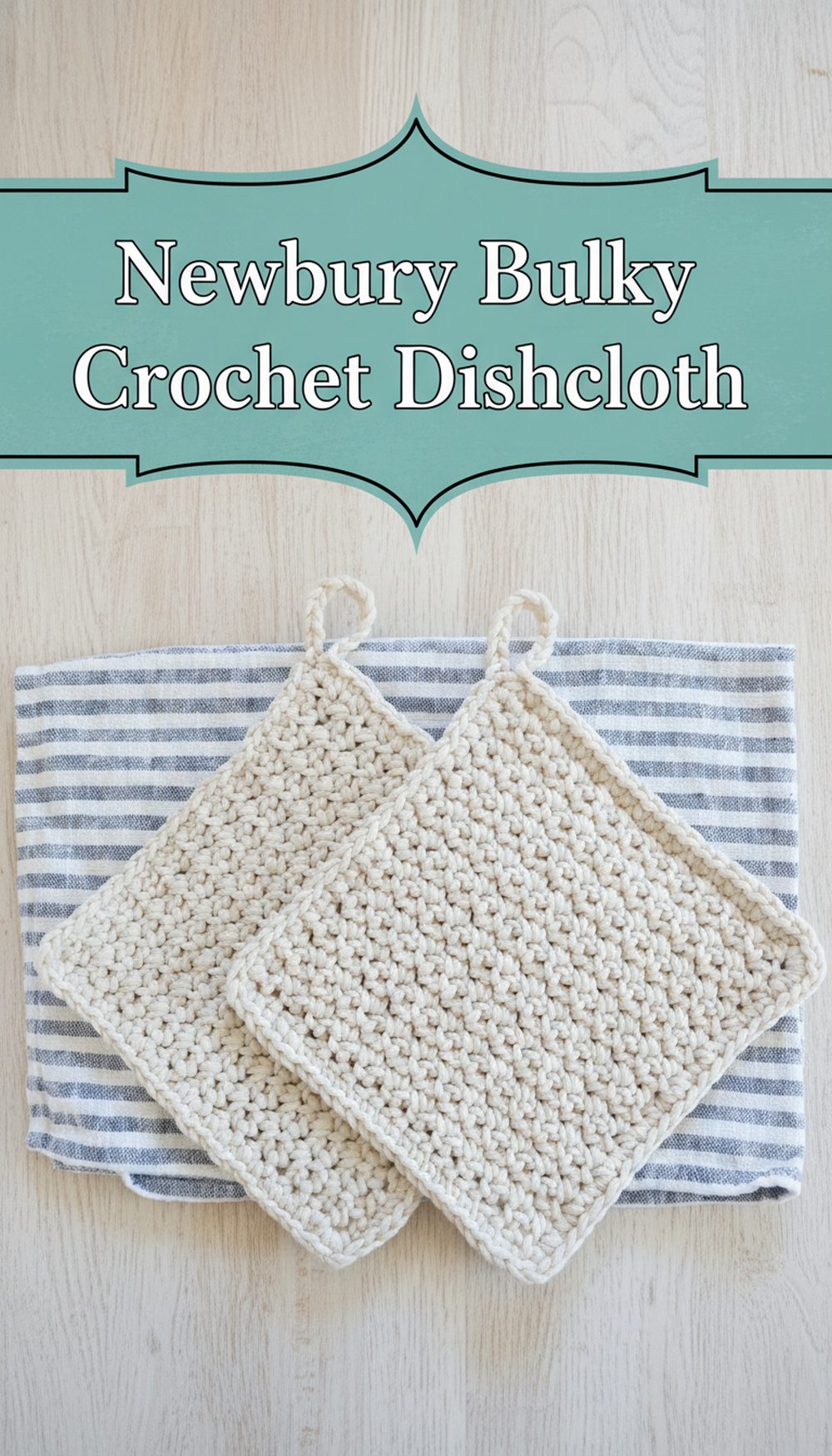
The Newbury Crochet Dishcloth from A Box of Twine is perfect when you want thick texture fast. It uses Bernat Maker Home Dec (bulky cotton cord) in a creamy neutral, worked in a simple repeat for just 15 rows plus a single-crochet border. The result is a plush, spring-cleaning-ready cloth that finishes in under 30 minutes. Add the little hanging loop to dry it neatly between uses, and keep the pattern handy whenever you need a quick housewarming add-on from the Easy Beginner Crochet Dishcloth Pattern Tutorial
Supplies:
- Bulky weight cotton cord yarn (Bernat Maker Home Dec, color “Cream”, ~35–40 yds)
- 6.0 mm (J) crochet hook
- Tapestry needle
- Scissors and optional stitch markers
Why it’s great: Thick, absorbent, and extremely fast—ideal for beginners and bulk-making.
Diagonal Texture Crochet Dishcloth

Maria’s Blue Crayon shares an Easy Textured Crochet Dishcloth built on diagonal rows worked in the back loop, creating gorgeous ridges across the square. You start at a corner, increase to size, then decrease back down, which helps it stay more square and prevents the “accordion” effect. It’s a great stash-buster for random cotton skeins and works nicely doubled as a hot pad. Once you’ve tried one, you can batch a set using her Easy Textured Dishcloth pattern Tutorial
Supplies:
- Worsted weight cotton yarn (various brands, leftover skeins work well)
- 5.0 mm (H) crochet hook
- Tapestry needle
- Scissors
Why it’s great: Diagonal back-loop texture looks fancy but uses just single crochet.
Little Pebbles Sport-Weight Crochet Dishcloth
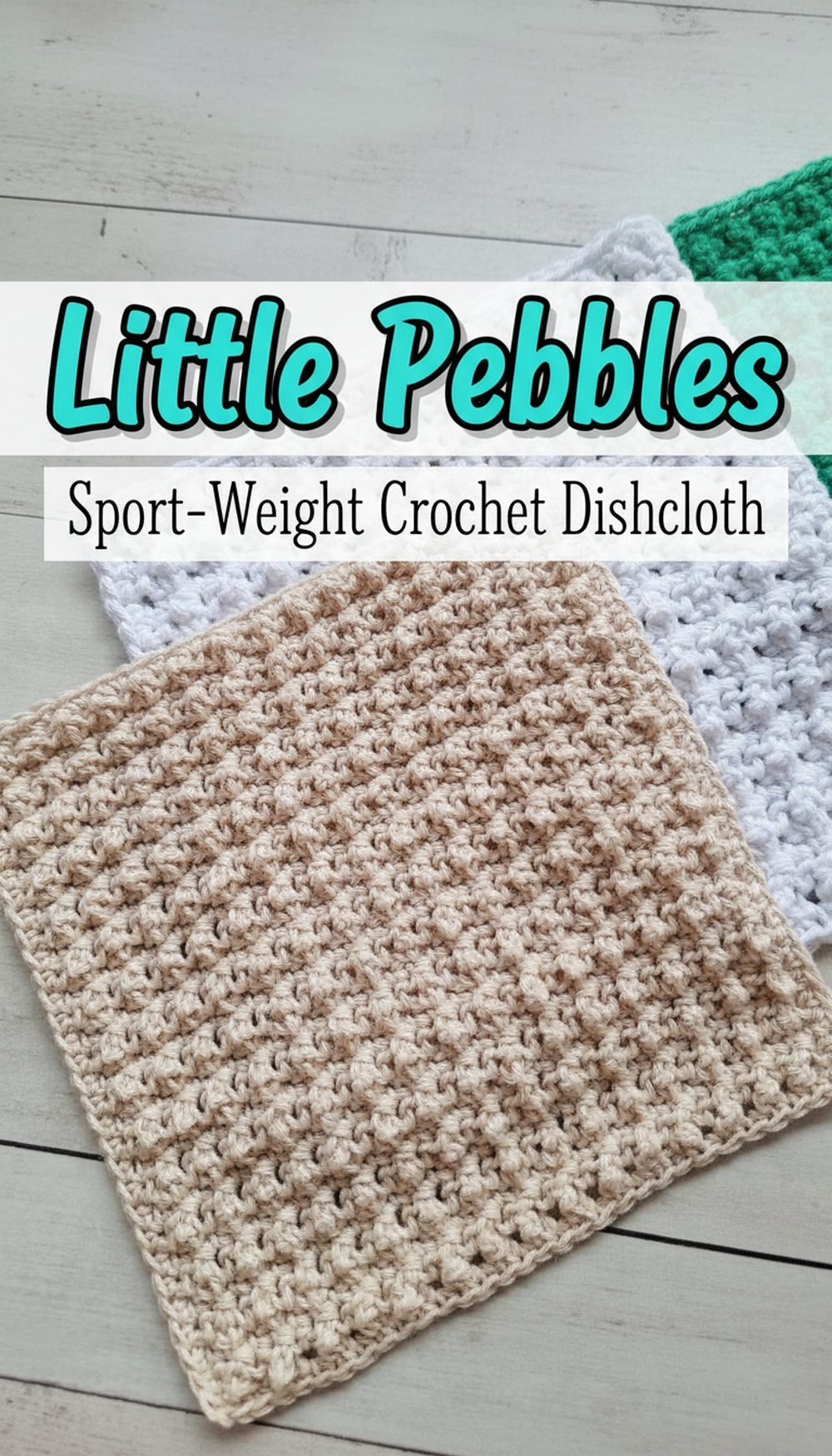
EyeLoveKnots’ Sport Weight Little Pebbles Washcloth gives you a lighter, drapier cloth that still has great scrubby texture. Using sport-weight cotton and a combo of single and treble crochet, it mimics an even berry stitch without the flattening issues, and the pattern includes seven sizes so you can tailor cloths for face, body, or dishes. The sample set in crisp white and navy looks especially fresh in a modern kitchen, and the post includes lots of yarn suggestions and care tips in the Sport Weight Textured Dish Cloth tutorial Tutorial
Supplies:
- Sport-weight cotton yarn (e.g., Queensland Coastal Cotton Fine or similar)
- 3.5–4.0 mm crochet hook (per yarn label)
- Tapestry needle
- Scissors and optional tape measure
Why it’s great: Slimmer fabric that dries quickly but still feels textured and spa-like.
Moss Stitch Striped Crochet Dishcloth
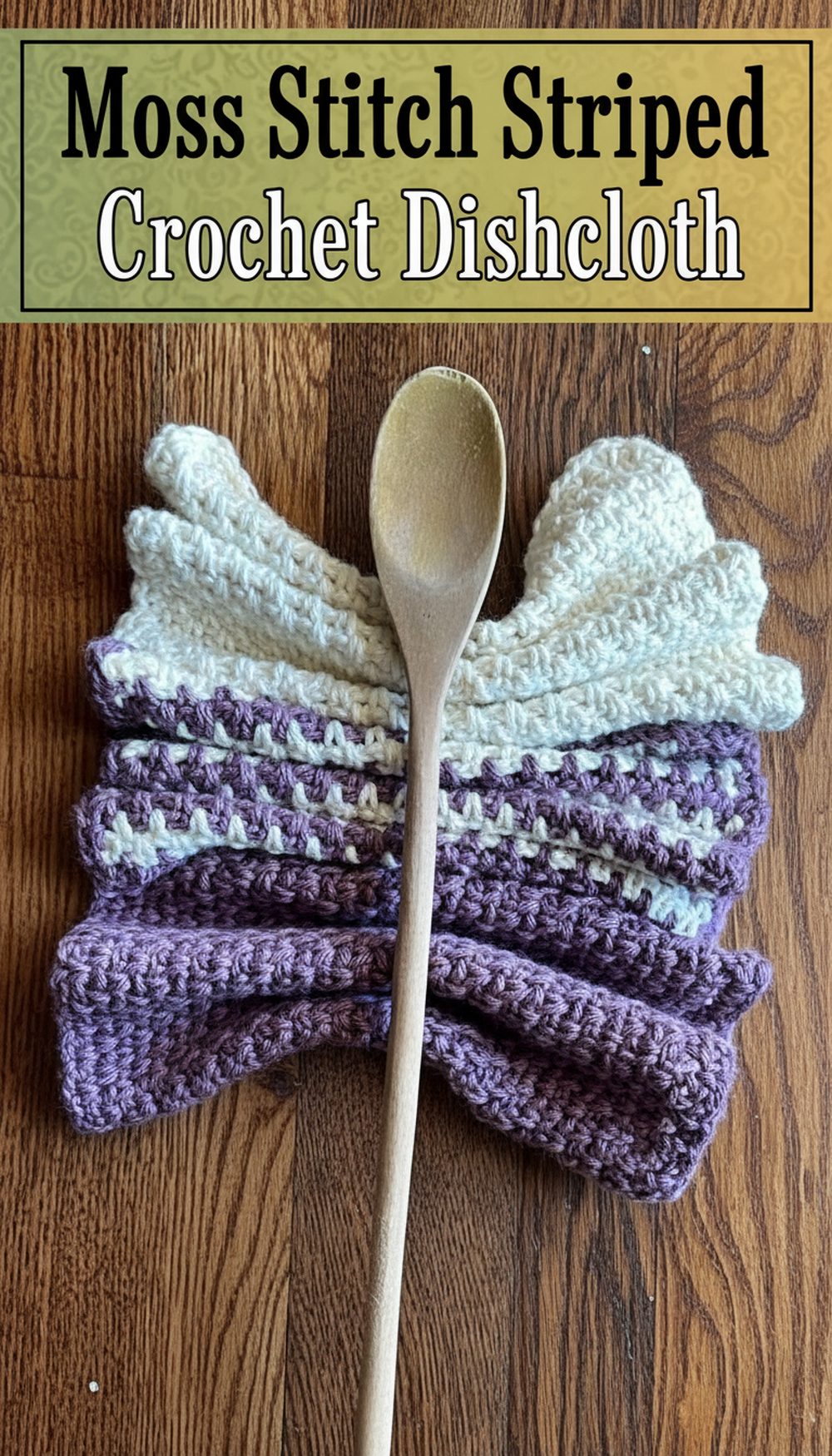
The Moss Stitch Crochet Washcloth by Juniper & Oakes is perfect if you love neat, woven-looking fabric. Worked in moss stitch (sc, ch-1) with color changes every couple of rows, it creates subtle stripes and a stretchy, thirsty cloth. Erin’s version uses simple cotton yarn with a slim border, and the post includes a video if you’re new to this stitch. Chain to the width you like, then keep repeating rows until you have your ideal size following the Moss Stitch Washcloth tutorial Tutorial
Supplies:
- Worsted weight cotton yarn in two coordinating colors
- 5.0 mm (H) crochet hook (or size to get fabric you like)
- Tapestry needle
- Scissors
Why it’s great: Relaxing, one-row repeat with lovely drape and easy striping options.
Berry Stitch Cotton Crochet Dishcloth
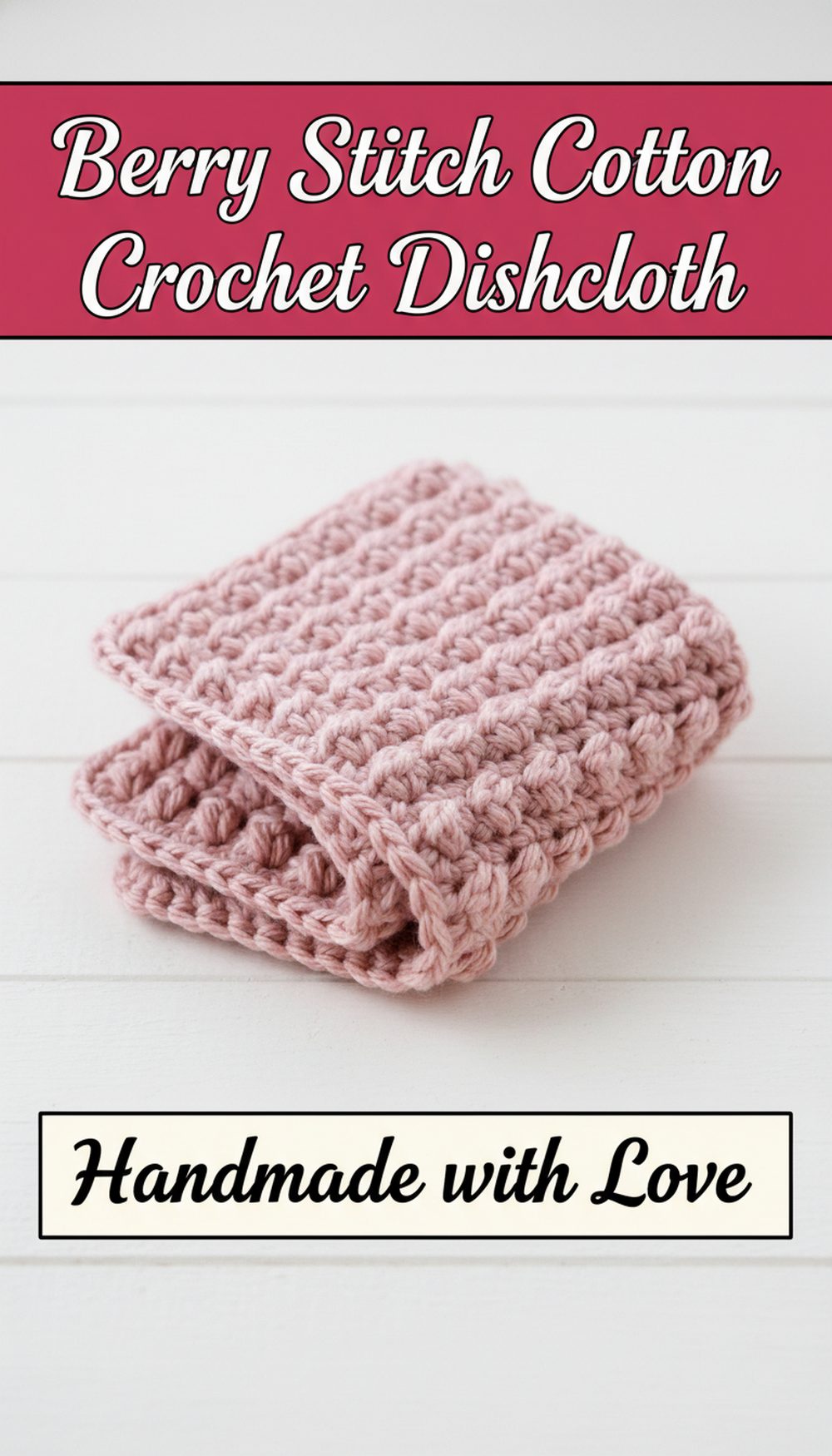
The Cozy Knot’s Easy Berry Stitch Cotton Cloth uses sweet berry stitches alternated with single crochet for a dense, bumpy texture that’s great for face or dishes. The cloth measures about 7 x 7 inches and is worked flat with a simple single-crochet border. Tanya designed it with I Love This Cotton for a farmhouse-style vibe and sells finished cloths paired with handmade soap—copy that idea for simple gifts. Customize the size by adjusting chains and rows in the Easy Berry Stitch Cotton Cloth pattern Tutorial
Supplies:
- Worsted weight cotton yarn (I Love This Cotton or similar, 1 skein makes 2 cloths)
- 4.0 mm crochet hook
- Tapestry needle
- Scissors
Why it’s great: Squishy berry texture feels luxurious but is still beginner-friendly.
Neutral Hemp-Look Crochet Dishcloth
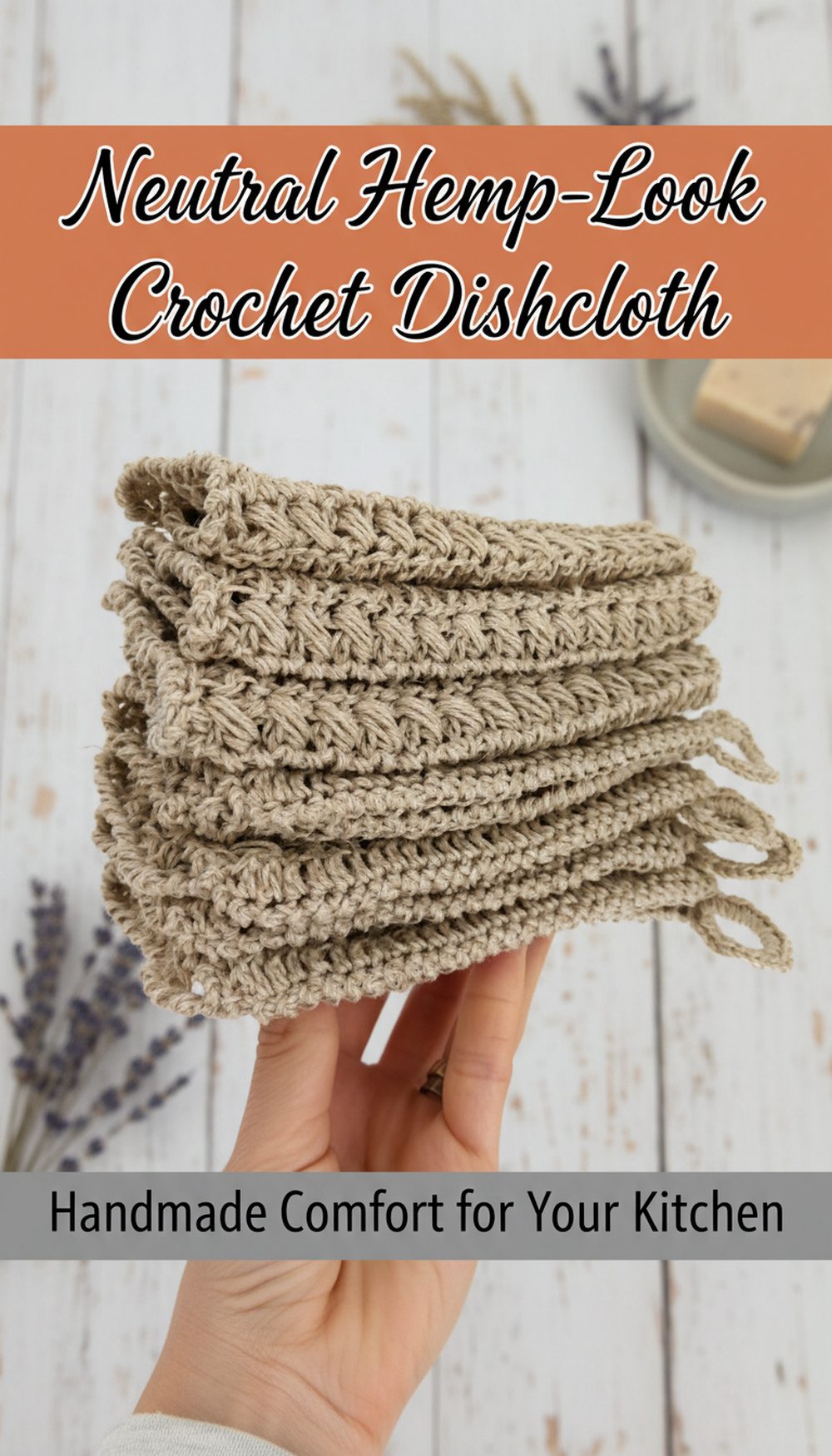
If you like a more rustic, low-waste vibe, the Textured Dishcloth Crochet Pattern from byGoldenberry is made for plant-based yarns like hemp, nettle, or sport-weight organic cotton. The pattern uses a mix of stitches (including puff-like details and crab stitch edging) to create a beautifully textured cloth that looks boutique-worthy. The sample stack of neutral cloths proves how good these look in minimalist kitchens. Make a set in beige, stone, and cream following the Textured Free Dishcloth Crochet Pattern Tutorial
Supplies:
- Sport-weight hemp, nettle, or organic cotton yarn
- 3.0 mm crochet hook
- Darning/tapestry needle
- Scissors
Why it’s great: Eco-leaning fibers plus pretty texture for serious scrubbing power.
Slanted Ridge Textured Crochet Dishcloth

Pattern Princess’s Easy Textured Crochet Dishcloth uses the slanted ridge stitch (double crochet with front post double crochet) to create diagonal lines across a sturdy cotton square. Designed for Lion Brand 24/7 Cotton, it holds up to constant washing and looks polished enough for gifting. Each 9″ x 9″ dishcloth uses about 80–85 yards, so two pop out of one skein. Make them in Ecru and Camel for a chic neutral set using the Easy Textured Crochet Dishcloth Free Pattern Tutorial
Supplies:
- Worsted weight 24/7 Cotton (colors Ecru, Camel, ~85 yds per cloth)
- 5.5 mm (I) crochet hook
- Tapestry needle
- Scissors
Why it’s great: Diagonal ridges look modern and add extra scrubbing texture.
Simply Textured Everyday Crochet Dishcloth
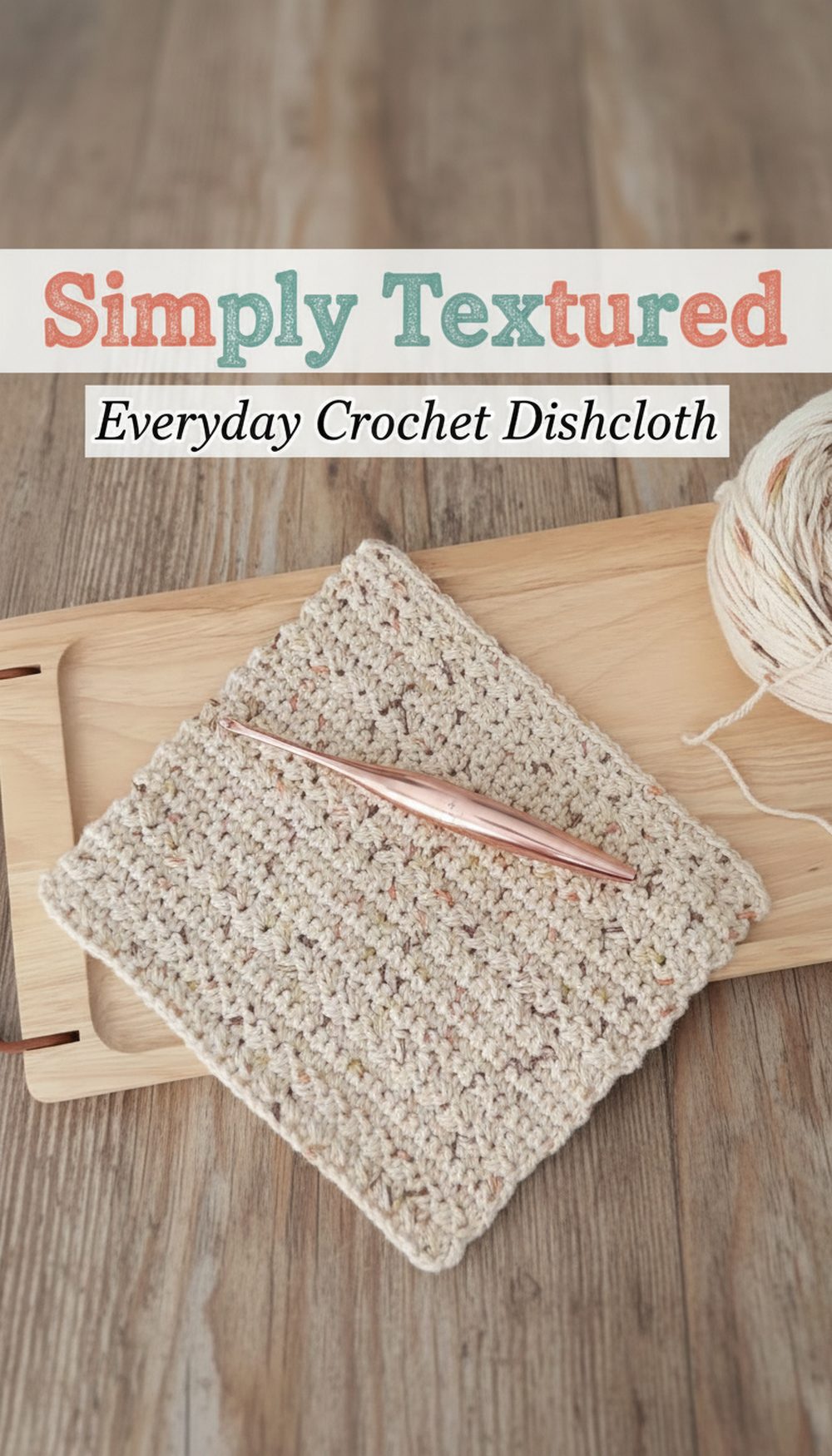
The Simply Textured Crochet Dishcloth from Crafty Bones is designed as that go-to pattern you’ll return to constantly. It uses worsted cotton and a 4.5 mm hook, working simple repeats that create nubbly texture by stitching back into skipped stitches. This makes a soft but sturdy square that’s great for day-to-day kitchen cleanup or easy gifting. The blog post walks through why the yarn choice matters and how to customize colors so your set matches any kitchen using The Simply Textured Dishcloth tutorial Tutorial
Supplies:
- Worsted weight cotton yarn (any kitchen-friendly brand)
- 4.5 mm crochet hook
- Tapestry needle
- Scissors
Why it’s great: A soft, practical workhorse pattern that still looks thoughtfully textured.
Conclusion
Dishcloths are the perfect “use it tomorrow” kind of crochet project: quick to finish, easy to gift, and endlessly useful around the house. Start with one pattern that fits your yarn stash and skill level, then slowly build a little collection of textures you love to reach for at the sink. Feel free to bookmark this list or share it with a friend—kitchen chores feel nicer with handmade cotton in your hands.
FAQs
1. What yarns work best for crochet dishcloths?
100% cotton is the classic choice because it’s absorbent, durable, and handles hot water well. Mercerized cotton (like 24/7 Cotton) is a bit sleeker and shinier; regular kitchen cotton is more matte and grippy. Plant fibers like hemp, nettle, and linen blends also work beautifully for more scrubby cloths. Avoid pure acrylic for dishcloths—it doesn’t absorb water well and can soften or melt around high heat.
2. Can I machine-wash crochet dishcloths, and how should I dry them?
Yes. Most cotton dishcloths can go straight into the washing machine with towels on warm or hot. Use a mesh bag if your washer tangles things. For drying, tumble on low or medium or lay flat if you’re worried about stretching—especially for larger, looser cloths. Avoid fabric softener if you want maximum absorbency, and make sure cloths dry fully between uses to prevent musty smells.
3. How do I make a dishcloth pattern bigger or smaller?
You can scale by yarn, hook, or stitch count. To size up, use thicker yarn and a larger hook, or add chains to the starting width (keeping any required stitch multiple). To size down, use lighter yarn, a smaller hook, or subtract chains. For corner-to-corner or diagonal patterns, work more increase rows before you start decreasing for a larger cloth, and fewer for a smaller one.
4. Which fibers are safest for hot dishes and heavy scrubbing?
For hot water, hot plates, and heavy scrubbing, stick to cotton or other plant fibers like hemp and linen. They tolerate heat and friction better than synthetic fibers. Still, avoid using crochet cloths directly under oven-hot pans—use them for warm dishes or as general cleaning cloths, not as pot holders unless the pattern specifically intends that and you double the thickness.
5. How can I make joins and edges more durable?
Use single crochet or slip-stitch borders to firm up edges. Work 3 stitches into each corner of your border round so the corners don’t curl. When changing colors, weave ends back and forth through several inches of stitches instead of just knotting. For cloths that will be wrung out often, keep the border snug (not loose chains) so it doesn’t flare or stretch out over time.
6. How much yarn and time do dishcloths usually take?
Most 8″–9″ worsted cotton dishcloths use 70–100 yards and take 45–90 minutes depending on your speed and the stitch pattern. Sport-weight or more intricate textures can use similar yardage but take a bit longer. Bulky cotton versions like the Newbury cloth use fewer rows and often finish in under 30 minutes but may use slightly more yardage per square due to thickness.
7. Any tips for photographing my crochet dishcloths?
Use indirect daylight near a window and a simple background: wood, white countertop, or plain towels. Show the cloth in use—draped over a sink, stacked with soap, or folded in a basket. Shoot from above and at a shallow angle to capture the Crochet texture clearly. Avoid busy patterns that compete with your stitches, and take at least one vertical shot if you like sharing on social media.
8. How do I fix curling or wavy dishcloth edges?
Curling often comes from tight edges or different tension between rows. One fix is blocking: lightly wet the cloth, shape it into a square, and pin it to dry flat. If borders flare and go wavy, your hook might be too large or you may be adding too many stitches per side—try a smaller hook for the border or work fewer stitches along each edge. Over time, washing and drying will also help cotton relax into shape.