Neutral crochet cardigans are especially useful for autumn because the color does not have to carry the whole design. Oatmeal, stone, mushroom, camel, warm gray, cream, espresso, and charcoal can leave room for ribbing, granny geometry, pockets, buttons, unusual construction, or surface texture to become the main feature.
The 14 ideas below cover much more than different shades of beige. There are long cardigans, cropped layers, chunky jackets, classic panel constructions, granny hexagons, a giant-square design, textured fabrics, and button-front options. Each one is paired with an original YouTube tutorial from a different creator.
Use the collection to compare silhouette and construction first, then decide whether a quiet solid, heathered neutral, or restrained tonal combination makes the most sense for your autumn wardrobe.
Quick List
- Crochet Tone-on-Tone Button Cardigan
- Crochet Longline Pocket Cardigan
- Crochet Chunky Knit-Look Cardigan
- Crochet Autumn Wheat Flat-Construction Cardigan
- Crochet Giant Granny Square Cardigan
- Crochet Long Ribbed Pocket Cardigan
- Crochet Herringbone Texture Cardigan
- Crochet Classic Granny Hexagon Cardigan
- Crochet Lemon-Peel Panel Cardigan
- Crochet Textured Pocket Cardigan
- Crochet Modern Button-Front Cardigan
- Crochet Ribbed Button-and-Pocket Cardigan
- Crochet Classic Basic-Stitch Cardigan
- Crochet Nova Treble-Stitch Cardigan
Build a Neutral Palette Without Making the Cardigan Look Flat
A neutral cardigan does not have to mean one uniform cream yarn. Texture, tonal contrast, and yarn character can create separation while keeping the garment understated. For a striped cardigan, for example, several related shades—such as ivory, oatmeal, taupe, and cocoa—can preserve the stripe layout without turning it into a high-contrast statement piece.
More heavily textured designs often need even less color variation. Ribbing, herringbone fabric, granny clusters, and raised details already create shadow, so one solid mushroom, camel, warm gray, or charcoal can be enough.
Also consider what you normally wear underneath. A cardigan intended for black trousers and dark denim may benefit from a lighter neutral, while cream tops and pale jeans give deeper browns or charcoal more visual separation.
Match Yarn Weight and Drape to How You Will Layer It
Autumn does not automatically mean the thickest yarn available. A super-bulky cardigan can make a substantial outer layer, while a DK-weight or more open fabric may be easier to wear indoors, under a coat, or during transitional weather.
Construction changes the equation too. Long lengths, pockets, collars, dense textures, and generous sleeves all contribute to the finished garment’s overall weight. A fiber or stitch combination that feels comfortable in a cropped cardigan can behave differently when extended into a knee-skimming or oversized shape.
Before committing to a substitute yarn, make a swatch and compare it with the tutorial or written pattern’s gauge information when provided. Check not only width but also whether the fabric bends, stretches, and recovers in a way that suits the intended silhouette.
Check Autumn Layering Fit Before You Start the Full Cardigan
Cardigan fit should be planned around what will actually sit underneath it. A close button-front layer worn over a thin tee needs different room through the chest and upper arm than a long cardigan intended to cover a sweater.
Useful wearable checkpoints include body measurements, intended ease, shoulder position, sleeve length, garment weight, drape, and edging tension. Compare those factors with the sizing information provided by the original designer rather than assuming the same labeled size will fit identically across all 14 tutorials.
Pay particular attention to blocked fabric. Crochet can change after blocking, and long or stretchy cardigans can behave differently once the full garment weight is present. When a creator supplies a schematic, gauge, or finished measurement chart, use those numbers rather than relying only on the size name.
1. Crochet Tone on Tone Button Cardigan
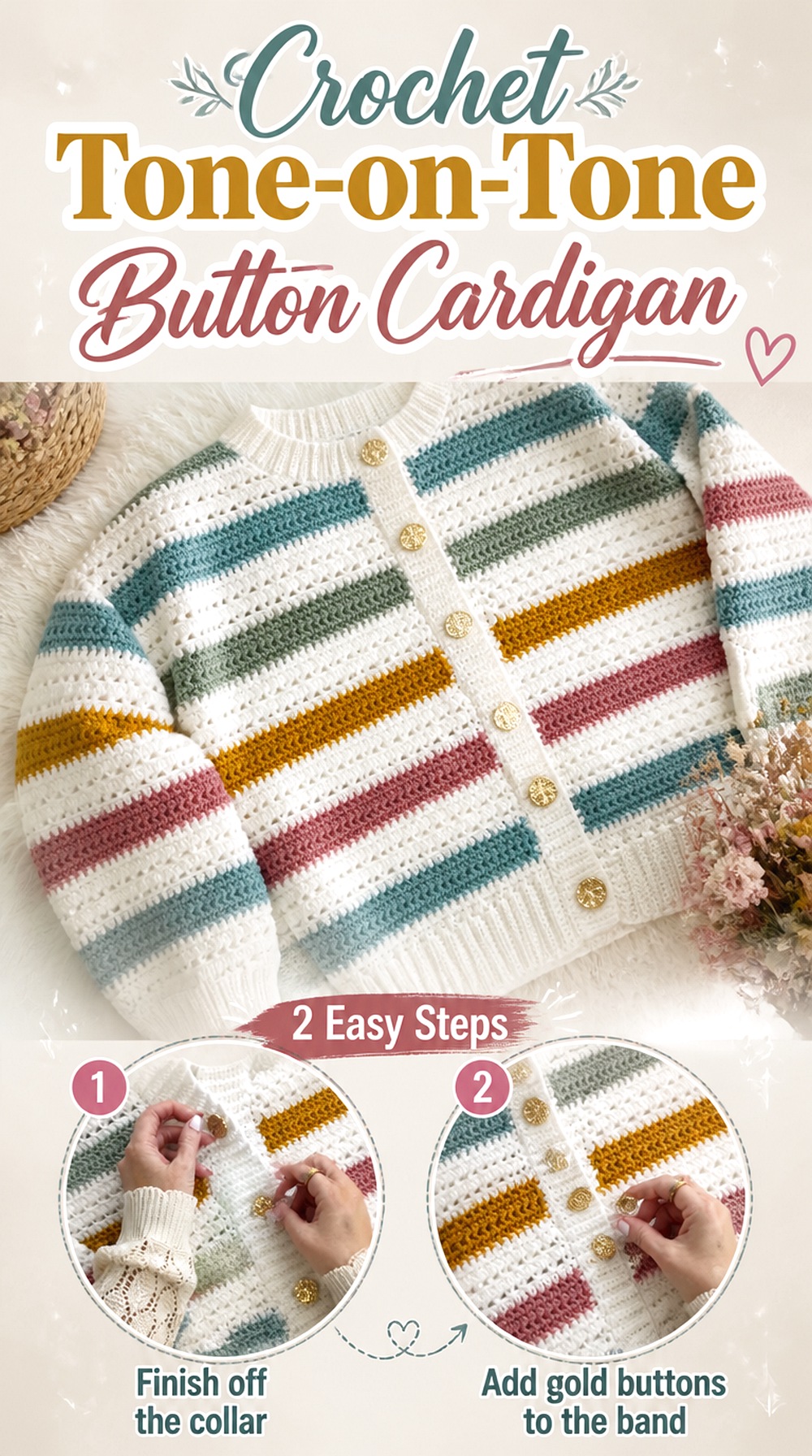
This cardigan is a strong starting point for a polished neutral wardrobe because its design combines a relaxed, slightly oversized silhouette with a button front, ribbed collar, subtle shoulder shaping, and striped detailing. The original MJ’s Signature Cardigan uses DK-weight yarn and is constructed flat in separate pieces, making the seams and shoulder treatment important parts of the finished shape.
For an autumn-neutral interpretation, the stripes could stay but shift into closely related shades rather than disappearing entirely. Think cream with oatmeal, mushroom with taupe, or light gray with charcoal. That keeps the horizontal rhythm visible while making the finished cardigan easier to coordinate.
Tone-on-Tone Stripes Keep the Detail Quiet
Replacing strongly contrasting stripes with related neutrals lets the stripe arrangement remain part of the design without making color the first thing you notice. Before buying yarn, place the candidate shades beside one another in daylight. If they are too similar, the stripe pattern may nearly disappear; if the values are far apart, the cardigan will read as a graphic color-blocked piece instead.
Shoulder Shaping Matters Under Autumn Layers
The source design includes shoulder shaping, which is worth paying attention to if the cardigan will be worn over shirts or lightweight sweaters. A roomy chest does not automatically guarantee comfortable shoulders. Compare the pattern’s finished measurements with the clothing you expect to wear underneath and check the shoulder area before completing all finishing.
Buttons Can Shift the Cardigan From Jacket to Layer
A functioning button front gives this style more options than an open-front cardigan. If you expect to close it regularly, button placement and front-band stability matter more than they would on a purely decorative cardigan. Choose buttons only after seeing the completed neutral fabric; subtle wood-look, matte, or tonal options will create very different emphasis.
Original Tutorial and Creator Credit
Creator: MJ’s Off The Hook Designs
2. Crochet Longline Pocket Cardigan
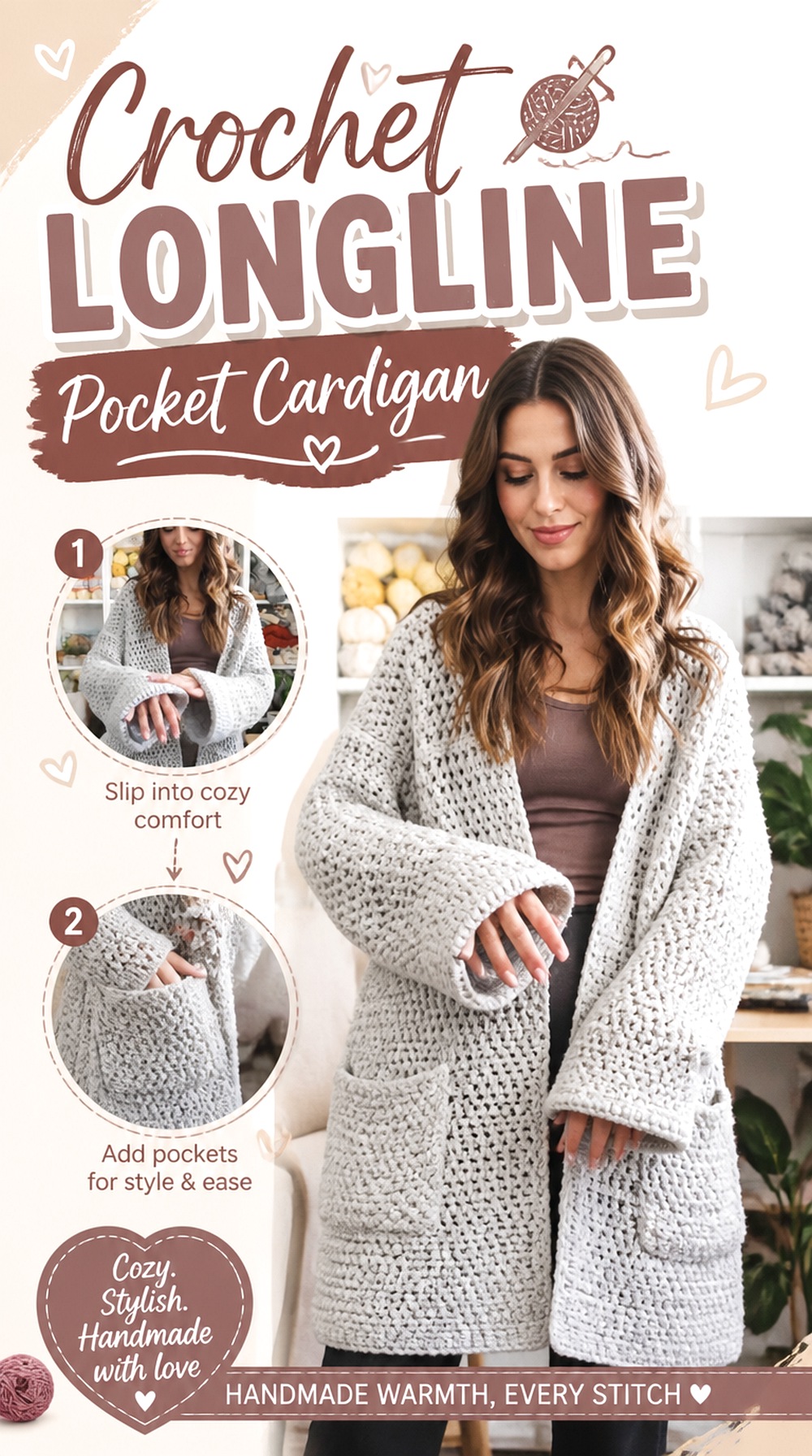
For more coverage, the Morning Mug Cardigan offers a noticeably different silhouette. The design is long, uses a stretchy fabric, and includes oversized cuffed sleeves and generous pockets, giving it the proportions of a relaxed outer layer rather than a short everyday cardigan.
That makes it particularly well suited to deep autumn neutrals such as espresso, warm charcoal, walnut, or muted taupe. A longer garment already makes a large visual statement, so one consistent color can be more than enough. Before choosing it, think about where you want the hem to fall and how much additional visual volume you want from the oversized sleeves.
Extra Length Makes Stretch More Important
A long crochet garment has more fabric hanging from the shoulders than a cropped one. The source specifically describes a stretchy stitch, so use the creator’s sizing information rather than planning length entirely from an unblocked piece. Check the fabric vertically as well as horizontally, particularly before making discretionary changes to length.
Oversized Cuffs Need Sleeve-Length Planning
Large folded cuffs are part of this cardigan’s character. If your usual preference is a sleeve ending precisely at the wrist, compare that expectation with the tutorial’s deliberately oversized treatment before starting. Shortening a sleeve conceptually is simple, but any alteration still needs to remain compatible with the creator’s construction and cuff instructions.
Large Pockets Change the Front Visually
The pockets occupy significant space on the long front panels. In a neutral color, they can become attractive blocks of texture rather than disappearing completely. Pinning or temporarily positioning pockets before permanent attachment is a useful general checkpoint because height can affect both reach and the visual balance of a long cardigan.
Original Tutorial and Creator Credit
Creator: Evelyn And Peter Crochet
3. Crochet Chunky Knit Look Cardigan
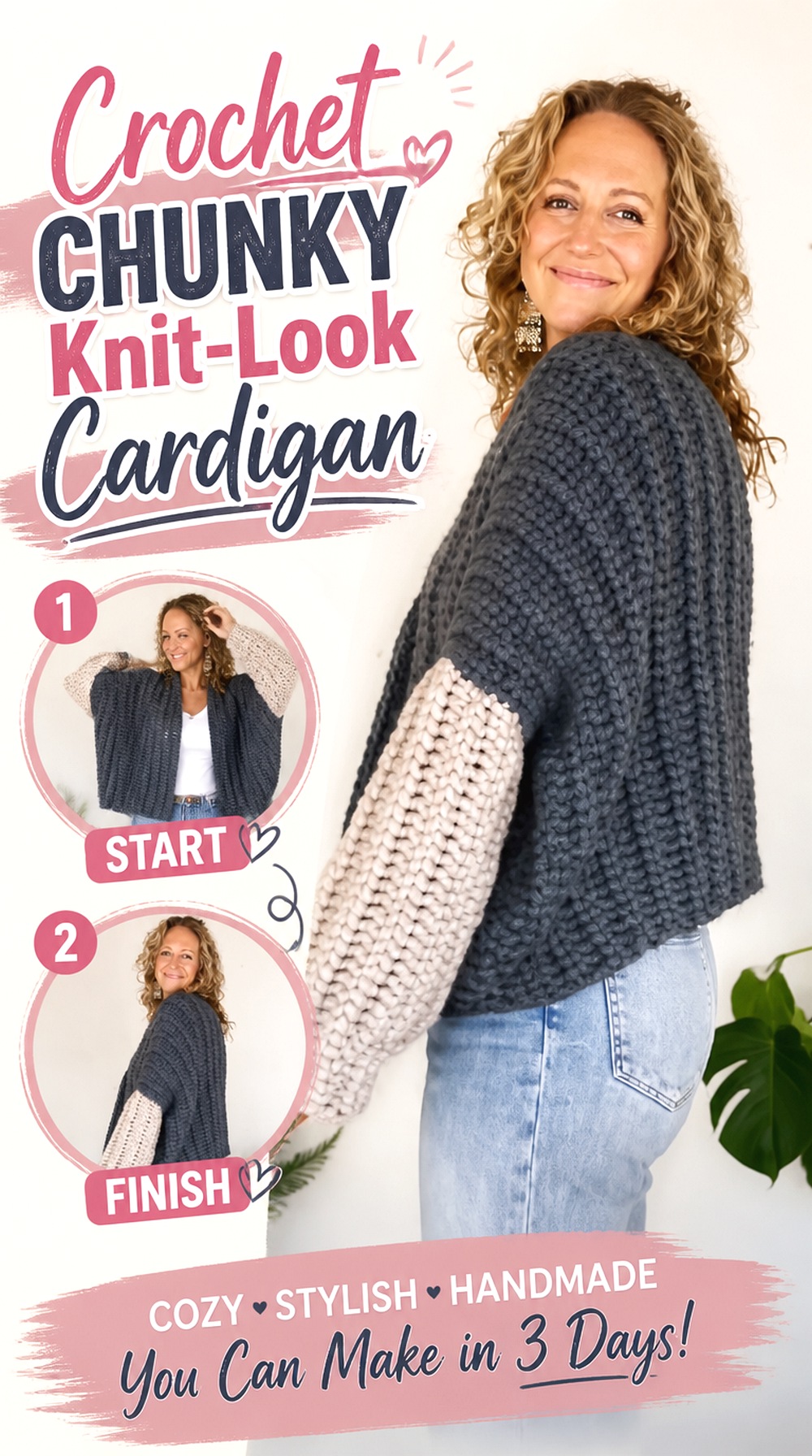
This oversized cardigan uses super-bulky yarn and combines a knit-like surface with pockets and buttons. The source design is deliberately substantial, making it a very different choice from the lighter DK cardigans in this collection.
A neutral version could lean into the outerwear feeling with fog gray, camel, cream, dark brown, or a restrained two- or three-tone arrangement. The larger stitches and thick fabric already supply plenty of visual presence. If you want an autumn cardigan that can serve as the dominant layer in an outfit, this construction deserves more consideration than a finer, less structured option.
Super-Bulky Yarn Makes Proportion More Noticeable
Thick yarn builds depth quickly, so collar width, sleeve volume, pockets, and overall ease can look more pronounced than they do in a lightweight cardigan. Follow the creator’s gauge information rather than selecting a hook solely because it normally works with the yarn category. A small gauge difference can scale up noticeably across a garment.
Neutral Blocking Can Calm the Chunky Silhouette
The original design demonstrates color blocking, but the concept does not require bright contrast. Cream with tan, charcoal with medium gray, or three neighboring brown shades can retain panel definition while creating a quieter wardrobe piece. A solid color is another option if the knit-like texture is the detail you most want to emphasize.
Stabilize the Functional Front Details
Pockets and buttons make this cardigan more functional, but they also put more attention on the front panels. Before finishing, check that both fronts hang to the same length and that the button area is not being distorted by tension. With thick yarn, small inconsistencies at an edge tend to be easier to see.
Original Tutorial and Creator Credit
Creator: Make & Do Crew
4. Crochet Autumn Wheat Flat Construction Cardigan
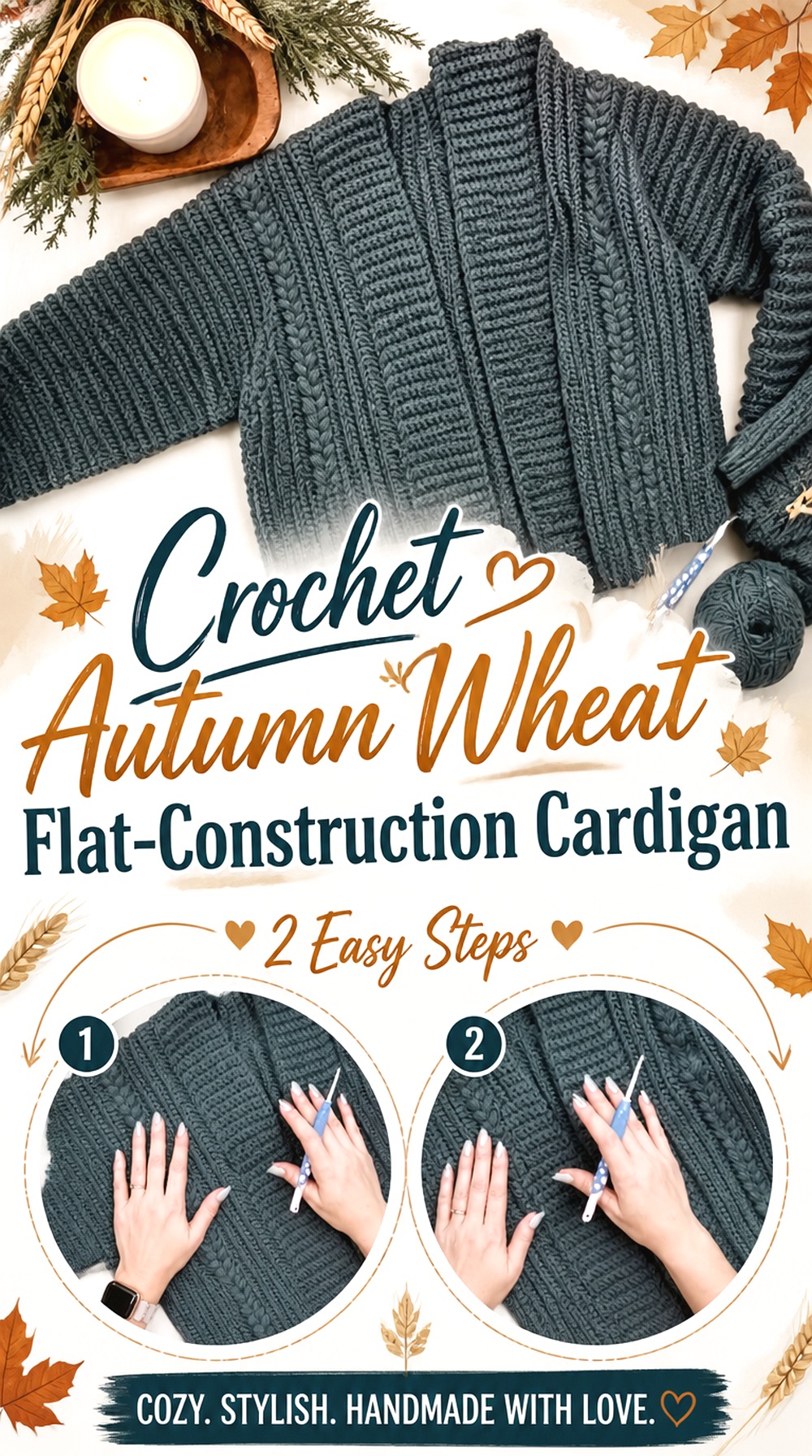
The Autumn Wheat cardigan takes a more streamlined route. Its designer presents it as a flat construction with a straightforward two-seam approach, which gives this idea a distinctly different planning process from multi-panel and motif-based cardigans.
A single wheat, stone, flax, sand, or mushroom shade fits the autumn theme particularly naturally here. Because the construction and surface treatment provide the interest, there is little need to introduce several colors. This is a useful choice for someone who likes the appearance of a conventional cardigan but wants to avoid a garment made from many separately constructed pieces.
Two-Seam Construction Changes Where You Check Fit
With fewer major seams, it becomes especially important to understand the dimensions of the flat fabric before folding and joining it. Compare width, sleeve reach, and body length against the designer’s sizing information while adjustments are still practical rather than assuming the final seams will correct an oversized or undersized piece.
Monochrome Lets Surface Detail Do More Work
An autumn wheat or light camel shade can highlight shadows in the crochet fabric without introducing competing motifs. If you prefer a cooler neutral, mushroom or warm gray can produce the same restrained effect. Swatching is useful here because heavily heathered yarn can soften subtle texture while a smoother solid yarn may define it more clearly.
Flat Fabric Benefits From a Pre-Assembly Check
Before final assembly, lay the garment section flat and compare corresponding areas. This is a useful moment to catch unexpected length differences or tension changes. If the selected fiber and designer instructions support blocking, shaping the piece before the final join can also make the assembly easier to evaluate.
Original Tutorial and Creator Credit
Creator: Briana K
5. Crochet Giant Granny Square Cardigan
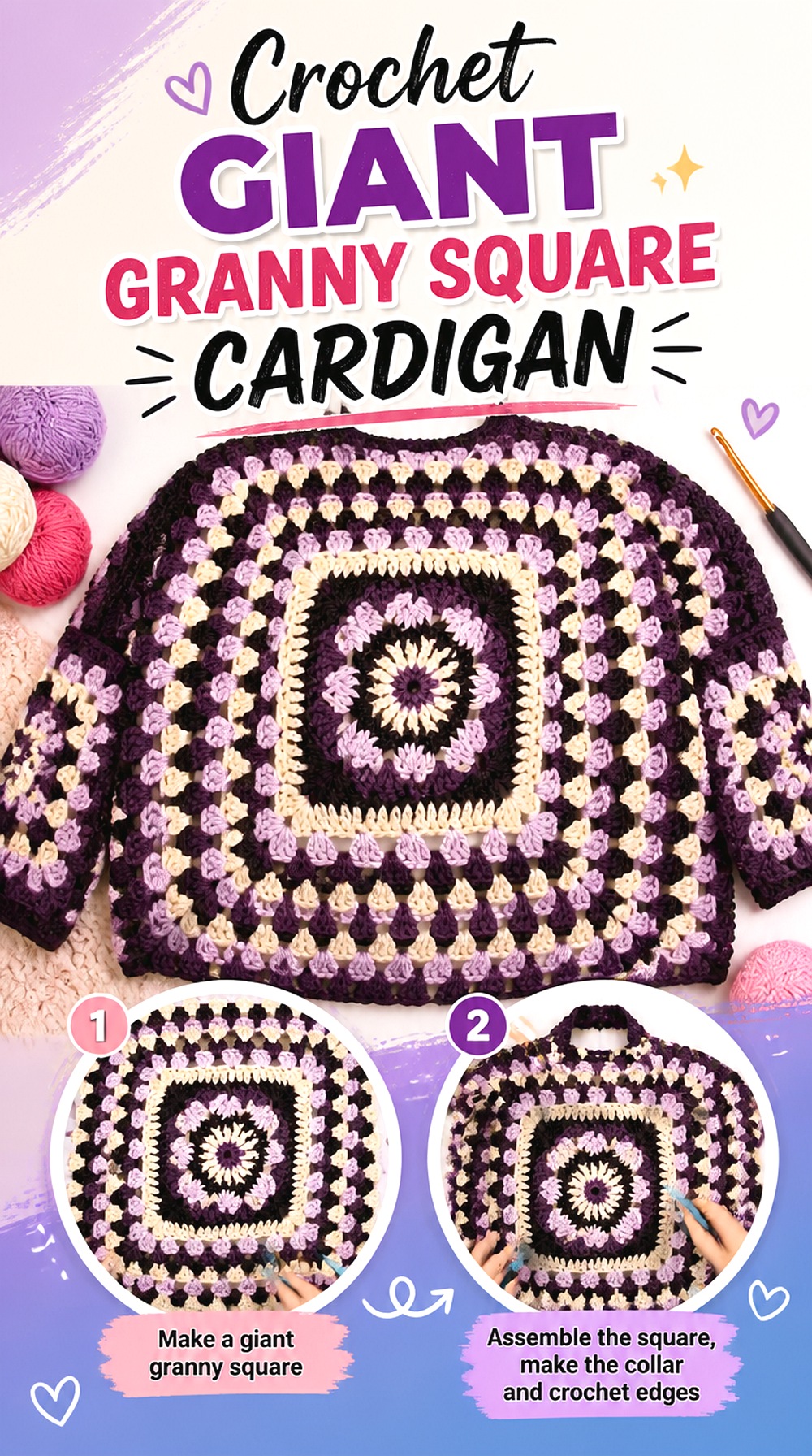
A giant granny-square cardigan turns familiar granny geometry into the main architectural feature of the garment. Rather than relying on small repeated squares, the source tutorial centers the design on a much larger granny-square format.
For a neutral autumn version, consider using the motif structure to create restrained rings of cream, oatmeal, camel, and brown, or work the entire concept in one shade so the cluster pattern is visible mainly through light and shadow. This option is most appealing if you want recognizable crochet character without the visual busyness that can come from dozens of individually colored motifs.
One Large Motif Becomes the Main Design Feature
When the scale of a granny motif increases, every color decision is repeated across a large area. Plan the palette before several rounds have been completed. A low-contrast sequence can preserve the circular expansion of the square while keeping it compatible with a neutral wardrobe.
Neutral Contrast Can Clarify the Granny Geometry
Using several neutrals does not mean they need equal contrast. An ivory-to-camel progression will produce a softer effect than cream paired with espresso. Photographing the yarns together in grayscale is one simple way to judge how strongly their light and dark values differ before committing.
Confirm the Finished Shape Instead of Assuming Standard Cardigan Fit
A cardigan built around giant granny geometry does not behave exactly like a traditionally shaped front-and-back garment. Pay close attention to the tutorial’s finished form and fit demonstration, especially around the arm area, back width, and opening. Choose it because you like that particular silhouette rather than trying to force it into the proportions of a tailored cardigan.
Original Tutorial and Creator Credit
Creator: Yarnspirations
6. Crochet Long Ribbed Pocket Cardigan
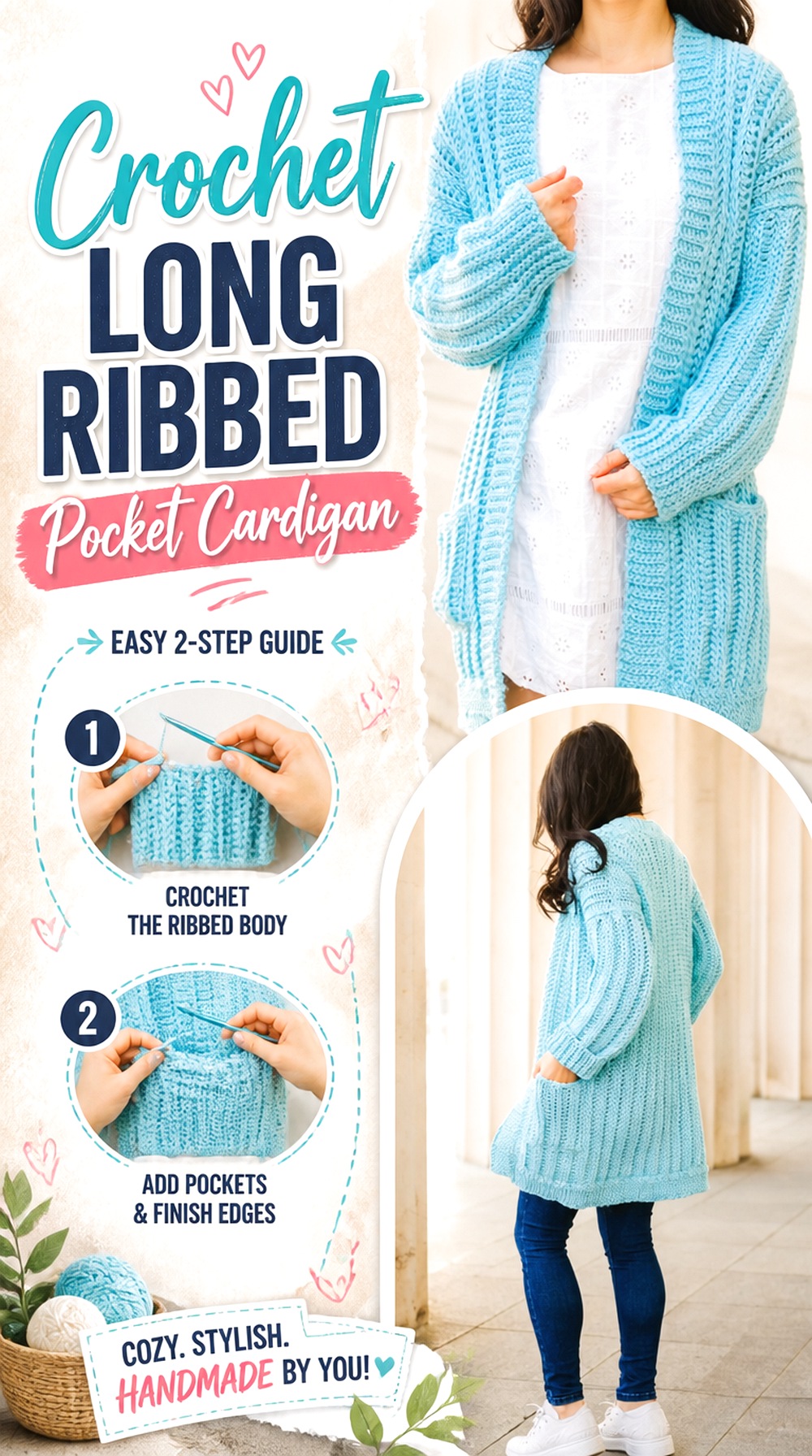
Strong vertical ribbing, a long silhouette, chunky fabric, and pockets give this cardigan an immediately autumnal shape. The For The Frills tutorial specifically presents it as a long ribbed cardigan with pockets and a chunky fall-sweater feel.
This design is a good candidate for a solid neutral because the ribbing supplies enough repetition to stop the surface from looking plain. Oatmeal creates a softer effect, camel emphasizes the traditional fall mood, and charcoal can make the long silhouette feel more streamlined. Compared with the Morning Mug option, the visual emphasis here is the ribbed vertical surface rather than oversized cuffs.
Long Ribbing Creates a Strong Vertical Direction
Continuous ribs naturally draw the eye along the length of the cardigan. If you add another neutral through pockets or edging, remember that contrast will interrupt those lines. A completely solid version will make the rib structure the clearest feature.
Pocket Height Should Follow the Final Garment Length
On a long cardigan, a pocket that looks well positioned while the piece is flat may feel too high or low when worn. If construction allows, check placement against the finished or nearly finished garment before committing. Comfort of reach matters as much as visual symmetry.
Chunky Yarn and Long Length Both Add Presence
This style combines two characteristics that can make a cardigan feel substantial: thicker fabric and extra length. If you prefer lighter layering, compare it carefully with the DK-weight and open-stitch options elsewhere in the list before choosing it simply because you like the ribbed appearance.
Original Tutorial and Creator Credit
Creator: For The Frills
7. Crochet Herringbone Texture Cardigan
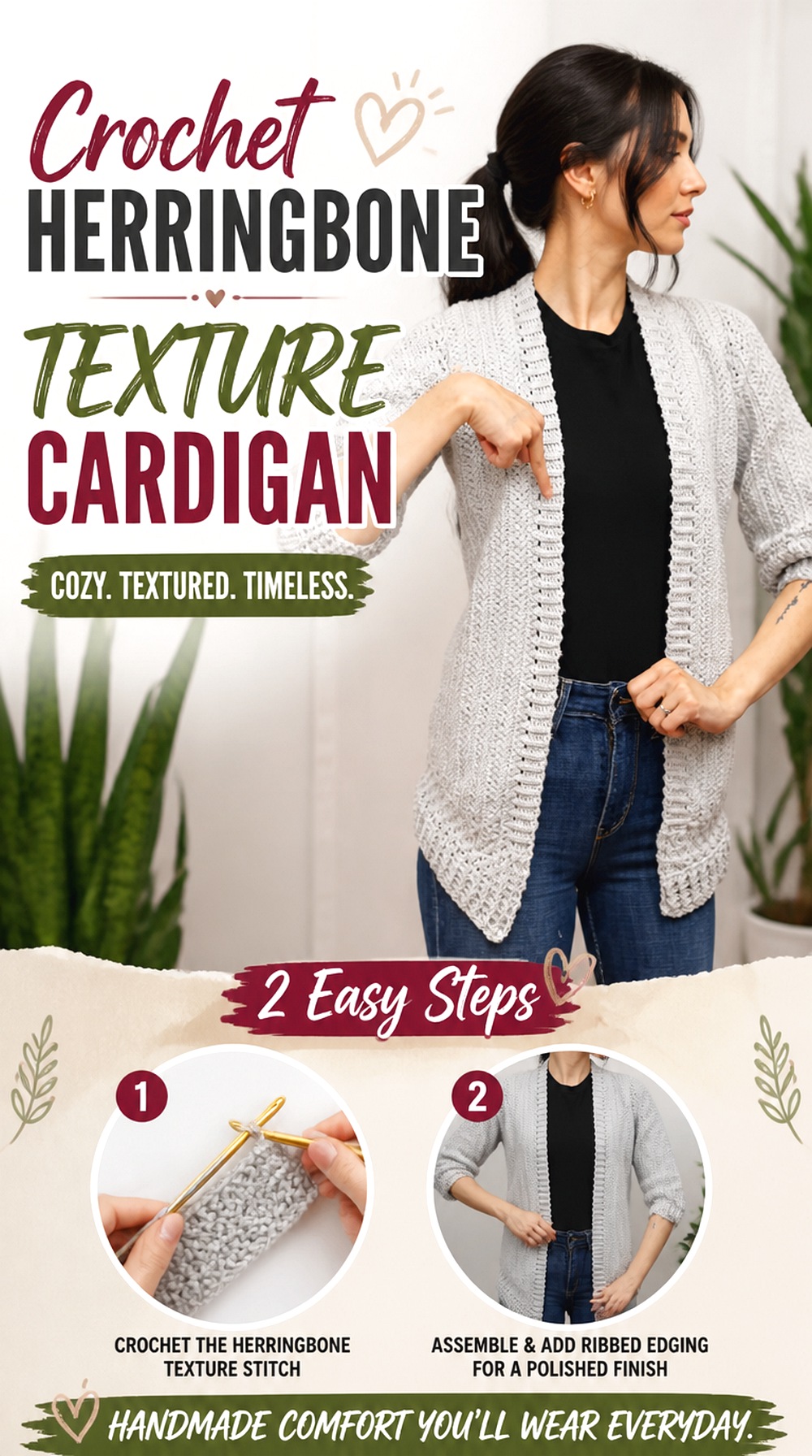
This cardigan uses herringbone crochet as its primary surface, then introduces contrasting alpine-stitch detail around parts of the garment. The source tutorial uses an elephant-gray yarn, which already demonstrates how well a neutral shade can work when stitch texture provides the visual interest.
Instead of adding more color, a neutral autumn version could stay entirely gray, shift toward warm mushroom, or use oatmeal with slightly darker bands. This design fits readers who want something more textural than a basic panel cardigan without moving into granny squares or patchwork.
Herringbone Gives the Surface a More Directional Look
The herringbone fabric creates recognizable movement even in one color. Because that directional texture is the point, check the swatch from several angles before choosing a highly fuzzy or irregular yarn. If stitch definition disappears, much of the design’s character can disappear with it.
Alpine Details Need Their Own Visual Space
The source includes alpine detail at the sleeves and lower area. That means you can create contrast through texture rather than color. A single solid neutral is particularly effective when you want viewers to notice the change in stitch surface instead of a separate stripe.
Gray Is Only One Route to a Quiet Autumn Cardigan
Elephant gray in the tutorial provides a clear neutral reference, but the same idea can move warmer with taupe, mushroom, camel, or soft brown. When substituting, match the required gauge and useful fabric properties rather than assuming every yarn of the same general color will behave alike.
Original Tutorial and Creator Credit
Creator: TCDDIY
8. Crochet Classic Granny Hexagon Cardigan
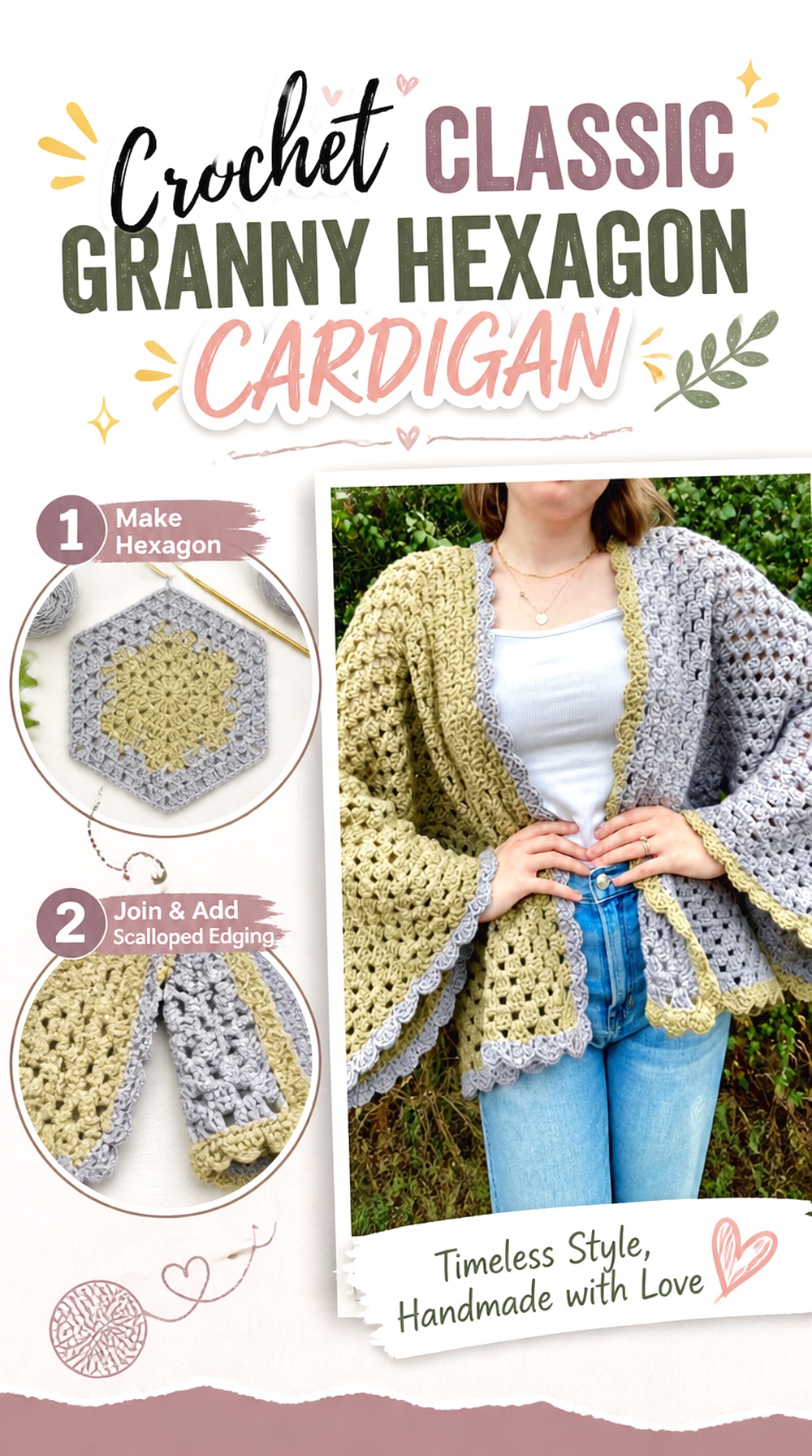
The granny hexagon cardigan creates its shape through expanding crochet geometry instead of conventional rectangular front, back, and sleeve panels. HayHay Crochet’s tutorial specifically demonstrates the classic granny hexagon cardigan and discusses adapting the concept to different sizes.
For autumn, a solid camel, warm cream, cocoa, or stone version can make the recognizable cluster construction feel calmer than a multicolor granny garment. A tonal approach also works well: alternating only two neighboring shades gives enough definition to show the growing hexagons while retaining a neutral overall appearance.
Hexagon Construction Produces a Distinct Relaxed Shape
The geometry naturally creates different proportions from a tailored cardigan. Look carefully at the finished sleeve and body shape in the tutorial before deciding it is the right fit. The appeal is precisely that relaxed construction, so it is better to choose it intentionally than to expect it to imitate a fitted panel cardigan.
Solid Neutrals Put More Attention on the Clusters
Granny crochet is often associated with frequent color changes, but the cluster pattern remains visible in a single shade. Solid mushroom or oatmeal can make the texture easier to pair with other clothes while also reducing the number of color decisions during planning.
Measure Before Extending the Hexagons
With expandable motif constructions, it is tempting to keep adding rounds until the piece “looks big enough.” Instead, compare the developing fabric with the creator’s sizing guidance and with your own layering needs. Check both body room and sleeve proportions because enlarging a geometric component can affect more than one area at once.
Original Tutorial and Creator Credit
Creator: HayHay Crochet
9. Crochet Lemon Peel Panel Cardigan
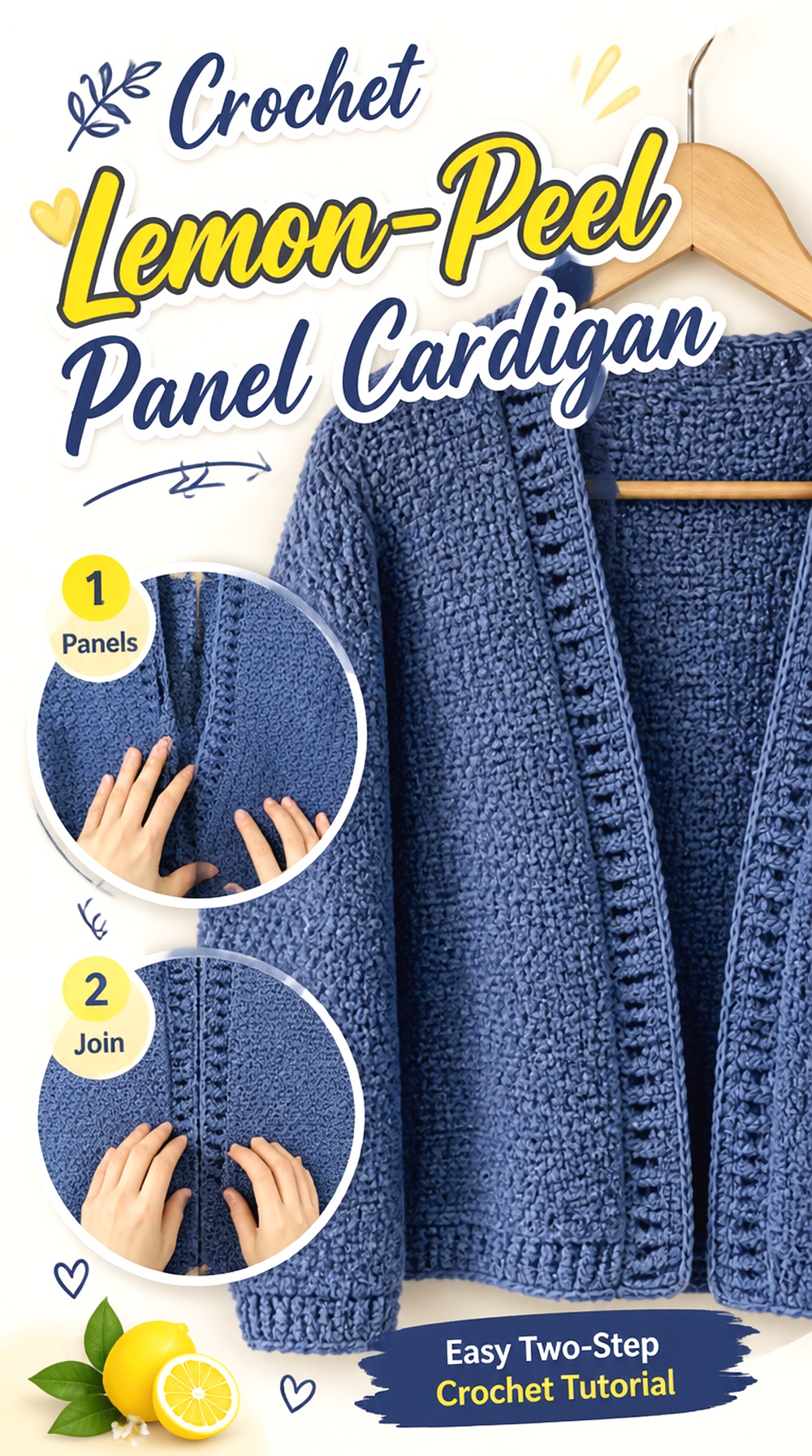
VivCrochets’ cardigan uses lemon-peel texture and is assembled from garment panels, with ribbed finishing adding structure around the edges. The source uses light/DK-weight cotton-acrylic yarn and describes sewing the pieces together, making it a noticeably lighter construction choice than the chunky cardigans above.
For an autumn neutral, this is a good place to use mushroom, greige, soft brown, or charcoal. The lemon-peel surface creates small-scale texture across a broad area, so one color will still have plenty of visual movement. It is particularly suitable for readers who want a recognizable everyday cardigan rather than an obviously motif-led crochet garment.
Lemon-Peel Texture Adds Interest Without Large Motifs
Small alternating texture makes the fabric look active up close but relatively quiet from a distance. That balance works well with neutral colors. Before substituting stitches, however, remember that stitch choice can change both gauge and drape, so follow the designer’s guidance if changing anything beyond color.
Lighter Yarn Can Make Transitional Layering Easier
The source uses a light/DK-weight yarn rather than the super-bulky yarn seen in some other options. If your autumn weather involves cool mornings and warmer afternoons, compare this kind of fabric with heavier alternatives. Fiber, density, and personal comfort still matter, so yarn category alone does not determine warmth.
Panel Seams Become Part of the Fit
The cardigan is built from separate sections that are sewn together. Before joining, compare corresponding panels and confirm that the shoulders and sleeve areas align as expected. Correcting a mismatch is much easier before all seams and ribbed finishing have been completed.
Original Tutorial and Creator Credit
Creator: VivCrochets
10. Crochet Textured Pocket Cardigan
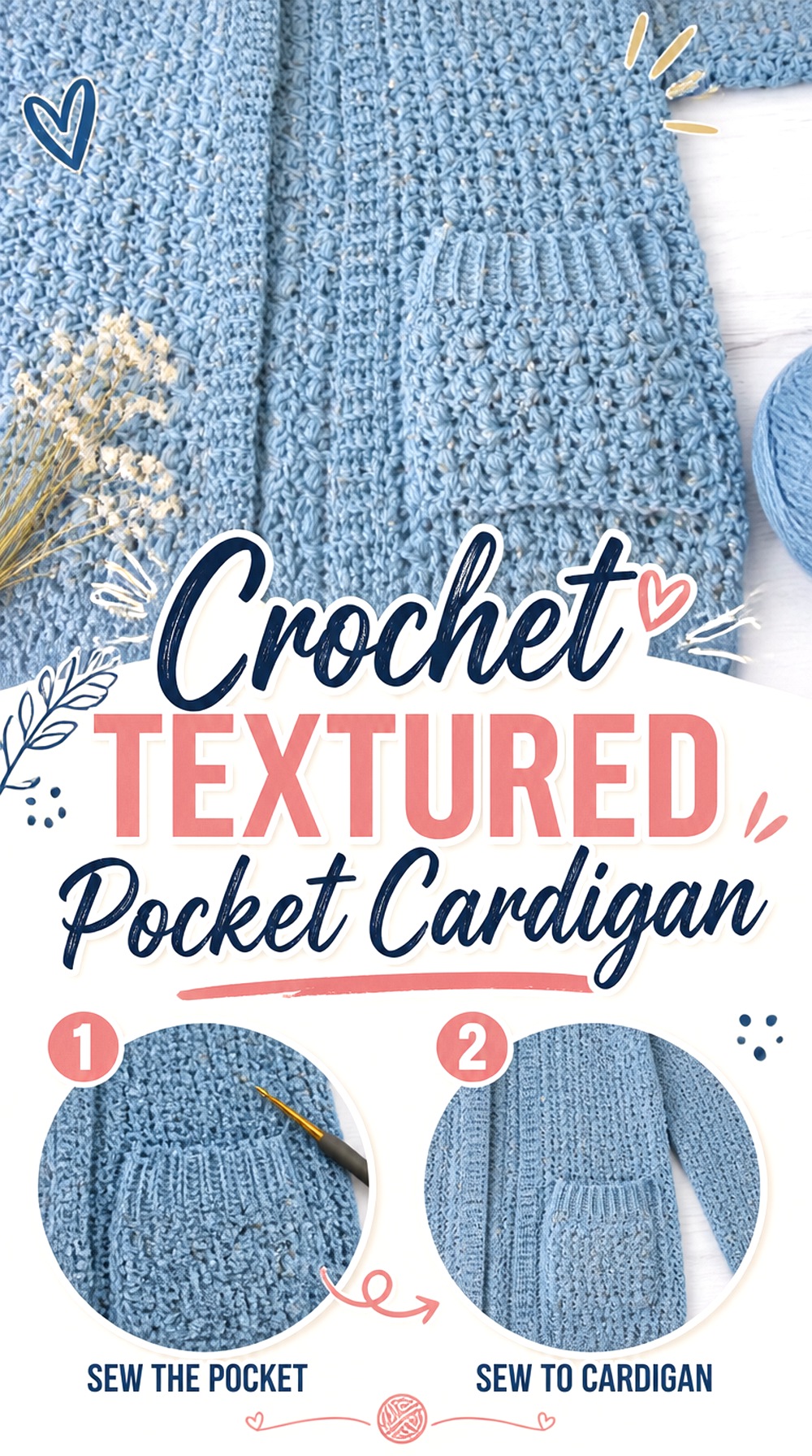
This option shifts the emphasis away from ribbing and granny construction toward an all-over textured cardigan finished with practical pockets. The YouTube tutorial is published by Hey Carrie and corresponds to the creator’s textured cardigan design.
Because the surface already has visual depth, this style can work particularly well in one autumn neutral. Cream makes shadows within the stitches visible, while medium brown or charcoal creates a quieter, more understated finish. Compared with a smooth basic-stitch cardigan, this is the better route when you want a solid color to look detailed without introducing stripes or motifs.
Texture Can Give One Neutral More Dimension
If you are choosing between several similar beige or brown yarns, work small swatches and view them in natural light. A very dark shade can visually compress subtle surface texture, while a lighter neutral may make raised and recessed areas easier to distinguish. Neither is wrong; they simply emphasize different parts of the design.
Patch Pockets Need Flat, Balanced Placement
Pockets attract attention on an otherwise continuous textured front. Before permanent attachment, compare their height and distance from the cardigan edges. This is especially useful with neutral yarn because the garment has fewer other contrasting elements to distract from uneven placement.
Check the Front After the Pockets Are Added
Pocket fabric introduces another layer over the front panels. Once attached, put the cardigan on or position it as it will hang and make sure the additional fabric has not changed the way the fronts fall. The original tutorial should remain the reference for exact construction and attachment.
Original Tutorial and Creator Credit
Creator: Hey Carrie
11. Crochet Modern Button Front Cardigan
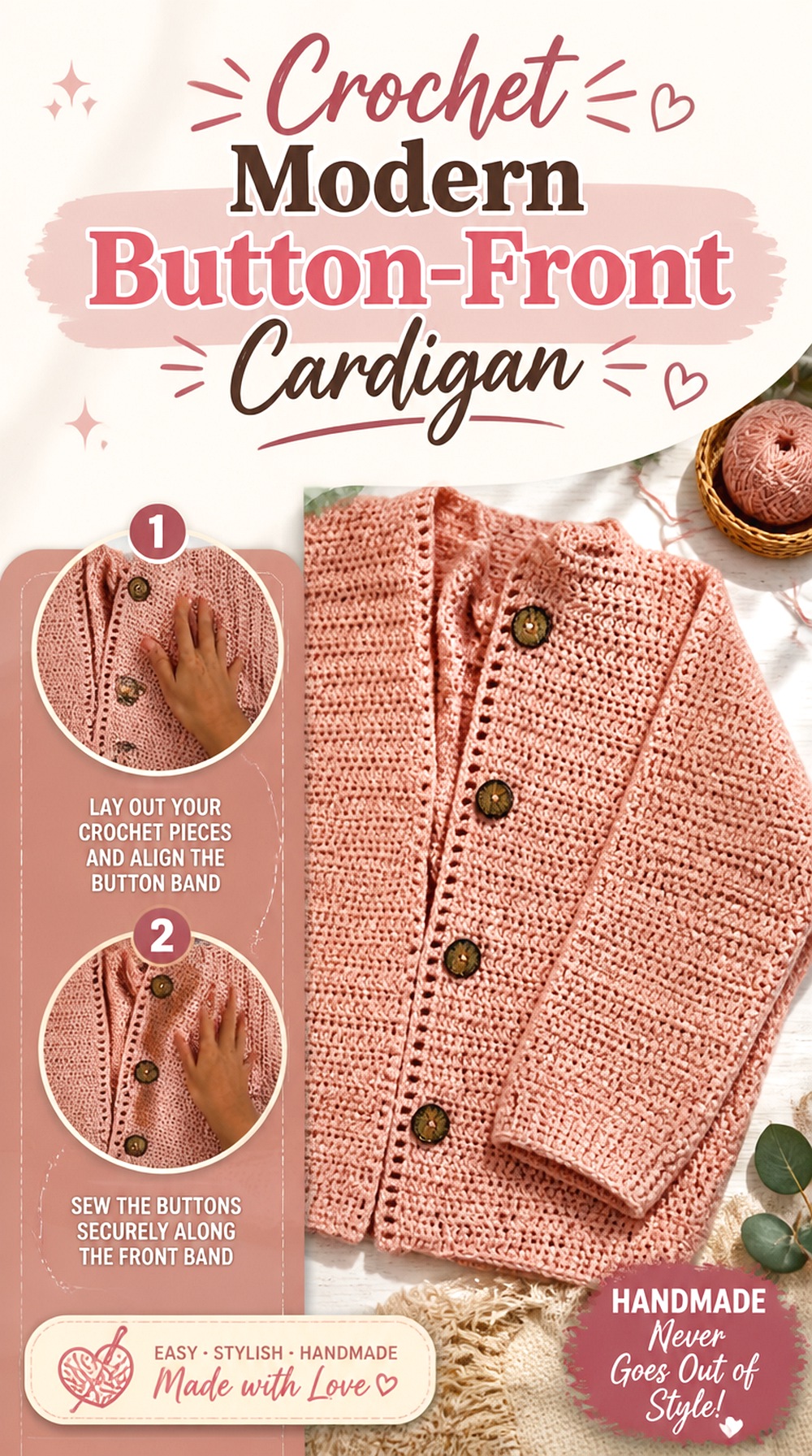
KnitcroAddict’s tutorial presents a modern button cardigan worked flat in five separate pieces before assembly. The source uses DK-weight yarn, includes sizes XS–XXL, and treats the buttons as an optional feature.
That traditional piece-based construction makes this a versatile choice for a neutral wardrobe. In camel or warm gray it can read like an everyday jacket; in cream it becomes softer and more casual; in deep brown or charcoal the button front can look more defined. This is one of the strongest options for readers who prefer familiar cardigan proportions over the looser geometry of cocoon, giant-square, or hexagon designs.
Five-Piece Construction Gives Clear Fit Checkpoints
The source uses a back, front pieces, and sleeves assembled after they are crocheted. That provides several opportunities to compare measurements before seaming. Check corresponding pieces against one another rather than waiting until the garment is assembled to discover a length or tension difference.
Optional Buttons Change the Styling Range
Leaving the cardigan open emphasizes vertical front lines, while buttons create a more conventional closed cardigan option. Decide early how you expect to wear it, but select the actual buttons after you can see the finished yarn color and front-band proportions.
DK Yarn Keeps This Separate From the Chunky Jackets
The source specifies a light/DK-weight yarn. That gives this project a different starting point from the super-bulky and chunky options in the roundup. If you want a cardigan that will sit under another autumn layer, this distinction is worth considering before choosing solely by silhouette.
Original Tutorial and Creator Credit
Creator: KnitcroAddict
12. Crochet Ribbed Button and Pocket Cardigan
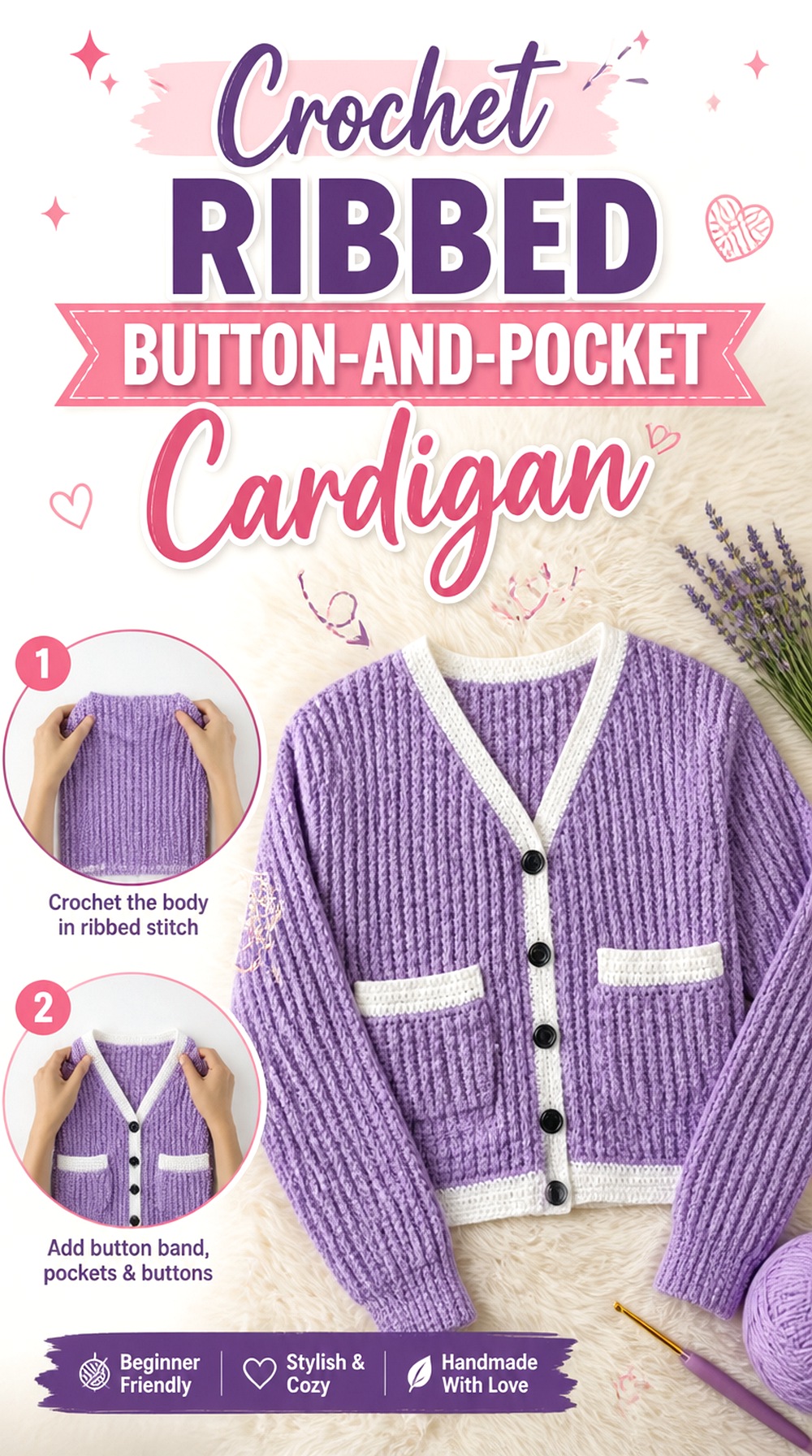
Chenda DIY’s design combines several familiar cardigan details in one garment: ribbed texture, buttons, an edged front, and a pocket. The tutorial also discusses adjusting the cardigan larger or smaller.
This makes a useful neutral alternative when the long ribbed cardigan earlier in the list feels too oversized. Warm ivory can emphasize the ribs, while taupe or cocoa creates a more subdued autumn result. The buttons and pocket provide enough interruption across the surface that there is little need to add extra color unless you specifically want contrast.
Ribbing Adds Direction as Well as Stretch
Ribbed crochet creates repeated lines that can visually lengthen or segment a garment depending on where the ribs are placed. When working in a single neutral color, these changes in direction become more visible, so keep an eye on consistency as the separate garment sections are completed.
Button Bands Expose Uneven Edge Tension Quickly
The source includes front edging and buttons. If stitches are packed too densely along one area of an edge, the band can ripple; too few can cause pulling. Use the creator’s instructions and assess the edge while it is still possible to correct the finishing.
A Pocket Breaks Up a Plain Neutral Front
In a solid color, the pocket creates its own subtle outline. That can be particularly effective when you want an uncomplicated neutral garment without a completely uninterrupted front. Position and attach it according to the tutorial rather than estimating from photos alone.
Original Tutorial and Creator Credit
Creator: Chenda DIY
13. Crochet Classic Basic Stitch Cardigan
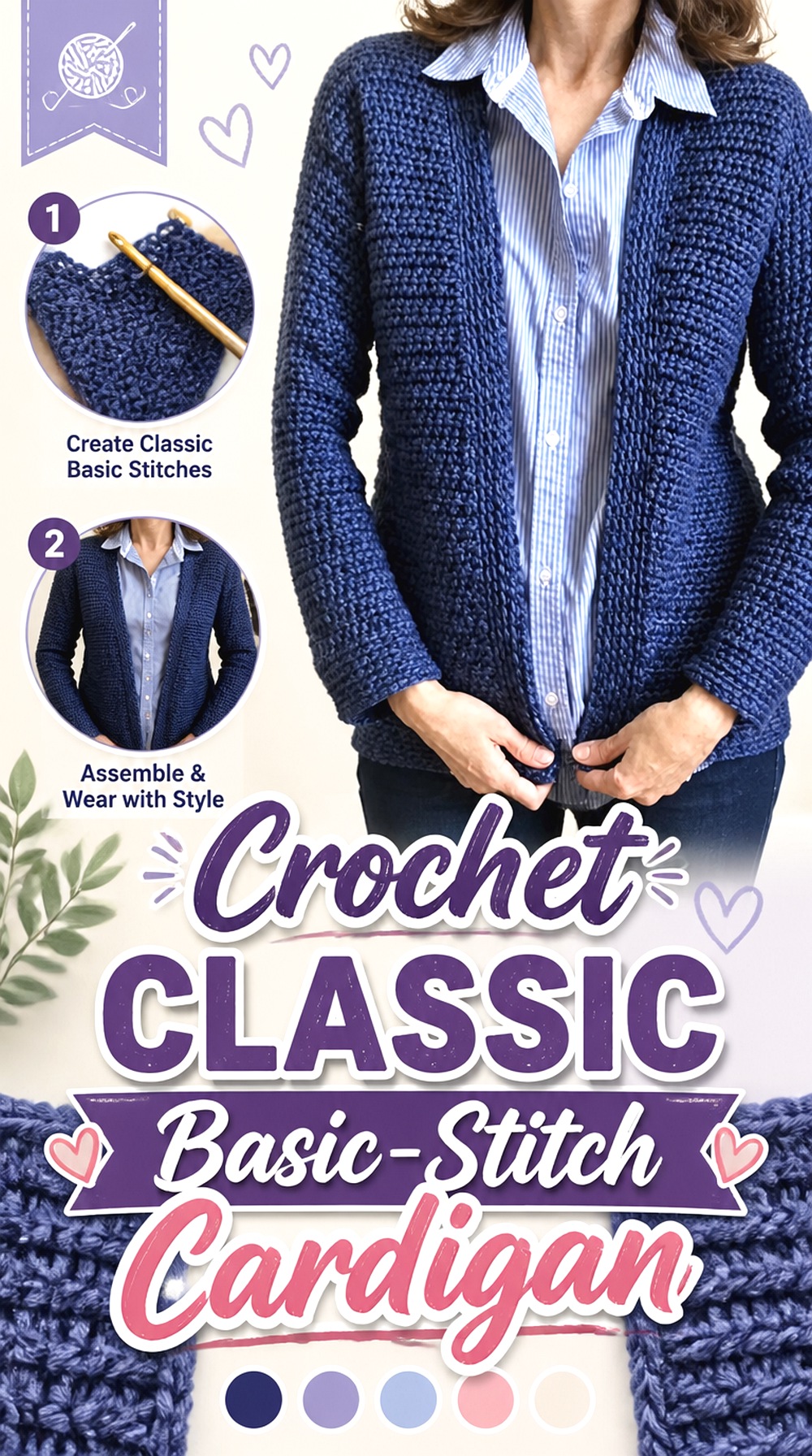
If motifs and elaborate textures are not the priority, this classic cardigan offers a simpler visual direction. Crazy Cool Crochet’s tutorial uses basic single crochet and half double crochet and is presented as a classic cardigan project with sleeves.
That simplicity can be an advantage in a neutral autumn wardrobe. Rather than competing with an unusual construction, the yarn color, fit, edges, and stitch consistency become the main features. Heathered oatmeal, greige, medium brown, or charcoal would all suit the straightforward shape. It also creates useful contrast within this list: not every neutral cardigan needs a statement stitch or distinctive motif.
Basic Stitches Put More Attention on Fit
When the stitch pattern is visually simple, overall proportions become more noticeable. Check body length, sleeve length, and room through the torso against the tutorial rather than assuming decorative texture will disguise a fit issue.
Solid Neutrals Make Consistency Easier to See
One-color fabric makes accidental tension changes, widening edges, and uneven seams more apparent. That can be useful: check the work regularly while corrections are still manageable instead of discovering them after the cardigan has been assembled.
Use the Sleeves as an Early Comfort Checkpoint
Sleeve proportions affect whether a basic cardigan feels polished or awkward. Compare the source instructions with your arm length and intended layering. If modifications are necessary, make them within the logic of the original pattern rather than improvising after both sleeves are finished.
Original Tutorial and Creator Credit
Creator: Crazy Cool Crochet
14. Crochet Nova Treble Stitch Cardigan
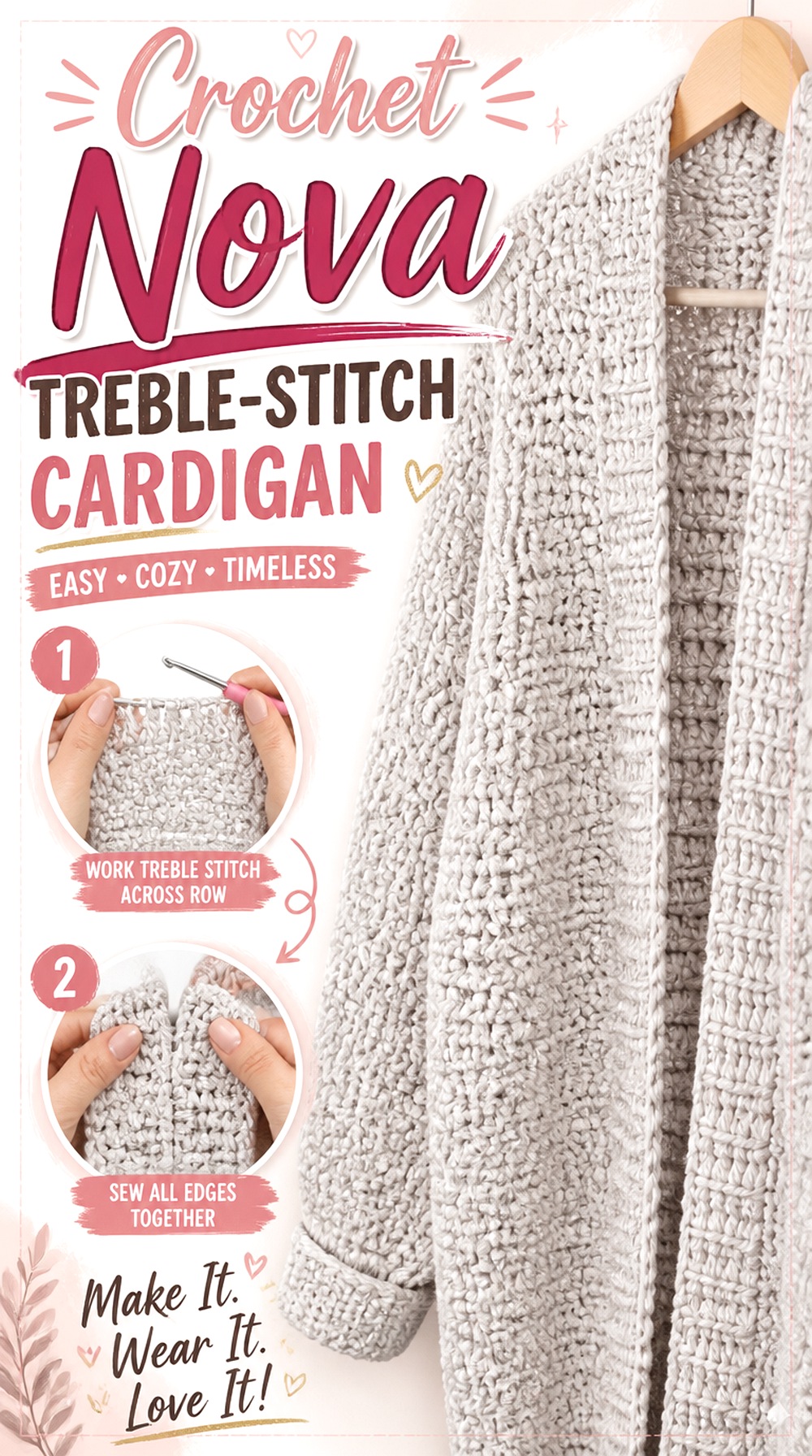
The Nova Cardigan brings a lighter, more open-looking stitch character to the collection. Bella Coco’s tutorial covers the Nova Cardigan in adult and child sizing, while the design uses treble crochet as a major part of the fabric.
For autumn, that openness can work well when a cardigan is intended primarily as a transitional layer rather than a heavy outer piece. A medium camel, warm gray, or darker mushroom can make the more open crochet look seasonally grounded. This is also the clearest option here for someone interested in coordinating adult and child cardigans from the same design family.
Treble Crochet Creates More Visual Openness
Taller stitches leave a different amount of visible space than dense ribbing or chunky textured crochet. Consider what you plan to wear underneath, because the base layer may remain more visible. A tonal top underneath keeps the effect quiet, while a contrasting shirt will emphasize the stitch openings.
Adult and Child Versions Expand the Planning Options
The source provides both adult and child sizing. If you plan coordinated cardigans, resist assuming the same yarn color and fiber choice will automatically suit every wearer. Fit, care needs, comfort, and the appropriate creator instructions should still be considered separately.
Judge Autumn Warmth From the Actual Fabric
An autumn color does not automatically make an open fabric warm. Swatch the yarn and stitch combination, then consider your climate and intended use. This cardigan may make more sense as an indoor or transitional layer in some conditions, while a dense chunky cardigan can fill a different role.
Original Tutorial and Creator Credit
Creator: Bella Coco
Which Neutral Crochet Cardigan Style Should You Choose?
Choose by silhouette and fabric before choosing the exact shade.
For a substantial outer layer, the Chunky Knit-Look Cardigan or Long Ribbed Pocket Cardigan offers more visual weight. If length and relaxed coverage matter most, compare those with the Longline Pocket Cardigan.
For a classic wardrobe cardigan, the Tone-on-Tone Button, Modern Button-Front, Ribbed Button-and-Pocket, and Classic Basic-Stitch options keep familiar proportions. The Lemon-Peel and Herringbone cardigans add more surface interest without moving into motifs.
If you want the construction itself to become part of the design, the Giant Granny Square and Classic Granny Hexagon options stand apart. For a visually lighter transitional layer, the Nova Treble-Stitch Cardigan is worth comparing with the DK-weight panel designs.
Conclusion
The most useful neutral autumn cardigan is not necessarily the beige one—it is the construction that fits the way you actually layer clothes. Choose a longline or chunky design when coverage and visual weight are priorities, a button-front or basic panel cardigan for a more conventional wardrobe shape, or granny and textured constructions when you want the crochet itself to be more obvious.
Once the silhouette is settled, use cream, oatmeal, camel, mushroom, brown, gray, or charcoal to emphasize rather than hide the stitch work. Tonal combinations can also preserve stripes and motifs without introducing strong color contrast. For exact sizing, gauge, assembly, and construction details, follow the original tutorials linked with each project.
Frequently Asked Questions
What neutral colors work especially well for an autumn crochet cardigan?
Cream and oatmeal create a soft light layer, while camel, mushroom, taupe, and warm gray add more autumn depth without becoming difficult to coordinate. Espresso and charcoal work well when you want a darker cardigan. Consider your existing wardrobe before choosing: a neutral that contrasts slightly with the tops and trousers you already own will usually show the crochet texture more clearly.
How can I stop a beige or cream crochet cardigan from looking too plain?
Use construction and texture as the detail. Ribbing, herringbone fabric, lemon-peel texture, granny clusters, pockets, shaped collars, and buttons all create visual changes without requiring bright yarn. Another option is tonal color work: pair several close neutrals, such as cream, oatmeal, and camel, so stripes or motif rounds remain visible while the overall cardigan still reads as neutral.
Are granny hexagon cardigans easy to resize?
Hexagon construction can be adaptable because the crocheted geometry grows as you work, but that does not mean every measurement changes independently. Enlarging the main hexagon can affect body room and sleeve proportions at the same time. Follow the specific tutorial’s sizing method and check the garment against your measurements as it develops rather than relying on a universal number of rounds.
Is chunky yarn automatically better for an autumn cardigan?
No. Chunky and super-bulky yarn can create a substantial outer layer, but a lighter cardigan may be more useful for indoor wear, mild autumn temperatures, or layering beneath a coat. Stitch density, fiber, garment length, and construction also influence the finished feel. Decide where you expect to wear the cardigan first, then choose a tutorial and yarn with suitable fabric characteristics.
Should crochet cardigan pieces be blocked before they are seamed?
When the yarn, pattern, and care instructions allow it, blocking separate pieces can make dimensions and corresponding edges easier to compare before assembly. It can be particularly helpful with traditional panel constructions. Follow the original designer’s recommendations and the yarn’s care information, because different fibers respond differently. Blocking should refine the fabric rather than be used to force incorrectly sized pieces into the required measurements.
How much positive ease should an autumn crochet cardigan have?
There is no single correct amount. A cardigan worn over a thin top may need much less extra room than an oversized style intended for sweaters and heavier autumn layers. Start with your actual body measurements, decide what you expect to wear underneath, and compare those needs with the designer’s finished-garment measurements and intended fit. Do not choose a pattern size by the label alone.