A crochet Victorian lace capelet can bring exactly the right amount of old-world detail to a dark academia winter outfit. Unlike a full cloak or poncho, a short capelet keeps the blouse, dress, waistcoat, or high neckline underneath visible while adding texture around the shoulders.
Not every tutorial in this collection reproduces a Victorian garment. The sources range from a genuine 1860s-inspired pelerine and Edwardian-style capelets to modern lace, filet, fringe, and shoulder-wrap constructions that can be adapted through color and styling. That distinction matters if historical accuracy is your priority.
For dark academia, the strongest results usually come from restraint. Black is an obvious choice, but oxblood, bottle green, tobacco brown, charcoal, faded plum, antique cream, and deep navy can reveal lace structure more clearly while still working with tweed coats, long skirts, high-neck blouses, loafers, boots, and vintage-inspired dresses.
Quick List
- Crochet Edwardian Ribbon-Tie Lace Capelet
- Crochet 1864 Pelerine Lace Capelet
- Crochet Dramatic Lace Collar Capelet
- Crochet Lacy Shrug-Style Capelet
- Crochet Filet Mesh Gothic Capelet
- Crochet Celtic-Lace Shoulder Capelet
- Crochet Beaded Shell-Lace Capelet
- Crochet Top-Down Openwork Capelet
- Crochet Floral Lace Evening Capelet
- Crochet Granny-Lace Fringe Capelet
- Crochet Vintage Short Shoulder Capelet
- Crochet Cabled Snowdrift Capelet
- Crochet Buttoned Winter Lace Capelet
What Makes a Capelet Feel Victorian Rather Than Simply Vintage?
Silhouette matters more than adding decorative objects. A capelet that sits close around the shoulders, uses ties or a small front closure, and finishes with shells, scallops, lace points, or ornamental openwork can suggest nineteenth-century clothing more effectively than a modern poncho covered with charms.
Neckline treatment is particularly important. Victorian-inspired outfits already tend to contain visual detail near the face through collars, ribbons, brooches, cameos, jabots, or high-neck blouses. If the capelet has an elaborate neckline, simplify the garments and jewelry underneath so each element remains readable.
Length also changes the impression. A compact shoulder cape tends to feel more formal and historical, while a much longer version starts moving toward modern shawl or poncho territory.
Choose Lace Density for the Winter Outfit Underneath
Openwork capelets are excellent for dark academia because the base garment remains visible through the crochet. A black filet cape over an ivory blouse creates a completely different effect from black crochet over a black turtleneck.
The trade-off is warmth. Large lace openings should be treated primarily as decorative layering rather than as the equivalent of a dense winter garment. If you need more insulation, wear the capelet over a sweater or beneath a coat instead of trying to force a delicate lace construction into very thick yarn.
Yarn substitutions also change scale. A lace pattern designed for fine yarn can become much heavier and more open when worked with a thicker fiber. Swatch enough of the actual repeat to judge both the holes and the drape before changing yarn weight.
Dark Academia Color and Closure Choices
Deep solid colors often show off complicated lace better than busy variegated yarn. Burgundy, aubergine, dark olive, charcoal, ink blue, and brown-black can create the same moody effect as pure black while making shells, cables, and raised stitches easier to see.
Closures deserve equal attention. Ribbon ties feel softer and more romantic. A small button can create a restrained scholarly look. A large ornamental clasp can become the focal point, but its weight must suit the crochet fabric.
Do not add a heavy metal closure simply because it looks Victorian. The neckline should already sit comfortably before a clasp is attached.
1. Crochet Edwardian Ribbon-Tie Lace Capelet
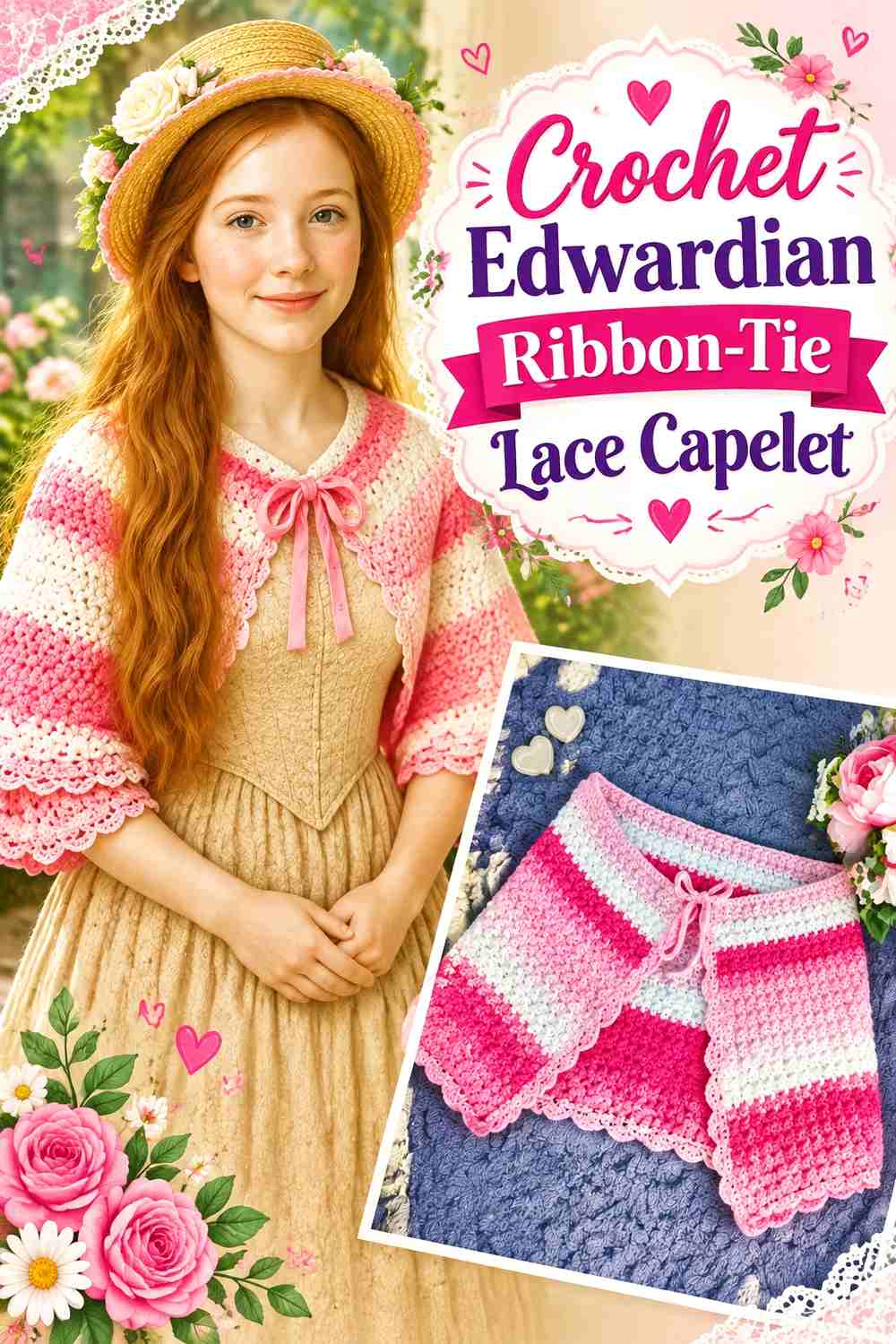
This short vintage-inspired capelet is one of the clearest choices for a dark academia wardrobe because the original construction already emphasizes an old-fashioned shoulder silhouette. Selina Veronique Crochet’s design uses textured fabric with shell-style edging and neckline ties, creating a compact layer rather than a modern oversized poncho.
Dark plum, tea brown, faded black, or antique cream could push the finished piece toward library-and-old-manuscript styling without changing the underlying construction.
Ribbon Ties Keep the Center Front Delicate
A tie closure leaves more of a blouse or dress visible than a large button or brooch. That is particularly useful with dark academia outfits built around high collars and layered necklines.
Check the tie position before choosing jewelry. A bow, cameo, blouse ribbon, and necklace all competing at the throat can make a small capelet look crowded.
The Shell Edge Carries Much of the Vintage Character
Because the capelet is short, its lower border occupies a noticeable part of the finished silhouette. That makes drape along the edging especially important.
If you substitute yarn, sample the decorative edge as well as the main fabric. A yarn that works beautifully in the body can still make a shell border too stiff.
Creator Credit: Selina Veronique Crochet
2. Crochet 1864 Pelerine Lace Capelet
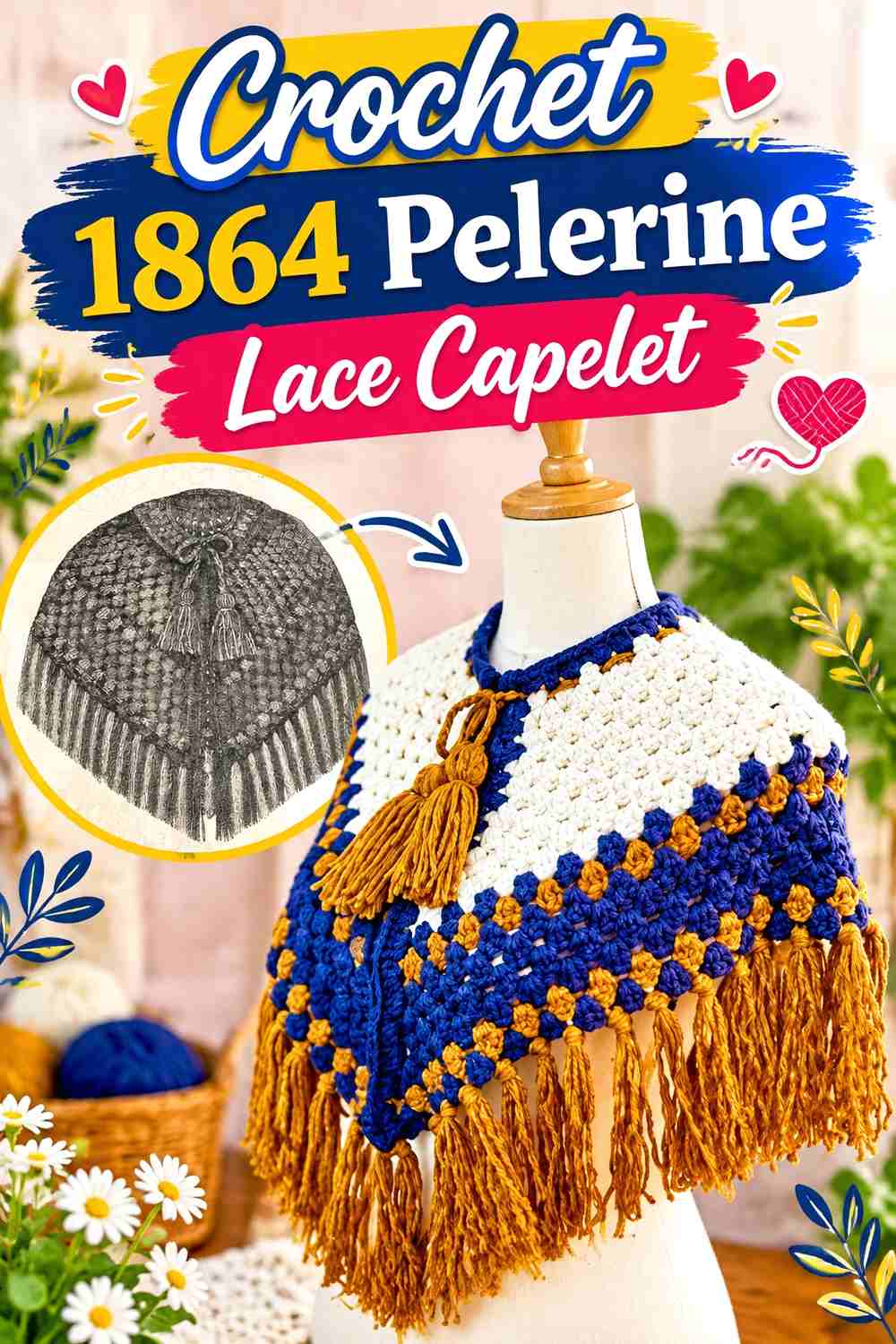
For readers who want the strongest direct historical connection, this pelerine is the standout. Just Vintage Crochet’s tutorial works from an 1864 design rather than simply applying Victorian styling to a contemporary cape.
A pelerine sits naturally within dark academia because it frames the upper torso while leaving the rest of the outfit visible. It can work over a plain dark dress, a high-neck blouse, or a fitted cardigan without requiring overt costume accessories.
Historical Proportions May Feel Different From Modern Wraps
An antique-inspired shoulder piece should not be expected to behave like a loose contemporary poncho.
Study how the finished pelerine sits around the neckline, chest, and upper arms before deciding that it needs to be enlarged. Preserving the compact proportions may be part of what gives the project its historical character.
Let the Antique Shape Be the Main Statement
A genuine period-inspired construction usually needs less embellishment than a plain modern capelet.
Instead of adding multiple charms or appliqués, consider a restrained color and let the shaping, border, and neckline establish the look. This also makes the piece easier to combine with patterned skirts or detailed blouses.
Creator Credit: Just Vintage Crochet
3. Crochet Dramatic Lace Collar Capelet
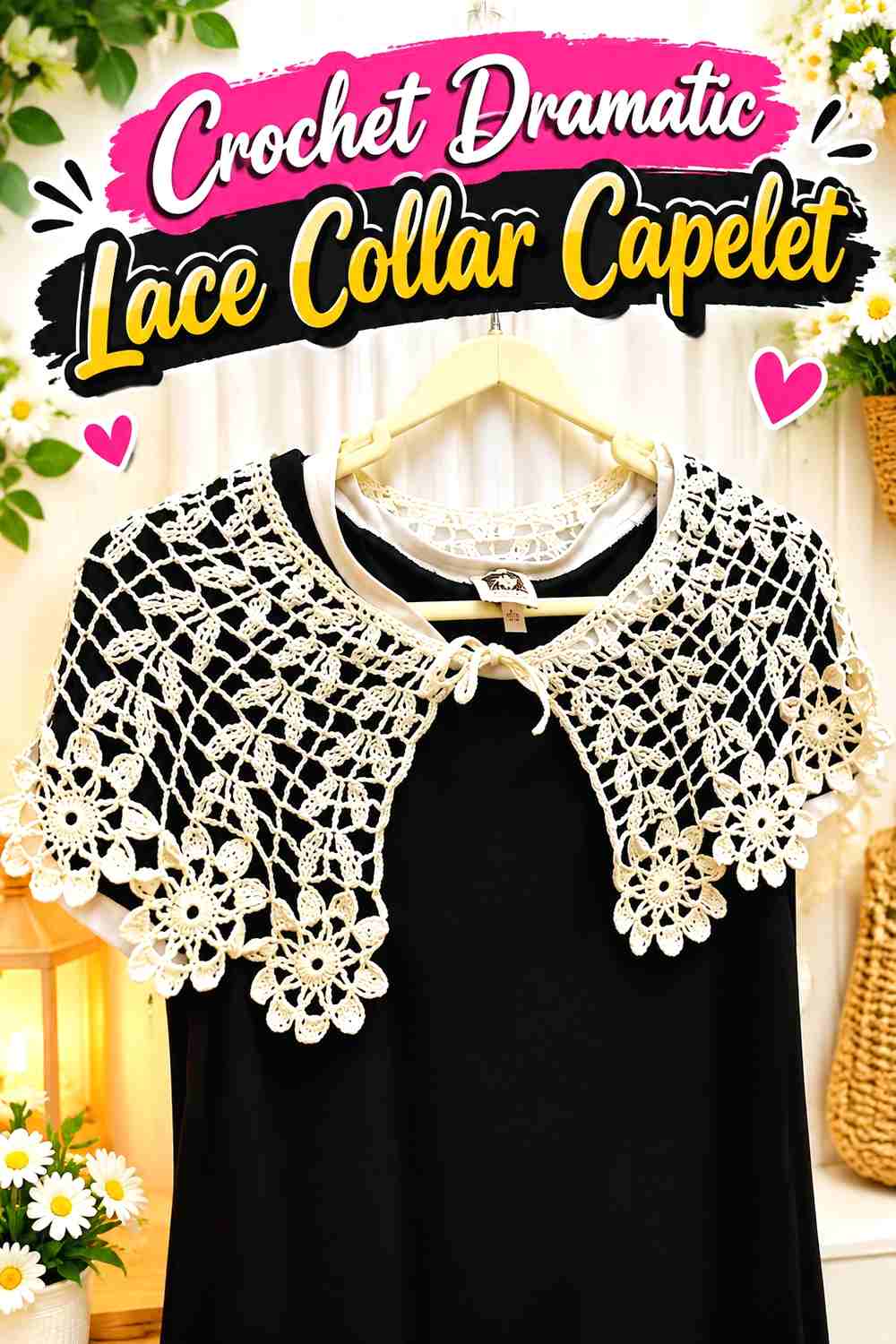
This project sits near the boundary between a large collar and a very short capelet. Crochet with Joanna demonstrates a lace capelet/collar form that spreads outward from the neckline, making it useful when you want ornament around the shoulders without covering much of the garment beneath.
That compact shape works particularly well with dark academia outfits where waistcoats, fitted dresses, or blouse fronts should remain visible.
Collar Scale Changes the Entire Outfit
A small lace collar acts like an accessory. A larger one that reaches across the shoulders starts functioning like clothing.
Before enlarging the design, decide which effect you want. Extra depth may look dramatic, but it can also cover lapels, bows, or other neckline details that were meant to remain visible.
High Contrast Makes Openwork More Dramatic
Black lace over ivory or cream creates a strong graphic effect, while charcoal over black produces something quieter and more textural.
Try holding a lace sample over the actual garment color you expect to wear underneath. The same crochet can appear much more or less detailed depending on that contrast.
Creator Credit: Crochet with Joanna
4. Crochet Lacy Shrug-Style Capelet
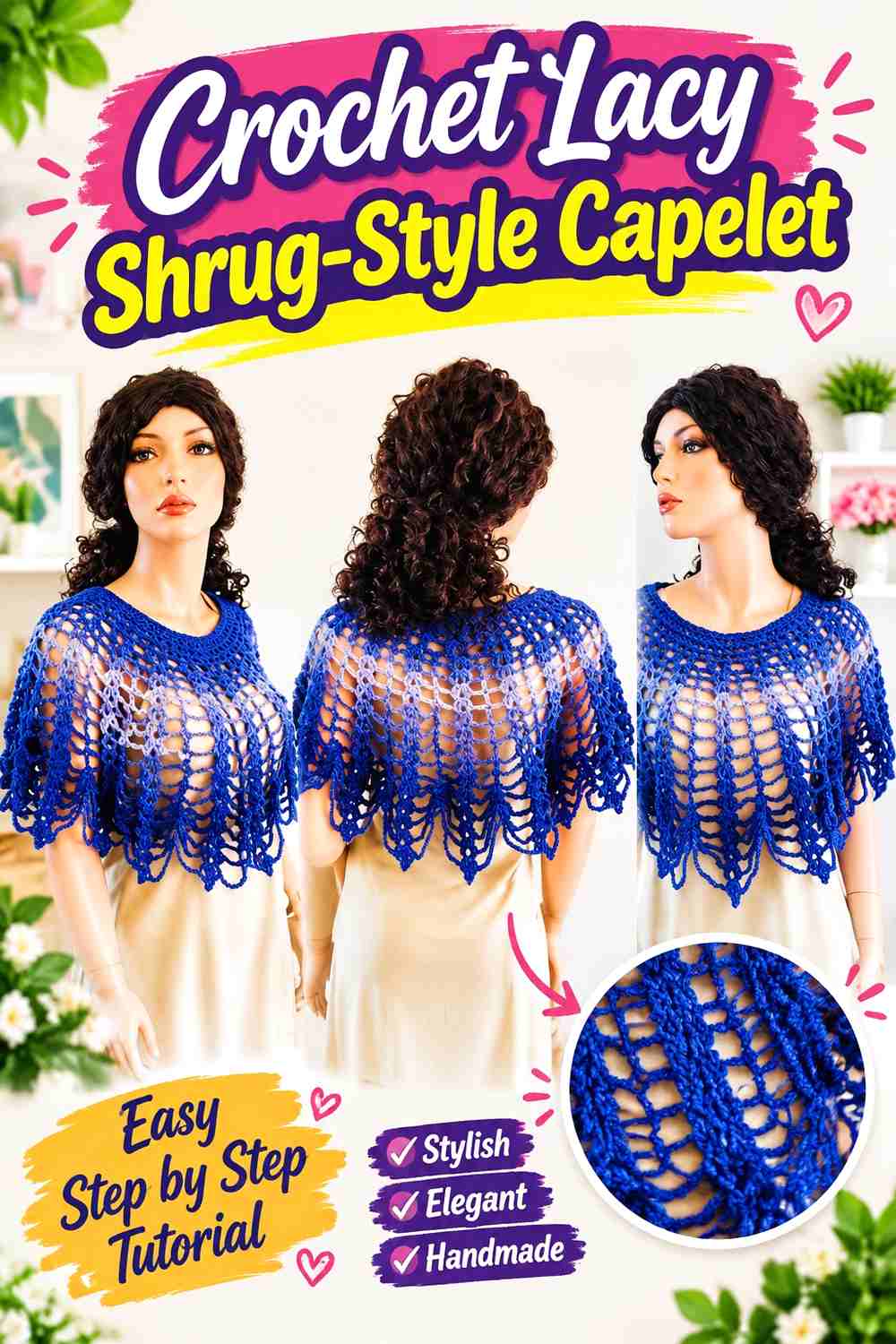
This tutorial blends capelet and shrug ideas, creating more interaction with the shoulders and upper arms than a simple round collar. ThePatternfamily’s finished project uses open crochet fabric and a wearable shrug-like form, so movement becomes part of the fit decision.
For dark academia styling, this construction can sit over a sleeveless dress or fitted blouse while leaving the waistline unobstructed.
Arm Movement Matters More on a Shrug-Inspired Shape
A capelet that simply drapes from the neck does not interact with the arms in the same way as a shrug-influenced piece.
Check the finished tutorial carefully around the shoulders and arm area. If you plan to wear it over a structured blouse or jacket, additional fabric underneath may change how freely it moves.
Open Lace Lets the Base Garment Participate
Because the crochet is visibly open, the color beneath becomes part of the finished appearance.
A burgundy capelet over black creates subtle contrast, while cream lace over a dark dress makes the stitch pattern much more prominent. Choose both layers together instead of planning the crochet color in isolation.
Creator Credit: ThePatternfamily
5. Crochet Filet Mesh Gothic Capelet
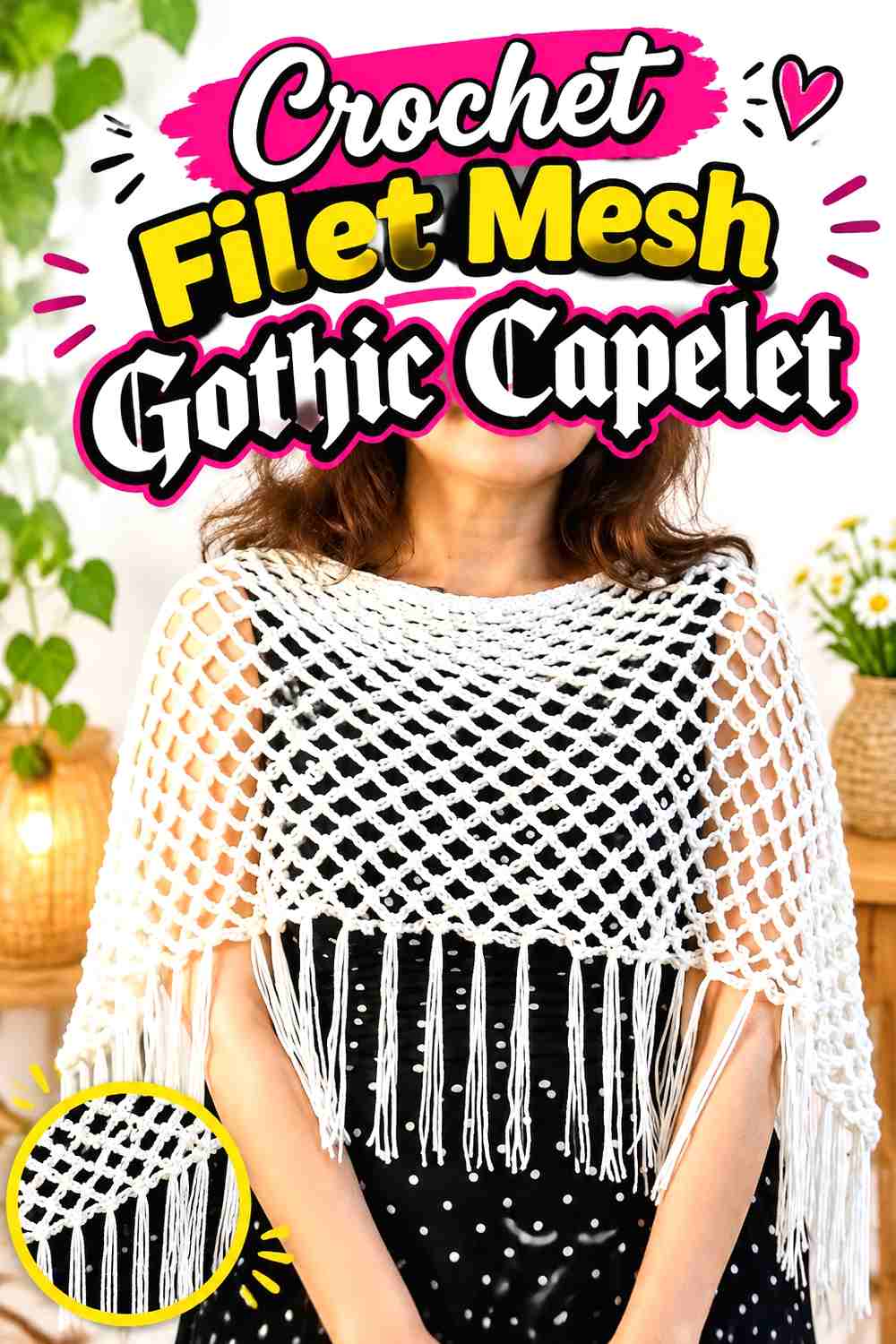
Filet crochet provides one of the cleanest routes to a gothic dark-academia capelet. Crazy Cool Crochet’s source tutorial uses lightweight yarn and an open filet structure, producing a capelet that remains visibly airy rather than bulky.
In black, charcoal, oxblood, or deep green, that openness can look especially dramatic over a high-neck ivory blouse.
Filet Needs a Clear Background to Read Well
Open and filled spaces depend on contrast for their visual effect.
If both the capelet and garment underneath are very dark, some of the grid may disappear at normal viewing distance. That can be desirable for a subtle look, but use a lighter underlayer if you want the lace structure to dominate.
Fringe Changes the Mood From Formal to Bohemian
The source construction includes a fringed direction, which creates movement at the lower edge.
Long fringe can move the project toward bohemian gothic styling. If you want a stricter Victorian-academic appearance, a shorter or simpler finish may keep attention on the filet fabric itself.
Creator Credit: Crazy Cool Crochet
6. Crochet Celtic-Lace Shoulder Capelet
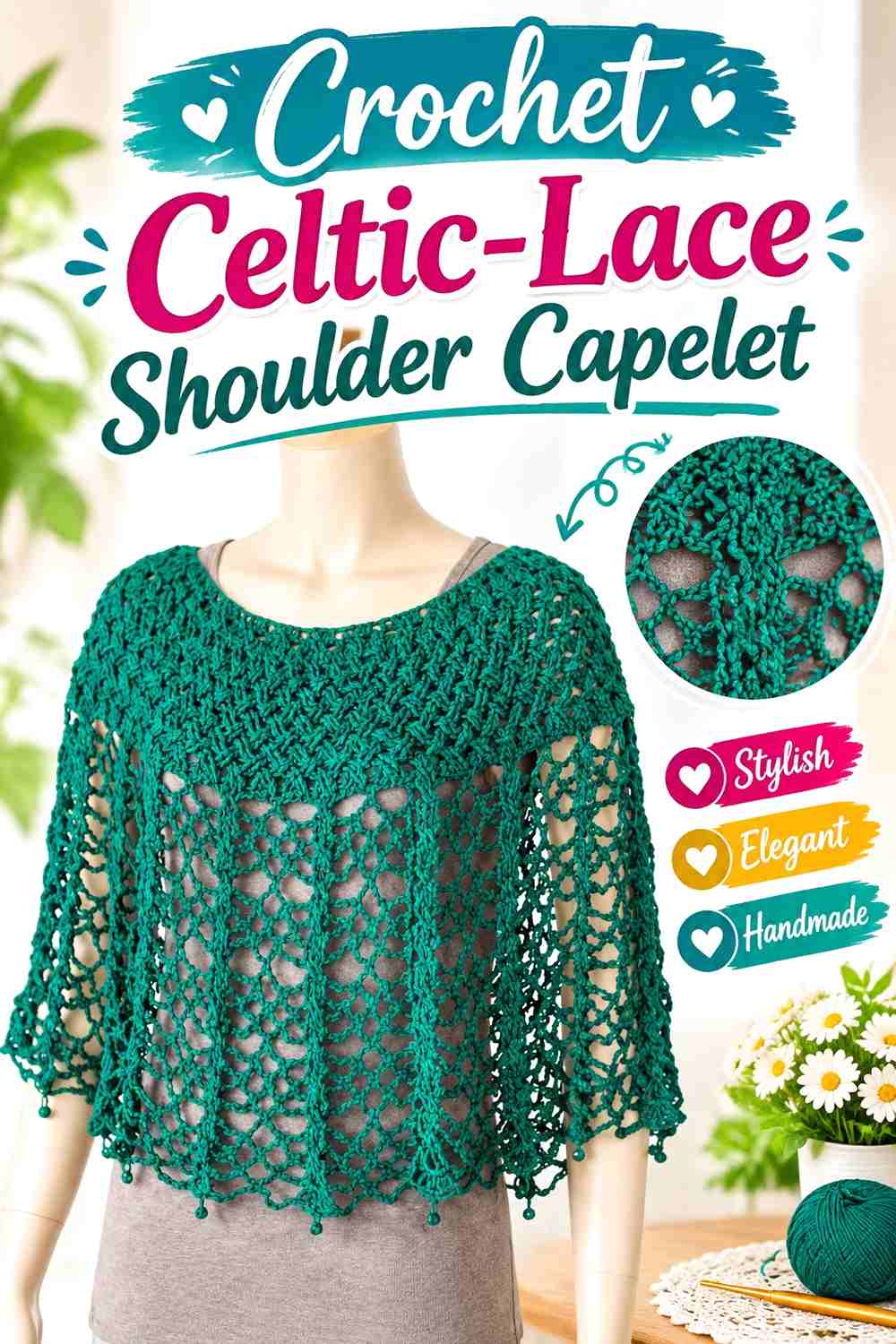
BonnieBayCrochet’s cape combines Celtic-style woven texture with cascading lace, giving the upper and lower portions distinctly different visual roles. The source specifically combines Celtic Weave with crochet lace, making it one of the more structurally detailed projects in this collection.
That mixture works well with dark academia because the stronger neckline texture can sit above a more delicate lower section.
A Detailed Collar Benefits From a Simple Blouse
When a capelet already contains strong texture close to the neck, a heavily ruffled shirt beneath it can make the upper body visually crowded.
A plain mock neck, simple high-neck blouse, or understated dress gives the Celtic texture more space to register.
Dark Yarn Can Hide Complex Surface Work
Pure black is atmospheric, but intricate woven texture can disappear in low light.
Deep emerald, charcoal, navy, or dark burgundy can retain the scholarly winter mood while allowing raised stitches and lace openings to cast more visible shadows.
Creator Credit: BonnieBayCrochet
7. Crochet Beaded Shell-Lace Capelet
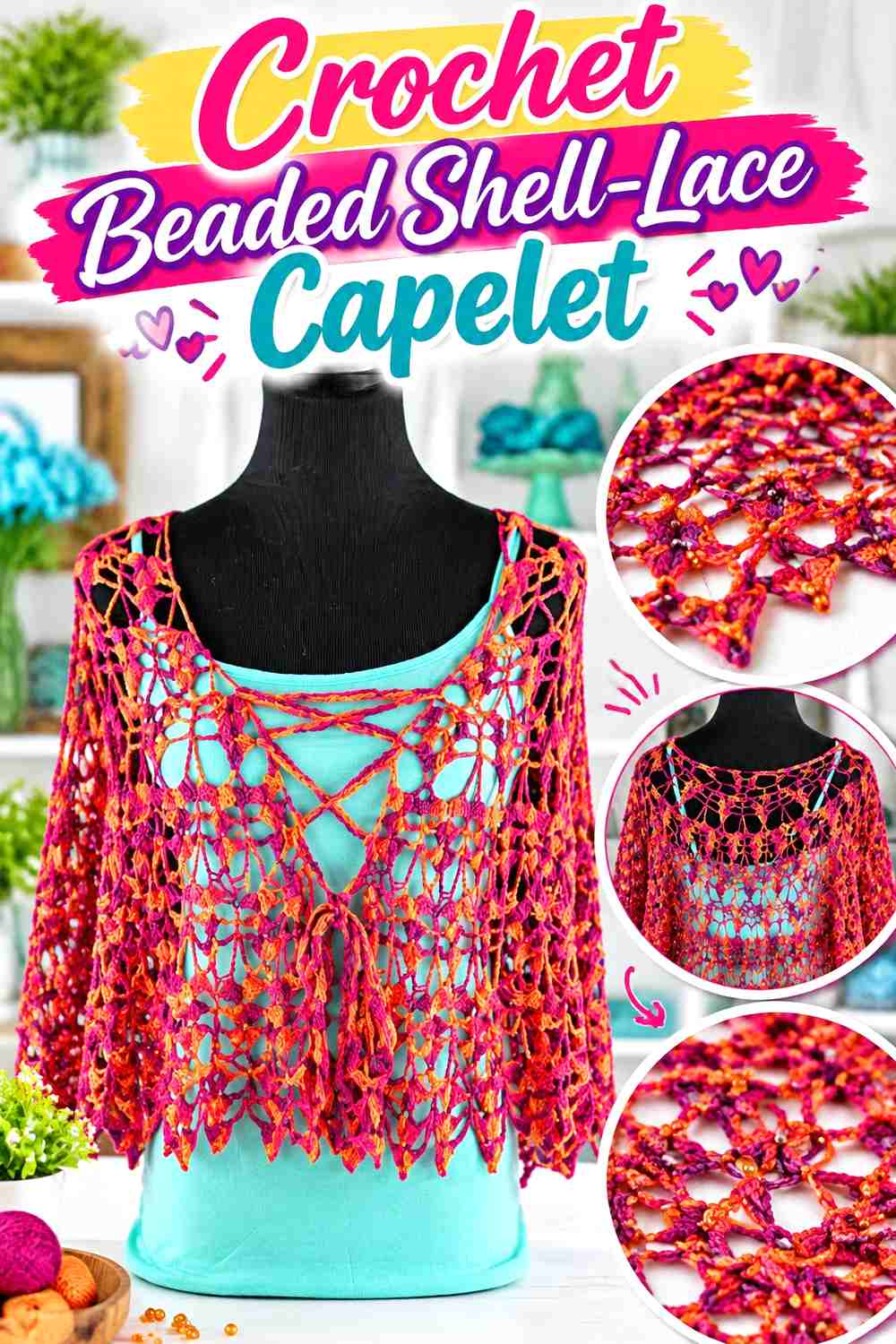
This capelet takes a more refined evening approach. Kristin Omdahl’s design uses a top-down half-circle form, shell-patterned lace, corset-style ties, and optional crystal beads along the finishing area.
For dark academia, beads can be used sparingly to suggest antique evening wear without turning the capelet into a heavily embellished costume piece.
Beads Change Both Light and Weight
Small beads can catch light beautifully against dark yarn, but they also add physical weight at the edge.
If you substitute bead size or material, consider the cumulative effect rather than judging a single bead. A delicate lace edge should still hang rather than being dragged downward.
Corset-Style Ties Create a Different Front Line
Ties give this capelet a softer and more adjustable-looking finish than a single center button.
That can work especially well over a fitted dress or blouse. Check how much space the ties occupy before adding brooches or necklaces nearby.
Creator Credit: Kristin Omdahl
8. Crochet Top-Down Openwork Capelet
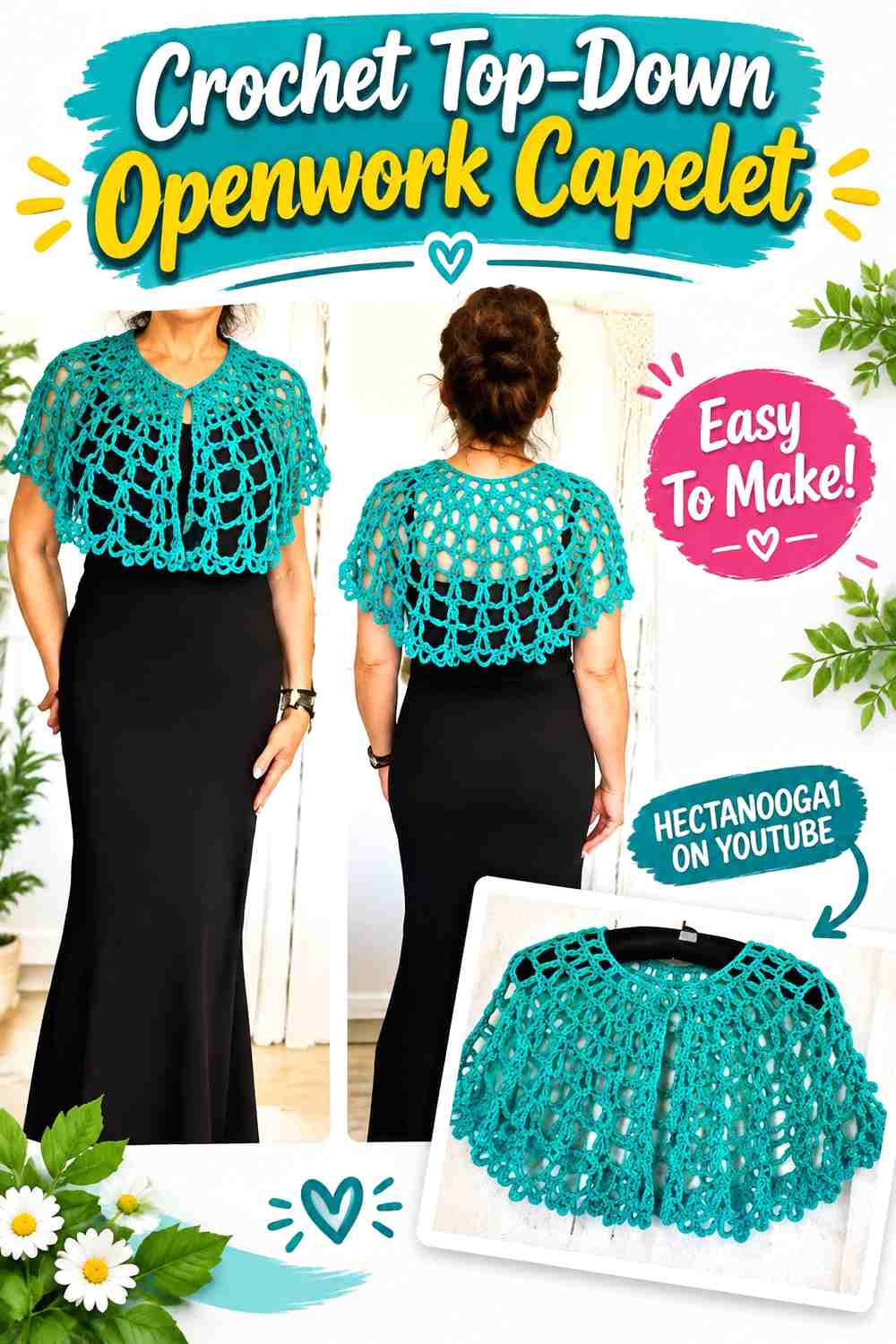
Hectanooga1’s lightweight capelet is worked as a top-down shoulder layer and is designed across a broad size range. The finished form is straightforward enough to serve as a base for a darker vintage interpretation without pretending that the original tutorial itself is Victorian.
Its open fabric makes this a useful choice when you want the blouse or dress beneath to remain part of the outfit.
Top-Down Construction Makes Length Easy to Evaluate Visually
Because the capelet develops from the neckline downward, you can compare its depth against your intended clothing as it grows.
Do not automatically keep adding length simply because more coverage is possible. A shorter shoulder line often fits the Victorian capelet idea better than a version that approaches full poncho depth.
Yarn Substitution Can Change Every Opening
A thicker winter yarn will not merely make the same capelet warmer. It can enlarge the spaces, alter the drape, and change the neckline dimensions.
If you want a winter palette, changing color may preserve the lace effect more reliably than dramatically changing yarn thickness.
Creator Credit: Hectanooga1
9. Crochet Floral Lace Evening Capelet
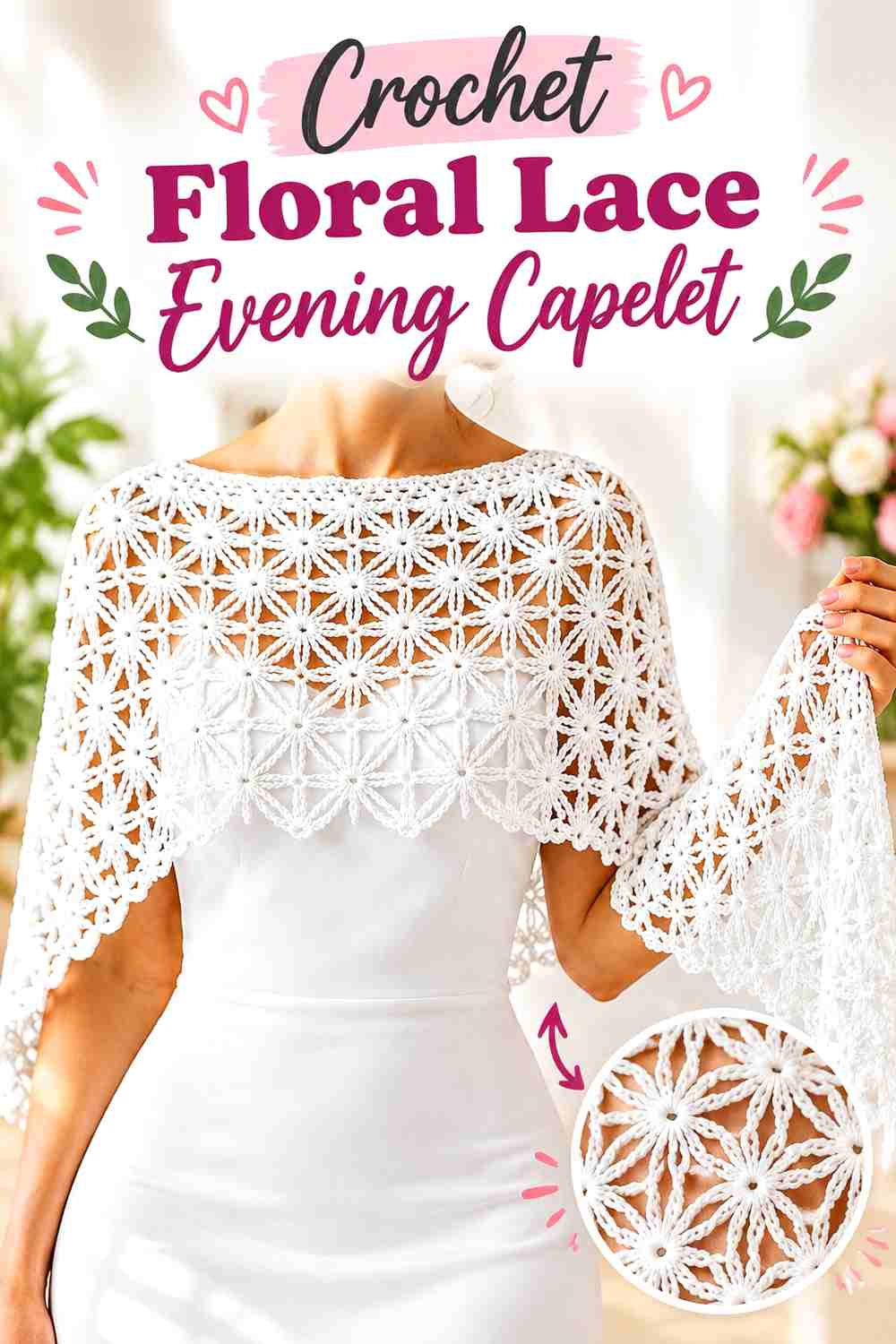
This floral lace cape uses open motifs to create a decorative shoulder layer with a clearly feminine surface. Knitting World’s tutorial shows the finished lace cape as an elegant wrap rather than a dense winter garment.
Worked in black, dried-wine red, smoky violet, or antique ivory, a floral lace surface can move easily from formal styling toward dark romantic academia.
Floral Lace Needs Enough Contrast to Show Its Motifs
If the flower shapes are one of the reasons you chose the design, make sure they remain readable against the clothing underneath.
Dark-on-dark layering creates a subtle texture. A lighter blouse beneath a dark capelet reveals the motif more clearly and can mimic the visual contrast of antique lace over fabric.
Avoid Adding Too Many Additional Floral Details
An all-over floral lace cape already has a strong theme.
Adding crochet roses, floral jewelry, embroidered flowers, and patterned clothing at the same time can weaken the effect. Let one botanical element lead and keep the surrounding outfit quieter.
Creator Credit: Knitting World
10. Crochet Granny-Lace Fringe Capelet
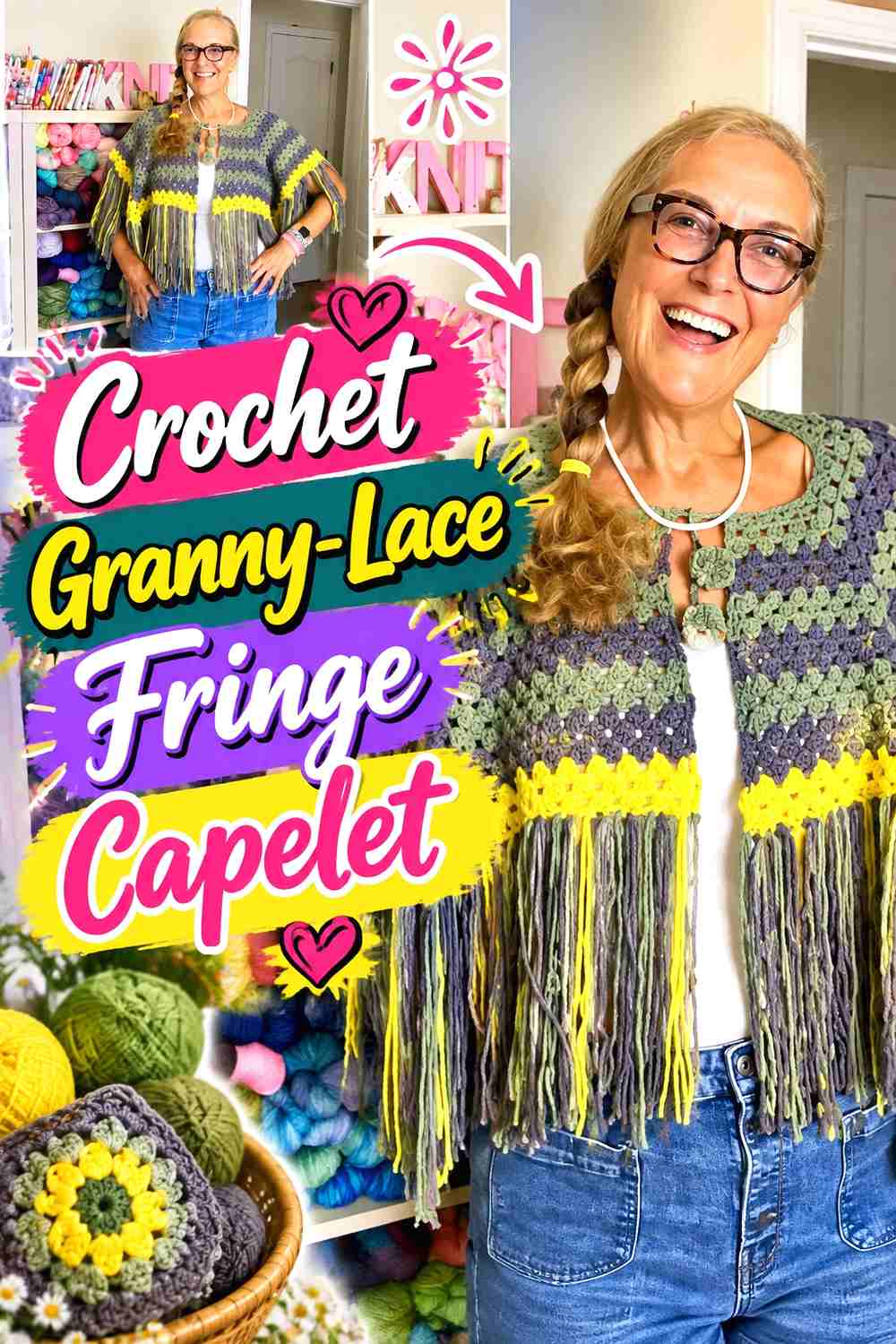
Granny-style crochet is not inherently Victorian, but a short open shoulder cape can still work within dark academia when the palette and finishing are controlled. Whirledpeas00 Knits demonstrates a capelet with open granny construction and a long fringe finish.
This is the collection’s most bohemian option, making it suitable for a folk-academic or artistic interpretation rather than strict historical dressing.
Use a Restricted Palette to Quiet the Granny Effect
Many unrelated colors make granny crochet feel playful and contemporary.
A single charcoal, dark olive, wine, brown, or black yarn—or a narrow tonal range—lets the open structure become more important than color changes.
Fringe Can Overpower a Short Capelet
Long fringe creates movement but can visually double the depth of a cropped garment.
Before cutting all the strands, test several at the intended length while wearing the capelet. A shorter fringe may preserve movement while fitting a tailored academic outfit more naturally.
Creator Credit: Whirledpeas00 Knits
11. Crochet Vintage Short Shoulder Capelet
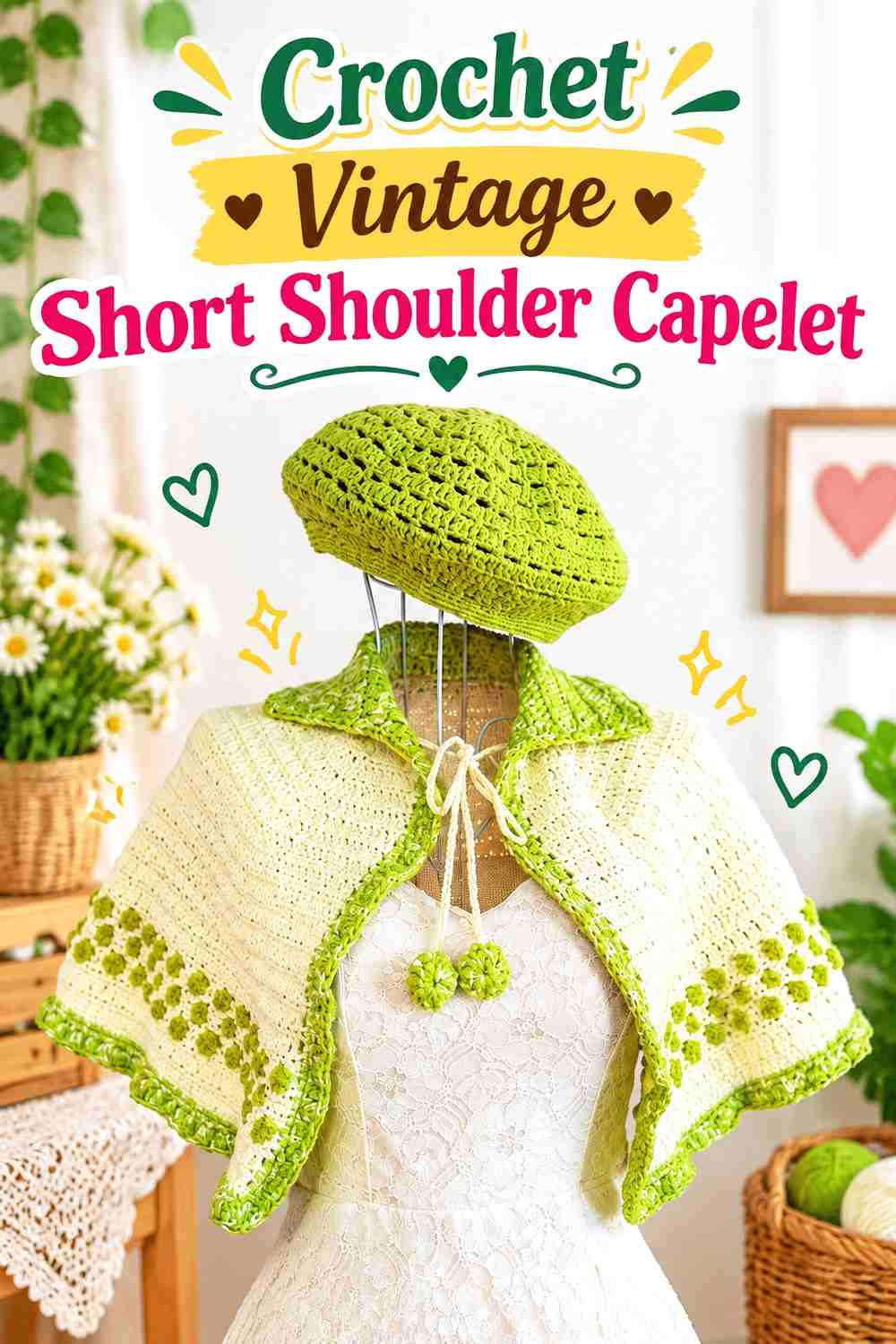
Nami Do’s tutorial offers a compact vintage-style cape shape that can be treated as a foundation for a darker winter look. The source is specifically presented as a vintage crochet cape rather than as a Victorian reproduction, so this idea works best as vintage-inspired adaptation.
Its short shoulder coverage makes it useful over long dresses or high-waisted skirts because it does not hide the rest of the silhouette.
Short Length Keeps the Waistline Visible
A capelet can add detail to the upper body without covering the shape of a fitted dress, waistcoat, or skirt.
That proportion works especially well in dark academia, where layering often depends on keeping several garment lines visible at once.
Vintage Styling Can Come From the Supporting Outfit
You do not have to heavily modify the crochet itself.
A high-neck blouse, long wool skirt, dark tights, leather shoes, and restrained jewelry can shift a simple vintage capelet toward the desired mood more effectively than attaching numerous themed decorations.
Creator Credit: Nami Do – Easy Crochet
12. Crochet Cabled Snowdrift Capelet
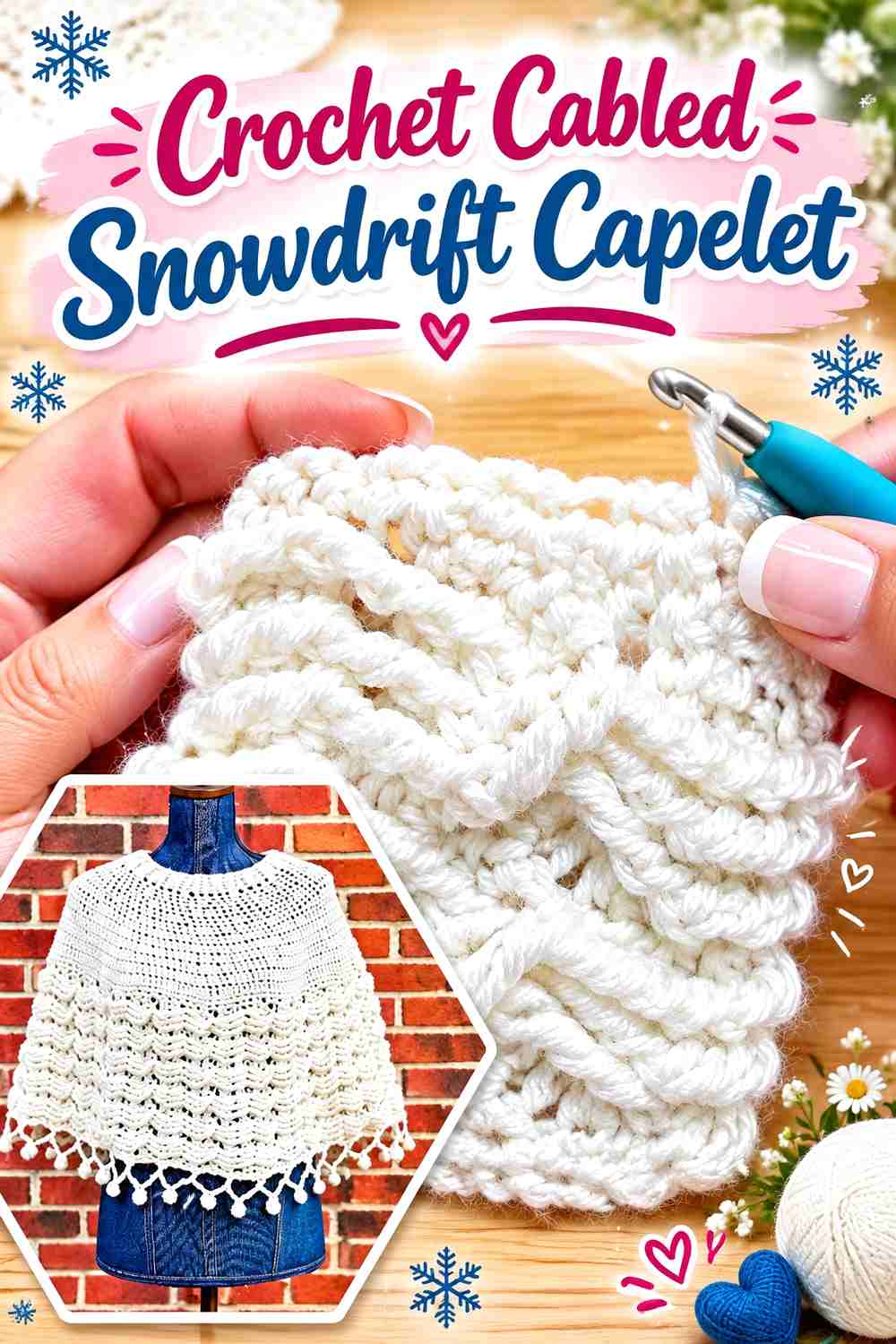
This is the least lace-forward project in the collection, but it earns its place by offering a colder-weather alternative with strong dimensional surface detail. Stitches n Scraps’ Snowdrift Capelet uses prominent sideways cables, a circular yoke, collar shaping, and optional decorative edging.
For dark academia, the cables can provide the visual richness normally supplied by lace while creating a more substantial winter silhouette.
Raised Texture Can Replace Ornate Lace
Victorian-inspired winter styling does not require every inch of a garment to be openwork.
A deeply textured solid capelet in charcoal, dark brown, or bottle green can create an equally old-world impression, especially when worn over a lace blouse or detailed collar.
Length Determines Whether It Still Reads as a Capelet
Adding more depth may increase coverage, but it also changes the proportion.
Compare the lower edge against your elbows and waist while fitting. Keeping it compact allows skirts, waistcoats, and fitted coat lines to remain visible.
Creator Credit: Stitches n Scraps
13. Crochet Buttoned Winter Lace Capelet
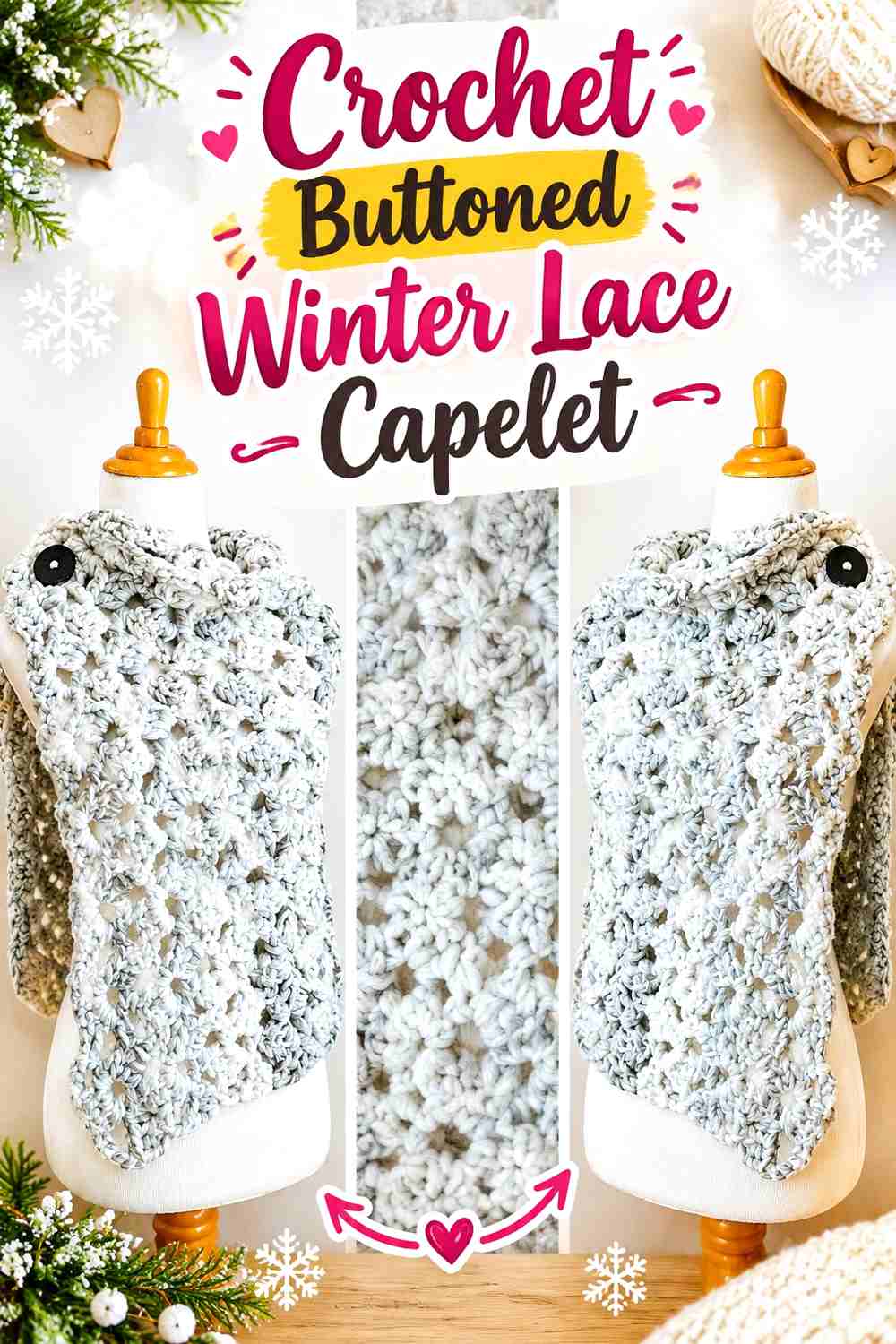
Fiber Flux’s capelet-cowl combines an open crochet fabric with a broad shoulder-wrapping shape and a prominent button closure. The original project uses a much more substantial winter treatment than the finer lace options above, making it useful when visual warmth and shoulder coverage matter.
For dark academia, a solid dark yarn and restrained button can turn the shape into a dramatic winter shoulder layer without relying on fringe or floral motifs.
The Button Can Become the Main Decorative Feature
A large closure naturally draws attention near the shoulder and neckline.
Choose it after the crochet fabric is complete so you can judge scale and weight. An oversized button that looks attractive in isolation may distort a soft edge if it is too heavy.
Wide Fabric Needs Space Around the Coat Collar
This capelet creates more volume than the delicate pelerines and lace collars earlier in the list.
If it will be worn beneath a winter coat, test how the neckline behaves with the coat open and closed. A high coat collar plus a bulky capelet collar can concentrate too much fabric in one area.
Creator Credit: Fiber Flux
Which Victorian-Style Crochet Capelet Works Best for Dark Academia?
For the strongest historical direction, choose the 1864 Pelerine. The Edwardian Ribbon-Tie Capelet is also a natural fit when you want a recognizably old-fashioned silhouette without working from a mid-Victorian source.
For dark romantic lace, the Dramatic Lace Collar, Filet Mesh Gothic Capelet, Beaded Shell-Lace Capelet, and Floral Lace Evening Capelet keep the outfit underneath visible and make contrast part of the design.
The Celtic-Lace Capelet offers the richest combination of raised structure and openwork, while the Top-Down Openwork Capelet is a more adaptable base if sizing flexibility matters.
Choose the Cabled Snowdrift or Buttoned Winter Capelet when colder-weather substance matters more than maintaining an extremely delicate lace appearance. The Granny-Lace Fringe option is better for a folk, art-student, or bohemian branch of dark academia than for strict Victorian styling.
Conclusion
A crochet Victorian lace capelet works particularly well with dark academia because it adds visual interest without hiding an entire outfit. The key is deciding whether you want actual historical influence, modern gothic lace, or simply a compact vintage shoulder layer.
Choose the 1864 pelerine or Edwardian design when period character is the priority. Choose filet, floral, shell, or beaded lace when the fabric itself should be the focal point. Cable and winter capelets provide more visual substance when open lace feels too light for the rest of the outfit.
Then build the styling around the capelet rather than adding every dark-academia detail at once. A good shoulder silhouette, a deep solid color, and one intentional closure can often create a stronger result than several competing trims. Follow the original creator tutorial for exact sizing, stitch work, construction, and finishing details.
Frequently Asked Questions
Are all Victorian-style crochet capelets historically accurate?
No. A historically inspired capelet and an actual period-derived pattern are different things. In this collection, the 1864 pelerine has the clearest direct historical basis, while several other tutorials are modern capelets that can be styled in a Victorian or dark-academia direction.
What crochet color works best for a dark academia capelet?
Black is effective, but it can hide intricate stitch texture. Charcoal, deep burgundy, bottle green, tobacco brown, aubergine, and navy can preserve the dark mood while making lace and raised stitches easier to see.
Can I wear an open lace capelet in winter?
Yes as a decorative layer, but very open lace should not automatically be treated as substantial insulation. Wear it over a warmer blouse, dress, sweater, or other base layer, and use a coat when conditions require more protection.
Should a Victorian-inspired capelet close with ribbon, a button, or a clasp?
All three can work, but they create different effects. Ribbon produces a soft romantic neckline, a button gives a clear practical fastening, and a clasp can become a stronger statement. Make sure the closure’s weight is compatible with the crochet fabric.
How short should a crochet capelet be for a Victorian look?
There is no universal length. A compact piece that ends around the upper torso generally reads more clearly as a capelet than one extending far down the body. Compare the finished tutorial shape with your own shoulder and torso proportions rather than relying on one standard measurement.
Can I use thick yarn to make a lace capelet warmer?
Changing to much thicker yarn can enlarge the lace openings, alter the neckline, increase weight, and change the overall dimensions. If warmth is the goal, layering a lace capelet over warmer clothing may preserve the intended structure better than a major yarn-weight substitution.
What should I wear under a dark academia crochet capelet?
High-neck blouses, simple dresses, fitted sweaters, waistcoats, and understated collared tops can all work. When the capelet itself contains elaborate lace, beads, fringe, or a dramatic closure, keeping the garment underneath relatively simple usually allows the crochet to remain the focal point.