If you’ve been eyeing Tunisian crochet, pillows are the perfect place to start—quick panels, gorgeous texture, and instant home refresh without a big yarn bill. This collection leans into the classic Tunisian honeycomb look (tss + tps magic!) and mixes in a few textured cousins for variety—think basketweave, ripple, entrelac, and faux-knit vibes. You’ll find clear, photo-rich tutorials, sensible yardage, and closure ideas (seamed, buttoned, envelope) so your covers are removable and washable. Most use worsted to super bulky for fast finishes, and several include videos if you like to follow along. Pick your palette, measure your insert, and let’s stitch up cushions that look boutique but cost stash-level prices.
Classic Tunisian Honeycomb Pillow

A true honeycomb showpiece that works up fast in super-bulky yarn. This pattern teaches the stitch combo (tss + tps) and walks you through front/back panels, tidy seaming, and bold color stripes. Make a single-color version for subtle texture or follow the tutorial’s aqua, mustard, and peacock accents. For a 16″ insert, expect five to seven short evening sessions. Tip: steam-block lightly before seaming to keep the honeycomb crisp. See the full pillow pattern and stitch tutorial in one place at the link—perfect if you’re brand new to Tunisian honeycomb. Tutorial.
Supplies:
- Super bulky acrylic/wool blend
- 8–10 mm Tunisian hook (interchangeable)
- Tapestry needle, scissors
Why it’s great: Bold texture + speedy yarn weight = a weekend win.
Two Tone Honeycomb Pillowcase
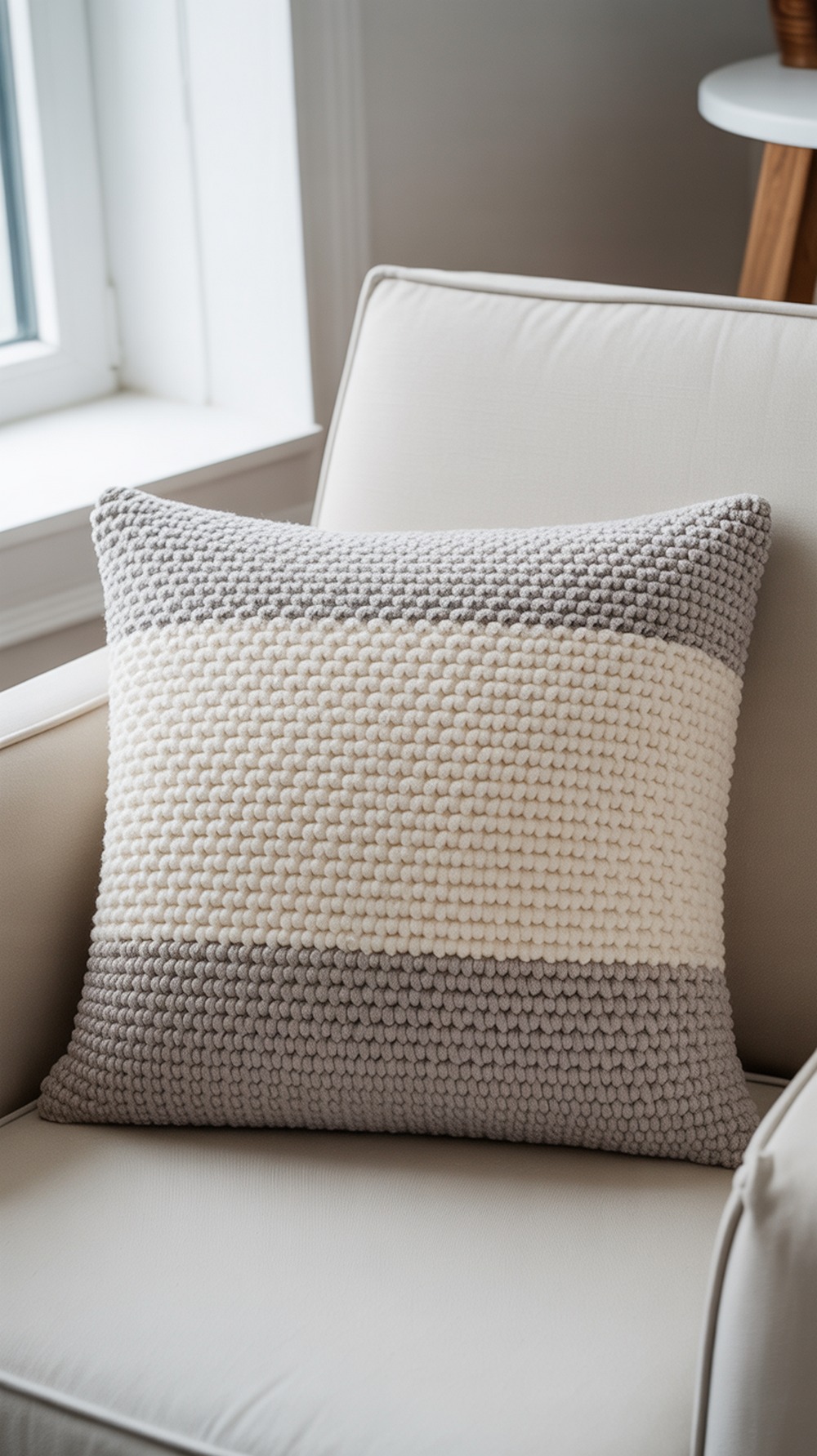
Go sleek with a reversible, two-tone honeycomb cover. This pattern showcases the elegant diamond-like texture you get when alternating simple and purl stitches, then finishes as a neat pillowcase. It’s a great test-drive for cotton ribbon or tube yarns if you want a structured, modern look. Size to your insert by chaining to width and working to length. Tip: choose two close neutrals (e.g., stone + ivory) for a subtle upscale effect. The post explains yarn choice, technique notes, and where to grab the full pattern. Tutorial.
Supplies:
- Cotton tube/ribbon yarn
- 6–8 mm Tunisian hook with cable
- Tapestry needle, scissors
Why it’s great: Two colors = instant designer vibes.
Malibu Color Pop Tunisian Pillow
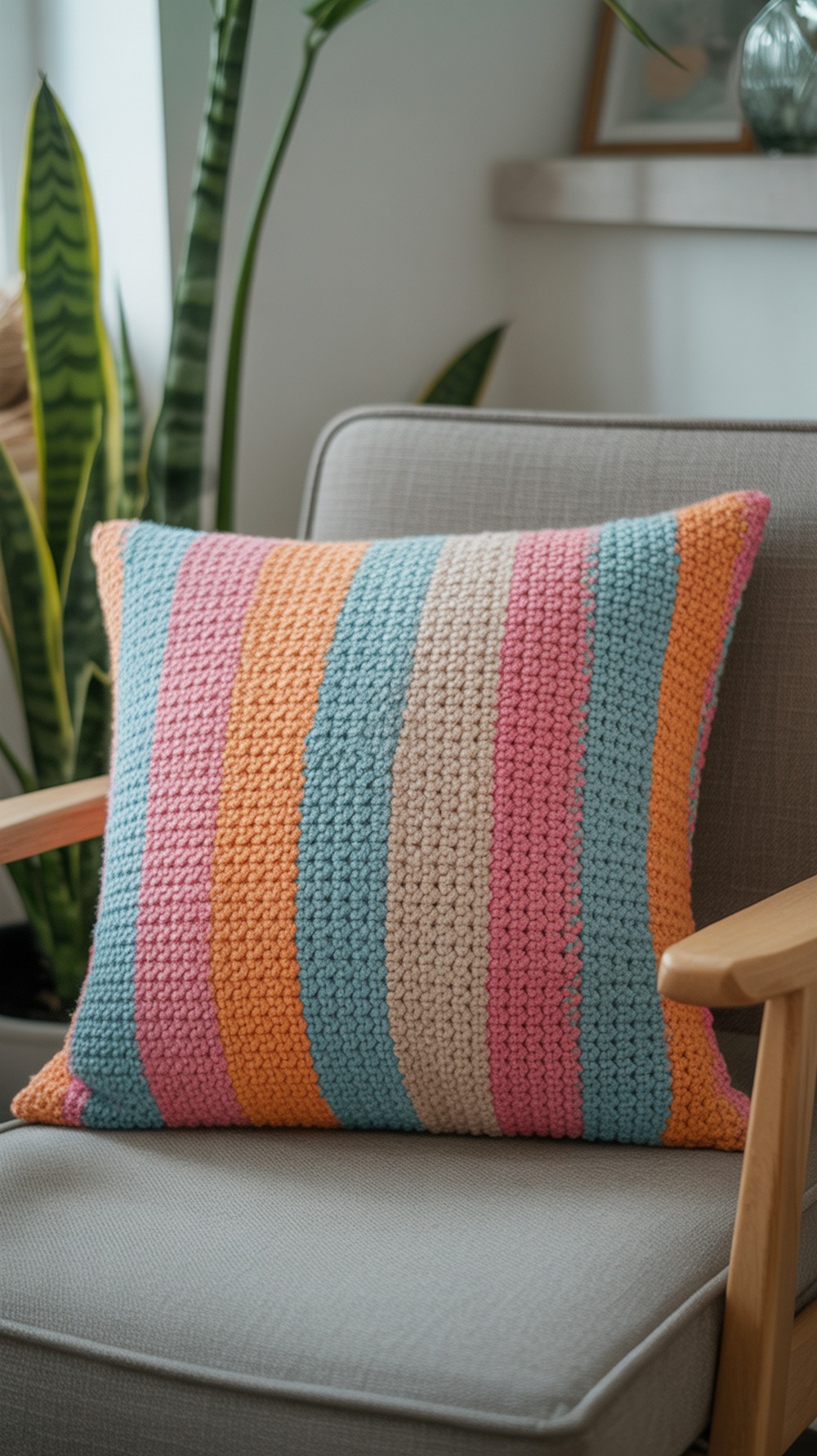
Not strictly honeycomb, but a fantastic Tunisian pillow project if you want colorful stripes and a clear walkthrough. The pattern uses common Tunisian stitches, two flat panels, and a clean join—ideal to practice tension before trying honeycomb. Swap the sunset palette for your room colors or keep the cheerful pink, peach, seafoam, and champagne. Tip: use a 20″ insert for a plump look and crochet panels just slightly smaller than the insert for a firm finish. Tutorial.
Supplies:
- Aran cotton in four colors
- 8 mm Tunisian hook with 14″ cord
- 20″ pillow insert, tapestry needle
Why it’s great: Friendly intro to Tunisian pillows with joyful color.
Easy Ripple (Chevron) Tunisian Cushion

Switch gears with a chevron pillow that still shows off Tunisian texture. Worked in two panels and joined, this free pattern includes sizing notes and a rhythmic repeat you can memorize quickly. Choose two or three colors for bold zigzags or go tonal for a subtle wave. Tip: keep your edges tidy by working the last stitch under both outside bars—your seaming will look pro. Tutorial.
Supplies:
- Worsted or aran yarn (2–3 colors)
- 6–7 mm Tunisian hook with cable
- Pillow insert, tapestry needle
Why it’s great: Eye-catching geometry with Tunisian ease.
Hayfields Faux Knit Tunisian Pillow
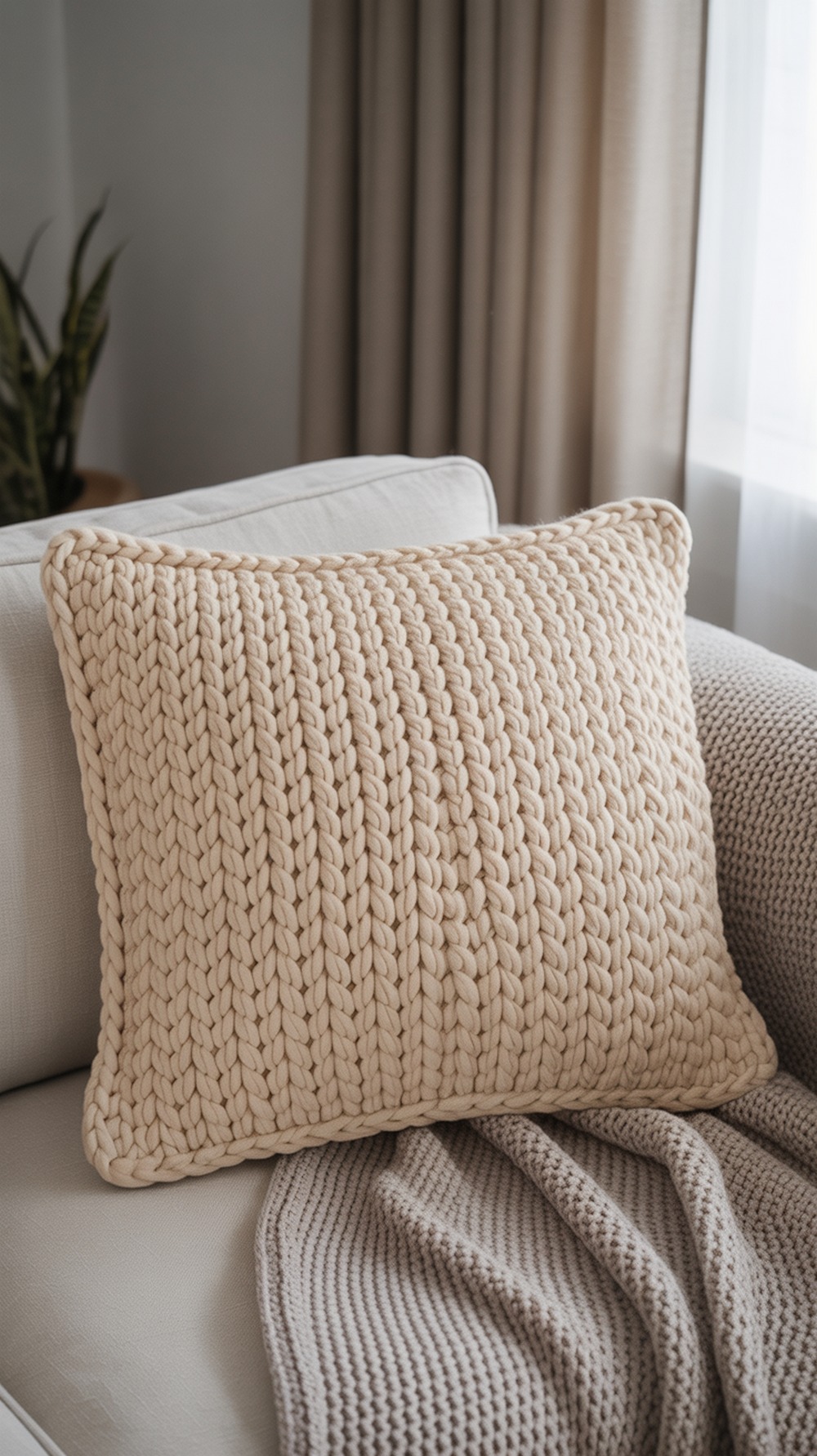
A reversible cover that looks knit thanks to a textured Tunisian stitch (straw stitch). It’s fast in super-bulky yarn and finishes with a simple seam and crab-stitch edging. Great “practice pillow” before honeycomb because your forward/return passes will feel natural. Tip: crochet panels slightly smaller than the insert for a firm, designer-store shape. Tutorial.
Supplies:
- Super bulky wool/acrylic
- 12 mm Tunisian hook + 12 mm regular hook
- 18″ insert, yarn needle
Why it’s great: Plush fabric, minimal effort, ultra-cozy.
Beginner Button Back Tunisian Pillow
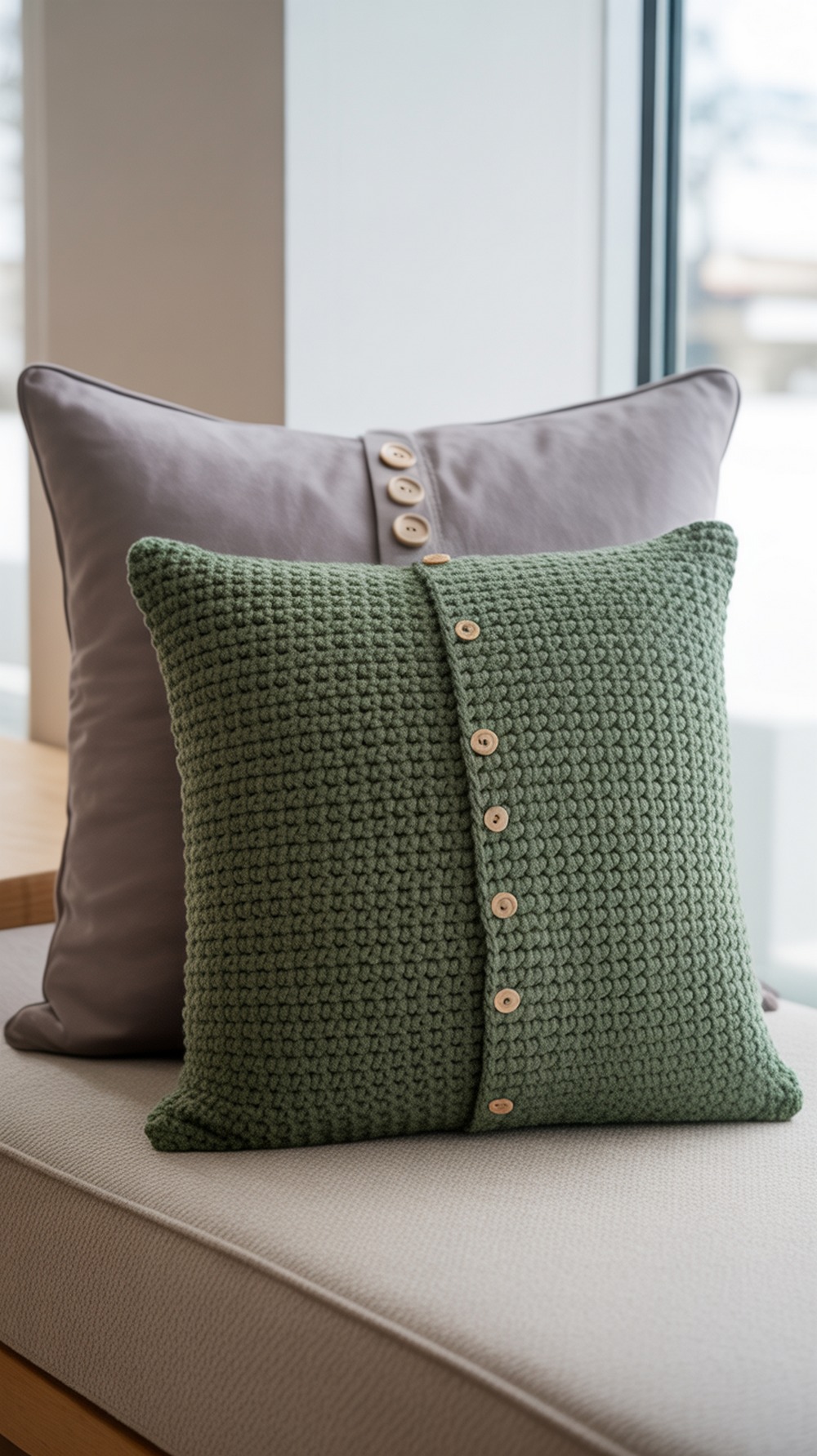
Prefer removable covers? This beginner-friendly design includes an envelope back with buttons—no zipper needed. Clear sizing for an 18″ insert plus stitch videos make it approachable if you’re new. Work in one calm color to let the texture shine, or stripe the back panel for a surprise. Tip: sew buttons through all layers if the cover won’t come off often; otherwise, keep the button band functional. Tutorial.
Supplies:
- Worsted acrylic or wool blend
- 6 mm Tunisian hook
- Three 1.5″ buttons, needle & thread
Why it’s great: Washable, giftable, and beginner-proof.
Ribbed Tunisian Pillow
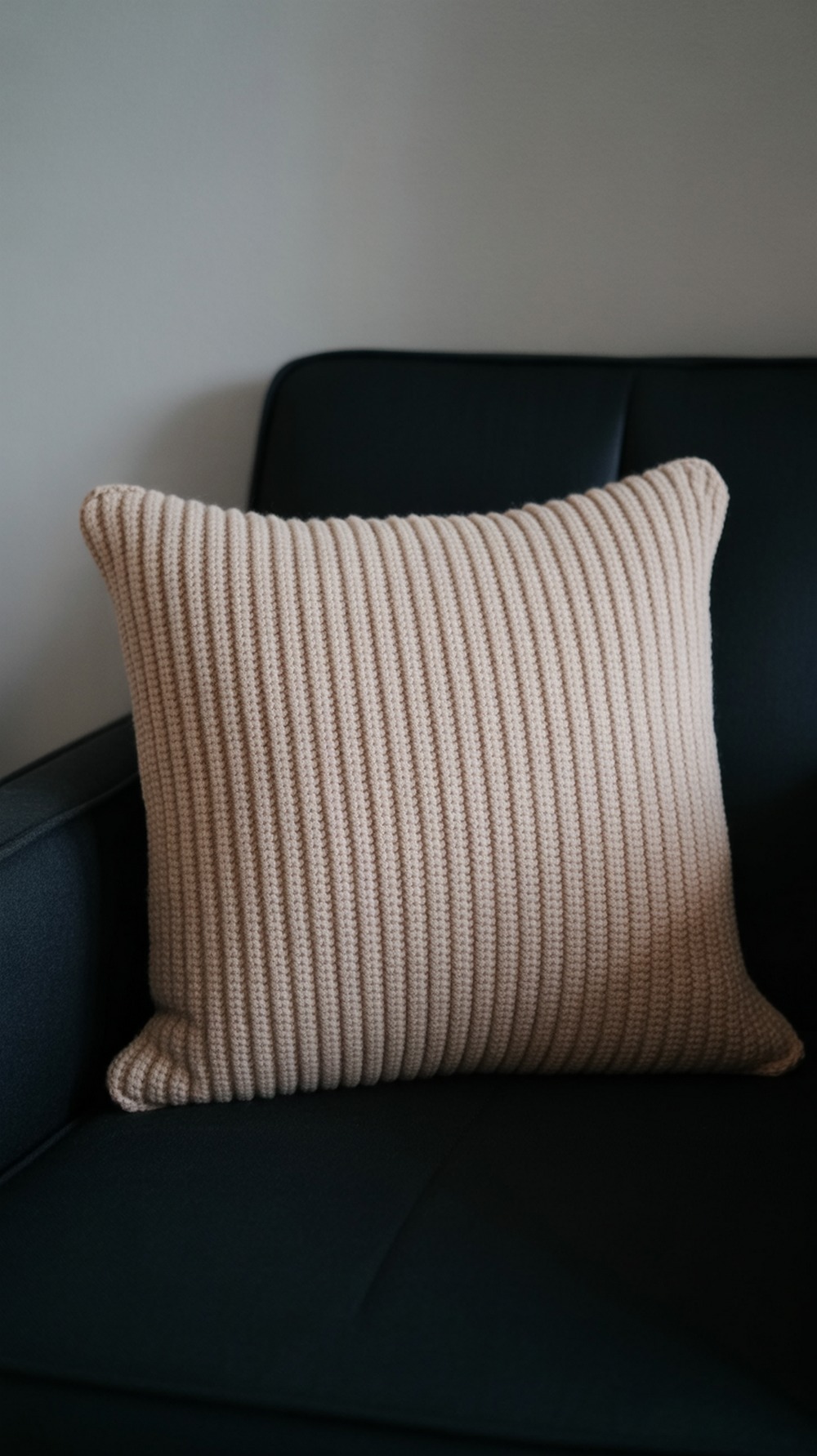
Sleek ribs, lots of squish. This pattern uses simple stitch repeats to build a modern texture that suits solid neutrals or moody jewel tones. The finish is polished enough for sofas or bed styling. Tip: ribbing compresses—measure as you go and block lightly before joining panels. Tutorial.
Supplies:
- Worsted yarn (2–3 skeins)
- 6–7 mm Tunisian hook with cable
- Pillow insert, tapestry needle
Why it’s great: Clean lines that pair with any decor.
Entrelac Check Tunisian Pillow
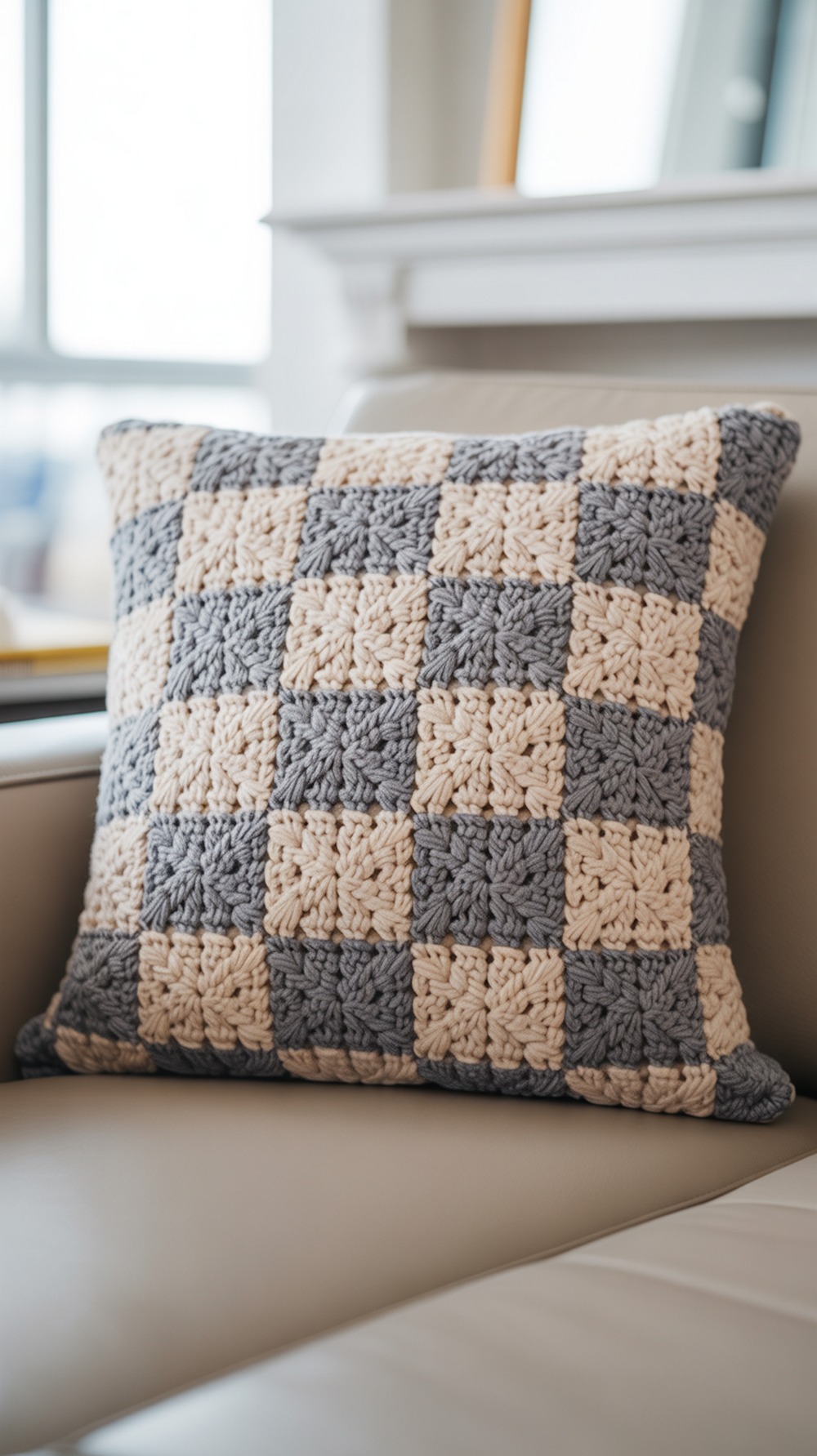
Try Tunisian entrelac for a checkerboard front that looks complex but builds block by block. The free pattern includes sizing, gauge, and clear notes on working squares from the center out. Choose two contrasting colors for graphic checks or keep it tonal for subtle depth. Tip: weave in ends as you go—entrelac creates lots of color changes. Tutorial.
Supplies:
- Worsted yarn in two colors
- 6–7 mm Tunisian hook
- 19″ insert, tapestry needle
Why it’s great: Pieced look without sewing lots of motifs.
Tunisian Basketweave Pillow
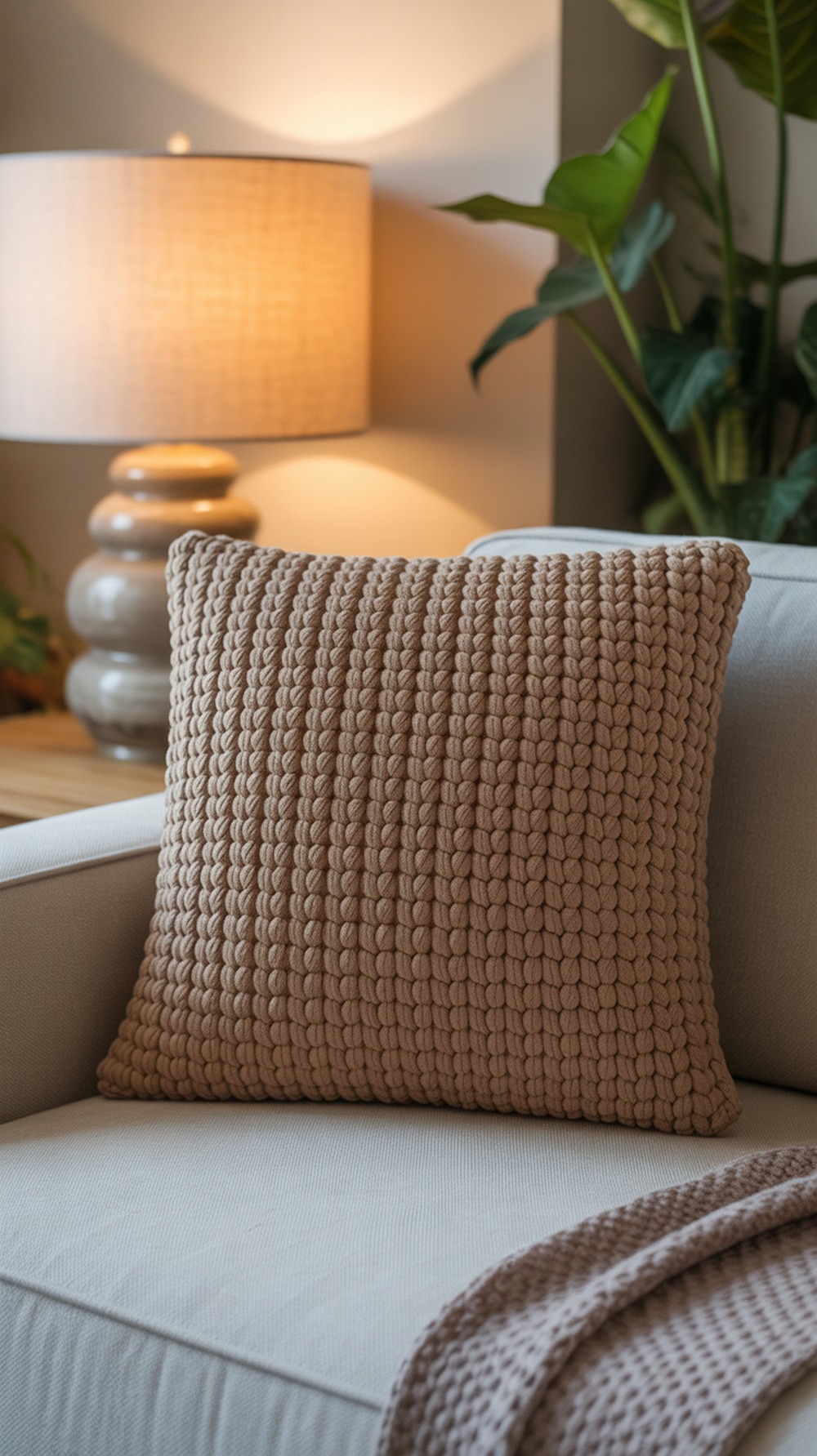
Basketweave is a timeless couch classic. This tutorial shows how alternating knit and purl-like sections in Tunisian create deep, woven columns. Make two identical panels, seam, and stuff. Works beautifully in heathers and tweeds. Tip: if your sides pull in, go up a hook size to relax the fabric. Tutorial.
Supplies:
- Worsted/aran yarn
- 6–7 mm Tunisian hook with cable
- Pillow insert, tapestry needle
Why it’s great: Traditional texture with Tunisian ease.
Tunisian Basketweave Pillow (Little Things Blogged)
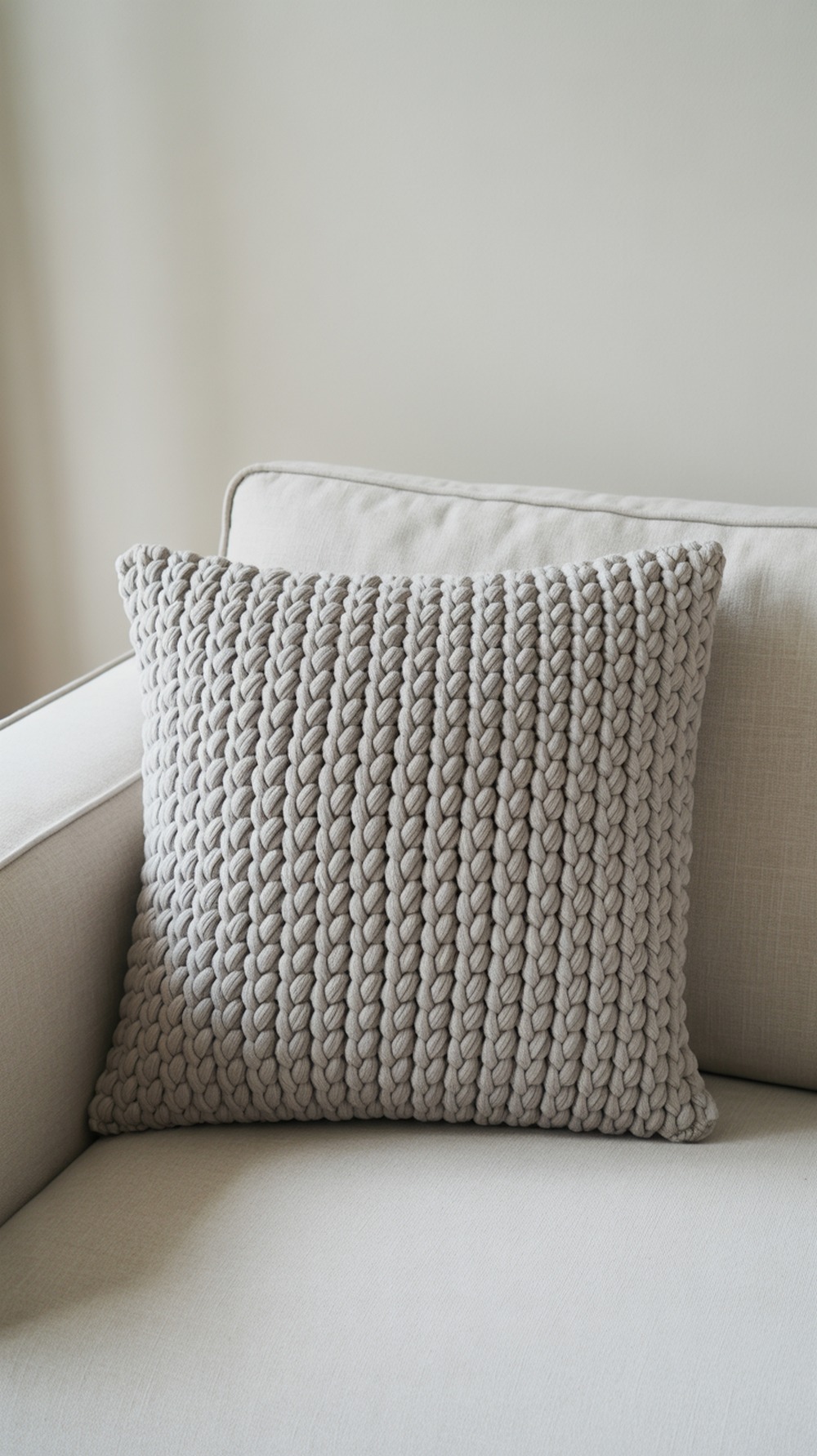
A second take on basketweave with step photos and stitch breakdown (tks, tss, tps). Great if you like having multiple references while you learn. The finished cover has a classic woven grid perfect for neutral decor. Tip: block pieces to the exact insert dimensions so the squares stay symmetrical after seaming. Tutorial.
Supplies:
- Worsted yarn
- 6–7 mm Tunisian hook + cable
- Pillow insert, yarn needle
Why it’s great: Clear stitch photos make learning painless.
Classic Tunisian Throw Pillows

A tried-and-true Tunisian pillow set from Kim Guzman—clear, concise, and sized for 14″ inserts. While not honeycomb, it’s a rock-solid primer on panel construction, neat edges, and seaming—skills you’ll use on any honeycomb project. Tip: make a pair in complementary shades to frame a statement honeycomb pillow in the middle. Tutorial.
Supplies:
- Worsted cotton/acrylic
- I-size Tunisian hook (5.5 mm)
- 14″ inserts, tapestry needle
Why it’s great: Foundation techniques from a Tunisian expert.
Colour Block Geo Tunisian Pillow
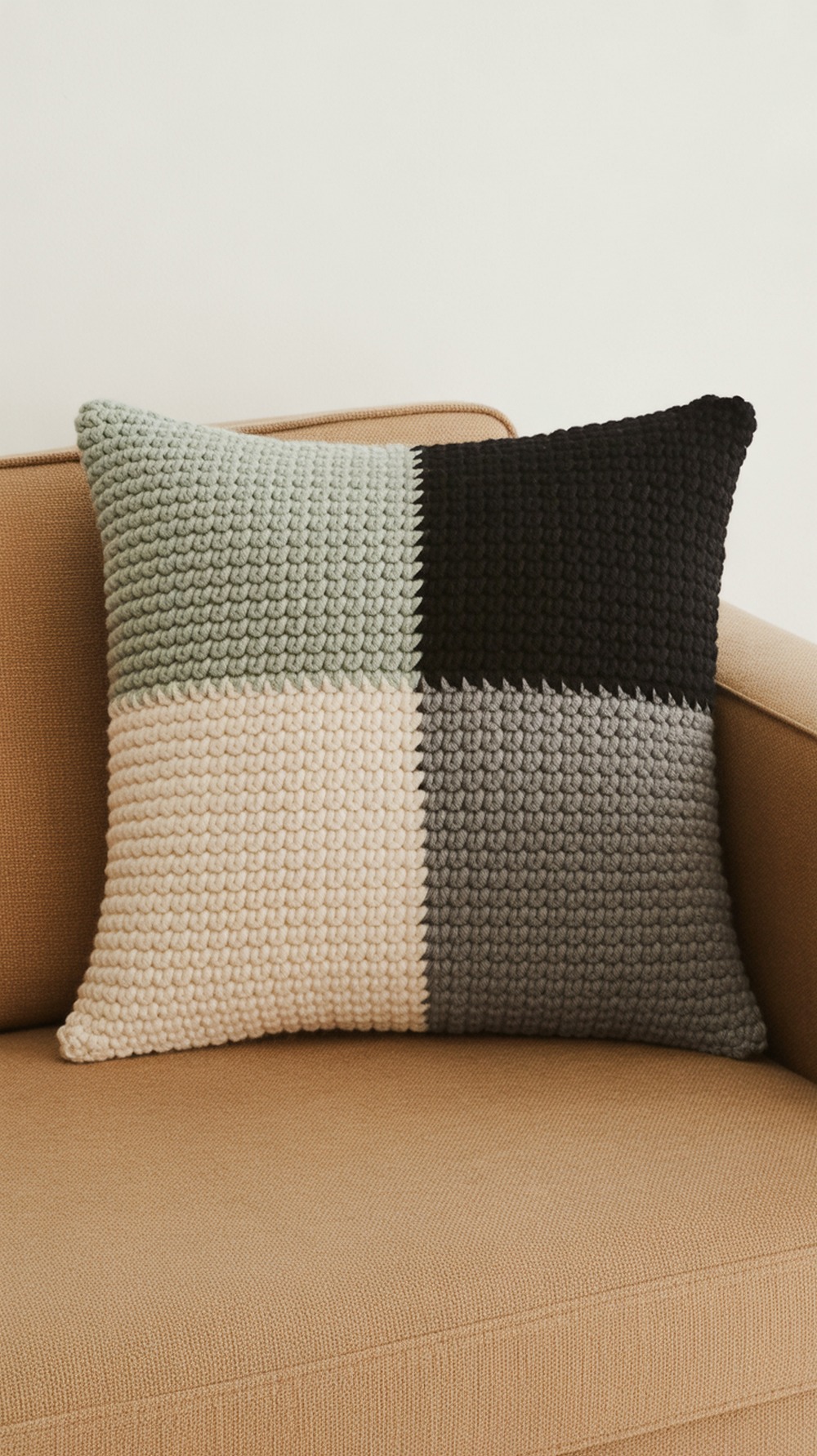
Graphic and modern, this color-blocked Tunisian pillow is worked in two flat panels and joined—simple construction, big impact. Stick with neutrals for a minimalist vibe or pick high-contrast brights to pop on the sofa. Tip: carry yarns neatly up the side to reduce ends, then cover with a slip-stitch seam. Tutorial.
Supplies:
- Worsted yarn in 2–3 colors
- 6–7 mm Tunisian hook with cable
- 16″ insert, tapestry needle
Why it’s great: Easy rectangles, high-end results.
Conclusion
If honeycomb texture has your heart, start with the classic patterns above, then add a couple of textured “cousins” to build skills and round out your sofa set. Pillows are forgiving, fast, and budget-friendly—most need just a few skeins and a single weekend. Bookmark this list, pick your insert size, and dive in. When your first cushion’s done, snap a photo, note your yardage, and queue the next colorway!
FAQs
What yarns work best for home pillows?
Worsted to super-bulky acrylics, cottons, or washable wool blends hold shape well. Choose low-pill fibers for durability and smooth stitches for crisp texture.
Machine wash or hand wash—and how do I dry?
Check the yarn label. Most acrylic and many cotton blends machine-wash cold; reshape and air-dry flat. For wool blends, hand wash cool, roll in a towel, then lay flat.
How do I scale a pattern to my insert?
Chain to your desired width, work pattern to length equal to the insert’s height, and block to dimensions. Aim for panels 1–2 cm smaller than the insert for a plump fit.
Safe fibers for kitchen/bath or heat?
Use cotton or linen for hot zones (they handle warmth, are absorbent, and don’t melt). Avoid acrylic near heat sources.
Best joins/edgings for daily use?
Slip-stitch or mattress-stitch seams are strong and tidy. Add a crab-stitch or single-crochet edging before seaming to stabilize edges.
Typical time and yardage?
- 16″ pillows: ~300–450 yds worsted; 1–2 evenings with bulky/super-bulky.
- 18–20″: ~450–700 yds worsted; a weekend project.
Any photo tips for finished pillows?
Use indirect daylight, a plain backdrop, and shoot slightly off-angle to show texture. Get a close-up of the stitch pattern.
How do I fix curling, stretching, or wavy edges?
Go up a hook size to reduce curl, add a single-crochet edge before seaming for stability, and block panels flat to measurements before joining.