Crochet tassel ornaments have enough movement to stand out between traditional baubles while still feeling at home on a handmade Christmas tree. Pairing them with heritage-inspired colors gives the collection an older, collected character without requiring every ornament to copy the same shape or construction.
For this collection, “heritage colors” means a restrained holiday palette such as burgundy, cranberry, oxblood, deep spruce, olive, navy, mustard, rust, warm brown, ecru, and antique-gold-inspired accents. These are styling suggestions rather than claims about one specific historical Christmas period.
Several tutorials below already incorporate a tassel or tassel-like yarn element. Others teach a strong crochet ornament shape that can be finished with a coordinating tassel as an adaptation. Where the tassel is an addition rather than part of the source construction, finish the original crochet piece first and check its balance before attaching anything extra.
Quick List
- Crochet Layered Christmas Tree Tassel Ornament
- Crochet Spiral Spinner Tassel Ornament
- Crochet Gnome Tassel-Beard Ornament
- Crochet Heritage Heart Tassel Ornament
- Crochet Angel Tassel-Skirt Ornament
- Crochet Gift Parcel Tassel Ornament
- Crochet Wreath Drop-Tassel Ornament
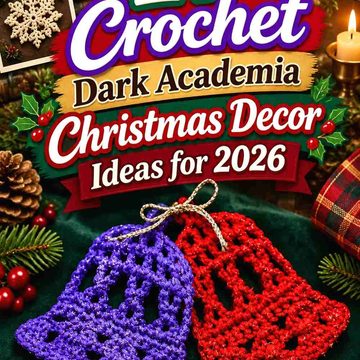
- Crochet Bell Tassel Ornament
- Crochet Lantern Tassel Ornament
- Crochet Star Drop-Tassel Ornament
- Crochet Stocking Tassel Ornament
- Crochet Mitten Pair Tassel Ornament
- Crochet Covered Bauble Tassel Ornament
- Crochet Stuffed Bauble Tassel Ornament
- Crochet Corkscrew Tassel Ornament
Build the Heritage Palette Around Three Main Colors
Fifteen ornaments can become visually noisy if every project introduces a completely new palette. A simpler approach is to choose three dominant colors and let the remaining shades work as accents.
Burgundy, deep spruce, and ecru make a strong traditional base. Navy can replace green for a darker collection, while mustard or rust introduces warmth without the brightness of modern yellow or orange. Brown wooden beads and muted metallic accents can connect otherwise unrelated ornament shapes.
You also do not need every tassel to match its crochet topper. An ecru tassel beneath burgundy crochet, for example, makes the fringe easier to see against dark tree branches.
Tassel Length Changes How an Ornament Uses Branch Space
The tassel is not just decoration. It changes the overall silhouette, weight distribution, and space an ornament needs.
A long tassel can make a small heart or star look much more substantial, while the same length beneath a tall tree or stocking can make the ornament feel disproportionately stretched. Before trimming a tassel, hang the unfinished piece from an actual branch and judge the complete vertical line.
Full tassels also occupy more visual space than narrow ones. Mixing slim, dense, short, and flowing fringe keeps the collection from looking like fifteen versions of the same ornament.
Check the Connection Point Before Adding Beads or Fringe
A tassel pulls downward from one concentrated point. On a flat crochet motif, that point may be a lower tip or sturdy edge. On a stuffed ornament, the attachment may need to pass through a more structurally stable part of the fabric.
Avoid assuming that the most visually convenient stitch is automatically the strongest attachment point. Finish the crochet portion first, suspend the ornament temporarily, and check both balance and distortion.
If you use wooden beads, bells, buttons, or other small decorations, secure them appropriately and treat the finished piece as decor rather than assuming it is suitable for young children or pets.
1. Crochet Layered Christmas Tree Tassel Ornament
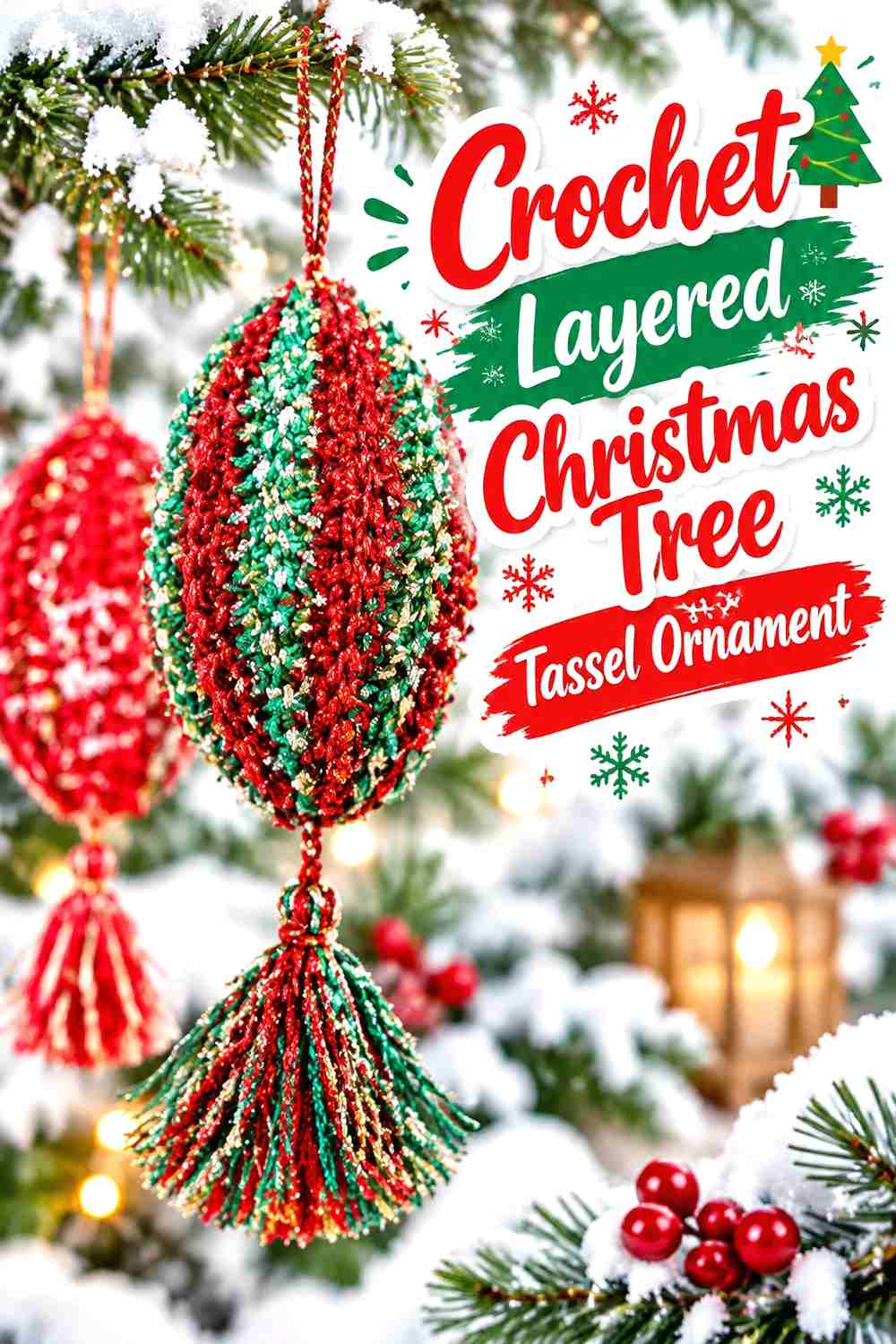
This Christmas tree design from Crochet with Tuula Maaria has a defined tree silhouette and includes a tassel as part of the finishing, making it one of the closest direct matches to the theme of this collection. The source also shows how the ornament can change character through yarn and decorative choices.
For a heritage palette, try spruce with ecru fringe, burgundy with cream, or a muted olive tree finished with a warm brown tassel.
Let the Tassel Act Like a Stylized Trunk
The fringe sits naturally beneath a pointed tree shape, so it can visually replace a conventional solid trunk. This is useful if you want the collection to feel textile-heavy rather than literal.
Keep enough contrast between the tree and tassel for that transition to remain visible. Dark green over dark brown may disappear in low tree lighting.
A Narrow Tree Can Handle Stronger Color Contrast
Because the body is relatively compact, you can use a bolder pairing here than on a larger ornament. Burgundy and ecru or navy and mustard can look intentional without overwhelming the shape.
If beads or sparkle are added, check the source construction first and avoid loading the lower edge heavily enough to distort the crochet.
Creator Credit: Crochet with Tuula Maaria
2. Crochet Spiral Spinner Tassel Ornament
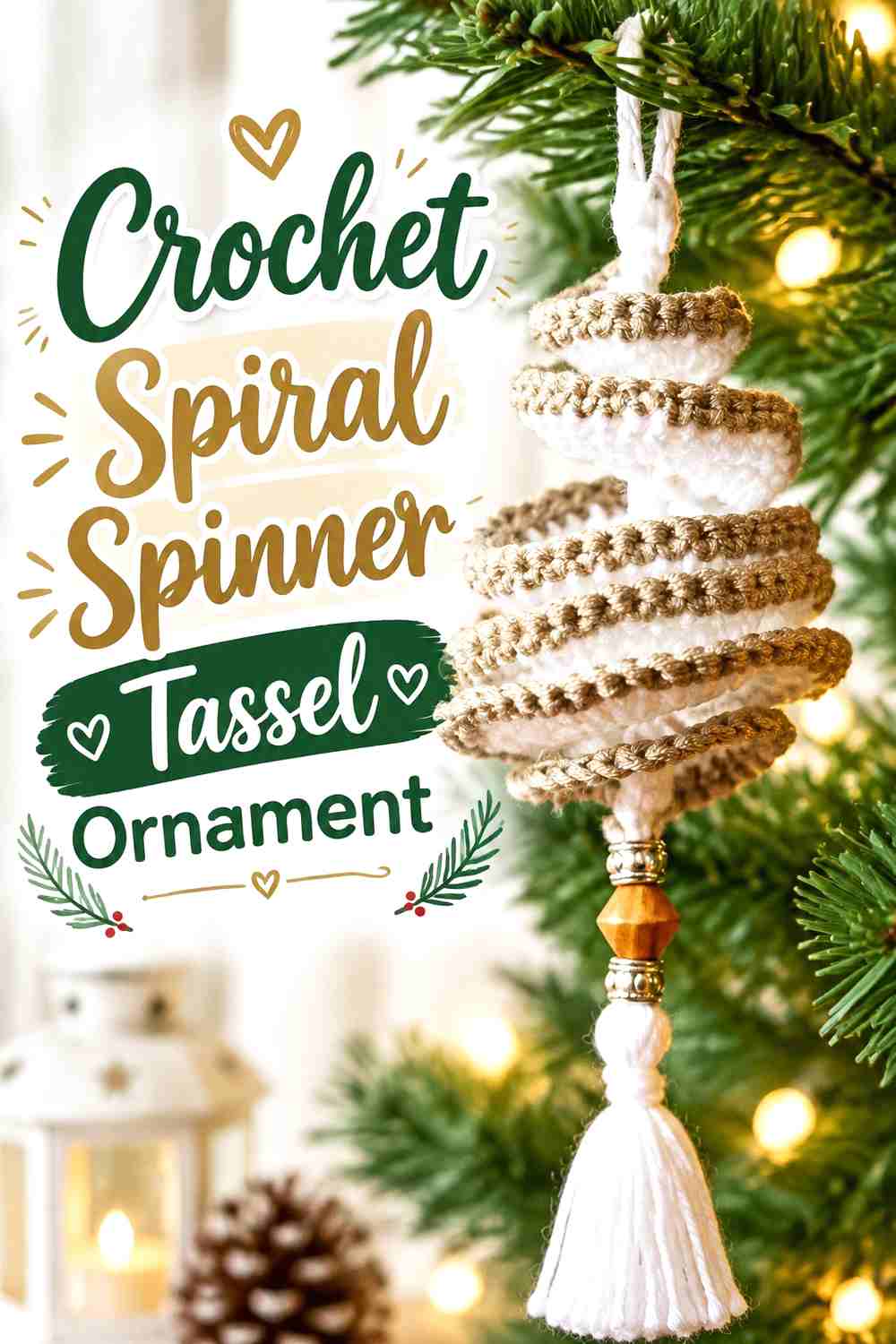
Rich Textures Crochet’s ornament combines a curled crochet body with optional beads and a tassel beneath it, creating movement both in the crochet section and the fringe. The tutorial is specifically intended as hanging decor rather than a motif that needs to be converted afterward.
That vertical construction works especially well in cream, tobacco brown, burgundy, olive, or muted gold combinations.
Use Two Colors to Clarify the Spiral
A spinner depends on its curved shape remaining visible. Two related but distinguishable colors can emphasize the crochet line better than several small color changes.
Deep navy with ecru gives a more restrained result, while cranberry with antique-gold-inspired yarn feels warmer.
Beads Create a Pause Before the Tassel
If you choose to include beads as shown as an option in the source, they create useful visual separation between the active spiral and softer fringe.
That separation becomes particularly valuable when the tassel and crochet body use the same yarn color.
Creator Credit: Rich Textures Crochet
3. Crochet Gnome Tassel-Beard Ornament
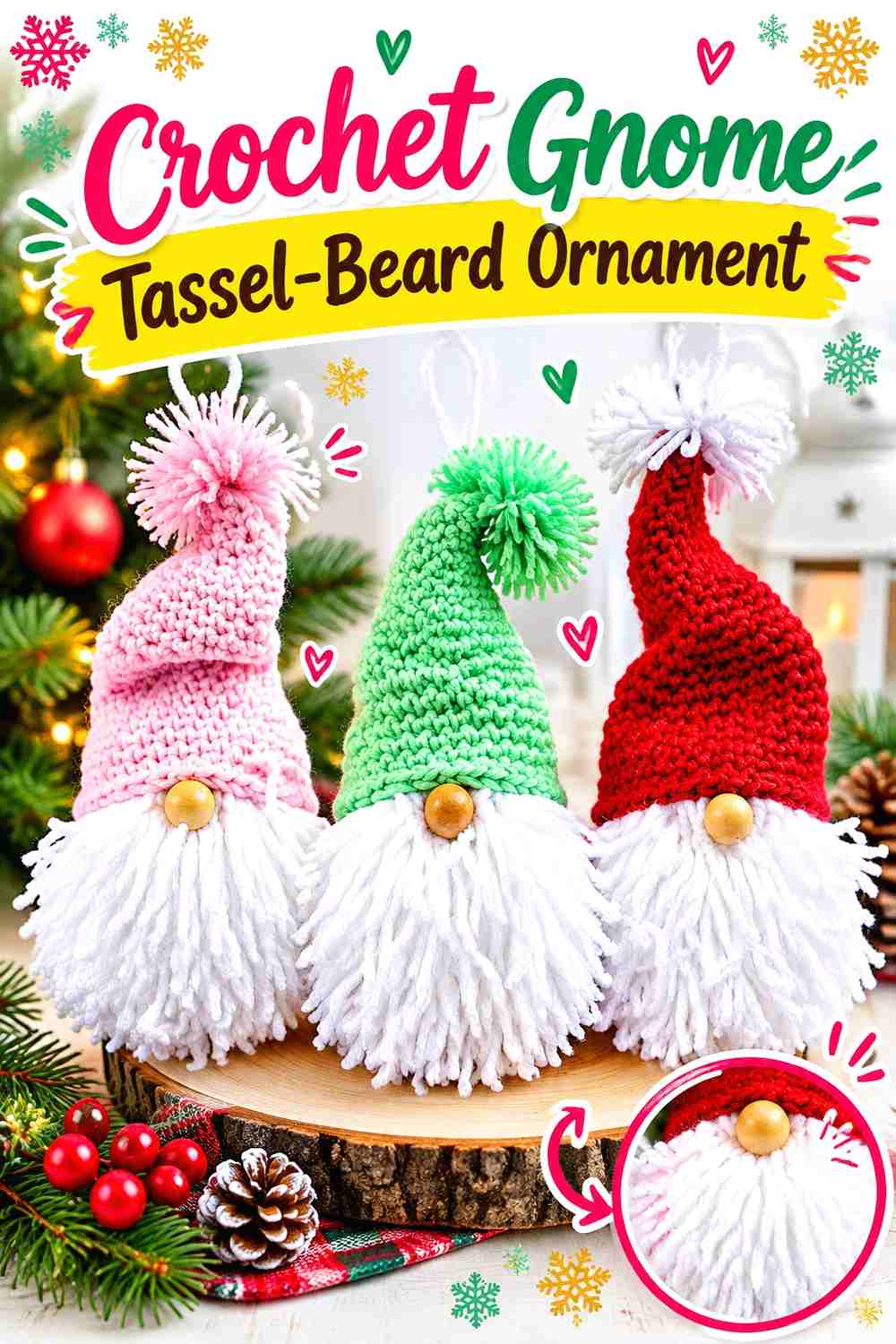
Katia Creates uses yarn fringe as an essential part of this gnome ornament, forming the head and beard beneath a crocheted hat. That makes the tassel structural rather than simply decorative.
Instead of bright novelty colors, a claret, forest green, oatmeal, or navy hat can move the gnome toward a quieter heritage Christmas look.
The Beard Needs a Different Texture From the Hat
The gnome reads clearly because the hat is a defined crochet shape while the beard hangs freely. Keep that contrast intact when choosing yarn.
A heavily fuzzy hat combined with equally fuzzy fringe may blur the separation between the two parts.
Muted Hat Colors Keep the Beard as the Focal Point
Cream or natural-looking fringe against oxblood, spruce, or navy provides enough contrast for the face area to remain legible.
If you use a wooden nose or another small component, remember that it changes the ornament’s intended use. Keep small-part decorations secure and out of reach where necessary.
Creator Credit: Katia Creates
4. Crochet Heritage Heart Tassel Ornament
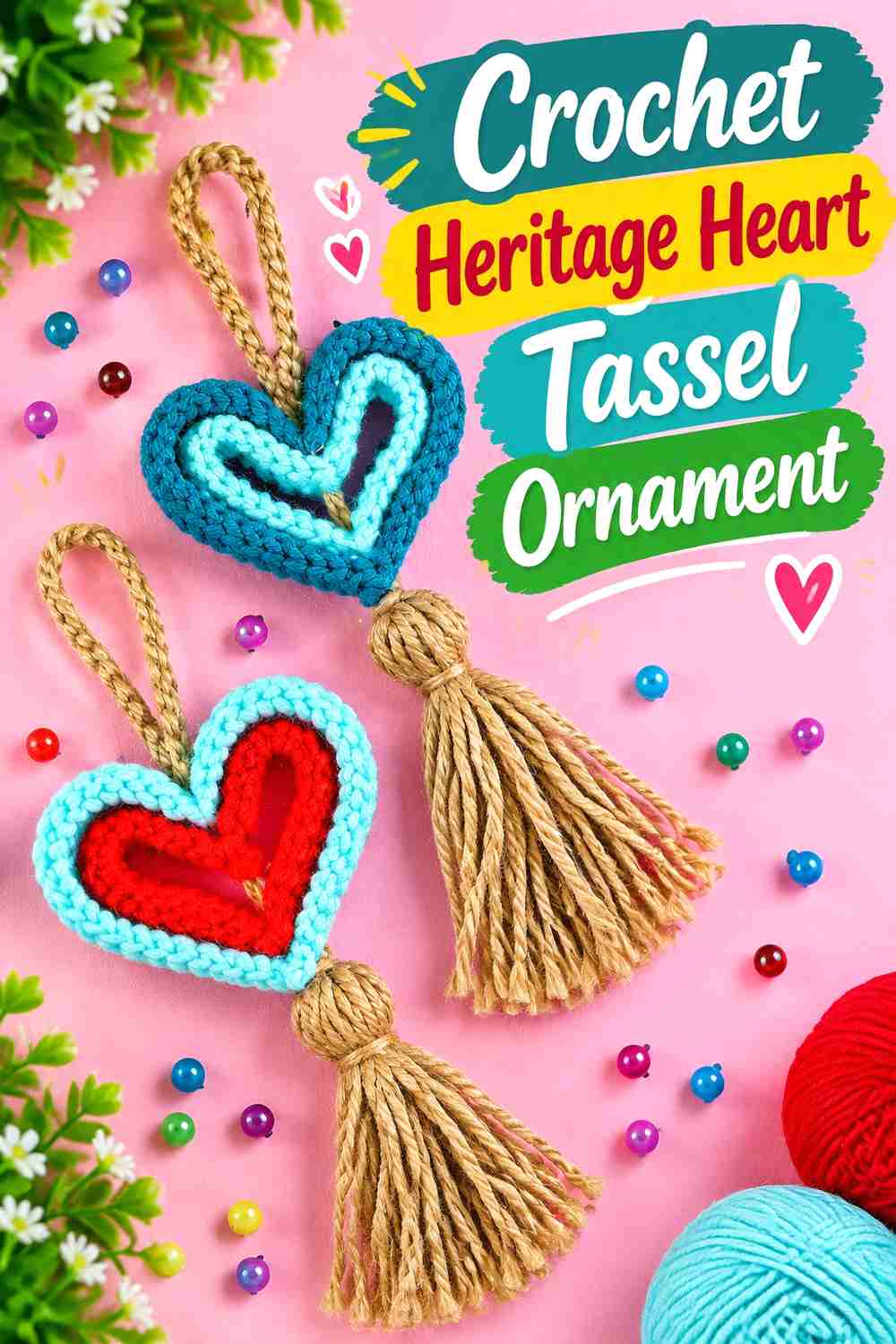
Mamaquilla Tejidos demonstrates a crochet heart ornament and includes the hanger and tassel in the tutorial, giving this project a finished vertical silhouette rather than leaving the heart as a plain appliqué.
A heart also gives the collection an ornament that feels Christmas-friendly without relying on a literal Santa, snowman, or tree shape.
Burgundy Makes the Heart Feel Less Valentine-Specific
Bright red can push a crochet heart toward Valentine’s Day. Oxblood, claret, rust-red, or muted cranberry shifts it toward traditional winter decorating.
An ecru or mustard tassel beneath the darker heart can reinforce that older color mood.
Keep the Lower Point From Disappearing Into the Fringe
The pointed bottom is part of the heart silhouette. A tassel attached too high or made too full can visually swallow that shape.
Judge the transition from heart to tassel while the ornament is hanging, not while it is lying flat on a work surface.
Creator Credit: Mamaquilla Tejidos
5. Crochet Angel Tassel-Skirt Ornament
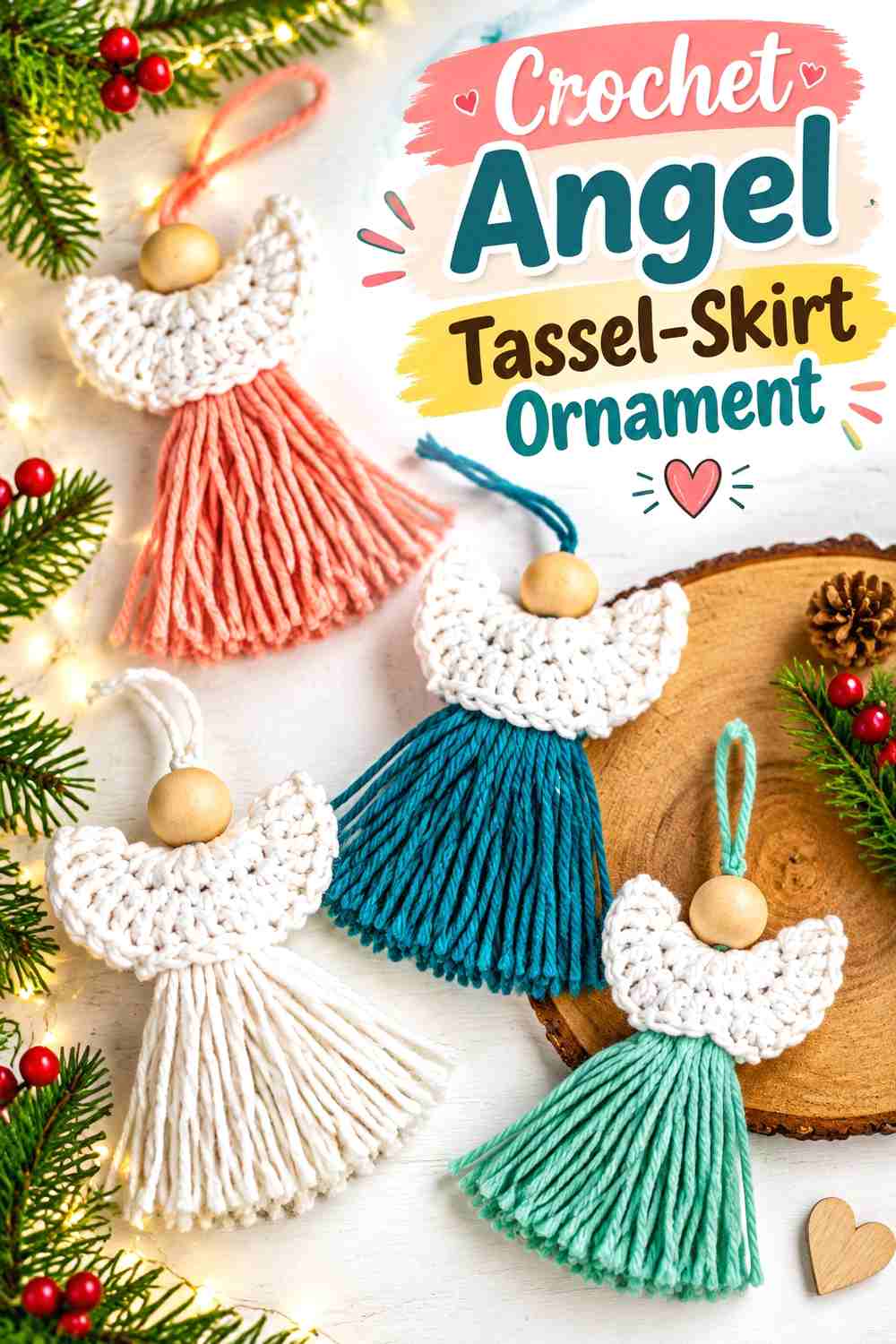
Winding Road Crochet’s angel uses a crocheted torso and wings with cut yarn strands forming the skirt below a wooden bead head. The loose skirt gives the ornament much of the movement associated with a tassel while keeping the upper silhouette unmistakably angelic.
Cream is the obvious heritage choice, but faded blue, burgundy, muted rose, or soft olive can make the angels less formal and more collected.
Treat the Yarn Skirt as Part of the Proportion
Longer strands make the angel visually taller even though the crochet section has not changed. Before final trimming, compare the skirt length with neighboring ornaments.
A very long skirt can dominate smaller stars and hearts nearby.
Wooden Elements Work Well With Restrained Colors
A natural bead can connect cream, brown, olive, and muted red ornaments across the tree without introducing another bright color.
If you substitute materials, verify that the central opening and attachment method still suit the construction demonstrated by the creator.
Creator Credit: Winding Road Crochet
6. Crochet Gift Parcel Tassel Ornament
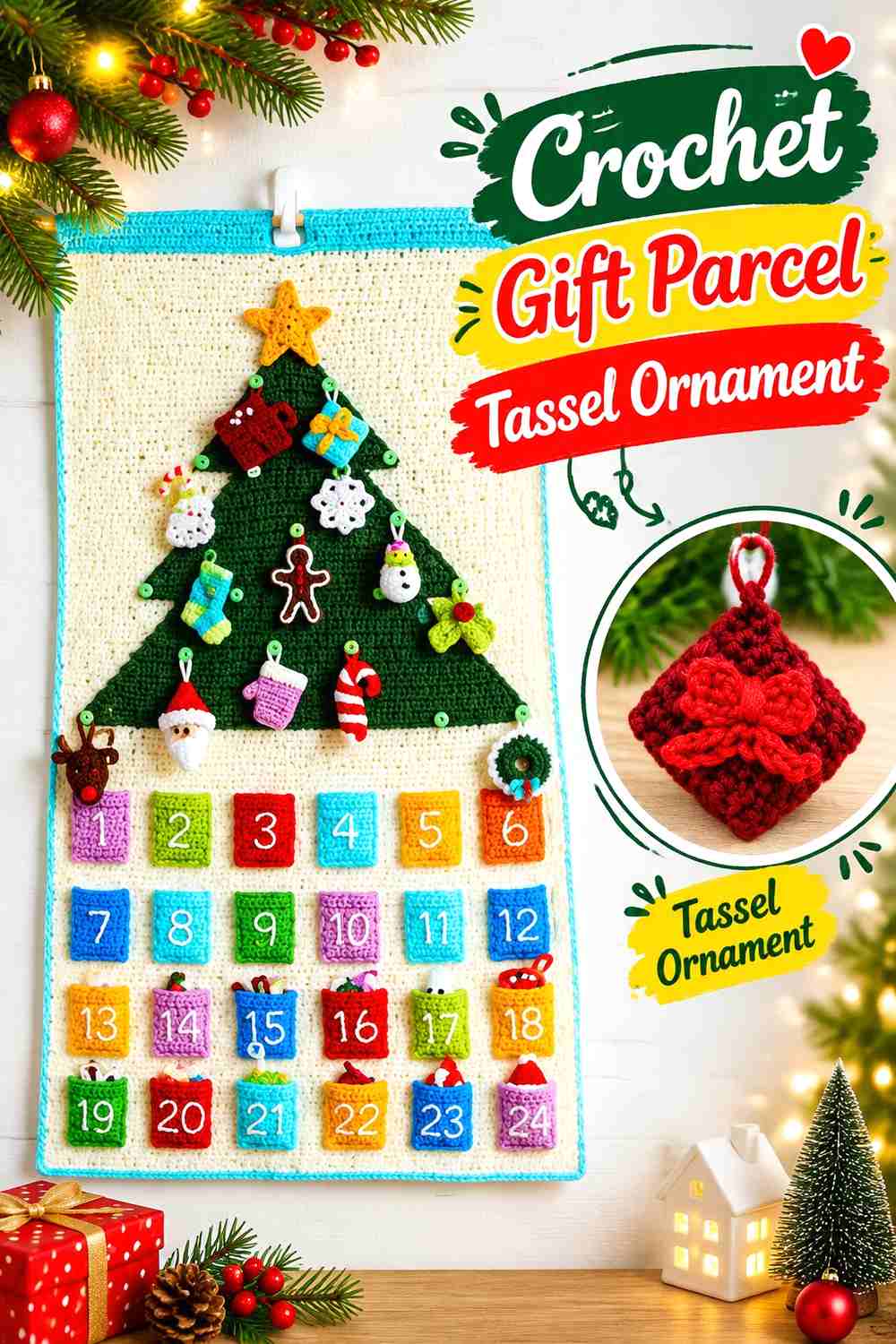
The Crochet Crowd’s miniature gift tutorial creates a recognizable package-shaped ornament. The source does not depend on a tassel, so the fringe here is an adaptation: add one only after completing the gift and determining where the lower center can support it without pulling the box out of shape.
A square parcel is useful in this collection because it provides a strong geometric break between curved baubles, hearts, and spirals.
Use the Tassel Like a Gift-Ribbon Tail
Rather than adding an oversized fringe, consider a short tassel aligned beneath the vertical ribbon area.
That makes the addition look connected to the parcel design instead of appearing randomly attached.
Heritage Gift Colors Can Be More Varied Than Red and Green
Navy with mustard ribbon, burgundy with ecru, olive with rust, or brown with cranberry can all fit the overall collection.
What matters most is preserving enough contrast for the parcel’s ribbon structure to remain visible.
Creator Credit: The Crochet Crowd
7. Crochet Wreath Drop-Tassel Ornament
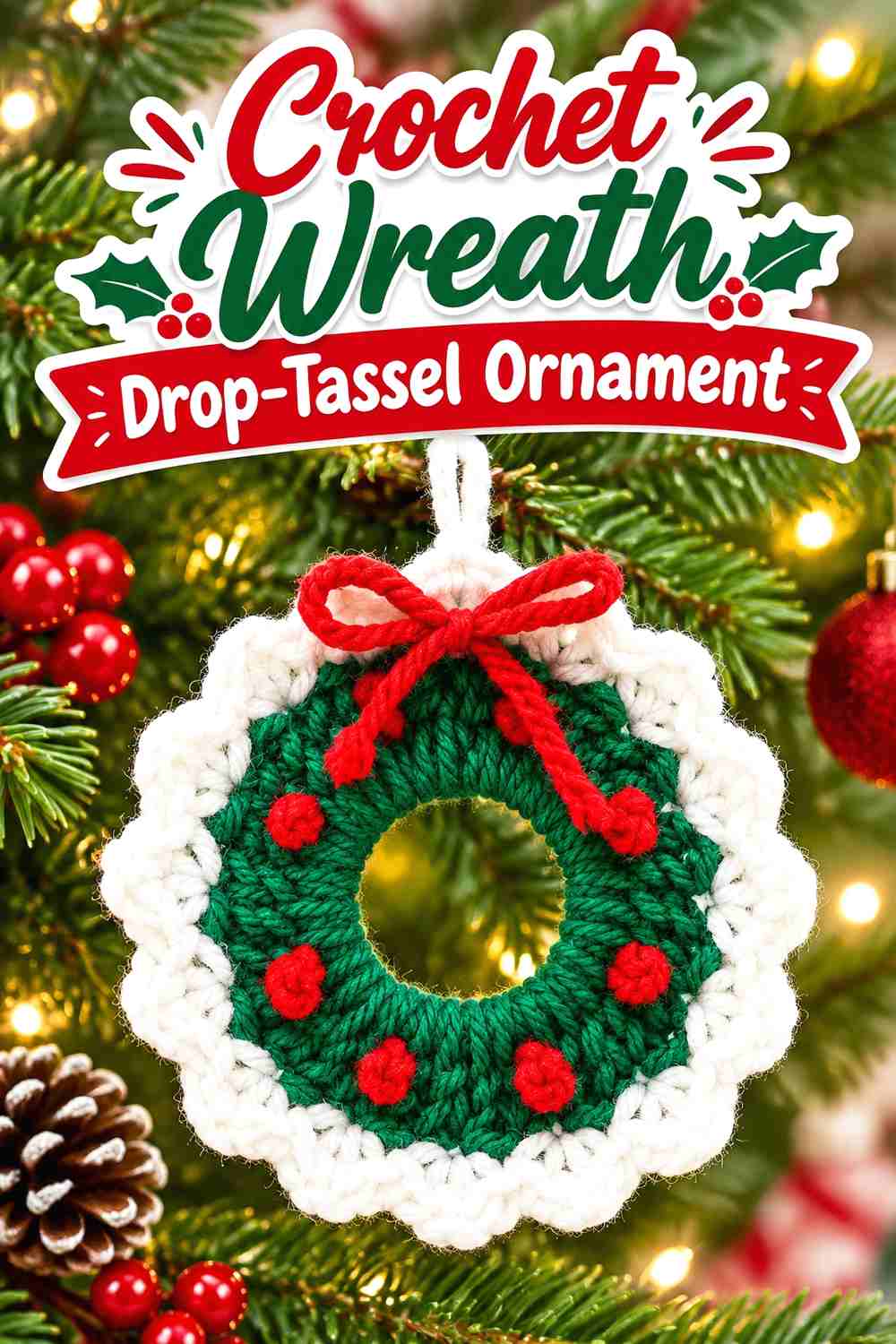
Crouton Crafts demonstrates a circular crochet wreath built around a ring and finished with recognizable decorative details. A tassel is not required by the source design, so treat the drop fringe as an optional adaptation beneath the wreath.
This combination gives you an ornament with open negative space in the center, which helps lighten a tree filled with solid shapes.
Keep the Center Opening Unobstructed
The hole in a wreath is part of its identity. A bulky tassel tied too far inside the ring can interrupt that clean circular opening.
Attach fringe from the lowest outer point instead and check that it hangs below rather than through the wreath.
Olive and Cranberry Suit the Circular Form
A slightly muted green body with small burgundy or cranberry accents creates a less synthetic-looking alternative to bright primary Christmas colors.
An ecru tassel can lighten the lower edge if the wreath itself is very dark.
Creator Credit: Crouton Crafts
8. Crochet Bell Tassel Ornament
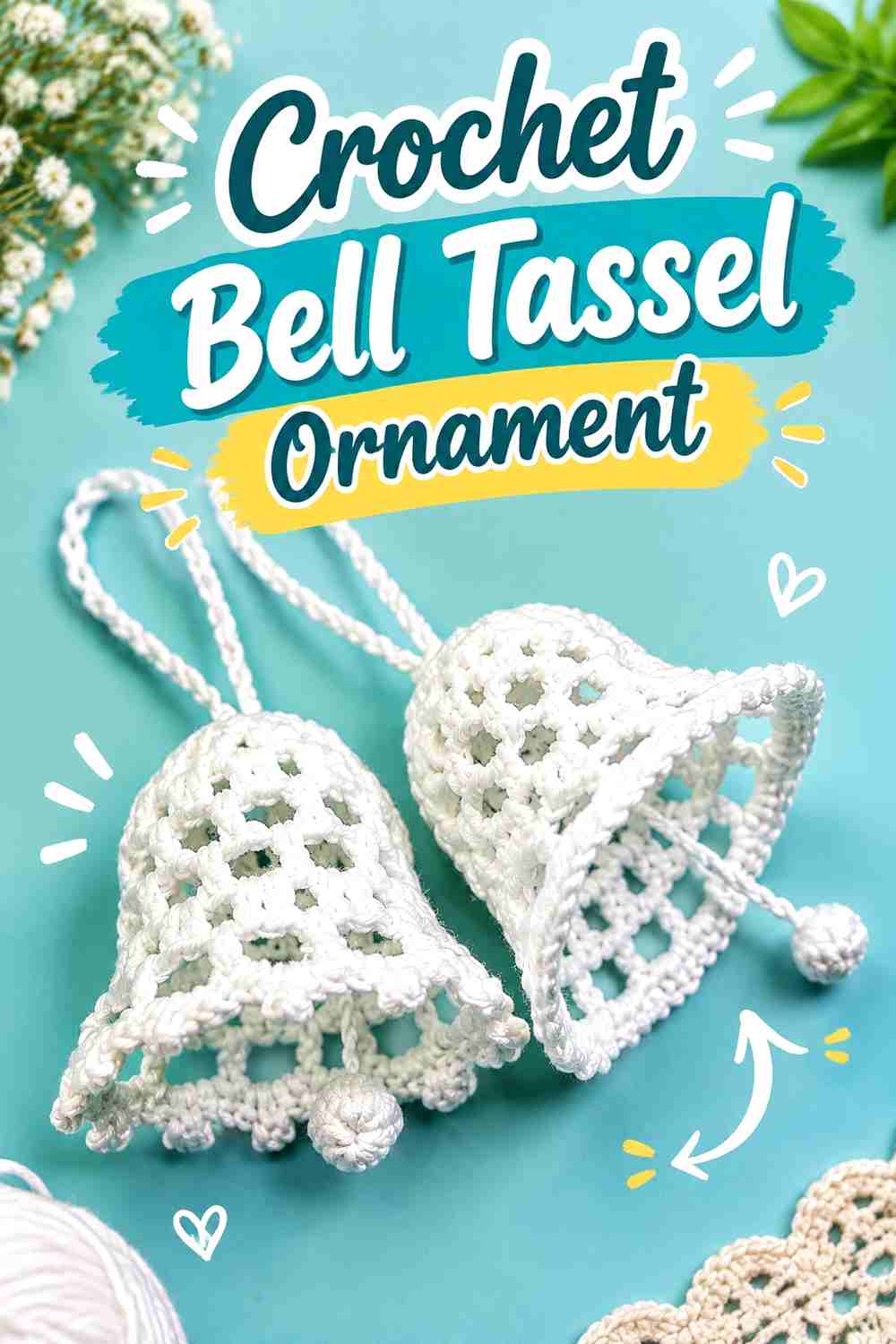
DIYmoda withEmíl demonstrates a classic crochet Christmas bell. A bell already has a natural lower opening, making it one of the easiest ornament shapes to pair visually with hanging fringe even when you choose to adapt the source with a textile tassel rather than another clapper treatment.
Cream, burgundy, navy, or spruce can make the bell feel more heirloom-inspired than a highly glittered palette.
Let the Tassel Suggest the Bell Clapper
A narrow tassel centered under the bell feels structurally logical because it continues the expected vertical line.
Keep it slimmer than the bell opening so the flared crochet edge remains clearly visible.
The Bell Edge Should Stay Crisp
If you change yarn or add extra weight underneath, inspect whether the lower edge begins to collapse inward.
A decorative tassel should complement the bell shape rather than change its silhouette.
Creator Credit: DIYmoda withEmíl
9. Crochet Lantern Tassel Ornament
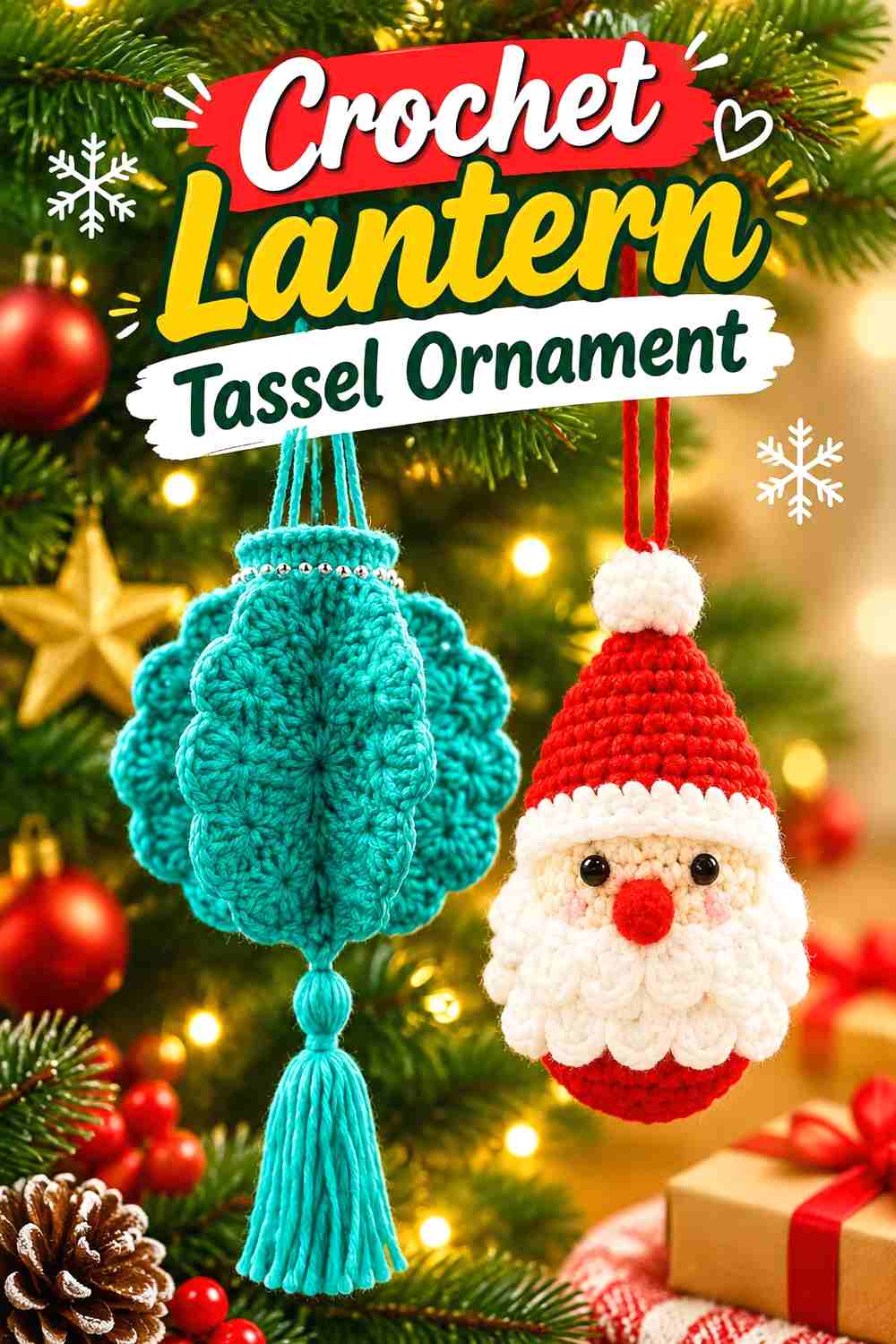
The Knot Studio’s hanging lantern tutorial provides a vertical crochet ornament form that is particularly suited to a tassel treatment. The lantern shape already suggests decorative hanging decor, so a restrained fringe below it looks more integrated than it might on some character ornaments.
This is an especially good place to use navy, burgundy, mustard, or dark green with warm cream accents.
A Lantern Can Carry the Darkest Color on the Tree
Because the form has multiple visible sections, a deep body color can still retain definition if the edging or adjacent details are lighter.
Try using navy or oxblood here while saving brighter cranberry for smaller stars and hearts.
Keep the Tassel Narrower Than the Lantern Body
A very wide tassel changes the visual weight from architectural to fluffy.
If you want the lantern silhouette to remain dominant, trim the fringe to a controlled width and test the piece while suspended.
Creator Credit: The Knot Studio
10. Crochet Star Drop-Tassel Ornament
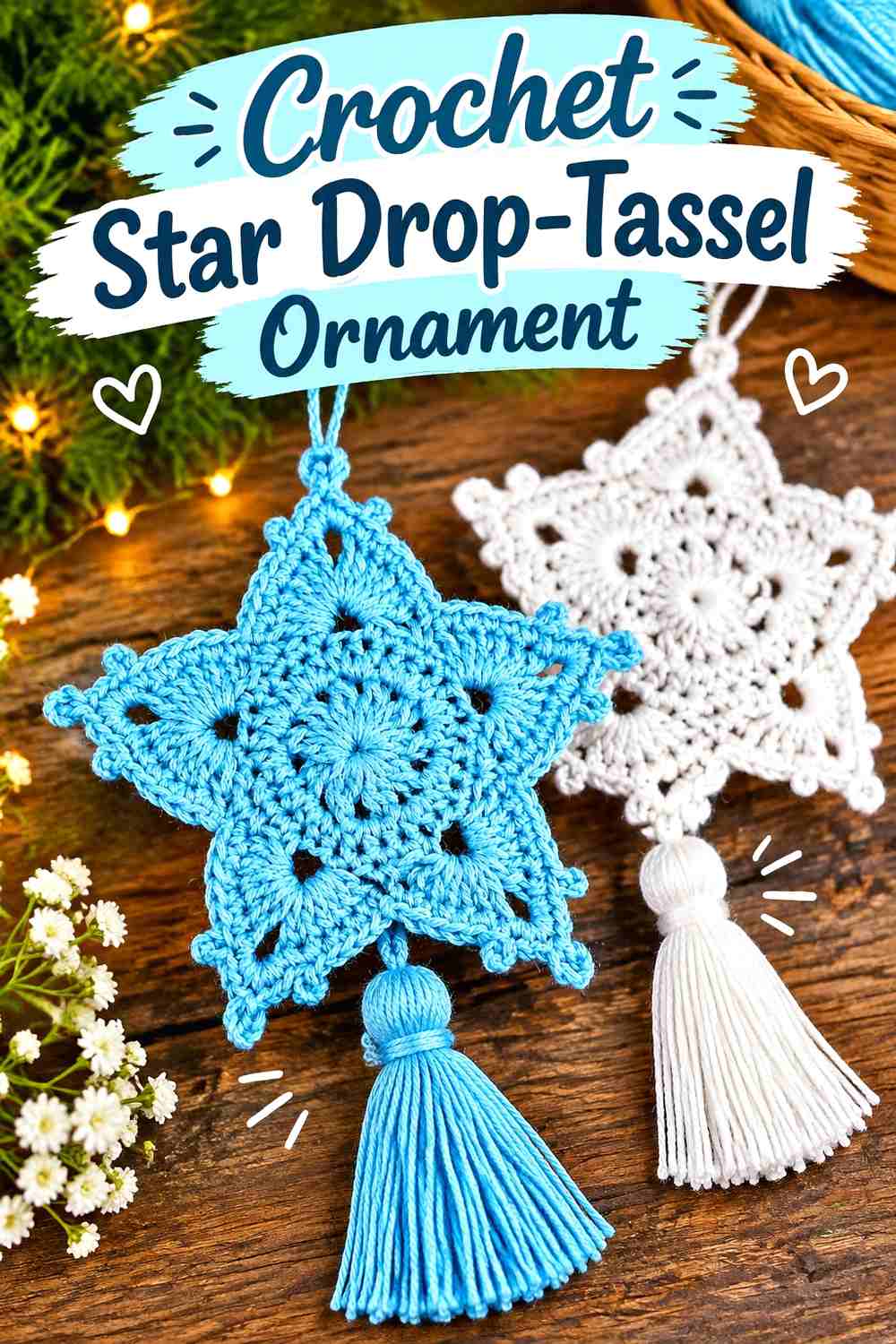
Kristines Crochets demonstrates a defined crochet star ornament with clearly readable points. The source star stands alone, so adding a bottom tassel is an adaptation rather than part of the original project.
The combination works well when you want a flatter ornament above a moving textile drop.
Attach Fringe From One Point, Not the Center
Choose which star point will face downward before adding the tassel. That decision also determines where the hanger should sit at the opposite side.
Test the star vertically first so you do not finish the tassel and then discover that the motif prefers to rotate.
Mustard Can Replace Metallic Gold
A warm mustard or ochre star provides the visual role of gold without introducing metallic yarn.
Pair it with an ecru, brown, burgundy, or dark green tassel for a quieter heritage-style contrast.
Creator Credit: Kristines Crochets
11. Crochet Stocking Tassel Ornament
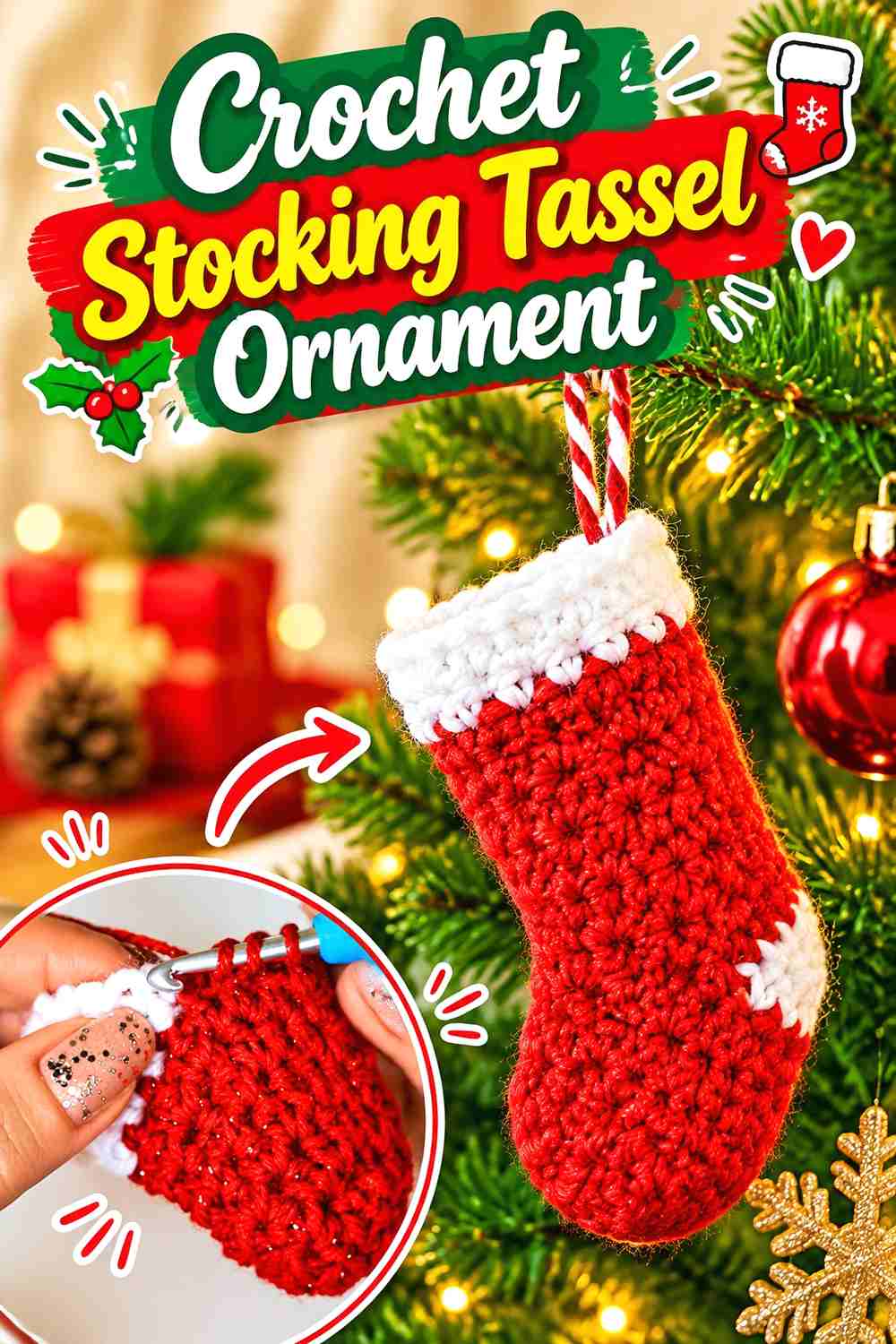
Brunaticality’s tutorial produces a miniature stocking with the recognizable toe, heel, ankle, contrasting upper edge, and hanging loop. The tassel is an optional adaptation for this article rather than a required source feature.
Because the stocking already has an asymmetrical silhouette, fringe placement needs more thought than it does on a centered star or bell.
A Side Tassel Works Better Than Forcing Symmetry
Consider attaching a small tassel near the upper hanging area instead of the toe. That preserves the stocking’s directional shape and can resemble a decorative tie.
A large tassel under the foot can make the ornament appear visually unbalanced.
Stripes Can Carry Several Heritage Colors at Once
A stocking gives you room to combine burgundy, cream, olive, mustard, or navy without needing separate embellishments.
Keep the tassel to one of those existing colors so it feels related to the crochet rather than added afterward.
Creator Credit: Brunaticality
12. Crochet Mitten Pair Tassel Ornament
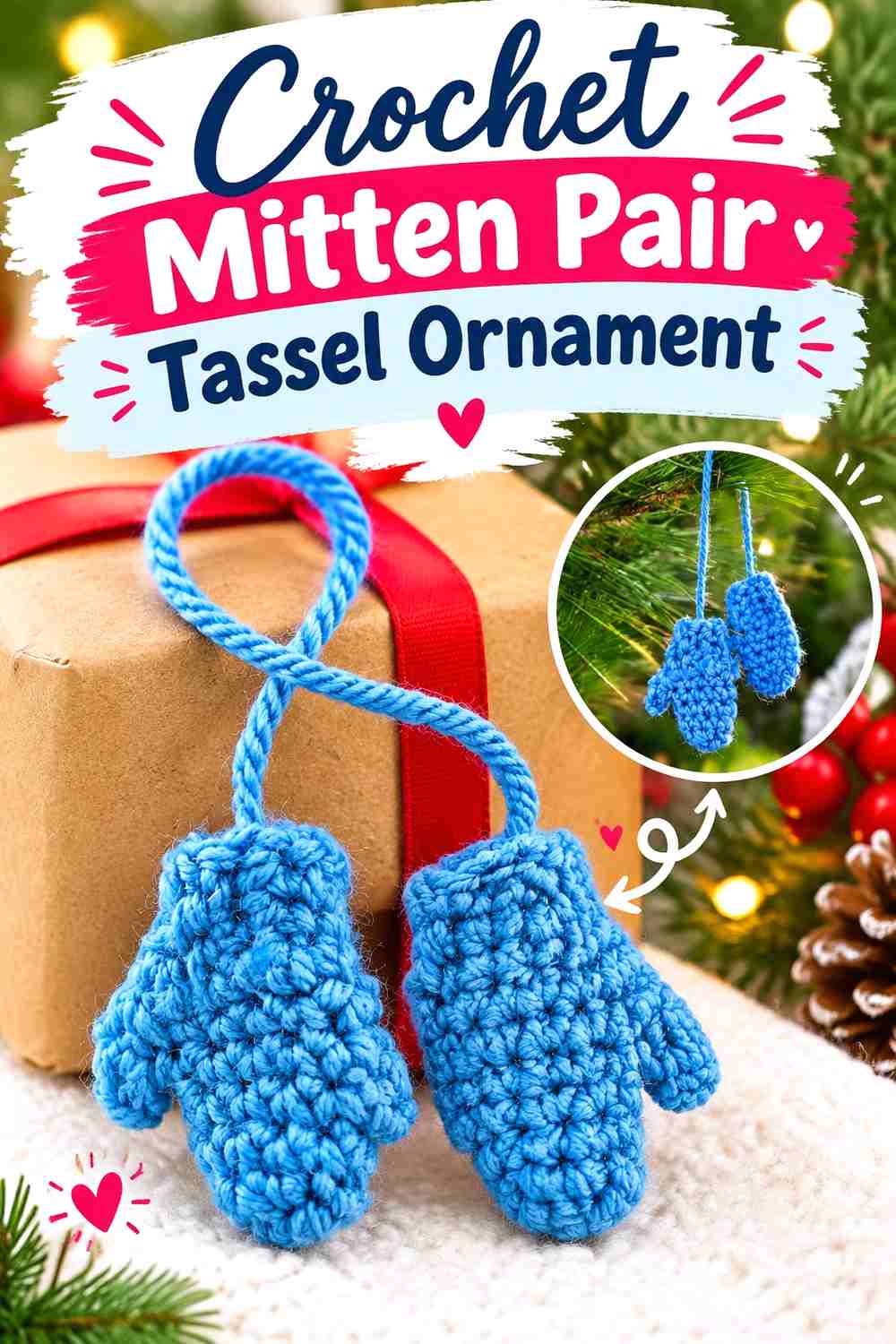
Desert Blossom Crafts’ tutorial creates miniature crochet mittens intended as Christmas ornaments. The paired format gives this project an immediate difference from the single stocking and other centered hanging motifs.
For this adaptation, small tassels can sit near the mitten cuffs or at the midpoint of the connecting cord instead of hanging beneath the hands.
Use Two Small Tassels Instead of One Heavy Drop
A miniature pair can look more balanced when each mitten has a restrained matching tassel near its cuff.
One large central fringe risks overwhelming the scale of the small accessories.
Navy and Ecru Give the Mittens a Quiet Winter Look
Not every heritage-colored ornament needs burgundy or green. Navy with cream adds cool contrast and gives the overall tree more depth.
A tiny mustard or rust accent can connect the mittens to warmer ornaments elsewhere.
Creator Credit: Desert Blossom Crafts
13. Crochet Covered Bauble Tassel Ornament
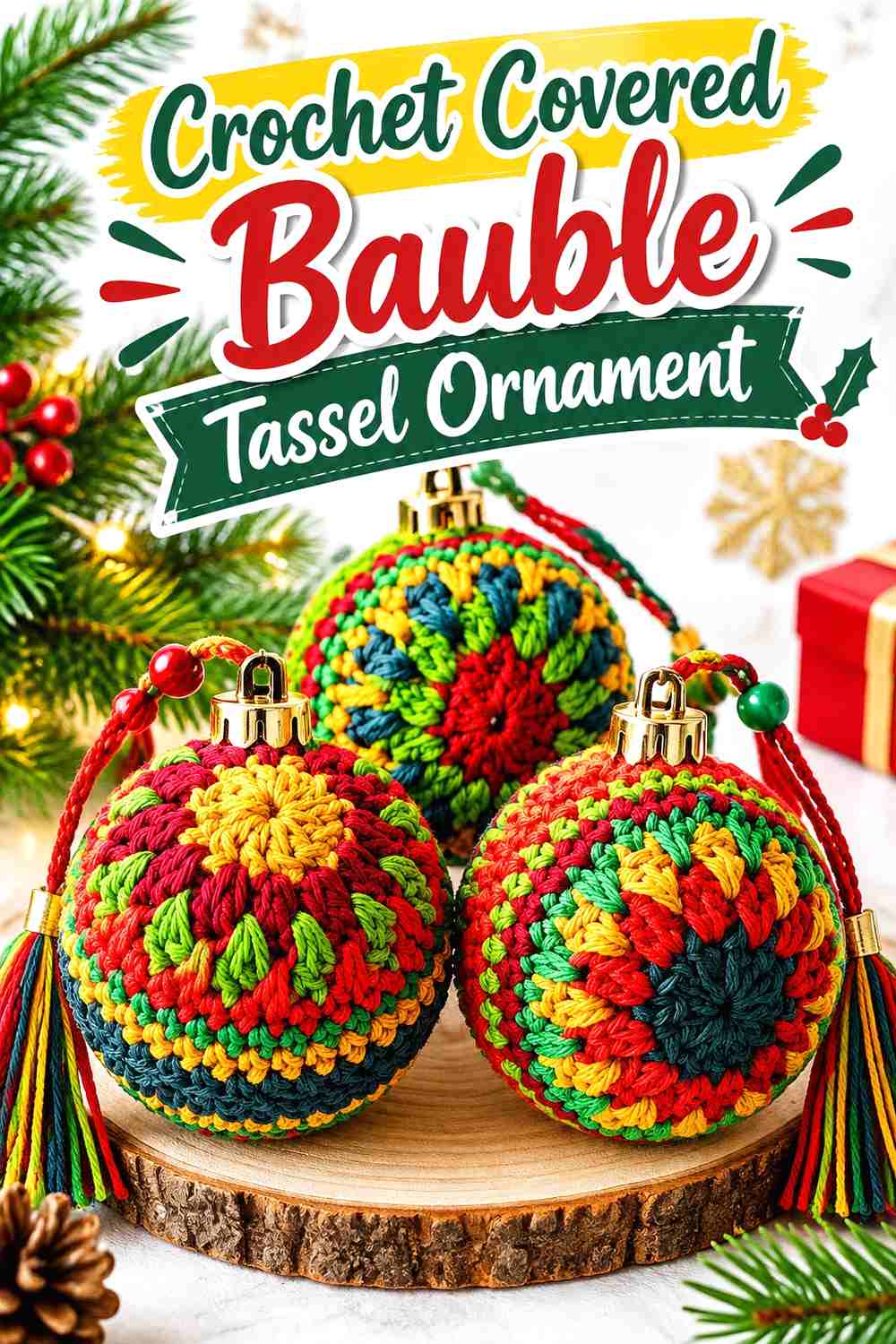
Carmen’s Christmas bauble tutorial creates crochet sections that fit around an existing ornament, so the finished piece has a firm underlying form rather than relying on stuffing. That structural difference makes it useful alongside the soft bauble in the next project.
A bottom tassel can be added as a styling adaptation once the cover and ornament have been fully assembled.
The Firm Center Can Support a More Tailored Tassel
Because this project wraps a solid ornament, it visually suits a neat, sharply trimmed fringe rather than an oversized fluffy one.
A small wooden bead between the ball and tassel can emphasize the vertical axis, provided it is securely attached.
Use Colorwork to Echo Old Textile Ornaments
Instead of bright rainbow combinations, work within burgundy, spruce, ecru, navy, rust, and mustard.
A repeated three-color sequence can make several baubles look coordinated even when their stripe placement varies.
Creator Credit: Carmen
14. Crochet Stuffed Bauble Tassel Ornament
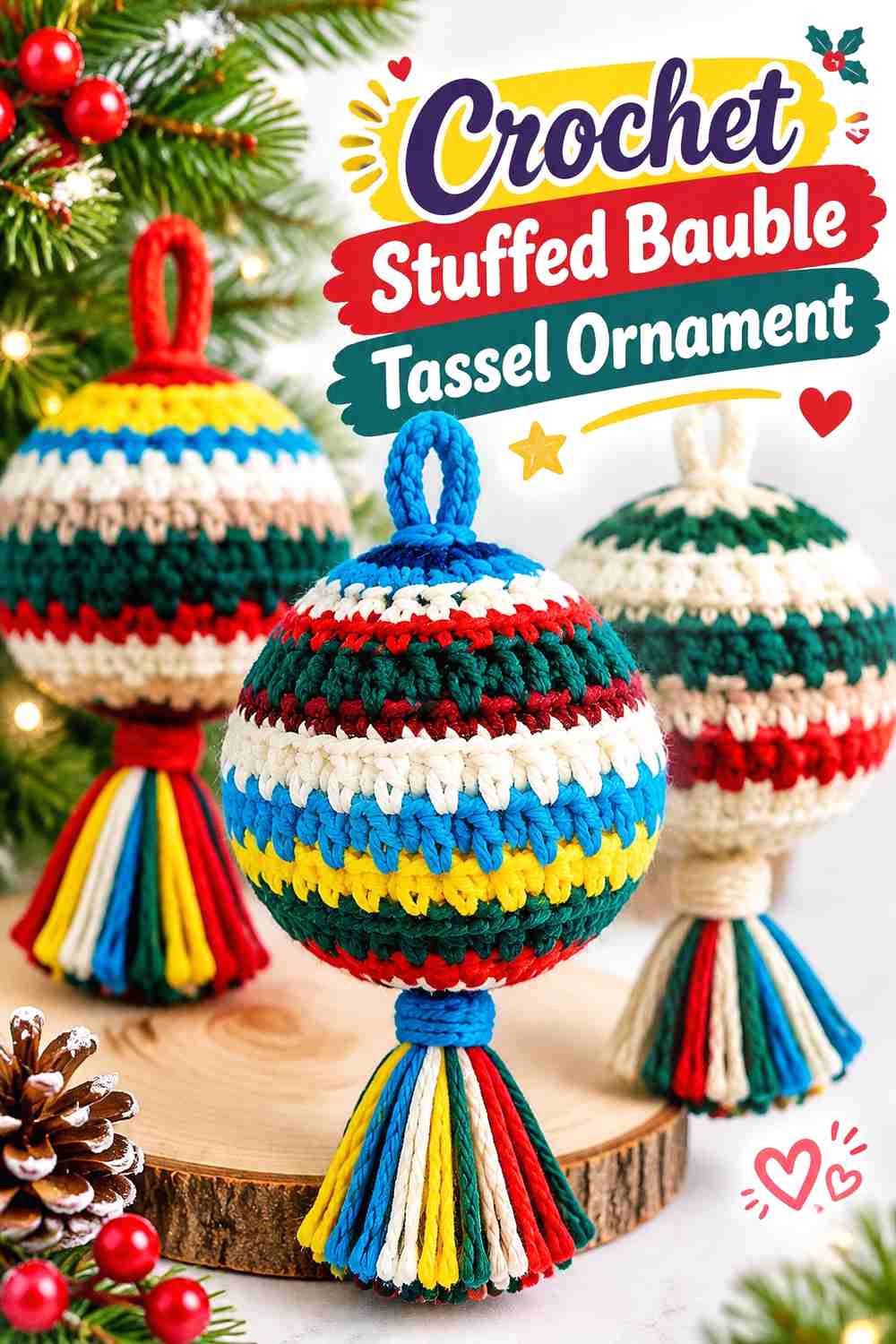
Crochetpedia’s bauble differs from a covered rigid ornament because the crochet form itself is stuffed. That produces a softer object and gives you more freedom over the final textile character.
Adding a tassel is an adaptation, so check the stuffed ball’s final balance before deciding how dense or long the fringe should be.
Soft Baubles Need Less Weight Underneath
A heavy bead stack or oversized tassel can pull a softly stuffed sphere out of its most attractive hanging position.
Start with a lighter fringe and increase fullness only after testing the ornament on the branch.
Raised Crochet Texture Can Replace Extra Decoration
If the bauble already has visible stitch texture and color changes, avoid covering it with too many beads or surface accents.
A simple ecru or brown tassel can finish the ornament while leaving the crochet itself as the focal point.
Creator Credit: Crochetpedia
15. Crochet Corkscrew Tassel Ornament
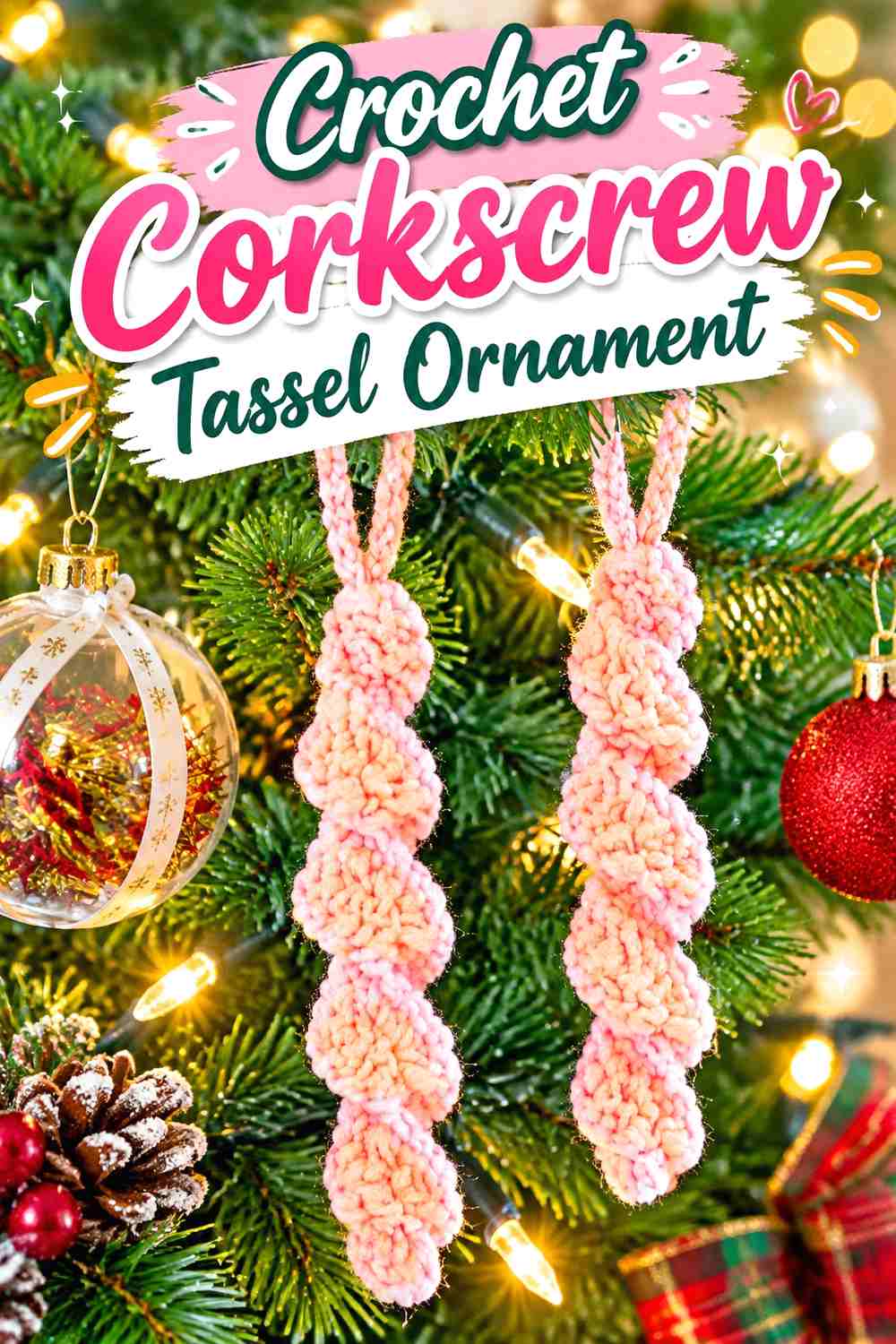
Crafting With Claudie’s spiral ornament uses a long crochet curl rather than the broader spinner form seen earlier in the collection. The source design hangs as a spiral on its own; adding a small tassel beneath the curl is an optional heritage-style adaptation.
This narrow, twisting piece is useful for filling vertical gaps where a wreath, bauble, or wide star would feel crowded.
Let the Curl Stay Longer Than the Tassel
The spiral is the defining feature, so the fringe should finish the line rather than compete with it.
A short tassel also reduces the chance of an already elongated ornament becoming too long for the available branch spacing.
Two-Tone Spirals Can Connect the Whole Collection
Use one of your main heritage colors for the crochet and a second recurring shade for the tassel.
For example, repeat the same ecru fringe beneath a navy spiral, burgundy heart, and spruce tree to create continuity without making the crochet bodies identical.
Creator Credit: Crafting With Claudie
Comparing the Tassel Styles
For ornaments where the tassel is central to the original look, start with the tree, spinner, gnome, heart, and angel. These projects integrate loose yarn into the design rather than treating fringe as an afterthought.
If you want flatter ornaments for narrow branch spaces, the heart, star, gift parcel, and wreath are useful choices. Bells, lanterns, stockings, and spirals create stronger vertical lines, while the two bauble constructions provide more volume.
The covered bauble is the more structured choice because crochet surrounds an existing ornament. The stuffed bauble stays textile-based throughout. Keeping both in the collection adds dimension without relying on color alone for variety.
For the most restrained heritage tree, repeat perhaps four or five colors rather than assigning a unique palette to every design. Burgundy, spruce, navy, ecru, and mustard are enough to make all fifteen ornaments look related.
Conclusion
A strong crochet tassel ornament collection depends on silhouette as much as fringe. The tree, gnome, heart, angel, spinner, parcel, wreath, bell, lantern, star, stocking, mittens, baubles, and corkscrew all bring a different line to the tree, so the collection can stay cohesive without becoming repetitive.
If you want the most traditional starting group, combine the tree, bell, heart, angel, star, wreath, and stocking. For more movement, introduce the spinner, lantern, gnome beard, and corkscrew. The two bauble constructions can then fill the deeper branches where round ornaments naturally work well.
Use each original tutorial for its exact crochet construction. When a tassel is an adaptation rather than part of the source design, finish and hang the crochet ornament first, then decide how much fringe its shape and branch position can comfortably support.
Frequently Asked Questions
What colors work for a heritage-style crochet Christmas ornament collection?
A restrained mix of burgundy, cranberry, deep spruce, olive, navy, mustard, rust, warm brown, and ecru works well for this style. Choose a few main colors and repeat them across different ornament shapes rather than using every shade equally.
Should every tassel on the tree be the same length?
No. Different ornament proportions benefit from different tassel lengths. A small heart or star can handle a longer drop, while a tall tree, lantern, or stocking may look more balanced with shorter fringe.
Which crochet tassel ornaments work best on lightweight branches?
Flatter motifs such as hearts, stars, wreaths, and parcels may be easier to place than heavily stuffed ornaments, but final weight depends on yarn, beads, stuffing, hardware, and tassel size. Test each completed ornament on the intended tree.
Can I add a tassel to a crochet ornament tutorial that does not include one?
Yes, as a decorative adaptation, but add it only after evaluating the finished object’s structure and balance. Avoid altering the creator’s crochet construction unless you understand how the change will affect the ornament.
How do I keep handmade tassels looking neat in storage?
Store them without crushing the fringe beneath heavier decorations. If necessary, wrap or separate long tassels so they do not become tangled with hooks, beads, wings, or other projecting ornament details.
Do heritage-colored tassels need to match the ornament body?
No. Contrasting tassels can help define the silhouette. Ecru under spruce, mustard under navy, warm brown under cream, or burgundy under olive can create clear separation while staying within the same overall palette.
Are wooden beads necessary for crochet tassel ornaments?
No. Beads can create a useful transition between a crochet motif and its tassel, but they are optional unless required by a specific source construction. If you use them, consider their added weight and secure small components appropriately.