Tunisian entrelac turns little diamond “tiles” into a show-stopping baby blanket—no sewing a million squares! Each pick-up-as-you-go block teaches rhythm and color control, so it’s perfect if you want a relaxing repeat that looks advanced. Below are 10 hand-picked tutorials, from classic rows to center-out squares and quick super-bulky versions. I’ve included yardage notes, size tips, and hook suggestions so you can plan confidently—and every idea links to a clear, reputable tutorial with photos or video. Want a softer drape? Go up one hook size. Want a denser nap-time throw? Drop a size and block lightly. Pick a palette you love (solids, stripes, or gentle ombrés), start with a small swatch to lock in square size, and you’ll glide through those diamonds. Ready to make a keepsake? Let’s tile it up—Tunisian style.
Bernat Tunisian Crochet Entrelac Baby Blanket
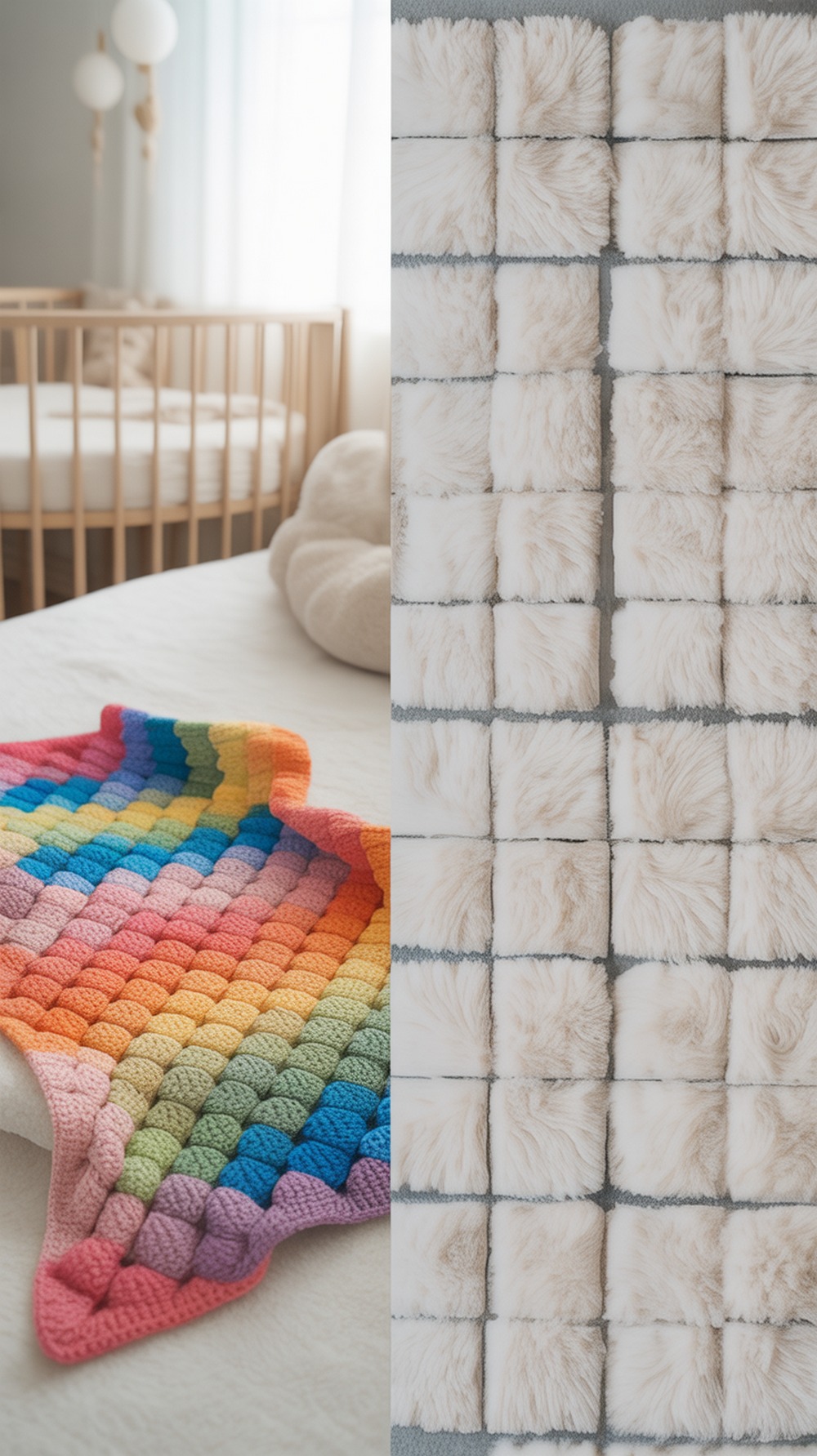
This Yarnspirations classic works entrelac in straight rows for crisp, vertical “teeth” along the sides—adorable with pram tassels. It’s sized about 35″ × 42″, a roomy crib or stroller throw, and uses sponge-soft Bernat Softee Baby Chunky for fast progress and cushy warmth. Gauge matters here because square size dictates width; swatch a single tile and measure peak-to-peak before you commit. Pro tip: carry yarn neatly up the edge since color changes happen at the end of tiles—then cover everything with a tidy border. Dive in with the Free Bernat Tunisian Crochet Entrelac Baby Blanket Pattern (rows). Tutorial.
Supplies: #6 super bulky (Softee Baby Chunky), Tunisian/afghan hook to gauge (often 8–10 mm), yarn needle, scissors
Why it’s great: Soft, plush, and genuinely quick—perfect for last-minute baby gifts.
Entrelac in Rows — The Crochet Crowd
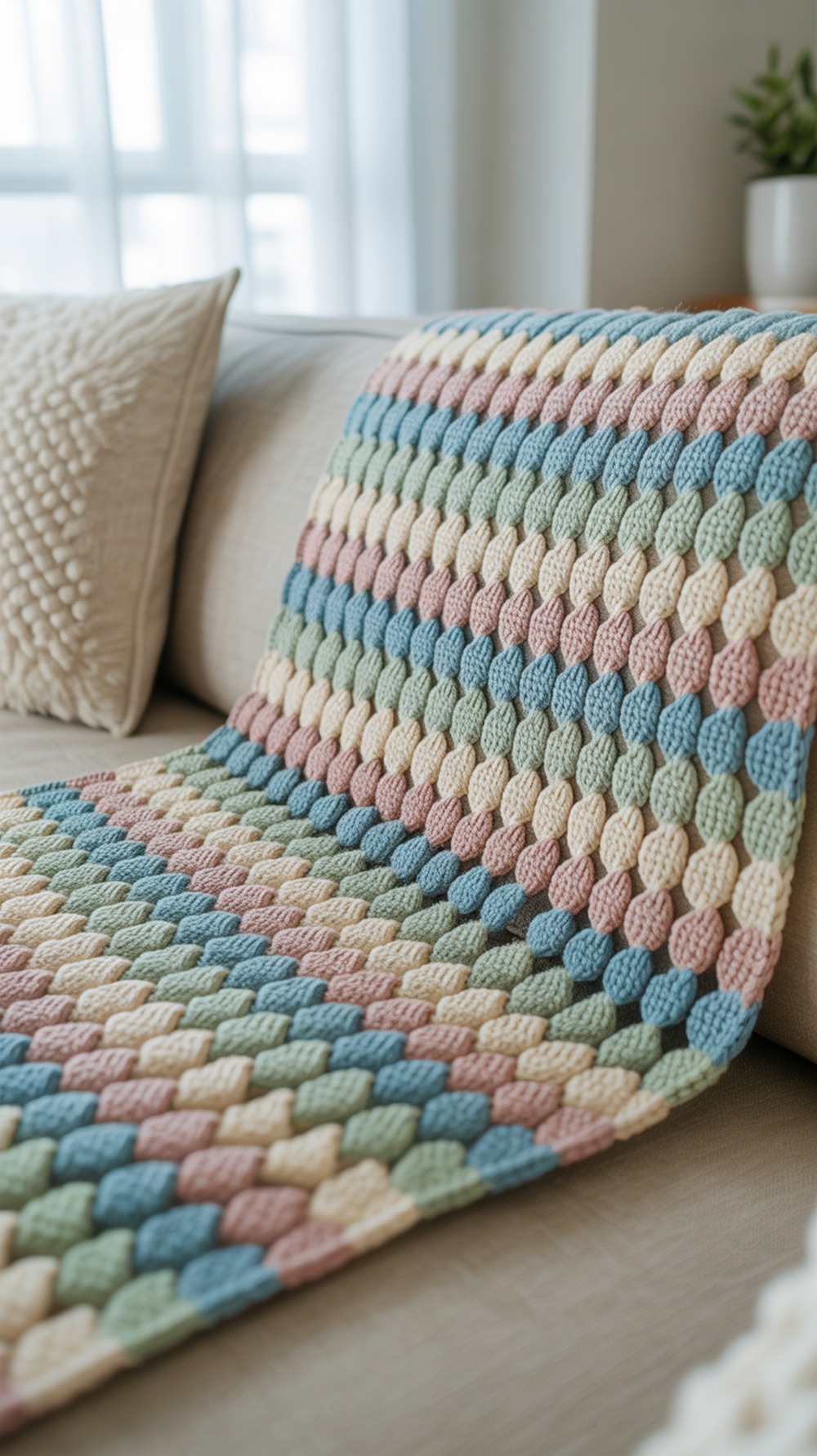
Prefer rows to a center-out build? Mikey’s walkthrough breaks entrelac into bite-size steps, including multiples, tension, and why going up two hook sizes helps prevent curling. It adapts to many yarns—make a newborn size by working fewer tiles in height, or a toddler throw by repeating the strip pattern. Tip: mark the first stitch of each forward pass with a locking marker so pick-ups stay tidy. Follow the free pattern link on the post and the updated video for visuals. Tutorial.
Supplies: #5–#6 bulky or #4 worsted, larger Tunisian hook than yarn label suggests, markers, yarn needle
Why it’s great: Clear “do this, then this” guidance that scales to any blanket size.
Entrelac Crochet Baby Blanket
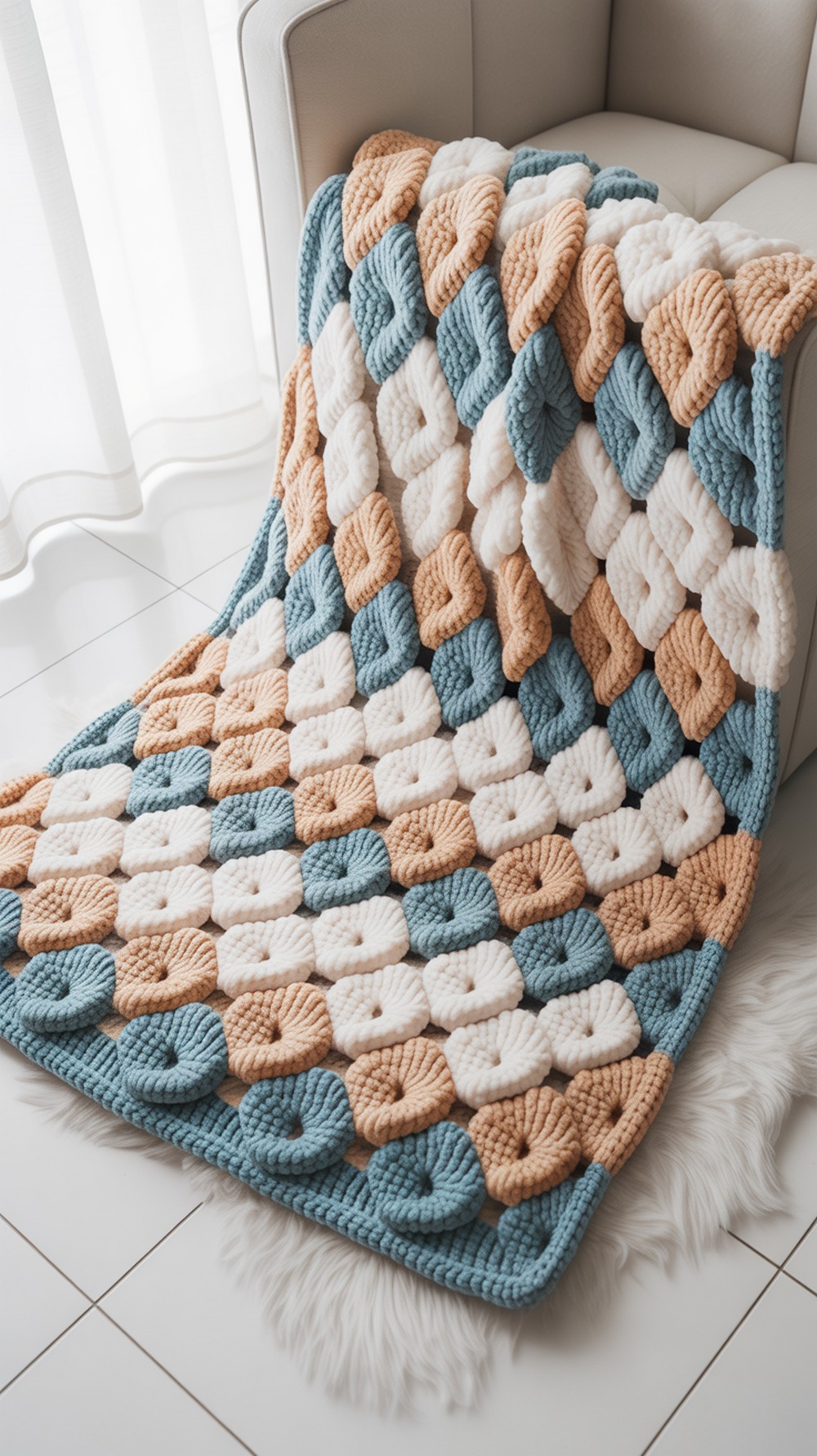
Love plush? B.Hooked’s center-out entrelac uses Bernat Baby Blanket (super bulky) and an 8 mm Tunisian hook for a squishy 34″ × 34″ square—perfect tummy-time size. The tutorial page lists exact yardage per color (Seafoam, Vanilla, Cloudburst) and step photos for each round. Actionable tip: weigh your yarn after each color round so you don’t run short on the final ring—super bulky eats yardage quickly. Work the optional border to square up edges and frame those diamonds. Tutorial.
Supplies: #6 super bulky (Bernat Baby Blanket), 8 mm Tunisian hook, scissors, yarn needle, scale (optional)
Why it’s great: Fast, photogenic results with clearly broken-down rounds.
Tunisian Entrelac in a Square
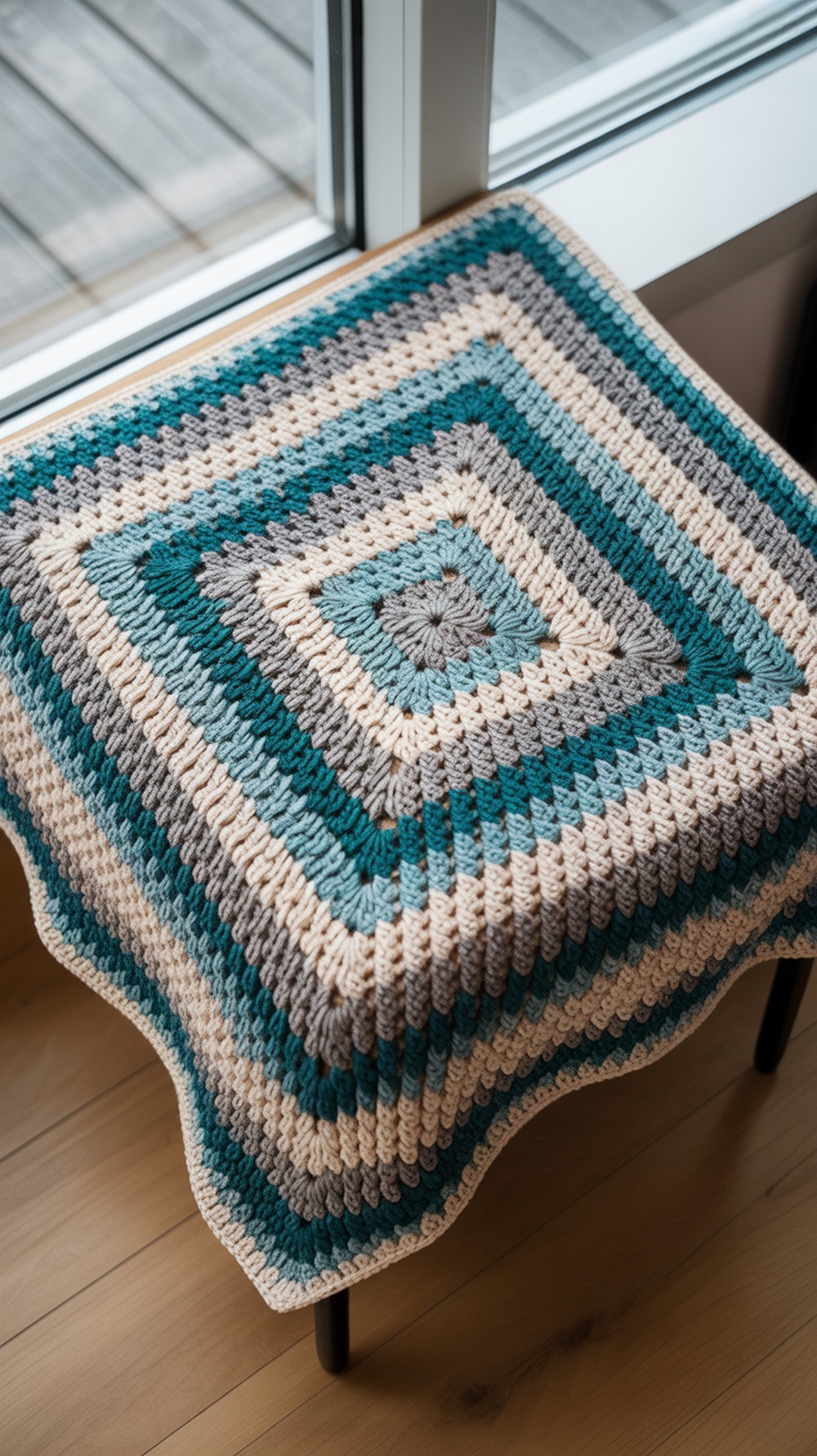
This center-out square builds like a granny square—great for color-ring storytelling (birth month hues, nursery theme, or stash stripes). The PDF includes border tips for flat edges. Size is easy: stop when your square measures your target, or add another ring. Try DK cotton-acrylic for springy, breathable fabric. Tip: keep floats short when changing colors at corners; secure tails on the diagonal bar to hide them between tiles. Tutorial.
Supplies: #3–#4 yarn, Tunisian hook with cable (for bigger rounds), markers, yarn needle, scissors
Why it’s great: Center-out construction = stop anytime at baby, stroller, or crib size.
Step by Step Entrelac Baby Blanket
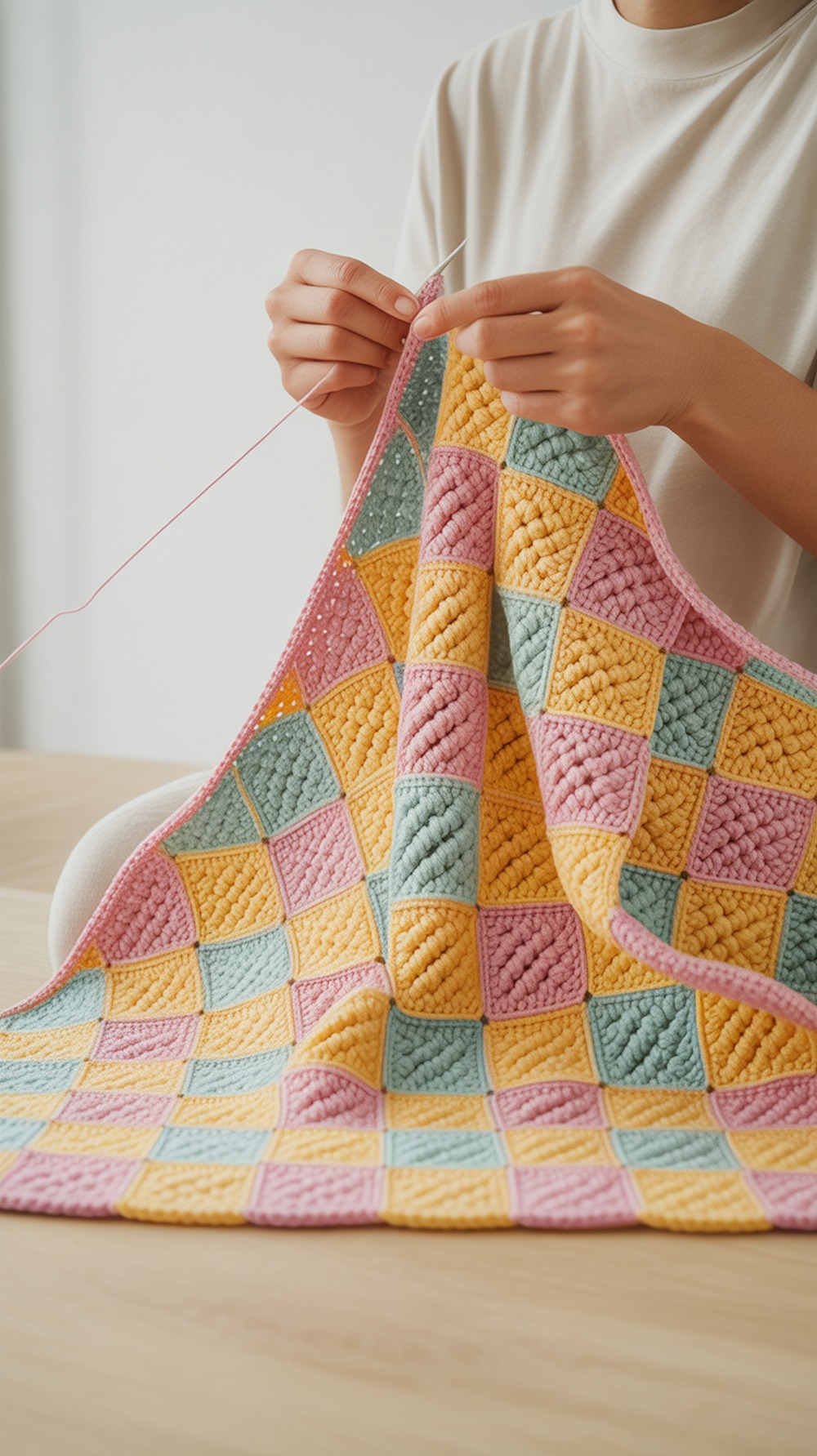
If you learn best by watching hands and hearing pacing cues, this full video walks you through yarn choice (Bernat Softee Baby Chunky), starting triangles, pick-ups, and tidy bind-offs. Pause after each tile to mirror the instructor. To baby-size, work fewer rows of tiles; to crib-size, add color repeats. Tip: steam-block lightly from the wrong side to smooth joins—don’t press the pile. Tutorial.
Supplies: #6 super bulky, 8–10 mm Tunisian hook, stitch markers, yarn needle
Why it’s great: Real-time guidance at a calm pace—perfect for first entrelac.
How to Crochet Tunisian Entrelac in Rows
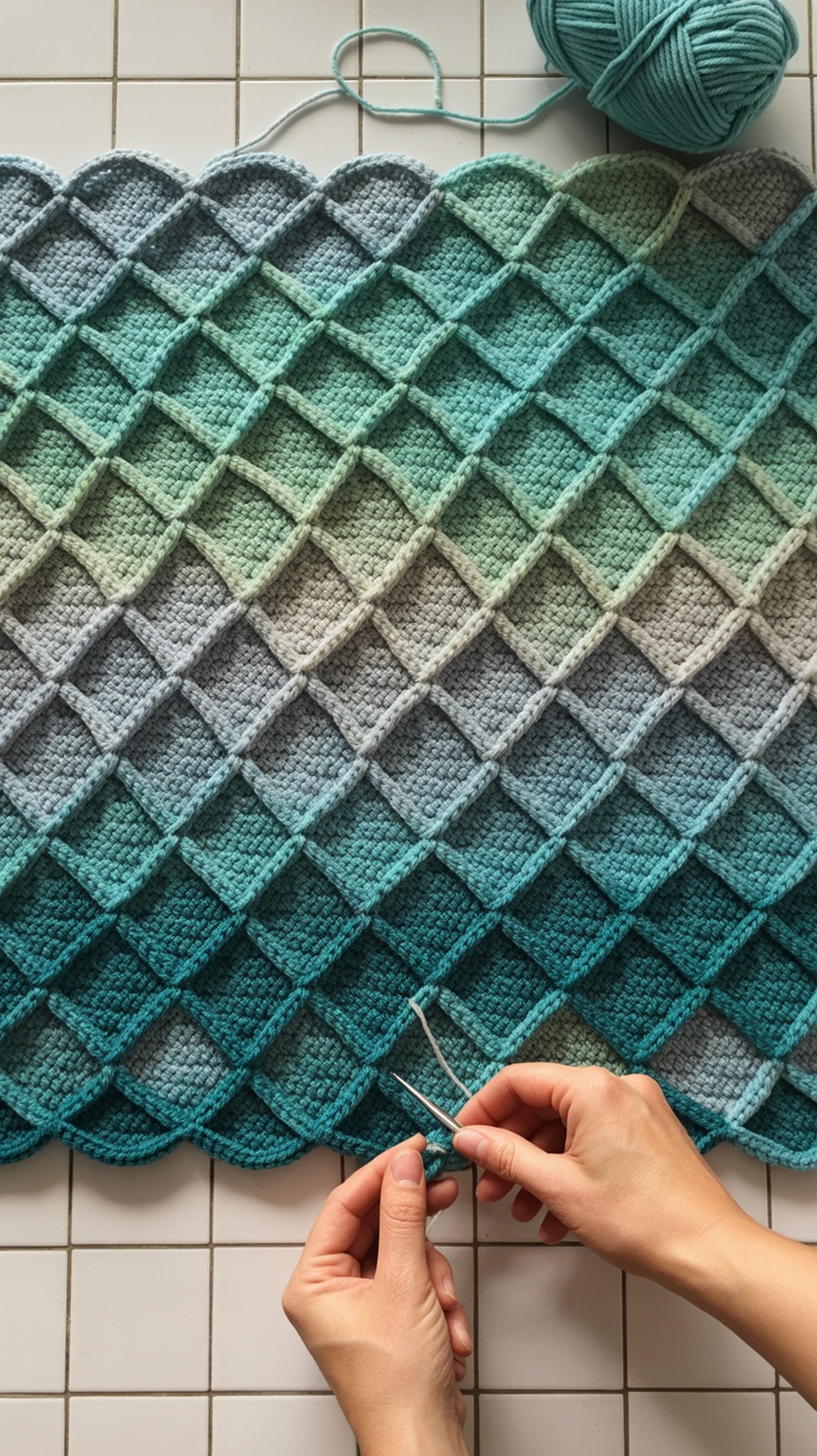
This focused tutorial teaches entrelac worked back-and-forth instead of in rounds—useful when you want neat selvedges for borders or tassels. It covers edge triangles, picking up between tiles, and keeping tension consistent so joins stay flat. Make a gauge tile, then multiply tile width by your target number of tiles to choose starting chains. Tip: try a color-changing cake to let hues shift without weaving ends.
Supplies: #4–#5 yarn, Tunisian hook to gauge, scissors, yarn needle
Why it’s great: Master rows for easy resizing and rectangular blankets.
Tunisian Entrelac Variation

Ready to riff? This tutorial explores a variation on classic entrelac, great for experimenting with tile size and color order before committing to a full blanket. Make a baby sampler by alternating small and large tiles for a playful rhythm. Tip: keep a notebook of “tile math” (stitches per tile, rows per tile); it makes resizing and recreating the look effortless later.
Supplies: #4 yarn, 6 mm Tunisian hook, row counter, yarn needle, scissors
Why it’s great: Encourages creative tile sizing while reinforcing fundamentals.
Baby Blanket Entrelac
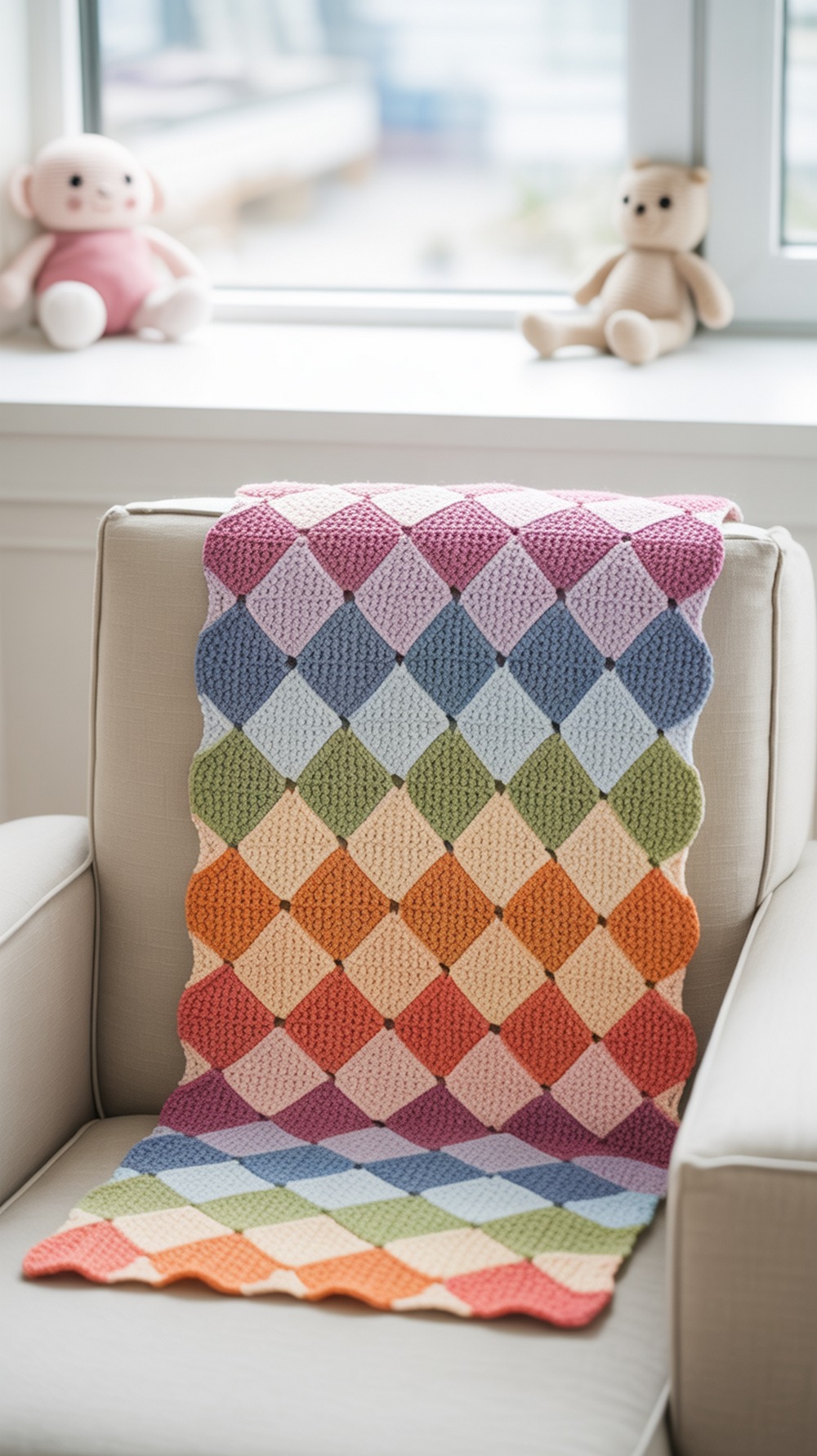
A soothing, center-out build that’s easy to follow even if you don’t speak German—the visuals are that clear. Start from a single tile, expand in rounds, and alternate cheerful colors for a carousel effect. Make it baby-safe with OEKO-TEX certified yarns. Tip: weave ends as you go by catching tails along the first return pass of each new tile—dramatically fewer ends at the end!
Supplies: soft DK or worsted, 6–7 mm Tunisian hook (cabled if needed), yarn needle, scissors
Why it’s great: Crystal-clear hand shots of every tile and corner.
Tunisian Entrelac C2C
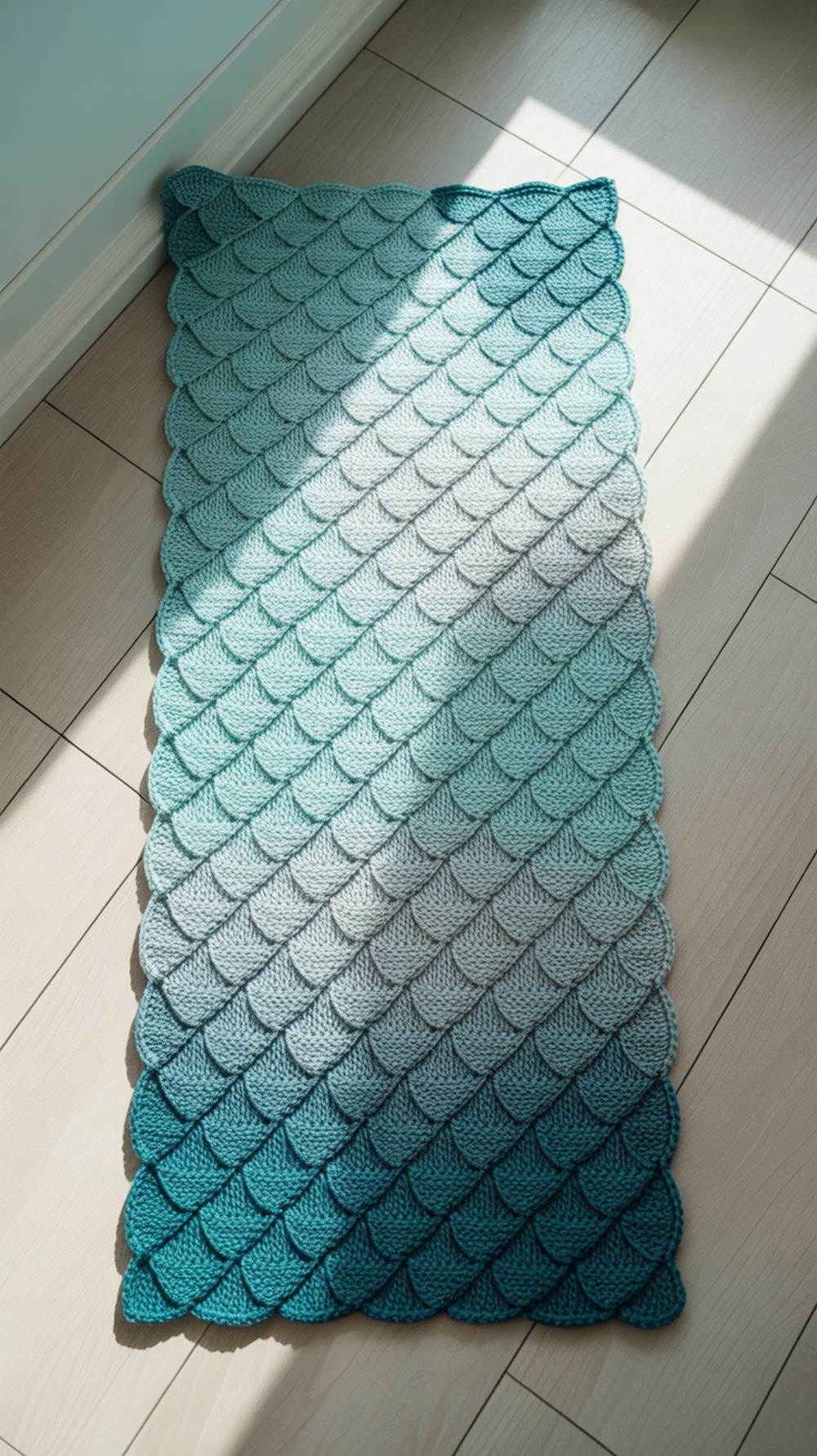
Corner-to-corner entrelac lets color gradients shine while keeping the math simple—just increase tiles to your midpoint, then decrease to finish square. It’s ideal for stroller blankets in self-striping yarns. Swatch two tile sizes to see which drape you prefer; bigger tiles = faster finish, smaller tiles = more refined look. Finish with a slip-stitch or crab-stitch border to tame bias.
Supplies: self-striping #5 bulky or #4 worsted, 6.5–8 mm Tunisian hook, markers, yarn needle
Why it’s great: The simplest path to dramatic color fades with minimal ends.
Conclusion
Pick one path—rows, center-out square, or C2C—and make a single practice tile to confirm drape and color order. Once your tile size sings, the rest is soothing repetition that grows surprisingly fast. Entrelac’s built-in texture looks luxe in any palette, and babies love the soft, nubbly surface. Bookmark this roundup so you can return to a different construction next time, and share your finished blanket pics with the original designers—they love seeing your makes. Happy tiling!
FAQs
What yarns work best for Tunisian entrelac baby blankets?
Soft acrylics or acrylic blends (#4 worsted) balance warmth, washability, and budget. For plush, try #6 super-bulky chenille (e.g., Bernat Baby Blanket). Cotton blends are great for warm climates.
Machine wash or hand wash—and how should I dry?
Most acrylics: machine wash cool/gentle, tumble low. Chenilles: delicate bag, low heat or lay flat. Cotton: cool wash, reshape and dry flat to avoid stretching.
How do I scale patterns up or down?
Change tile size (more or fewer stitches per tile) and the number of tile columns/rows. Swatch a single tile, measure width/height, and multiply to reach your target dimensions.
What fibers are safest for kitchen/bath or mild heat exposure?
For baby items, stick to acrylics, cottons, or OEKO-TEX certified yarns. Avoid wool around high heat and keep any blanket far from direct heat sources.
How do I make joins and edges more durable?
Work consistent pick-ups through both edge bars when possible, weave tails along the first return pass, and finish with a stabilizing border (slip stitch, single crochet, or crab stitch).
Typical time and yardage for common sizes?
Super-bulky 34–36″ square: ~700–800 yds, weekend-friendly. Worsted 35″ × 42″ rows: ~1,000–1,200 yds, a few evenings a week for 1–2 weeks.
Any tips for photographing my project?
Shoot near a window; use a light floor or crib sheet as backdrop; take one overhead to show tiles and one close-up for texture; include a simple prop (board book, rattle).
Fixing curling, stretching, or wavy edges?
Go up a hook size to reduce curling, add a stabilizing border, and block lightly. If edges wave, you may be adding stitches—count tile edges and adjust tension.