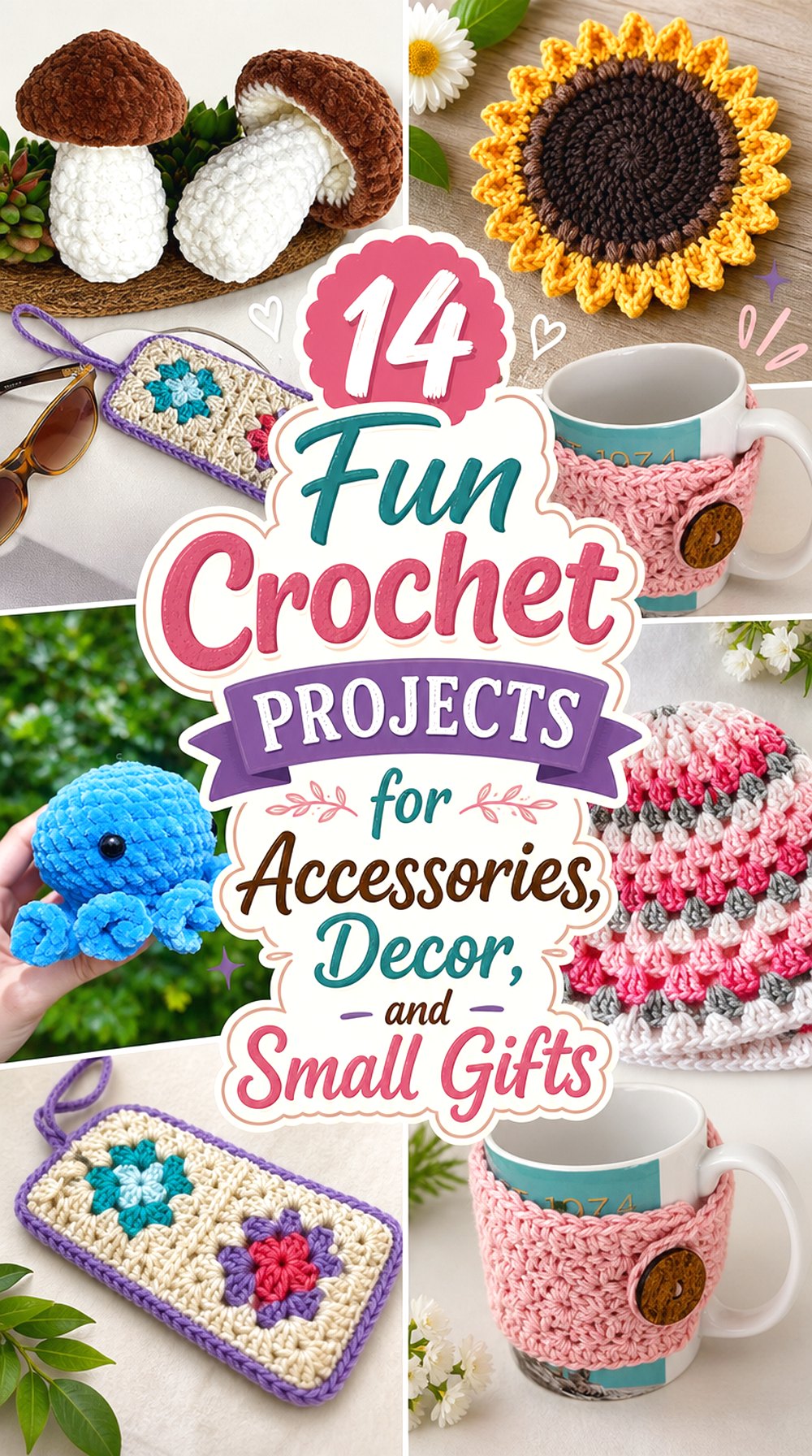
Crochet animals can look very different from one another, even when they all belong in the same amigurumi family. Some are compact and rounded, some have long limbs or taller shapes, and others stand out because of a shell, mane, scarf, ears, wings, or tail.
This collection brings together 12 animal tutorials with a clear finished result and a different YouTube creator for every project. You will find pets, farm animals, sea animals, and character-style plushies, so the list works for readers comparing display pieces, handmade gift ideas, or a small animal collection with plenty of variety.
Quick List
- Crochet Mini Puppy With a Tiny Bow Detail
- Crochet Plush Duck With Wings and Feet
- Crochet Rounded Turtle With a Defined Shell
- Crochet Flat-Belly Whale Shelf Sitter
- Crochet Little Teddy Bear With Classic Limbs
- Crochet Minimum-Sew Elephant Plush
- Crochet Soft Frog Plush With Sewn Details
- Crochet Simple Cat Amigurumi With a Feline Face
- Crochet Cow Amigurumi With Farm-Animal Shape
- Crochet Winter Penguin With Scarf and Earmuffs
- Crochet Lion Amigurumi With Mane Detail
- Crochet Giraffe Amigurumi With a Tall Neck Shape
How to Choose a Crochet Animal Project by Shape and Display Use
The biggest difference between crochet animal projects is not always the animal itself. It is often the finished shape. A rounded duck, turtle, or whale may sit neatly on a shelf, while a taller giraffe or lion has more character detail to compare before starting. Small animals can work well for collections, but readers should confirm whether the finished size, attachment method, or optional keychain use matches their plans.
Details also matter. Ears, wings, legs, tails, manes, scarves, and embroidered faces can change how much finishing is involved. For animals intended as gifts, especially for children or pets, check the creator’s notes about eyes, attachments, and materials rather than assuming the finished toy is safe for every use.
1. Crochet Mini Puppy With a Tiny Bow Detail
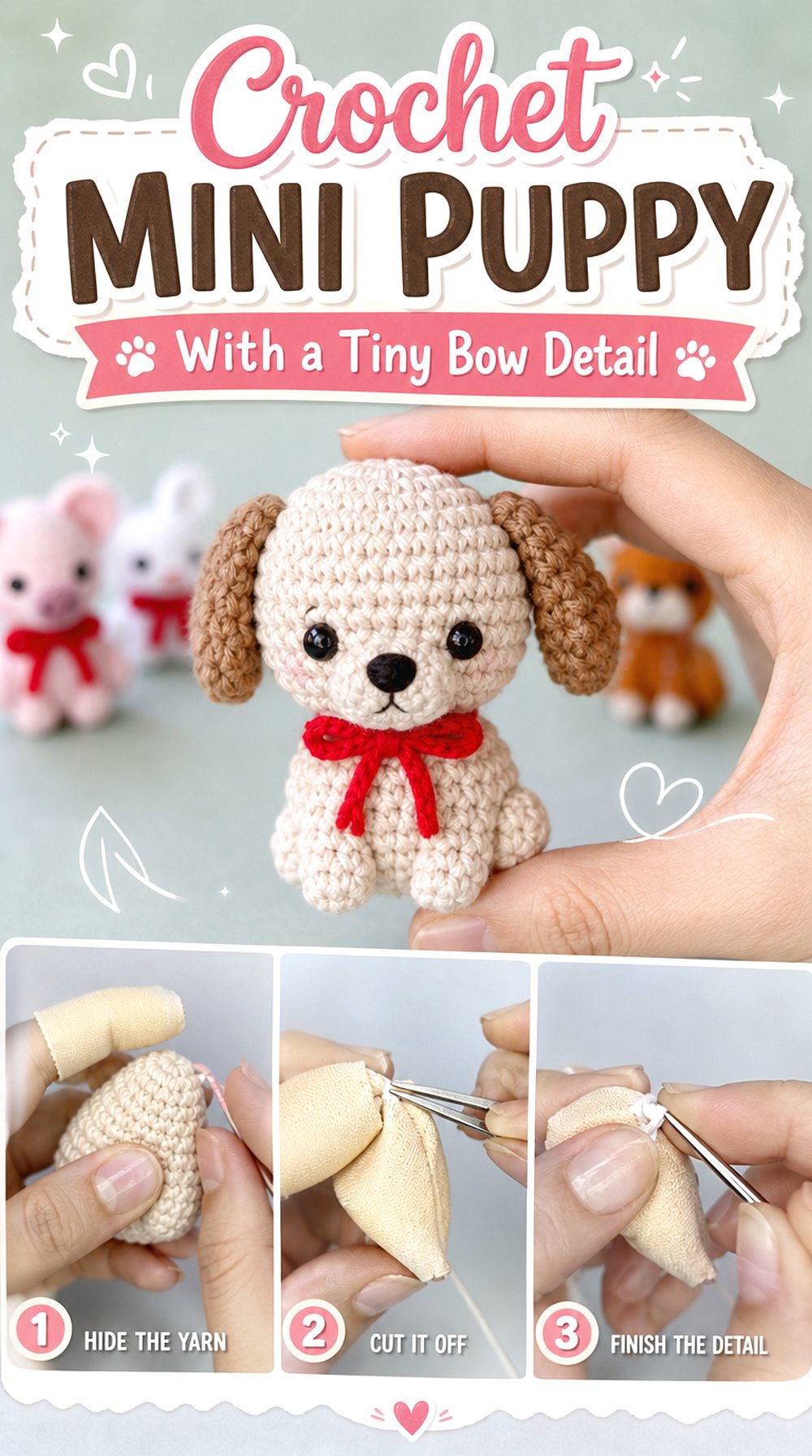
A small puppy shape gives this crochet animal a compact look that suits readers who want a little pet-style amigurumi rather than a large stuffed toy. The finished dog has separate features that help define the ears, snout, tail, and facial expression, with a tiny bow adding a decorative detail without turning the project into a full dressed animal.
This option feels different from the larger plush animals in the list because its appeal is in the small scale and neat character finish. It may suit a display shelf, a handmade collection, or a small accessory idea if the optional attachment is used.
Small Scale Changes the Purpose
The mini size makes this puppy feel more like a collectible animal than a large cuddle plush. That matters if the reader wants a project that can sit with other small amigurumi pieces or be displayed in a compact space. Since small animals leave less room for uneven finishing, it is useful to watch the shaping and face placement carefully before deciding whether this is the right first animal in a set.
Facial Details Carry the Design
The puppy depends on small facial features to read clearly as a dog. The snout, eyes, ears, and bow all help separate it from a plain rounded plush. Readers may want to pause before finishing the face and compare placement from the front. A tiny shift in the features can change the expression, especially on a small amigurumi shape.
Optional Attachment Needs Planning
The source lists a keychain ring as optional, so this project may be adapted as a small hanging accessory if the reader wants that format. The important point is to decide early whether the puppy will be displayed sitting flat or attached to hardware. A hanging version may need extra attention around the top attachment area, while a shelf version can stay focused on shape and expression.
Creator: Luaji Crochet
2. Crochet Plush Duck With Wings and Feet
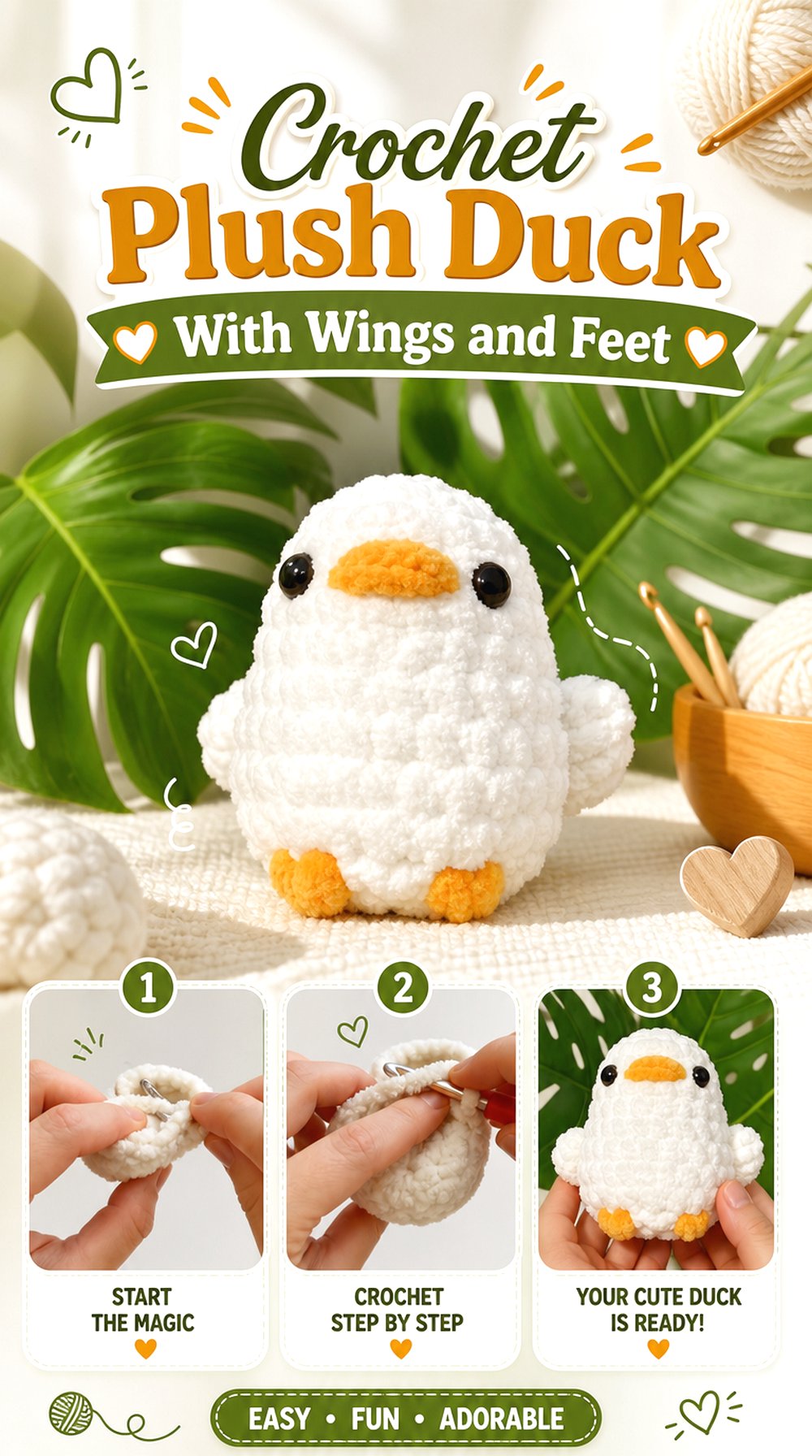
This duck has a rounded plush body with small wing and foot details that give it a clear bird shape. Compared with the puppy, it feels softer and fuller, with the main character coming from the beak area, simple body shape, and attached parts near the base.
The finished duck may work well for readers who like animal projects that look cheerful without needing clothing or extra accessories. Its shape is also easy to compare with the turtle and whale later in the list: all three are rounded, but the duck stands upright and relies on little features to show personality.
Wings and Feet Define the Silhouette
The duck’s wings and feet are important because they keep the finished toy from becoming just a plain oval body. These smaller pieces also affect how the animal sits or appears from the front. Readers may want to look closely at where those details are placed and whether both sides look balanced before finishing, especially if the duck will be photographed or displayed with other animals.
Plush Yarn Creates a Softer Look
The creator’s listed supplies include plush yarn, which gives this duck a soft, rounded finish. That kind of texture can hide some small stitch definition while making the animal look fuller. Readers using a different yarn should not assume the same finished size or shape. It is worth checking the material list first and comparing the planned yarn with the look shown in the finished duck.
Eye Choice Deserves Care
This duck tutorial uses safety eyes in the supply list, but safety eyes are not automatically suitable for every recipient. Anyone making this for a child, pet, or heavy-use toy should review the creator’s notes and consider the intended use carefully. The face can affect both the look and the practical handling of the finished animal, so it should not be treated as an afterthought.
Creator: Crafter Frog
3. Crochet Rounded Turtle With a Defined Shell
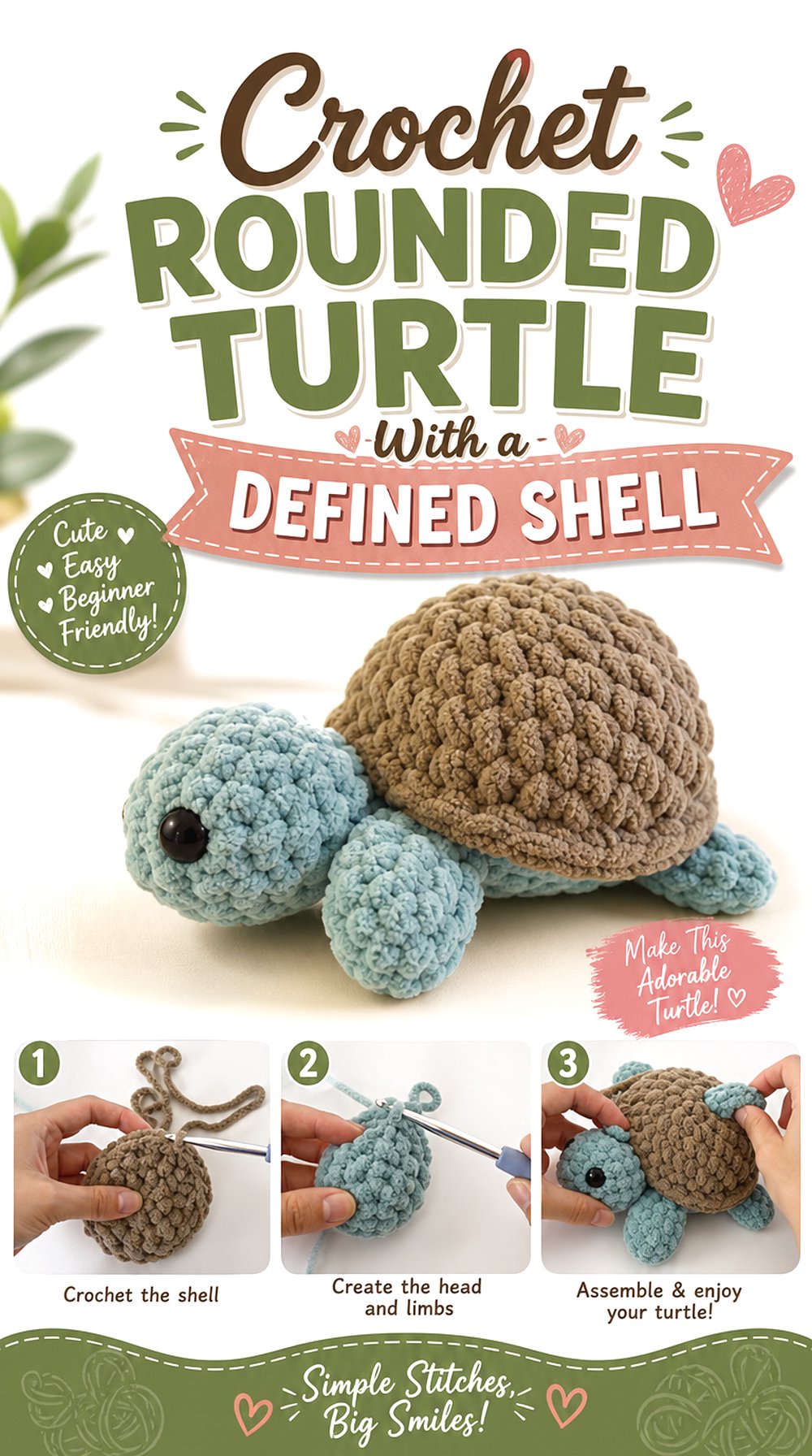
The turtle brings a lower, wider shape into the collection. Unlike the upright duck or the small puppy, this animal depends on its shell, head, legs, and tail to create a clear turtle outline. That makes it a useful choice for readers who want an animal that sits close to a surface and looks complete from above as well as from the front.
The shell also gives this project a stronger color-blocked identity than many simple plush animals. Readers can compare it with the whale if they want a low display piece, but the turtle has more separate body features to notice.
The Shell Is the Main Visual Feature
The shell is what separates this turtle from the other rounded animals in the list. It creates a clear top surface and gives the toy a recognizable profile even when viewed from above. Readers should think about whether they want strong color contrast between the body and shell, because the shell area is likely to draw the most attention in photos, displays, or grouped animal collections.
A Low Shape Needs Surface Space
This turtle sits wider and lower than tall animals like the giraffe or lion. That makes it useful for shelves, desks, or nursery-style displays where height is limited, but it may need more horizontal room than a tiny keychain-style animal. Before choosing it, readers can compare the finished footprint with the place where they want the turtle to sit.
Separate Parts Mean More Placement Decisions
4. Crochet Flat-Belly Whale Shelf Sitter
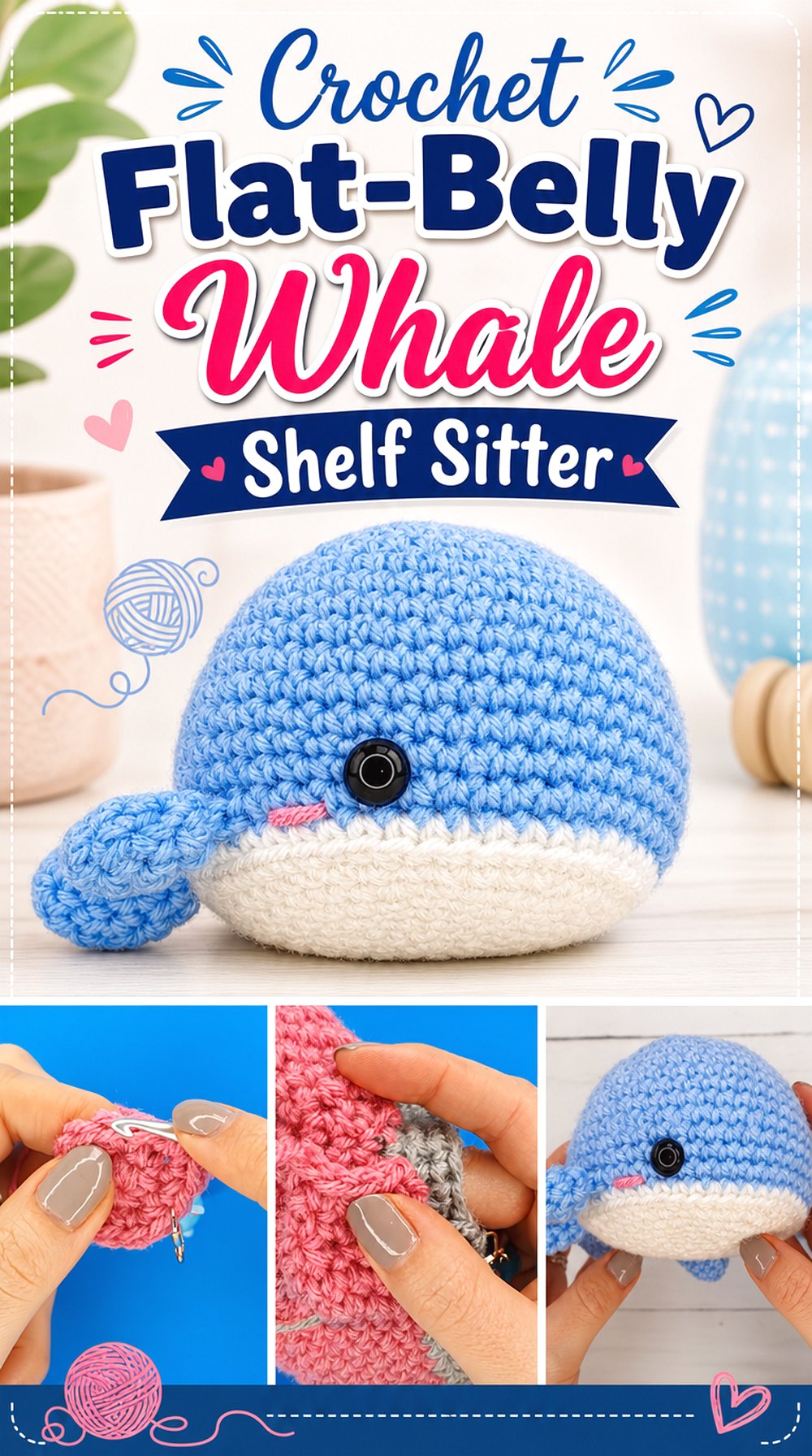
A whale adds a sea-animal option with a smooth rounded top, fins, tail, and a flat belly that is meant to help it sit on a shelf. That makes it one of the clearest display-focused projects in this group. It is softer in outline than the turtle because the body reads as one rounded form, but the fins and tail still give it a complete animal shape.
This project may suit readers who want a calm, simple-looking animal with enough detail to stay recognizable. The flat-belly design is especially useful if the finished piece will be placed on a desk, bookcase, or nursery shelf.
The Flat Belly Supports Display
The flat underside is an important part of this whale’s appeal because it helps the finished animal sit instead of rolling forward. That matters for readers planning a shelf display or a group of sea creatures. Before starting, it is worth watching how the lower body is handled so the whale keeps that stable-looking base in the finished result.
Fins and Tail Add Direction
The side fins and tail make the whale feel more finished from multiple angles. They also help show which way the animal is facing when it is placed on a shelf. Readers may want to compare the finished side view and front view, especially if the whale will be displayed beside other rounded animals where small details need to stand out.
Written Support May Help With Tracking
The source notes that a written pattern is available, which can be helpful for readers who like checking instructions in more than one format. This does not replace following the original tutorial, but it can make progress easier to track. Anyone who prefers video-only learning should still review the full guide before gathering supplies.
Creator: Hooked by Robin
5. Crochet Little Teddy Bear With Classic Limbs
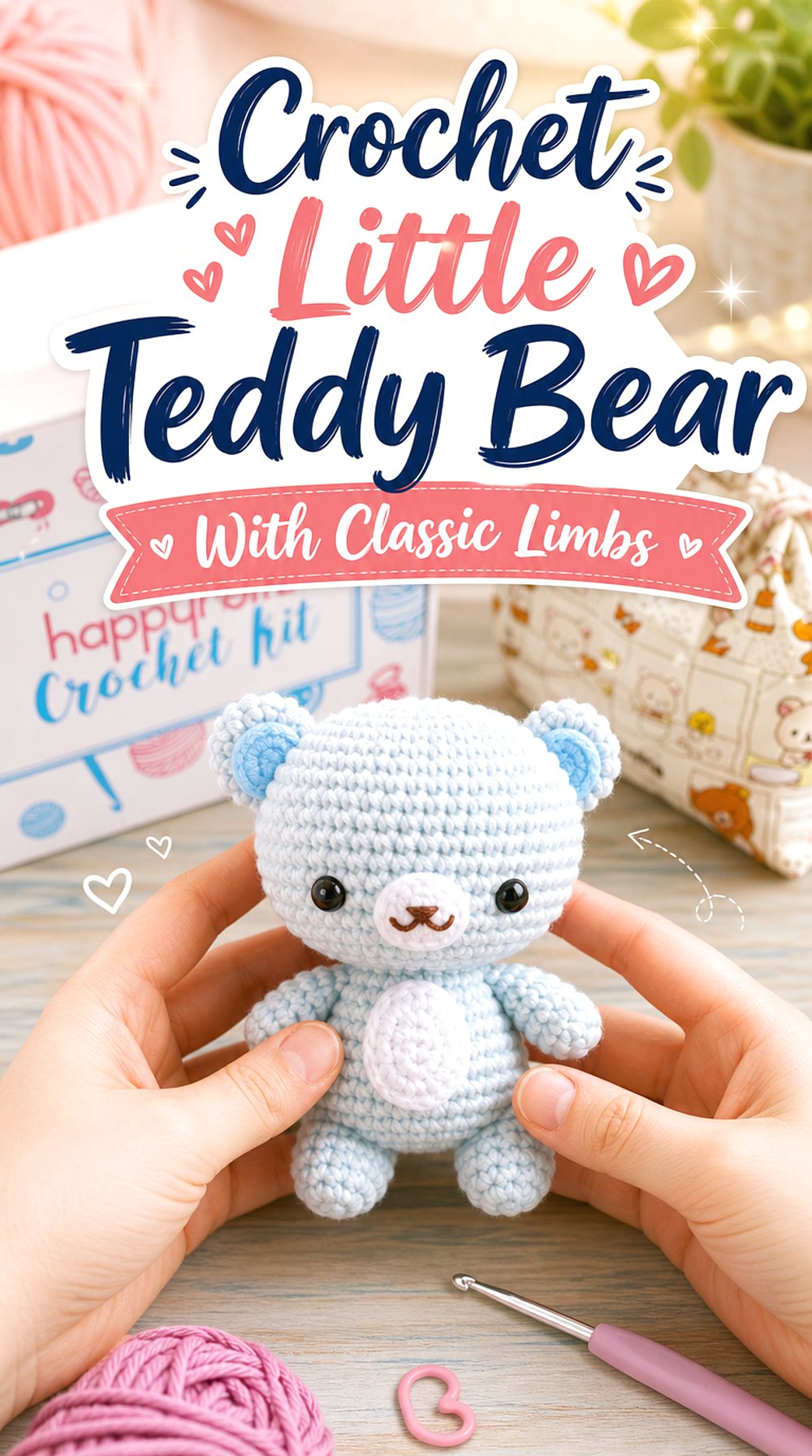
The teddy bear is a classic crochet animal choice with a familiar small stuffed-toy shape. It differs from the duck and whale because the body, head, arms, legs, and ears create a more traditional bear silhouette. The finished result is less about one standout accessory and more about balance, expression, and the recognizable teddy form.
This kind of project may appeal to readers who want an animal that feels timeless rather than seasonal or themed. It can also work well in a mixed amigurumi collection because the bear shape is easy to recognize beside more unusual animals like a turtle, whale, or giraffe.
Classic Proportions Matter Most
A teddy bear depends on proportion more than bold accessories. The head, ears, arms, and legs all need to feel balanced so the finished animal reads clearly as a bear. Readers should look at the final front view before starting and decide whether they like the overall shape. This is especially useful if they plan to make several bears in different colors later.
A Smaller Bear Can Fit Many Displays
Because this bear is described as a little amigurumi bear, it may suit small spaces better than a large plush toy. That can be helpful for shelves, desks, gift baskets, or grouped animal displays. Readers should still confirm the finished size through the source information, since yarn choice and tension can change how compact or large the final bear becomes.
Use the Original Source for Exact Counts
The creator provides the actual tutorial and pattern details, so the article should not replace the source. Readers who choose this bear should use the original guide for the specific counts, shaping, and finishing. A helpful approach is to review the full project first, then keep notes on where each body part begins and ends while following the creator’s instructions.
Creator: HappyBerry Crochet
6. Crochet Minimum-Sew Elephant Plush
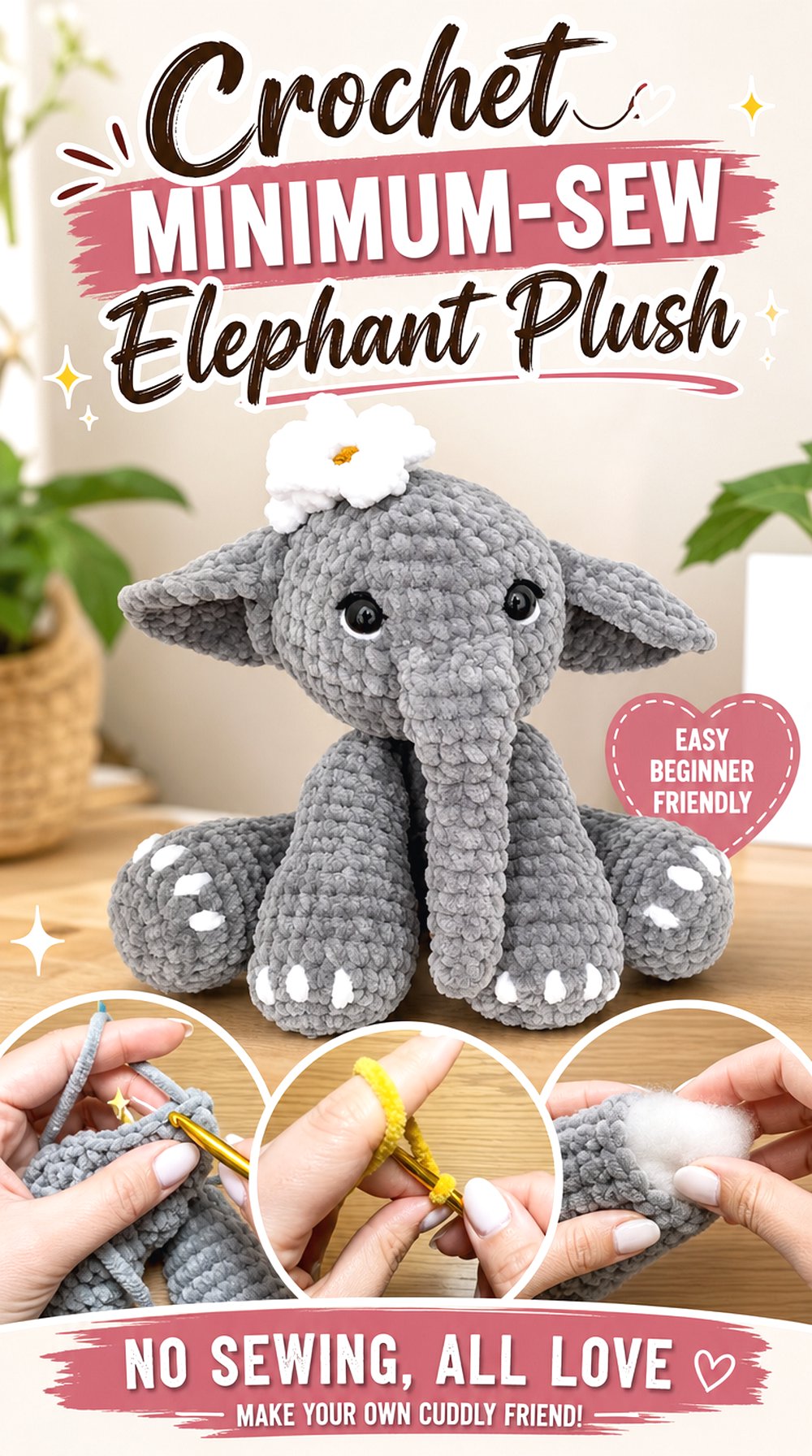
The elephant brings a very different animal shape because of the trunk and large-ear look. The source describes it as a minimum-sew plushie, which may appeal to readers who want a finished animal with fewer separate sewing moments than some detailed amigurumi projects. It still has a clear character shape, but the main interest comes from the front profile and soft plush finish.
Compared with the turtle or teddy bear, this elephant has a more distinctive face. It may be a good pick for readers who want a recognizable animal without adding clothing, scarves, or extra decorative accessories.
The Trunk Is the Focal Point
For an elephant, the trunk carries much of the animal identity. The finished face should be easy to recognize from the front, so readers may want to pay close attention to how the trunk sits in relation to the head and ears. Before committing to colors or yarn, it is useful to look at the final close-up and decide whether the facial style matches the display or gift plan.
Minimum-Sew Format Reduces Some Finishing
The tutorial is presented as a minimum-sew project, which can be useful for readers who prefer fewer attachment stages. That does not mean there is no finishing to review. It simply means the structure may feel less assembly-heavy than animals with many separate parts. Anyone choosing this project should still watch the shaping and final detail sections carefully.
Plush Yarn Affects the Finished Softness
The source mentions chunky plush-style yarn, which gives the elephant a soft stuffed look. If a reader changes yarn type, the finished texture and size may shift. This matters for an animal with a trunk and ears because those features need enough definition to remain clear. Checking the material list first can prevent the finished shape from looking too loose or too stiff.
Creator: Keep Calm and Crochet
7. Crochet Soft Frog Plush With Sewn Details
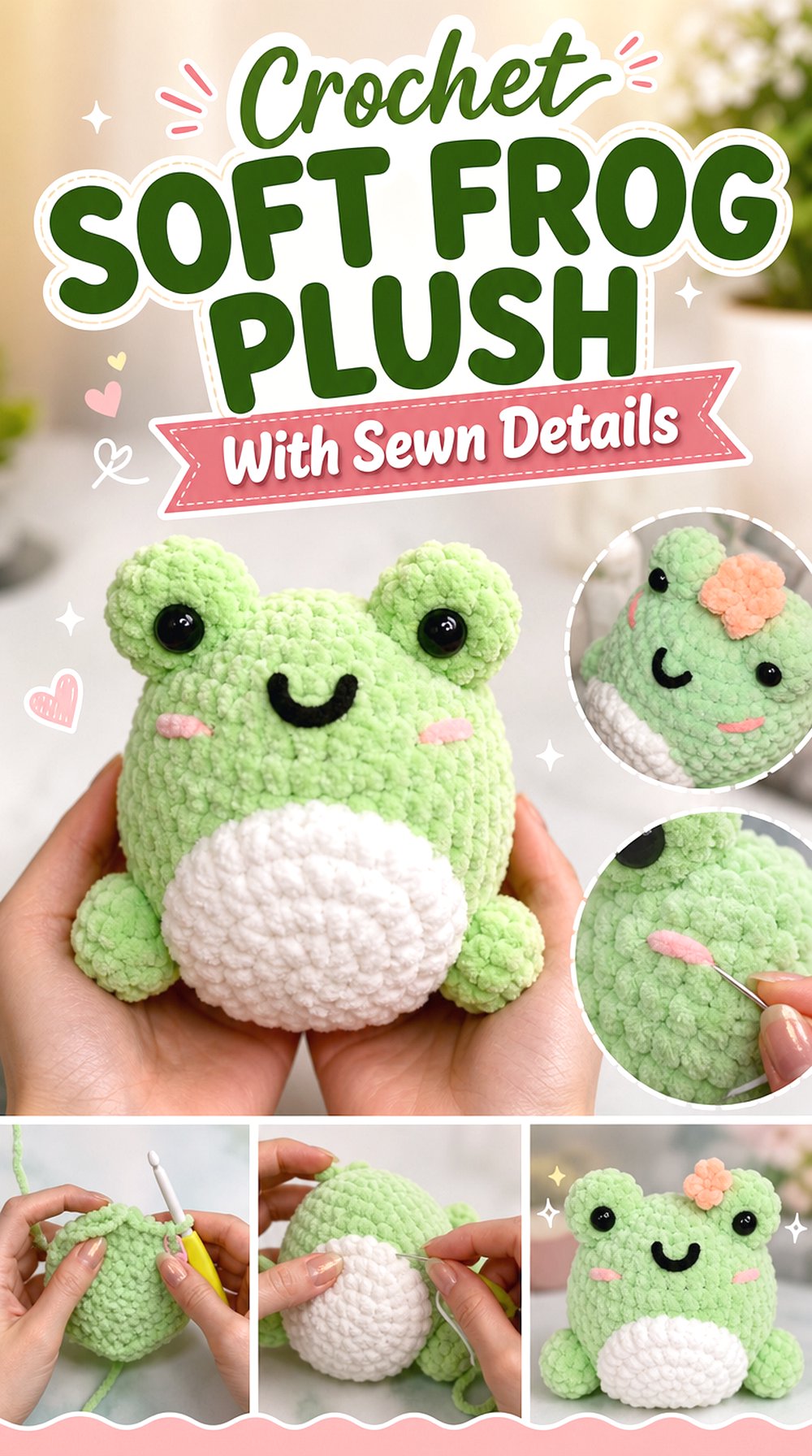
This frog has a soft plush look with a rounded body, noticeable eyes, and added details that give it a playful expression. It is a stronger character piece than the turtle because the face becomes the main focus. At the same time, it stays simpler than the dressed penguin because it does not rely on clothing accessories.
Readers who like animal projects with a clear front-facing personality may enjoy this one. The frog also works well as a contrast in a collection because its shape is squat and expressive rather than tall, long, or heavily detailed.
Big Eyes Set the Personality
The frog’s expression depends heavily on the eye area. Larger or raised-looking eyes make the finished animal feel more animated, so placement matters. Readers should compare both eyes before securing any details and make sure the face is centered from the front. This is one of those animals where a small difference in placement can change the whole mood of the finished plush.
Sewn Pieces Need Patience
The source description notes sewing pieces together and adding details, so this frog is not only about making a rounded body. Readers who enjoy finishing work may appreciate the control it gives over expression and shape. Those who prefer fewer attachment steps should review the full guide first and decide whether the sewing stages fit their comfort level.
A Plush Frog Works Well in Groups
The frog’s soft shape can sit nicely beside other rounded animals, especially the duck, turtle, and whale. Because it has a more expressive face, it can also act as a bright character piece in a shelf display. Readers planning a full crochet animal set may want to choose colors that let the frog stand apart without clashing with the other animals.
Creator: Wonder Crochet
8. Crochet Simple Cat Amigurumi With a Feline Face
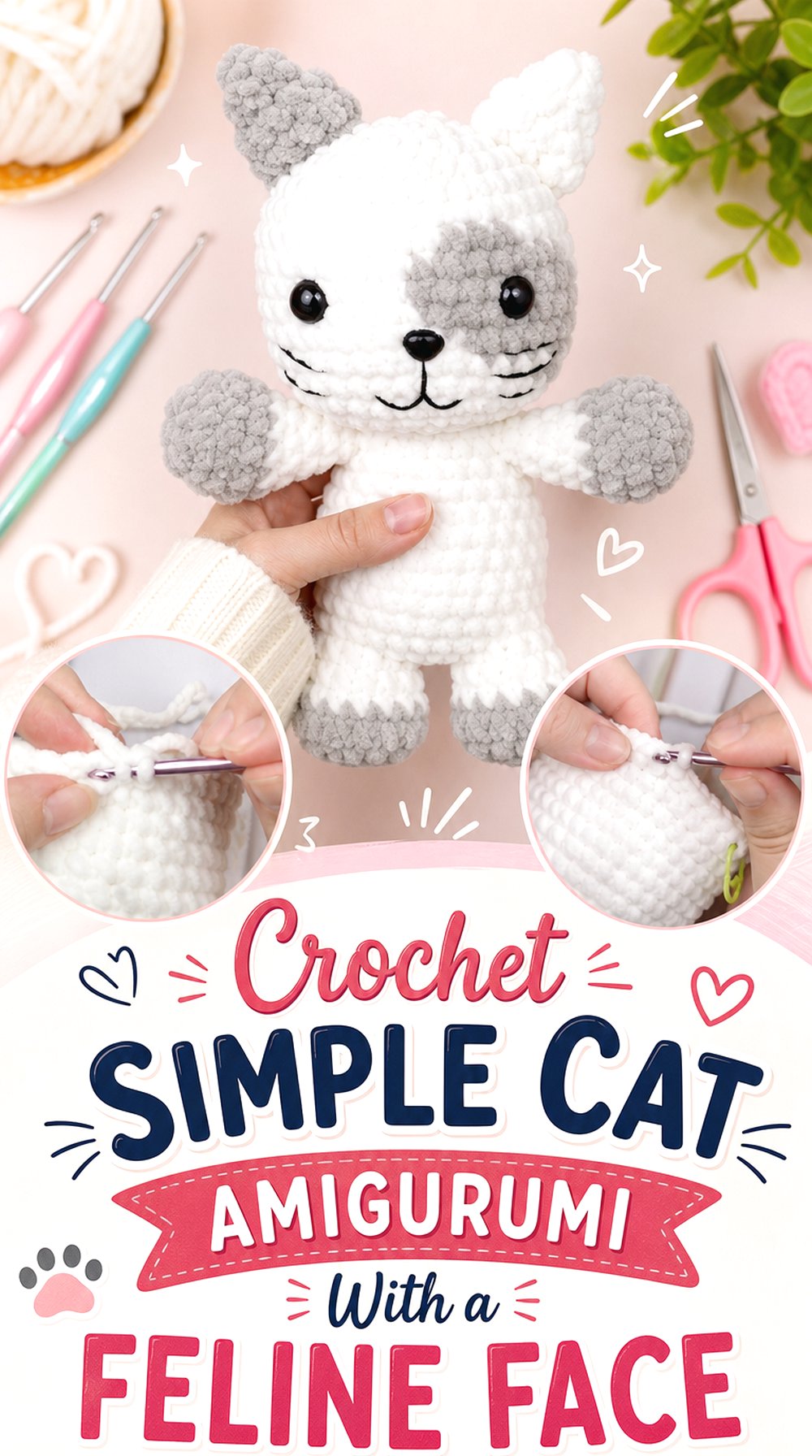
A cat is a useful pet-style option for a crochet animal list because it can be sweet, simple, and easy to recognize without needing many accessories. This project focuses on the feline character rather than a costume or themed setting, so the finished result can fit into a general animal collection.
Compared with the puppy, the cat has a different face shape and expression style. It may suit readers who want a small pet-inspired amigurumi but prefer a quieter, cleaner look. The key is to keep the face and ears readable so the finished animal does not lose its cat identity.
The Face Should Read Clearly
For a simple cat, the face is the detail that carries the project. Eyes, nose, and mouth placement should work together so the finished animal has a clear feline expression. Readers may want to compare the front view in the original source before finishing their own face. This helps avoid a result that looks like a generic round plush instead of a cat.
A Simple Shape Allows Color Flexibility
A cat project can often feel different with color changes, but color should not replace shape. The ears, face, and body outline still need to make the animal recognizable. Readers can choose a shade that fits their display, but they should check whether the creator gives any specific material or color notes before changing supplies too much.
Watch for Small Detail Placement
Small pet animals can look unfinished if the details are rushed. The ears, face, and any final features should be aligned before everything is secured. This is a good project for readers who like careful finishing more than dramatic accessories. It can also pair well with the mini puppy if someone wants a small crochet pet set.
Creator: Crochet Jewel
9. Crochet Cow Amigurumi With Farm-Animal Shape
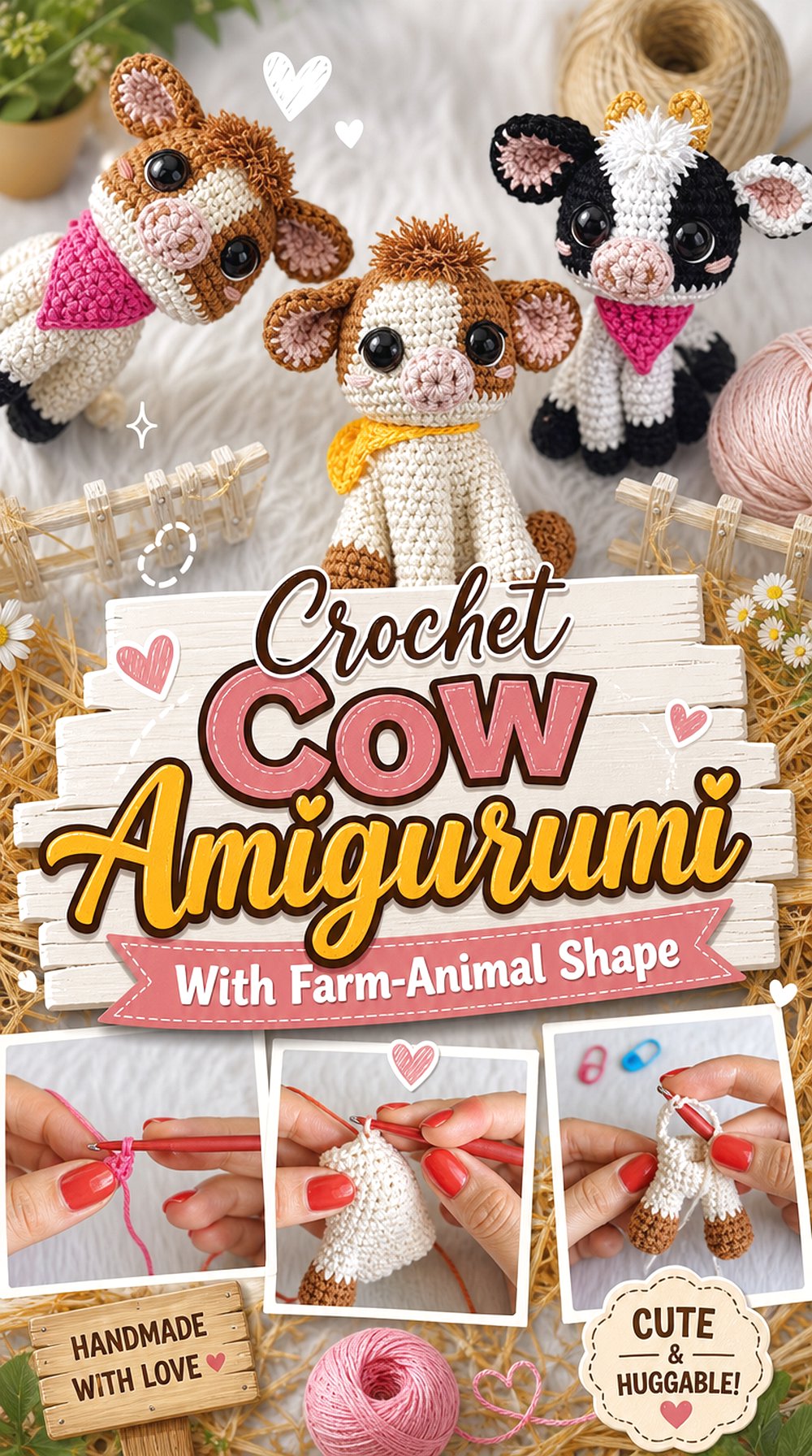
The cow adds a farm-animal option to the collection and gives readers a project that feels different from pets, sea animals, and woodland-style toys. Its appeal comes from the recognizable cow shape and the way the face and body markings or color areas help define the animal.
This project may suit readers who want a crochet animal with a softer country or nursery-style look. Because the tutorial is subtitled, viewers should check whether the teaching format works for them before starting. It is also a good reminder that not every useful crochet tutorial is presented in the same way.
Farm-Animal Details Need Clarity
A cow needs enough visual information to read clearly as a cow rather than a plain stuffed animal. Color placement, face details, ears, and any horn or muzzle treatment should be checked against the finished result in the source. Readers can decide whether they want a classic cow look or a softer decorative version, but they should avoid changing too many defining details at once.
Subtitled Teaching Changes the Pace
The source is labeled as subtitled, so readers who usually rely on spoken instructions should review a section before committing. Subtitles can be helpful for pausing and checking information, but they may require more attention while crocheting. This project may suit someone comfortable watching closely and using the on-screen guidance rather than only listening.
Compare the Finished Front and Side
Farm animals often depend on both the face and body outline. A cow should look balanced from the front, but the side view can also matter if it will sit on a shelf. Readers may want to check how much of the finished shape is shown before choosing this as a display piece, especially if they want it to match other animals in size and style.
Creator: AmigurumisKellyJimenez
10. Crochet Winter Penguin With Scarf and Earmuffs
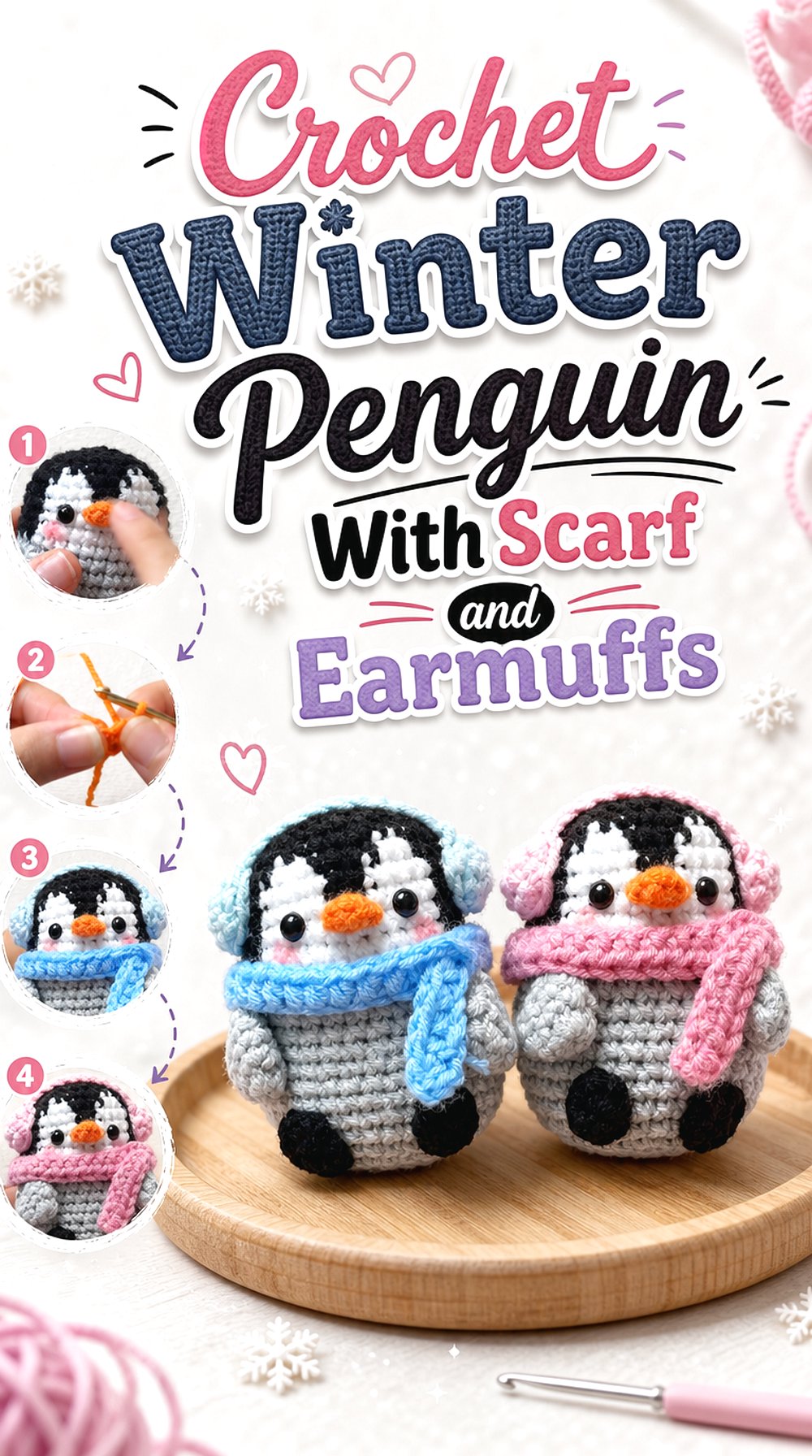
This penguin stands out because it is not just an animal shape. The scarf and earmuffs give it a winter character, which makes it different from the plain pet and farm animal projects in the list. The rounded penguin body still keeps the amigurumi look, but the accessories add extra color, texture, and display personality.
This is a good choice for readers who want a seasonal crochet animal without making a full holiday character. It can sit with winter decor, but it is still recognizable as a penguin even when viewed as part of a general animal collection.
Accessories Create the Theme
The scarf and earmuffs are the details that make this penguin feel winter-ready. They add charm, but they also add more finishing decisions than a plain rounded animal. Readers should think about whether they want the accessories to contrast clearly with the body or stay soft and subtle. The finished look depends on those small color and placement choices.
Rounded Body Keeps It Display-Friendly
Even with accessories, the penguin remains a compact amigurumi animal. That makes it easier to place on a shelf, desk, or seasonal tray than a long-limbed animal. Readers should still confirm the finished balance in the source, especially if the scarf or earmuffs are added after the body and could affect how the animal sits or photographs.
A Seasonal Animal Can Still Be Versatile
Because the winter theme comes from removable-looking visual details, the penguin can feel seasonal without being tied to one holiday. It may work for winter decor, animal collections, or handmade gift displays. Anyone planning to make several animals together can use the penguin as the cold-weather piece while keeping the rest of the collection more general.
Creator: ETM’s Studio
11. Crochet Lion Amigurumi With Mane Detail
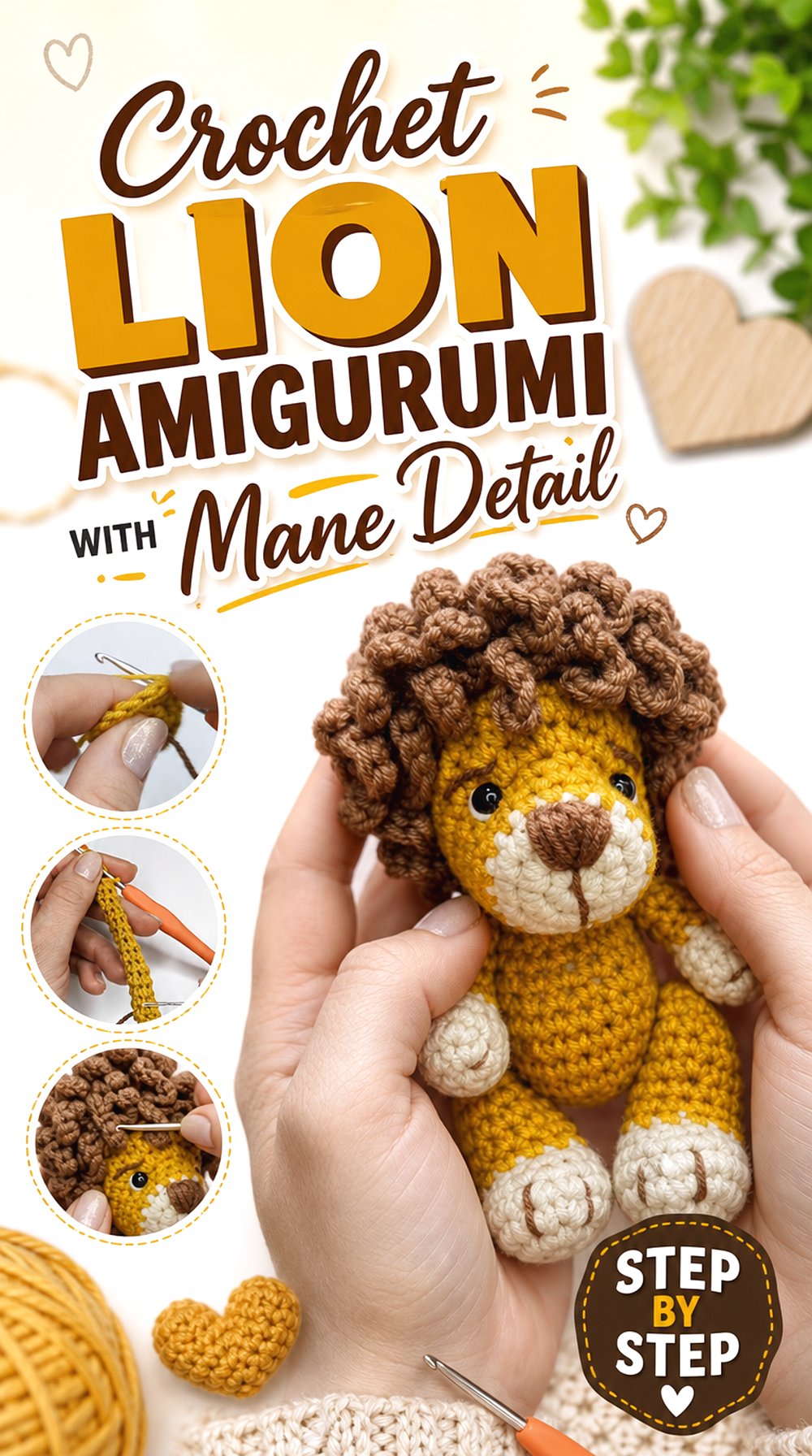
The lion has a stronger character outline than many of the softer rounded animals. Its mane is the main feature, giving the head more texture and making the animal instantly different from the bear, cat, puppy, and cow. The source also includes several body parts and decorative finishing, so this project has more visual detail to compare before starting.
This option may suit readers who want a crochet animal with a bold face and a more detailed finish. It can become a focal piece in a group of animals because the mane naturally draws attention.
The Mane Is the Signature Feature
A lion needs a clear mane to stand apart from other crochet animals. Texture, placement, and fullness all affect the final character. Readers should study the finished head view before starting and decide whether they want that amount of detail in their project. The mane may take more patience than a plain ear or tail, but it is also what gives the lion its strongest identity.
Movable-Limb Details Need Review
The source timestamps mention sewing legs to make them movable, which is a useful detail for readers who care about posing. This does not mean every finished lion will behave like a toy for active play. It simply gives the project an extra display feature to notice. Readers should follow the original tutorial closely for that section rather than guessing from the finished photo.
Embroidery Finishes the Expression
The source includes an embroidery decoration section, making the final face and details especially important. Embroidery can soften the expression and add personality without extra plastic components. Readers who are less confident with face details may want to pause and compare the spacing before finishing. A lion’s expression can shift quickly if the final details are placed unevenly.
Creator: Amigurumi_Joys
12. Crochet Giraffe Amigurumi With a Tall Neck Shape
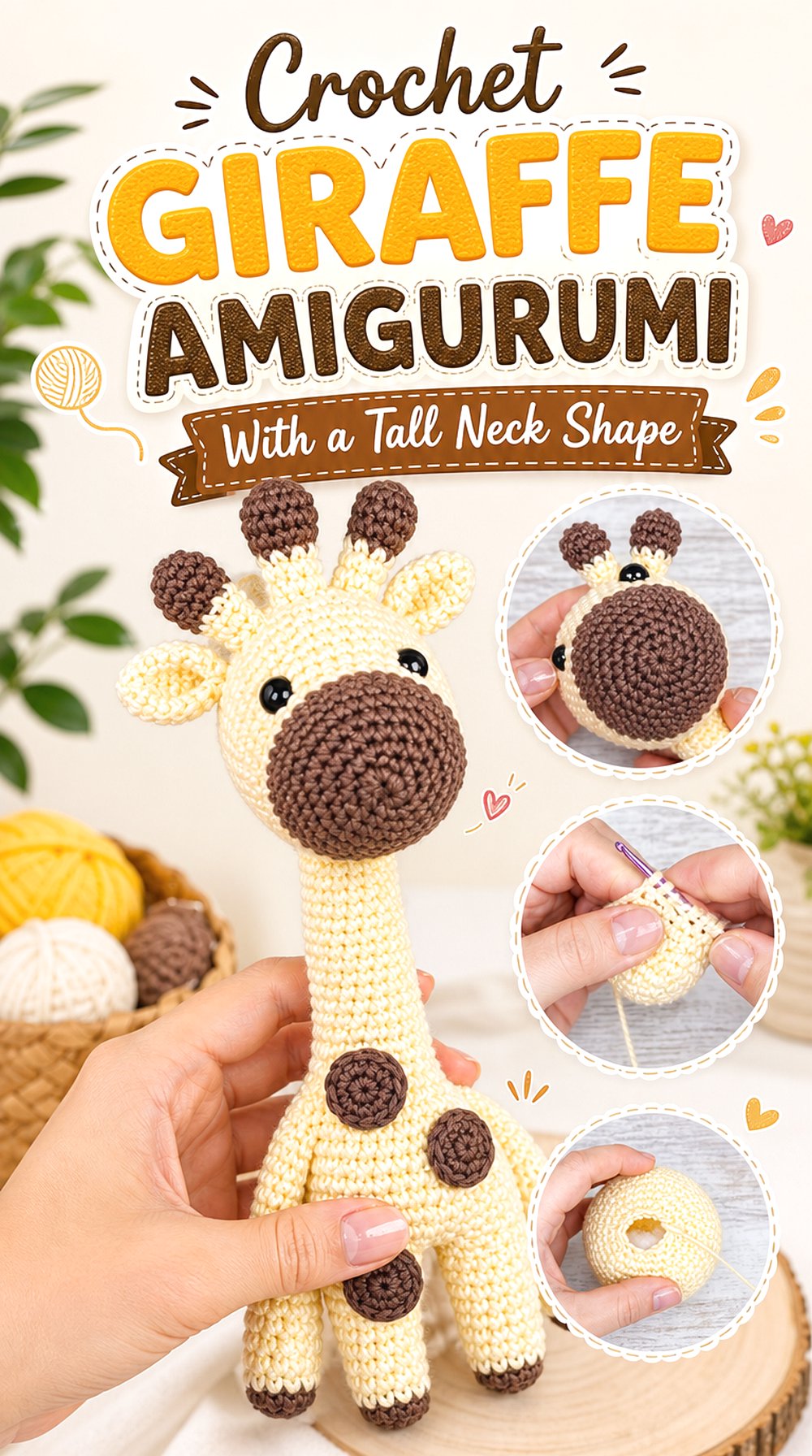
The giraffe gives the collection height and a different body proportion from every other animal here. Its tall neck and long animal shape make it a natural contrast to the squat frog, rounded duck, low turtle, and flat-belly whale. This is the kind of project that can add vertical interest to a crochet animal display.
Because the giraffe has such a distinctive silhouette, readers should focus on proportion rather than only color. The head, neck, body, and small features need to work together so the finished animal keeps its tall, gentle character.
Height Makes It Stand Apart
The giraffe’s tall neck is the main reason it feels different from the other projects. That extra height can make it a stronger display piece, especially when placed behind smaller animals. Readers should think about where the finished giraffe will sit and whether the display space has enough vertical room. A taller animal can look impressive, but it also needs a stable-looking finished shape.
Proportion Is More Important Than Extras
Unlike the penguin, this project does not need winter accessories to stand out. The giraffe’s identity comes from its proportions and animal details. Readers may want to compare the neck length, head shape, and body balance in the finished view before starting. This helps them understand whether they prefer a long, character-style giraffe or a shorter, rounder amigurumi look.
Review the Full Guide Before Choosing Colors
The source presents the giraffe as a step-by-step amigurumi project, so it is worth reviewing the full guide before changing the palette. Color placement can affect how clearly the giraffe reads, especially around the head and neck. Readers who want a softer nursery look can still choose gentle colors, but they should keep the defining giraffe areas easy to see.
Creator: Patrigurumis
Which Crochet Animal Should You Choose First?
Choose by finished shape first, then by detail level. The mini puppy, simple cat, and little teddy bear are good picks for readers who like familiar pet or toy shapes. The duck, turtle, frog, and whale offer rounder bodies that can work well in low shelf displays. The elephant, lion, cow, and giraffe bring more recognizable animal features, while the penguin adds a seasonal accessory style.
For the least decorative look, choose the whale, turtle, cat, or bear. For more character detail, look at the lion, penguin, elephant, or giraffe. If the project is meant as a gift, review the original creator’s notes about eyes, attachments, and materials before deciding how the finished animal will be used.
Conclusion
These 12 crochet animals give readers a wide mix of shapes instead of repeating the same plush form. The puppy and cat work well for small pet-style pieces, while the cow, duck, elephant, lion, and giraffe offer stronger animal variety. The turtle, frog, and whale are useful for rounded display pieces, and the penguin adds a winter-themed option with accessories.
The best choice depends on whether the reader wants a compact animal, a low shelf sitter, a detailed face, or a taller character shape. Use the original tutorials for exact construction details, counts, and finishing guidance before starting any project.
FAQs
What should I compare before choosing a crochet animal tutorial?
Compare the finished shape, number of separate parts, face details, and display purpose. A turtle or whale may suit a low shelf, while a giraffe or lion gives more height and character. Also check whether the tutorial includes accessories, embroidery, safety eyes, subtitles, or a written pattern if those details affect how you prefer to follow a project.
Are these crochet animals suitable for children?
Do not assume every crochet animal is suitable for children. Some tutorials use safety eyes or small attached pieces, and those details may not be appropriate for young children or pets. Always check the creator’s notes, use age-appropriate finishing choices, and review the materials before giving a finished animal to anyone who may pull, chew, or handle it roughly.
Which crochet animals are better for shelf displays?
The whale, turtle, frog, duck, and penguin are strong shelf-display options because their shapes are compact or rounded. The whale is especially display-focused because the source describes a flat belly. Taller animals like the giraffe and lion can still work well, but they may need more vertical space and careful placement so the group looks balanced.
How can I make a crochet animal collection look varied?
Choose animals with different silhouettes instead of only changing colors. Mix a pet, a farm animal, a sea animal, a bird, and a taller animal. For example, a puppy, turtle, whale, penguin, lion, and giraffe would already create a strong range of shapes. Accessories, ears, shells, manes, wings, and neck height all add variety.
Should I change the yarn used in a crochet animal tutorial?
Only change yarn after checking the creator’s material list and finished look. Different yarn can change the size, texture, firmness, and detail clarity of an amigurumi animal. Plush yarn may make a toy look soft and rounded, while thinner yarn may show stitches more clearly. If size matters, confirm the information in the original tutorial before buying supplies.
Can I sell crochet animals made from YouTube tutorials?
Do not assume selling is allowed just because a tutorial is public. Check the creator’s terms, pattern notes, video description, and any linked written pattern before selling finished items. Some creators allow finished-item sales with conditions, while others may restrict use. Also review local labeling, safety, and business requirements if the animal will be sold.