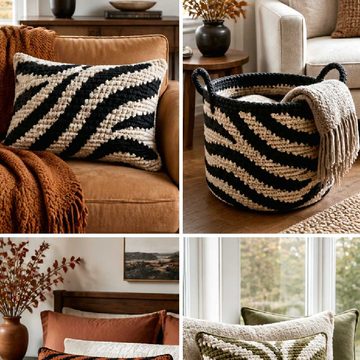
Looking for a cheerful way to dress up your table, dresser, or mantel? A daisy hexagon runner is perfect: modular, stash-friendly, and easy to scale. Below are 15 handpicked motif tutorials (daisy hexagons and flower granny squares) plus joining guides you can use to build your custom runner. Each idea explains how to adapt the motif into a runner, what yarns and hooks work best, and one tip to keep joins flat and durable. Mix airy whites with sunny centers for a classic look, or try retro palettes—mustard, teal, blush, and mocha—for cozy vibes. Make a skinny console runner with 2 rows of motifs or go wider with 3–4 rows for a dining table. Seam as you go for speed, or block and whipstitch for crisp geometry. Ready to bloom? Let’s crochet!
Daisy Puffagon Tutorial
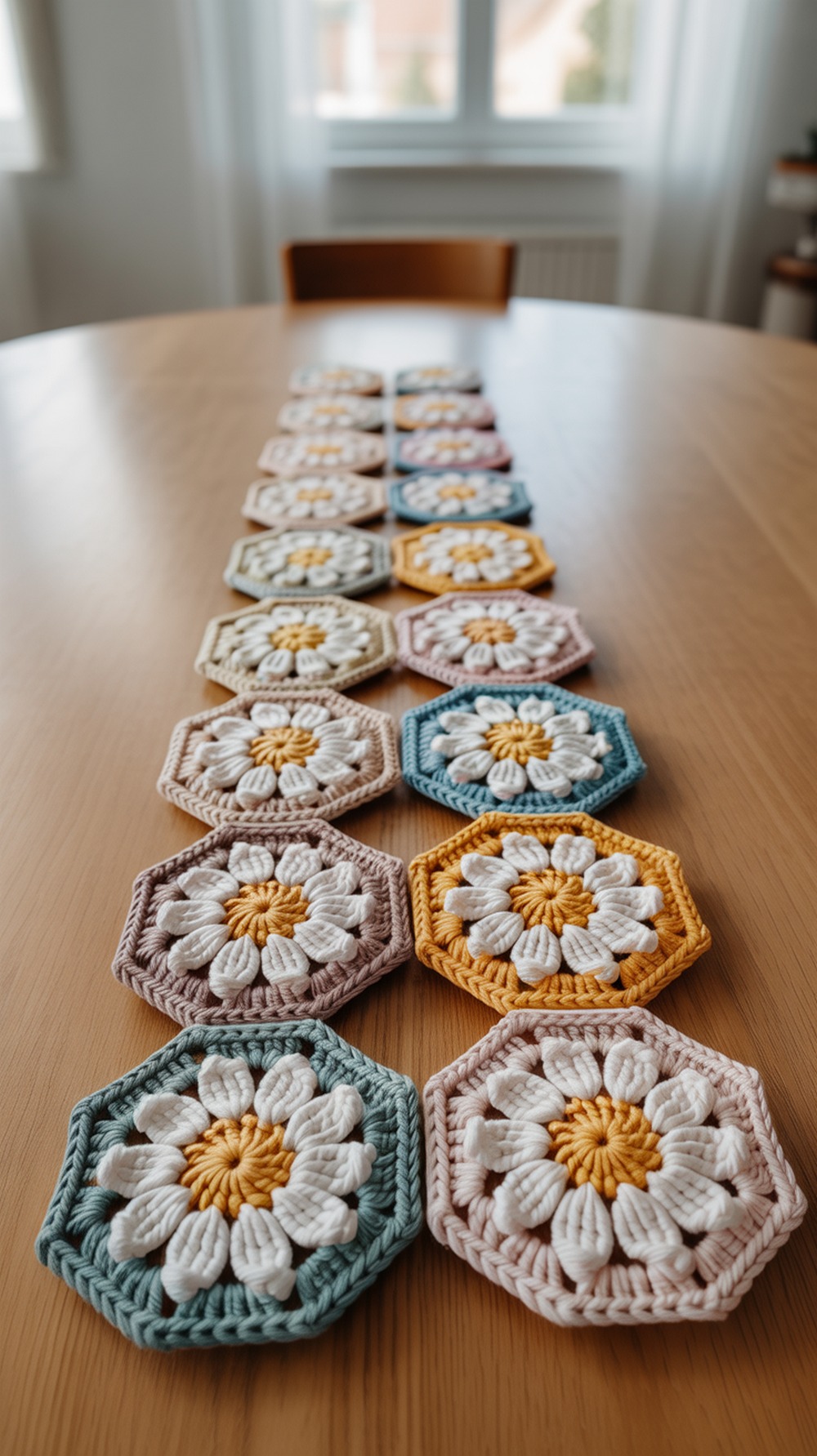
Cherry Heart’s puffy daisy motif makes a cushy, vintage-style runner with great stitch definition. Make individual daisy hexagons, then arrange them in 2–3 rows to your table length; add half-hexies at the ends for straight edges. Aim for 18–36 motifs depending on width and overhang. Join with her modular method or seam after blocking for ultra-flat joins. One tip: keep puff stitches consistent so each daisy sits evenly—count your yarn-overs every petal. Finish with a narrow single-crochet border to frame the flowers. Build your runner from the Daisy Puffagon Tutorial page and adapt sizing as you go. Tutorial
Supplies: DK cotton/acrylic, 4.0 mm hook, yarn needle, blocking mats, stitch markers
Why it’s great: Plush petals and crisp hexagon edges feel luxe yet beginner-friendly.
Cozy Days Daisy Blanket
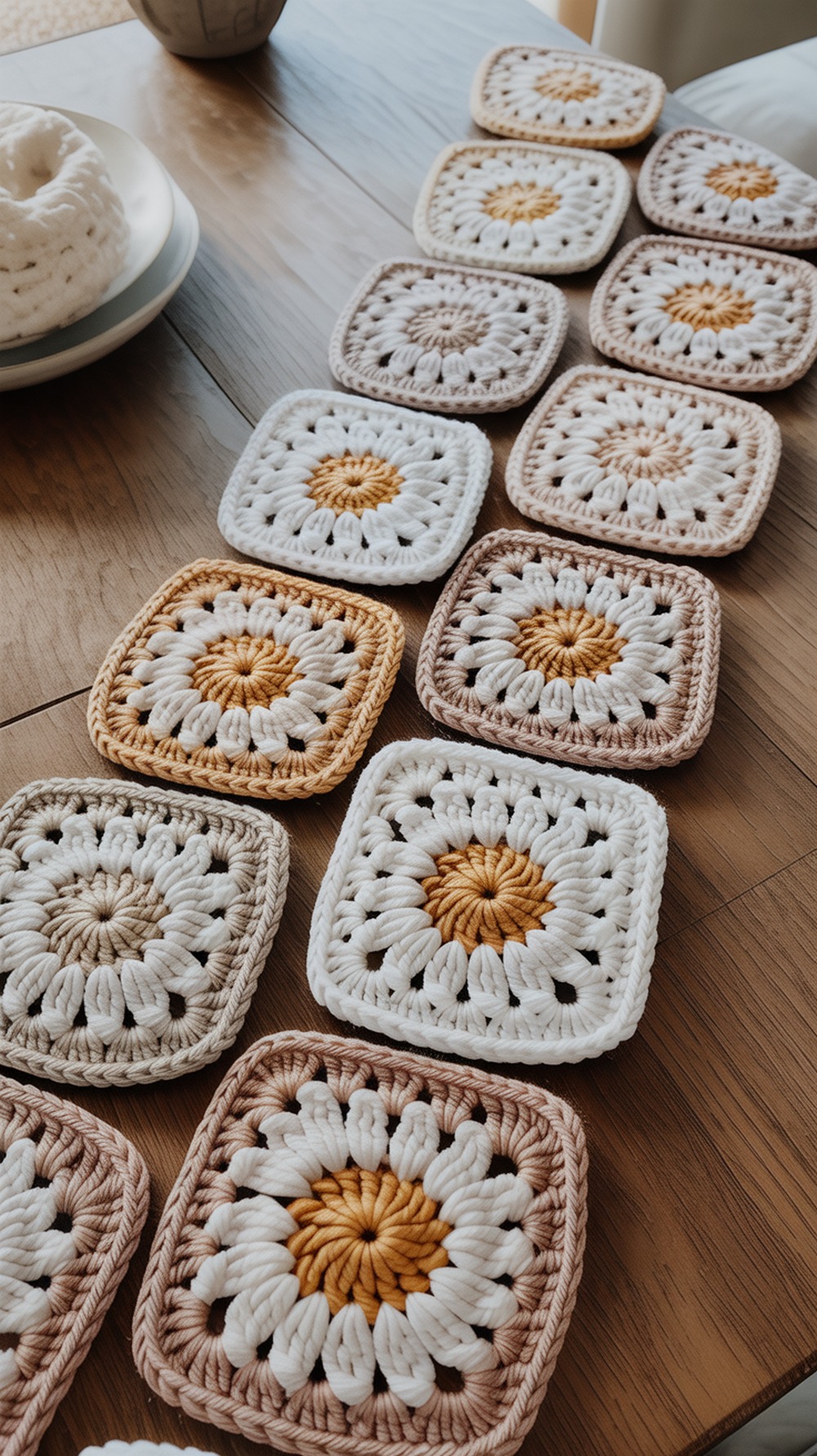
All About Ami’s chunky daisy squares transform into a cushy runner fast. Work fewer squares (2 × 8 or 3 × 6) for table length, then add a slim border. Bulky yarn means fewer motifs and quick progress—perfect for gifts. Keep edges straight by measuring your table and subtracting 2–3 cm for natural drape. Tip: steam-block lightly before seaming to tame curl. This blanket tutorial shows the exact square and border; simply scale down to runner dimensions and seam in rows. Make the coziest cottage-core runner with the step-by-step Cozy Days Daisy Blanket guide. Tutorial
Supplies: Bulky (weight 5), 6.5–7.0 mm hook, tapestry needle, blocking pins
Why it’s great: Big yarn = fast makes and soft, cushy tabletop protection.
Granny Flower Hexagons
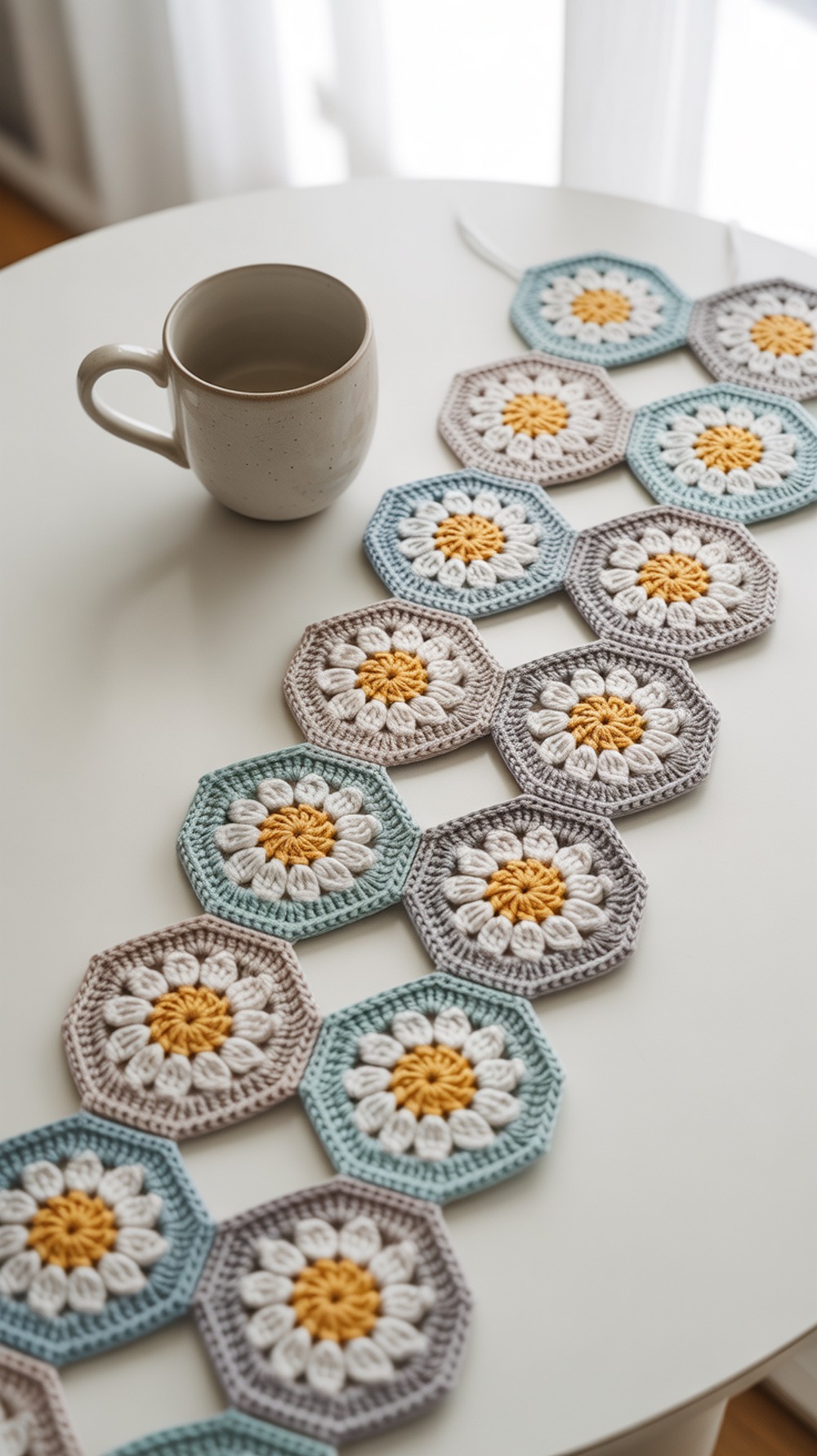
These flower-center hexagons are ideal for slim runners. Make a strip of 2 rows × desired length; add half-hexies to square the sides. The tutorial includes yarn options and a video—great for confident beginners. For sturdier tabletop use, switch to cotton or a cotton blend. Tip: alternate motif background colors in a repeating sequence for rhythm across the runner. Finish with reverse single crochet (crab stitch) for a neat rope-edged frame. Start with Lullaby Lodge’s Granny Flower Hexagons and build your custom length. Tutorial
Supplies: DK cotton, 4.0 mm hook, scissors, yarn needle, blocking boards
Why it’s great: Clear photos and video support make motif repeats easy to memorize.
How to Crochet a Flower Granny Square
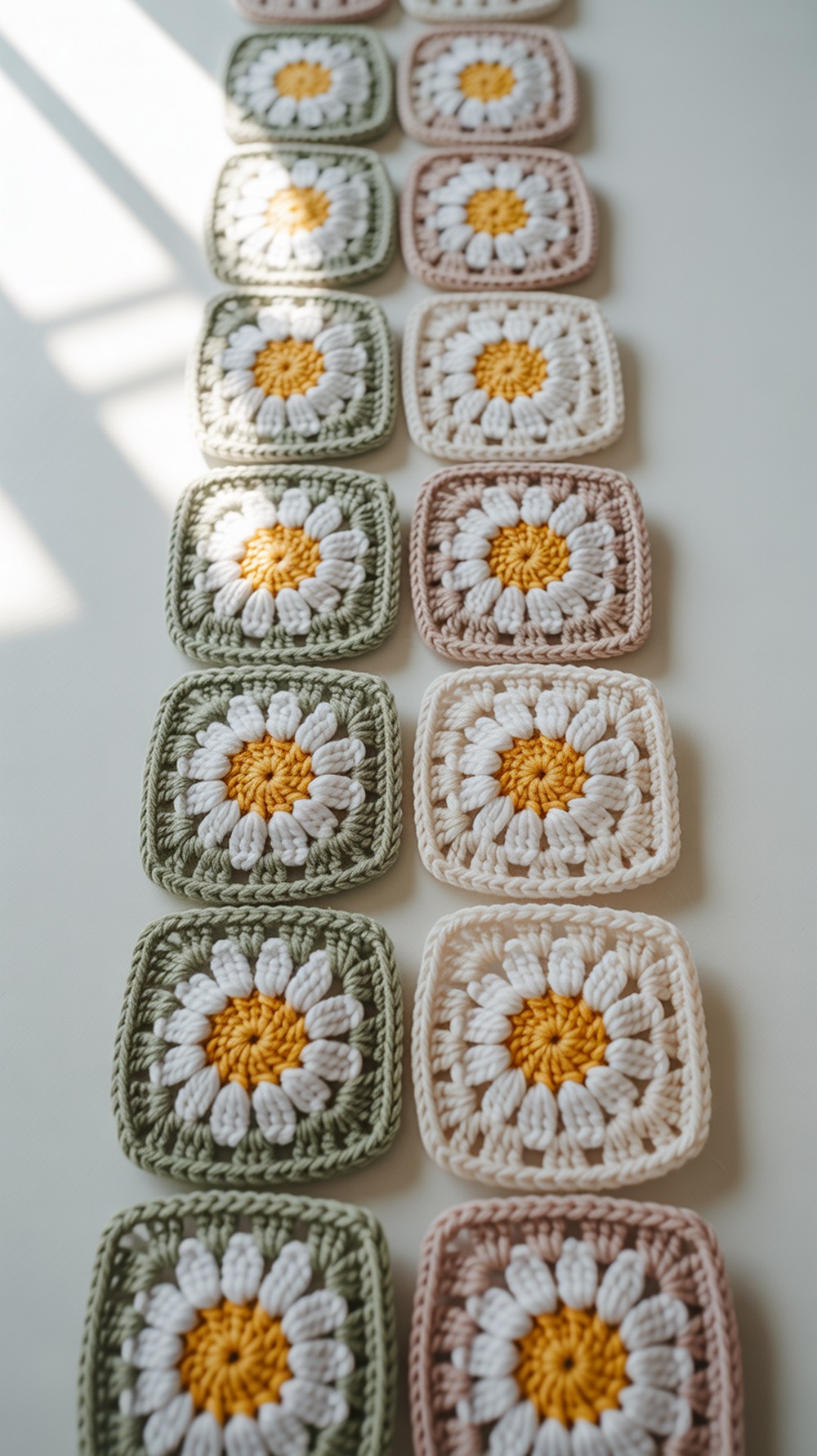
This daisy granny square adapts beautifully into a lightweight runner. Make squares instead of hexagons, then seam into 2–3 rows. The post includes step photos, a video, and tips for color changes—perfect for tidy centers. Tip: keep all squares the same round count for uniform size; block in batches before seaming for straight lines. Add a slim single-crochet border in your dominant background color to tie everything together. Use the Flower Granny Square tutorial as your motif base and simply customize your layout for runner length. Tutorial
Supplies: Worsted cotton/acrylic, 5.0 mm hook, yarn needle, measuring tape
Why it’s great: A clear square motif you can seam quickly into a runner.
How to Crochet Daisy Granny Square (The Passionate Crafter)
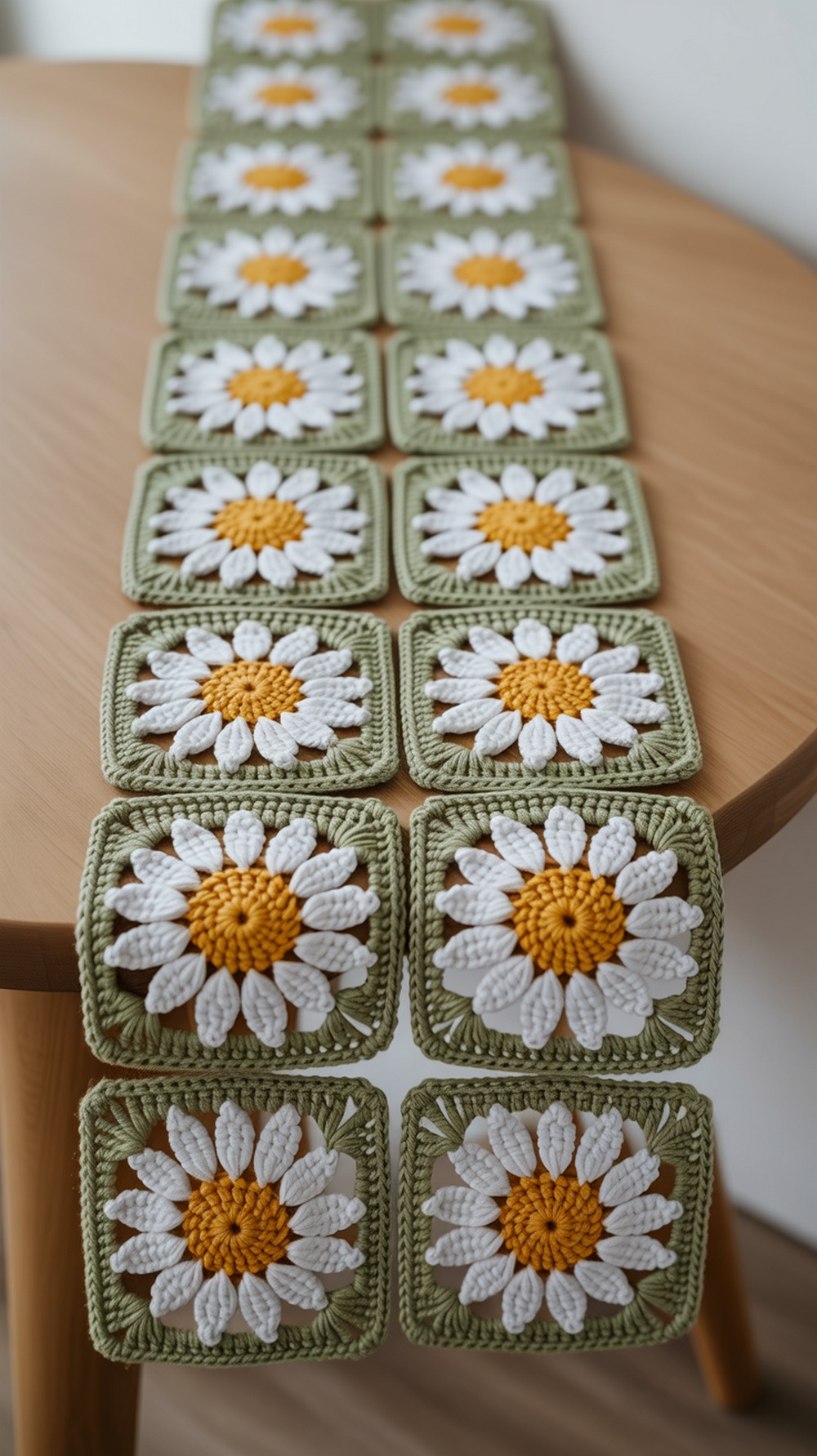
TJ’s step-by-step daisy square includes yardage notes and photos—great for beginners turning motifs into home décor. For a runner, work squares to the desired size, then mattress-stitch for nearly invisible seams. Tip: plan your color order—center, petals, background—to repeat every 3–4 squares for a cohesive pattern. Finish with a textured slip-stitch edge to resist stretching. Follow the How to Crochet Daisy Granny Square tutorial, then seam into a narrow table runner or dresser topper. Tutorial
Supplies: Worsted cotton, 4.5–5.0 mm hook, tapestry needle, blocking pins
Why it’s great: Detailed photos de-mystify neat petals and tidy color changes.
Daisy Granny Square Crochet Tutorial
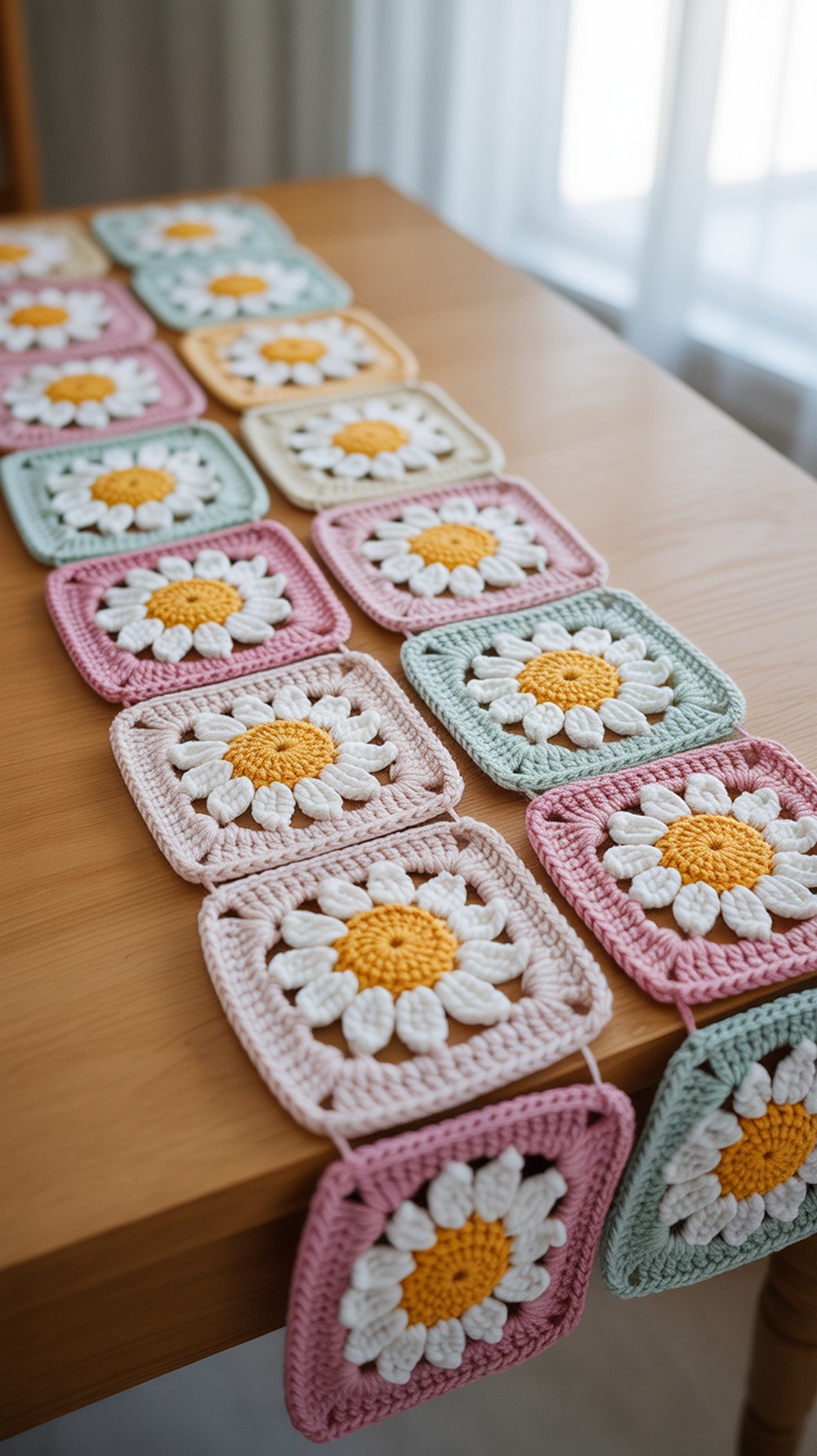
Melanie’s classic daisy square is easy to memorize—perfect for batch-crocheting a runner. Create 2 narrow rows to your table length, then whipstitch or join-as-you-go. Tip: weave ends per square before joining; it saves time later and keeps the back tidy. Choose cotton for washability or an acrylic/cotton blend for softness. Finish with a simple single-crochet border around the whole runner. Start with the Daisy Granny Square Crochet Tutorial and adapt square counts to fit your space. Tutorial
Supplies: Worsted cotton, 5.0 mm hook, yarn needle, scissors, blocking mats
Why it’s great: Friendly, beginner-minded steps and a timeless daisy look.
How to Create the Daisy (Tillie Tulip)
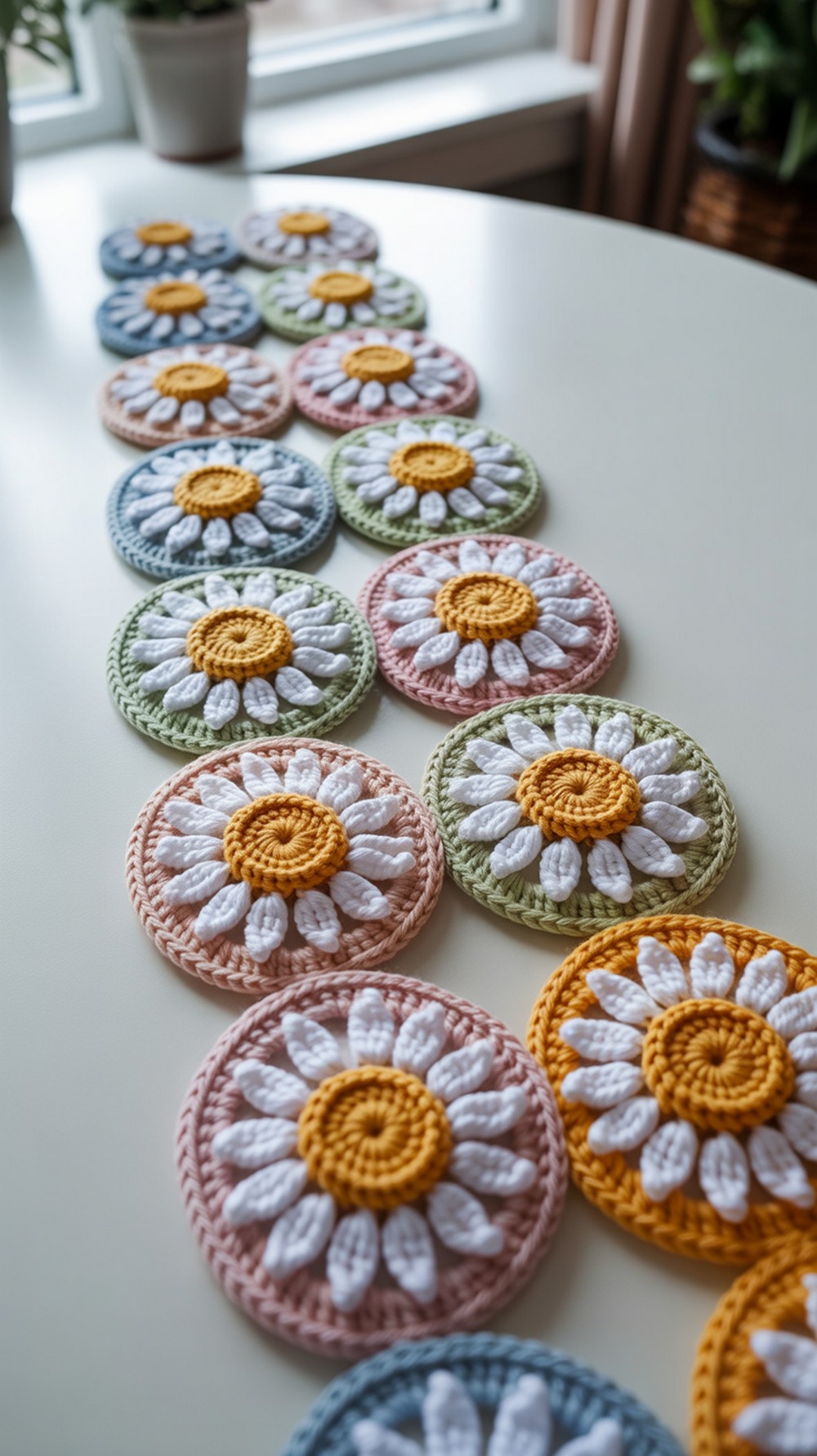
Use Tillie Tulip’s beloved daisy applique as your centerpiece, then square or hex it with background rounds to form runner motifs. Make each daisy to size, add hexagon shaping (see #8), and join in two slim rows. Tip: stiffen petals slightly with a steam pass (no touching iron) for crisp flower shapes. Choose a single background color for a modern, uniform runner. Start with the Photo tutorial of how to create the daisy, then add hex/square rounds and seam to length. Tutorial
Supplies: DK cotton, 4.0 mm hook, tapestry needle, blocking pins, steam source
Why it’s great: Iconic daisy shape you can adapt to hexagons or squares.
Hexagon Continuous JAYG – Granny Stitch (Cypress Textiles)
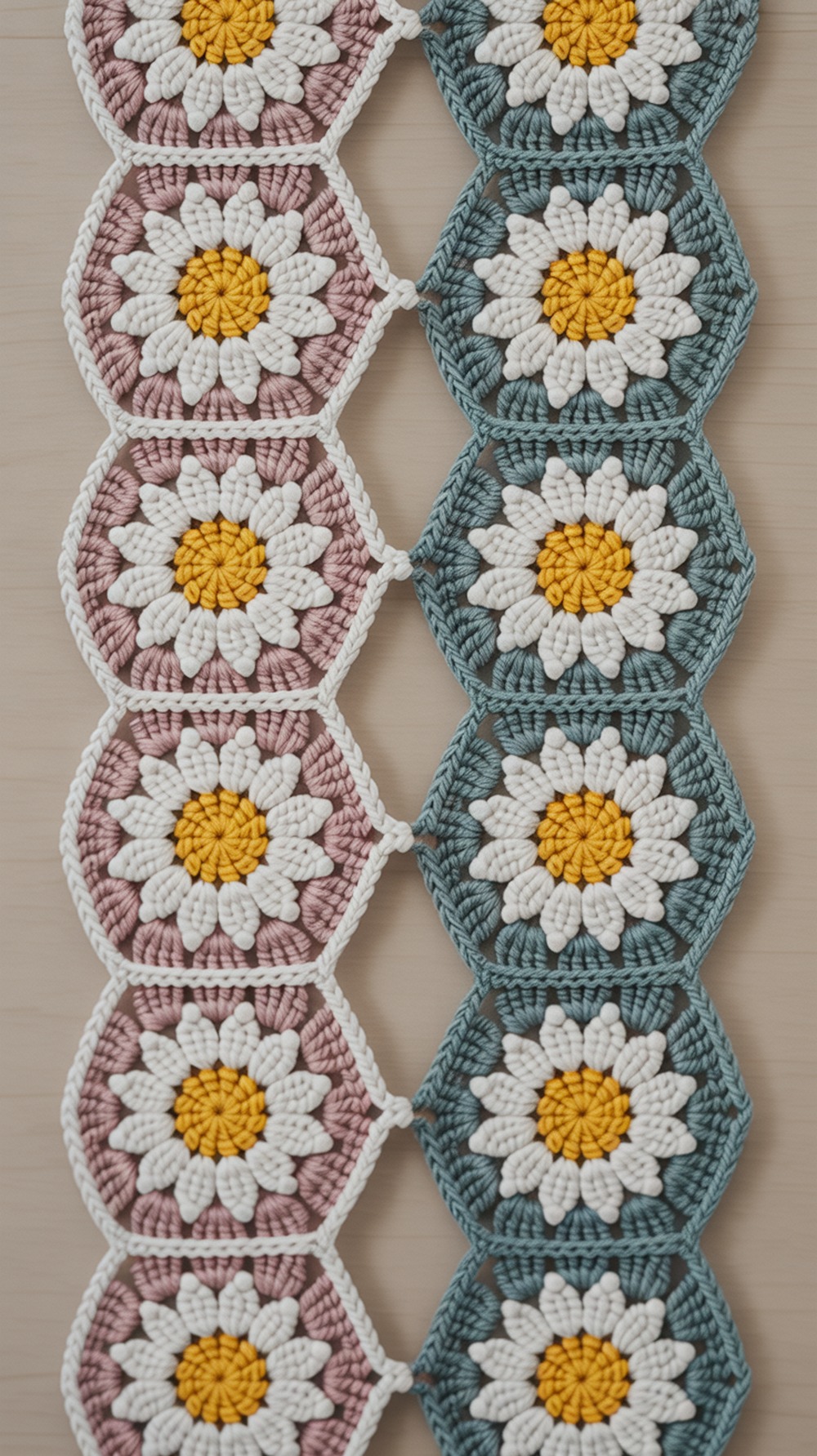
Straight joins make runners look professional. Use this continuous join-as-you-go to connect your daisy hexagons without bulky seams. Lay motifs in two rows, then follow the path to connect them in one pass—fewer ends, flatter fabric. Tip: practice on scrap hexagons first to memorize the route. Combine with any daisy hexagon (e.g., Tillie Tulip’s daisy center) for a streamlined finish. Build your runner layout, then use the Hexagon Continuous JAYG method for the join. Tutorial
Supplies: Matching motif yarn, 4.0–4.5 mm hook, stitch markers, measuring tape
Why it’s great: A clean, continuous join makes your runner lie flat and look polished.
Daisy Puff Hexagon

Prefer video? This walkthrough shows the puffy daisy hexagon stitch-by-stitch. Make a set sized for your table—count motifs across for width, then build length. Tip: keep tension relaxed on puff stitches so petals sit evenly; block each hex before joining. Finish with Cherry Heart’s matching modular join (see her playlist). Start your runner with the Daisy Puff Hexagon video and duplicate colors to match your décor. Tutorial
Supplies: DK acrylic/cotton, 4.0 mm hook, yarn needle, blocking pins, tape measure
Why it’s great: Clear video pacing makes puff petals and corners click fast.
How to Crochet the Hexadaisy
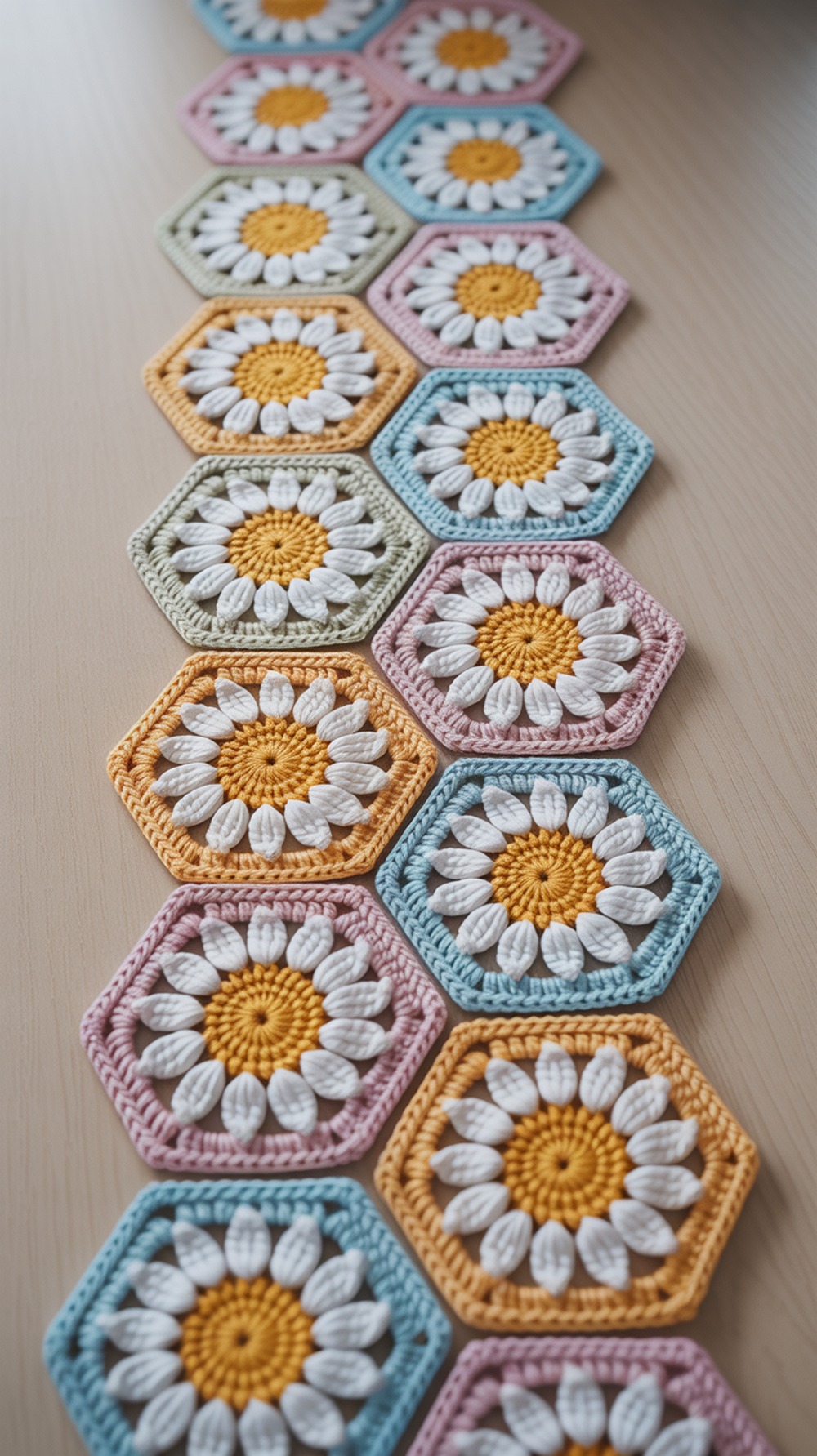
This video teaches the hexadaisy motif used in a hexagon blanket—perfect to repurpose into a runner. Make two rows of matching hexes, add a few half-hexies at ends (see #15), and border simply. Tip: test one full repeat to measure your motif size; multiply to plan total length without guesswork. Great for confident beginners who like visual instruction. Use the How to Crochet the Hexadaisy lesson as your runner’s motif base. Tutorial
Supplies: Worsted acrylic/cotton, 5.0 mm hook, tapestry needle, markers
Why it’s great: Beginner-paced video and easy, rhythmic rounds.
Crochet Bobble Drops Flower Hexagon

For a textured twist, use this bobble-center flower hexagon. The raised petals add depth to a runner while staying sturdy for daily use. Keep backgrounds neutral to let the flowers pop. Tip: block bobble motifs face-down on a towel, steam hovering to set shape without flattening texture. Seam in two slim rows and add a single-round border. Start with Crochet Bobble Drops Flower Hexagon and repeat to your desired length. Tutorial
Supplies: DK or Worsted cotton, 4.0–4.5 mm hook, yarn needle, blocking supplies
Why it’s great: Eye-catching texture that still lies flat on a table.
Red Heart Field of Daisies Crochet Blanket
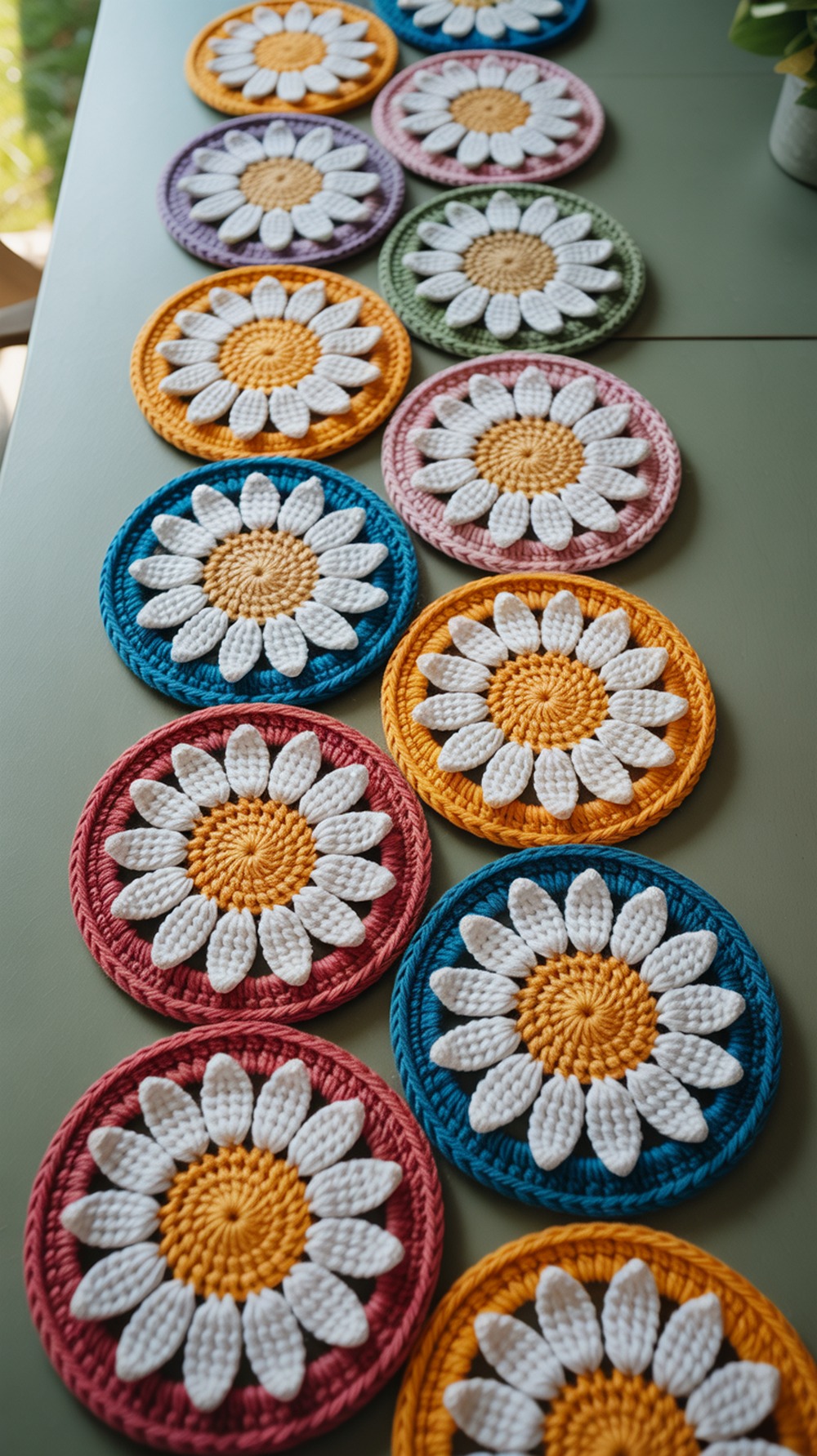
This motif-based blanket features daisy blooms you can repurpose into a runner. Make fewer motifs in two rows, then apply the same assembly instructions. Super Saver yarn makes it durable and machine-washable—great for everyday dining. Tip: choose a single background color for cohesion across a small piece. Follow the Field of Daisies pattern for motifs and join steps; stop when your runner hits your target size. Tutorial
Supplies: Worsted acrylic (Super Saver), 5.0 mm hook, tapestry needle, scissors
Why it’s great: Sturdy, washable motifs ideal for high-traffic tabletops.
How to Crochet a Granny Hexagon (Adore Crea)
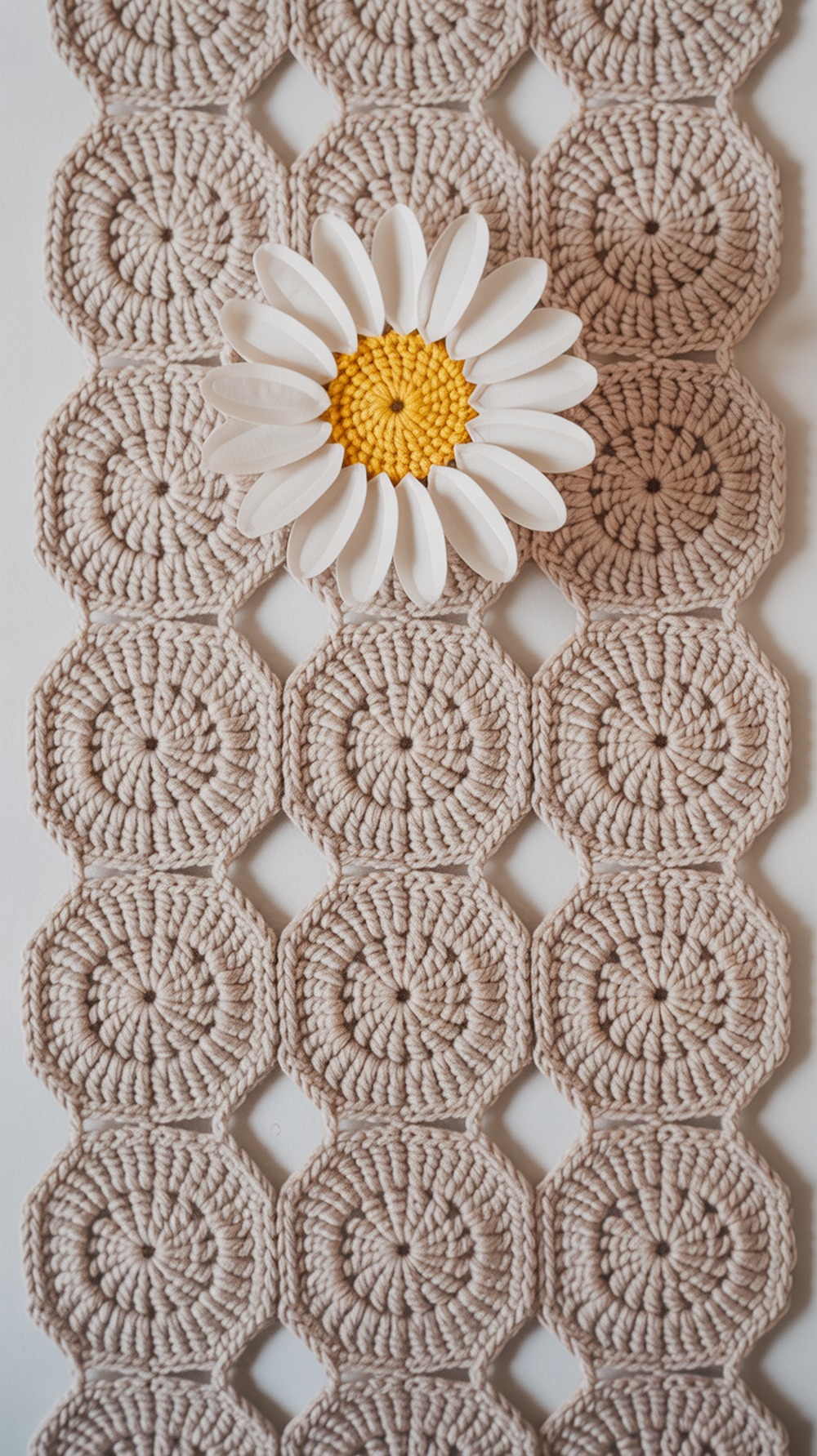
When your daisies are ready, you’ll need tidy hexagon backgrounds. This tutorial shows a classic granny hex you can wrap around an applique daisy (see #7) or use to size your motifs consistently. Tip: measure one hex, then keep adding rounds until it matches your flower diameter; consistency makes joining painless. Use How to Crochet a Granny Hexagon to standardize your daisy hexes before seaming into a runner. Tutorial
Supplies: DK or Worsted, 4.0–5.0 mm hook, measuring tape, markers, yarn needle
Why it’s great: Ensures uniform hex sizes for a straight, professional runner.
How to Crochet a Half Daisy Hexagon
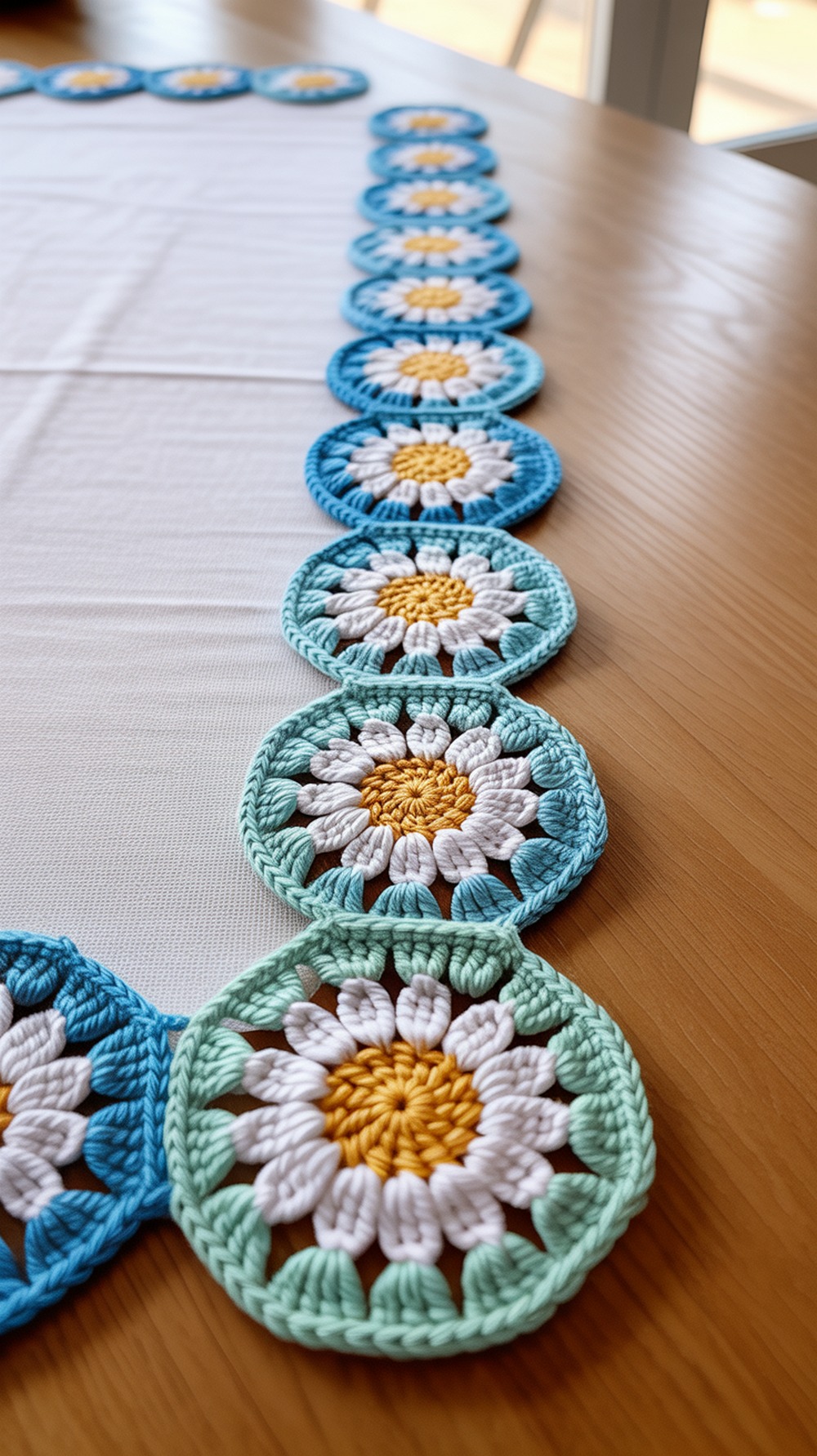
Finish like a pro with straight edges. This half-hex video pairs with the hexadaisy motif so your runner sides and ends look neat. Make enough halves to square both long edges and the ends; block lightly before adding a slim final border. Tip: use the same background color as your joins so halves blend seamlessly. Follow How to Crochet a Half Daisy Hexagon to complete your runner’s silhouette. Tutorial
Supplies: Matching motif yarn, 4.0–5.0 mm hook, tapestry needle, blocking pins
Why it’s great: Half motifs prevent wavy borders and give a tailored finish.
Conclusion
Pick one motif tutorial, make 4–6 samples to lock in gauge and color, then plan your runner (rows × columns). Cotton or cotton-blend yarns wash well and lie flat, and continuous joins keep seams tidy. Add half-hexies to straighten edges and a slim border for polish. Save this collection, share it with your crochet friends, and come back whenever you’re ready to grow your daisy runner into matching placemats, coasters, or a throw. Happy hooking!
FAQs
What yarns work best for home runners?
Cotton or cotton-blend DK/worsted holds shape, resists pilling, and handles spills. Acrylic works too; choose tighter gauge and block for flatness.
Machine wash or hand wash?
Check yarn label. Most cotton/acrylic: machine wash cold, gentle; lay flat to dry. Avoid high heat; it can distort motifs and joins.
How do I scale a runner pattern?
Measure table length/width. Decide rows (2–4) and columns, then make one motif and multiply. Add half-hexies to straighten edges.
What fibers are safest for kitchen/bath or heat?
Cotton handles moisture and light heat better than acrylic. For hot dishes, use thick cotton and avoid placing directly under very hot cookware.
How do I join for durability?
Use join-as-you-go or whipstitch with split-spliced yarn. Reinforce corners with a second pass if the runner sees daily use.
Typical time and yardage?
Small runner (2 × 10 motifs): ~400–700 yds DK/worsted; 4–10 hours depending on stitch and skill. Bulky yarn is faster.
Edgings that stay flat?
Single crochet, crab stitch, or narrow linen-stitch borders add structure without ruffling. Steam-block lightly to set.
How do I photograph my project?
Shoot near a window, overhead or three-quarter angle; keep props minimal; ensure Crochet stitch texture and daisy centers are clearly visible.