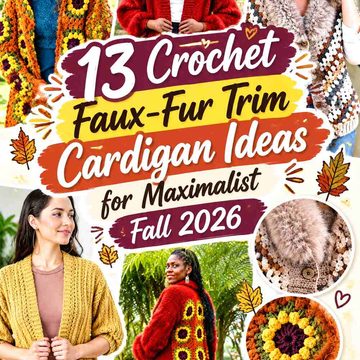
Top-down pet sweaters are the coziest way to get a custom fit without seams or guesswork. You start at the collar, work the yoke, split for leg openings, and glide down the body—perfect for trying on as you go. This collection mixes dog and cat patterns, all worked from the neck down (many in one piece), with size ranges from tiny to extra-large. I picked tutorials with clear photos, step-by-steps, and sizing notes so you can match your pet’s measurements and yarn stash. You’ll find texture (cables!), tweedy basics, and simple smooth stitches that fly off the hook. Grab a soft, washable yarn, your tape measure, and a handful of stitch markers—then pick one of these comfy toppers and make your furry buddy a winter MVP.
Dandy Dog Sweater
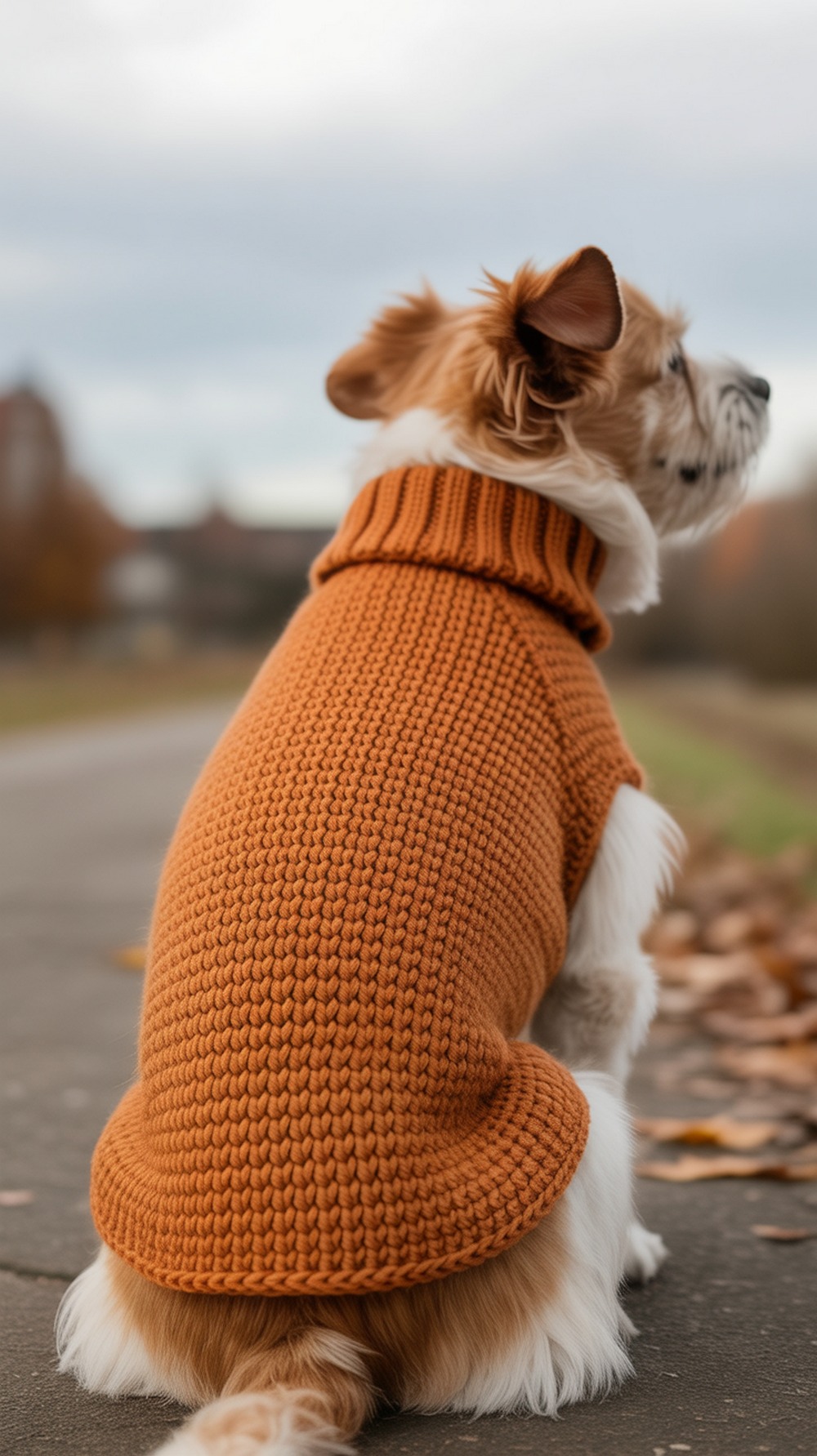
A beloved, beginner-friendly pullover worked top-down in one piece, so there’s no seaming and very little counting stress. You’ll start with a stretchy ribbed neck, increase through the yoke, chain for tidy leg openings, and cruise down the back in an easy stitch that lays flat. The fit is easy to tweak: add rows to lengthen the belly or back, or widen by repeating an increase round before the split. Try it on your pup after the yoke to confirm chest ease. Ready to make a fast, sturdy everyday layer? Dive into the Dandy Dog Sweater tutorial. Tutorial
Supplies: Worsted/Medium (4) acrylic or wool blend, 5.5–6.0 mm hook, tapestry needle, stitch markers, tape measure
Why it’s great: One-piece, neck-down construction makes custom fitting a breeze.
Dandy Dog Sweater for Large, XL & XXL Dogs
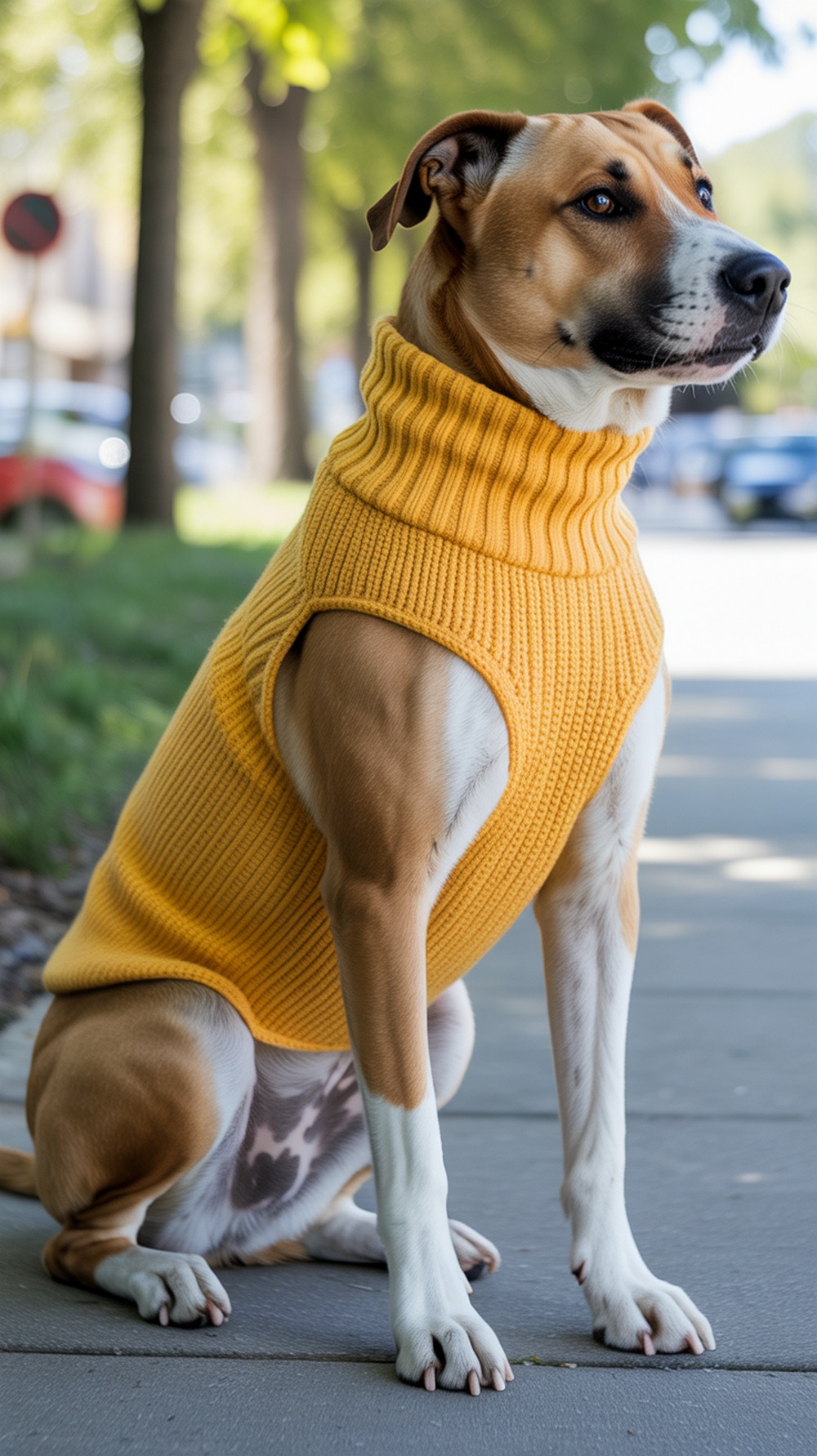
Same smart top-down build, scaled for big pups who need room to romp. You’ll work the ribbed neck, expand the yoke for broad chests, then create leg openings and a long back panel. This version adds a smart side opening with buttons on some sizes for easy dressing on lanky legs. Tip: measure chest at the deepest point and aim for 2–3 fingers of ease; if between sizes, go up and adjust length as you go. Make that gentle giant a durable daily layer with this large-dog tutorial. Tutorial
Supplies: Worsted/Medium (4), 6.0 mm hook, buttons (optional), tapestry needle, markers, tape measure
Why it’s great: Designed specifically to fit and dress larger breeds comfortably.
Chewy’s One Piece Dog Sweater
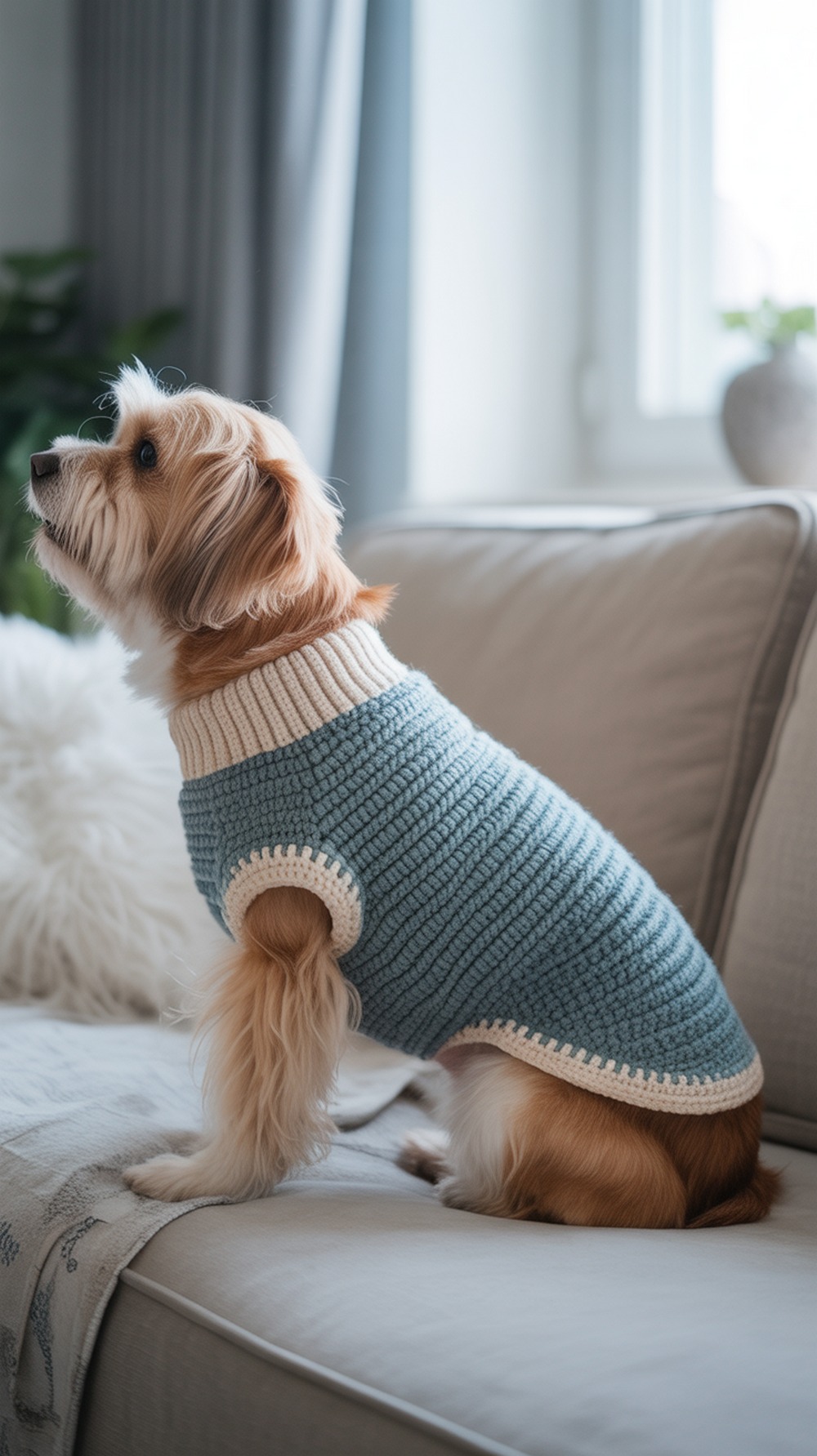
Worked from the neck down with a comfy ribbed collar, this one-piece sweater transitions from short rows to joined rounds for a clean, no-seam finish. It’s easy to fine-tune the girth by adjusting the chain under the chest when you join in the round. The post includes a size and yardage chart plus customization notes. Tip: mark the center back so increases stay symmetrical. A solid everyday pullover that looks sharp in solids or two-tones—jump into Chewy’s top-down dog sweater tutorial. Tutorial
Supplies: Worsted/Medium (4), 5.0 mm hook, tapestry needle, markers, scissors
Why it’s great: Clear, adjustable top-down shaping for a polished, tailored fit.
Cabled Top Down Dog Sweater
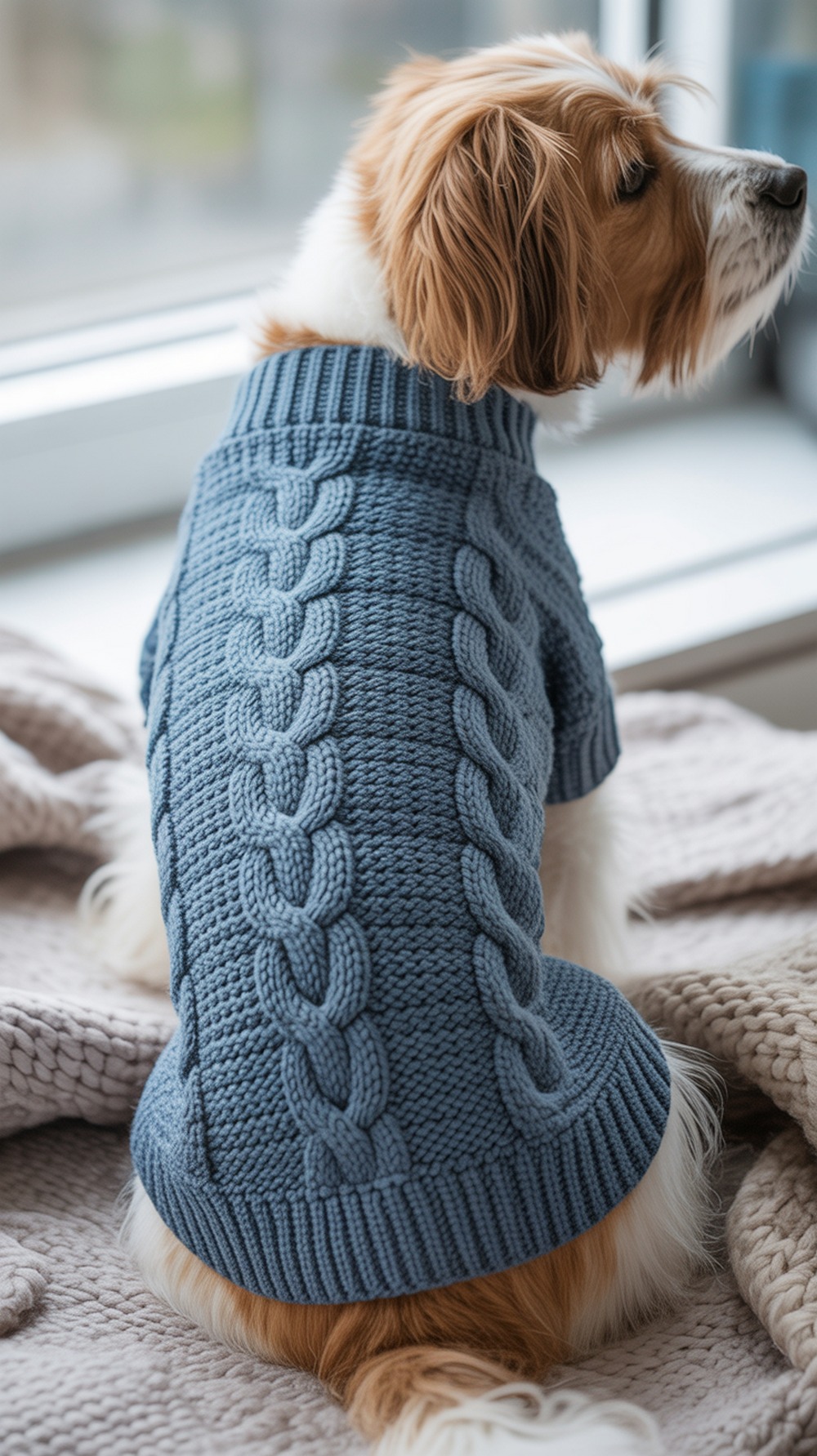
Love texture? This neck-down design blends extended single crochet with handsome post-stitch cables running along the back. You’ll begin with a ribbed collar, shape partially in rows, then join for rounds, adjusting the under-chest chain for girth. It’s surprisingly approachable: the tutorial walks through the cable sections and provides size/yardage charts. Tip: place markers at cable panels to stay on track during repeats. Make your pup a statement sweater with real warmth and structure. Tutorial
Supplies: Worsted/Medium (4) wool blend, 5.0 mm hook, markers, tapestry needle, scissors
Why it’s great: Eye-catching cables on a practical, tried-and-true top-down base.
Custom Fit Basic Dog Sweater
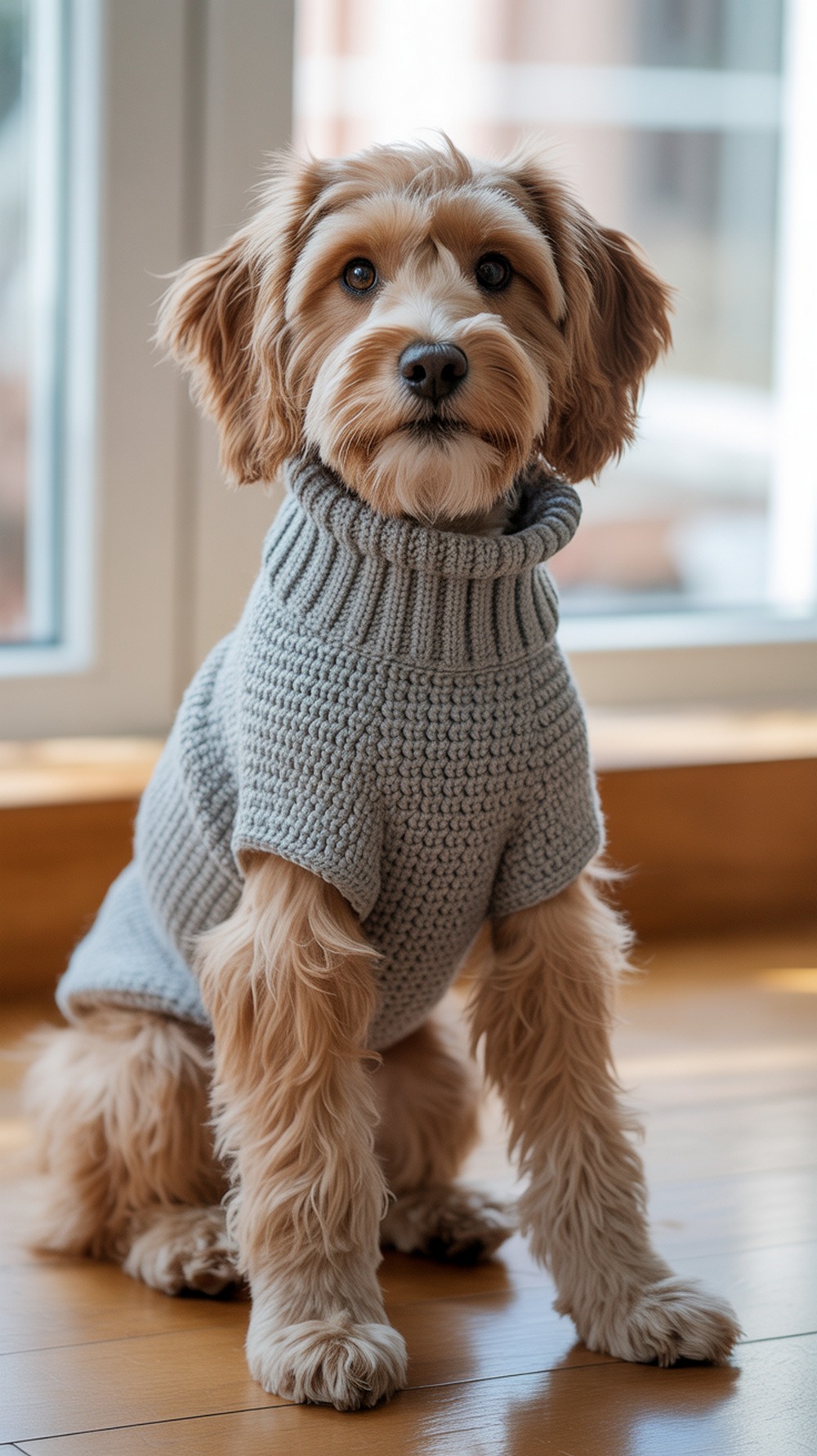
This tutorial guides you through a truly custom, collar-down pullover: rib the neck, work in rounds to your dog’s chest measurement, chain for legs, then finish the back in rows. Because you’re measuring as you go, gauge is forgiving and any worsted yarn will do. Tip: jot your pup’s neck, chest, and back length in your notes and try on at the yoke and again after leg openings. A great first “design-it-yourself” top-down sweater for unique body shapes. Tutorial
Supplies: Worsted/Medium (4), 5.5 mm hook, markers, tape measure, tapestry needle
Why it’s great: Fully adjustable, size-agnostic method you can reuse.
Pullover Dog Sweater
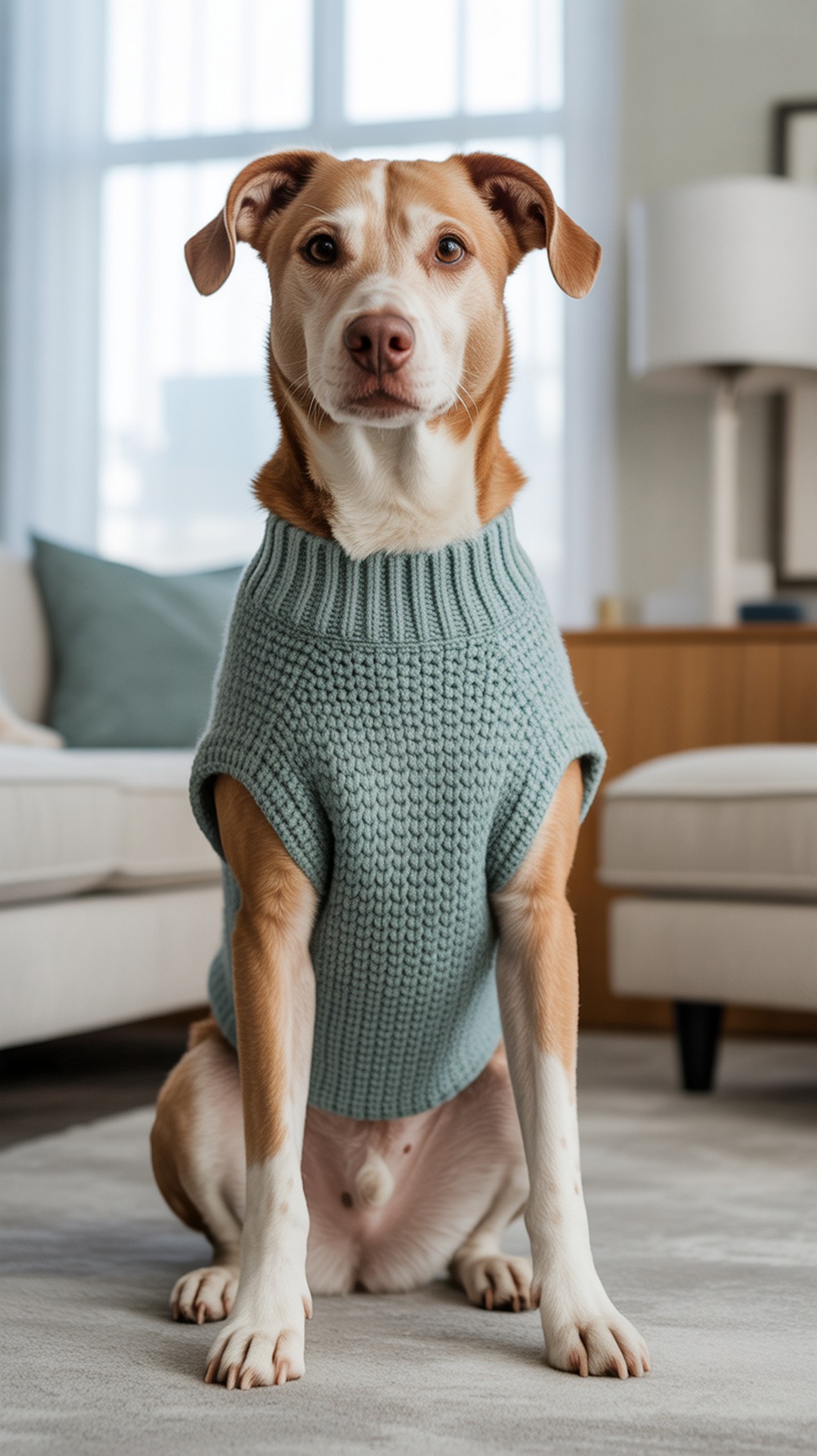
A size-inclusive, collar-down pattern with a clear size chart (XS–XL) and straightforward stitches. You’ll rib the collar, increase in the round to chest circumference, chain for leg openings, then extend the back panel with an easy post-stitch edging. Tip: check gauge in hdc for the body and sc BLO for the collar to keep sizes true. Great if you want written sizes plus a link to a separate custom-fit approach for special proportions. Tutorial
Supplies: Worsted/Medium (4), 6.0 mm hook, markers, tapestry needle, scissors
Why it’s great: Full five-size range with simple, repeatable construction.
Easy Cat Sweater
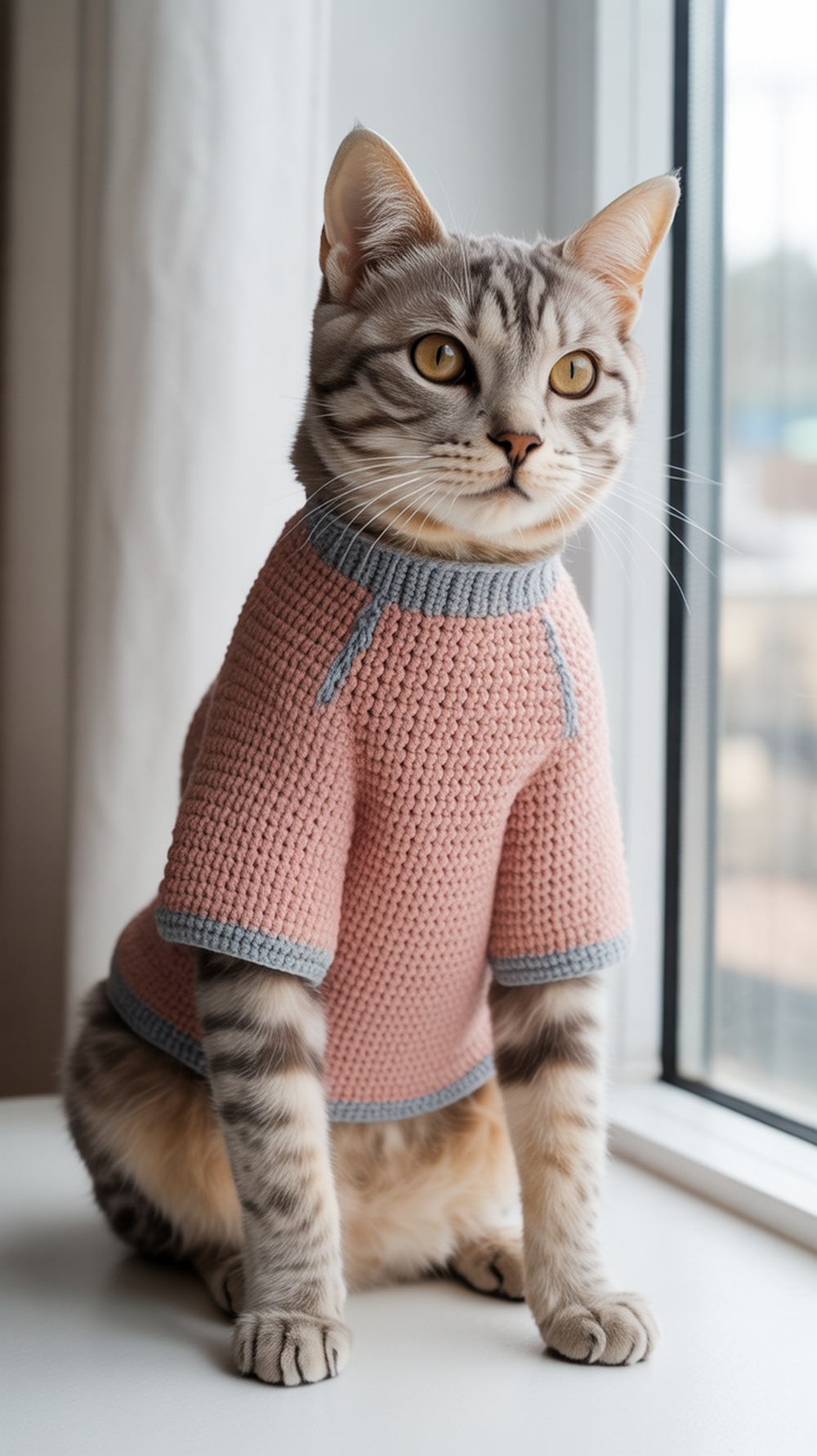
Designed as a seamless raglan for kittens through adult cats, this top-down pullover uses simple double crochet and clear checkpoints: collar, yoke, separate for leg openings, then body and optional sleeves. The post includes video support and yarn suggestions so it’s beginner-friendly. Tip: ensure the neck slides on comfortably—cats prefer roomy collars and quick dressing! Make your feline a photogenic, comfy layer with this kitty-approved pattern. Tutorial
Supplies: Light/DK (3) micro-acrylic or similar, 4.0 mm hook, markers, tapestry needle, tape measure
Why it’s great: True top-down raglan with multiple cat sizes and a video.
Tweed Cat Sweater (Collar Down Rounds)
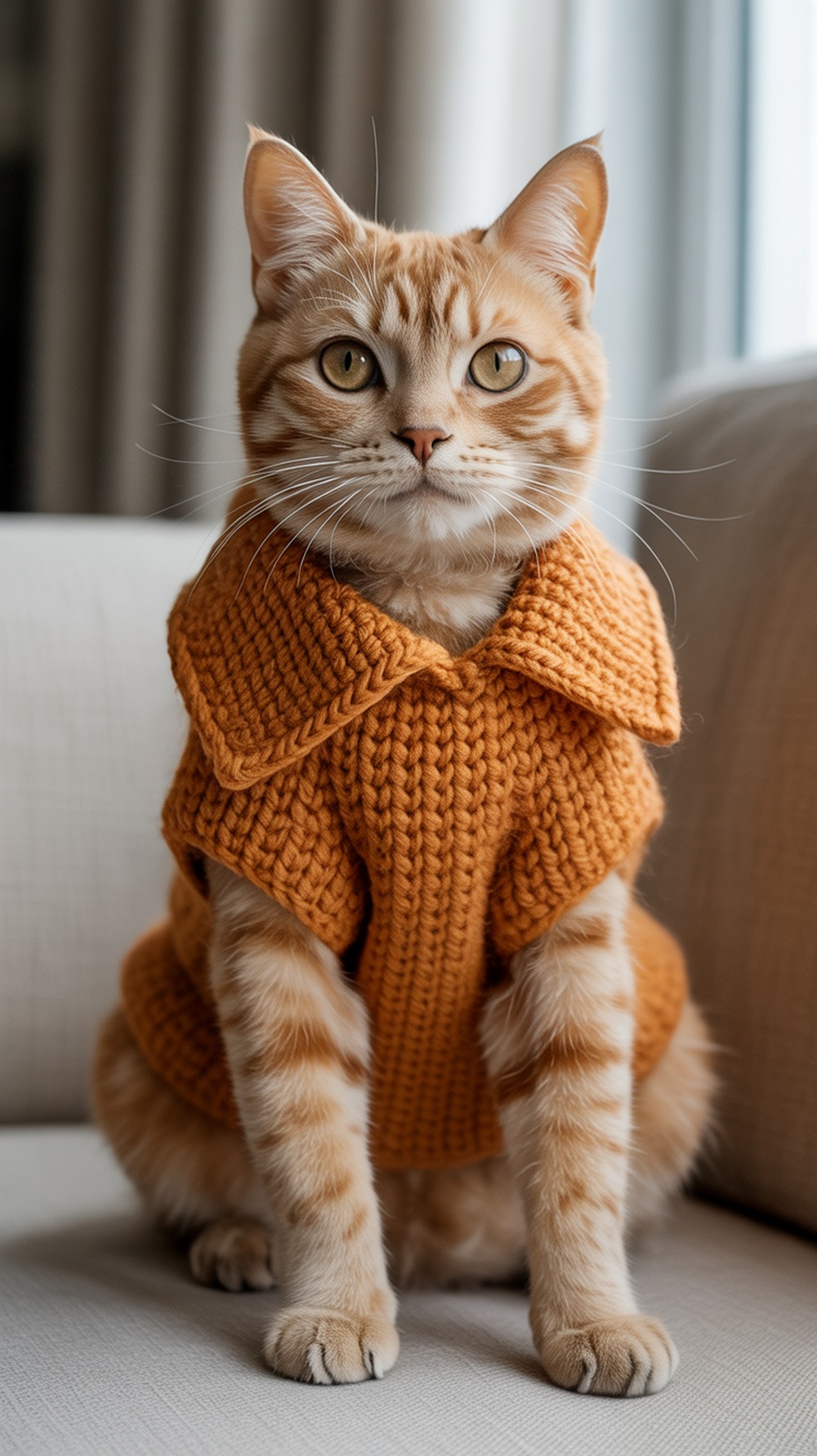
This easy, tweedy cat pullover starts with a split-texture collar (half BLO ribbing for foldability), then continues in continuous rounds of hdc with chained leg openings. Sizes XS–L are given with yardage per size. Tip: stitch markers are your best friend when working continuous rounds—mark first stitch and each armhole chain to keep counts clean. A warm, fuss-free staple for hairless or chilly cats. Tutorial
Supplies: Worsted/Medium (4) tweed acrylic, 4.5 mm hook, markers, tapestry needle, scissors
Why it’s great: Simple stitches + continuous rounds = fast, comfy feline fit.
Sphynx Friendly Cat Sweater
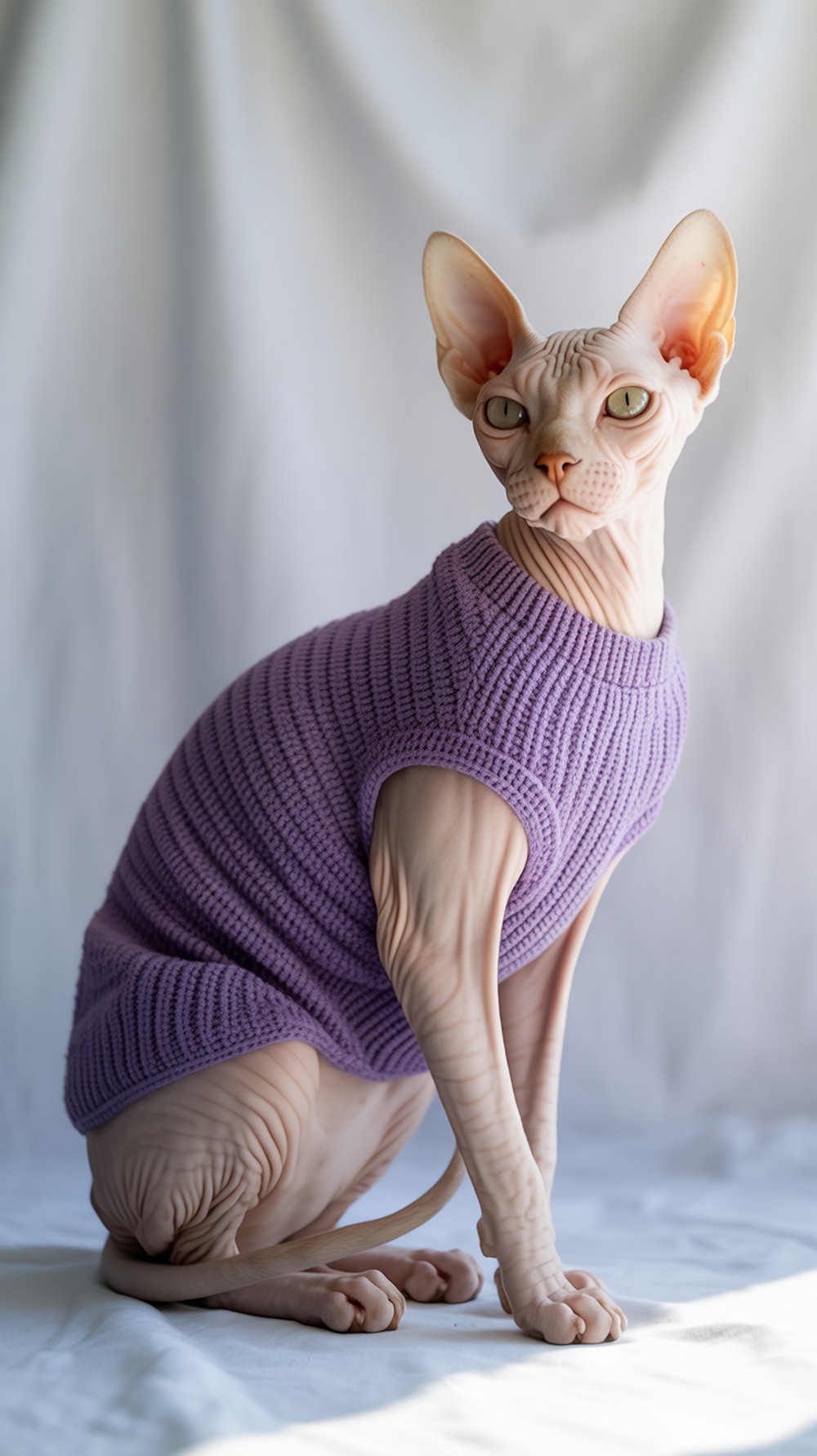
Written for a small hairless cat and easy to scale, this top-down design emphasizes a gentle collar and stretchy chest. You’ll work from the neck, add leg openings, and finish with ribbing that hugs but doesn’t bind. Tip: for delicate skin, favor soft acrylics or cotton blends and keep seams to a minimum—blocking helps smooth the fabric. A practical make for warmth-loving felines. Tutorial
Supplies: Worsted/Medium (4), 4.0–4.5 mm hook, markers, tapestry needle
Why it’s great: Built with hairless-cat comfort in mind and simple to resize.
Retro Striped Cat Sweater
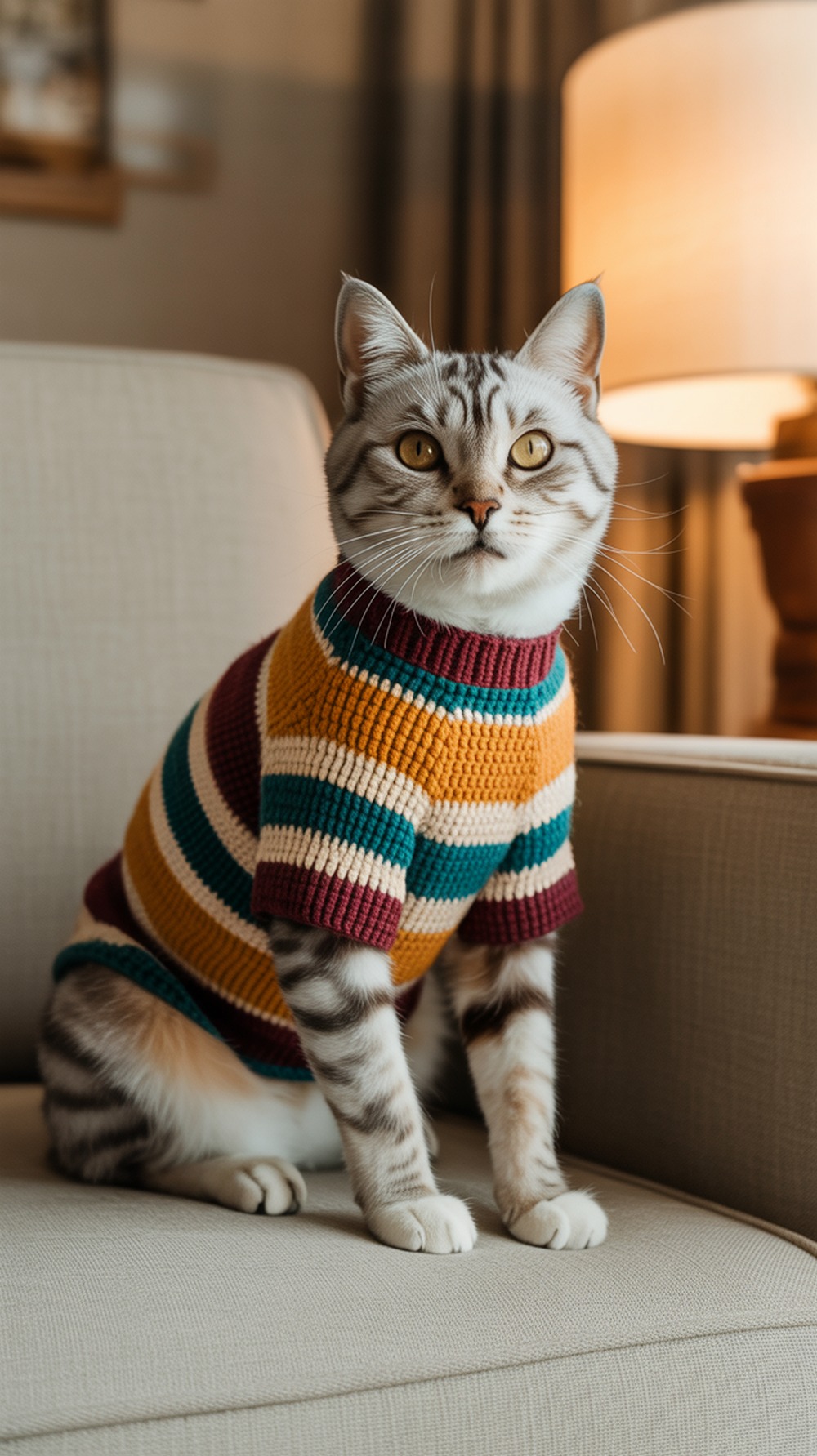
A cheerful, top-down striped pullover that starts with ribbed rows for the collar, then joins to work the yoke and body. Simple leg openings and color changes make this a fun stash buster—think mustard, teal, and burgundy for classic retro vibes. Tip: carry yarn up the inside to minimize ends, and plan stripe heights before you begin the yoke. A fast, photogenic finish for cozy evenings. Tutorial
Supplies: Worsted/Medium (4) cotton or acrylic, 5.0 mm hook, markers, tapestry needle, scissors
Why it’s great: Easy construction plus playful stripes = instant personality.
Conclusion
Pick one that matches your pet and yarn on hand, then measure twice and try on at the yoke—top-down makes adjustments painless. Prioritize soft, washable fibers and a little chest ease for comfort. Once you finish, snap a pic in natural light to capture those stitches and stripes. Bookmark this list for winter making and share with a pet-loving friend—warm pets and happy hooks all season long.
FAQs
What yarns work best for top-down pet sweaters?
Soft, machine-washable worsted (4) acrylic or acrylic/wool blends are ideal—durable, warm, and easy-care. Cotton blends are nice for sensitive skin or warmer climates.
Machine wash or hand wash? Drying tips?
Use a gentle cycle in cool water inside a laundry bag. Lay flat to dry to prevent stretching; avoid high heat that can distort acrylics.
How do I scale patterns for odd body shapes (dachshunds, barrel chests)?
Measure neck, chest, and back length. In top-down builds, add increase rounds before the split for legs to widen the chest, and extend the back rows to add length.
Which fibers are safest for kitchen/bath or heat exposure?
If pets will lounge near heaters, choose wool blends or cotton rather than 100% acrylic (which can soften at high heat). Keep all sweaters away from open flames.
Best joins/edgings for durability?
Join rounds with slip stitches and turn when directed to avoid twisting. For edges, use single crochet or front/back post ribbing; work tails in for at least 4–6 cm.
Typical time and yardage for baskets, pillows, mats—err, sweaters?
For small dog/cat sweaters: ~120–220 yds; medium dogs: ~200–350 yds; large dogs: ~300–500 yds. Expect 3–8 hours depending on size and stitch pattern.
How can I photograph my pet project nicely?
Shoot near a bright window, crouch to eye level, use a plain background, and focus on collar/yoke details. A quick lint roll before photos keeps fabric crisp.
Fixing curling, stretching, or wavy edges?
Lightly block with steam or a damp towel; add a final round of sc or ribbing; check hook size/gauge. If edges flare, reduce stitches on the border round.