Peach crochet does not have to feel limited to spring and summer. For fall 2026, the color can shift toward apricot, muted coral, dusty peach, terracotta-peach, and cream, while actual peach fruit motifs bring a playful orchard feel to accessories, gifts, and home décor.
These 19 ideas mix true peach-shaped crochet projects with fall-ready pieces that can be worked in a peach palette or customized with a peach motif. You will find small charms, granny squares, bags, cold-weather accessories, layering pieces, storage, and seasonal decorations. The tutorials are not all peach-specific, so the article clearly separates the original construction from optional peach-theme adaptations. That gives you more choices without pretending one design can do every job.
Quick List
- Crochet Blushed Peach Amigurumi
- Crochet Peach Keychain Charm
- Crochet Peach Appliqué Patch
- Crochet Peach Granny Square
- Crochet Peach Carry Bag
- Crochet Peach Cropped Cardigan
- Crochet Peach-Tone Bucket Hat
- Crochet Peach Cozy Cowl
- Crochet Peach Twist Ear Warmer
- Crochet Peach Everyday Scarf
- Crochet Peach Mug Cozy
- Crochet Peach Storage Basket
- Crochet Peach Layering Vest
- Crochet Peach Fingerless Gloves
- Crochet Peach Pillow Cover
- Crochet Peach Wrap Shawl
- Crochet Peach Zipper Pouch
- Crochet Peach-and-Leaf Fall Garland
How to Make Peach Feel More Like Fall
Peach becomes much easier to carry into fall when it is treated as part of a palette instead of the only color in the project. A bright pink-peach can still look warm beside cream, olive, brown, cinnamon, burgundy, or muted rust. Dustier peach yarns naturally create a softer effect on scarves, hats, and garments.
The balance also depends on scale. A full peach cardigan makes the color the main statement, while a peach appliqué on a neutral hat gives only a small seasonal accent. For fruit motifs, green leaves help the peach shape remain recognizable. For home décor, mixing several related peach, apricot, and earthy shades can keep a garland or pillow from looking too flat. Choose the mood first, then decide how much peach the finished object really needs.
Match Yarn Behavior to the Finished Project
One peach yarn will not necessarily work equally well for a plush fruit, scarf, basket, and bag. Projects that need softness and movement generally benefit from yarn and fabric that can drape, while baskets and bags often need more resistance to stretching if you want the finished form to stay defined.
Motifs create another issue. A peach appliqué that works beautifully on a hat may become too heavy or stiff on a delicate scarf if the yarns are dramatically different. Before attaching one crochet piece to another, compare thickness, flexibility, and care requirements. For wearables, consider how the fabric feels against skin and how much it stretches. For storage and bags, look at structure and how the handles, base, or opening respond once the piece contains something.
Plan Peach Motifs Before You Attach or Join Them
Peach shapes attract attention, which means placement matters. One appliqué can act as a focal point on a pocket, beanie, pouch, or bucket hat, while repeating peach granny squares creates a much stronger graphic effect.
For joined projects, block or otherwise settle the motifs before deciding on the final layout. Two squares that appear similar while freshly crocheted can behave differently once relaxed. Compare actual dimensions rather than assuming that motifs made with the same hook will automatically match.
Also consider orientation. A peach shape with a distinct leaf or stem has an obvious top, unlike a traditional granny square that may look nearly identical when rotated. Lay out the complete arrangement before joining so the fruit does not accidentally face different directions.
1. Crochet Blushed Peach Amigurumi
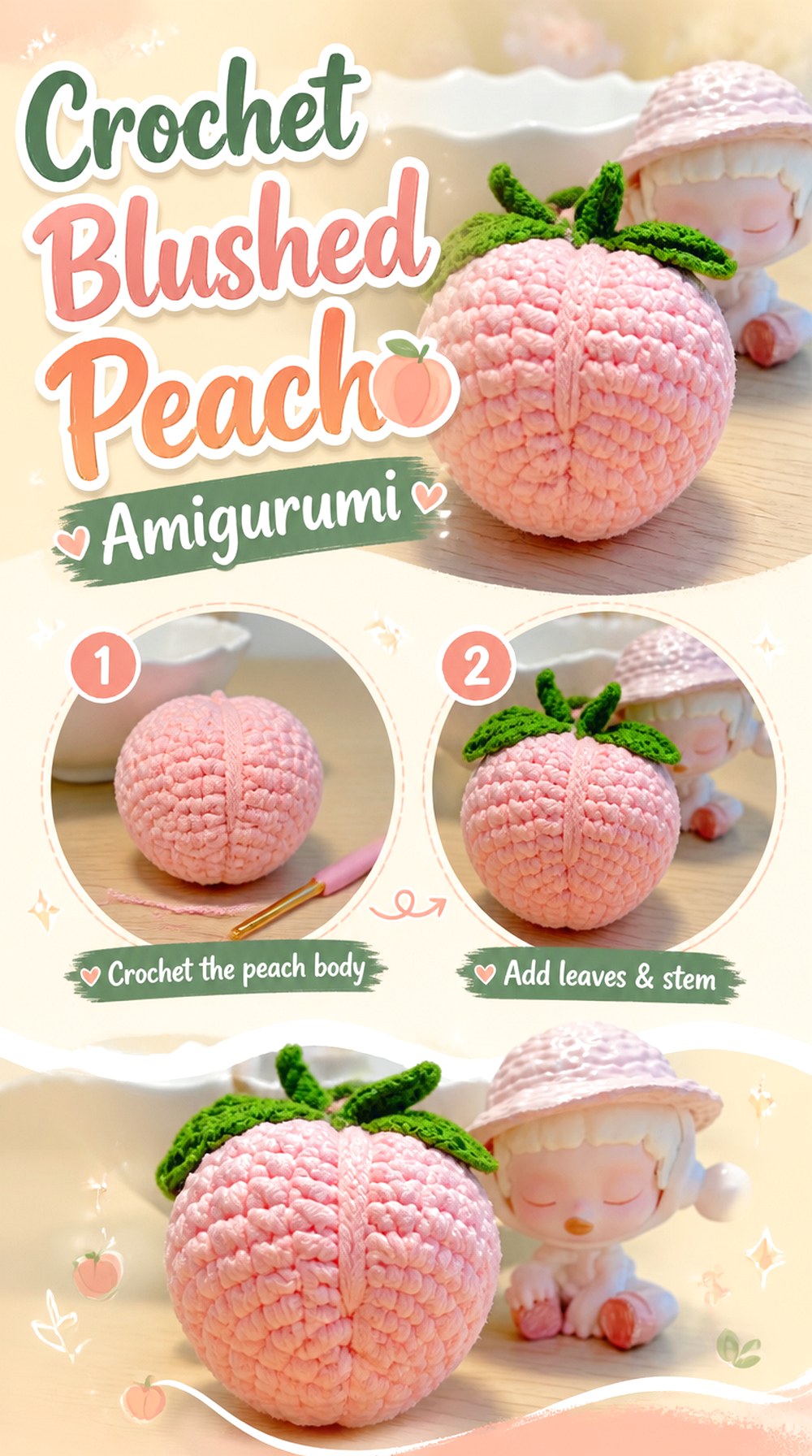
A three-dimensional peach is the most literal way to bring the theme into fall crochet. The rounded fruit form, small stem, and leafy top create an object that can work as shelf décor, part of a crochet fruit bowl, or a handmade seasonal accent without needing to become a wearable.
The shape is also useful if you want a project where peach color is central rather than decorative. Soft pink-peach gives a gentle result, while deeper apricot or coral can make the fruit feel richer for autumn. Because it is stuffed, yarn choice affects surface texture and stitch visibility more than drape.
Firm Fabric Keeps the Fruit Looking Defined
Stuffed crochet exposes gaps more readily than flat fabric because the filling pushes outward. Before committing to the whole fruit, look at the fabric you are producing and make sure stuffing is not likely to show clearly between stitches.
A softer yarn can still work, but the finished surface may look different from a tightly defined cotton-like yarn. Prioritize a fabric you are comfortable stuffing rather than choosing yarn only because its color resembles a perfect peach.
Blush and Leaf Color Change the Character
A peach does not have to be one solid shade. Subtle color variation can emphasize the fruit shape, while the leaf provides enough contrast to keep the silhouette readable from a distance.
If the piece will be displayed with pumpkins or other fall décor, compare the peach shade with the surrounding colors before finishing several matching fruits. Muted peach tends to blend more quietly, while saturated coral-peach becomes the focal color.
Original Tutorial and Creator Credit
2. Crochet Peach Keychain Charm
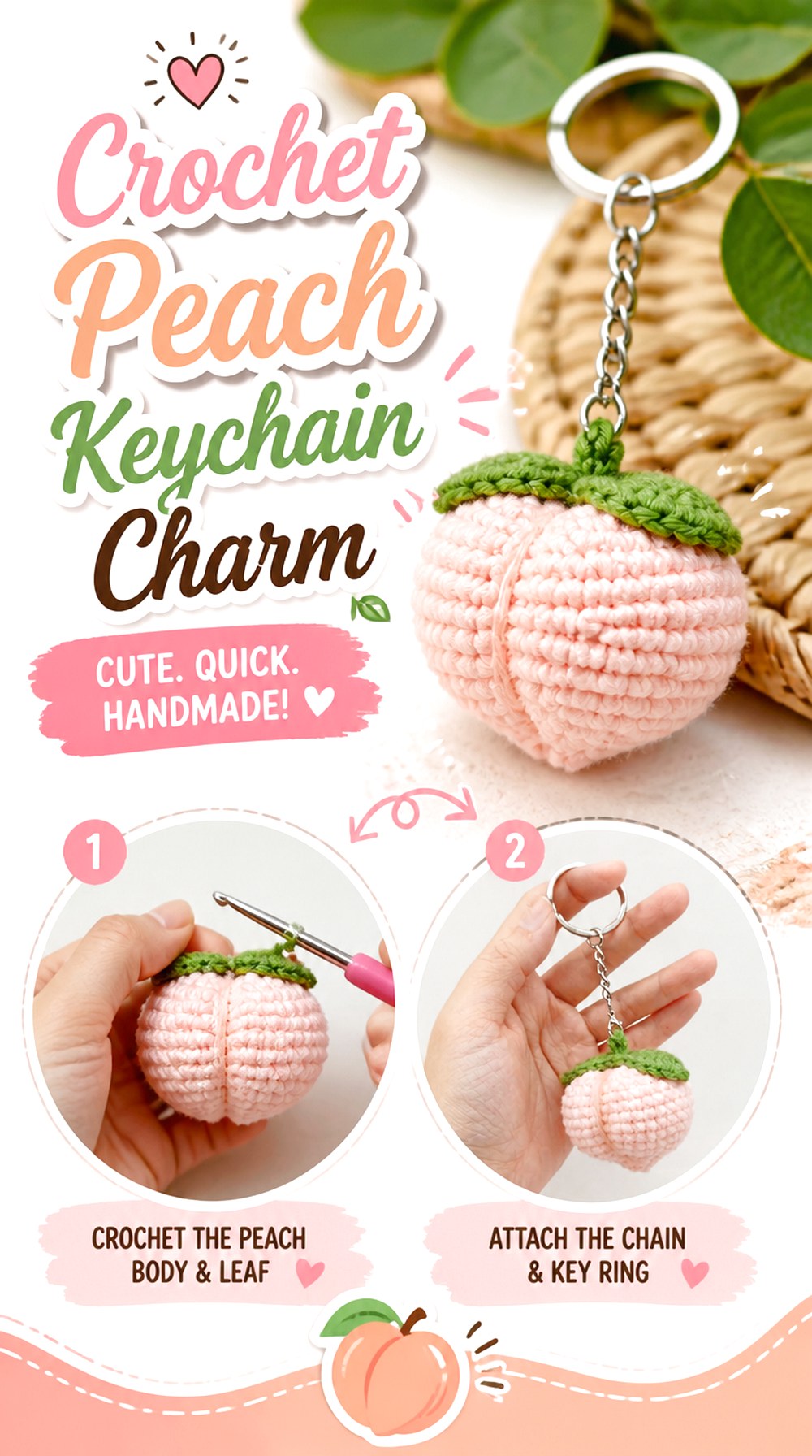
A crochet peach keychain keeps the fruit motif compact enough for bags, keys, zipper pulls, or small gifts. Unlike a larger plush, this version has to work visually at a reduced scale, so the fruit silhouette and leaf contrast matter more than elaborate surface detail.
The portable format also changes what should be prioritized. A decorative peach sitting on a shelf experiences very little handling; a keychain can rub against bags, pockets, keys, and hardware repeatedly. That makes secure finishing especially important. A richer peach and dark green combination can give the small fruit an autumn look without making it visually complicated.
Hardware Placement Deserves Extra Attention
A charm hangs from one concentrated attachment point. Check the area where crochet meets the keychain hardware and make sure the connection does not distort the fruit or pull only on a fragile decorative strand.
The exact hardware can vary, so confirm what the original tutorial uses and whether it suits your intended use. If you substitute different findings, compare their size and weight with the finished peach instead of assuming all key rings will behave the same way.
Small Details Need to Survive Handling
Loose decorative parts that look fine in photographs may receive repeated friction on an everyday keychain. Pay particular attention to leaves, stems, embroidered details, and yarn ends when evaluating the finished object.
If the charm is intended mainly as bag decoration, it may experience less strain than a heavily used key ring. Decide which role it will have before choosing how delicate you want the finishing details to be.
Original Tutorial and Creator Credit
Creator: JQ Handmade
3. Crochet Peach Appliqué Patch
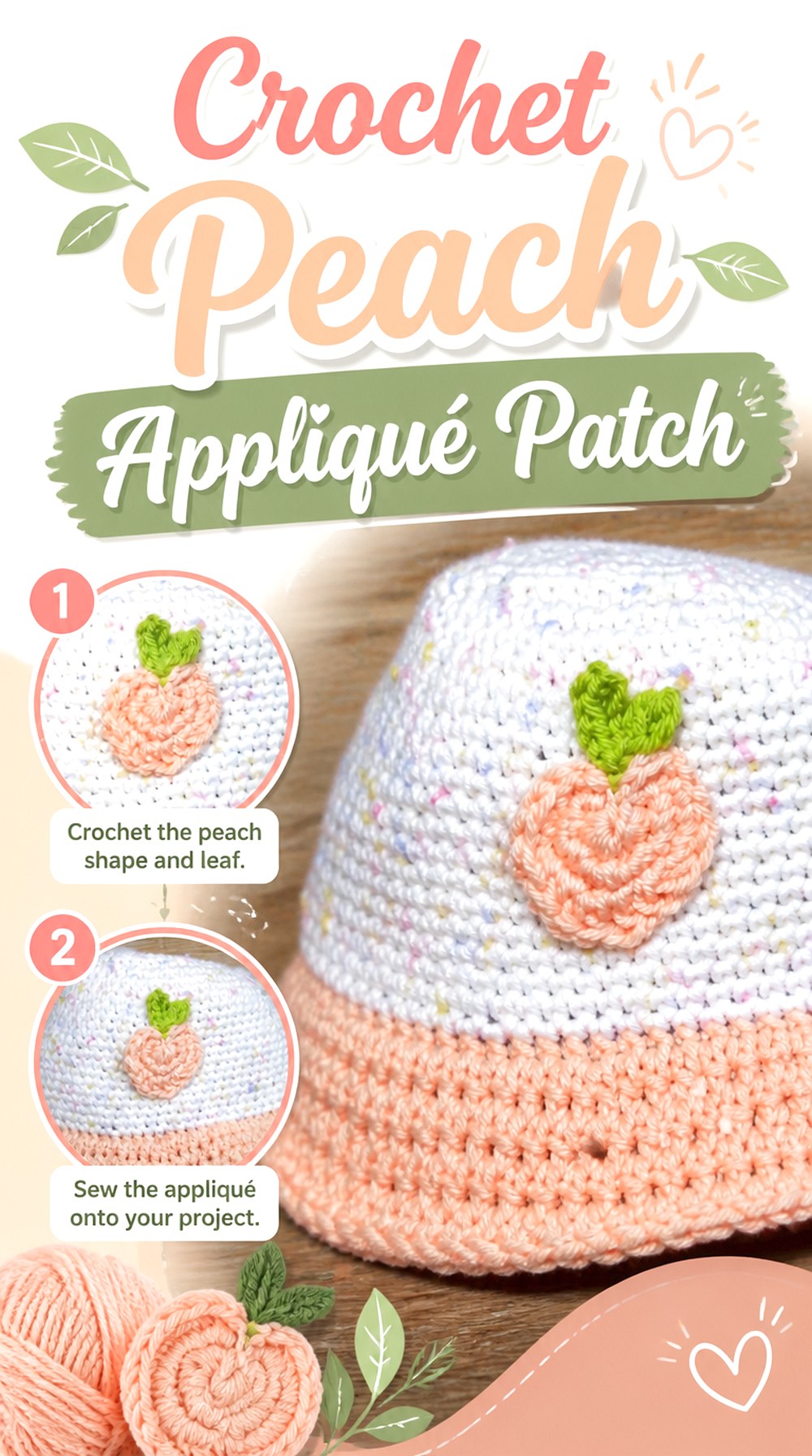
A flat peach appliqué is one of the most flexible ideas in this collection because the finished motif can become an accent instead of the whole project. It can decorate a pocket, plain hat, pouch, tote, cardigan, or other crochet surface where the weight and scale are compatible.
The advantage is commitment: you can test a peach theme with one small motif before making an entire peach-colored wearable. It is also easier to reposition a loose appliqué on several potential projects before deciding where it looks balanced. For fall, consider placing it against cream, chocolate brown, olive, denim blue, or muted orange rather than automatically pairing it with another pastel.
Placement Can Change an Ordinary Project
A centered peach reads like a badge, while an off-center motif feels more like a decorative accent. On a pocket or hat, placement also determines whether the fruit remains visible when the item is worn.
Pin or temporarily position the appliqué before permanently attaching it. Look at the item from the distance at which it will normally be seen, rather than judging placement only while holding the fabric close to you.
Match the Patch to the Base Fabric
A thick appliqué attached to a very fluid garment may pull the underlying fabric forward. A small motif on a structured pouch or dense hat is less likely to create the same effect.
Compare the flexibility of both pieces before sewing. If the base stretches considerably, make sure the attachment method does not unintentionally restrict a part of the garment that needs to expand during wear.
Original Tutorial and Creator Credit
Creator: Pixeled Peach
4. Crochet Peach Granny Square
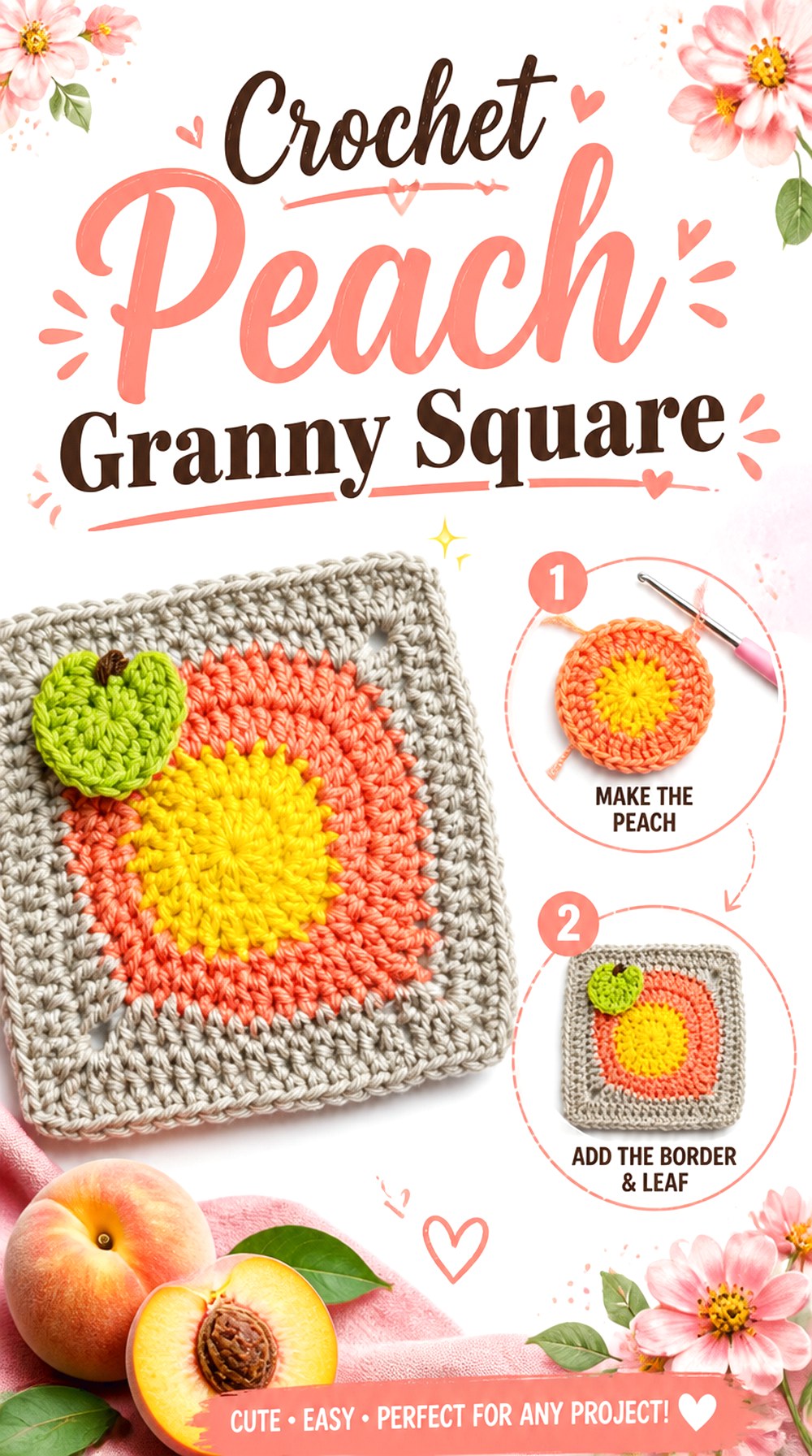
The peach granny square turns one fruit motif into a modular building block. That opens up possibilities for cushions, bags, small panels, wall décor, blankets, or selectively placed garment accents, depending on how well the square works with the rest of the construction.
Its biggest difference from a conventional granny square is directional imagery. The peach shape has a recognizable orientation, so rotating motifs randomly can make a joined layout look accidental. This is a good option when you want the fruit theme to be clearly recognizable but prefer a flatter, more graphic result than amigurumi.
Blocked Dimensions Come Before Project Math
Do not plan a large grid from an estimated square size. Make a sample, finish it the way you intend to finish the rest, and measure the settled motif.
As a non-pattern planning example, a square measuring 5 inches across would span roughly 20 inches across four motifs before accounting for joining, edging, or any additional construction. Substitute your actual blocked measurement rather than treating that example as a required size.
Keep Every Peach Facing Intentionally
A directional square benefits from a layout check before joining. Arrange all motifs on a flat surface and photograph the planned orientation so you have a reference while assembling the final piece.
Alternating directions can be a deliberate design choice, but it should look deliberate. If you want a more orderly orchard effect, keep the stems and leaves facing the same direction across the main viewing surface.
Compare Filler Squares Before Combining Designs
If you pair the peach motif with plain granny squares, do not assume they will match because the same yarn and hook were used. Stitch density and border construction can change finished dimensions.
Compare the settled squares side by side. Small differences can accumulate across a wide panel and make edges ripple or pull, so solve compatibility before joining a large number of motifs.
Original Tutorial and Creator Credit
Creator: Bianca’s Crochet Palace
5. Crochet Peach Carry Bag
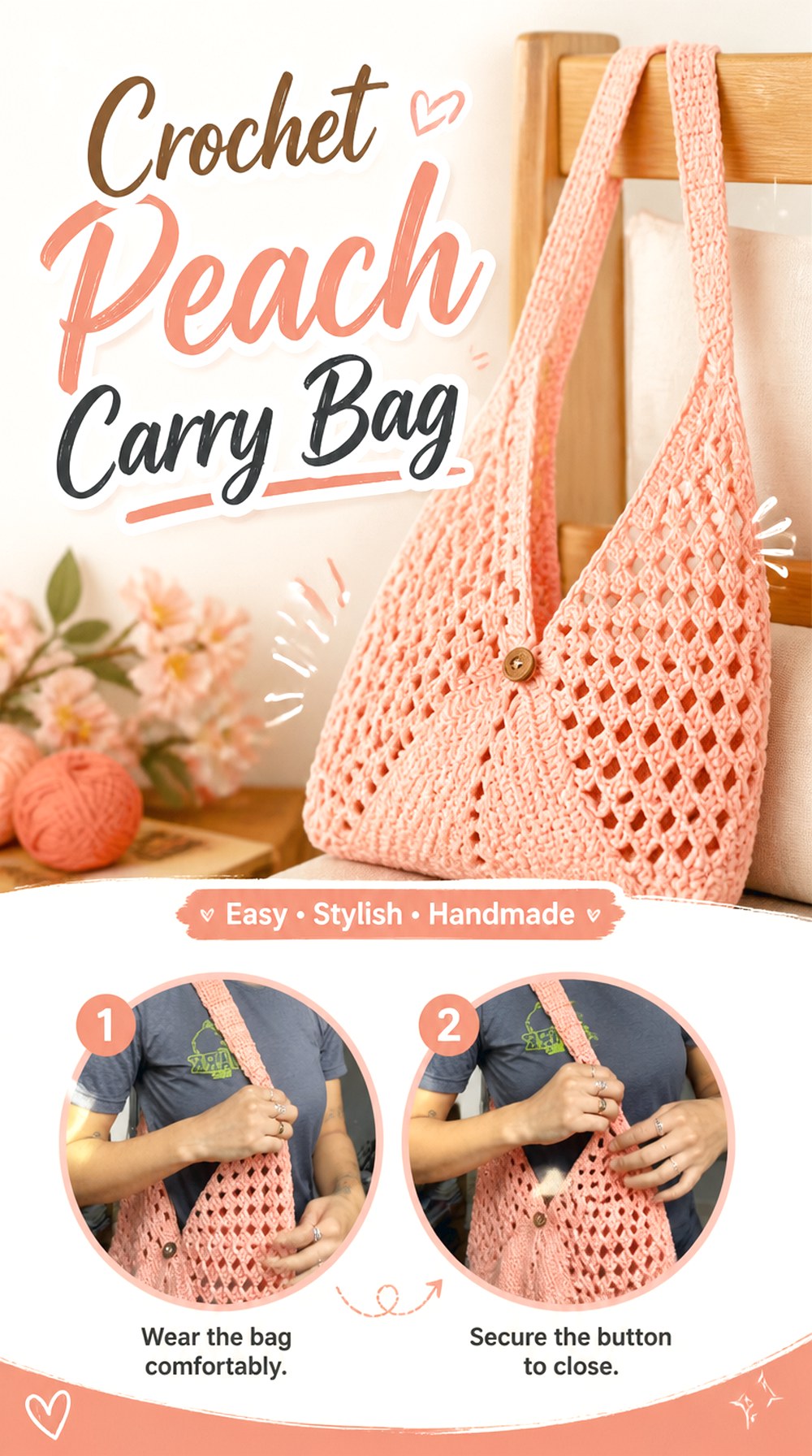
A peach bag makes the color theme functional rather than purely decorative. It can carry the warm fruit shade over a larger surface and gives you room to use solid peach, contrasting handles, green accents, or a more autumnal combination of peach and earthy neutrals.
Before choosing it for everyday use, look beyond appearance. Crochet bags respond to contents differently from hats or scarves because gravity continually pulls on the body and handles. The most important questions are how much the fabric stretches, how the opening behaves, and whether you want a lining or reinforcement for your intended contents.
Watch How the Bag Responds to Weight
A bag that looks compact while empty can lengthen after objects are placed inside. Yarn elasticity, stitch density, handle construction, and the weight being carried all affect that change.
Avoid assigning an unsupported weight capacity. Instead, test the finished bag gradually with the kinds of light everyday items you actually plan to carry and stop if the fabric or handle attachments begin deforming more than you want.
Decide Whether an Open Interior Is Practical
Appearance is only one part of bag design. Consider whether you need a closure, internal organization, or a lining before deciding how the finished bag will be used.
A simple open crochet bag may work well for casual items but may not be your preferred choice for small valuables. If the tutorial does not provide the type of closure you want, treat any added zipper, snap, or lining as a separate modification that needs its own planning.
Reinforcement Can Change the Finished Feel
A lining or reinforced handle can reduce some stretching, but it also changes flexibility, thickness, and finishing work. That trade-off is worth considering before you automatically add structure.
If you like the softer handmade drape of an unlined crochet bag, keep the contents appropriate to that construction. If shape retention matters more, investigate reinforcement options that are compatible with the original bag.
Original Tutorial and Creator Credit
Creator: Ateliê May Mamoro
6. Crochet Peach Cropped Cardigan
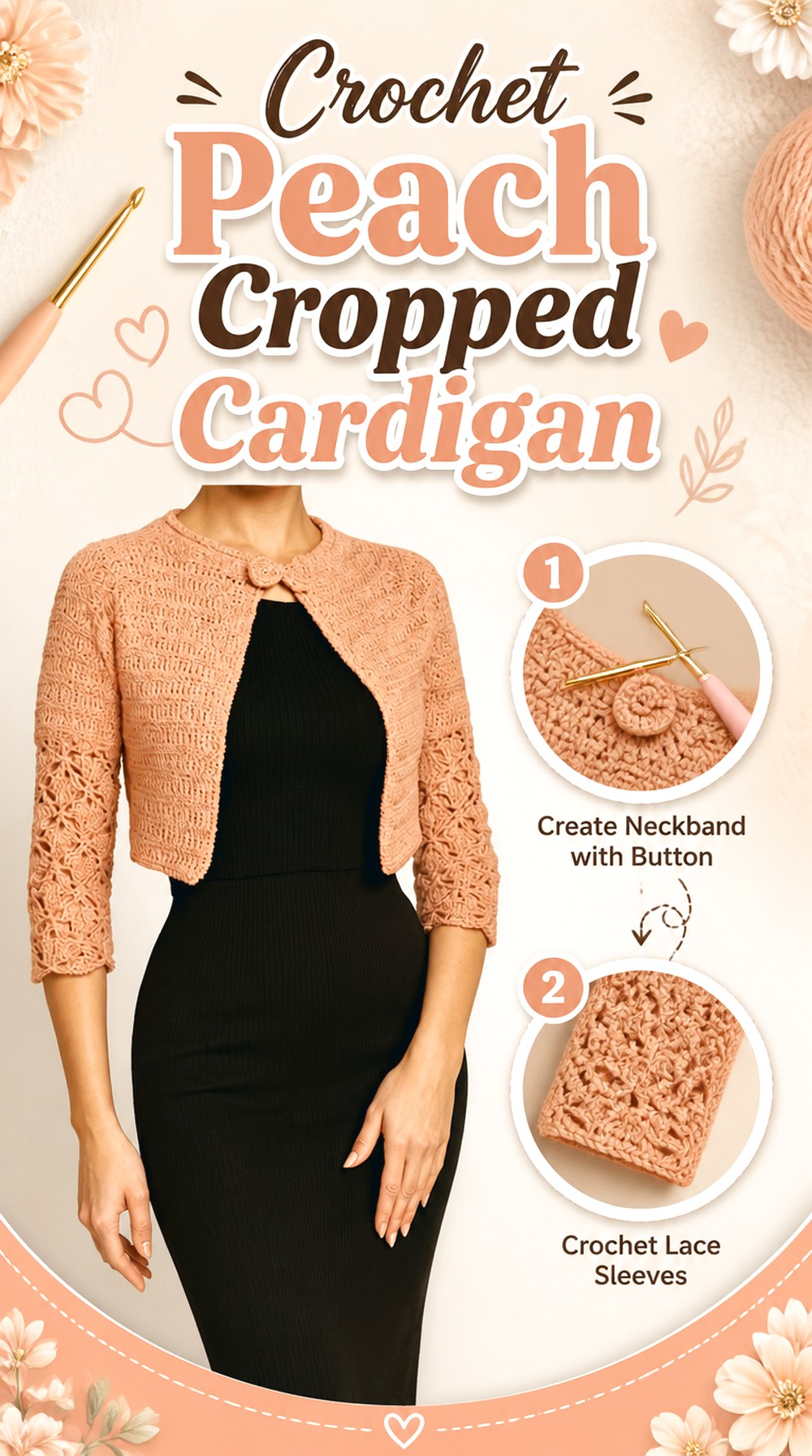
A cropped cardigan gives peach a much larger role in a fall outfit. The shorter garment length keeps the color statement concentrated around the upper body and works naturally as a layering piece rather than a heavy outer layer.
The supporting tutorial uses a top-down approach, making this project meaningfully different from the panel-based vest later in the list. When adapting any garment, prioritize the dimensions and fit checkpoints relevant to your body instead of assuming the creator’s sample will translate directly. Peach can also look noticeably different across a large garment than it does on a small yarn sample, so view the color in natural light before committing.
Shoulder Fit Matters Before Sleeve Length
A cardigan can be shortened or lengthened visually, but poor placement through the upper body is harder to ignore. Watch how the tutorial develops the neckline, shoulders, and upper torso and compare those areas with the fit you want.
If you prefer wearing the cardigan over thicker fall tops, include that layering intention when evaluating fit. A close-fitting summer-style sample may feel different once worn over long sleeves.
Drape Controls How Polished the Peach Looks
Two peach yarns of similar color can create very different garments. A fluid fabric may fall softly around the body, while a firmer one can make the cropped silhouette feel more structured.
Swatch enough fabric to judge movement, not just stitch appearance. Also consider garment weight: more fabric and heavier yarn place additional demand on shoulders and edges as the cardigan is worn.
A Cropped Length Changes Styling Options
Shorter cardigans pair differently with high-rise bottoms, dresses, and longer base layers than hip-length sweaters. Decide where you want the lower edge to sit before treating the tutorial sample length as the only option.
When adapting length, remember that changing the amount of fabric can also change overall weight and yarn needs. Confirm those implications from your own gauge and the original tutorial or pattern information.
Original Tutorial and Creator Credit
Creator: L’angolo di Criss
7. Crochet Peach Tone Bucket Hat
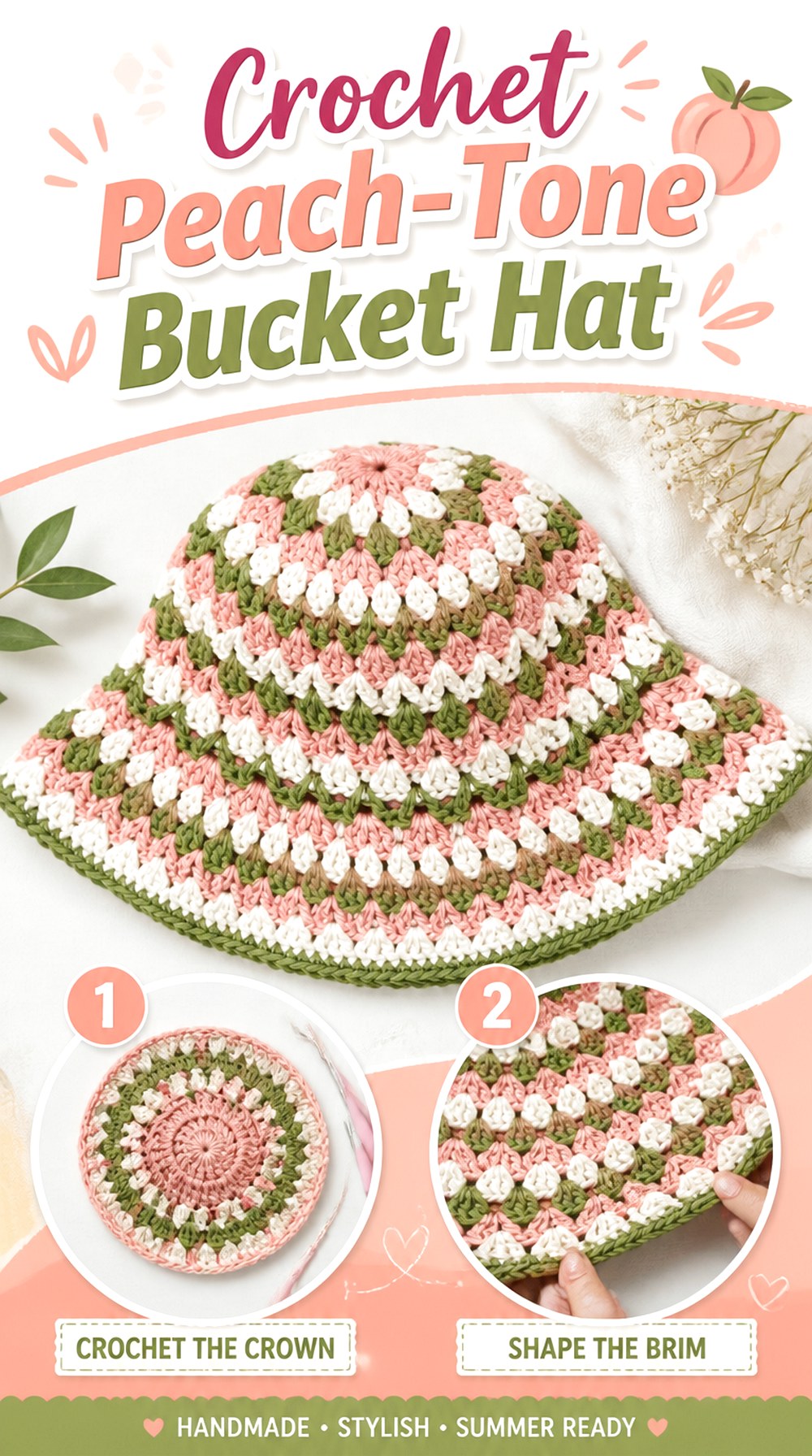
A bucket hat gives the peach palette a more casual direction. Instead of depicting an actual fruit, this idea uses peach as the main color on a finished accessory whose brim creates a very different silhouette from the ribbed beanie later in the collection.
For fall, try a muted apricot or dusty peach rather than assuming the hat needs a bright summer coral. You can also keep the construction solid and add one separate peach appliqué after the hat is complete, provided the motif weight and hat fabric work well together.
The Brim Determines the Overall Silhouette
The brim is what separates a bucket hat visually from a fitted beanie. Fabric that is too floppy for your preference may fall differently around the face, while firmer fabric creates more visible shape.
Look at the tutorial’s finished result and decide whether that brim behavior matches what you want before changing yarn dramatically. A substitution that changes fabric stiffness can change the character of the hat even if the dimensions remain similar.
One Fruit Accent May Be Enough
Covering a hat with peach motifs is not necessary to communicate the theme. A solid peach bucket hat can stand on color alone, while a single leaf or peach appliqué provides a more literal reference.
If you add a motif, position it after the hat is finished so you can judge placement while the crown and brim are in their final shape.
Original Tutorial and Creator Credit
Creator: PassioKnit Kelsie
8. Crochet Peach Cozy Cowl
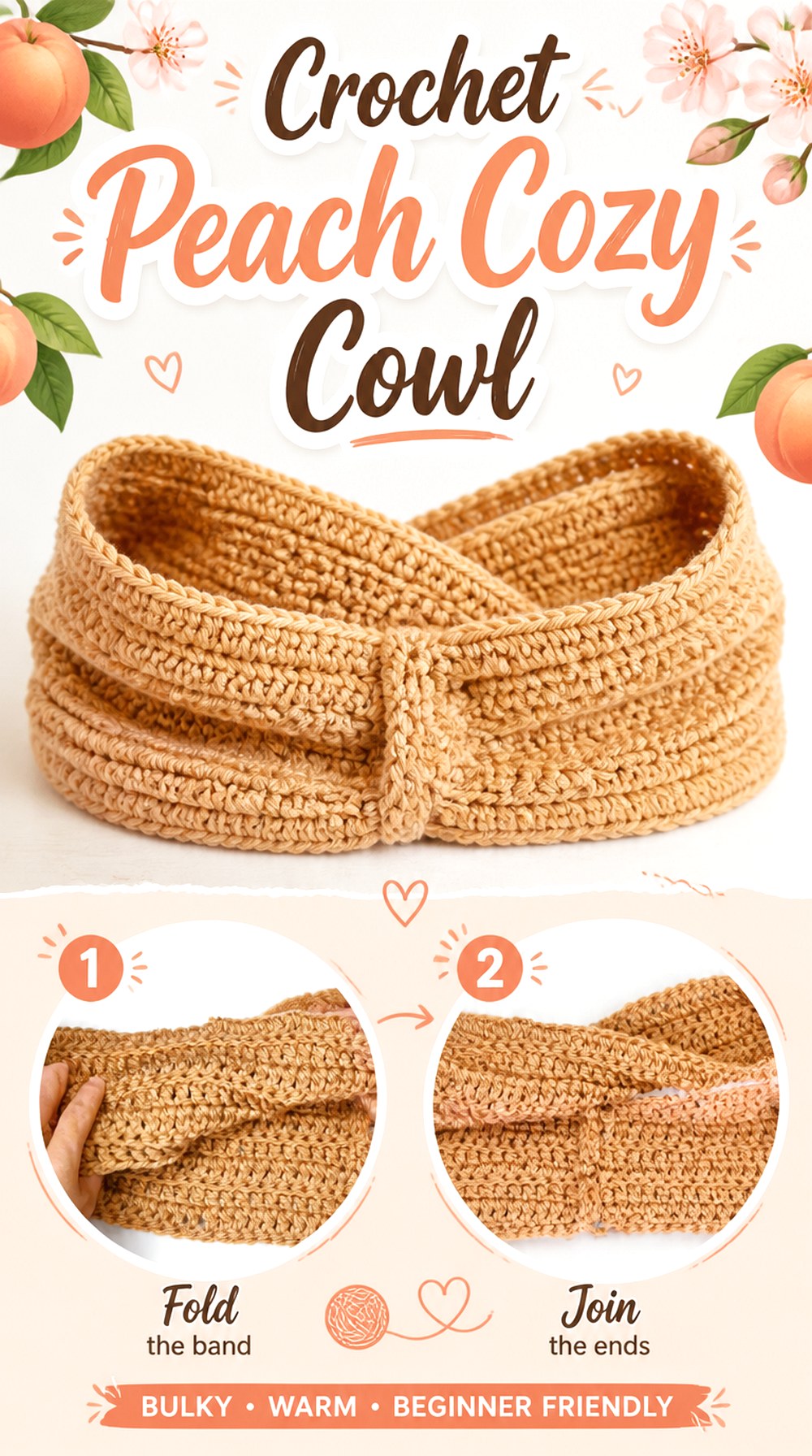
A cowl gives you the warmth and visual impact of a scarf without long ends hanging down the front. In peach, it can brighten a dark fall coat while staying concentrated near the face.
This project also gives you room to explore slightly deeper peach shades that might feel too strong across an entire sweater. Because a cowl sits directly against the neck, comfort deserves more attention than it would for a basket or decorative motif. Evaluate both the feel of the yarn and the finished fabric before committing to a large amount of repetitive stitching.
Neck Comfort Is More Important Than Skein Appeal
A yarn can look beautiful and still feel irritating when worn against sensitive skin. Test the fabric against your neck rather than relying only on how the yarn feels in your hand.
Texture matters too. Raised stitches or a dense fabric may create more warmth and bulk than open fabric, so decide whether the cowl is intended as light fall styling or cold-weather coverage.
Check the Finished Opening Against Your Use
A very close cowl and a roomy cowl behave differently. One stays near the neck, while the other may drape lower and function more like a short loop scarf.
Before finishing, compare the opening with how you normally wear outerwear. A cowl that must fit comfortably over a hairstyle, collar, or hood may need different proportions from one worn directly over a thin shirt.
Original Tutorial and Creator Credit
Creator: Cherilyn Q
9. Crochet Peach Twist Ear Warmer
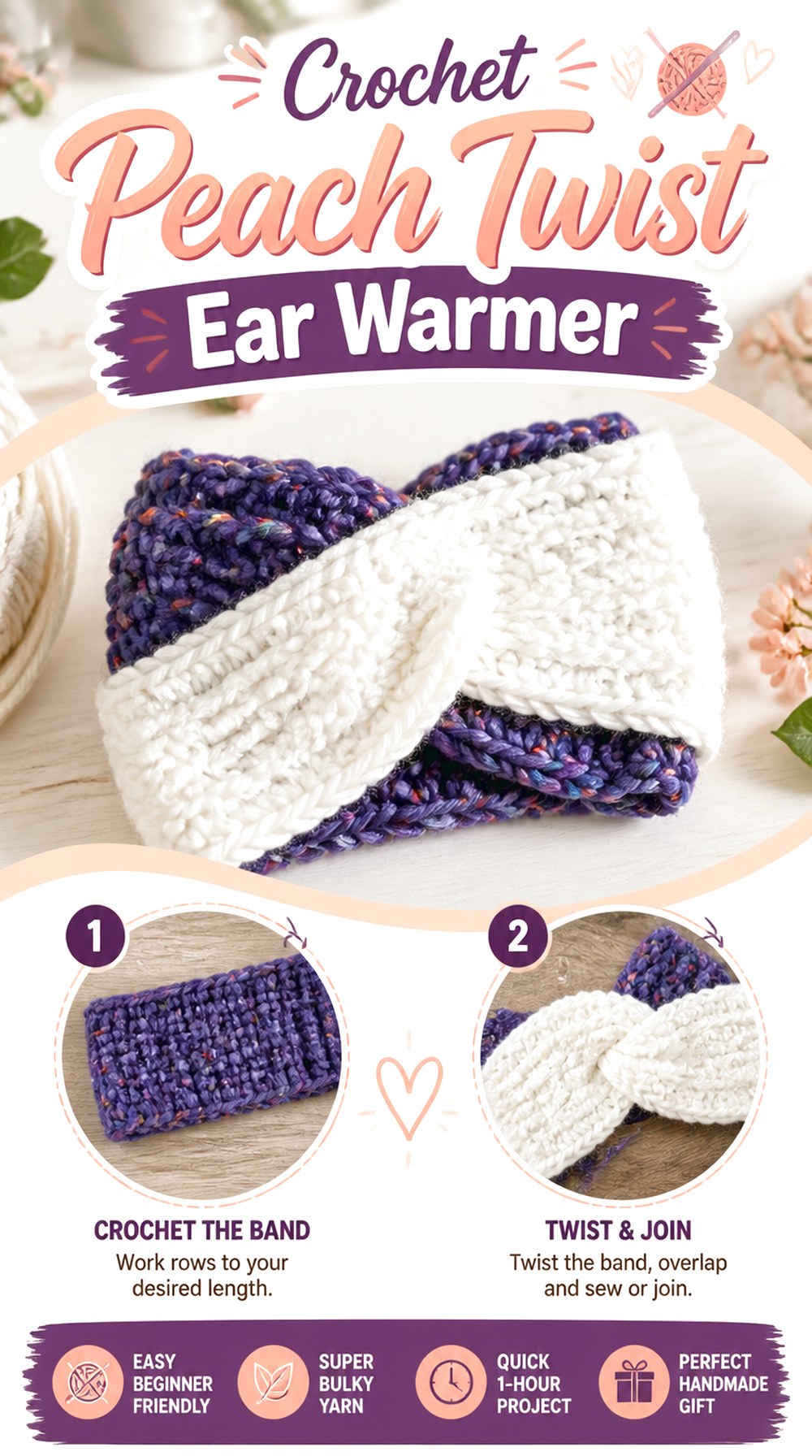
An ear warmer is a smaller commitment than a hat and leaves the top of the head uncovered. That makes it useful for transitional fall weather when a full beanie may feel like more coverage than you want.
Peach also works well on this scale because the accessory is visible near the face but does not dominate an outfit. The supporting tutorial uses bulky fabric and a crossed center effect, giving this option more visual structure than a plain flat headband. If you substitute yarn, remember that thickness can change both the look and the amount of stretch.
Fit Depends on Stretch, Not Just Length
An ear warmer should stay in place without becoming uncomfortable. Measure the intended wearer and compare that measurement with the stretch of the actual crocheted fabric.
Do not assume a finished dimension from another yarn will behave identically. A springy yarn may recover well after stretching, while a less elastic fabric may need a different fit approach.
The Center Detail Creates Extra Bulk
A crossed or gathered center is visually useful because it breaks up a wide band of solid peach, but it also adds thickness at the front.
Consider how that area sits with glasses, hair, or other headwear. If you prefer a flatter accessory, focus on the overall headband construction while deciding whether the prominent center treatment suits you.
Original Tutorial and Creator Credit
Creator: Pattern Princess
10. Crochet Peach Everyday Scarf
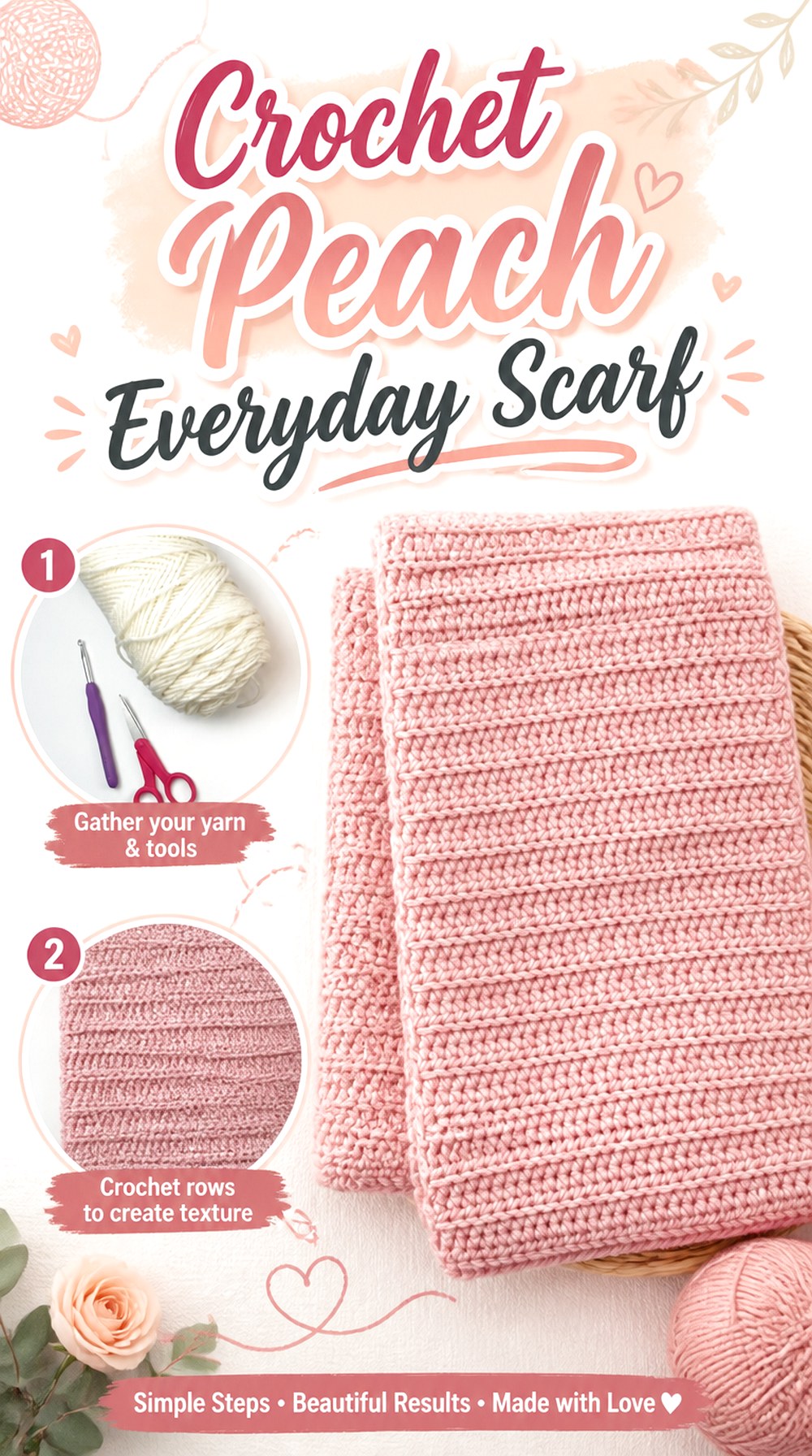
A straightforward scarf is one of the easiest places to let peach color do most of the design work. Because the fabric extends vertically down an outfit, the shade becomes more noticeable than it would on a small hat or appliqué.
For fall, consider whether you want the scarf to disappear into warm neutrals or deliberately brighten them. A dusty peach can sit quietly beside camel and brown, while a stronger coral-peach creates contrast against navy, charcoal, or deep green. The simple form also makes it easier to focus on fabric feel and drape rather than motif placement.
Length and Drape Should Work Together
A longer scarf creates more styling options but also adds fabric weight. Very stiff crochet may not wrap or knot in the same way as a softer fabric.
Before making a major length change, handle your developing scarf and see how it folds around itself. The right proportion depends on how you expect to wear it, not on one universal scarf measurement.
Let Texture Carry a One-Color Design
A single peach shade does not need stripes or appliqués to remain interesting. Stitch texture, yarn surface, and the shadows created by the fabric can supply enough variation.
If the stitch pattern is already visually active, a quieter peach may showcase it more clearly. If the fabric is simple, a richer peach or subtly varied yarn can become the main design feature.
Original Tutorial and Creator Credit
Creator: ElyseCrochets 💌
11. Crochet Peach Mug Cozy
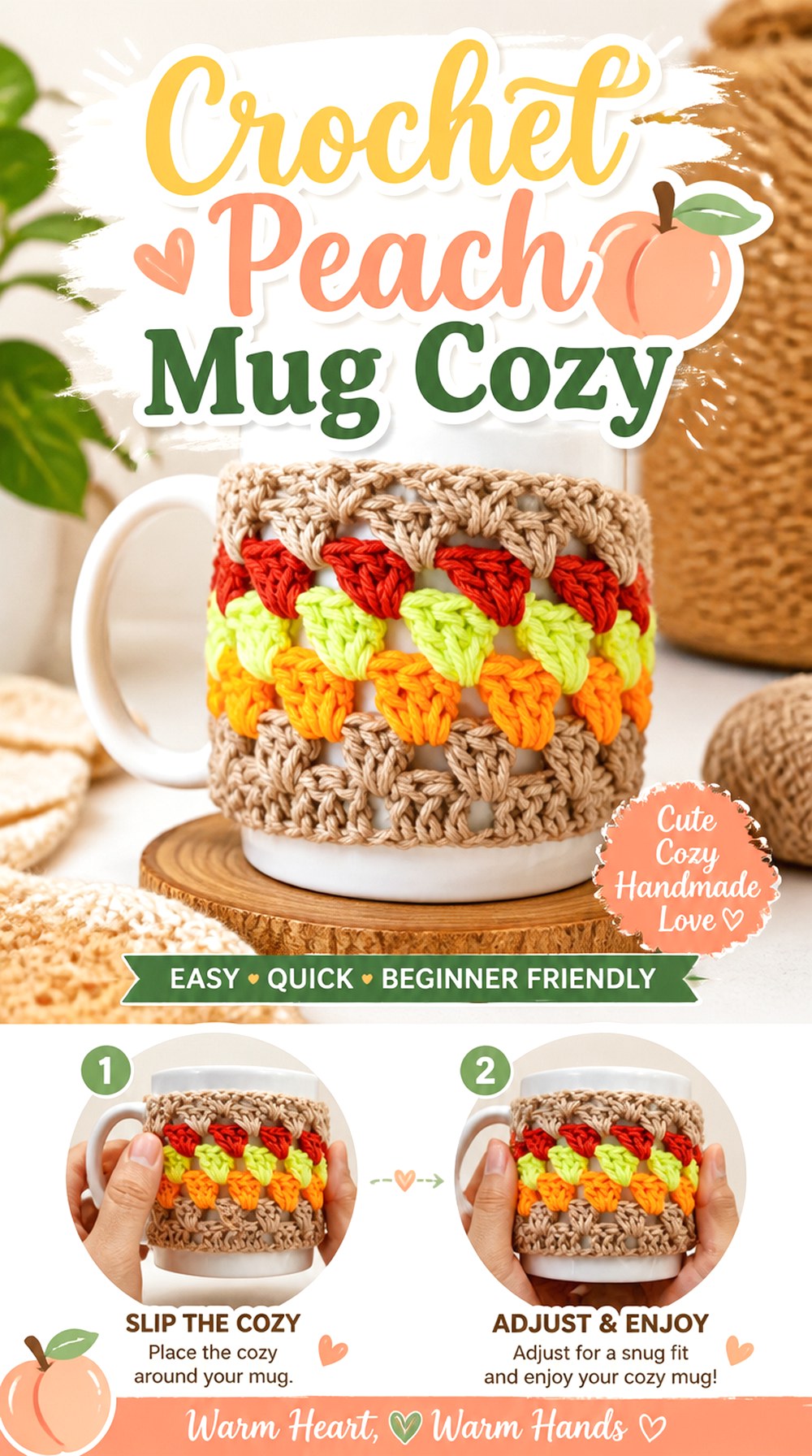
A mug cozy brings peach into a much smaller home project. It is easy to coordinate with fall table settings, coffee corners, or gift baskets without committing to a large decorative piece.
Color can do most of the work here: peach with a green accent gives a fruit reference, while peach with cream or brown feels more like autumn décor. The crucial practical issue is fit. Mugs vary in circumference, taper, handle position, and surface shape, so a cozy that fits one cup should not automatically be expected to fit another.
Fit It to the Actual Mug
Use the mug that will wear the cozy as your primary reference. Check how the crochet fabric sits around the body and whether it interferes with the handle or slides toward a narrower part of the cup.
If you are making cozies as gifts, standardized sizing is harder because the recipient’s mug may differ. A more adjustable closure can be useful when the supporting construction allows it.
Do Not Assume Crochet Makes a Mug Heat-Safe
Treat the cozy as a decorative textile accessory rather than evidence that a hot vessel can be handled without caution. Yarn fiber, fabric thickness, mug temperature, and construction all vary.
Keep normal care around hot beverages, and verify the care requirements for the yarn if the cozy will need frequent washing. Avoid making heat-resistance claims based only on the appearance or thickness of the crochet.
Original Tutorial and Creator Credit
Creator: The Needle Magic by Ria
12. Crochet Peach Storage Basket
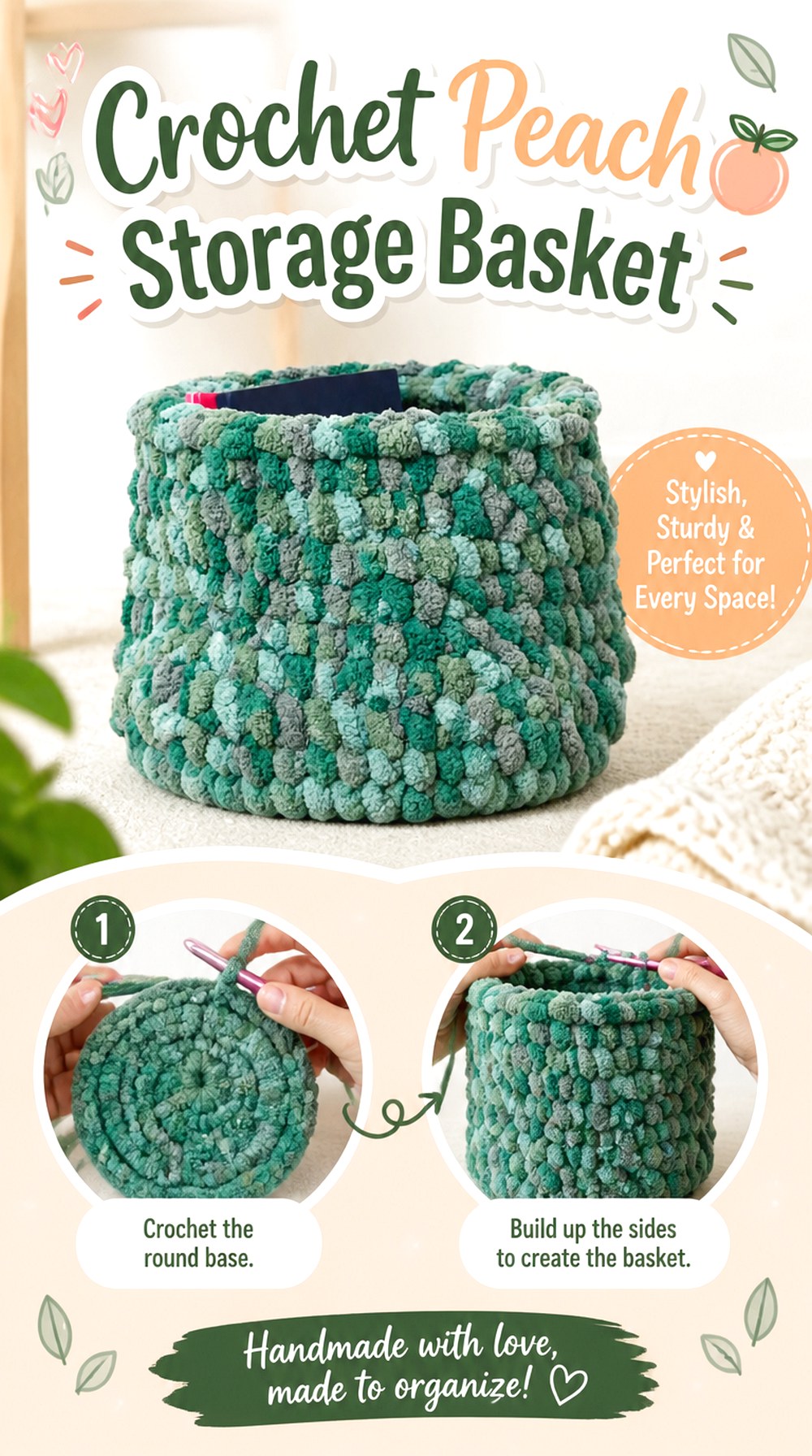
A peach storage basket takes the color into functional home décor while creating a much more structured shape than a scarf, cowl, or shawl. It can hold lightweight craft supplies, rolled textiles, or other household items appropriate to the finished basket.
This is also a good place to use a subdued peach that might feel too muted for a tiny fruit charm. Larger surfaces intensify color, so compare the yarn against the room where the basket will actually sit. A cream rim, darker base, or small green accent can connect the basket to the fruit theme without turning it into literal peach-shaped décor.
Structure Comes Before Decorative Detail
A storage basket needs enough body to stand in the form you expect. The supporting tutorial uses very thick yarn, which produces different behavior from the softer yarn you might choose for clothing.
If you substitute substantially different materials, do not assume the basket will retain the same shape. Make a fabric sample and assess stiffness before investing time in a full-size storage piece.
Match the Basket to What You Will Store
A crochet basket intended for yarn or soft textiles has different demands from one expected to carry dense, heavy objects. Avoid assigning a capacity that the pattern or creator has not established.
Instead, choose the contents around the actual finished structure. If the sides collapse or handles distort under a proposed load, use the basket for lighter storage rather than forcing it into a job it was not designed to do.
Original Tutorial and Creator Credit
Creator: The Crochet Crowd
13. Crochet Peach Layering Vest
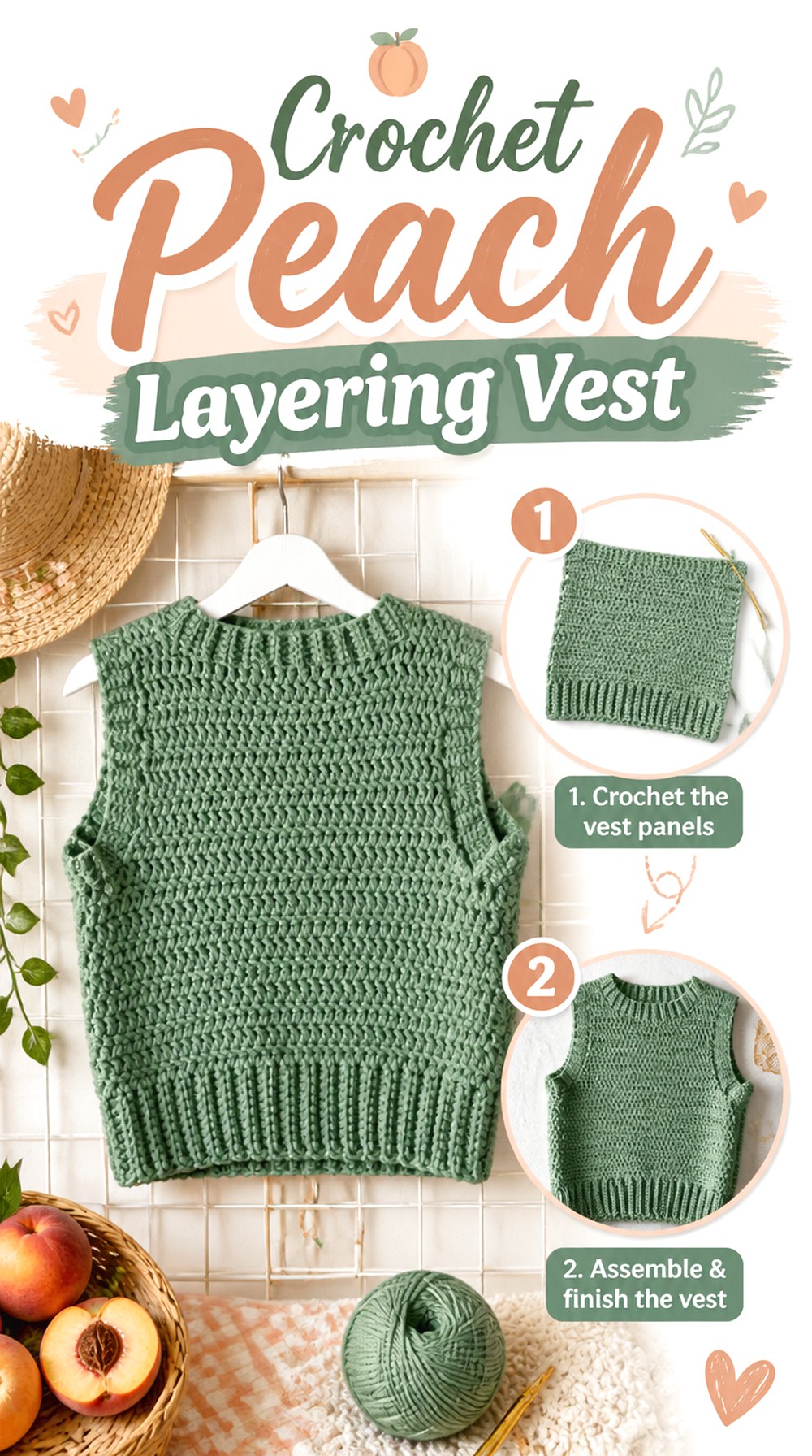
A peach vest provides substantial color coverage without sleeves, making it easier to layer over cream shirts, dark turtlenecks, dresses, or long-sleeve fall basics. It is different from the cropped cardigan because the vest tutorial uses garment panels and ribbed finishing rather than the same top-down construction.
Fit still requires planning. The tutorial provides a sample garment, but that should not replace your own measurements. Think about the base layers you intend to wear underneath and whether you want a close silhouette or more room through the body.
Plan Body Ease Around Your Layers
Measure over clothing similar to what you expect to wear beneath the vest. A vest that feels comfortable over a thin tank may feel noticeably different over a thicker fall shirt.
Rather than copying a labeled size automatically, compare the tutorial’s construction with your preferred finished width. Yarn substitution can also change fabric stretch, so evaluate the actual crocheted material before settling on dimensions.
Armholes Affect More Than Appearance
Armhole depth influences comfort, layering, and how the side of the garment sits. Too little room can restrict a thicker underlayer, while excessive depth changes coverage around the sides.
Try on or position the developing garment when the construction allows. Shoulder width and armhole placement should be checked together because changing one can affect how the other appears on the body.
Peach Can Be Concentrated or Broken Up
A completely peach vest makes a strong color statement, but the same construction could use peach only in ribbing, stripes, or selected sections if you want a quieter result.
If you add a peach fruit appliqué, assess it after the vest is assembled. The final garment shape makes it easier to choose a placement that stays visible and does not interfere with edges or armholes.
Original Tutorial and Creator Credit
Creator: Kenikse Crochet
14. Crochet Peach Fingerless Gloves
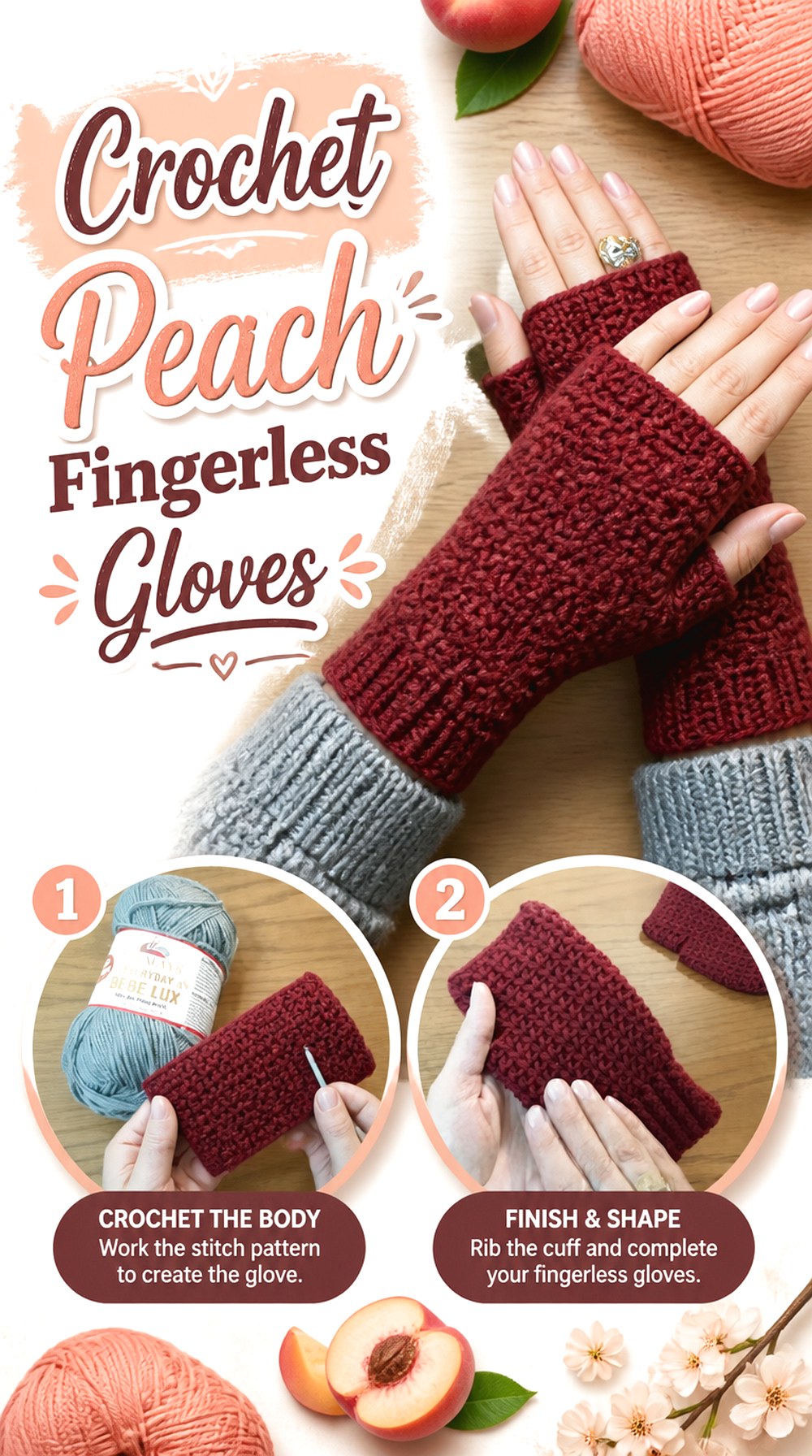
Fingerless gloves bring the peach palette into an accessory that remains visible while leaving the fingers uncovered. They are compact enough for a strong coral-peach without overwhelming an outfit, and a darker cuff or contrasting trim can make the color feel more autumnal.
Unlike a scarf, handwear must balance fit with movement. Fabric needs enough room for comfort while staying close enough that excess material does not interfere with normal use. If you change yarn from the tutorial, compare stretch carefully because even a small difference can be noticeable around the hand and wrist.
Check Movement Before Finishing the Pair
A glove can fit while the hand is relaxed and still feel restrictive once the fingers spread or the wrist bends. Test normal hand movement as soon as the construction makes that possible.
Pay attention to the thumb opening and the point where the glove ends across the hand. These areas experience repeated movement, so comfort matters more than forcing the piece to match a theoretical dimension.
Make the Second Glove Match the First
Small differences in tension become more obvious when two pieces are worn side by side. Record any personal adjustments you make to the first glove so you are not relying on memory for the second.
Compare the pieces during construction rather than waiting until both are complete. Yarn from the same project can still behave differently if your tension changes between sessions.
Original Tutorial and Creator Credit
Creator: صحبة الكروشيه – Crochet Company
15. Crochet Peach Pillow Cover
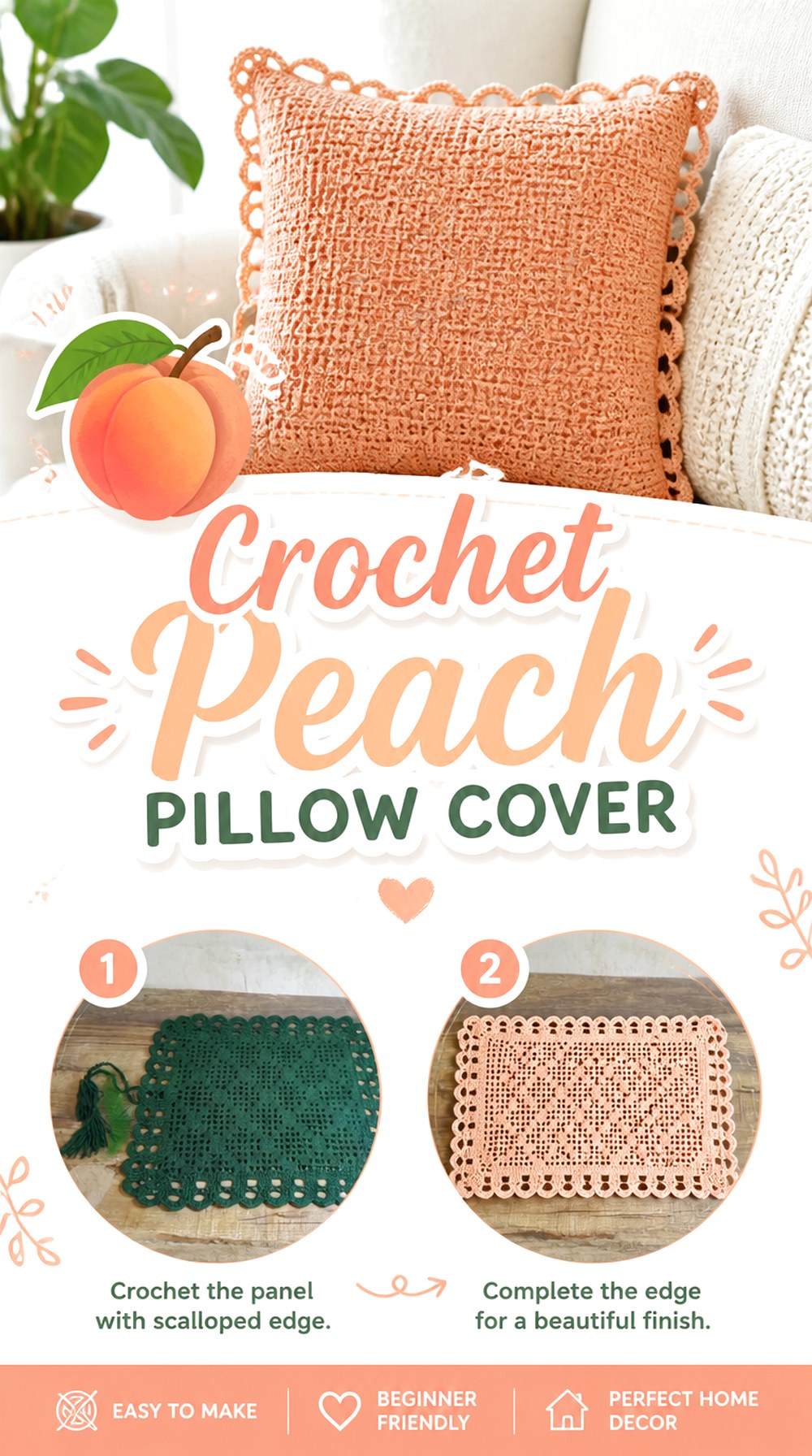
A peach pillow cover makes the color part of a room rather than an outfit. It works particularly well if you want seasonal crochet that can be displayed for weeks without relying on obvious pumpkins or Halloween motifs.
The amount of peach can be adjusted to the space. A full peach cover gives a warm block of color, while peach combined with cream or earthy stripes can sit more quietly beside existing furniture. Unlike a decorative stuffed fruit, a functional cushion is handled and compressed repeatedly, so fit around the insert and the practicality of cleaning deserve attention.
Insert Fit Changes the Finished Shape
A loose cover can look soft and relaxed, while a closer-fitting cover emphasizes the pillow’s edges and makes textured stitches more prominent. Measure the actual insert rather than relying only on its label, especially if it has already been used.
Check whether the crochet fabric stretches substantially. A cover that looks too small while flat may expand, while a very rigid fabric may need more precise planning.
Think About Removal Before You Need to Wash It
If a cover is intended for regular household use, consider how easily the insert can be removed. A permanently closed pillow and a removable cover create different care routines.
If you modify the tutorial by adding buttons, a zipper, or another closure, treat that as a separate construction decision. Confirm that the closure is compatible with the fabric instead of assuming it can simply be added at the end.
Original Tutorial and Creator Credit
Creator: Crochet With Samina
16. Crochet Peach Wrap Shawl
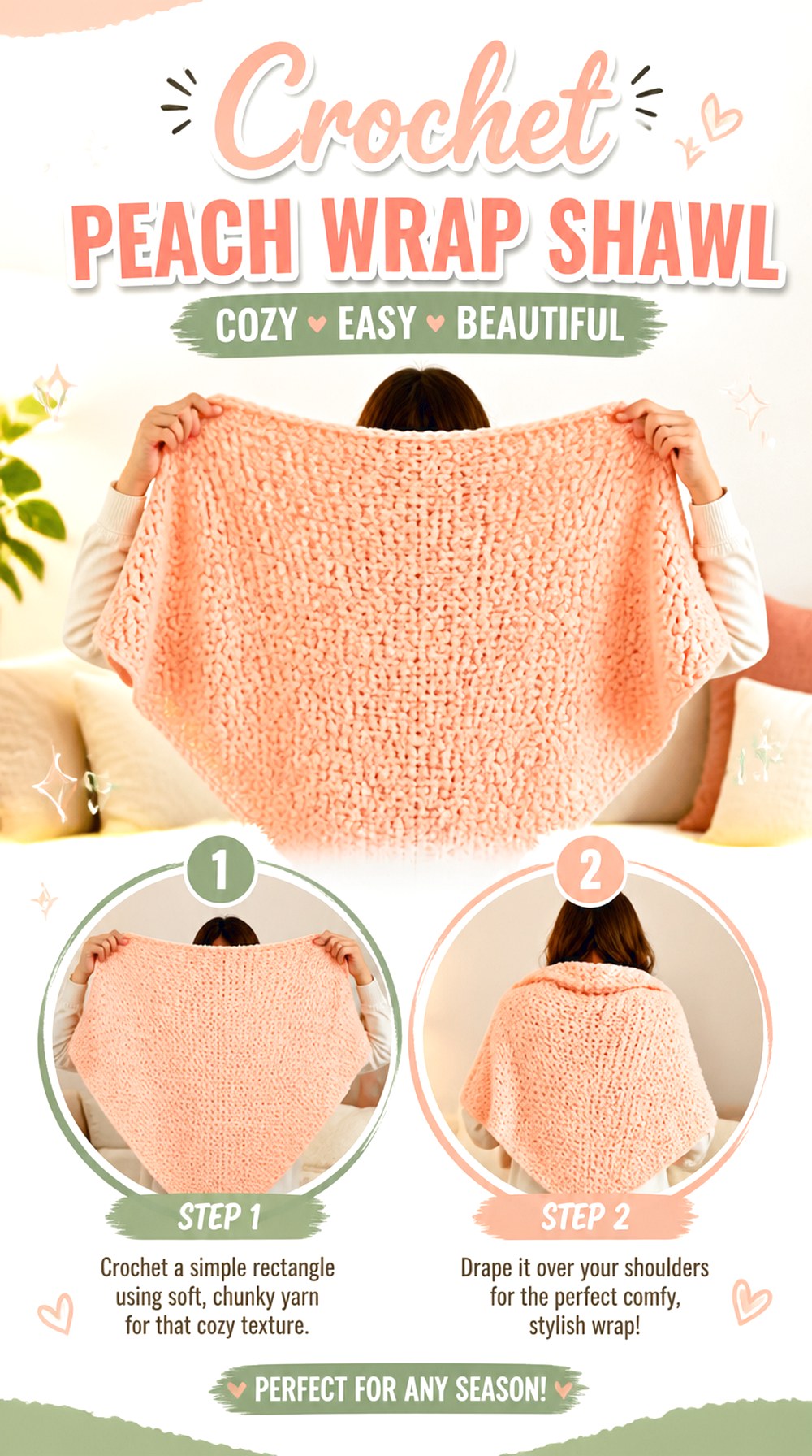
A wrap shawl gives peach a softer, more flowing role than the structured vest or cardigan. It can sit over the shoulders, add a warm color layer to a neutral outfit, or provide a transition piece when temperatures vary through early fall.
Because shawls contain a large amount of visible fabric, yarn drape becomes especially noticeable. A stiff fabric may hold a strong geometric form, while a more fluid yarn can fall closer to the body. Neither is universally better; the choice depends on the finished effect you want and how you expect to style the wrap.
Drape Determines How the Shawl Sits
Make enough sample fabric to see how gravity affects it. A small swatch can tell you about stitch definition, but a larger section gives a better sense of how the material folds and hangs.
If the shawl is intended to wrap around the shoulders, consider whether the fabric stays where you place it or slides easily. Those qualities can change with fiber, stitch density, and overall weight.
Use Peach as a Bridge Between Neutrals
A peach shawl can soften the transition between light and dark fall clothing. Cream and tan create a quieter palette, while charcoal, navy, olive, or brown make peach appear more prominent.
If solid peach feels like too much color across a large shawl, consider using the shade as part of a broader color sequence. Keep any changes compatible with the tutorial’s construction rather than altering stitch structure solely for color placement.
Original Tutorial and Creator Credit
Creator: Crocheted By Vivi
17. Crochet Peach Zipper Pouch
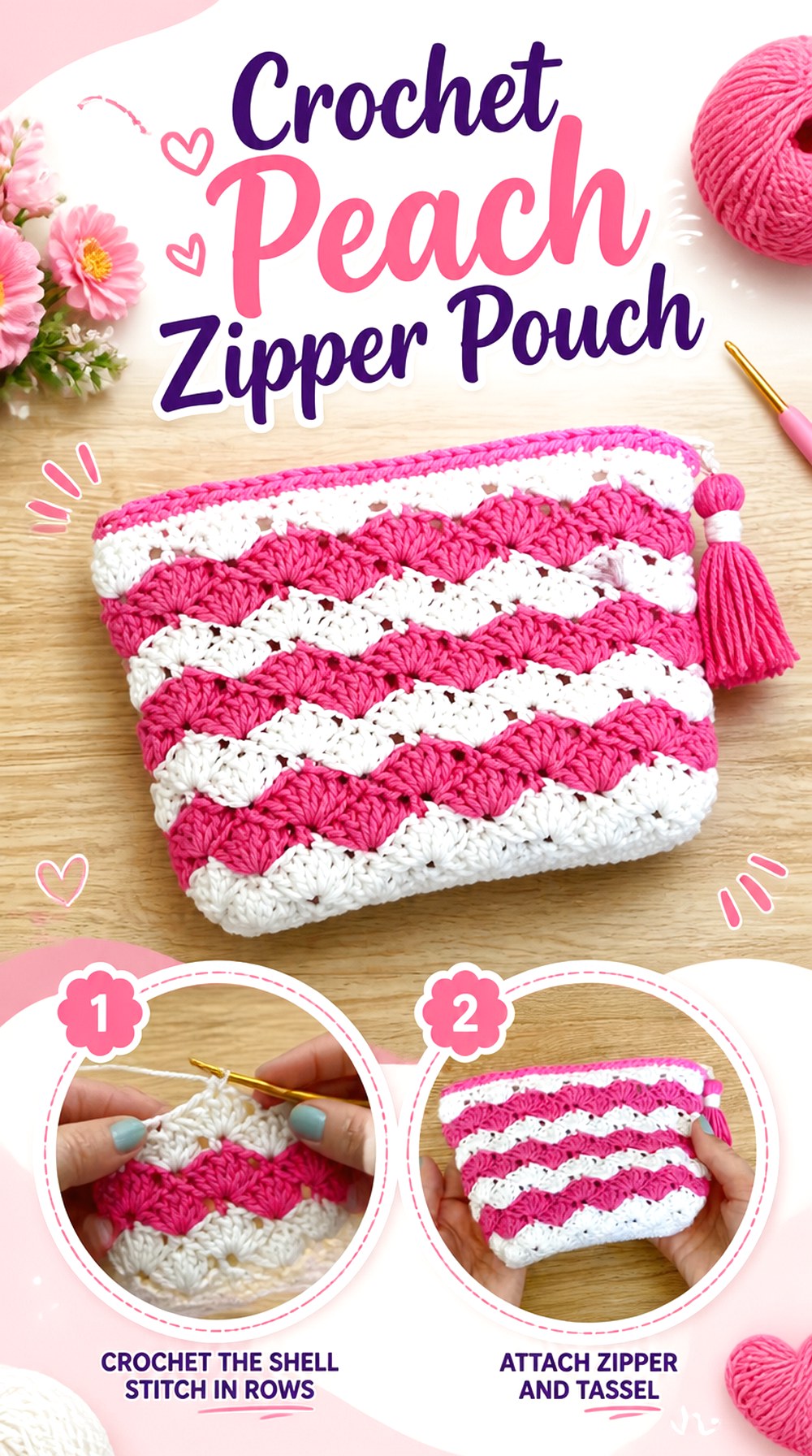
A zipper pouch gives the peach theme a practical everyday format for notions, small accessories, or other lightweight items that fit the finished size. Compared with the open carry bag, the closed top offers a different way to contain smaller objects.
The supporting tutorial includes zipper finishing, so this is a useful choice if closure matters more to you than maximum capacity. Peach can cover the entire pouch or be combined with cream, olive, or brown sections. A small peach appliqué is another option if you prefer a neutral body with only one fruit detail.
Check the Opening Before Choosing the Zipper
A zipper should correspond to the actual finished opening, not an estimated size from an unfinished piece. Measure once the crochet fabric has settled into the shape intended by the construction.
If you substitute hardware, compare zipper length, tape width, and how it will sit against the crocheted edge. A zipper that technically spans the opening can still feel awkward if its proportions do not suit the pouch.
Lining Helps Contain Very Small Items
Open crochet fabric may allow tiny objects to poke through or catch on stitches. If the pouch will hold small notions, jewelry, or similar items, a lining may be worth considering.
A lining also changes finishing work and may reduce some stretch. If the original tutorial does not cover the exact lining you want, use a separate reliable sewing reference rather than improvising a complicated insertion from assumptions.
Original Tutorial and Creator Credit
Creator: Rika’s Crochet
18. Crochet Peach and Leaf Fall Garland
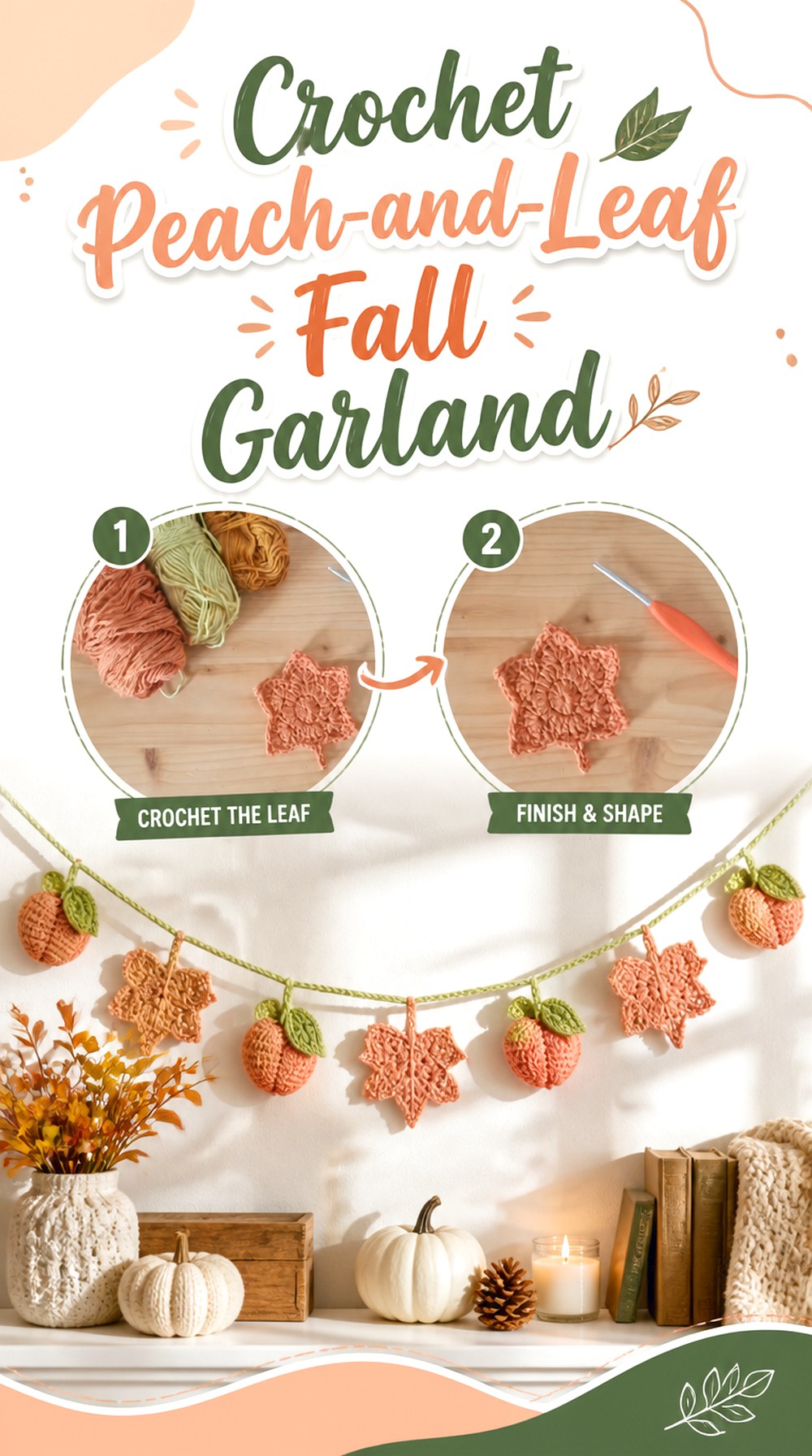
A leaf garland lets peach move away from literal fruit and become one shade in a broader autumn palette. Peach, apricot, terracotta, cream, rust, and muted green leaves can create a softer alternative to the usual orange-and-brown seasonal scheme.
This project also differs from the other ideas because repetition and spacing become part of the final design. A single leaf is only one component; the visual effect comes from how the motifs are distributed along the garland. That makes color planning worthwhile before crocheting a large stack of leaves in one shade.
Plan the Color Rhythm Before Assembly
Lay the finished motifs in a line before attaching them. Repeating colors at predictable intervals gives a more orderly appearance, while irregular placement feels more natural and mixed.
If peach is supposed to remain the signature color, use it often enough that it does not disappear among darker leaves. If you want the garland to read primarily as autumn foliage, let peach appear as one accent among several warm tones.
Storage Matters for Reusable Décor
Garlands can tangle or crease when packed carelessly. Before making a very long version, think about how it will be removed, stored, and rehung after the season.
A design divided into shorter sections may be easier to manage in some spaces than one extremely long strand. Whatever format you choose, avoid pulling heavily on small motif attachment points when taking the garland down.
Original Tutorial and Creator Credit
Creator: hibouchoucaillou
Which Peach Crochet Direction Fits Your Fall Plans?
| If you want… | Start with… | Main planning issue |
|---|---|---|
| A recognizable peach fruit | Amigurumi, keychain, appliqué | Shape, attachment, and finishing |
| A reusable motif | Peach granny square | Blocked size and orientation |
| A practical accessory | Bag, pouch, mug cozy | Stretch, opening, and intended use |
| Cooler-weather color | Beanie, cowl, ear warmer, scarf, gloves | Fit, comfort, and fabric behavior |
| A larger wearable | Cardigan, vest, shawl | Measurements, drape, and layering |
| Fall home décor | Basket, pillow, garland | Structure, care, placement, and storage |
| A subtle peach reference | Bucket hat or neutral item with appliqué | Motif scale and placement |
The most literal choices are the amigurumi, keychain, appliqué, and peach granny square. If you mainly love the color, the beanie, scarf, cowl, shawl, cardigan, and vest let peach work as part of an autumn wardrobe instead. Bags, baskets, pillows, pouches, and garlands sit between those approaches because they can be either fruit-inspired or simply peach-toned.
Conclusion
For a clearly recognizable peach theme, start with the amigurumi, keychain, appliqué, or granny square. They keep the fruit itself at the center of the design. If you want something easier to wear throughout fall, a dusty-peach beanie, cowl, scarf, vest, cardigan, or shawl makes the color seasonal without turning the entire piece into a novelty item.
For practical or decorative crochet, the bag, zipper pouch, basket, pillow cover, mug cozy, and leaf garland give you more room to mix peach with cream, olive, brown, rust, and other warm shades. Once you choose a direction, use the original tutorials for the creators’ exact construction details and verify measurements, materials, closures, and fit before making major adaptations.
Frequently Asked Questions
Do all 19 tutorials use a peach theme in the original project?
No. Several sources are true peach projects, including the fruit amigurumi, keychain, appliqué, granny square, bag, and “PEACH” cardigan. Other tutorials provide the underlying construction for items such as the beanie, scarf, vest, shawl, basket, and pillow cover.
For those projects, the peach palette or optional fruit decoration is an adaptation idea rather than a claim about the creator’s original design.
What colors make peach crochet feel more appropriate for fall?
Try placing peach beside cream, camel, chocolate brown, olive, muted rust, burgundy, or other earthy shades already present in your fall wardrobe or décor. The exact combination depends on the peach itself.
A pale pink-peach creates softer contrast, while apricot and coral-peach can sit more strongly beside darker neutrals. Make a small color arrangement with the actual yarns before buying enough material for a garment or large home project.
Can I attach the peach appliqué to any crochet hat or garment?
Not automatically. Compare the appliqué with the base item for weight, thickness, flexibility, and care requirements. A dense patch can pull on lightweight fabric or reduce stretch where it is attached.
Position the finished motif temporarily before sewing it in place. On wearables, also check whether the selected location bends, stretches, or sits against the body in a way that could make the added thickness uncomfortable.
How can I keep a peach crochet bag or basket from stretching too much?
Start with a construction and yarn combination that produces the amount of structure you actually need. Dense fabric and less elastic materials may reduce movement, while some soft crochet fabrics stretch considerably under load.
Lining or reinforcement can help in suitable designs, but it changes construction and feel. Do not assume a handmade bag or basket has a particular weight capacity unless the source specifically establishes one.
Should I use the same peach yarn for the plush, scarf, and basket?
There is no practical reason they must match. A plush needs fabric that contains stuffing cleanly, a scarf benefits from comfortable fabric and suitable drape, and a basket generally needs more structure.
Color can connect the collection even when the yarn construction changes. Choose materials by the requirements of each finished object first, then select peach shades that coordinate if you want the projects displayed or worn together.
How do I know whether a peach granny square can replace another square in a larger project?
Compare the finished, settled dimensions rather than relying only on hook size or yarn label. Motifs with different stitch structures can finish at different sizes even when made from similar materials.
Also check edge stitch distribution, thickness, and flexibility. If one square consistently pulls or buckles beside the other, solve the compatibility issue before joining an entire garment, cushion, bag, or blanket.