A crochet pumpkin shoulder bag can lean playful, practical, or strongly Halloween-themed depending on its construction. Some designs turn the entire bag into a rounded pumpkin, while others use pumpkin granny squares, jack-o’-lantern faces, textured stitches, or leafy details on a more familiar purse shape.
The tutorials below also differ in how closely they match a traditional shoulder bag. Several are true purses or crossbody-style projects, while others are pumpkin treat bags, drawstring sacks, or small pouches that can provide a useful starting point for a shoulder-bag adaptation.
That distinction matters. Rather than assuming every handle should simply be made longer, this guide highlights opening style, lining, strap attachment, fabric stretch, scale, and the checkpoints worth considering before adapting each idea.
Quick List
- Crochet Textured Pumpkin Shoulder Bag with Lining
- Crochet Zippered Jack-O’-Lantern Shoulder Purse
- Crochet Pumpkin Granny Square Shoulder Bag
- Crochet Rounded Pumpkin Shoulder Bag with Leaf Accent
- Crochet Roomy Pumpkin Trick-or-Treat Shoulder Tote
- Crochet Compact Pumpkin Candy Shoulder Bag
- Crochet Cinched Pumpkin Drawstring Shoulder Pouch
- Crochet Scrap-Yarn Pumpkin Drawstring Shoulder Bag
- Crochet Jack-O’-Lantern Shoulder Tote with Reinforced Handle
- Crochet Mini Pumpkin Shoulder Pouch
- Crochet Child-Size Pumpkin Shoulder Bag
Decide First: Pumpkin-Shaped Bag or Pumpkin-Motif Bag
The biggest design decision is not orange versus rust yarn. It is whether the bag itself should resemble a pumpkin or whether pumpkins should decorate a conventional bag shape.
Rounded pumpkin bodies create the strongest seasonal silhouette, but their curved sides can affect the usable interior and where a strap sits. Granny-square or panel-based designs usually give you flatter surfaces, which can make organizing the opening, lining, and strap placement more straightforward.
Also consider how seasonal you want the finished piece to feel. A jack-o’-lantern face makes the Halloween reference unmistakable. A plain ribbed pumpkin with a leaf can carry into general fall styling more easily. If you plan to adapt a treat-bag tutorial, evaluate the body shape first rather than assuming a longer handle will automatically turn it into a comfortable shoulder bag.
Shoulder Straps Need More Planning Than Treat-Bag Handles
A short trick-or-treat handle and a shoulder strap perform different jobs. Lengthening a crocheted handle increases the amount of fabric available to stretch, and a narrow strap can distort noticeably once belongings are added.
Before modifying a tutorial, examine where the original handle attaches. A strap anchored across a generous section of dense bag fabric generally spreads tension differently from one attached to a tiny decorative edge. If the tutorial already includes a shoulder or crossbody strap, follow the creator’s construction rather than replacing it without a reason.
For adaptations, decide the desired carry position before final finishing. Shoulder, high crossbody, and low crossbody lengths produce different leverage on the attachment points. If stretch is a concern, consider a less elastic strap construction, reinforcement, lining support, or a compatible purchased strap rather than relying only on extra crochet length.
Match the Opening and Lining to What You Actually Carry
Pumpkin bags can have open tops, drawstrings, zippers, or gathered openings, and those differences affect everyday usefulness more than decorative leaves do.
A zipper is worth considering when you want a purse-like closure for small personal items. Drawstrings suit the pumpkin shape naturally because gathering the rim can emphasize the stem area, but the opening becomes smaller when cinched. Open treat bags provide fast access but less containment.
Lining is another functional choice rather than an automatic requirement. It can help keep small objects from working through gaps, isolate carried items from loose floats or decorative stitching, and reduce some distortion of the crochet body. It will not automatically correct a poorly supported strap, however. Before choosing a tutorial, check whether lining and closure construction are included or whether you will need to plan those elements independently.
1. Crochet Textured Pumpkin Shoulder Bag with Lining
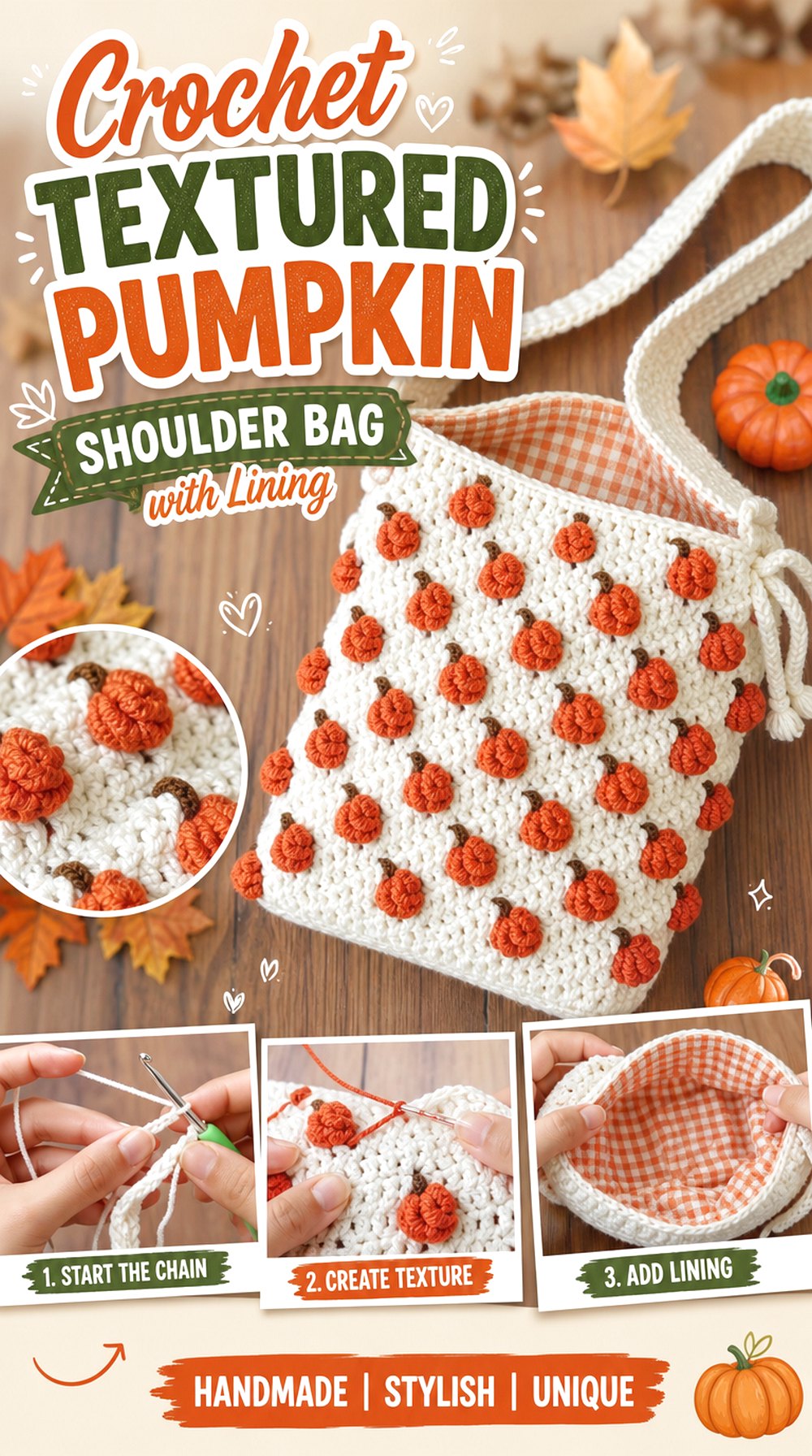
This version is a strong choice when you want the pumpkin reference to come from the crochet fabric rather than a separate face appliqué. Yarn Symphony’s tutorial specifically covers a pumpkin bag and includes both strap crochet and liner sewing, making it one of the closer matches here to a complete shoulder-bag project rather than a treat-bag conversion.
The dimensional pumpkin effect gives the body plenty of seasonal character while allowing the bag to function more like a purse. Because the surface itself carries much of the visual interest, you can keep the strap and finishing relatively restrained. Before starting, pay attention to how much texture you want on areas that will rub against clothing.
A Lining Helps the Textured Body Behave More Like a Purse
A textured crochet exterior can look substantial while still stretching between stitches. The included lining component is therefore especially relevant if you expect to carry small everyday objects rather than using the bag only as a costume accessory.
When evaluating your fabric, compare the shape before and after it is lightly loaded. If the bottom or sides distort more than you want, treat lining as part of the structural planning rather than a last-minute decorative insert.
Keep Heavy Texture Away From High-Friction Areas
Raised pumpkin texture looks attractive on the main body, but a shoulder bag also spends time against a coat, sweater, or hip. Very pronounced texture around the side or strap attachment can catch more easily than a flatter transition.
Before finishing, look at where the bag naturally rests when carried. Preserving the strongest texture on the visible front while keeping stress points clean can give the pumpkin effect room to stand out without making the attachment areas unnecessarily bulky.
Choose Carry Position Before Final Strap Decisions
A strap that works as a short shoulder carry may feel very different when extended into crossbody territory. Longer crochet straps also have more opportunity to stretch.
Use the tutorial’s strap construction as the starting reference, then evaluate the finished bag body and your preferred carry position before making unsupported changes. If you alter length, check that the strap still joins the body evenly and does not pull the upper corners inward.
Creator: Yarn Symphony
2. Crochet Zippered Jack-O’-Lantern Shoulder Purse
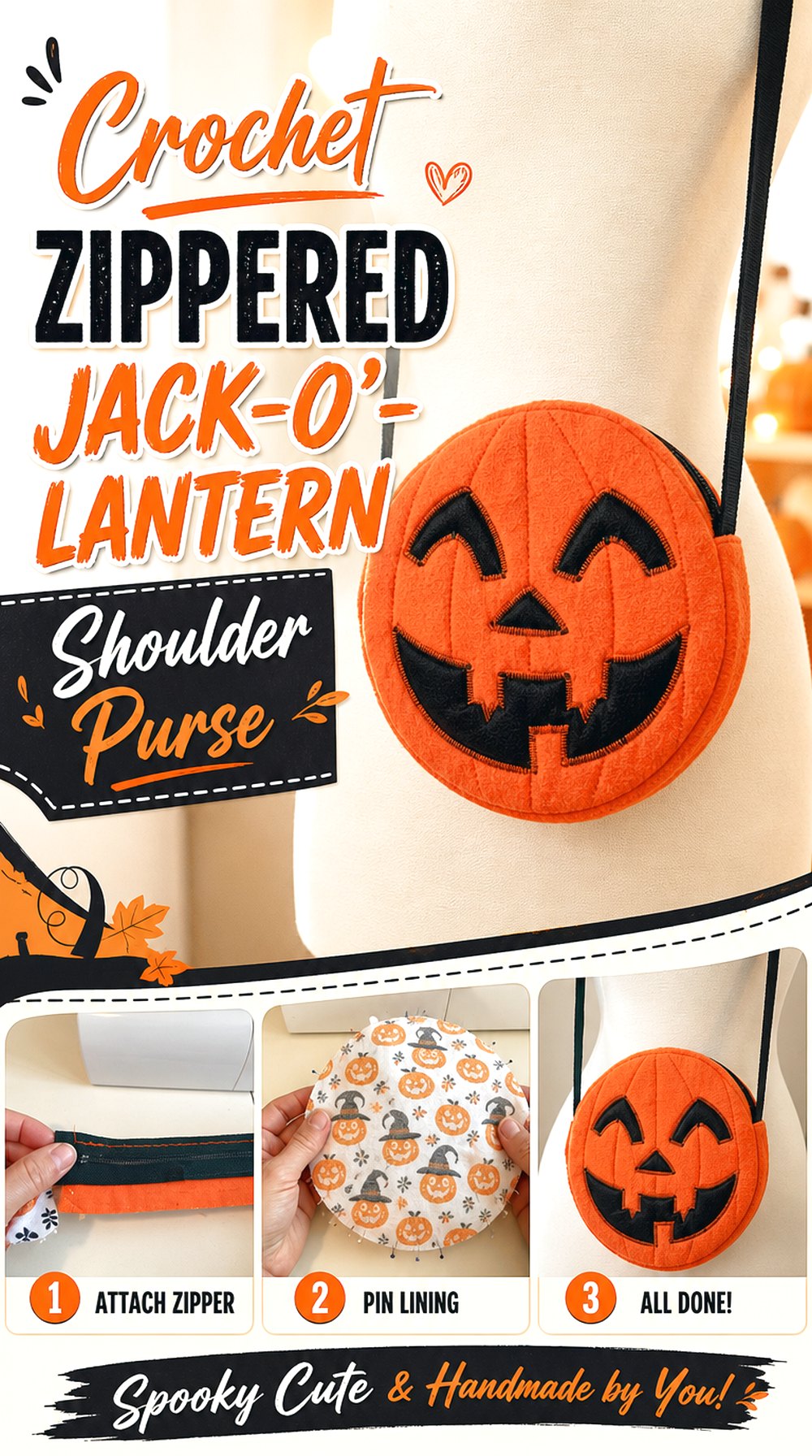
For a pumpkin bag that behaves more like an everyday purse, the Atelier Joy design stands apart. The tutorial is for a jack-o’-lantern purse and includes a full lining, zipper closure, interior patch pocket, and strap sizing that can be adjusted for the intended wearer.
Those details shift the emphasis from “crocheted container with a handle” toward a finished accessory with a controlled opening. The face gives it an unmistakable Halloween personality, so this is better suited to spooky-season styling than a neutral autumn wardrobe. It also offers a useful reference if your priority is keeping small belongings contained rather than maximizing a wide-open top.
The Zipper Changes the Bag’s Everyday Use
Among pumpkin bags, a zipper creates a particularly clear distinction between a costume-style treat bag and a purse meant to contain smaller belongings. It also means the top edge needs to stay reasonably controlled rather than stretching unpredictably.
When assessing your crochet body, check the opening before installing finishing components. If the rim is wavy or heavily stretched, deal with that issue first instead of expecting the zipper or lining to pull everything into shape.
Position the Face Around the Functional Opening
A jack-o’-lantern face is the focal point, but it should not make the functional parts of the purse feel crowded. Before committing to decorative placement, view the bag upright with the top in its finished position.
This matters especially if you plan to personalize the expression. Changing the scale or location of the eyes and mouth can shift the visual center, so make sure the face still reads clearly when the purse is zipped, carried, and viewed from normal standing distance.
Use the Interior Features to Judge the Right Scale
An interior pocket only helps when the surrounding purse dimensions make sense for the objects you want to carry. Avoid assuming a pumpkin purse will accommodate a particular phone, wallet, or other item without comparing the actual finished space.
If capacity matters, review the creator’s finished result and any measurements supplied with the tutorial. Then compare those details with your own essentials before changing yarn, hook, or scale.
Creator: Atelier Joy
3. Crochet Pumpkin Granny Square Shoulder Bag
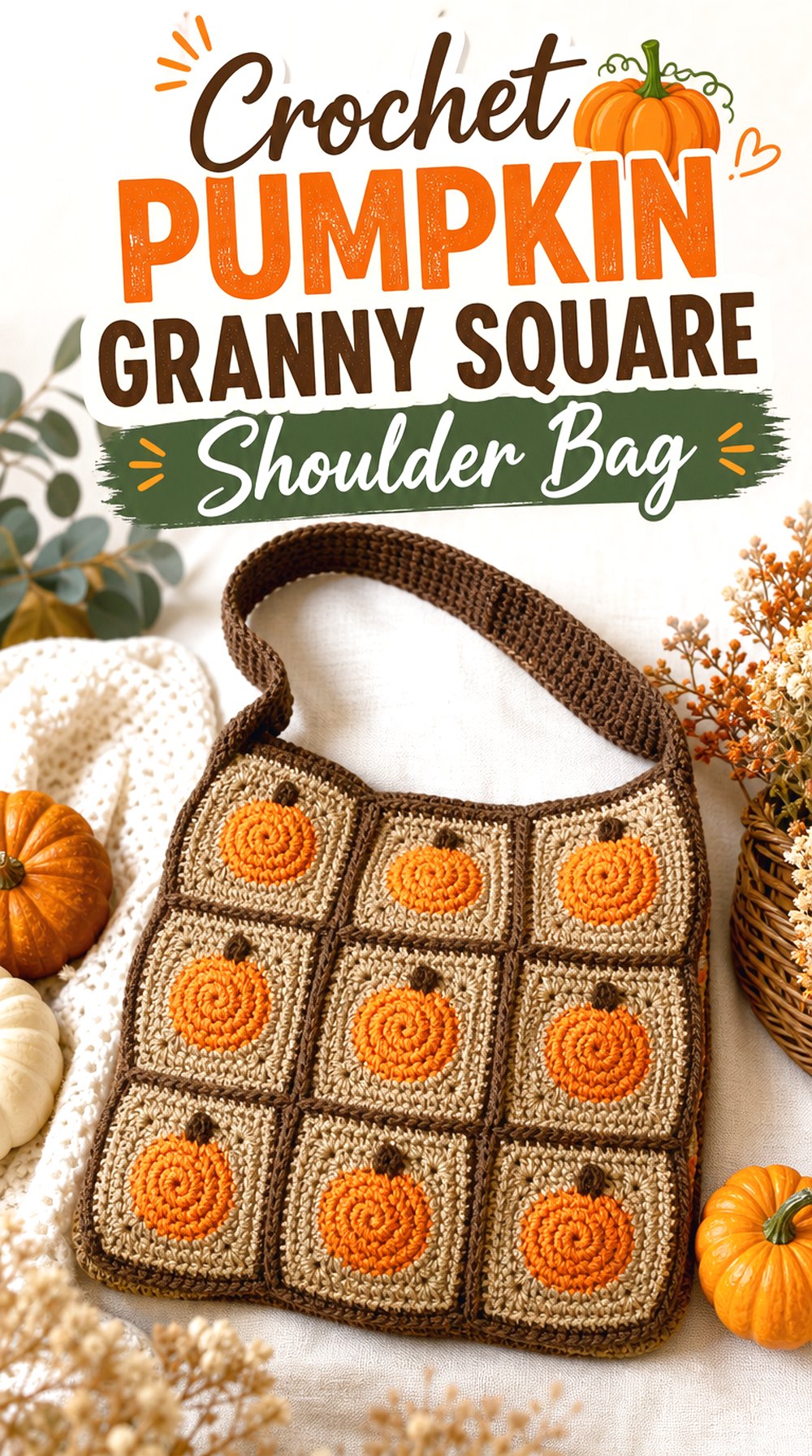
Instead of shaping the whole purse like a pumpkin, this idea uses pumpkin motifs as the decorative building blocks. Samantha Lopez’s tutorial specifically turns pumpkin granny squares into a small crochet bag and adds a crocheted strap.
The flatter motif construction creates a very different look from the rounded pumpkin pouches elsewhere in this list. It can also make the bag easier to coordinate with other granny-square accessories because the seasonal image is contained inside a familiar geometric format. The important planning issue is consistency: motifs that look nearly identical while loose may reveal noticeable size differences once joined.
Block the Pumpkin Squares Before Judging Bag Width
Motif size determines panel size, so evaluate the squares in their finished, settled state rather than immediately after crocheting them. If one motif is noticeably larger or more distorted, joining it can pull the whole panel out of alignment.
When adapting the concept with a different pumpkin-square design, compare blocked dimensions first. Do not assume two squares are interchangeable simply because both are called granny squares or use the same yarn category.
The Joining Lines Become Part of the Design
Unlike a seamless pumpkin-shaped body, this bag makes joins visually important. A contrasting join can frame each pumpkin, while a quieter join lets the motifs merge into a more continuous surface.
Look at the overall panel from several feet away before finishing every seam. If the joining color or ridge dominates the pumpkin images, decide whether that effect is intentional. The choice influences the finished style just as much as the motif colors do.
Reinforce the Transition From Strap to Motif Fabric
A strap concentrates pull near the upper edge, while granny-square fabric contains corners, joins, and areas of different stitch density. That makes the transition point worth checking carefully.
Before carrying the bag, inspect whether the strap attachment pulls mainly on one motif corner or distributes tension across a broader area. If you adapt the tutorial significantly, reinforcement should support the fabric without hiding or distorting the pumpkin motif.
Creator: Samantha Lopez
4. Crochet Rounded Pumpkin Shoulder Bag with Leaf Accent
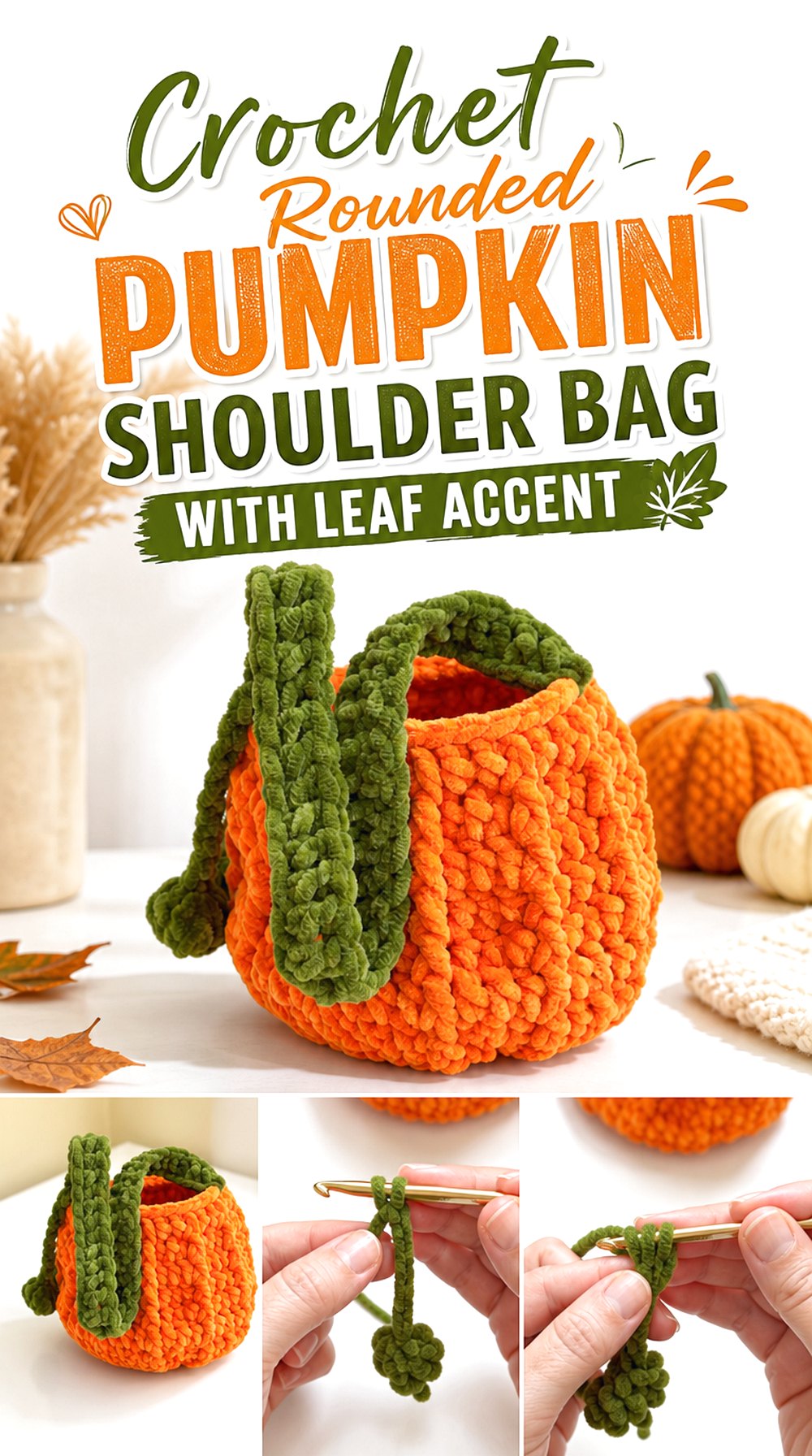
Handwork diy’s tutorial produces a classic pumpkin bag with a clearly defined rounded body, leafy top detail, and handle. The original source should be treated as a handled pumpkin-bag tutorial; turning that handle into a longer shoulder carry is an adaptation rather than something to assume from the source.
The appeal here is the silhouette. Unlike the granny-square version, the shape itself does most of the decorative work, making this a good direction when you want the bag to read as a pumpkin even without a jack-o’-lantern face. That also means preserving the round profile matters more than maximizing flat interior space.
Preserve the Rounded Silhouette When Adding Structure
A pumpkin bag can lose much of its character if the bottom sags into a long oval or the top edge spreads too widely. Before adding a lining or changing the yarn, consider whether the modification will support the rounded outline or flatten it.
A lining should fit the crochet shell rather than force it into a different geometry. Likewise, overfilling a compact pumpkin shape can make the decorative ridges less obvious and place more tension on the top.
A Longer Strap Needs Separate Attachment Planning
The tutorial’s visible handle provides a reference for carrying the bag, but shoulder length creates different forces. Simply extending the same idea may lead to more stretch or pull at the upper sides.
If you want a shoulder version, first finish enough of the body to understand where it balances. Then assess attachment placement, strap width, and desired drop as a separate design decision instead of treating “more length” as the only change.
Creator: Handwork diy
5. Crochet Roomy Pumpkin Trick-or-Treat Shoulder Tote
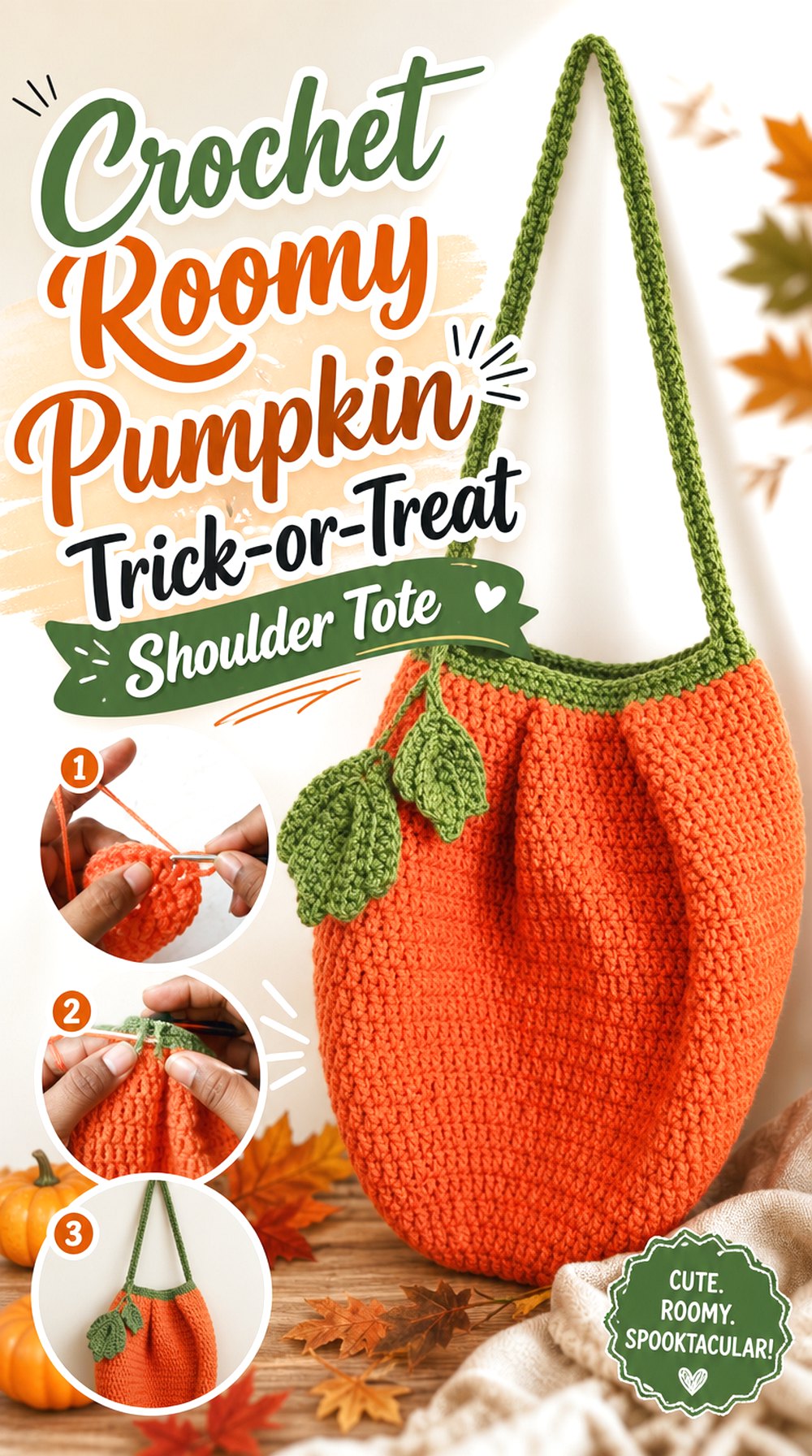
TLH Patterns demonstrates a larger Halloween pumpkin bag intended as a trick-or-treat carry piece. That larger-scale direction makes it useful for readers who want more visual presence than the mini purses and compact pouches in this collection.
For a shoulder-bag interpretation, however, size changes the design problem. A roomy bag invites more contents, and more contents increase the pull on the fabric and handle attachments. Rather than assuming the original treat-bag handle should become a long strap, evaluate the bag as a larger tote body that may need a more deliberate shoulder-carry solution.
A Roomier Pumpkin Body Needs More Shape Control
As the bag grows, small differences in fabric stretch become more visible. A compact pumpkin can remain rounded with little inside it, while a larger bag may sag once the contents settle toward the base.
If the pumpkin silhouette is important, compare how the empty and lightly loaded bag looks. Lining, a more stable base treatment, or a carefully chosen fabric density may be useful adaptations, but each should complement the original construction rather than conceal it.
Watch the Widest Point Against the Body
A round, roomy pumpkin can project farther from the wearer than a flat shoulder purse. That may be charming for a costume or festival bag but less convenient in crowded spaces.
Before settling on strap length, hold a similarly sized object where the bag would sit. Decide whether you prefer it high under the arm, lower at the hip, or carried more like a short tote. Carry position changes how bulky the rounded form feels.
Treat-Bag Handles and Shoulder Straps Solve Different Problems
A trick-or-treat handle is often optimized for hand carrying and quick access. A shoulder strap needs enough length for the intended drop while controlling stretch and keeping the bag balanced.
When converting this concept, inspect the upper rim and attachment zones. If they were designed for a short handle, consider whether a longer strap requires broader reinforcement before you rely on the bag for shoulder carry.
Creator: TLH Patterns
6. Crochet Compact Pumpkin Candy Shoulder Bag
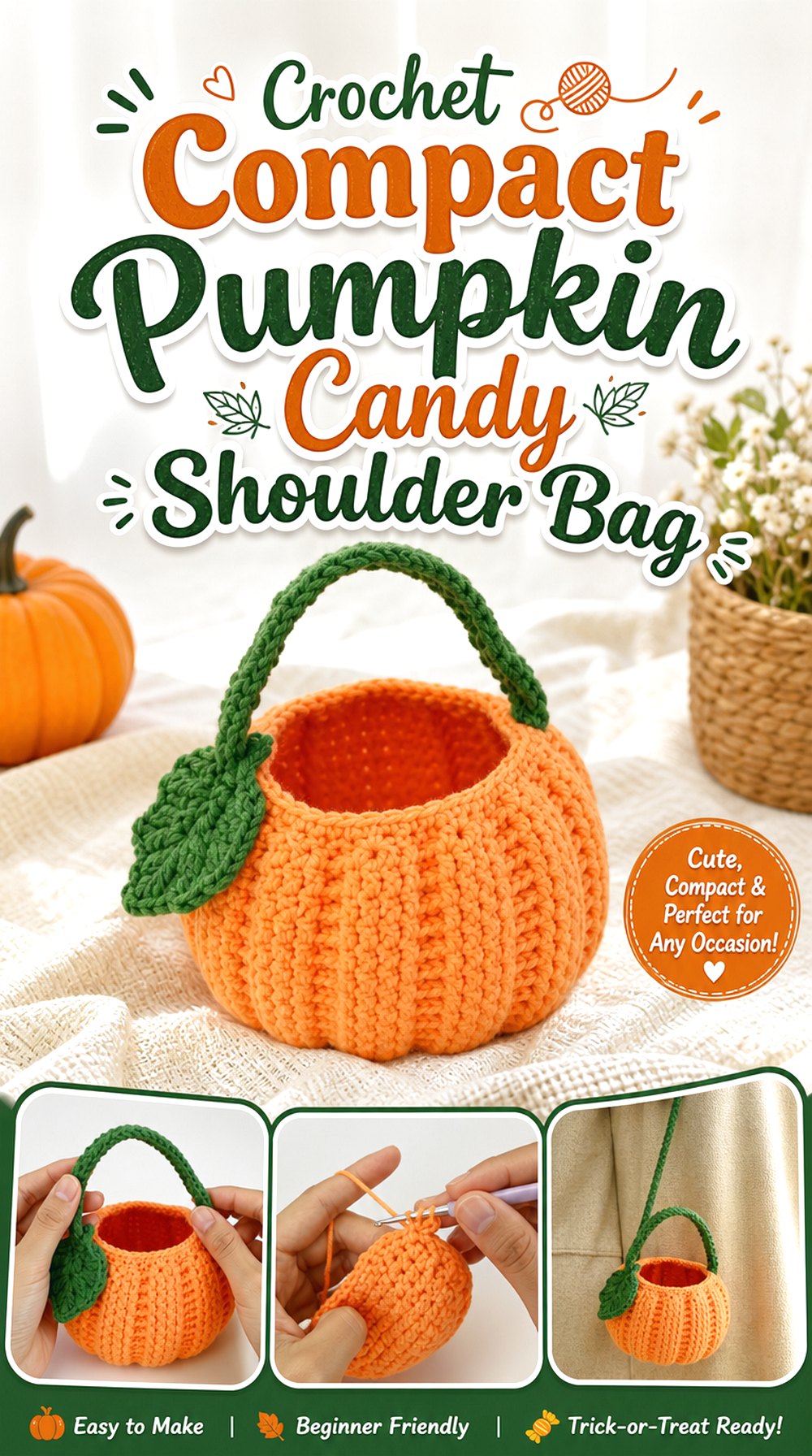
Vicky Crochet’s project is a pumpkin-shaped candy bag, and the tutorial shows more than one material or size presentation along with the handle and decorative leaf portions. That makes it a useful compact-scale alternative to the larger treat tote above.
For shoulder use, think of this as a small seasonal purse adaptation rather than simply a candy bag with extra chain length. Smaller bags can look awkward when paired with disproportionately heavy straps, so the relationship among body width, leaf detail, and strap scale matters. It is well suited to someone who wants the pumpkin itself to stay visually dominant.
Small Scale Makes Strap Proportion More Noticeable
On a compact bag, even a modestly wide strap can visually overpower the pumpkin body. A very thin strap, however, may stretch or feel less substantial.
Compare strap width against the finished body before attaching it permanently. The goal is not a universal proportion; it is a strap that looks intentional while providing enough attachment area for the way you expect to carry the pouch.
Keep the Leaf Detail Clear of the Opening
The leaf is part of what makes a plain orange form immediately read as a pumpkin, but top decoration can interfere with access if it sits directly over the functional opening.
Open and close the bag several times before finalizing decorative positioning. If a leaf folds into the opening or gets caught by a closure, moving it slightly can preserve the seasonal detail without making the pouch frustrating to use.
Check the Body Against the Items You Actually Need
Compact pumpkin bags are easy to overestimate because their widest exterior point may not equal useful interior width. Curved sides and gathered tops can reduce the space available near the opening.
Before adapting the strap for everyday use, compare the finished interior with the specific objects you want to carry. Do not rely on the bag’s appearance alone to infer capacity.
Creator: Vicky Crochet
7. Crochet Cinched Pumpkin Drawstring Shoulder Pouch
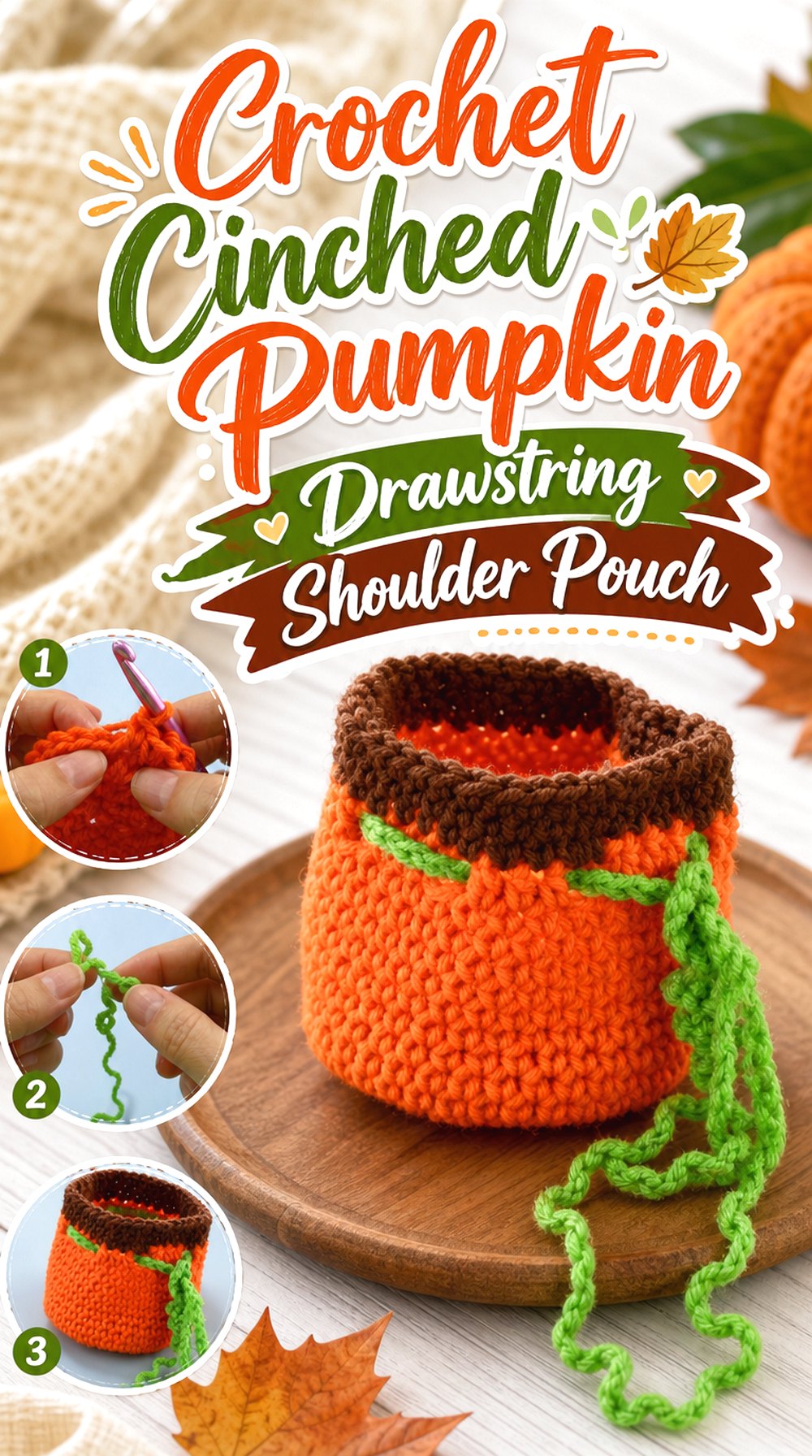
Jayda InStitches takes the pumpkin idea in a different functional direction with a drawstring seasonal sack. The original tutorial is specifically for a pumpkin drawstring bag rather than a shoulder purse, so a shoulder strap should be treated as an additional design decision.
The cinched opening works naturally with pumpkin imagery because the gathered top can visually lead into the stem area. It also creates a softer, less structured personality than a zippered purse. This option makes the most sense if you like an informal pouch shape and do not need instant access to a wide open top.
A Cinched Top Changes the Usable Opening
The body may appear roomy while open, but a drawstring reduces the effective access point as it closes. Objects wider than that opening can be inconvenient even when they would technically fit inside the lower portion.
Before adjusting the project for shoulder carry, test the opening with the types of items you expect to use. That gives you a more realistic sense of functionality than judging the bag by its maximum body width.
Do Not Let the Shoulder Strap Fight the Drawstring
A shoulder strap and drawstring both occupy the upper part of the bag. If their attachment paths overlap, pulling one can distort or trap the other.
Plan the functions independently: the drawstring should close the opening, while the shoulder strap should support the bag. Make sure the strap placement leaves enough room for the cinch to move freely and does not collapse the top every time the bag is carried.
Choose Drape According to Sack Versus Purse Feel
A soft fabric reinforces the gathered-sack character, while a firmer fabric can make the lower pumpkin body look more defined. Neither is automatically better.
Decide which impression you want before substituting yarn. If you want a structured purse silhouette, check whether the tutorial’s fabric and construction support that goal or whether another project in this list is a closer match.
Creator: Jayda InStitches
8. Crochet Scrap-Yarn Pumpkin Drawstring Shoulder Bag
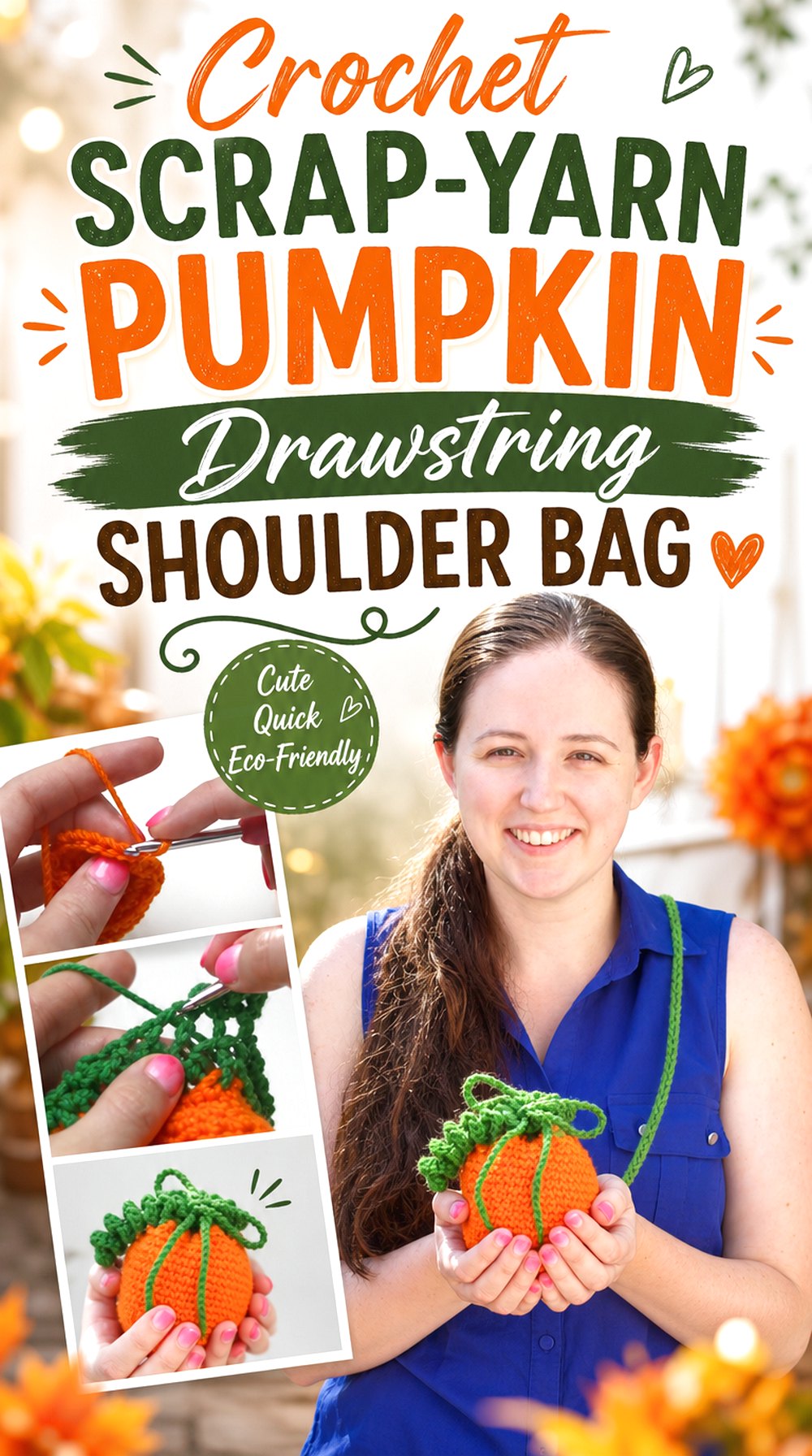
All Craft TV offers another drawstring pumpkin direction, but it works especially well as inspiration when you want a smaller treat-style pouch and the option to use leftover yarn rather than planning a more formal purse. The tutorial presents the project as a crochet pumpkin pouch or bag for Halloween treats.
Because the original is a drawstring project rather than a dedicated shoulder bag, adding a carrying strap is an adaptation. The distinction from the previous idea is in the planning emphasis: this one can be treated as a compact stash-use project, where controlling fabric consistency matters if multiple yarn remnants are involved.
Scrap Yarn Can Change the Fabric More Than the Color
Two orange yarns may look compatible but behave differently if their thickness, fiber, or twist is noticeably different. Mixing them without checking can produce ridges, tight sections, or softer patches that alter the pumpkin body.
Before combining leftovers, compare the yarns side by side and crochet small samples when necessary. Similar visual color is not enough if one section makes the bag substantially looser or denser than the rest.
Give the Drawstring Rim a Clean, Stable Finish
On a compact pouch, the rim is a large part of the finished appearance because the eye naturally follows the drawstring around the top. Uneven tension there can make the entire pumpkin look less balanced.
Before adding a shoulder strap, close and reopen the pouch repeatedly. Check that the drawstring moves without snagging and that the rim returns to a reasonably even shape rather than remaining permanently distorted.
Keep a New Strap Visually Secondary
If you convert a small treat pouch into a shoulder bag, an oversized strap can make the project look more like a strap with a pumpkin attached than a coherent purse.
Use the finished body as your visual reference. Consider strap width, attachment hardware if any, and carry length together, and keep the decorative emphasis on the pumpkin rather than adding unnecessary bulk at the top.
Creator: All Craft TV
9. Crochet Jack-O’-Lantern Shoulder Tote with Reinforced Handle
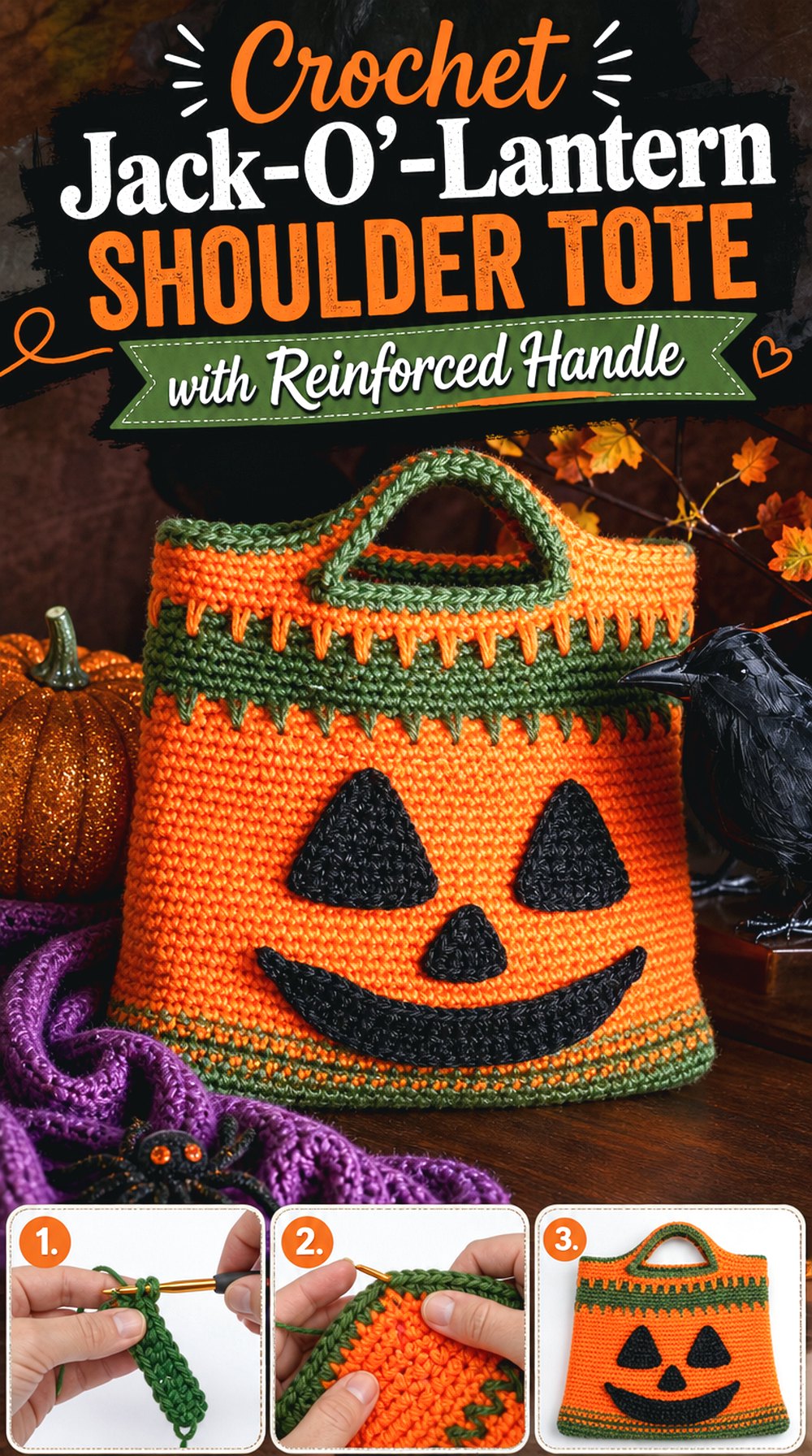
The Crochet Crowd’s pumpkin trick-or-treat bag introduces a graphic jack-o’-lantern face and, importantly, the accompanying tutorial material discusses strengthening the handle. That makes it a useful reference for a shoulder-tote adaptation where the connection between decorative bag and functional handle deserves attention.
The source project is still a trick-or-treat bag rather than a conventional shoulder purse, so extending the carry length requires judgment. Visually, this design is less subtle than a plain pumpkin: the face makes it a dedicated Halloween accessory and gives the front panel a clear orientation.
Keep the Jack-O’-Lantern Face Flat Enough to Read
A facial motif looks clearest when the front is not heavily distorted by the contents. If the center bulges or collapses, eyes and mouth details can shift out of proportion.
Before finishing the decorative elements, view the bag both empty and lightly filled. If you adapt the bag with lining or a more stable base, aim to support the front rather than stretching it into a rigid shape that fights the crochet.
Handle Reinforcement Becomes More Important With More Leverage
The source includes handle-strengthening guidance, which is especially relevant if you are considering a longer carry option. A long shoulder strap can place different leverage on the same upper edge than a short hand-held loop.
If you modify the handle, do not assume the original reinforcement automatically covers the new configuration. Recheck both attachment points and watch for concentrated stretching when the bag is loaded.
Treat Reflective Effects as Decoration, Not a Safety Feature
The source project uses reflective yarn in its materials. That can add an interesting visual effect to a Halloween bag, but yarn appearance should not be treated as a substitute for purpose-built visibility or safety equipment.
If you choose a specialty yarn, also check its care information and how it behaves alongside the other yarns in the project, particularly if the bag will be washed or used repeatedly.
Creator: The Crochet Crowd
10. Crochet Mini Pumpkin Shoulder Pouch
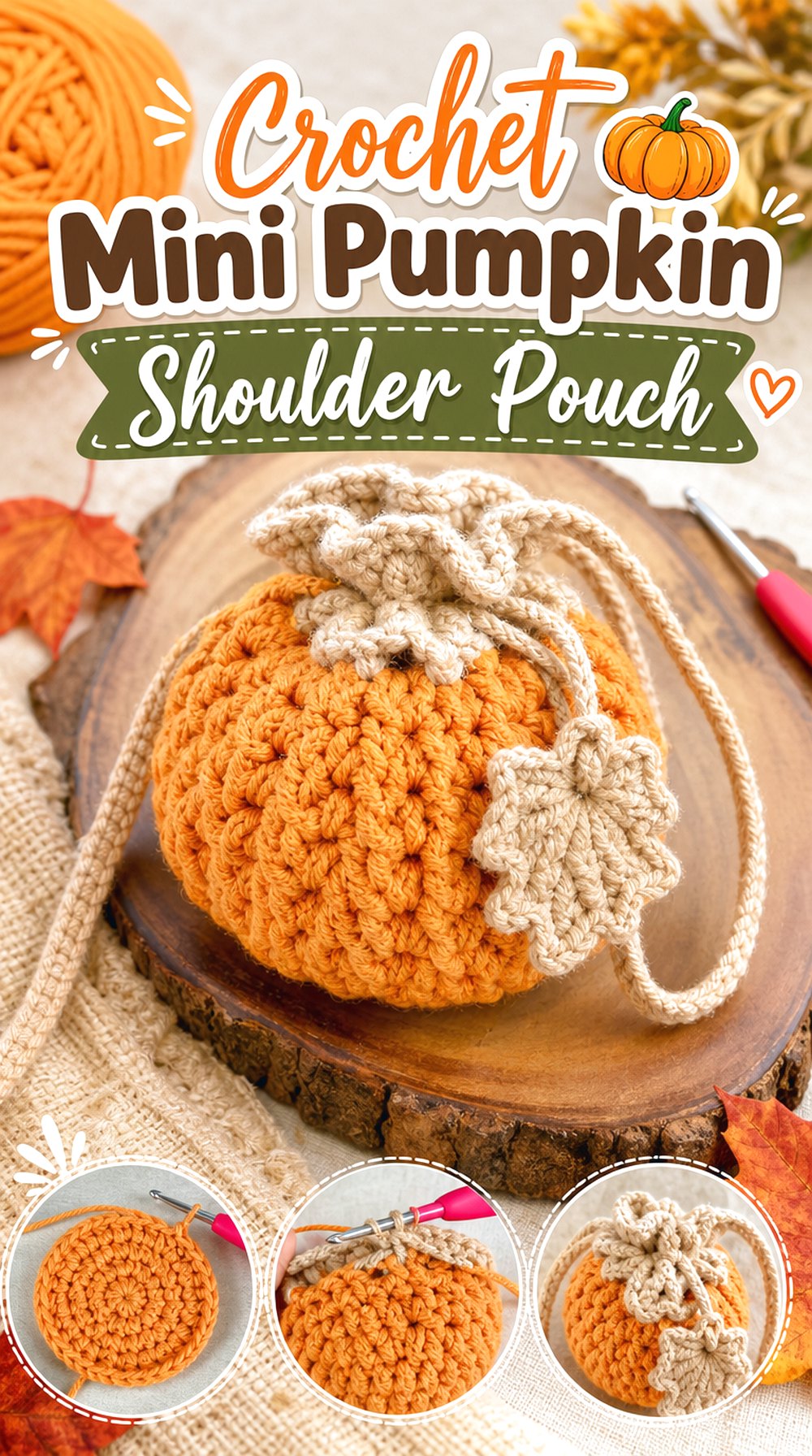
Kukkacrochet By Putri’s project is intentionally much smaller: the original tutorial creates a pumpkin bag charm that can also function as a tiny pouch. It includes a strap plus leaf and curly vine details.
That makes it excellent inspiration for a miniature shoulder-pouch concept, but it is important not to confuse scaling up with simply crocheting a longer strap. If you want a true shoulder bag based on this look, the body, opening, attachment points, and strap all need to be reconsidered together. Alternatively, preserve the tiny scale and use the tutorial as-is for a bag charm rather than forcing it into a larger job.
Scaling a Charm Into a Purse Is Not Automatic
Changing yarn thickness or hook size can enlarge a crochet piece, but it can also change stiffness, stitch visibility, and the proportion of the decorative elements. A leaf that suits a charm may look too small once the pumpkin body becomes purse-sized.
If you want a larger version, treat the original finished proportions as visual inspiration rather than assuming every component scales perfectly with one material change.
Keep Vines and Leaves Out of the Carry Path
Curly pumpkin vines add personality at charm scale, but on a shoulder accessory they can sit near moving straps, clothing, and hardware. Long decorative pieces may also twist around the opening.
Before securing them permanently, hold the bag in the intended carrying position. Place the embellishments where they remain visible without becoming the first parts to rub, snag, or interfere with access.
Creator: Kukkacrochet By Putri
11. Crochet Child-Size Pumpkin Shoulder Bag
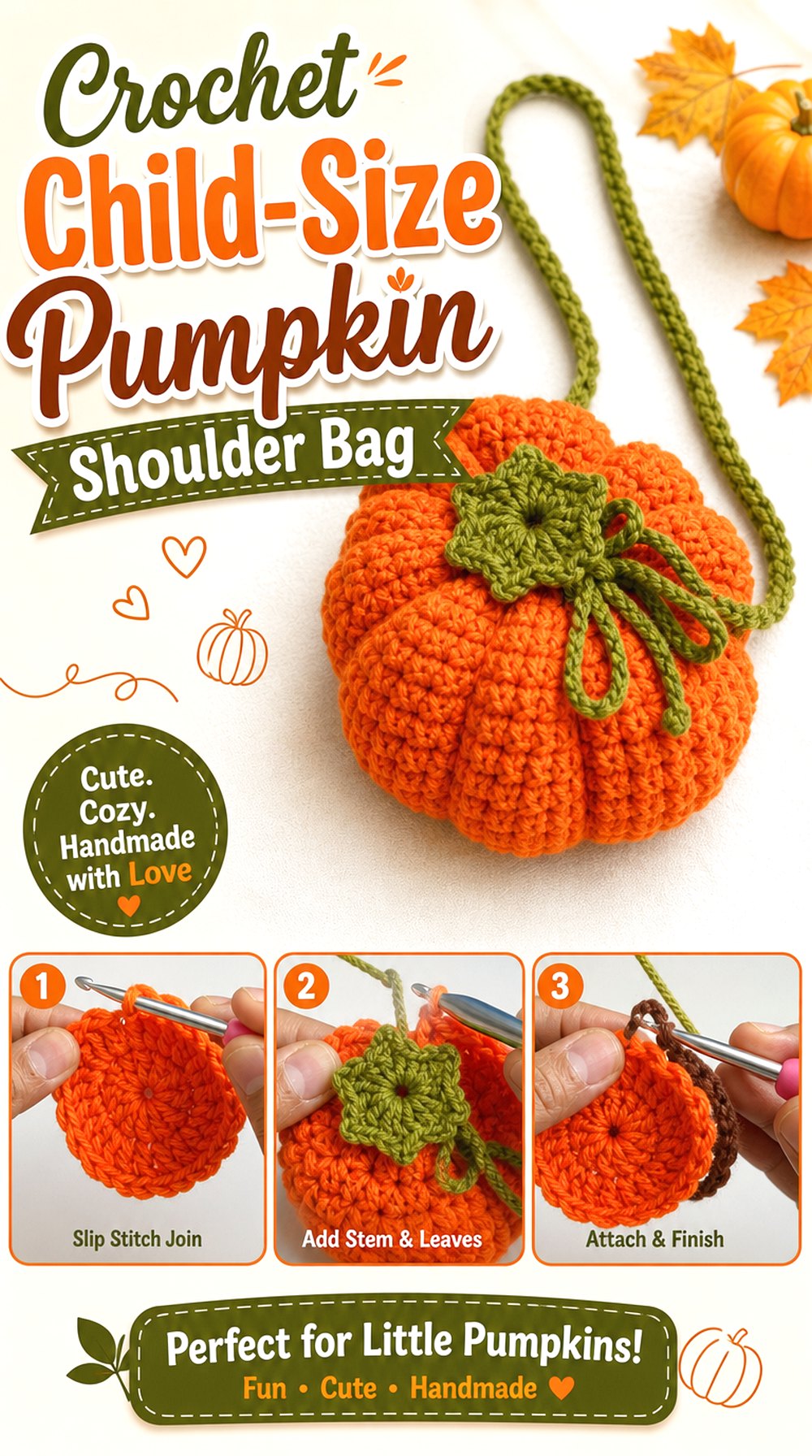
Crochetartcraft – Crochet Tutorial demonstrates a crochet pumpkin bag made for kids. This gives the collection a useful child-scale direction rather than another adult-proportioned purse.
If you want it worn over the shoulder, confirm the original handle and finished dimensions before altering anything. Children’s accessories also deserve extra restraint around long cords, dangling embellishments, or small detachable decorations. A shorter carried bag and a crossbody bag do not present exactly the same fit considerations, so the intended wearer and use should be decided before changing the strap.
Child Scale Should Be Checked on the Wearer
Do not infer a suitable strap drop solely from age labels or from how the bag looks on-screen. Body proportions vary, and a bag that hangs neatly on one child may sit too low on another.
If adapting the handle, check the bag on the intended wearer with ordinary clothing before finalizing the length. Pay attention to whether the bag interferes with walking or catches around the legs rather than focusing only on appearance.
Keep the Pumpkin Shape Useful, Not Just Cute
Small pumpkin bags can become visually successful but frustrating if the gathered or shaped opening is too narrow for the intended contents. Consider what the child actually needs the bag to hold and whether those items can pass comfortably through the opening.
If the project is mainly for costume use, that may be less important. For repeated everyday use, accessibility and secure attachment deserve more weight than adding extra decorations.
Be Conservative With Loose Seasonal Embellishments
Leaves, vines, buttons, beads, and similar additions can change the look quickly, but not every decorative choice suits every user. For a child’s bag, secure components appropriately and avoid casually adding loose or detachable pieces without considering how the bag will be used.
A simple embroidered or crocheted detail can sometimes give the seasonal effect without introducing unnecessary hardware or dangling elements
Creator: Crochetartcraft – Crochet Tutorial
Which Crochet Pumpkin Shoulder Bag Style Should You Choose?
For the closest match to a finished everyday purse, start with the textured lined bag or zippered jack-o’-lantern purse. They already address more of the finishing details associated with a functional shoulder accessory.
Choose the pumpkin granny square bag when you prefer a flatter construction and visible motif work. The rounded, compact, and roomy pumpkin bags place more emphasis on the pumpkin silhouette itself, while the drawstring versions suit a softer gathered look.
The jack-o’-lantern tote is the strongest overt Halloween direction. The mini pouch is better for experimenting with scale and decorative details, and the child-size bag makes more sense when proportion to a smaller wearer is the main planning concern.
Conclusion
The most useful crochet pumpkin shoulder bag is the one whose construction already matches how you want to carry and close it. Choose the lined or zippered options for a more purse-like finish, granny squares for a flatter motif-driven look, rounded bags for a strong pumpkin silhouette, or drawstrings for a softer gathered top.
If you adapt a treat bag or tiny pouch, plan the strap, attachment points, opening, and scale as real functional changes rather than simply making the handle longer. Decorative leaves and jack-o’-lantern faces can come after those decisions. For exact crochet construction, materials, and creator-specific techniques, use the original tutorials linked with each project.
Frequently Asked Questions
Can a crochet pumpkin treat bag be converted into a shoulder bag?
Yes, it can serve as a starting point, but the change involves more than extending the handle. Check whether the upper edge can support a longer strap, whether the body is an appropriate size for shoulder carry, and whether the bag remains balanced when loaded. A short hand-held handle and a long shoulder strap put different forces on the crochet fabric, so reinforcement or a different strap concept may be appropriate.
Should I line a crochet pumpkin shoulder bag?
Lining is useful when the crochet fabric has gaps, stretches more than you want, contains floats that could catch belongings, or needs a cleaner interior. It can also help small items stay contained. Lining is not automatically necessary for every dense crochet pouch, and it does not replace sound strap attachment. If you want a zipper or interior pocket, plan the lining and opening together rather than treating them as unrelated finishing steps.
Why does a crocheted shoulder strap get longer during use?
Crochet fabric can stretch when it is placed under sustained tension. The amount depends on the fiber, stitch structure, strap width and length, and what the bag carries. Longer, narrower straps may make stretch more noticeable. If this matters for your project, consider a less elastic strap structure, reinforcement, a lining-supported attachment, or a compatible non-crochet strap rather than assuming a tighter starting strap will solve every problem.
Can I turn pumpkin granny squares into a crossbody bag instead?
Yes, provided the motif layout creates a bag body that works at the intended scale. Measure the blocked squares before planning the panel and check that the upper edge offers sensible places for strap attachment. A crossbody strap is usually longer than a short shoulder strap, so stretch becomes an important consideration. Also check whether the joined motif fabric needs lining to prevent small belongings from catching in openings or seams.
Is a zipper or drawstring better for a pumpkin shoulder bag?
It depends on how you want to use the bag. A zipper produces a more conventional purse opening and gives small belongings a clearly closed compartment. A drawstring complements a rounded pumpkin shape and can visually create a stem-like gathered top, but it reduces the usable opening when tightened. For quick-access treat bags, an open top may be sufficient. Choose the closure before finalizing top-edge decoration and strap placement.
How can I keep a rounded crochet pumpkin bag from losing its shape?
Start by checking the fabric density and how the empty bag behaves before adding extra structure. Stretchy fabric, an unsupported base, or overfilling can make a round pumpkin body sag. Depending on the project, a well-fitted lining or compatible base support may help, but avoid forcing the crochet shell into an unnatural rigid shape. The goal is to support the intended silhouette while preserving the texture and proportions that make the bag look like a pumpkin.