Looking for neck warmers that feel thick, cushy, and seriously warm? Ribbing and thermal-style stitches are your best friends. They trap air, stretch comfortably, and look polished—whether you like sleek solids, soft velvet pile, or cake-y gradients. Below are 15 tried-and-true patterns and tutorials that cover the bases: buttoned styles that won’t mess your hair, snug mock-turtleneck fits, one-skein quickies, and plush statement cowls. I’ve matched each idea to a real tutorial with clear photos, then crafted a photo-ready vertical image prompt that mirrors the tutorial’s look and color. Expect practical sizing notes, yardage hints, and one tip you can use right away. Pick your favorite, raid your stash, and get a cozy win on your hook tonight.
Caron Short Row Ribbed Neckwarmer
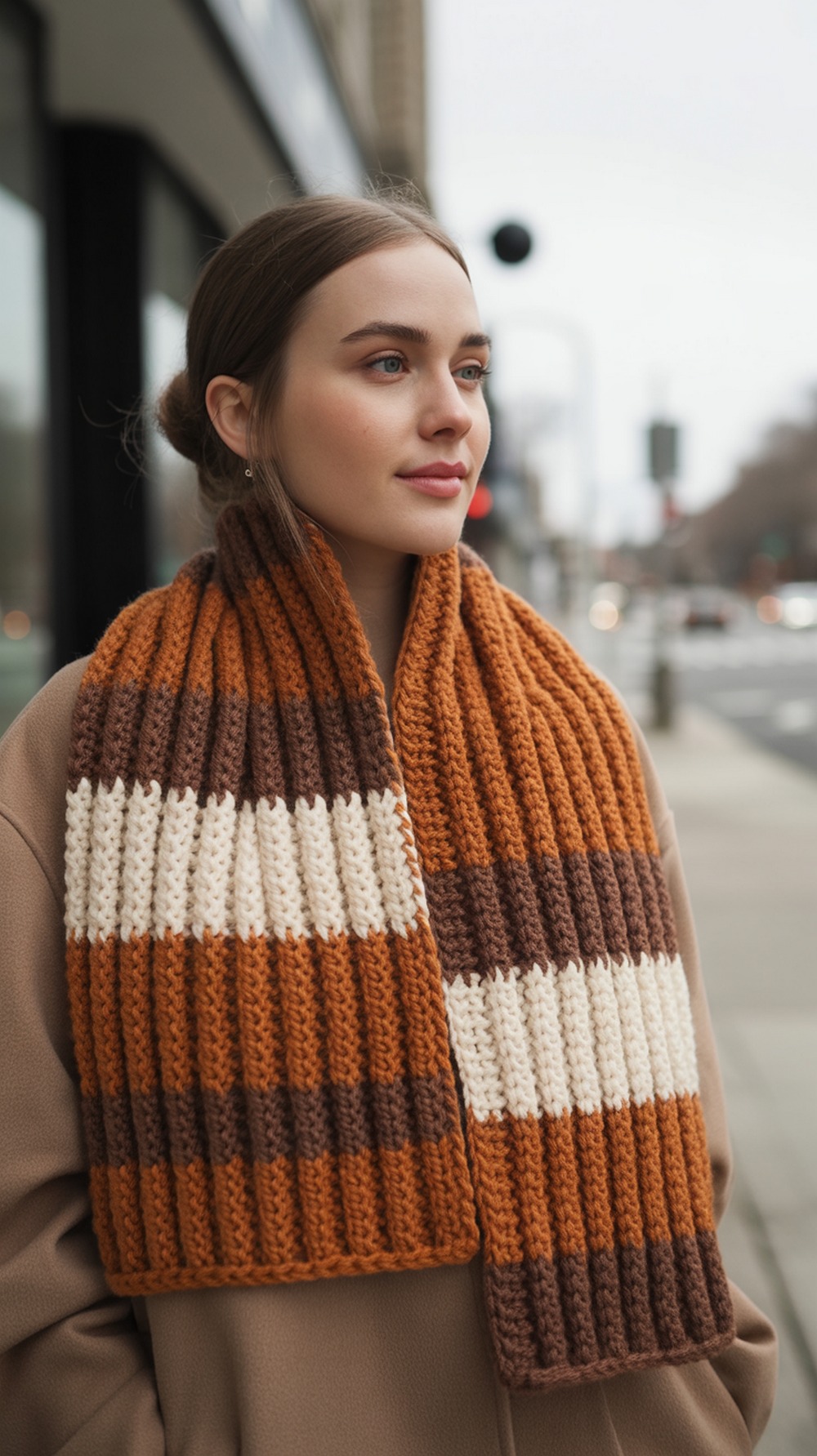
This easy ribbed neckwarmer uses back-loop stitches and short rows to shape the shoulders, so it lies flat under coats without bulk. Worked sideways, the built-in color changes make the stripes—no yarn juggling required. Aim for a 20–22″ lower opening for adults; add/reduce repeats to fit broader shoulders. One actionable tip: mark the turning points with locking markers so your short rows stay consistent. Slip it on over tees or thermals when wind picks up. Full instructions and colorways in the Caron pattern—grab it and go. Tutorial.
Supplies:
- Worsted acrylic #4 (self-striping)
- 5.0 mm (H) hook
- Locking stitch markers
- Yarn needle
Why it’s great: Short rows + BLsc ribs = tailored, comfy fit.
Classic Button Up Ribbed Neck Warmer
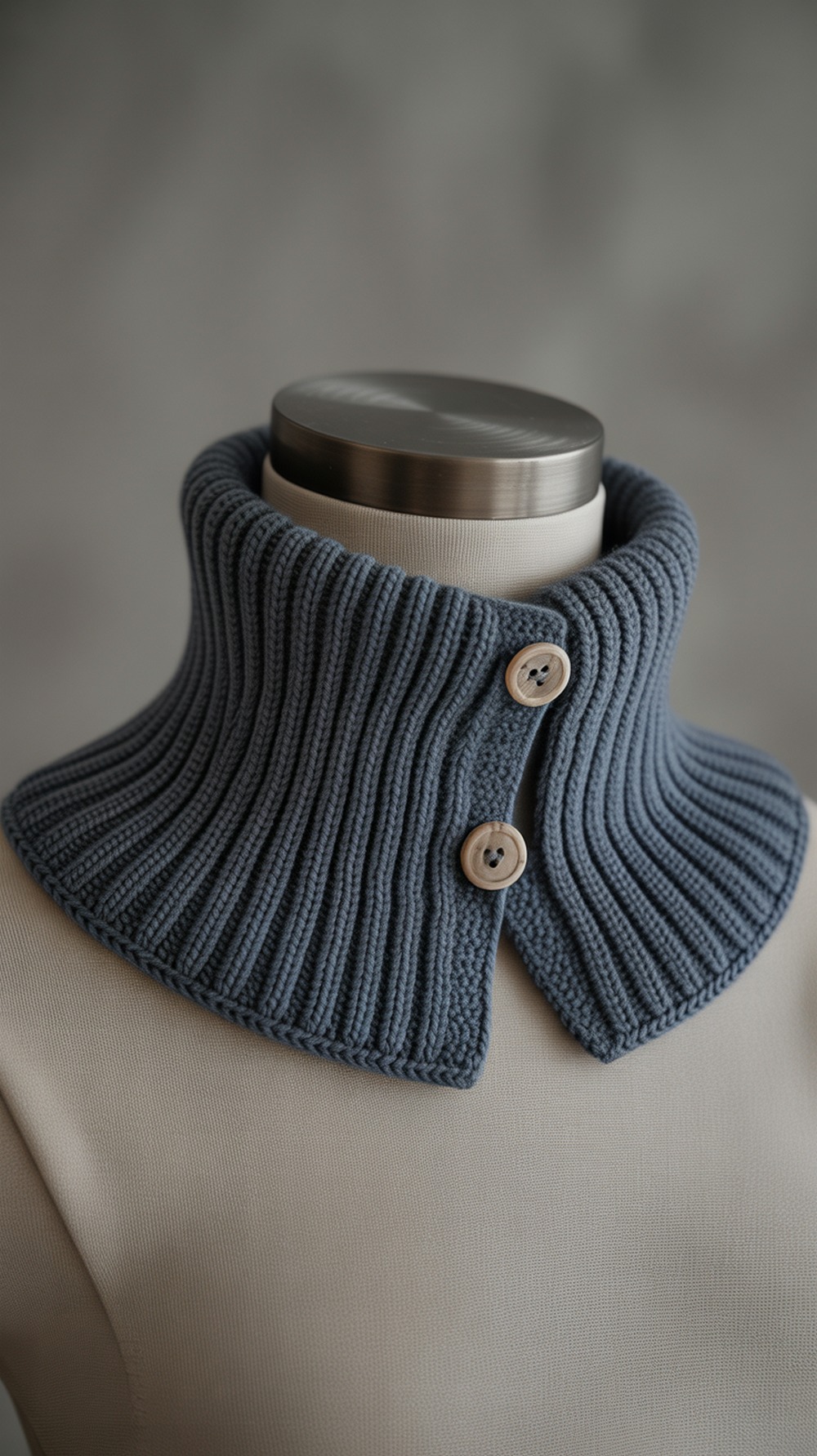
Prefer a neat, office-friendly look? This buttoned neck warmer works flat, then seamed, with simple ribbing that lays smooth under blazers. Make S/M or L/XL; for custom length, add rows in the middle section before edging. Tip: choose low-profile buttons and sew them where your stitch spaces naturally act as buttonholes—no extra fuss. Great quick gift and easy to dress up in heathered tones. Tutorial.
Supplies:
- Worsted acrylic #4 (soft)
- 5.5 mm (I) hook
- 3–4 buttons, 1″
- Yarn needle, tape measure
Why it’s great: Buttons = on/off without tugging hair.
Velvet Ribbed Cowl

If you want maximum softness, this velvet ribbed cowl is it. Slip-stitch and single-crochet rows create lofty ribs while two strands of velvet yarn add plush thickness without weight. Work to your preferred wrap length; 55–60″ before seaming gives a luxe drape. Tip: keep slip stitches relaxed—switch to a larger hook on slip-stitch rows if you tend to tighten. The “Dusty Pink” looks elegant and photographs beautifully. Tutorial.
Supplies:
- Worsted velvet (poly) #4 (held double)
- 10.0 mm hook
- Stitch markers
- Yarn needle
Why it’s great: Velvet pile + ribs = cloud-soft warmth.
Sassy Autumn Ribbed Cowl

This beginner-friendly rectangle transforms into a ribbed, buttoned cowl with fall gradients doing the colorwork for you. Worked in front/back post double crochet, the ribs pop, and the fold-and-seam finish creates a V front. Plan roughly 34″ x 10″ before folding; one gradient cake is enough. Tip: audition button placement after folding so it sits centered on your best stripe. Tutorial.
Supplies:
- Light/DK #3 gradient acrylic
- 5.0 mm (H) hook
- 1 large button
- Yarn needle
Why it’s great: Cake yarn = effortless ombré ribs.
Unique Skein Ribbed Cowl with Royal Edging
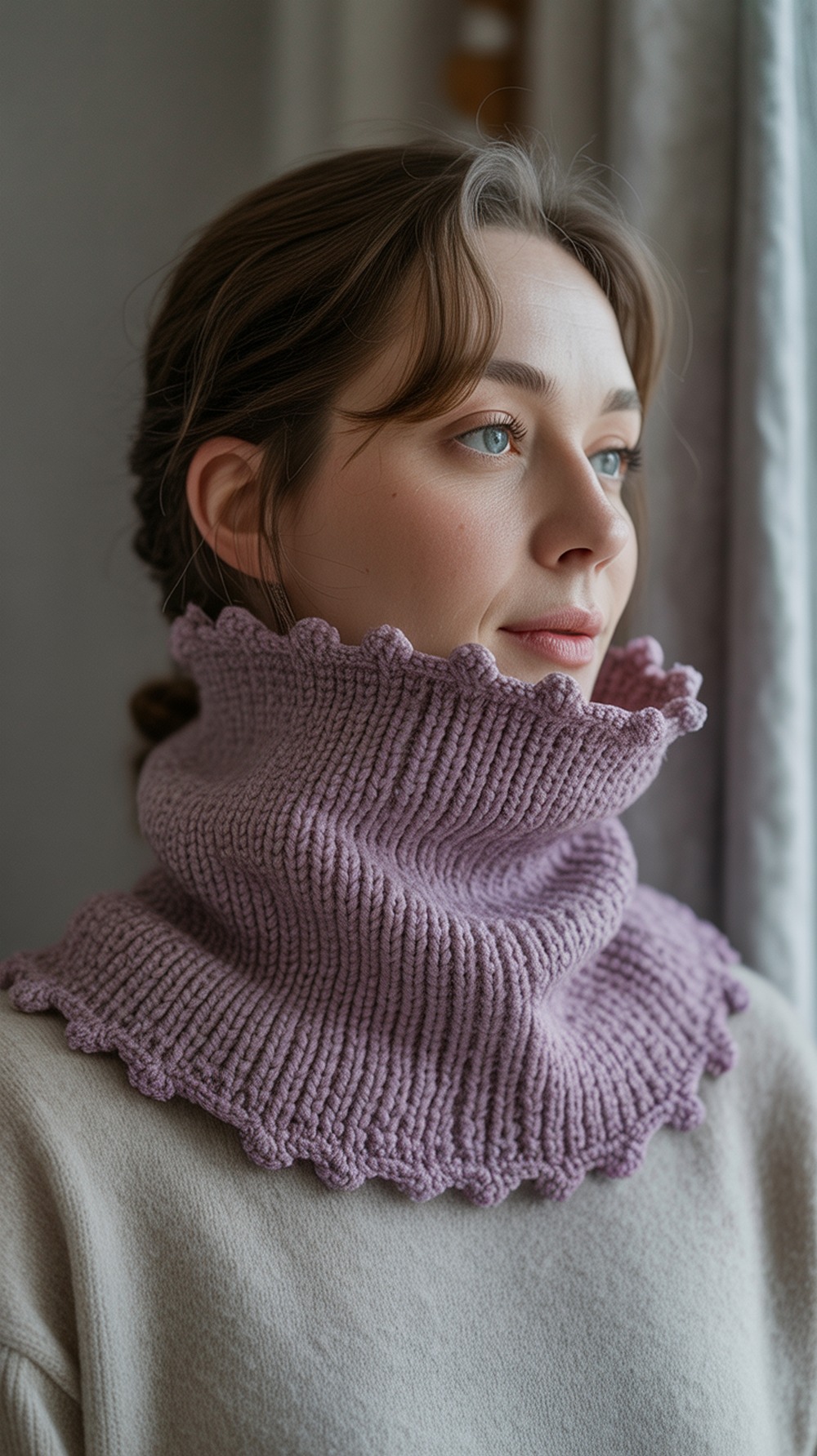
Start with simple third-loop half-double-crochet ribs, then add a bobble-and-picot crown edging for a striking finish. It’s truly one skein in DK, about 220 yds. For a looser drape, block the ribbed section before adding the trim. Tip: place markers every 6 stitches around the edging round to keep increases on track. This one pairs perfectly with wool coats. Tutorial.
Supplies:
- DK #3 wool or acrylic (~220 yds)
- 5.0 mm (H) hook
- Stitch markers
- Yarn needle, scissors
Why it’s great: Classic ribs + decorative edge in one skein.
Ashland Rib Stitch Neck Warmer

Designed to maintain bounce, this rib combo alternates back-loop and third-loop HDC for a stretchy, resilient fabric. Make an 11″ x 21″ rectangle, seam, and you’re done. Bulky #5 works fast; one skein of tweed gives pretty flecks without fuss. Tip: measure the foundation row to 11″ and adjust early—ribbing can deceive your eye as it springs back. Tutorial.
Supplies:
- Bulky #5 acrylic tweed (~125 yds)
- 8.0 mm (L) hook
- Measuring tape
- Yarn needle
Why it’s great: Springy ribs that don’t grow out over time.
Knit Look Third Loop Cowl
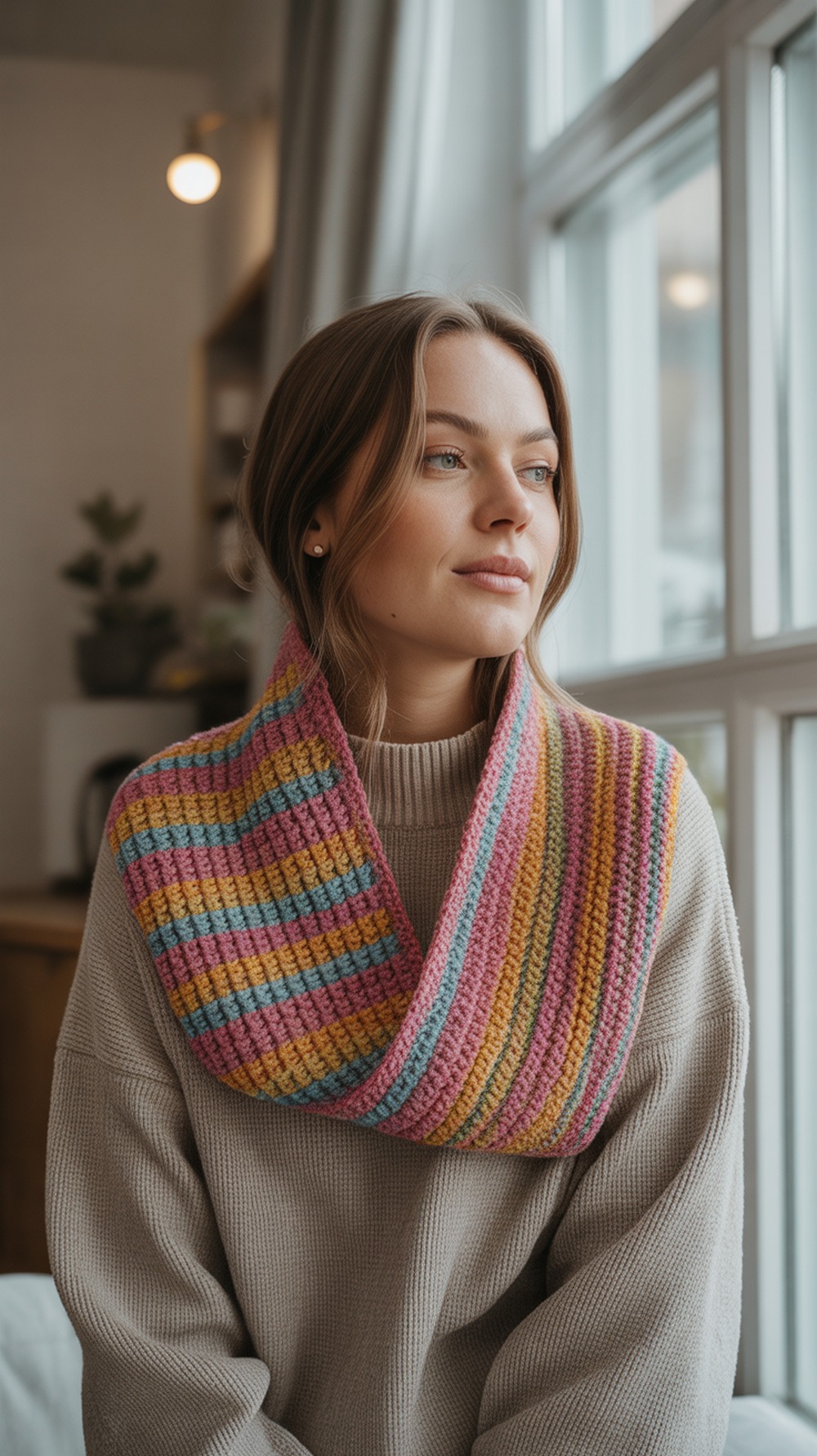
Half-double crochet in the third loop only (hdc-3LO) creates a knit-like rib you can do in the round. This pattern includes cowl and infinity sizes; one skein makes the cowl. For seamless rounds, don’t slip-stitch join—use a marker and spiral up. Tip: insert a normal hdc row every few rib rows to break pooling if you’re using marled yarns. Tutorial.
Supplies:
- Worsted #4 marled acrylic (~200 yds)
- 6.0 mm (J) hook
- Stitch marker
- Yarn needle
Why it’s great: True knit-look texture with simple stitches.
Fireside Neck Warmer
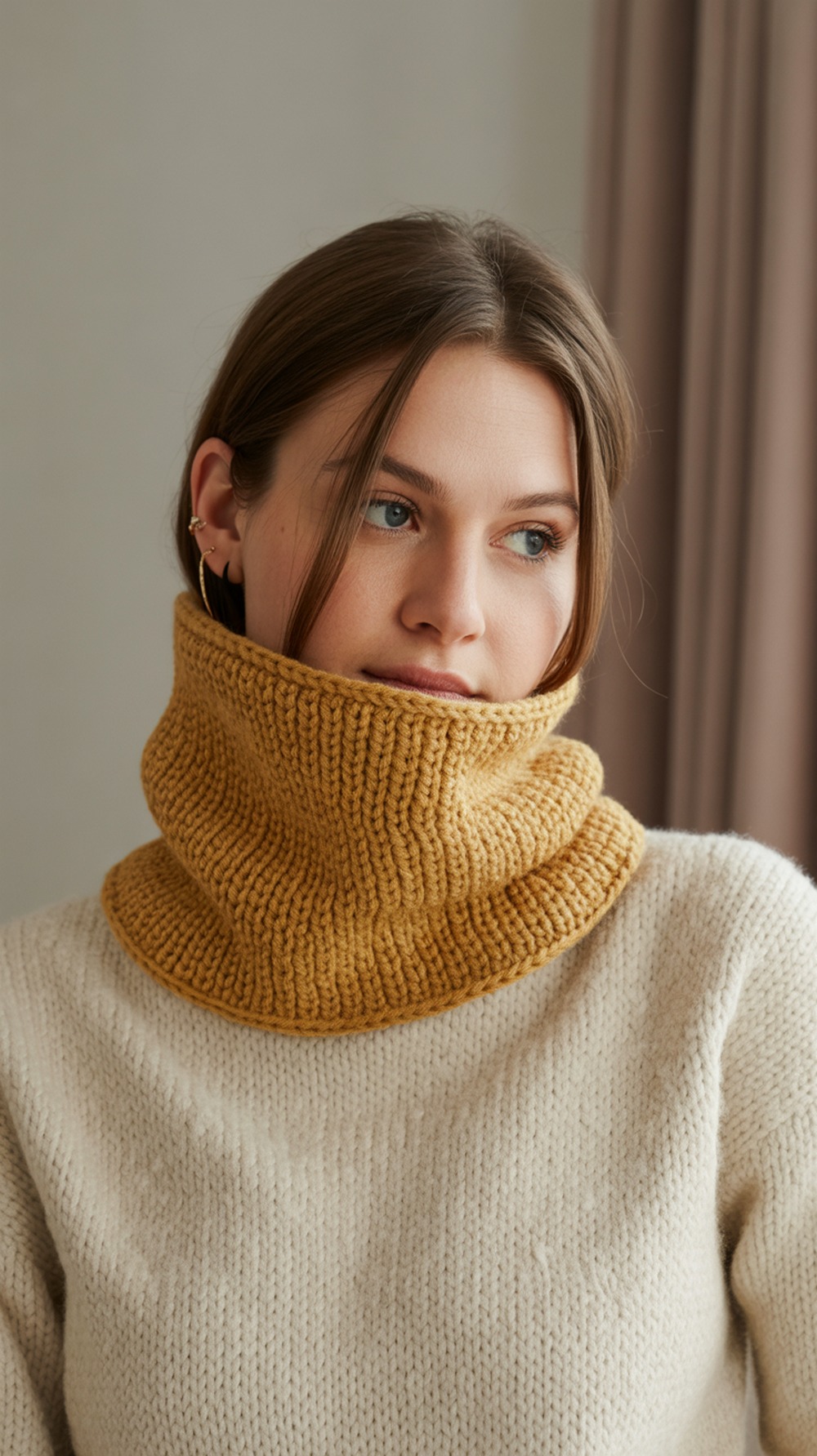
Prefer that sweater-collar feel? This snug neck warmer is worked in the round for a reversible texture and close fit—no drafts sneaking in. Aim for ~28″ circumference and 8–9″ tall; check fit midway by slipping it on. Tip: begin with a stretchier foundation (FHDC) so the bottom edge doesn’t squeeze. The golden tweed yarn shown adds rustic warmth. Tutorial.
Supplies:
- Worsted #4 tweed acrylic (~300 yds)
- 6.0 mm (J) hook (+ larger for foundation if needed)
- Yarn needle
- Scissors
Why it’s great: Warm, gap-free, sweater-like comfort.
Easy Neck Warmer
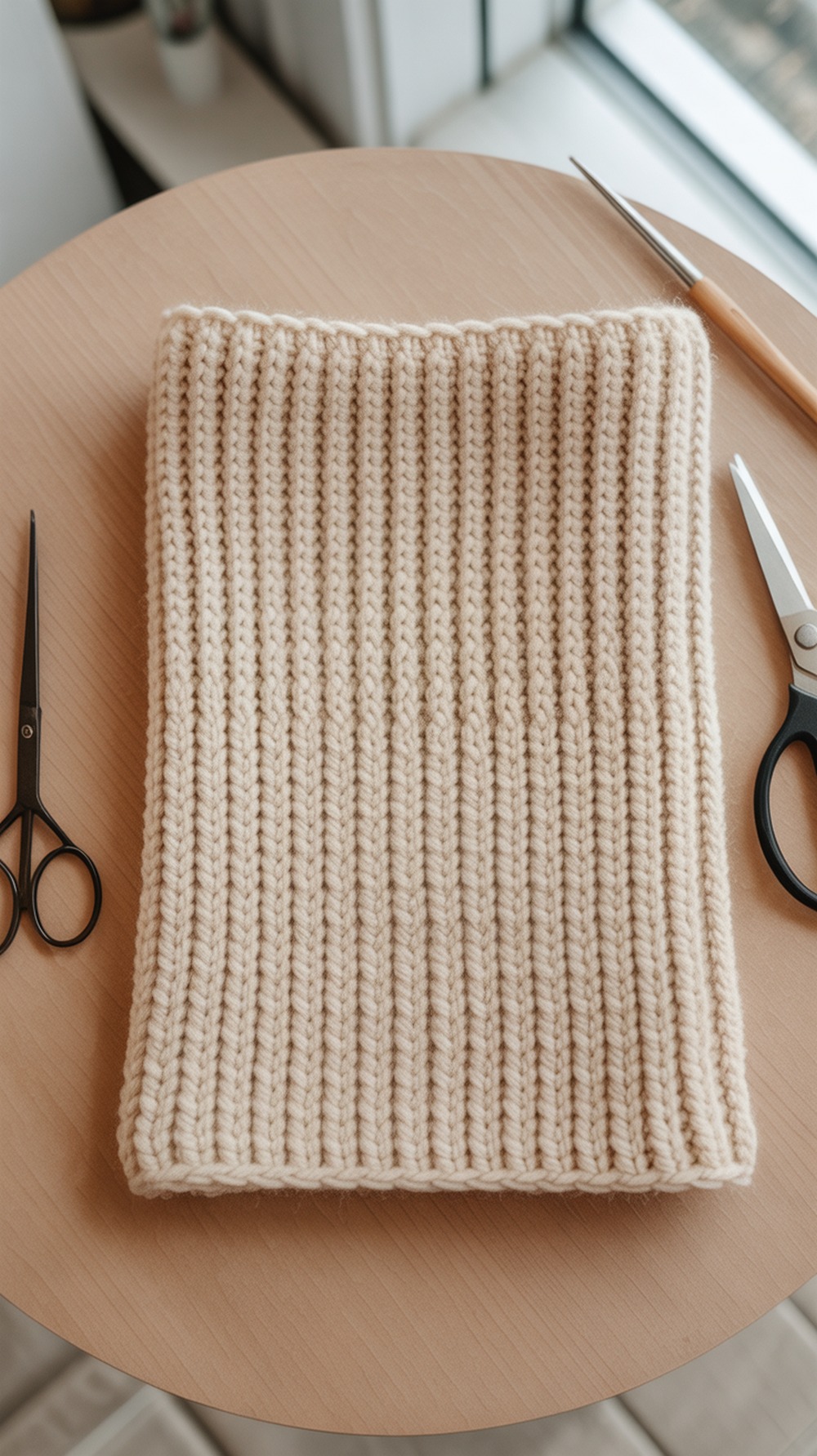
New to crochet? This step-by-step pattern (with video) walks through a simple neck warmer you can finish in an evening. Work to your preferred height (7–9″); for stretch, keep edges loose and block lightly. Tip: when joining the ends, use an invisible mattress seam so the rib line flows. Choose neutrals for all-season wear. Tutorial.
Supplies:
- Worsted #4 acrylic (1–2 skeins)
- 6.0 mm (J) hook
- Yarn needle
- Clips or markers
Why it’s great: Clear video support for brand-new crocheters.
Charming Camo Ribbed Cowl

Worked in back-loop single crochet, this unisex cowl has elastic ribs and a low profile that fits under jackets. The camo yarn softly shifts greens and tans, hiding joins and ends. Make it taller for a fold-over collar or shorter for a gaiter style. Tip: keep your stitch count consistent—BLO rows can hide increases; count every couple of rounds. Tutorial.
Supplies:
- Worsted #4 acrylic (camo)
- 5.5 mm (I) hook
- Yarn needle
- Measuring tape
Why it’s great: Easy, stretchy ribs in a guy-friendly palette.
Buttoned Neckwrap
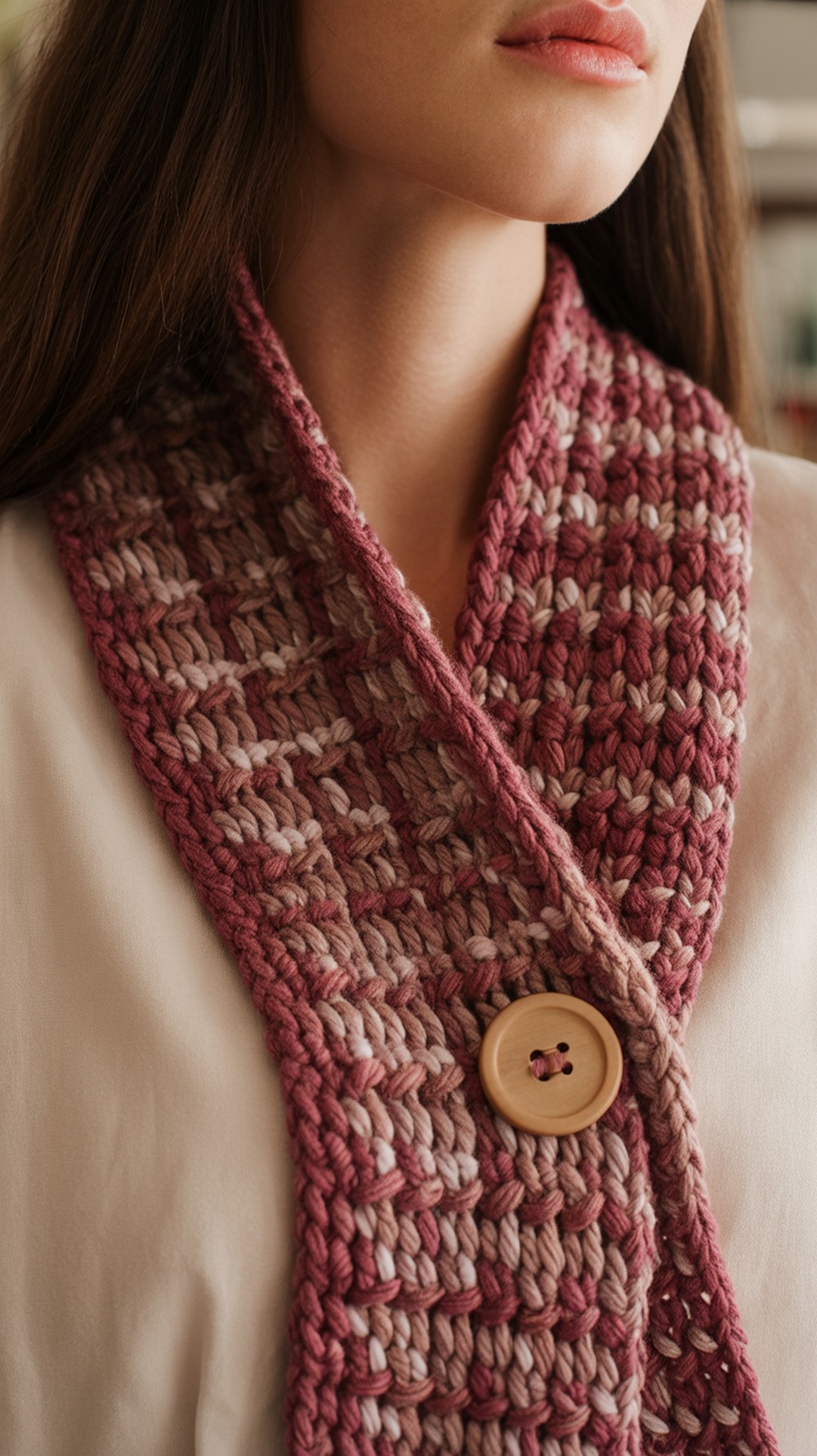
If you want “gift tonight,” this bulky buttoned neckwrap uses an easy repeat and lets the button slide through stitch spaces—no buttonholes needed. Work to approx. 26–28″ long; try on and place the button where it feels snug but comfy. Tip: go up one hook size on the foundation chain for a softer edge. Tutorial.
Supplies:
- Bulky #5 acrylic/wool
- 9.0 mm (M/N) hook
- 1–2 statement buttons
- Yarn needle
Why it’s great: One-evening make with a stylish closure.
Winter Frost Spike Rib Cowl
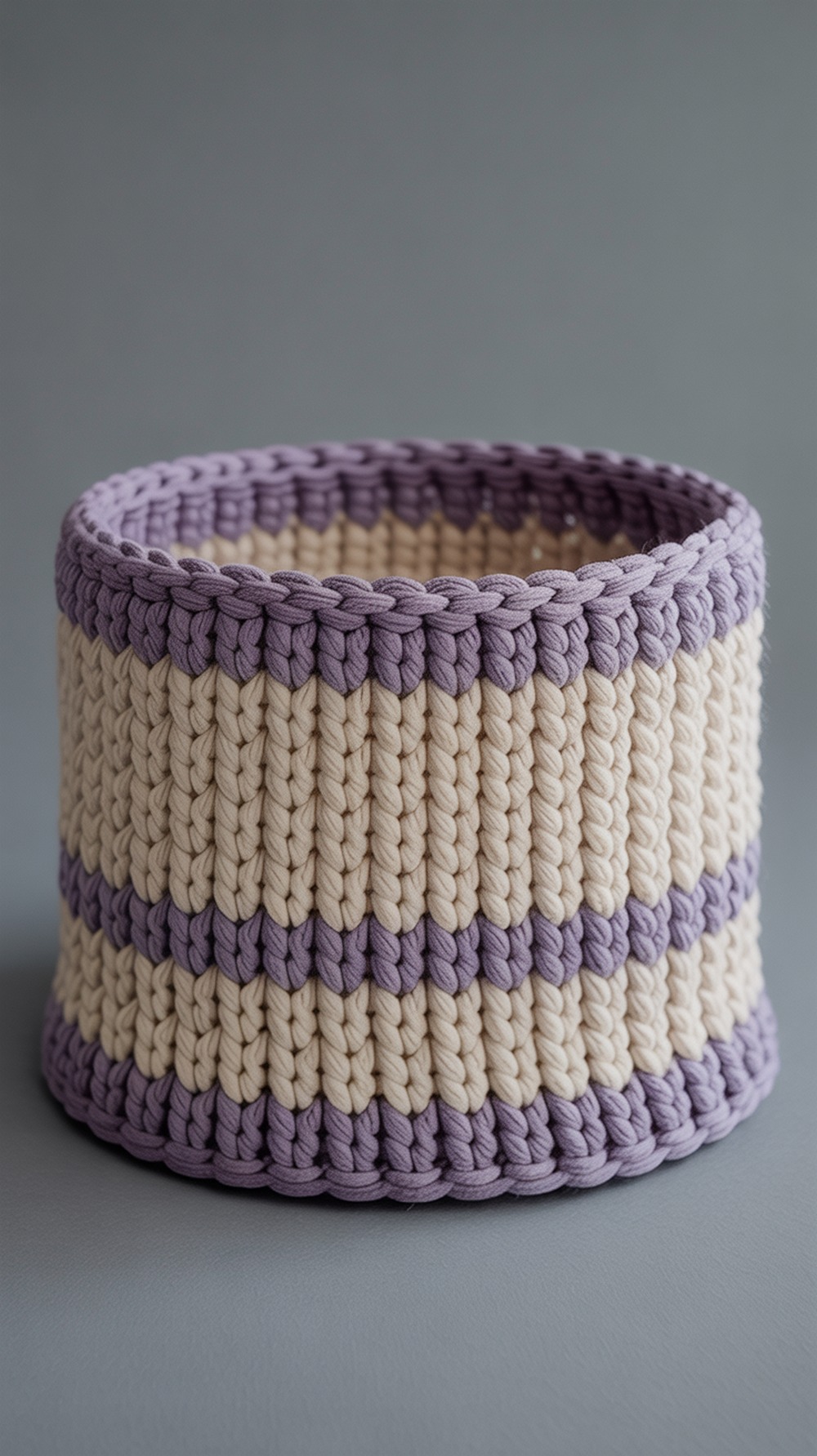
Want texture that reads from across the room? This pattern alternates simple rounds with spike-stitch motifs, framed by tidy edges. Use high-contrast colors (e.g., dusty purple + cream) to make the pattern sing. Tip: keep tension even on spike stitches—pull up loops to the row height, not taller, for a clean chevron look. Tutorial.
Supplies:
- Worsted #4 acrylic (2 colors)
- 6.0 mm (J) hook
- Yarn needle
- Stitch marker
Why it’s great: Graphic texture with easy repeats.
Double Velvet Cowl
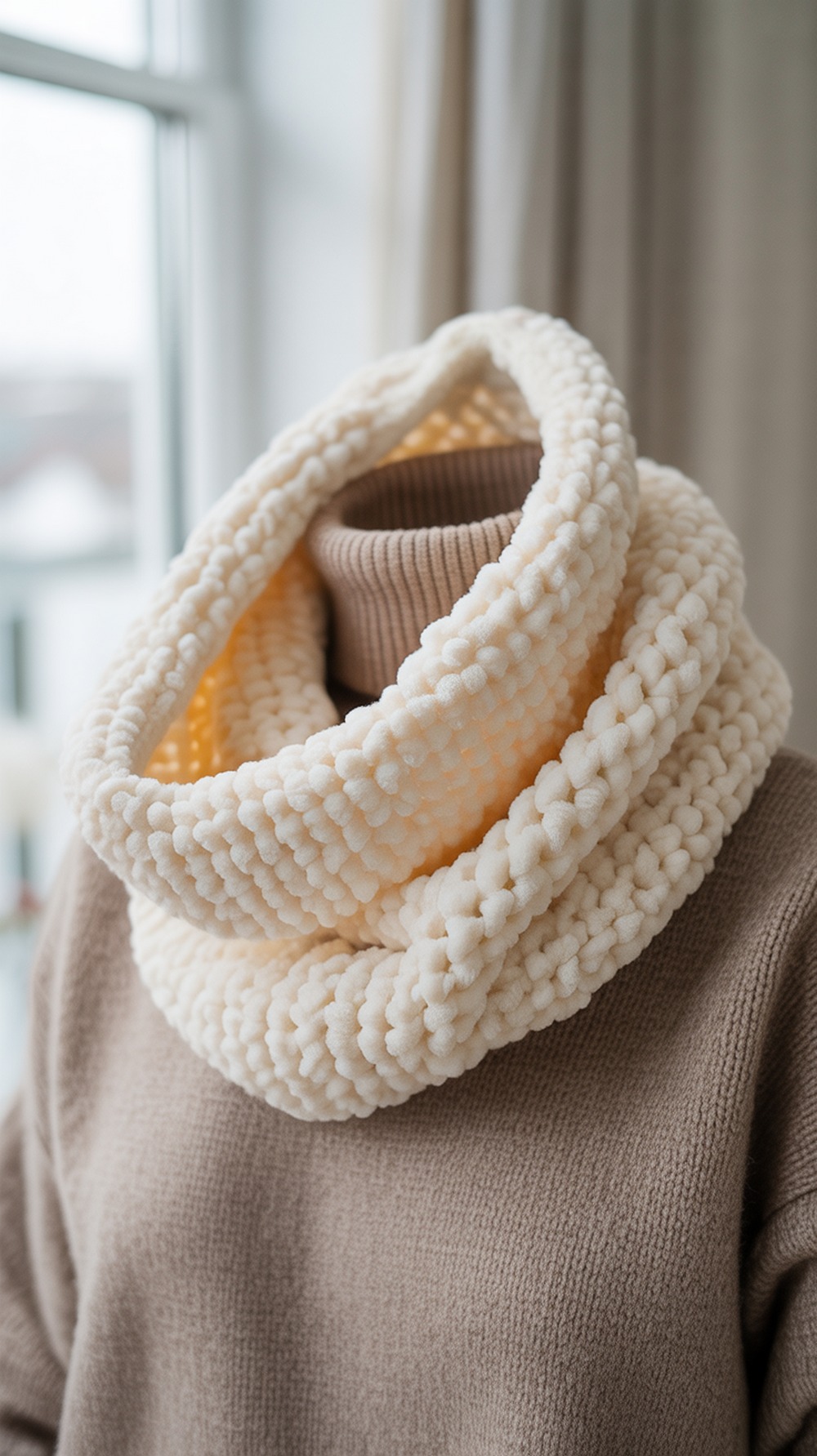
Plush yet sleek, this double-sided velvet cowl gives warmth without a thick roll at the neck. It’s built from two layers for extra insulation and a neat edge finish. Use bulky or two strands held together for a quick make. Tip: keep a lint roller handy during weaving—velvet sheds a bit while you work, then settles. Tutorial.
Supplies:
- Velvet yarn #4/#5 (poly)
- 8.0–9.0 mm hook
- Stitch markers
- Yarn needle
Why it’s great: Luxe feel, cozy warmth, elegant drape.
Snug Ribbed Cowl in the Round

Worked seamlessly in the round, this rib-textured cowl uses third-loop HDC for a cushy, reversible fabric. The tutorial demonstrates stitch placement and shows a tidy edge finish. For a closer fit, stop at ~28″ circumference; for slouch, add rounds to 9–10″ tall. Tip: start with FHDC for a stretchier opening. Tutorial.
Supplies:
- Worsted #4 acrylic (~280–300 yds)
- 6.0 mm (J) hook (+ 8.0 mm for foundation)
- Yarn needle
- Scissors
Why it’s great: Easy, reversible rib that hugs gently.
One Hour Ribbed Cowl
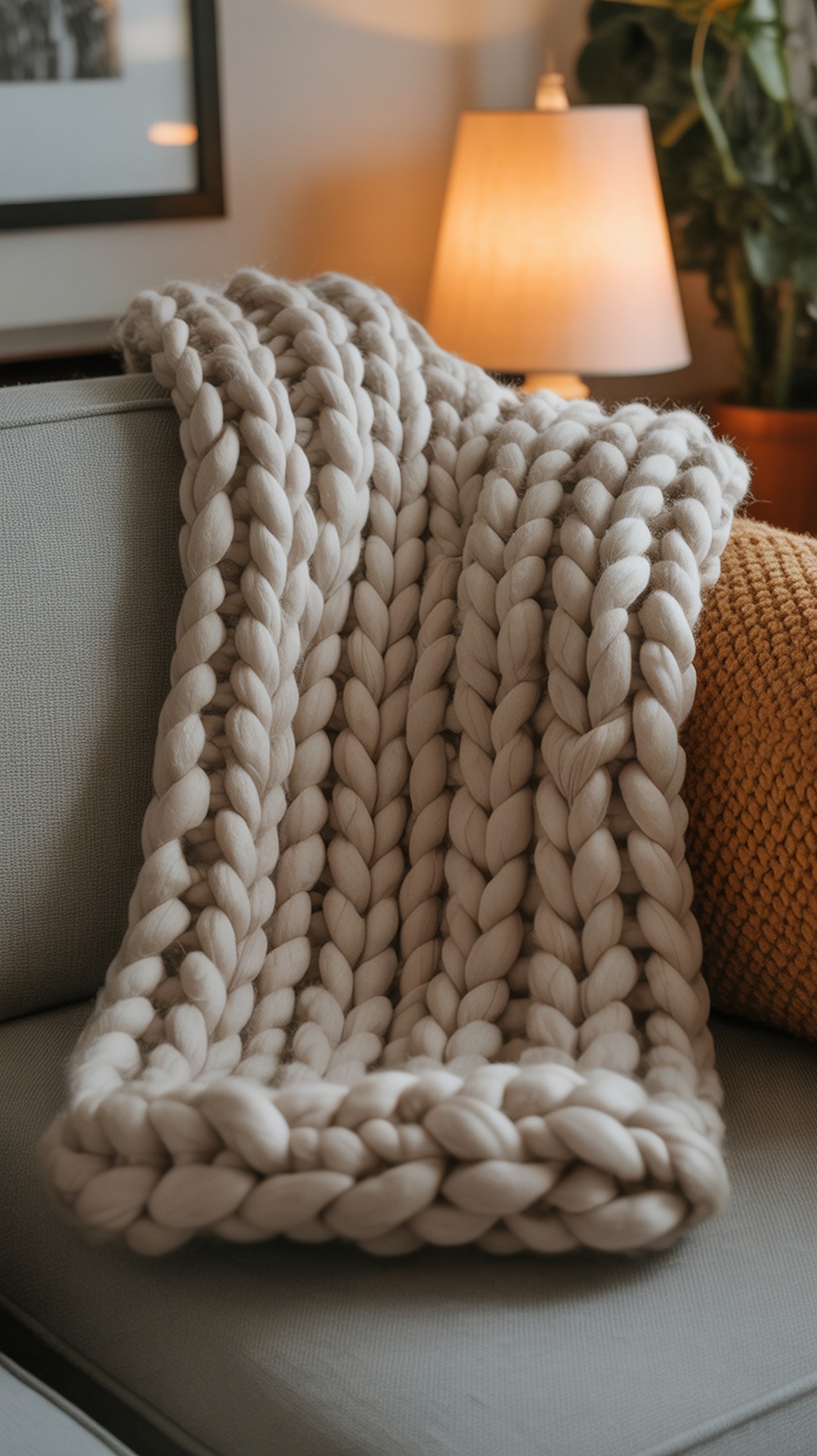
Need a last-minute gift? This speedy cowl uses super-bulky yarn and a straightforward round-and-round repeat. You’ll get generous rib-like texture and a squishy feel in about eight rounds. Tip: measure after round three—if it’s too loose, drop a hook size; too snug, add a round before finishing.
Supplies:
- Super-bulky #6 (1 skein)
- 12–15 mm hook
- Big yarn needle
- Stitch marker
Why it’s great: True “done tonight” with cozy ribs.
Conclusion
Pick one that fits your yarn and time: a one-skein ribbed cowl for instant gratification, a buttoned version for easy on/off, or a snug mock-turtleneck for true draft-blocking warmth. Ribbing and thermal-style stitches give stretch, thickness, and a clean finish—perfect for gifts or everyday wear. Bookmark this list, share it with your crochet friends, and come back when you’re ready for the next cozy make. Happy hooking!
FAQs
What yarns work best for ribbed/thermal neck warmers?
Worsted (#4) acrylic or wool blends are versatile; bulky (#5–6) makes plush, fast projects; velvet gives luxury. Choose smooth, round plies for crisp ribs.
Machine wash or hand wash—and how to dry?
Acrylics are usually machine-wash cold, lay flat to dry. Wool blends: gentle hand wash or machine wool cycle in a mesh bag, lay flat. Velvet: cool wash, no heat; always lay flat.
How do I scale patterns for different neck sizes?
Add/subtract repeats or rows in the body (length) and adjust height by adding rounds. For buttoned styles, place buttons to fine-tune fit.
What fibers are safest for kitchen or high heat?
Avoid synthetics near heat sources. For general wear outdoors, acrylic/wool blends are fine. For heat exposure (not typical for wearables), cotton is safest.
How can I make joins/edgings sturdier for daily use?
Use FHDC for stretch, slip-stitch or crab stitch (reverse SC) edging for structure, and mattress stitch for invisible, strong seams. Weave ends in multiple directions.
Typical time and yardage?
One-skein DK/Worsted ribbed cowls: ~200–300 yds, 2–4 hours. Bulky ribbed or buttoned neckwraps: ~100–180 yds, 1–2 hours. Short-row shoulder warmers: ~250–350 yds, 3–5 hours.
Tips for photographing projects nicely?
Use daylight by a window, neutral backgrounds, and a portrait orientation. Focus on stitch texture and include a torso-level crop for context.
Fixing curling, stretching, or wavy edges?
Block lightly to relax curling; add a single crochet or crab-stitch edge for firmness; if stretching, go down a hook size on foundation or use FHDC for even elasticity.