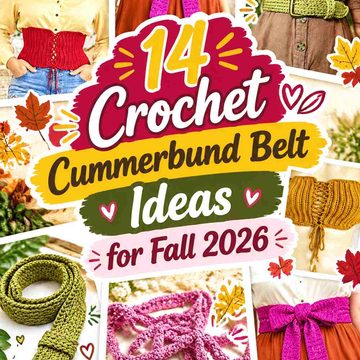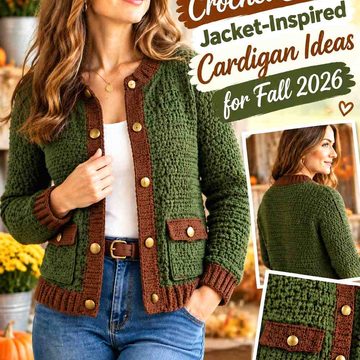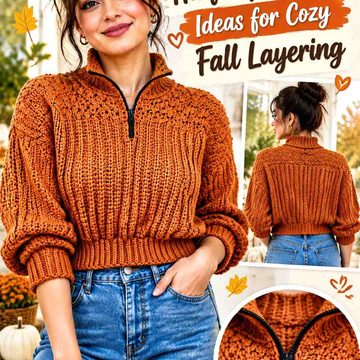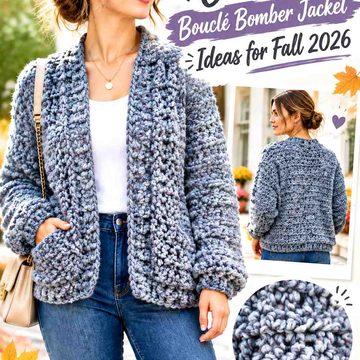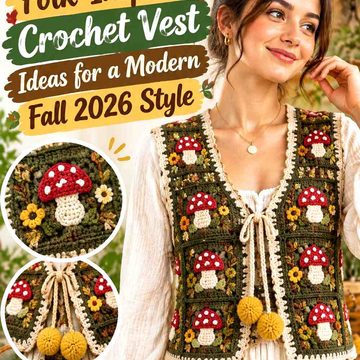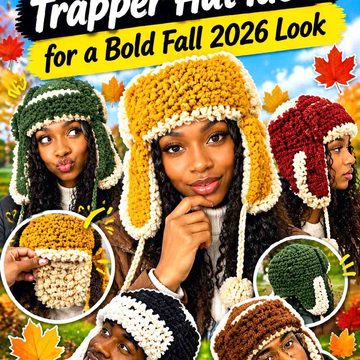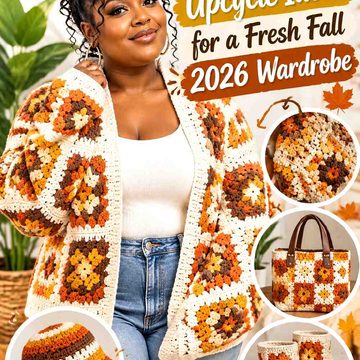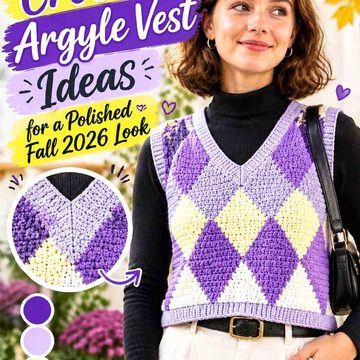
Crochet cardigans are the ultimate cozy-meets-practical project: wearable, giftable, and surprisingly beginner-friendly. This collection brings together modern shapes (hexagons, rectangles, easy drop-shoulder) and classic comforts (ribbing, pockets, textured stitches). You’ll find quick chunky wins you can finish over a weekend, plus drapey everyday layers to wear year-round. Each pick includes one clean, direct tutorial link with clear photos or videos so you can follow along confidently, even if this is your first garment. We’ve noted skill level, realistic time estimates, and budget-friendly yarn options you can find at any craft store. Whether you love seamless construction, color-blocking, or simple stripes, there’s a sweater here that will teach you a new technique without the stress. Grab a soft yarn, your favorite hook, and let’s make a cardigan you’ll live in.
Day Chunky Cardigan
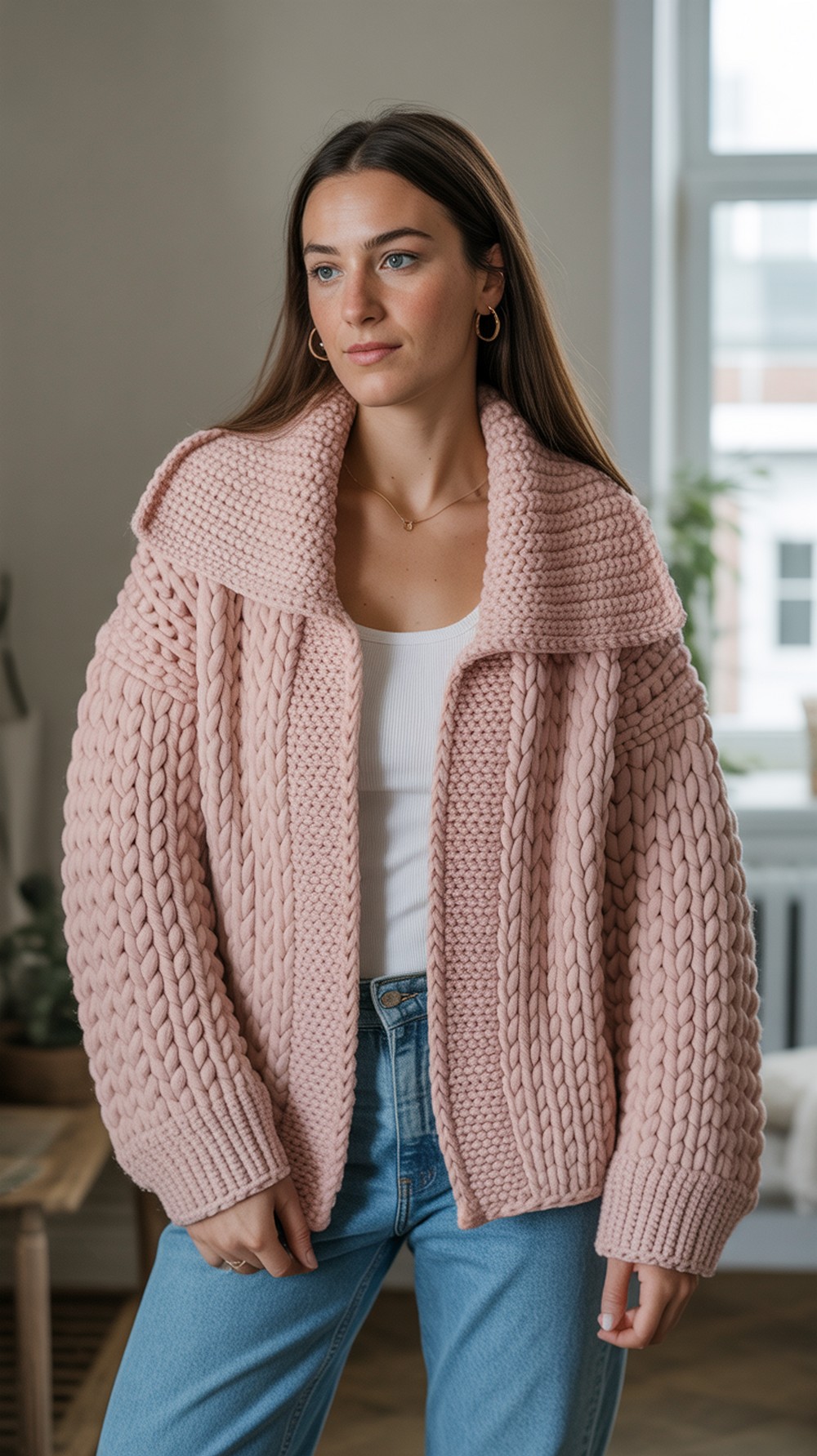
Need an instant- gratification make? This beginner-friendly chunky cardigan works up in a handful of sessions thanks to super bulky yarn and straightforward shaping. The roomy fit layers effortlessly over tees and dresses, and the ribbed bands give a polished look without fussy techniques. Expect about 800–1,200 g of yarn depending on size; check your gauge so it doesn’t grow. Tip: wet block lightly to relax the ribbing but avoid overstretching. Ready to knock out a wearable in a weekend? Tutorial
Supplies: super bulky yarn; 9–10 mm hook; yarn needle; removable stitch markers
Why it’s great: Big yarn + simple stitches = fast, confidence-boosting finish.
Campfire Hexagon Cardigan
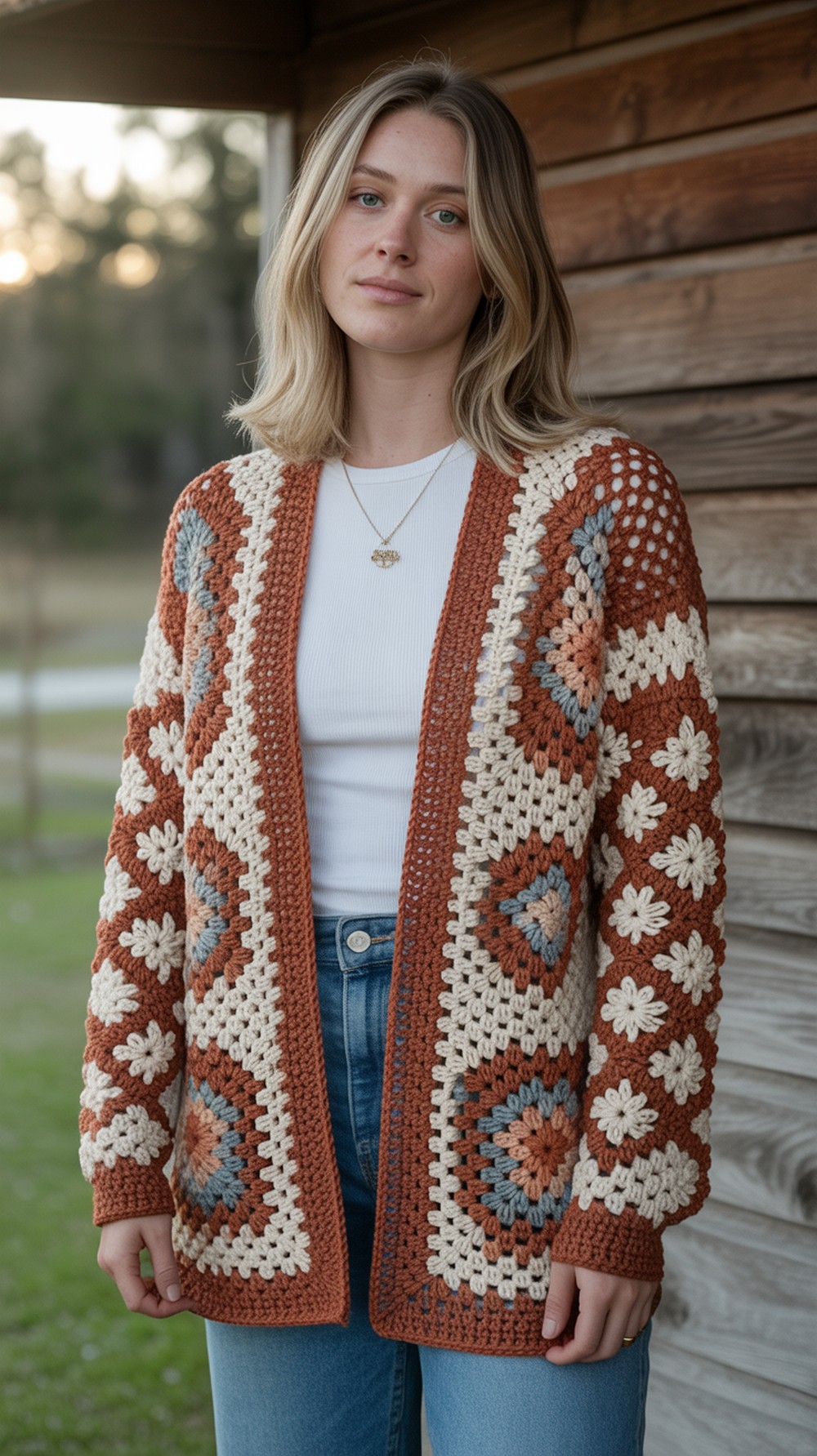
This clever construction starts with two identical granny hexagons that fold to form back, fronts, and sleeves—no scary shaping required. The fit is customizable as you add rows around the hexagons, making it great for beginners learning garment sizing. Plan 1,000–1,600 yds for adult sizes; add a hood or pockets if you like. Try self-striping yarn for effortless color play. Tip: label hexagon sides so folding makes sense later. Tutorial
Supplies: Worsted acrylic/wool blend; 6.0 mm hook; markers; tapestry needle
Why it’s great: Two granny hexagons fold into a sweater—mind-blowing and easy.
Habitat Rectangle Cardigan

If garments intimidate you, start here. The Habitat Cardigan is built from easy rectangles you seam and finish with relaxed sleeves and a generous collar. Expect a soft, drapey layer that flatters without cling. Yardage ranges 1,200–1,800 yds; the tutorial covers sizing from S/M to 2/3X and includes a video. Tip: measure sleeve length on an existing favorite sweater to match your preferred fit. Tutorial
Supplies: Worsted acrylic; 6.0 mm hook; tape measure; needle
Why it’s great: A wearable cardigan made from simple rectangles—zero shaping stress.
Everyday Cardigan

Sewrella’s Everyday Cardigan is a wardrobe workhorse: simple stitches, clean lines, and a fit that layers over everything. You’ll work panels, seam, then add ribbing for a store-bought look. Pattern is size-inclusive with helpful measurements, making it easy to adjust length or sleeve width. Estimate 1,200–1,900 yds depending on size. Tip: switch to a half size smaller hook for ribbing to keep it snug. Tutorial
Supplies: Worsted yarn; 6.5 mm hook; yarn needle; buttons optional
Why it’s great: Classic fit with approachable construction and a full video.
Hydrangea Cardigan

This airy cardigan features an easy, pretty stitch that reads polished without being fussy. The relaxed silhouette is perfect over tanks or dresses, and the lighter yarn weight keeps it seasonless. Yardage runs 1,200–1,800 yds; swatch to ensure the fabric isn’t too dense. Tip: steam block the finished pieces to open the texture before seaming. Tutorial
Supplies: DK/light worsted yarn; 4.5–5.0 mm hook; markers; needle
Why it’s great: Lightweight drape and subtle texture for a spring-to-fall layer.
Cozy Days Daisy Cardigan

Build a cheerful cardigan from daisy granny squares, then join and shape for a polished, wearable finish. Stephanie’s photos and sizing charts guide you through customizing width and sleeve length. Plan 1,400–2,000 yds total plus contrasting colors for centers and petals. Tip: assemble squares with a join-as-you-go method to save time and keep seams flat. Tutorial
Supplies: Worsted cotton blend; 5.0 mm hook; many stitch markers; blocking mats
Why it’s great: Granny-square daisies + modern shaping = joyful statement layer.
Colorstripe Cardi
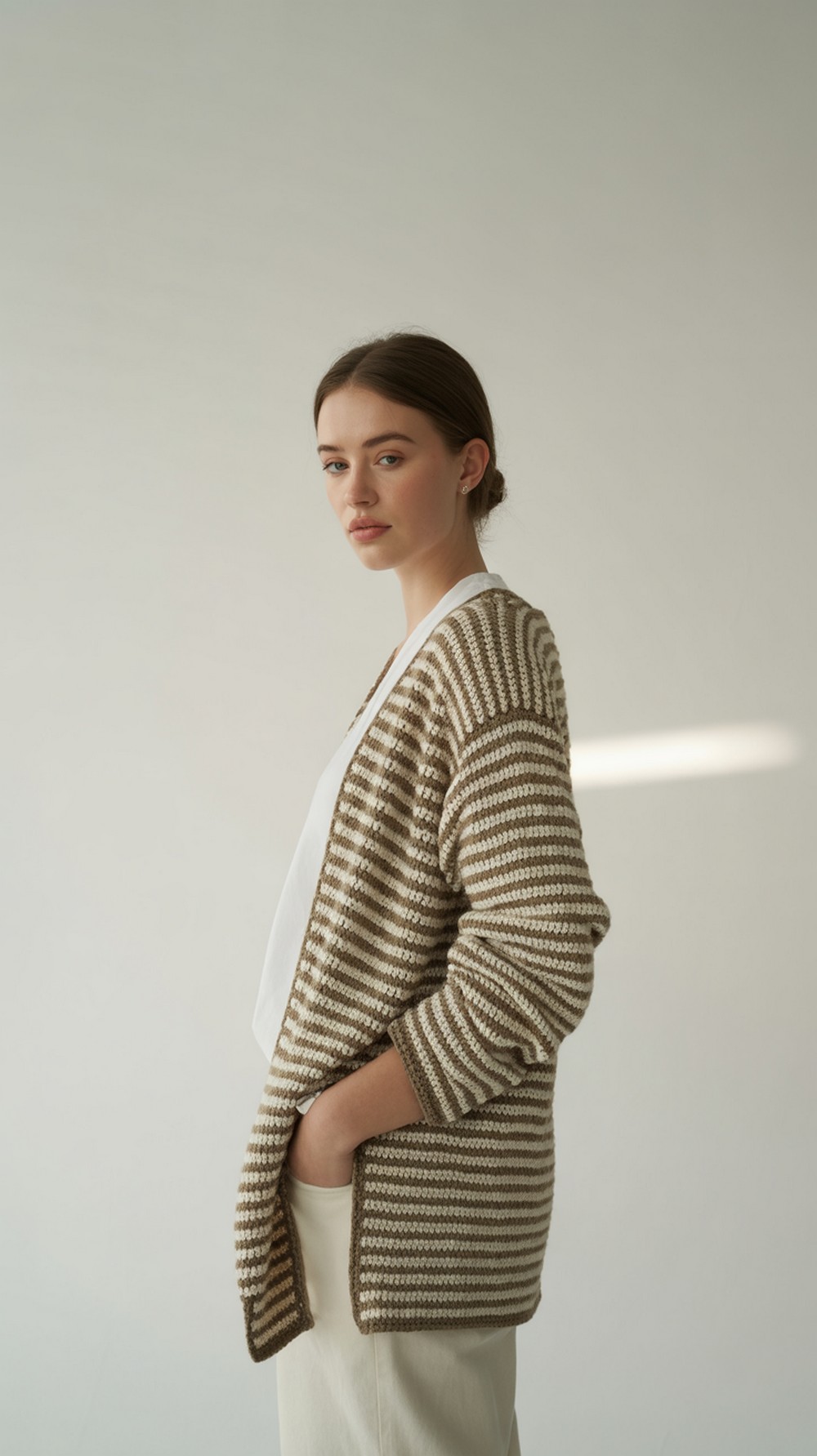
Alexandra mixes simple stitches with graphic stripes for a cardigan that looks boutique-level but crochets like a breeze. The drop-shoulder shape is forgiving, and the pattern includes helpful notes on color changes and edging. Budget 1,200–1,900 yds depending on size and stripe plan. Tip: carry yarn up the edge between stripes to minimize ends, then cover with the front band. Tutorial
Supplies: Worsted or bulky; 6.0–6.5 mm hook; needle; tape measure
Why it’s great: Bold color blocks with simple stitches and a cozy, oversized vibe.
Emerick Cardigan
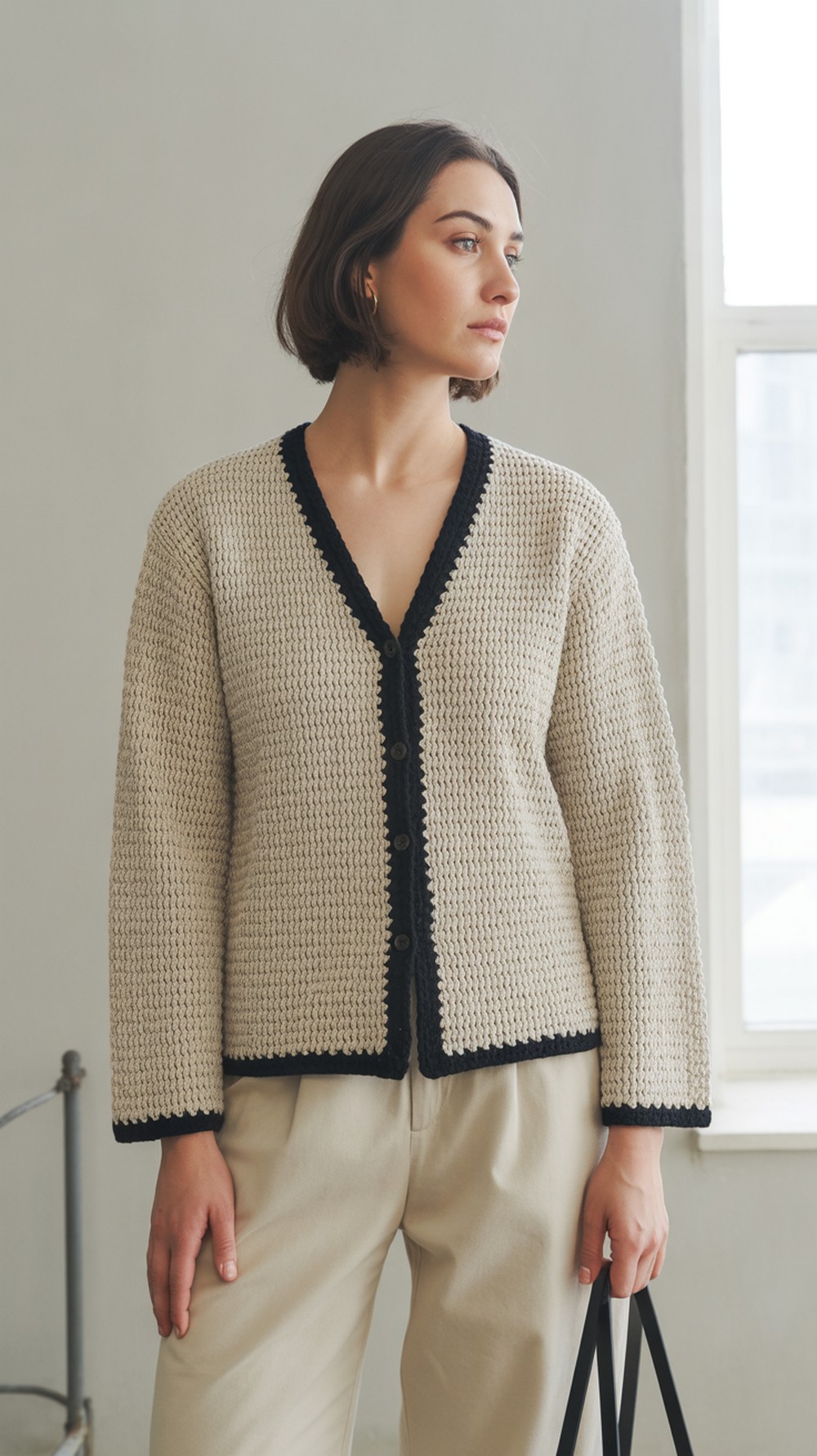
The Emerick Cardigan uses rhythmic stitches and tidy colorwork to create a minimalist statement piece. It’s approachable, size-inclusive, and easy to modify lengthwise. Expect 1,200–1,800 yds; choose smooth yarn to show off the neat linen stitch. Tip: weave ends as you stripe to save a finishing marathon. Tutorial
Supplies: Worsted cotton/wool; 5.5–6.0 mm hook; markers; needle
Why it’s great: Linen-stitch texture and contrast edging feel modern and crisp.
Work From Home Cardigan

Tamara’s cardigan is all about ease: uncomplicated panels, cozy collar, and a swooshy fit you’ll toss on daily. The pattern covers helpful measurements so you can tweak body and sleeve length. Plan ~1,100–1,700 yds. Tip: block before adding the front band to ensure a flat, ripple-free edge. Tutorial
Supplies: Aran/worsted acrylic; 6.0 mm hook; needle; markers
Why it’s great: Soft, drapey topper designed for desk-to-errands comfort.
Market Day Cardigan

This cardigan blends clean shaping with approachable stitch patterns for a versatile everyday layer. Moogly’s CAL-style series breaks the make into manageable chunks with both right- and left-handed videos. Expect 1,300–2,100 yds; swatch to keep the fabric fluid. Tip: keep a row checklist for the panel shaping—future you will thank you. Tutorial
Supplies: DK/light worsted; 4.5–5.0 mm hook; markers; blocking tools
Why it’s great: A polished, size-inclusive cardigan released in guided parts with videos.
Easy Blanket Cardigan
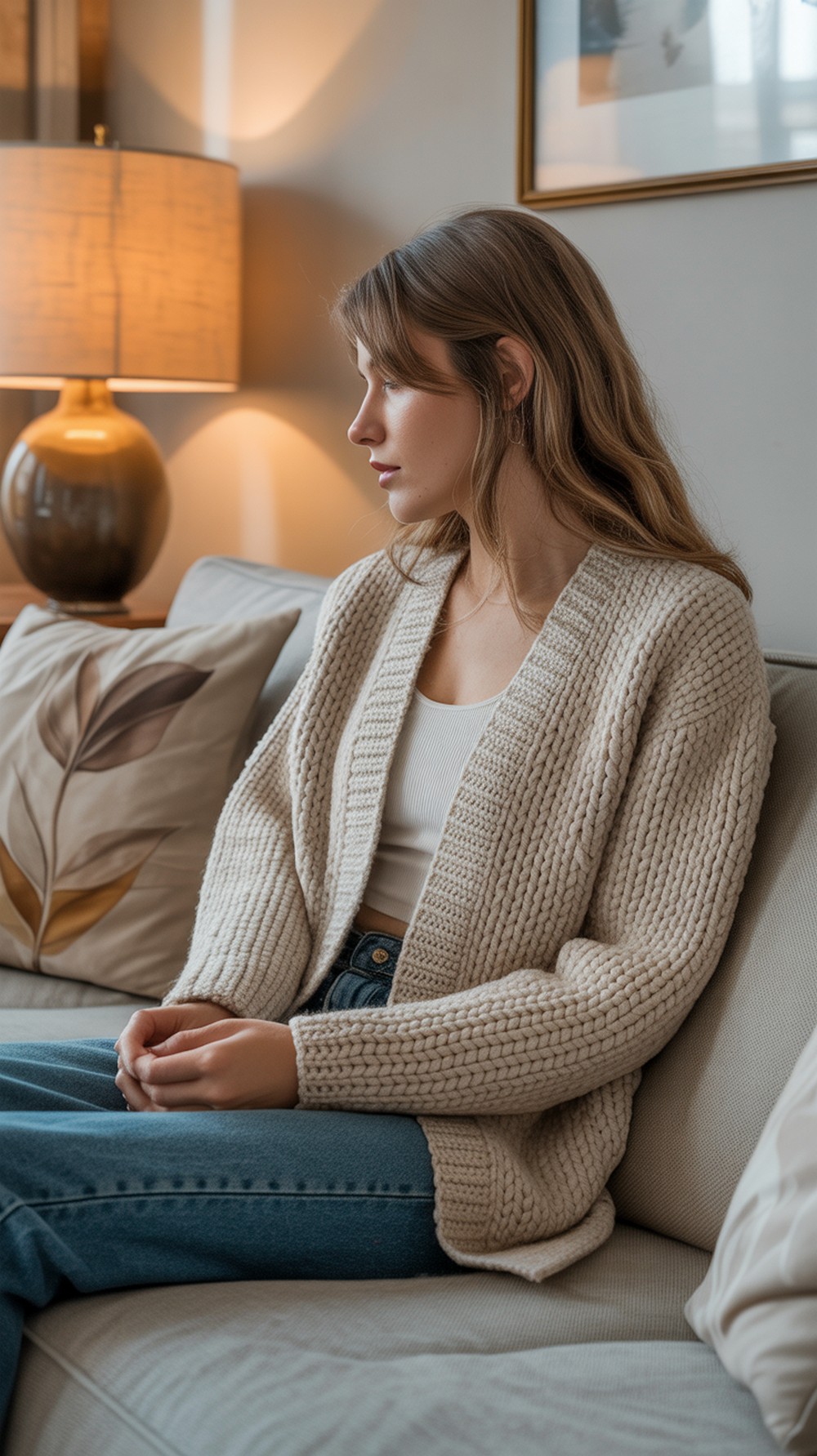
This cardigan feels like wearing your favorite throw blanket but looks chic thanks to ribbed edging and a cocoon silhouette. Construction is a simple rectangle with strategic seaming, ideal for new garment makers. Yardage varies widely (900–1,400 yds) depending on yarn weight and size. Tip: work looser on body rows and tighten up on the ribbing so the edges hug. Tutorial
Supplies: Bulky or worsted held double; 8–9 mm hook; needle; tape measure
Why it’s great: A cozy cocoon built from a rectangle—super fast and snuggly.
Block Party Office Cardi
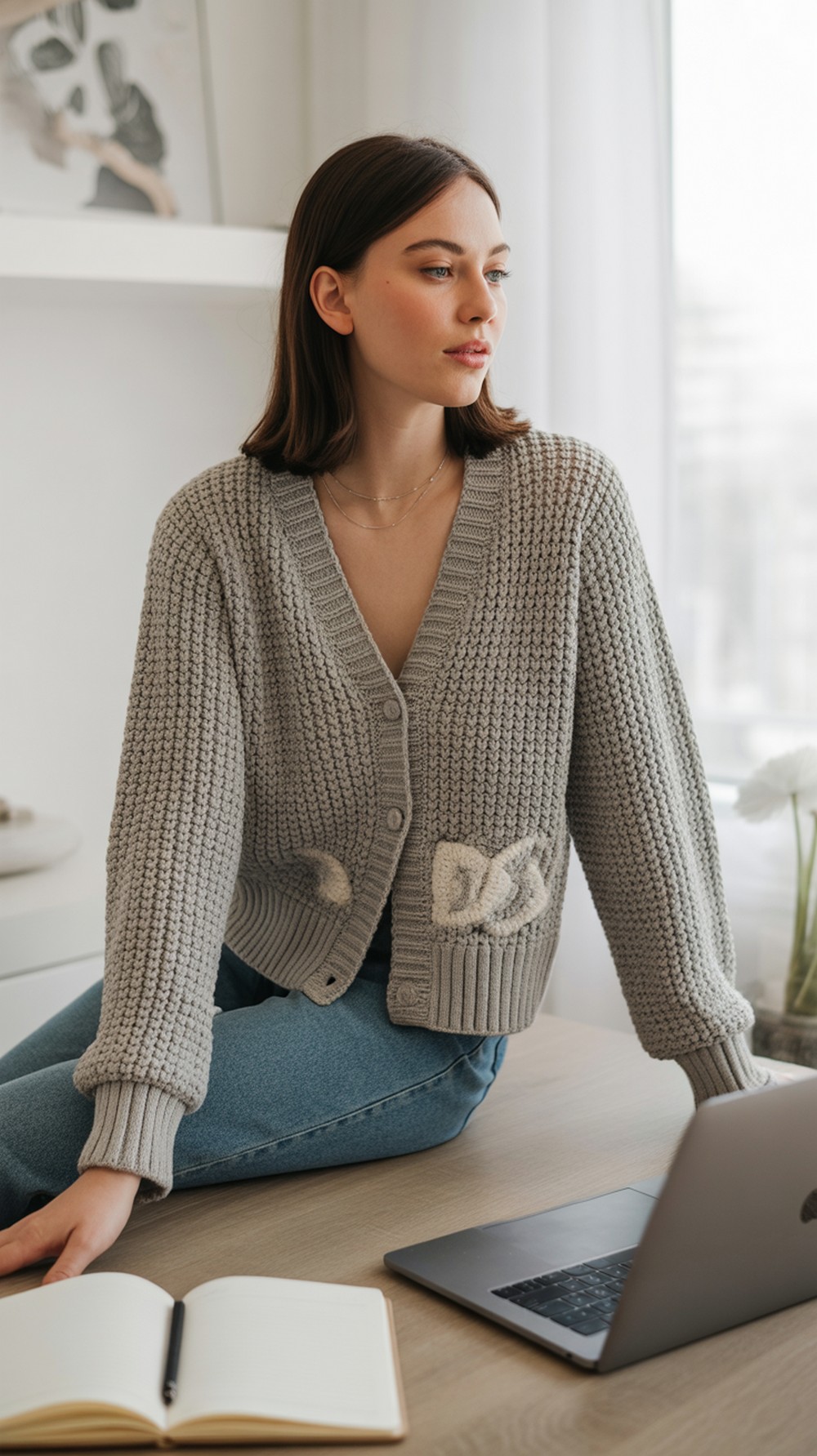
If you want something you can leave on your chair and wear daily, this is it. The Block Party Office Cardi offers relaxed shaping, subtle stitch interest, and easy finishing. It’s written for XS–5X with clear bust and length notes. Expect ~1,100–1,800 yds. Tip: match your ribbing row count on both fronts so the band lies even when buttoned. Tutorial
Supplies: Worsted acrylic; 5.5–6.0 mm hook; markers; needle; buttons optional
Why it’s great: Office-friendly silhouette with pops of texture and nine sizes.
Open Front Comfy Cardigan
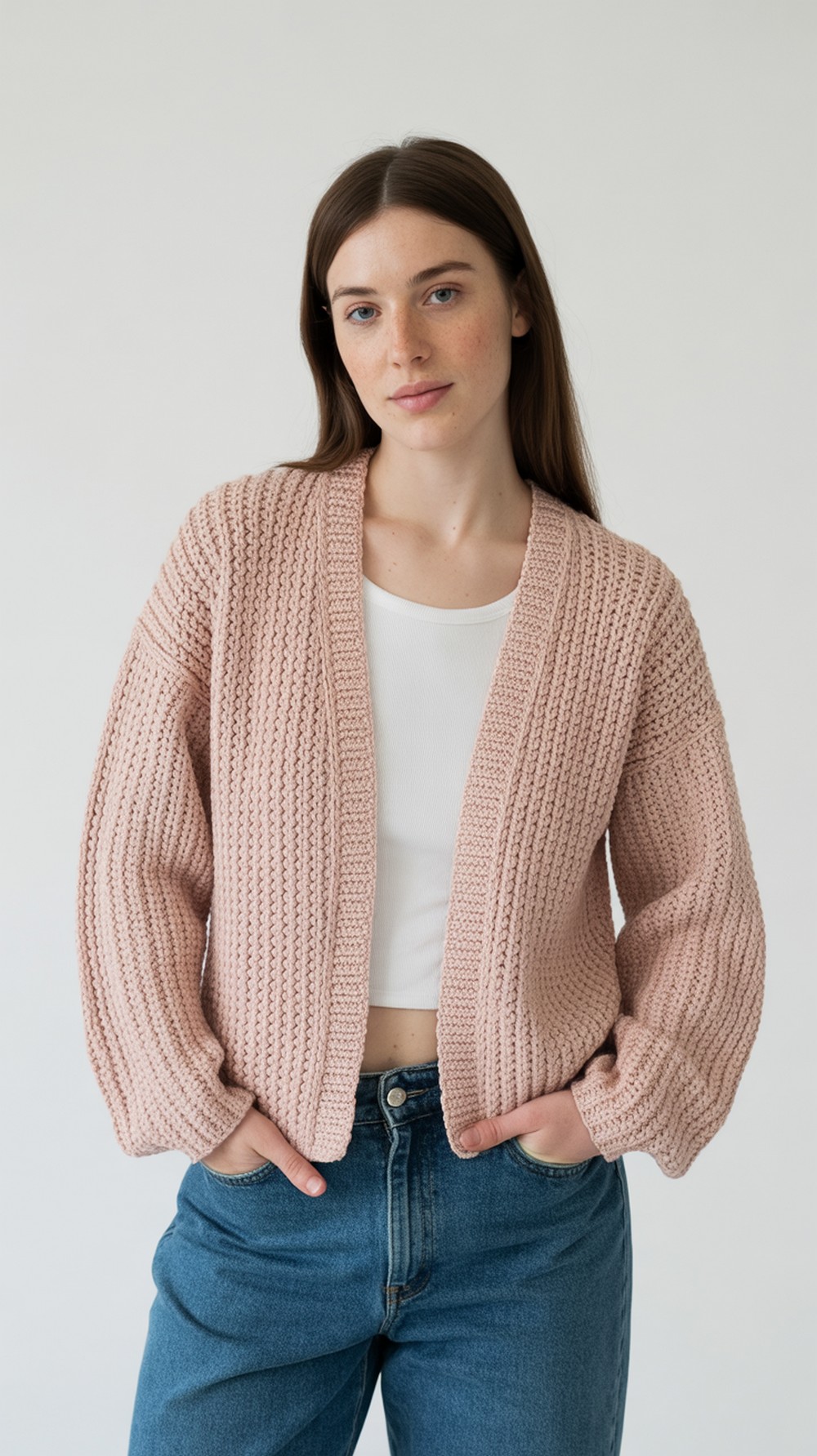
This open-front cardigan is a great first wearable from a trusted pattern house. The straightforward construction, ribbed edges, and easy sleeves make it a relaxing project with a polished result. Choose a soft worsted acrylic for durability and easy care. Yardage typically 1,100–1,700 yds depending on size. Tip: block fronts before adding the band so the hem hangs straight. Tutorial
Supplies: Red Heart Soft or similar; 6.0 mm hook; needle; measuring tape
Why it’s great: Beginner-friendly, open-front design with classic ribbing and inclusive sizes.
Conclusion
Pick one cardigan that matches your time and yarn stash, then dive in. The rectangle and hexagon builds are perfect confidence boosters; chunky yarns deliver instant wins, while DK weights offer floaty drape you’ll wear everywhere. Bookmark this list so you can return for your next style—stripe play, granny squares, or a classic open front. When you finish, snap a vertical photo, note your yardage for future makes, and share your cozy success with a friend who needs a handmade hug.
FAQs
What yarns work best for cardigans?
Cotton and cotton blends give breathable structure, while acrylic and acrylic/wool blends add warmth and resilience. For drape, choose soft worsted or DK with a smooth ply; for quick finishes, pick bulky or super bulky.
Can I machine wash my crochet sweaters?
Most acrylics are machine washable; lay flat to dry to prevent stretching. For cotton and wool blends, use a gentle cycle, a mesh bag, and always dry flat to keep shape.
How do I adjust sizing without rewriting the whole pattern?
Check the pattern’s stitch multiple and gauge. Add or subtract repeats evenly across body and sleeves, then remeasure key points (bust, armhole, sleeve length) against a sweater you love.
Are certain fibers safer for warmth and daily wear?
For everyday layers, acrylic blends resist pilling and hold shape. Avoid 100% cotton for heavy, long cardigans unless you like weighty drape; it can stretch. For warmth, wool blends insulate without bulk.
What joins and edgings are most durable?
Use mattress stitch or slip-stitch seam for strong, flexible joins. Ribbing in back-loop-only or post stitches provides recovery on cuffs and bands that see frequent tugging.
How much time and yarn will I need?
Bulky cocoon cardigans: 6–12 hours, ~900–1,200 yds. Worsted everyday cardigans: 8–18 hours, ~1,100–1,800 yds. DK multi-square designs: 14–24 hours, ~1,300–2,100 yds.
How do I photograph my cardigan for vertical feeds?
Shoot in natural daylight near a window, style with neutral layers, and frame vertically (9:16). Capture a close-up of stitch texture plus a full-length shot for scale.
How do I fix curling, flaring, or wavy edges?
Check gauge first. Add a row of single crochet to stabilize, then block. For ribbing that flares, switch to a smaller hook or reduce stitches slightly along the band.